These Pennsylvania Shrubs Love Moisture And Feed Wildlife
Wet spots in Pennsylvania yards are one of those landscape features most homeowners spend years fighting rather than working with.
Low areas that hold water after rain, spots near downspouts that stay consistently damp, drainage zones that never quite dry out.
Most plants placed there struggle or fail, which makes these areas feel like permanent problem zones. But certain Pennsylvania shrubs were made for exactly these conditions.
They don’t just tolerate moisture. They thrive in it. And as they grow, they produce fruit, flowers, and shelter that Pennsylvania wildlife depends on through multiple seasons.
The wet spots most homeowners consider a liability become some of the most ecologically active areas in the entire yard once the right shrubs are established there.
Here are the Pennsylvania shrubs that love moisture and what they deliver for local wildlife.
1. Buttonbush
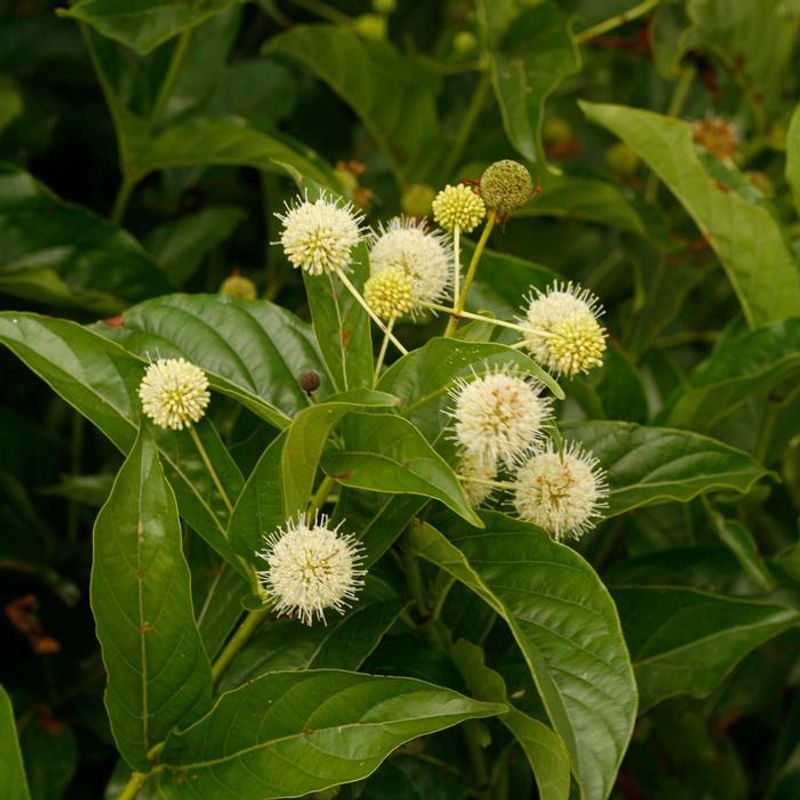
Picture a shrub covered in fuzzy white balls that look like tiny fireworks frozen in mid-explosion. That is buttonbush, and pollinators absolutely swarm it during the warm months.
The round flower clusters produce loads of nectar that bees, butterflies, and even hummingbirds cannot resist.
This plant is a champion of the wettest spots you have. It grows happily right at the edge of ponds and streams, and it can even stand in a few inches of standing water.
If your yard has a soggy corner that never seems to dry out, buttonbush will feel right at home there.
Once the flowers fade, they turn into hard little seed balls that stick around into winter. Ducks and other water birds munch on these seeds, so you are feeding wildlife long after summer ends. Waterfowl especially depend on this food when other sources run low.
Buttonbush grows fairly large, sometimes reaching six to twelve feet tall and wide. Give it plenty of room and plant it in full sun for the most flowers. It can handle part shade, but blooms will be fewer in darker spots.
Care is easy once it settles in. You barely need to water it since it craves moisture anyway, and it rarely bothers with pests. A light pruning in late winter keeps it tidy and encourages fresh growth.
Fun bit of trivia: buttonbush is a favorite stopover for migrating monarch butterflies. Planting one means you might get to watch these travelers rest and refuel right in your own backyard during their long journey south.
2. Winterberry Holly
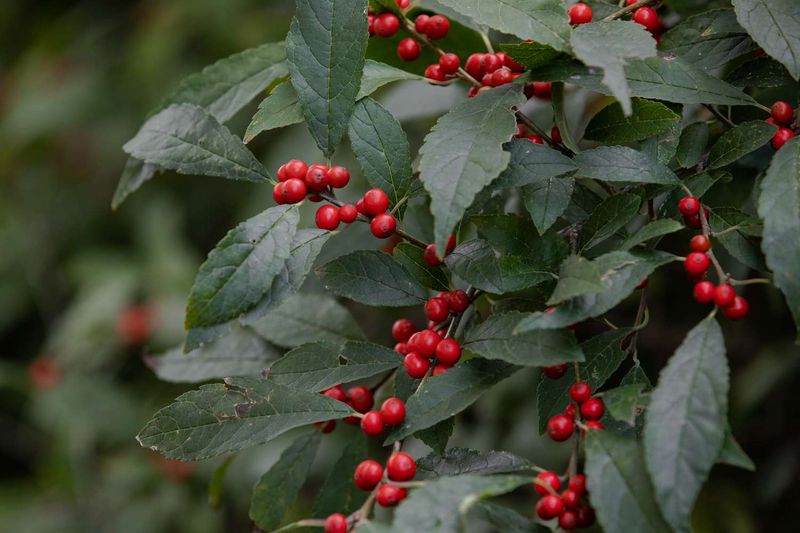
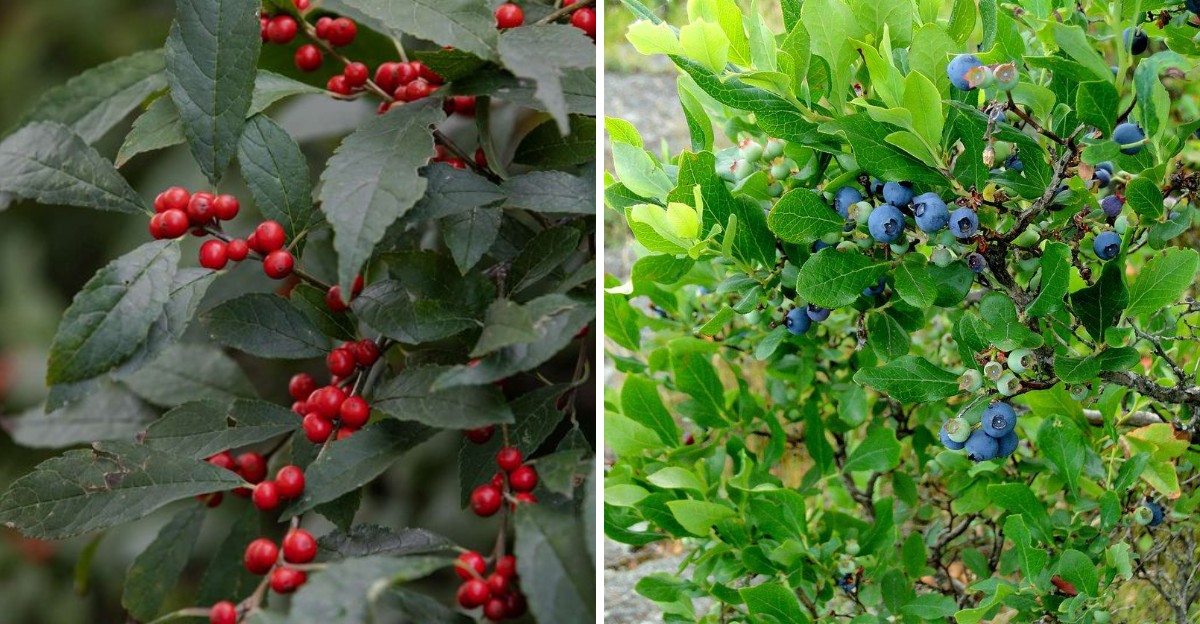
Nothing brightens a gray winter day like a shrub glowing with thousands of red berries. Winterberry holly drops its leaves in fall, leaving nothing but bare branches loaded with fruit. The effect is stunning against snow and impossible for birds to ignore.
More than 48 kinds of birds feast on these berries, including robins, cedar waxwings, and cheerful cardinals.
The fruit hangs on well into the cold season, offering meals when almost everything else is gone. Watching a flock strip a bush clean is a real winter treat.
This holly loves damp, acidic soil and does great in rain gardens or low wet areas. It tolerates poor drainage that would trouble many other shrubs. Full sun brings the heaviest berry crop, though it accepts a bit of shade.
Your Pennsylvania Garden Changes Every Week. Your Plan Should Too.
Gardening in Pennsylvania changes quickly throughout the season. Every Friday you’ll receive a simple weekly plan showing exactly what to plant, prune, fertilize, harvest, and protect so you never miss the right timing.
Here is something important to know. Winterberry needs both male and female plants to make berries. Only females produce the fruit, so plant one male nearby for every few females to guarantee a big show each year.
The shrub grows around three to twelve feet tall depending on the variety. It spreads slowly by suckers, forming a nice clump over time. You can prune it in early spring before new growth begins.
Gardeners often cut a few berry-covered branches for holiday decorations, and they last a long time indoors. Just leave plenty outside for the birds who count on them.
Native to Pennsylvania wetlands, winterberry has been feeding local wildlife for centuries. Adding it to your yard connects your garden to that long natural history while giving you one of the prettiest winter scenes around.
3. Red-Osier Dogwood
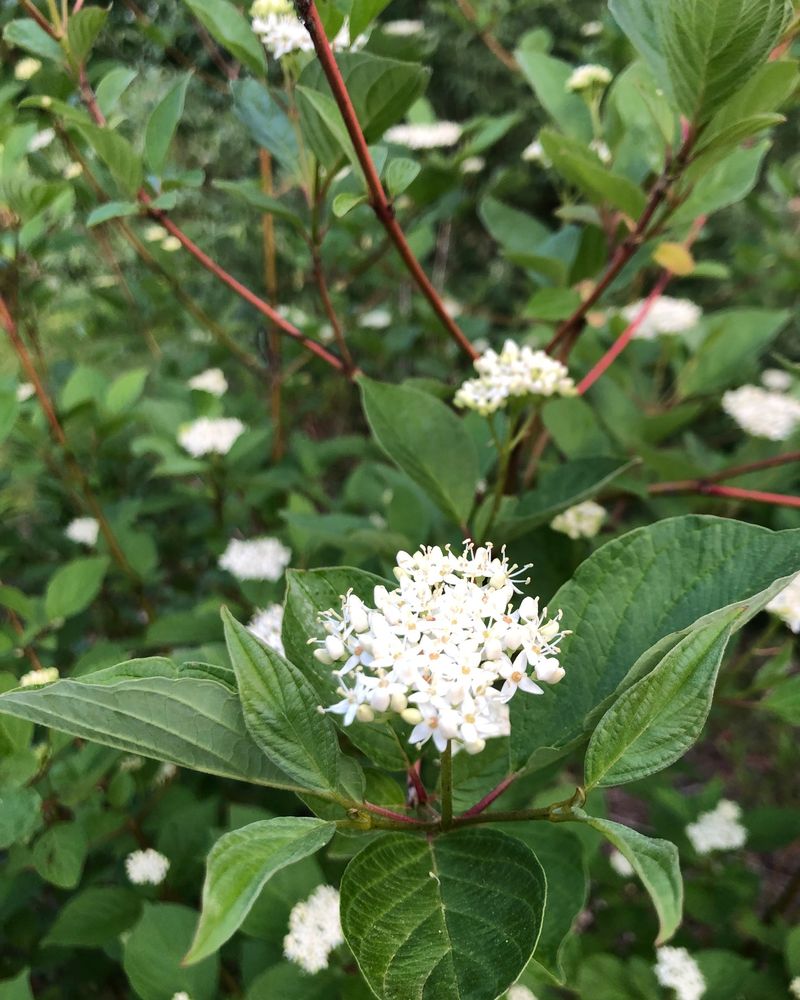
The stems steal the show with this one. Red-osier dogwood turns a fiery red in winter, lighting up dull landscapes when everything else looks brown. Those glowing branches make it a favorite for adding color to cold months.
Beyond good looks, this shrub is a wildlife buffet. Clusters of white flowers in spring draw in butterflies and bees. By late summer the blooms become whitish berries that more than 45 bird species gobble up, from bluebirds to woodpeckers.
Moisture is exactly what red-osier dogwood wants. It grows naturally along streams, ponds, and wet meadows across Pennsylvania. Plant it in a soggy spot and it will reward you with fast, healthy growth.
Deer and rabbits sometimes nibble the twigs, and beavers use the branches too. The plant handles this browsing well and keeps bouncing back with fresh shoots each season.
To keep those red stems bright, cut back about a third of the oldest branches every spring. Young stems show the strongest color, so this yearly trim keeps your display vivid. Skip pruning and the color slowly fades on older wood.
This dogwood spreads by underground stems and rooting branches, so it can form thickets over time. That habit makes it wonderful for erosion control along wet banks where soil tends to wash away.
Expect a mature size of six to nine feet tall and wide. Give it room to spread and full sun for the boldest stem color.
A quick tip: pair it with winterberry holly for a knockout winter combo of red stems and red berries that birds and neighbors will both love.
4. Elderberry
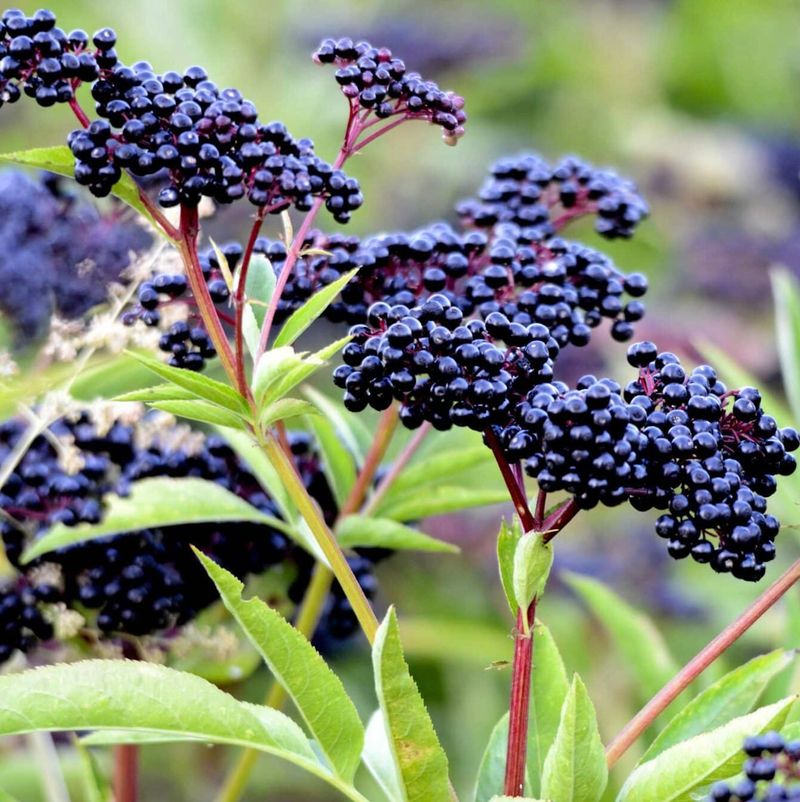
Few shrubs work as hard for wildlife as elderberry. In early summer it bursts with flat, lacy clusters of tiny white flowers that hum with pollinators. Those blooms later ripen into dark purple berries that birds and mammals adore.
Over 50 bird species eat elderberries, and so do foxes, squirrels, and other critters. The fruit ripens in late summer, filling a hungry gap before fall foods appear. A single mature bush can produce pounds of berries in one season.
Damp, rich soil suits this plant perfectly. It grows wild along ditches, streams, and moist woodland edges throughout Pennsylvania. Give it steady moisture and it grows fast, sometimes shooting up several feet in a year.
People enjoy elderberries too, but only after cooking them into jams, syrups, and pies. Raw berries and other plant parts are not safe to eat, so always cook the fruit first. The flowers can be turned into fragrant cordials as well.
This shrub reaches five to twelve feet tall and spreads by suckers into loose colonies. Cut older canes to the ground in late winter to keep it vigorous and full of fresh growth.
Full sun gives the most flowers and berries, though elderberry tolerates part shade. Plant two different varieties nearby for better pollination and bigger harvests.
Here is a neat fact: elderberry has been used in folk remedies for hundreds of years. Native peoples and early settlers both valued it.
Today it remains a garden favorite that feeds people, pollinators, and wildlife all at once, making it one of the most useful natives you can grow.
5. Spicebush
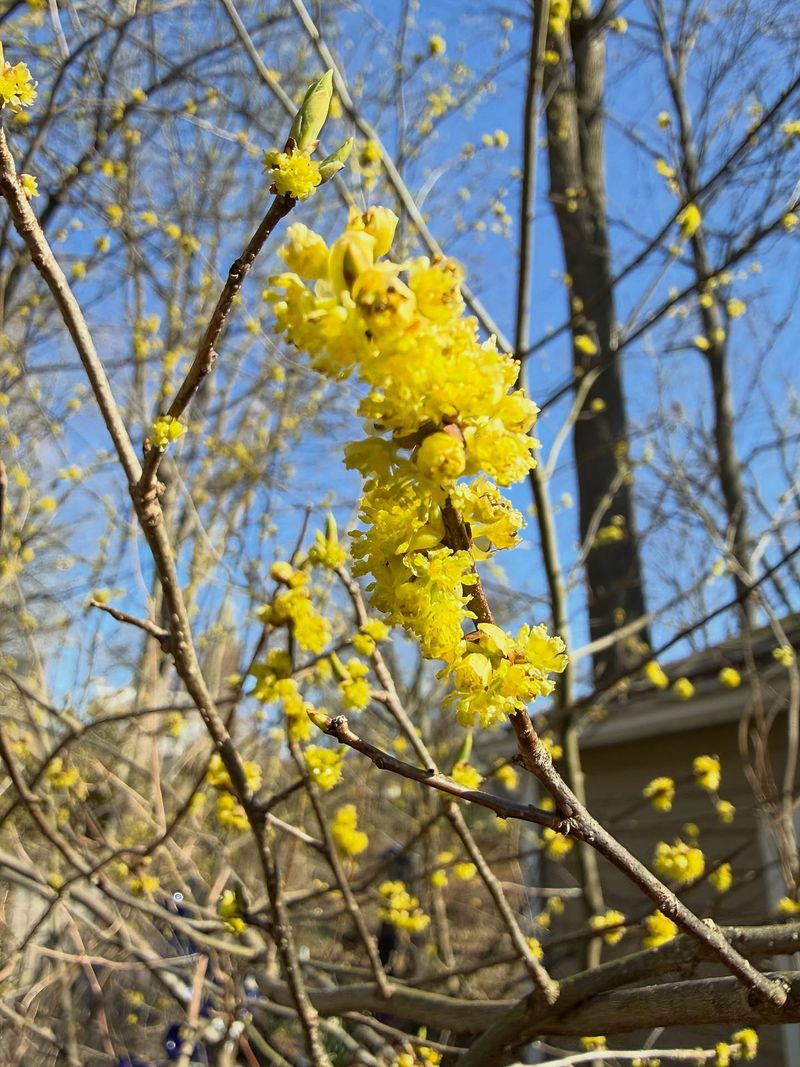
Crush a leaf from this shrub and your nose fills with a warm, spicy scent. Spicebush earns its name honestly, and that aroma is just the beginning of what makes it special. It is a quiet workhorse in shady, moist woodlands.
Early spring brings a soft haze of tiny yellow flowers before the leaves appear. These blooms feed some of the first bees emerging in cool weather. Come fall, female plants show off bright red berries packed with fatty energy.
Migrating birds treasure those berries, especially thrushes and vireos fueling up for long flights south. The high-fat fruit gives them the energy boost they need to travel great distances.
Spicebush is also famous for one gorgeous visitor. The spicebush swallowtail butterfly lays its eggs on the leaves, and the caterpillars grow up feeding there. Without host plants like this one, that butterfly could not survive.
Moist, well-drained soil in part shade is the sweet spot for this shrub. It naturally grows under taller trees along Pennsylvania streams and slopes. That makes it perfect for shady corners where sun-loving plants would sulk.
Expect a rounded shape around six to twelve feet tall. It needs little pruning and rarely faces serious pest trouble, so care stays simple.
Like winterberry, spicebush needs male and female plants for berries. Plant a few together to be sure you get fruit and attract the birds.
The leaves turn a lovely golden yellow in autumn, adding a glow to woodland edges. Between the spring flowers, fall color, and its role as a butterfly nursery, spicebush truly gives your garden something in every season.
6. Silky Dogwood
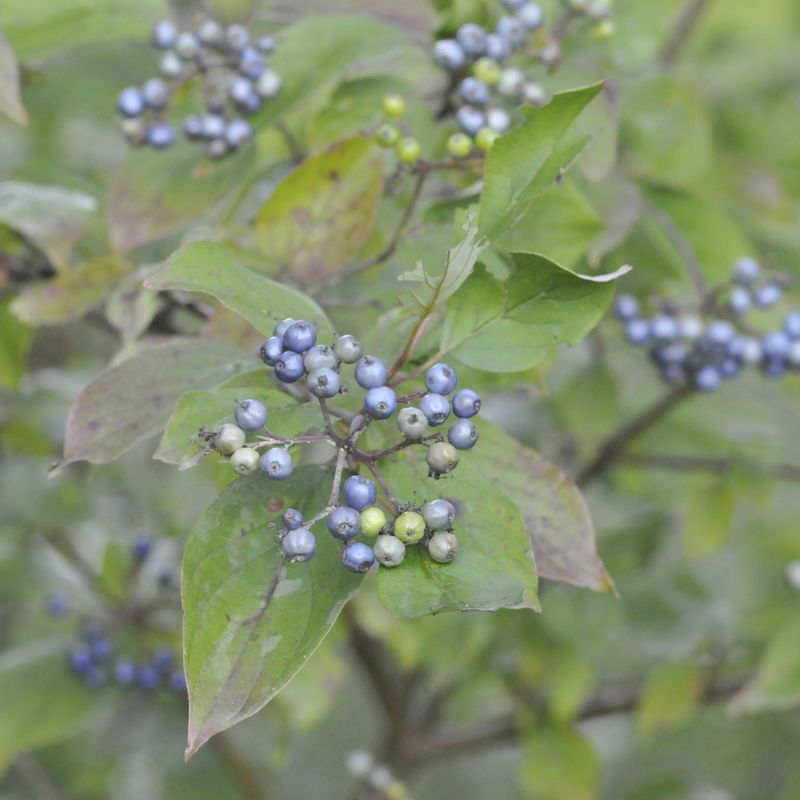
The berries on this shrub look almost fake, painted in shades of powder blue and white on rosy pink stems.
Silky dogwood puts on a striking fruit display that both people and birds stop to admire. It is a beautiful choice for wet spots.
Late spring flowers arrive in flat white clusters that draw butterflies and beneficial insects. By late summer those flowers become the colorful berries that give the shrub its charm. Dozens of bird species clean them off quickly.
Wet, poorly drained ground is where silky dogwood shines. It grows naturally along Pennsylvania streambanks and in floodplains that flood now and then. If your soil stays soggy, this plant will thank you.
The roots grip soil tightly, so this shrub is excellent for holding stream edges in place. Where water threatens to wash away banks, planting a row of silky dogwood helps keep the ground steady.
It grows six to ten feet tall and wide, forming a rounded, somewhat loose shape. New stems have a soft, silky fuzz that gives the plant its common name. That fuzzy texture sets it apart from its dogwood cousins.
Care is refreshingly low fuss. Prune out the oldest stems every few years to keep it fresh, and let it soak up all the moisture it wants.
Ducks, wild turkeys, and songbirds all rely on the berries, while deer browse the twigs. Few shrubs feed such a wide range of creatures.
Pair silky dogwood with buttonbush along a pond and you will create a wildlife magnet that buzzes, sings, and glows with color from spring through fall.
7. Highbush Blueberry
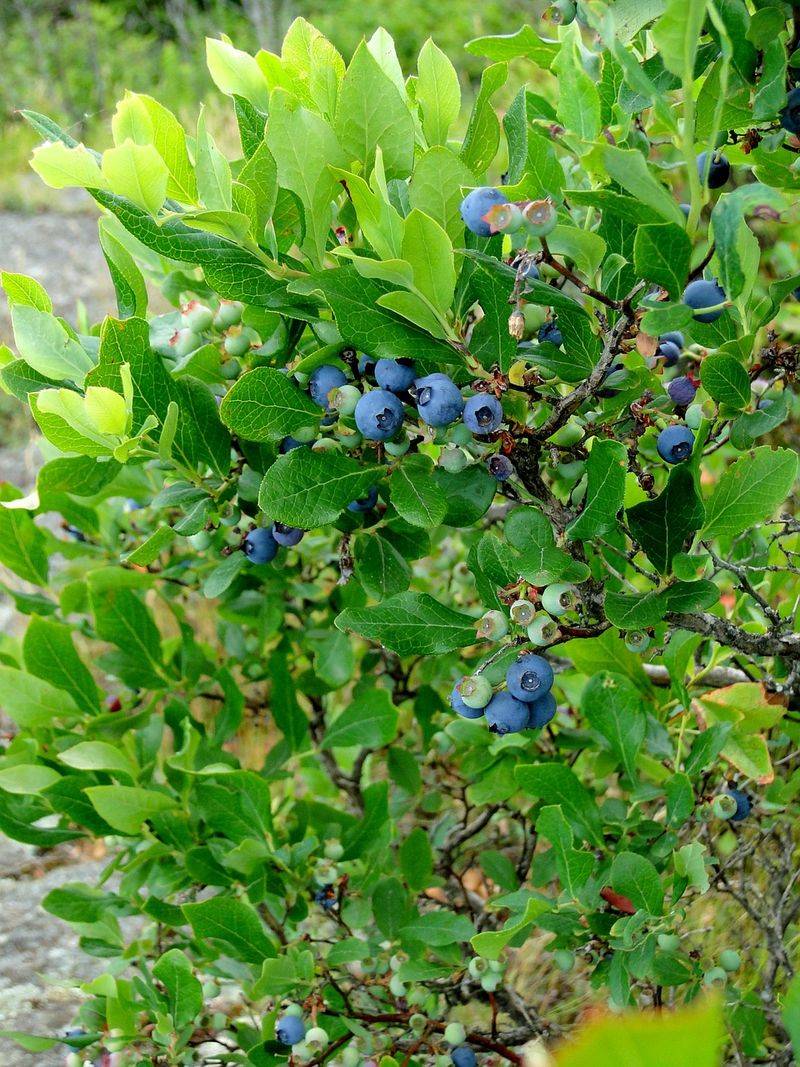
Everyone loves a plant that feeds both the family and the birds, and highbush blueberry does exactly that.
Sweet berries ripen in summer, giving you fresh snacks while wildlife enjoys the leftovers. It is a true multitasker for damp gardens.
Spring opens with dainty white, bell-shaped flowers that bees find irresistible. Their buzzing pollination work leads to the plump berries that follow. Without those busy pollinators, you would get far less fruit.
This shrub craves acidic, moist soil, which many Pennsylvania spots naturally provide. It grows wild in bogs, swamps, and wet woods across the state. Match those conditions and it will produce for years.
Berries feed more than 80 kinds of birds along with foxes, chipmunks, and other small animals. Bluebirds, robins, and orioles all show up when the fruit ripens. You may have to share your harvest, and that is part of the fun.
Come autumn the leaves turn brilliant shades of red and orange, making the shrub a standout in the fall landscape. Few edible plants also deliver such fiery color.
Plant it in full sun for the biggest berry crop, though it accepts light shade. Two or more varieties nearby improve pollination and boost your yield.
Highbush blueberry usually grows six to twelve feet tall. A yearly trim of old canes in late winter keeps it productive and open.
Here is a proud local note: Pennsylvania sits in the natural range of this native shrub, so it has flourished here long before backyard gardens existed.
Growing one connects your yard to that heritage while filling your bowl and feeding the neighborhood wildlife.