How Michigan Gardeners Can Protect Hummingbirds From Common Yard Pests
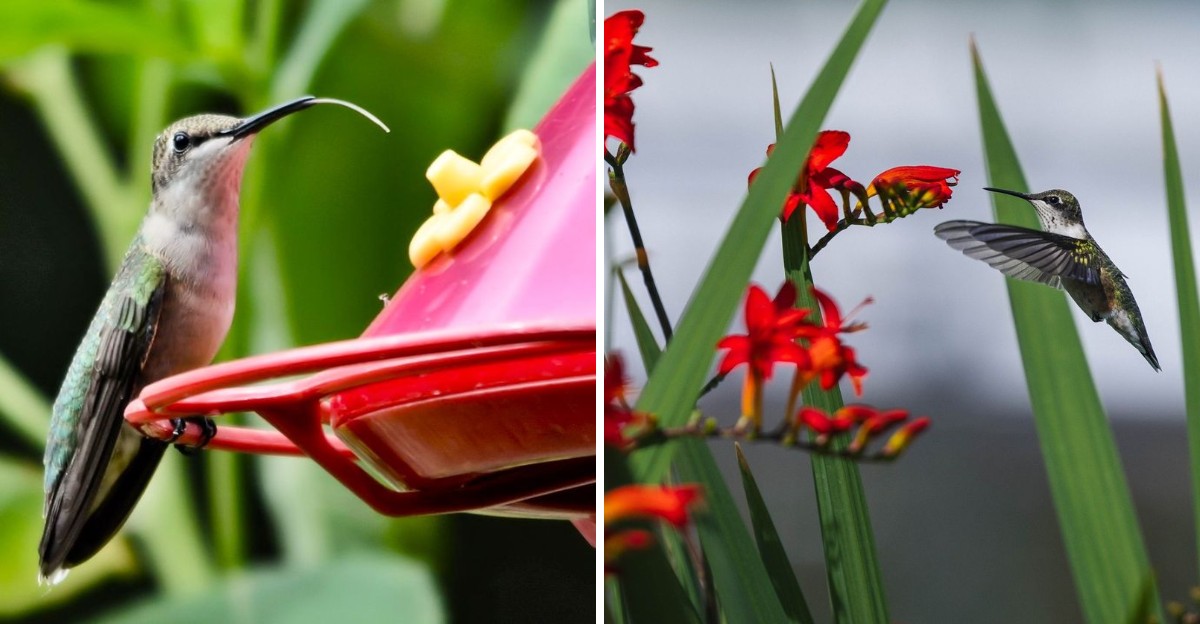
Hummingbirds face more everyday threats in a Michigan yard than most people realize, and several of the most common ones come from ordinary garden pests and the products used to manage them.
Insecticides and pesticides can be especially harmful, either poisoning hummingbirds directly or eliminating the small insects they depend on as a significant part of their diet.
Outdoor cats and spiders building webs near feeders also pose real dangers, sometimes catching these fast-moving birds off guard when they’re distracted by feeding.
Taking a few thoughtful precautions, like choosing pest control methods carefully and positioning feeders away from common danger zones, goes a long way toward keeping hummingbirds safe.
A yard that genuinely supports hummingbirds requires balancing pest management with real awareness of what these birds need to thrive.
1. Keep Ants Out Of Hummingbird Feeders
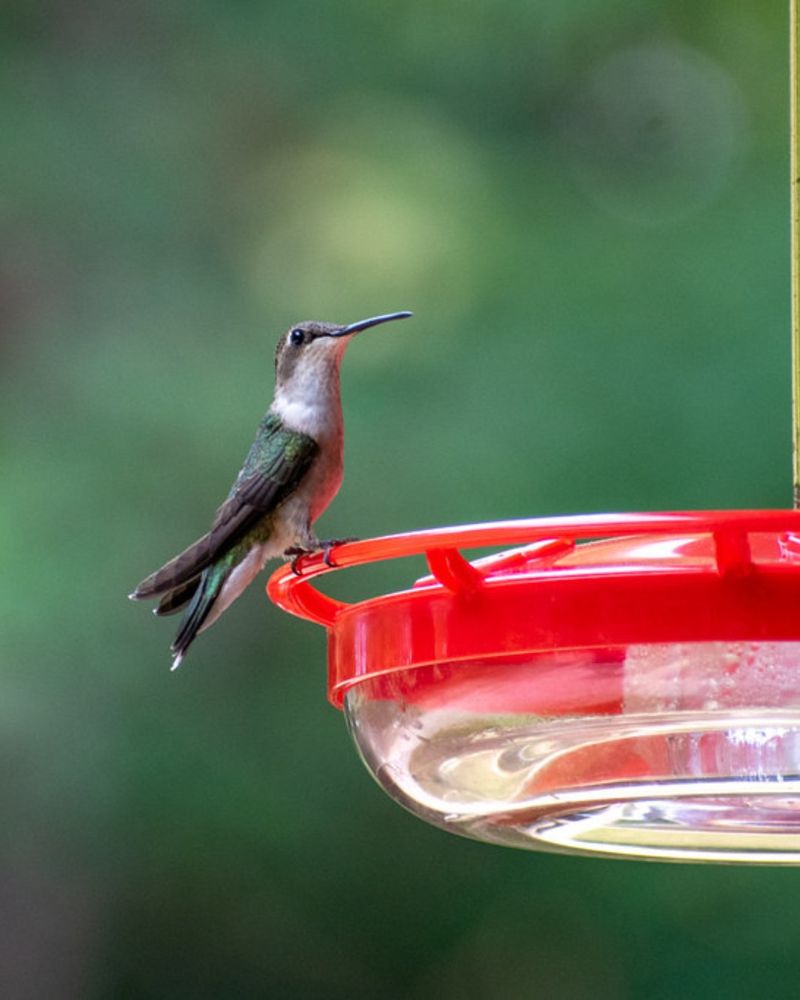
Ants have a sweet tooth just like we do, and your sugary nectar feeder is basically a candy shop to them. They march up the hanger, slip into the feeding ports, and quickly turn fresh nectar into a cloudy mess.
Once ants reach the feeder, they can contaminate the nectar and discourage hummingbirds from feeding. Nobody wants to sip a drink crawling with insects, and your feathered guests feel the same way.
The easiest fix is an ant moat, a small cup of water that hangs between the hook and the feeder.
Ants cannot cross the water barrier, so they simply give up and turn around. Many feeders come with a built-in moat, but you can buy one separately or even craft a simple version at home.
Placement matters too. Hanging your feeder from a shepherd’s hook away from tree branches and fences makes it harder for ants to reach in the first place.
Skip the sticky sprays, oils, or pesticides near the feeder. Those substances can coat feathers and harm the very birds you want to protect.
Check the moat every few days during warm weather, since water evaporates quickly in the Michigan sun. Refilling it takes just a few seconds.
With a moat in place and smart positioning, you keep ants out naturally. Your nectar stays clean, your hummingbirds stay happy, and you avoid any need for chemicals in your garden.
2. Watch For Wasps And Hornets
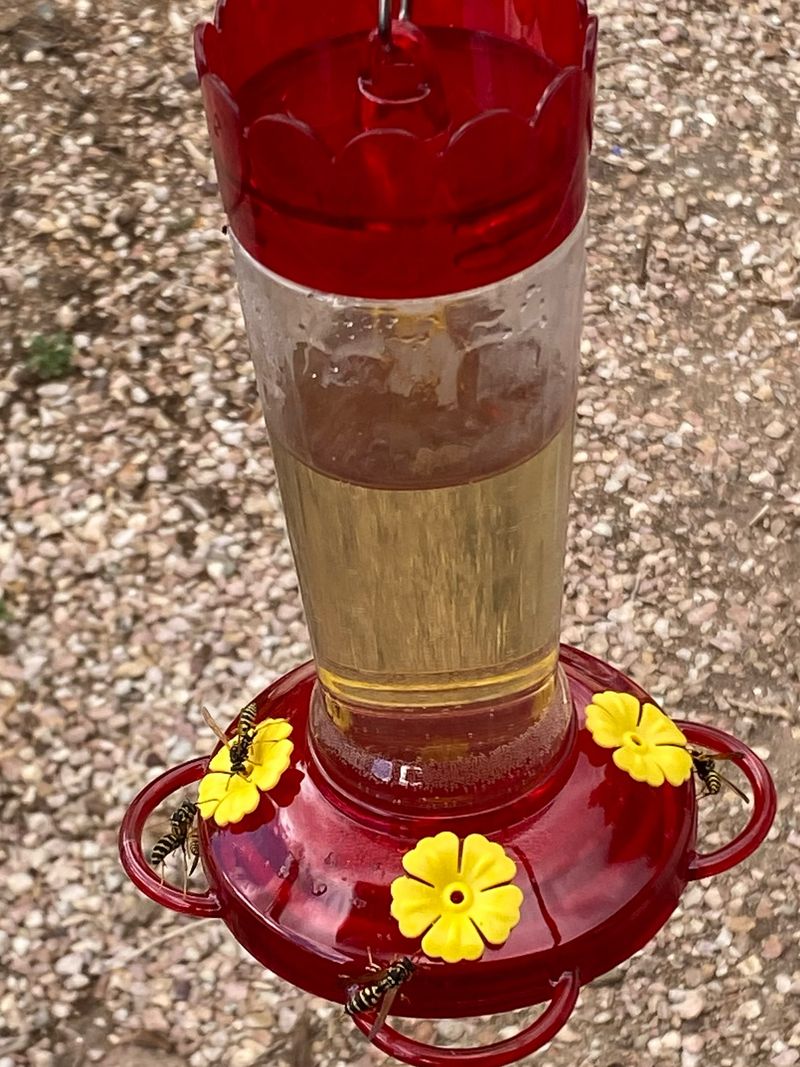
Wasps and hornets share the same love for sweet nectar that draws hummingbirds in, and they can turn feeding time into a battle. When several wasps swarm the ports, hummingbirds often back off and wait, missing out on the meal they need.
Those stinging insects can also crowd the feeder so heavily that birds avoid it entirely. That defeats the whole purpose of putting one out.
One trick that works well is choosing feeders with built-in bee and wasp guards. These little cages cover the ports so hummingbird tongues can reach the nectar while wasps cannot squeeze through.
Color plays a role too. Keep feeders clean and reduce exposed sugary residue, since wasps are often attracted by the nectar itself. Small changes like this cut down on unwanted visitors.
Your Michigan Garden Changes Every Week. Your Plan Should Too.
Gardening in Michigan changes quickly throughout the season. Every Friday you’ll receive a simple weekly plan showing exactly what to plant, prune, fertilize, harvest, and protect so you never miss the right timing.
Moving the feeder a short distance every week or so can also throw wasps off their routine. Hummingbirds quickly find the new spot, but wasps often lose interest when their reliable stop keeps shifting.
Keep the outside of your feeder wiped clean, since sticky drips act like a welcome sign for wasps. A quick rinse removes the sugary trail.
Avoid swatting or spraying near the feeder, because that stresses the birds and can drive them away. Patience and smart feeder choices work far better.
With guards, careful colors, and occasional moves, you can keep the sweet stuff flowing for hummingbirds while gently discouraging the stinging crowd from taking over.
3. Give Bees Other Food Sources
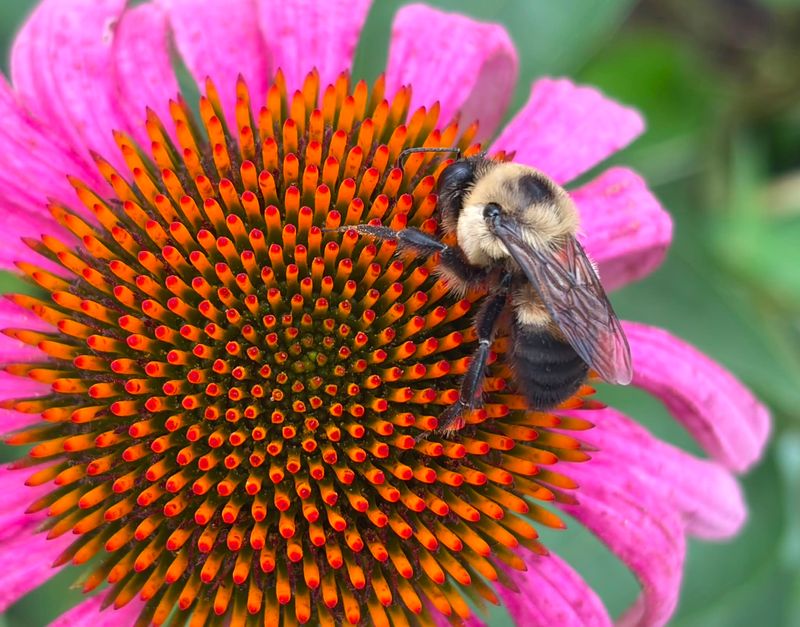
Bees are wonderful for gardens, but they sometimes crowd hummingbird feeders looking for an easy sugar fix. When too many gather, hummingbirds hesitate to swoop in for their share.
The kindest solution helps both creatures at once. By planting plenty of nectar-rich flowers, you give bees their own buffet away from the feeder.
Michigan gardens thrive with blooms like bee balm, coneflower, salvia, and native milkweed. These plants attract busy bees and offer them the natural nectar they truly prefer over sugar water.
When bees have flowers bursting with nectar nearby, the pull of the feeder fades. They spread out across your yard instead of clustering at one spot.
Try grouping flowers in sunny patches so bees notice them easily. A colorful cluster draws far more attention than a single scattered plant here and there.
Blooming plants also invite butterflies and support the whole garden, so you gain beauty along with a natural pest solution. It is a win for everyone.
Hummingbirds love these same flowers too, so your feeder becomes just one option among many. Less crowding means calmer feeding for the birds you adore.
Choose plants that bloom at different times through spring, summer, and fall. That steady supply keeps bees satisfied all season long instead of just a few weeks.
With a garden full of natural nectar, you ease the pressure at your feeder without harming a single bee. Everyone finds a place to eat, and your yard buzzes with cheerful, peaceful activity.
4. Keep Feeders Fresh And Clean
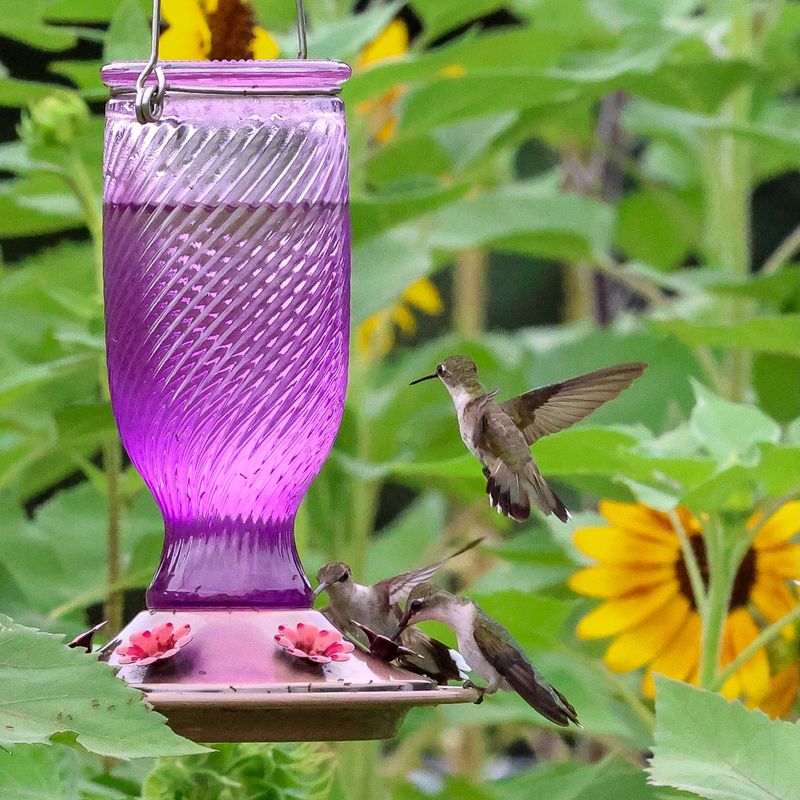
Fresh nectar is the heart of a healthy feeder, and it spoils faster than many people expect. During warm Michigan summers, sugar water can turn cloudy or moldy in just a couple of days.
Spoiled nectar does more than taste bad. It can grow harmful mold and bacteria that make hummingbirds sick, turning a helpful feeder into a real problem.
Change the nectar every two or three days when temperatures climb, and every four or five days when it stays cooler. If you ever spot cloudiness or black specks, swap it right away.
Cleaning matters just as much as fresh refills. Rinse the feeder with hot water and use a small brush to scrub every port and corner where residue hides.
Skip harsh soaps that leave a filmy taste behind. A mix of hot water with a splash of white vinegar cleans well and rinses away cleanly.
Making nectar at home is simple and safe. Stir one part white sugar into four parts water until it dissolves, and never add red dye, honey, or artificial sweeteners.
Store any extra nectar in the refrigerator for up to a week. That way you always have a fresh batch ready to pour.
Position feeders in partial shade when you can, since direct sun speeds up spoiling. A shady spot keeps the nectar fresh longer.
A little cleaning routine goes a long way. Clean feeders and fresh nectar keep your hummingbirds strong, healthy, and coming back for more.
5. Keep Outdoor Cats Away From Feeders
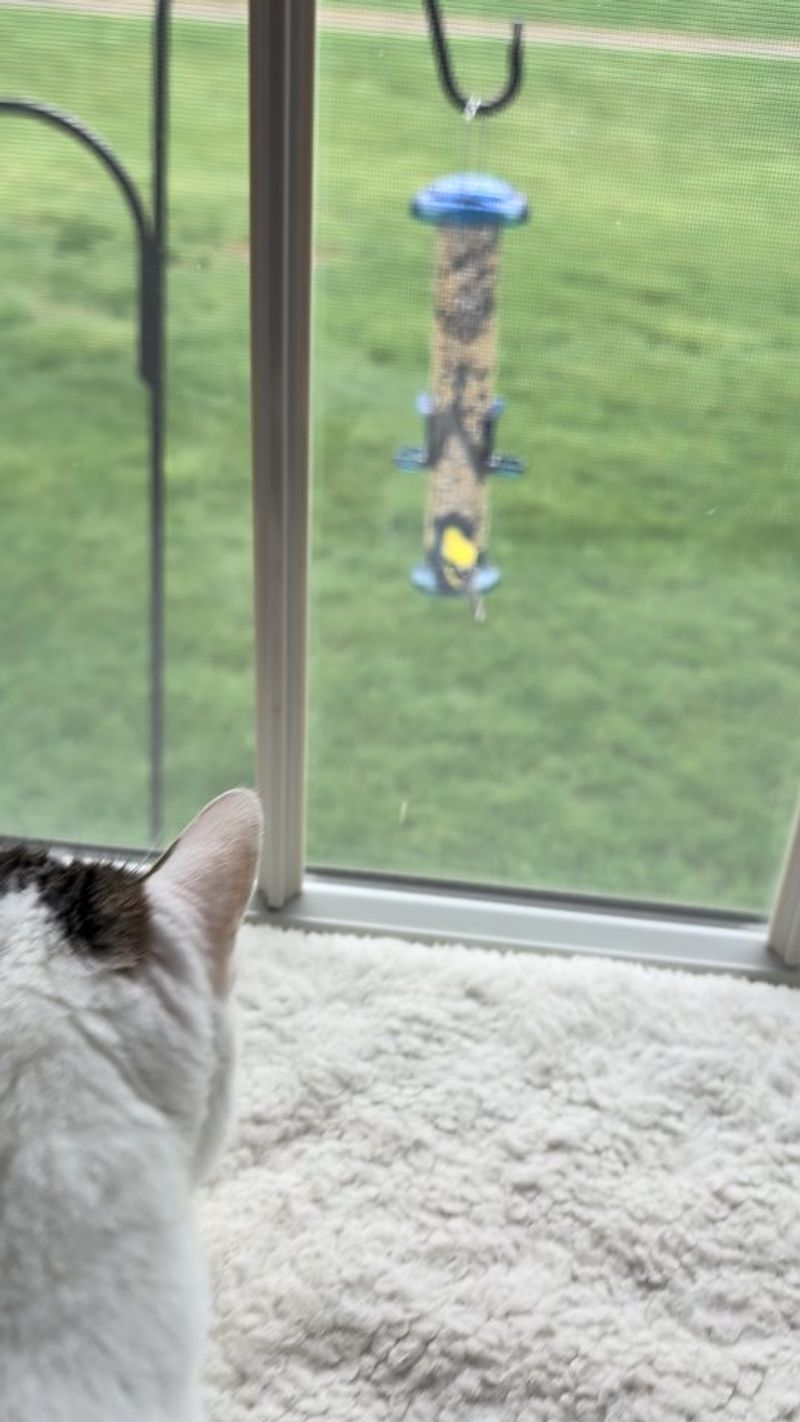
Cats are natural hunters, and a hovering hummingbird looks like an exciting target to a curious feline. Free-roaming cats can pounce on birds that come down to feed, turning your yard into a risky place.
Even well-fed house cats chase birds out of instinct. That means a friendly neighborhood cat can still cause real trouble at your feeder.
The smartest defense is placement. Hang feeders on tall poles in open areas where there is no thick brush, fence line, or low branch for a cat to crouch behind.
Open space gives hummingbirds a clear view of their surroundings. When they can spot a cat approaching, they can dart away long before any danger reaches them.
Keep shrubs and tall grasses trimmed back near the feeder. Removing hiding spots takes away a cat’s chance to sneak up unnoticed.
If cats visit your yard often, consider a baffle or a smooth metal pole that they cannot climb. This keeps them from reaching perches near the feeder.
Talking with neighbors about keeping their cats indoors helps too. Indoor cats stay safer, and your garden birds gain peace of mind.
Motion-activated sprinklers offer a gentle, harmless way to shoo cats away. A quick spritz of water sends them off without hurting them.
With open placement and fewer hiding spots, you give hummingbirds the safety they need. Your feeder stays a joyful gathering place instead of a hunting ground, and every visitor can sip in peace.
6. Watch For Large Praying Mantises
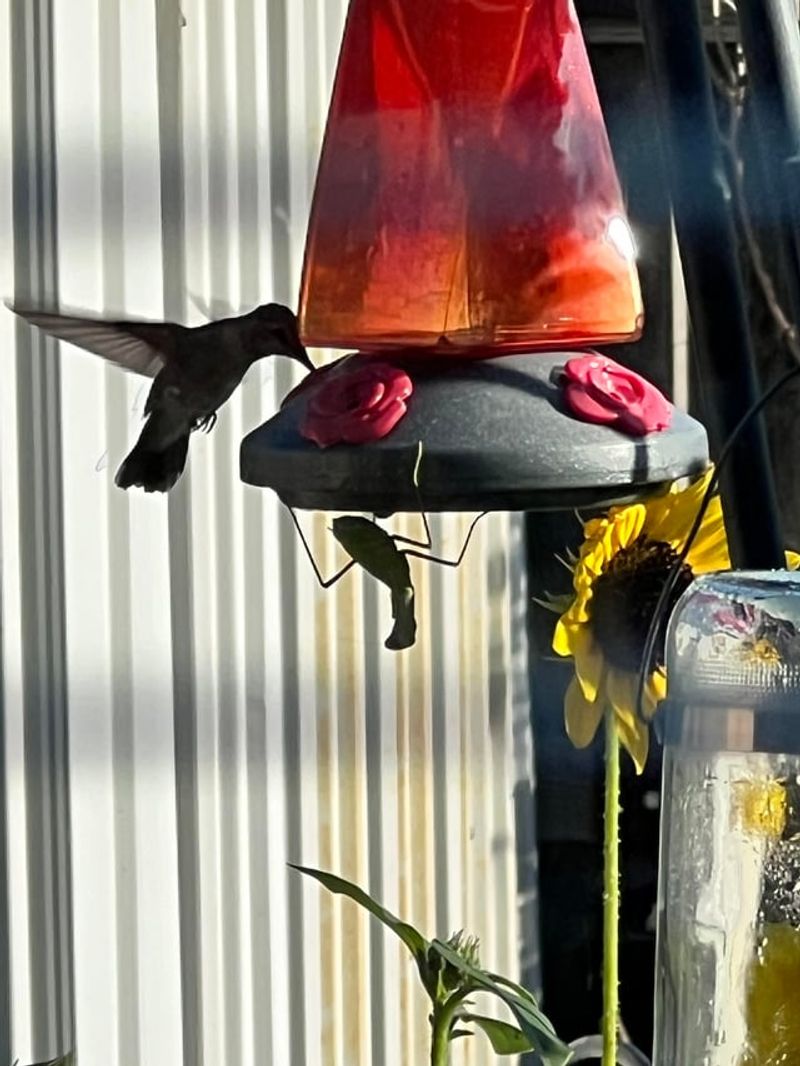
It may sound surprising, but a big praying mantis can pose a real threat to a tiny hummingbird. These patient insects sometimes wait near feeders, ready to grab a bird that pauses to drink.
Large mantis species, especially non-native ones, are strong enough to catch a small hummingbird. They perch quietly and blend into leaves, so they are easy to miss.
Take a close look at your feeder and the plants right around it every so often. A mantis clinging to the rim or a nearby stem is worth moving to another part of the yard.
You do not need to harm the mantis at all. Gently coax it onto a stick and carry it to a garden bed far from the feeder, where it can hunt other bugs.
Mantises are helpful in the garden overall, since they eat many pest insects. The goal is simply to keep them away from the feeding zone, not to remove them entirely.
Trim back branches and tall flowers that touch or hang over the feeder. Fewer perches near the ports give a mantis fewer chances to lie in wait.
A feeder placed in an open spot, away from dense foliage, is much less inviting to a lurking mantis. Open air makes ambushes far harder.
Checking now and then takes only a minute. With a quick glance and a gentle relocation, you protect your hummingbirds while letting these clever insects do their good work elsewhere in the garden.
7. Avoid Broad-Spectrum Pesticides
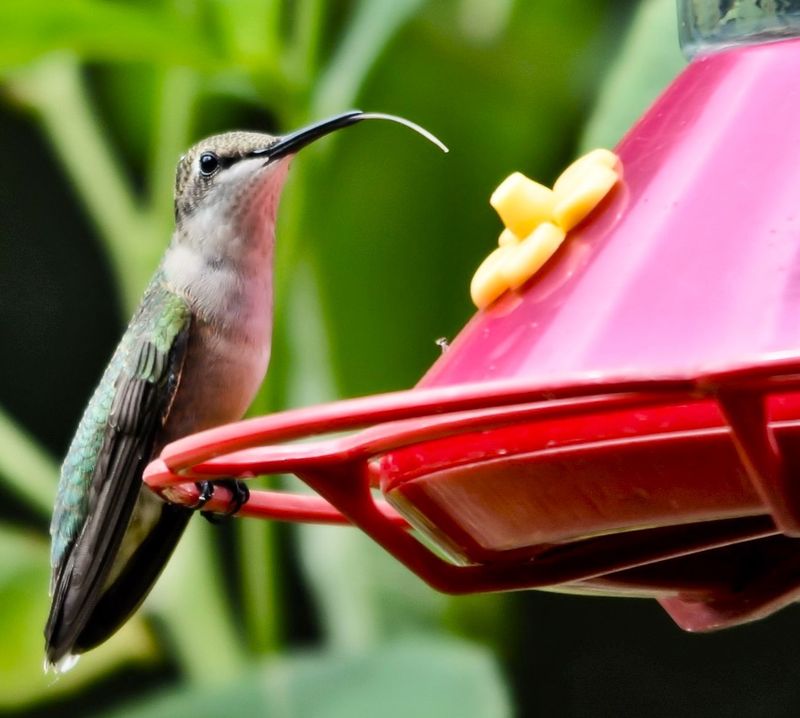
Reaching for a strong bug spray might seem like a quick fix, but it can quietly harm the hummingbirds you love. Broad pesticides wipe out many insects at once, including the tiny ones hummingbirds eat.
People often forget that hummingbirds do not live on nectar alone. They snap up gnats, spiders, and small flies for the protein that keeps them strong, especially while raising their young.
When a wide spray removes those little bugs, hummingbirds lose an important food source. Suddenly your yard offers sweet nectar but little else they need.
Chemicals can also land on feathers or get into nectar-rich flowers. That exposure puts direct stress on birds visiting your garden.
A better path is targeted pest control. Treat only the plants that truly need help, and aim for the specific pest instead of blanketing the whole yard.
Simple methods often work wonders. A blast of water knocks aphids off leaves, and insecticidal soap handles trouble spots without harming birds.
Welcome natural helpers like ladybugs and lacewings, which feast on garden pests for free. A balanced yard tends to keep problems in check on its own.
If you must use a product, read the label closely and apply it in the evening when hummingbirds are less active. Spot treatment beats broad spraying every time.
By skipping harsh, all-over chemicals, you protect the whole web of life in your garden. Your hummingbirds keep their bug buffet, and your yard stays a healthy, thriving place.
8. Create A Safer Hummingbird Habitat
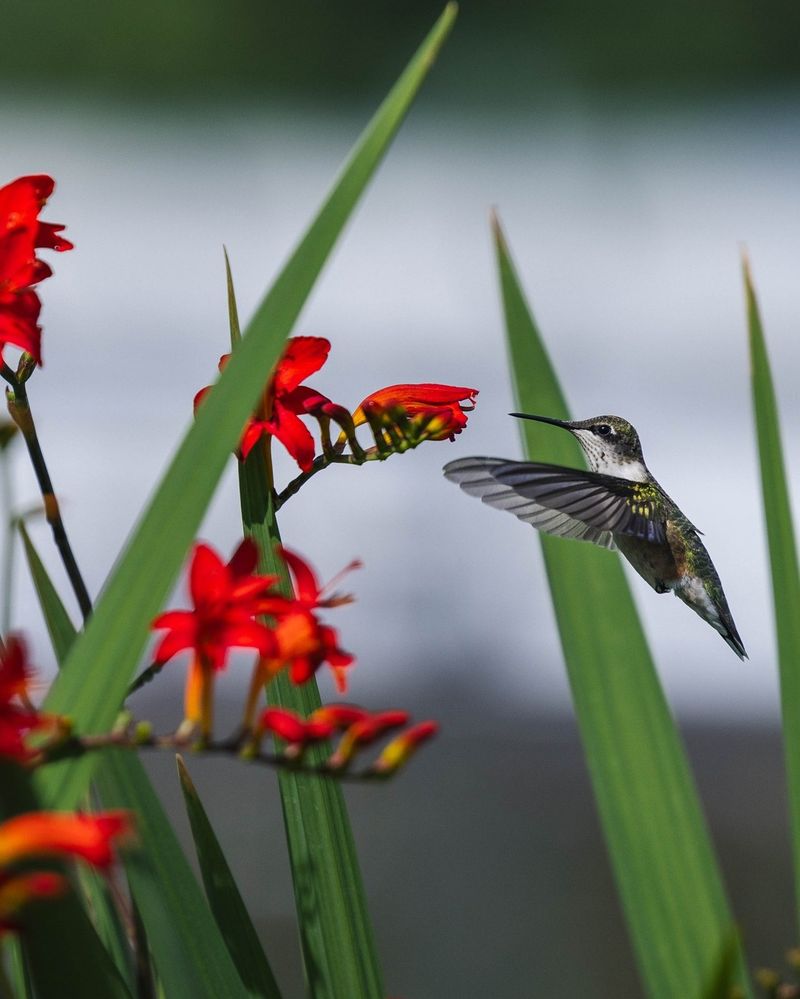
All these small steps come together into one big idea: building a yard where hummingbirds feel truly safe. When you combine clean feeders, smart placement, and plenty of flowers, your garden becomes a haven.
Start with the basics you have already learned. Fresh nectar, spotless feeders, and open placement away from cats and lurking insects set a strong foundation.
Next, think about shelter. Small trees and leafy shrubs placed a short distance from the feeder give hummingbirds a spot to rest and hide from bad weather or larger birds.
Native Michigan plants make a huge difference here. Blooms like columbine, bee balm, and trumpet vine offer natural nectar that supports birds even between feeder visits.
Water adds another welcome touch. A gentle mister or shallow fountain lets hummingbirds bathe and cool off on hot summer afternoons.
Cutting back on pesticides ties it all together. A chemical-light yard keeps the small insects hummingbirds rely on and protects their delicate bodies.
Try to offer blooms across the whole season, from early spring through fall migration. Steady food helps birds fuel up when they need it most.
Spacing several feeders apart can also reduce squabbles, since hummingbirds can be quite territorial. More stations mean more peaceful feeding.
Bit by bit, these choices turn an ordinary backyard into a thriving refuge. With food, shelter, water, and safety all in place, your Michigan hummingbirds will return year after year to a garden made just for them.