How To Restore Nutrients To North Carolina Garden Soil After Heavy Rains Wash Them Away
Heavy rain events can leave North Carolina garden soil looking fine on the surface while quietly stripping away the nutrients plants depend on underneath.
This process, known as leaching, happens when water moves through soil faster than plants and organic matter can absorb the nutrients being carried along with it.
Nitrogen is often prone to loss after heavy rainfall, though other nutrients can also be affected depending on soil conditions and runoff.
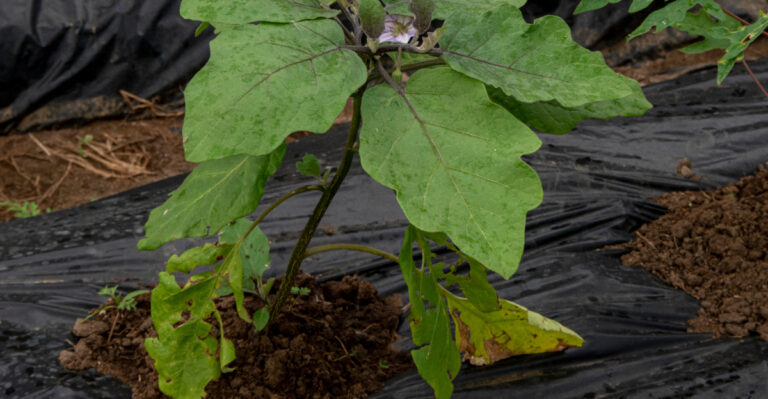
Left unaddressed, this depletion can leave plants looking pale, stunted, or slow to recover even once sunny weather returns.
Rebuilding what heavy rain washes away is an important step toward getting a garden’s productivity back on track.
1. Start With A Soil Test
Before you grab a bag of fertilizer and start sprinkling, take a moment to find out what your soil actually needs. After heavy rains, it is tempting to guess and dump in nutrients, but guessing often wastes money and can even harm your plants.
A soil test is like a report card for your garden. It tells you exactly which nutrients are low, how acidic or basic your soil is, and what amendments will make the biggest difference.
In North Carolina, you can get soil tested through the NC Department of Agriculture, which offers free testing for most of the year.
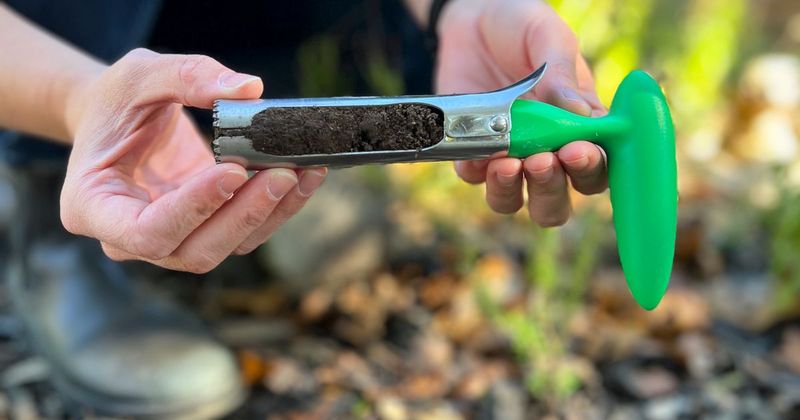
To take a sample, collect small scoops from several spots in your garden bed. Mix them together in a clean bucket, then let the soil dry before sending it in.
This gives you a fair picture of the whole area instead of just one spot.
Rainstorms can carry away different nutrients at different rates, so what your soil lost may surprise you. Nitrogen washes out quickly, while other nutrients may still be plentiful.
Testing removes the mystery.
Once your results come back, you will have clear directions on what to add and how much. That means you feed your plants the right way instead of overloading them.
Think of testing as the smart first move that saves you time later. With real numbers in hand, every step that follows becomes easier and far more effective for your recovering garden.
2. Replace Only The Nutrients The Soil Needs
Once your soil test results arrive, you become a much smarter gardener. Instead of tossing on a bag of all-purpose fertilizer and hoping for the best, you can target exactly what your soil is missing.
Say your test shows plenty of phosphorus but low nitrogen. In that case, adding a complete fertilizer would pile on nutrients your soil already has, which can throw things out of balance.
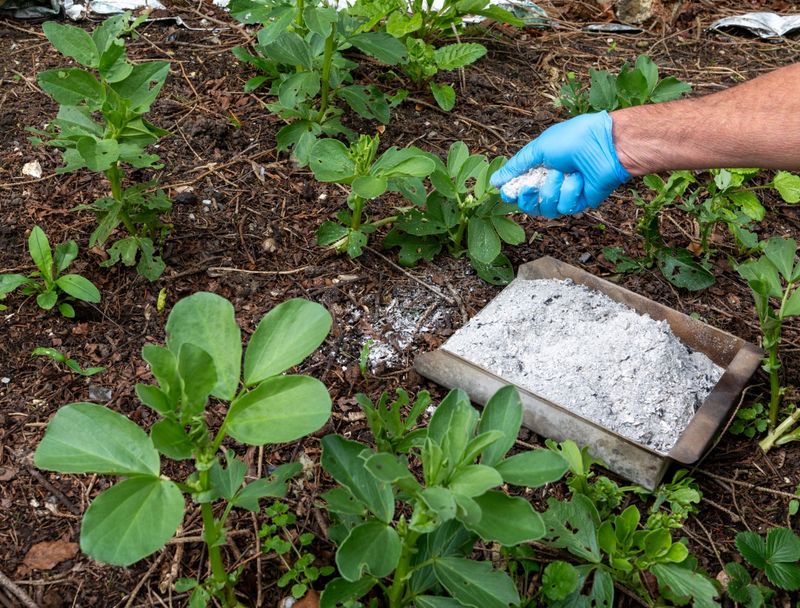
Too much of one nutrient can actually block plants from taking up others. North Carolina soils are often naturally acidic, so many tests recommend lime to raise the pH. If your report calls for lime, adding it helps your plants absorb nutrients more easily.
Without the right pH, even a well-fed garden struggles. Potassium is another nutrient that rain can carry off, and it helps plants stay strong and fight off stress. Your test will show if you need to add it or if your levels are fine.
Your North Carolina Garden Changes Every Week. Your Plan Should Too.
Gardening in North Carolina changes quickly throughout the season. Every Friday you’ll receive a simple weekly plan showing exactly what to plant, prune, fertilize, harvest, and protect so you never miss the right timing.
Following the recommendations saves money and protects the environment too. Extra fertilizer that plants cannot use often washes into streams during the next storm, causing pollution.
Measure carefully and apply amendments evenly across your beds. Work them gently into the top few inches of soil so roots can reach them.
By matching what you add to what your soil truly lacks, you give plants a balanced meal instead of a random pile of food. Precision is the trick that turns a struggling garden into a productive one after heavy rains.
3. Add Finished Compost To Rebuild Soil Quality
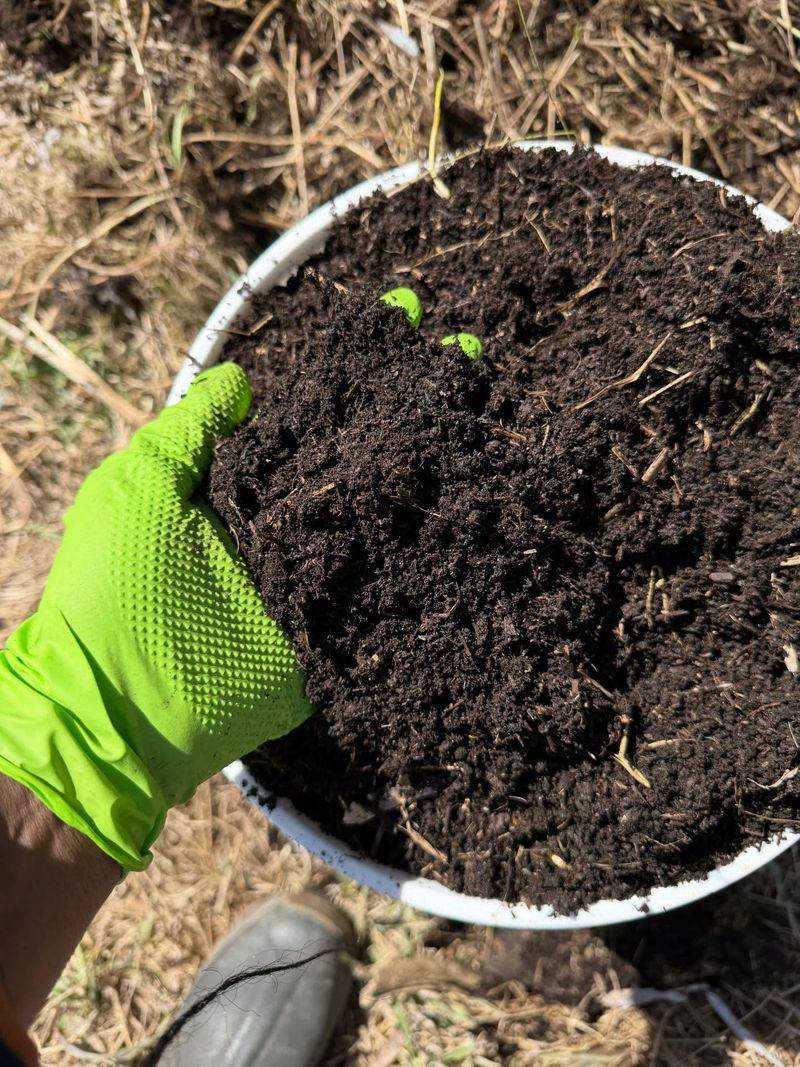
Few things do more for tired soil than a good helping of finished compost. After a storm strips away nutrients and structure, compost steps in to rebuild the foundation your plants depend on.
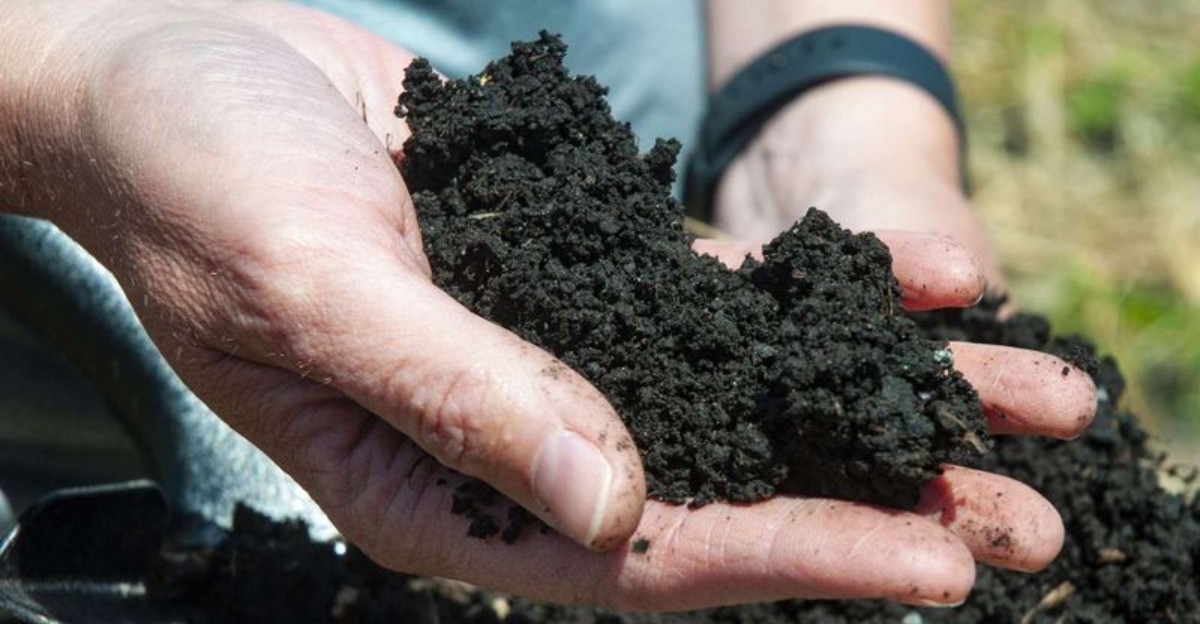
Finished compost is dark, crumbly, and smells like fresh earth. It adds organic matter that feeds the tiny living creatures in your soil, from earthworms to helpful microbes.
These busy helpers break down materials and slowly release food for your plants.
Beyond feeding the soil, compost improves how it holds together. Sandy soil holds water better with compost mixed in, while heavy clay drains more easily.
That balance matters a lot in North Carolina, where soils range from sandy coastal ground to sticky red clay.
Here is one thing to keep in mind, though. Compost is not a precise fix for a specific nutrient shortage.
It offers a little of everything but cannot promise the exact amount of nitrogen or potassium your test recommends.
So think of compost as the friendly partner to your targeted amendments, not a replacement. Use both together for the best results.
Spread a layer about one to two inches thick over your beds, then work it gently into the top few inches of soil. Doing this each season keeps your garden rich and alive.
Over time, compost transforms your soil into a soft, sponge-like home for roots. That healthy structure helps your garden bounce back faster the next time heavy rains roll through your neighborhood.
4. Rebuild Organic Matter Over Time
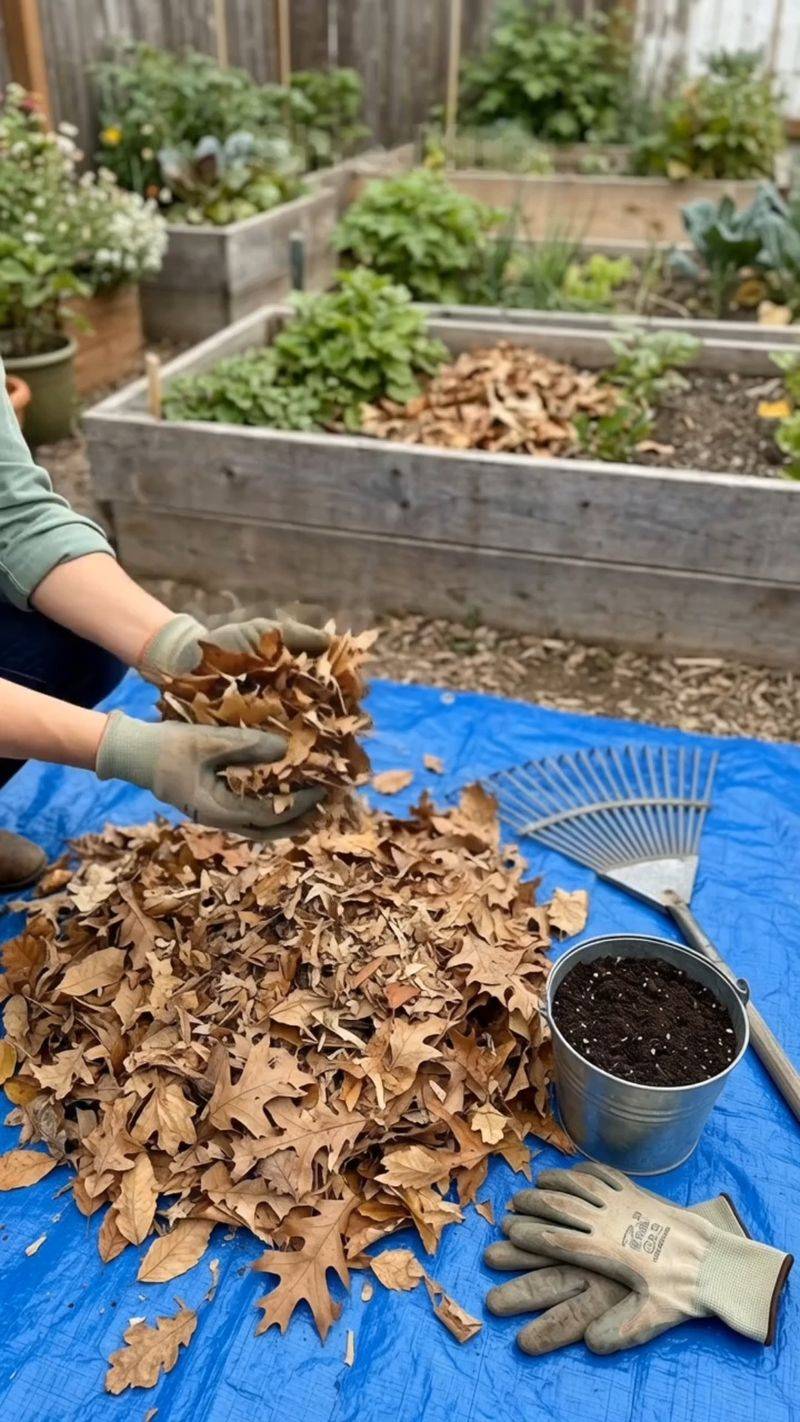
Great soil is not built in a single weekend. It grows richer season after season as you keep adding organic materials that break down and feed the ground below.
When you regularly mix in things like compost, shredded leaves, grass clippings, and aged manure, your soil slowly becomes darker, softer, and more full of life. This steady care builds what gardeners call resilience.
Resilient soil handles trouble far better. During heavy North Carolina rains, soil rich in organic matter soaks up water like a sponge instead of letting it rush across the surface.
That means fewer nutrients wash away. The same rich soil also helps during dry spells. Organic matter holds moisture longer, so your plants stay hydrated even when weeks pass without rain.
Fall is a perfect time to add materials because leaves are everywhere and free. Shred them and spread them over your beds, and by spring they will have started turning into food for your soil.
Patience pays off here. You may not notice a huge change in one month, but after a couple of years your garden will feel completely different under your hands.
Earthworms will move in, water will drain nicely, and your plants will grow stronger with less effort from you. Each handful of organic matter is an investment in that future.
Keep feeding the soil, and it will keep feeding your plants. Building organic matter is the long game that protects your garden from whatever weather North Carolina sends your way.
5. Do Not Fertilize Waterlogged Soil
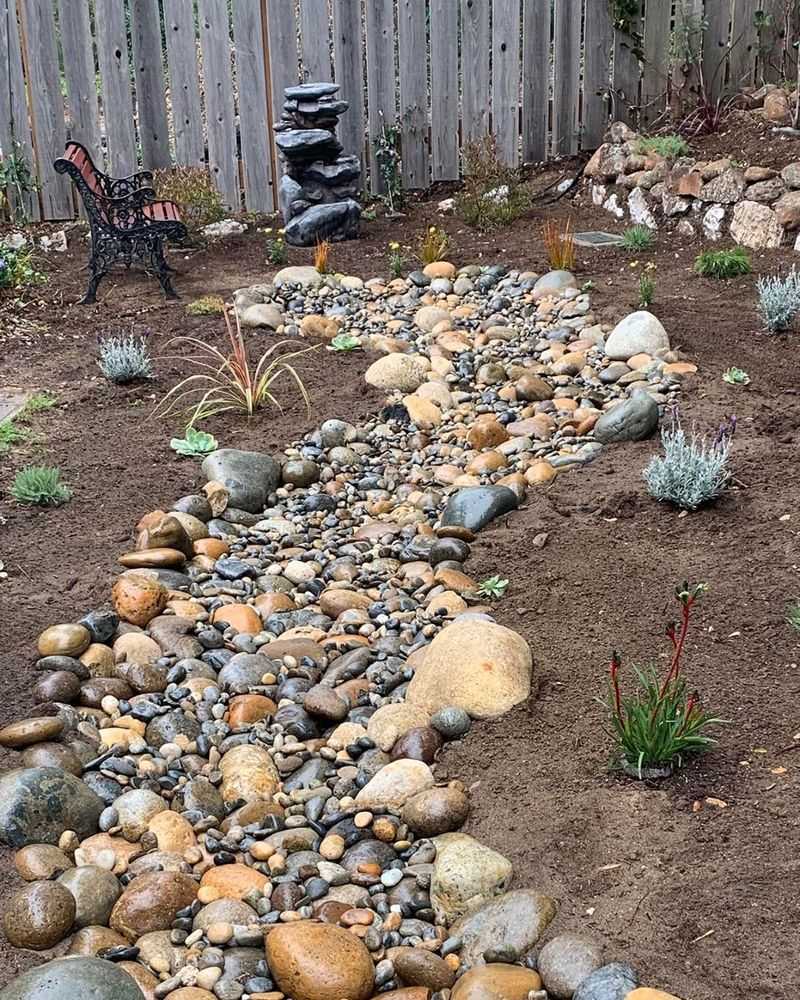
Right after a big storm, you might feel eager to jump in and fix your soggy garden. Hold on a moment, because working wet soil can cause more harm than good.
When soil is fully soaked, its tiny air pockets fill with water. If you dig, walk on it, or till it while it is that wet, you squeeze those pockets shut. The result is compacted, brick-like soil that roots struggle to grow through.
Adding fertilizer to waterlogged beds is also a wasted effort. The soil cannot hold the nutrients yet, so much of what you apply will simply drain away with the standing water, washing right into the next puddle or ditch.
The smarter move is to wait. Give your beds a few days to drain and dry out. You can test readiness by grabbing a handful of soil and gently squeezing it.
If it forms a muddy ball that drips, it is still too wet. When it crumbles apart easily and feels moist but not sticky, it is ready for you to work.
Patience protects the structure you have worked so hard to build. Healthy soil with good air spaces lets roots breathe and helps water move properly during the next rain.
Resist the rush, and let nature drain the excess first. Once the ground firms up, you can add amendments and work the soil without harming it.
Timing makes all the difference between helping your garden and setting it back.
6. Use Mulch To Reduce Future Nutrient Loss
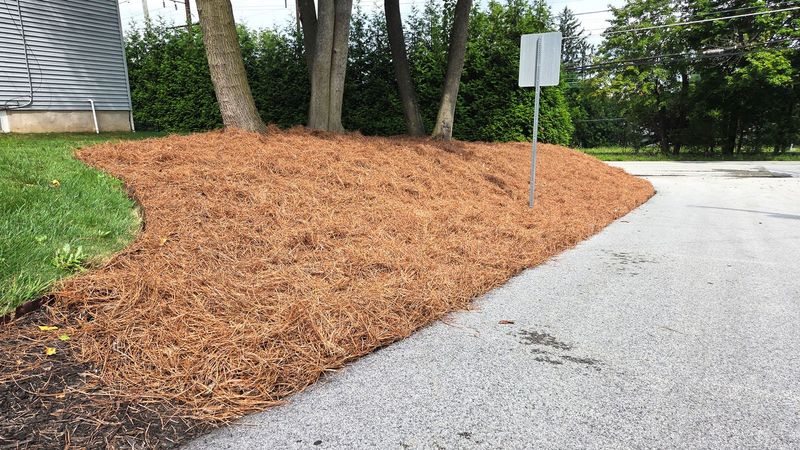
A simple layer of mulch might be the easiest shield your garden can wear. Spread across the soil surface, it works quietly to protect everything underneath from the pounding of heavy rain.
When raindrops hit bare soil, they splash and loosen the top layer, which then flows away as muddy runoff. Mulch softens that blow. The drops land on the mulch instead, so your precious topsoil and nutrients stay put.
Organic mulches like wood chips, straw, shredded bark, or leaves also slow water down. Instead of racing across the surface, the rain has time to soak gently into the ground where your plants can use it.
Between storms, mulch keeps working. It traps moisture in the soil, so you water less during hot North Carolina summers. It also blocks weeds that would otherwise steal nutrients from your vegetables.
Over time, organic mulch breaks down and adds even more organic matter to your soil. That means it feeds your garden while it protects it, giving you two benefits from one job.
Aim for a layer about two to three inches thick around your plants. Keep it slightly pulled back from stems so they do not stay too damp.
Refresh the mulch as it thins out through the season. A well-mulched garden looks tidy, holds moisture, and shrugs off storms that would batter bare ground.
With mulch on guard, your soil keeps its nutrients where they belong, ready to fuel strong, healthy plants no matter how hard the sky opens up.
7. Prevent Nutrient Loss With Better Drainage
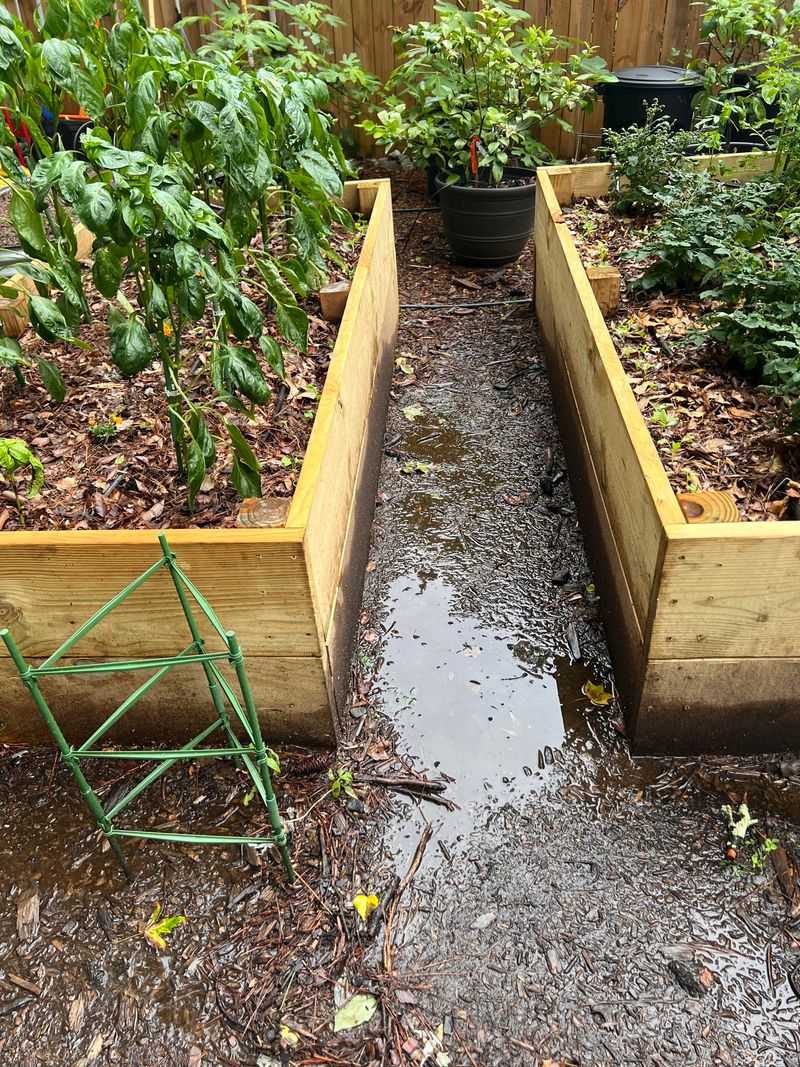
Storms in North Carolina can dump inches of rain in just an hour, and where that water goes makes a huge difference. If it rushes straight through your garden, it carries your topsoil and nutrients along for the ride.
Improving drainage helps you keep the good soil in place. When water moves slowly and soaks in evenly, fewer nutrients escape and your beds stay rich.
Raised beds are one popular solution. By lifting your soil above the surrounding ground, you give excess water somewhere to drain while your plant roots stay healthy and out of standing puddles.
You can also shape the land to guide water gently. Shallow channels or swales direct heavy flow away from your beds instead of letting it cut through them like a river.
On sloped gardens, planting across the slope rather than up and down helps slow runoff. Each row acts like a small speed bump that catches water and gives it time to sink in.
Adding organic matter, as mentioned earlier, boosts drainage too. Loose, crumbly soil lets water pass through instead of pooling on top and running off.
Take a walk through your garden during a rain to see where water flows fastest. Those spots are the ones that need your attention most.
Fixing drainage takes a little planning, but it pays off every time a storm rolls in. Keep the water calm and the soil in place, and your nutrients will stay right where your plants can reach them.
8. Consider Cover Crops For Long-Term Recovery
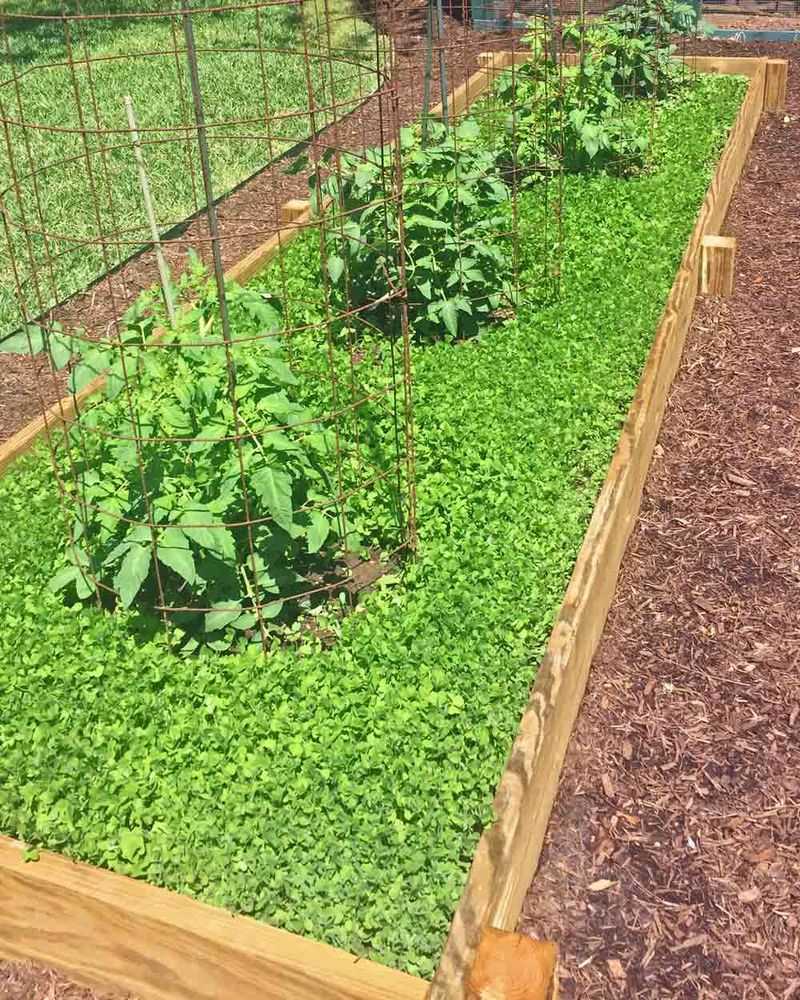
When your vegetable beds sit empty between seasons, cover crops step in to protect and heal the soil. Think of them as a living blanket that keeps your garden working even during its off time.
Bare soil is an easy target for heavy rain. Without plants holding it together, storms wash away both topsoil and nutrients. Cover crops solve that problem by anchoring the ground with their roots.
Popular choices for North Carolina include crimson clover, winter rye, and hairy vetch. These plants grow through the cooler months when your vegetable beds would otherwise sit exposed and vulnerable.
Their roots reach deep and hold the soil in place, greatly reducing erosion during winter and early spring rains. At the same time, they pull up nutrients that might otherwise wash away and store them in their leaves and stems.
Legumes like clover and vetch offer a special bonus. They team up with soil bacteria to capture nitrogen from the air and add it right into the ground, giving you free fertilizer.
When spring arrives, you cut down the cover crop and work it into the soil. Compost rebuilds organic matter and improves soil health, while specific nutrient shortages should be corrected based on soil test results.
Planting cover crops takes only a little seed and effort in the fall. The payoff shows up in richer, stronger soil ready for your next planting.
Give this old farming trick a try, and your garden will recover faster and grow better year after year, no matter what storms come through.