What To Do With Coneflowers After They Stop Blooming To Get Even Better Blooms Next Year

Late summer plays tricks on perennials that look finished but are not. Your coneflower looks tired, yet it is quietly rebuilding strength underground. Faded petals and leaning stems signal a turning point, not an ending.
Color drains slowly from your blooms while roots gather strength below the surface. Garden beds shift fast once September settles in for good.
Timing now decides whether next summer brings thick, sturdy clumps or thin, disappointing ones.
Cut too soon and you reduce the plant’s stored energy. Wait too long and frost stops the stems from growing back. Pruners in hand, you decide how strong next year looks.
Feeding choices made now shape clump size for months ahead. Soil cools faster than many gardeners expect it to.
Neighbors slow down when stems return thicker and blooms return brighter. You are just a careful cut away from a garden people stop to admire.
1. Give Spent Blooms A Thoughtful Trim
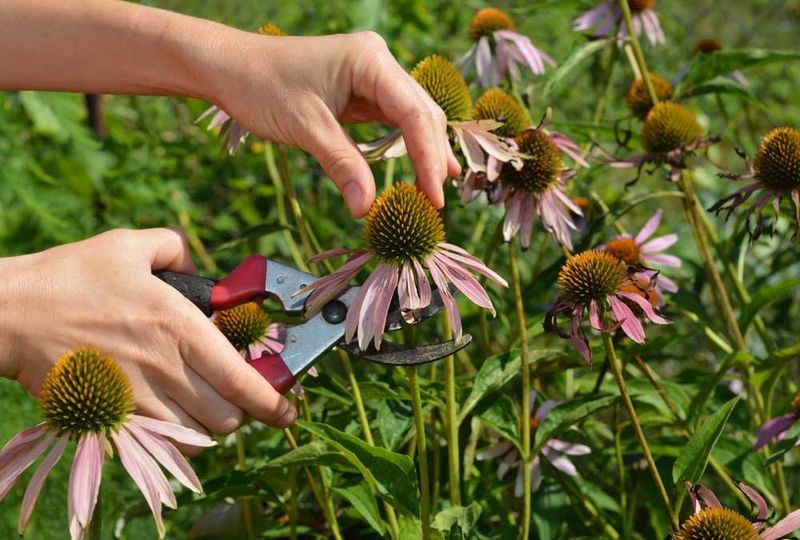
Pruners in hand, most gardeners feel an urge to chop everything back the moment petals droop. Slow down a little, because timing changes the outcome.
Early September trimming of faded flowers can still push a few late buds, especially on younger plants. Snip the stem just above a leaf node or a side bud rather than leaving an awkward stub.
Look closely at the plant before you start. If side shoots carry fat green buds, remove only the tired top blooms and let those younger ones open.
Once nights turn cool and no new buds appear, stop deadheading. At that point the plant is shifting energy underground, and constant snipping just interrupts the process.
Use clean, sharp tools. Wipe the blades with rubbing alcohol between plants so you are not spreading anything unwanted from one clump to the next.
Avoid shearing the whole plant flat like a hedge. Coneflowers respond better to selective cuts that keep their natural open shape and airflow between stems.
Leave a handful of flower heads untouched if you want seeds later in autumn. Those brown cones have jobs beyond looking pretty.
Gardeners often notice that thoughtfully trimmed plants come back with more stems the following spring. The clump spends less energy on old flowers and more on roots and crown buds.
Think of it as tidying rather than remodeling. Light, smart cuts now set up a stronger framework for next summer’s display.
2. Let Some Seed Heads Stand Through Winter
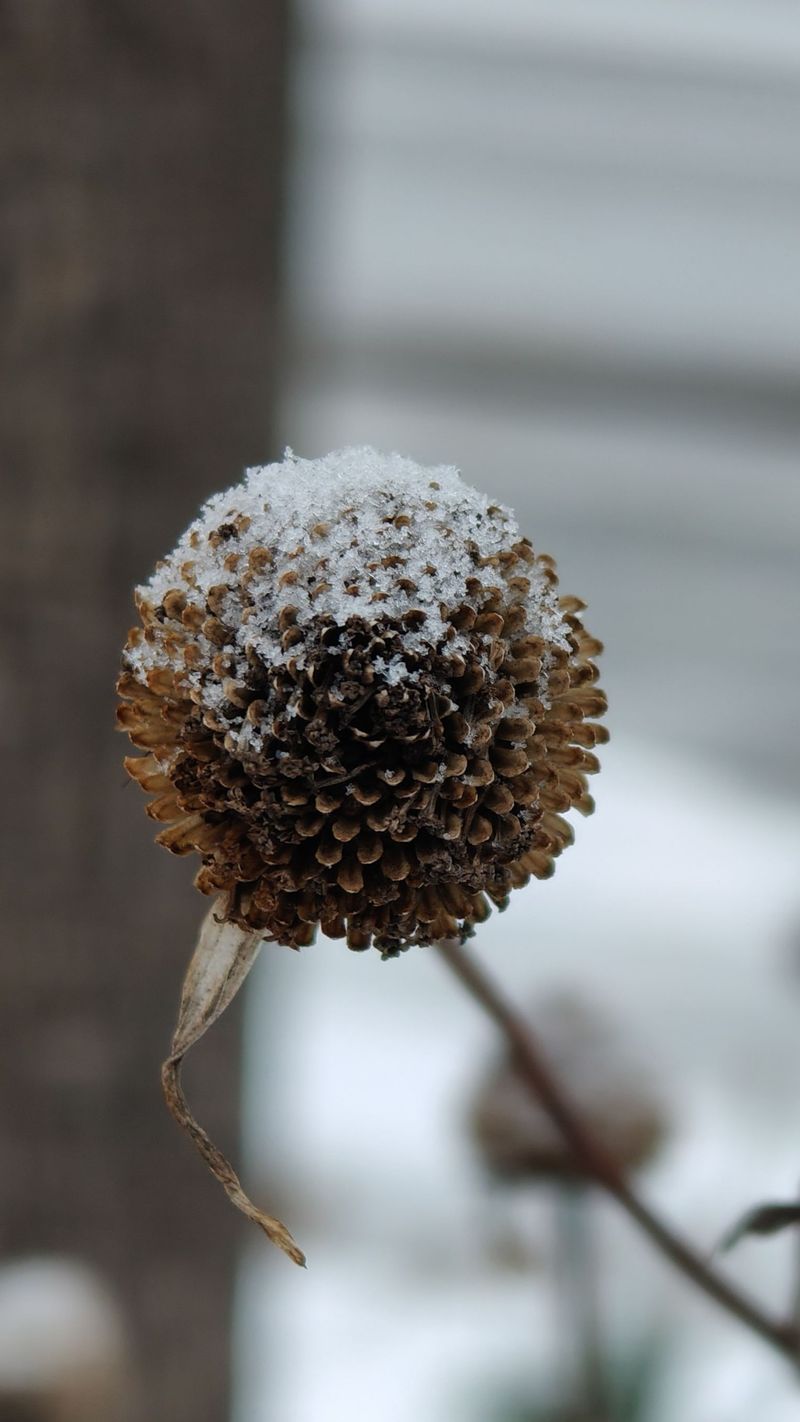
Goldfinches know something many tidy gardeners forget. Those spiky brown cones are a snack bar and a landing pad all winter long.
Leaving a portion of seed heads standing feeds small birds through the lean months. Watching a finch cling sideways to a frosted stem is one of the quiet joys of a cold morning.
Standing stems also protect the plant’s crown. They catch leaves and snow, forming a light blanket over the root zone that buffers temperature swings.
Choose maybe half your clumps to leave intact and tidy the rest if neatness matters to you. A mixed approach keeps both the birds and the front-yard look happy.
Seeds that scatter may sprout on their own next spring. Volunteer seedlings can be moved once they have a few true leaves, giving you free plants for another bed.
Keep in mind that named hybrid varieties rarely come true from seed. Seedlings from fancy orange or double-flowered types often revert to plain purple, which is still lovely.
If a stem flops badly or looks mushy after heavy rain, remove that one and leave the upright ones. Sturdy stems hold up best through wind and ice.
Come late winter, cut everything back to a few inches above the soil before new growth pushes up. Toss the stems in the compost pile if they looked healthy.
Patience pays here. A slightly messy September bed often turns into a fuller, livelier one by June.
3. Clear Away Tired Foliage And Garden Debris
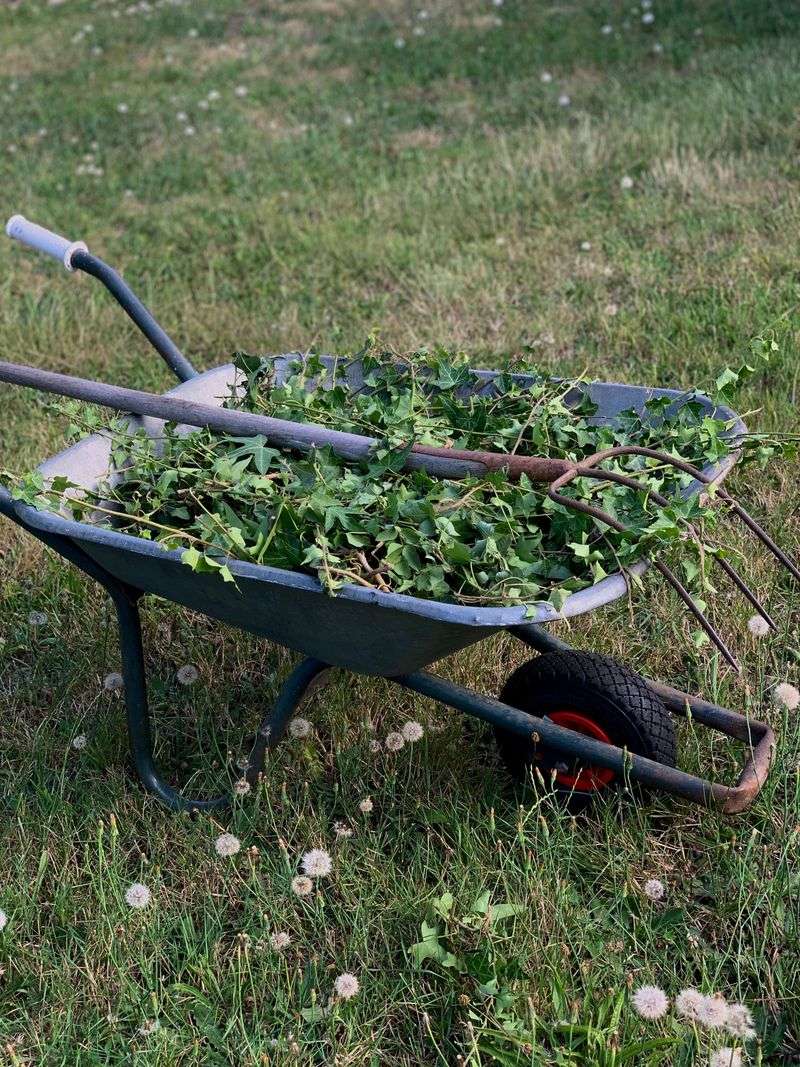
There is a satisfying rhythm to raking out a flower bed in early autumn. Crisp leaves, cool air, and the sight of clean soil appearing between clumps.
Old coneflower foliage that has yellowed or developed spots is worth removing. Those leaves can shelter fungal spores and insect eggs waiting for spring.
Start at the base of each plant and pull away anything limp, brown, or blotchy. Healthy green leaves lower down can stay, since they still feed the roots.
Rake out fallen debris from around the crown too. Matted leaves trapped against stems hold moisture, and soggy crowns rarely overwinter well.
Bag or burn anything showing powdery white coating or dark leaf spots rather than composting it. Home compost piles seldom get hot enough to break down stubborn spores.
Healthy trimmings are fair game for the compost bin. Chop them small so they break down faster over winter.
While you work, check the base of each clump for slug damage or hollow stems. Catching problems now saves guesswork next spring.
Give the cleared area a light rake to loosen any crusted soil surface. Air and water move more easily into loose ground.
Many gardeners swear their coneflowers look noticeably fresher the following June after a careful autumn cleanup. Fewer spots, fewer chewed leaves, stronger stems.
Finish by stepping back and admiring the tidy bed. It feels like finishing the season’s cleanup properly.
4. Divide Crowded Clumps For Stronger Plants
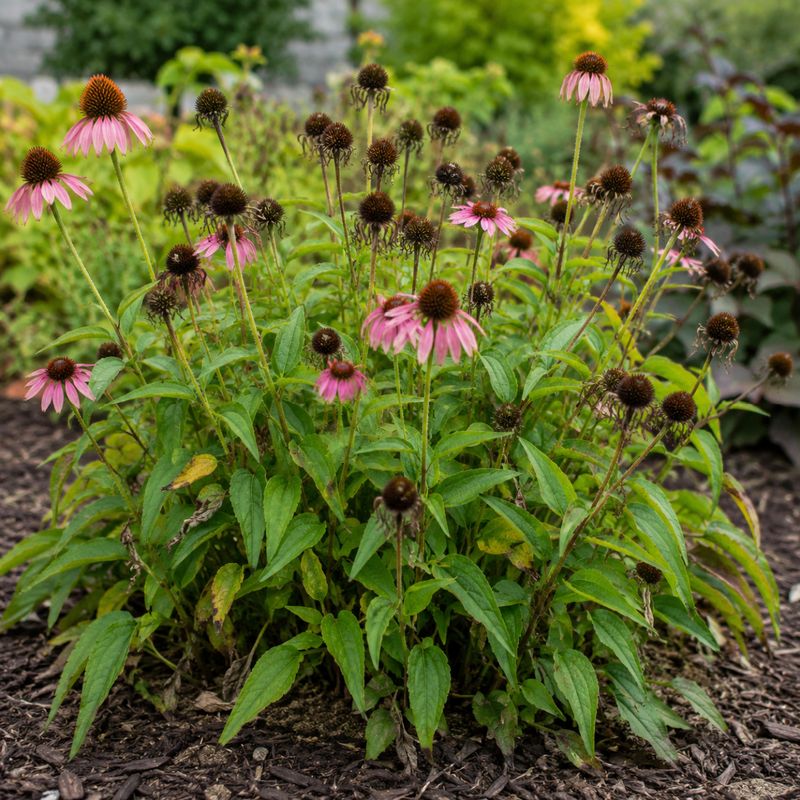
Ever notice how an older coneflower clump starts blooming around the edges while the middle looks bare? That hollow center is the plant asking for elbow room.
Every three or four years, digging and splitting a clump refreshes the whole thing. September works well because soil is still warm and roots settle in before frost.
Water the plant deeply a day ahead so the soil lifts easily. Dry ground makes roots crumble and snap. Dig a wide circle around the clump, about eight inches out from the stems. Lever the whole root ball up with a sturdy spade.
Shake off loose soil so you can see the crown clearly. Look for natural divisions where clusters of stems and roots grow together.
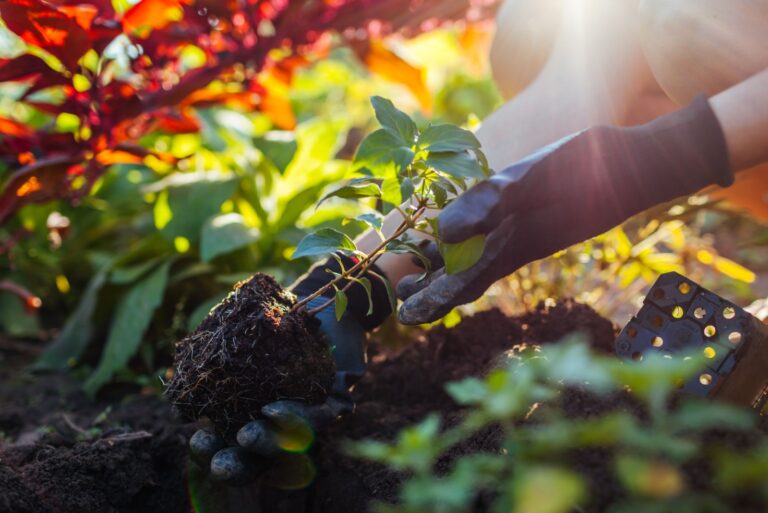
Pull sections apart by hand where possible, or slice through with a clean knife. Each new piece should have three to five healthy shoots and a good handful of roots.
Discard the woody, bloomless center portion. That part has given all it has. Replant divisions at the same depth they sat before, spacing them eighteen to twenty-four inches apart. Firm the soil gently and water well.
Newly divided plants may show stress for a couple of weeks. By next summer those divisions usually reward you with tighter, more generous flowering.
One tired clump can become three lively ones, which is a pretty good trade for an afternoon of work.
5. Feed The Soil Instead Of The Flowers

One point that surprises some gardeners: coneflowers actually bloom better in lean soil than in rich, pampered ground.
Heavy fertilizer, especially high-nitrogen types, pushes floppy green growth and fewer flowers. Skip the quick-fix granules this time of year.
What roots appreciate in autumn is organic matter. A one-inch layer of finished compost spread around each plant does more good than any bottle of plant food.
Keep the compost off the crown itself. Pile it in a ring a few inches out from the stems so the center stays dry and airy.
Compost feeds soil life, and those tiny organisms slowly release nutrients over months. Roots get a steady trickle rather than a sugar rush.
If your soil is heavy clay, mix in a bit of coarse grit or leaf mold while you spread. Better drainage matters enormously for winter survival.
Aged manure works too, though use a light hand. Fresh manure is too strong and can burn roots. Skip any liquid feeds now. Late nutrients encourage soft new growth that struggles when frost arrives.
A soil test every few years takes the guesswork out entirely. Many local extension offices run them cheaply and tell you exactly what your bed lacks.
Gardeners who focus on soil rather than flowers often end up with plants that need less help overall. Sturdy roots, sturdy stems, and blooms that stand tall through July storms without staking.
6. Water Deeply Before The Ground Freezes
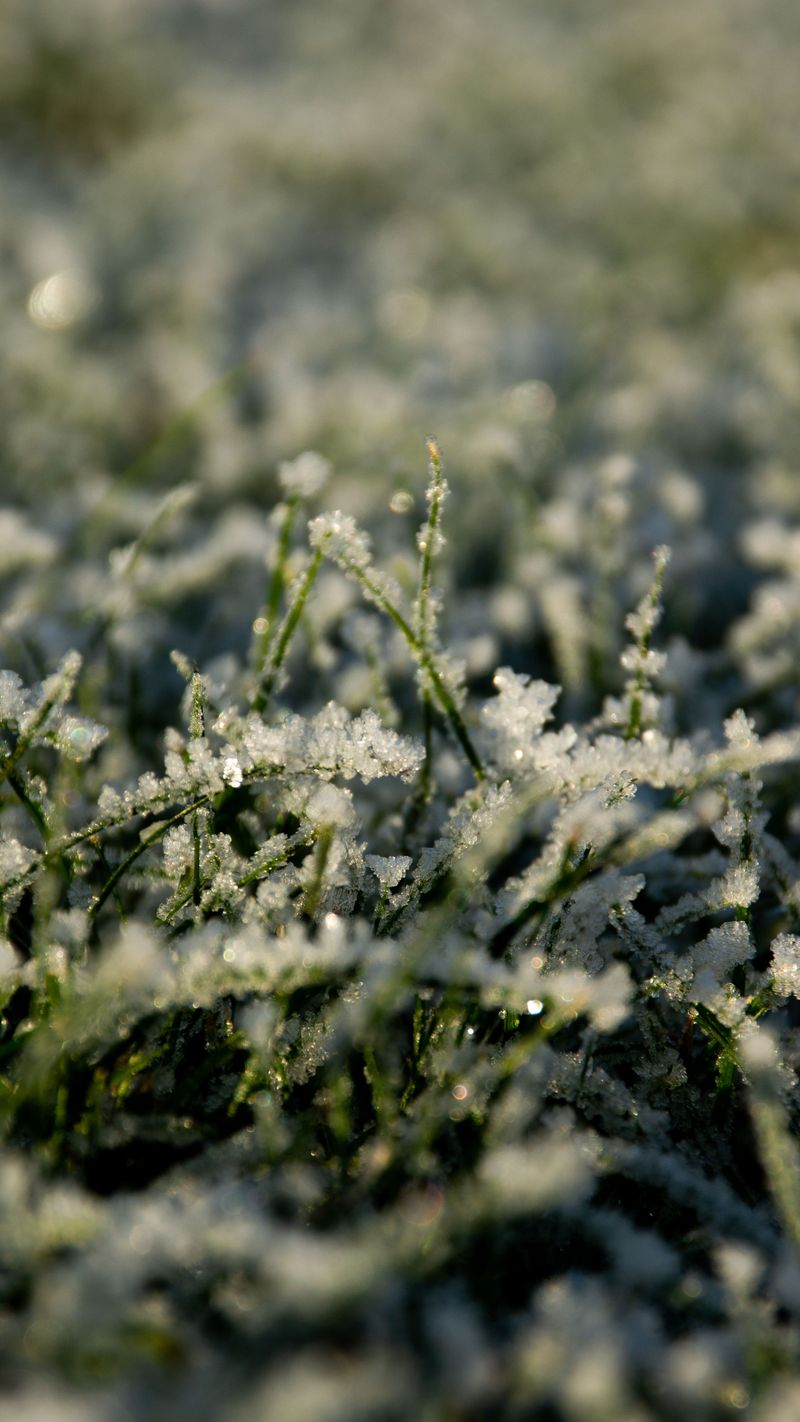
Autumn rain has a reputation for handling everything. Plenty of Septembers prove otherwise, arriving dry and breezy with barely a shower.
Roots keep growing long after flowers fade, sometimes right up until soil temperatures drop near freezing. Thirsty roots in that window head into winter weakened.
Check moisture by pushing a finger three inches into the soil near the clump. Dry and crumbly means it is time to water.
Give a slow, deep soak rather than a quick sprinkle. Roughly an inch of water once a week keeps things comfortable if rain does not arrive.
A soaker hose or a watering can held low at the base works better than overhead spraying. Wet foliage in cool weather invites leaf problems.
Morning watering gives leaves time to dry before evening chill sets in. Small detail, real difference.
Newly divided or freshly planted coneflowers need extra attention. Their small root systems dry out faster than established clumps.
Once the ground begins to freeze, stop watering entirely. Saturated frozen soil around a crown causes rot, which is one condition coneflowers handle poorly.
Container-grown plants deserve a mention here. Pots dry out quickly even in cool weather, so check them weekly.
A well-hydrated root system stores more energy through dormancy. Come spring, those plants push up earlier, grow taller, and set noticeably more flower buds than their parched neighbors.
7. Add Mulch Without Smothering The Crown
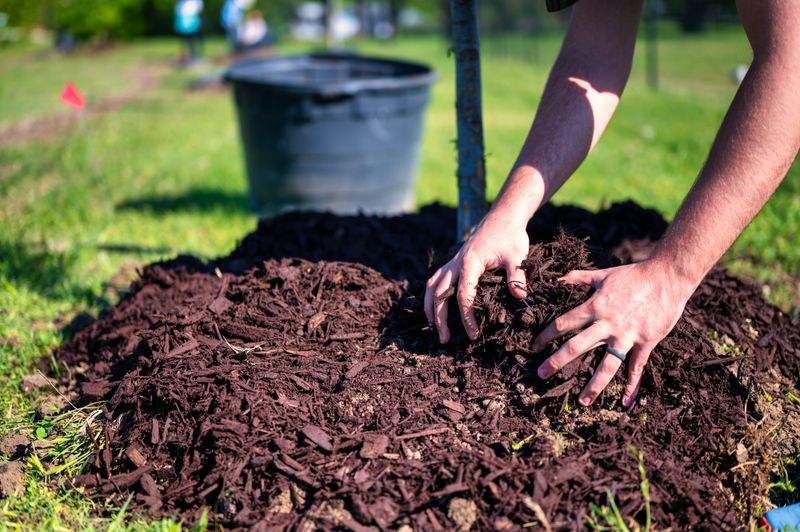
Mulch gets treated like a magic blanket, piled high and hopeful. Coneflowers prefer a lighter touch than most perennials.
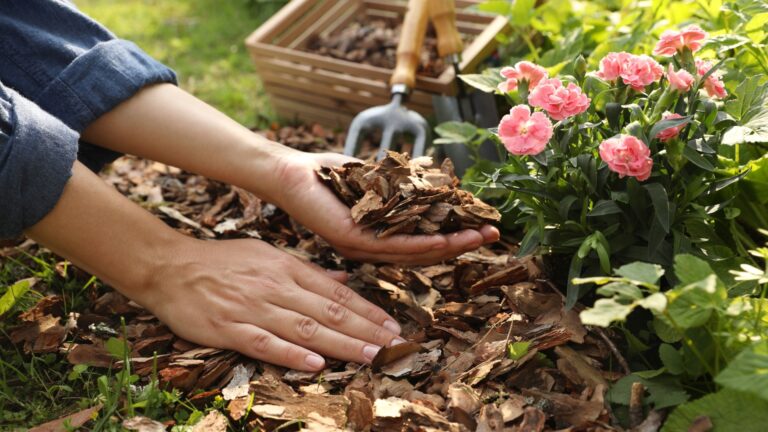
A two-inch layer of shredded bark, pine straw, or chopped leaves insulates roots against freeze-and-thaw cycles. Those cycles heave plants right out of the ground, which reduces winter survival.
Leave a clear gap of two or three inches around the base of each stem cluster. Mulch pressed against the crown traps dampness, and damp crowns rot.
Wait until after the first hard frost before applying. Mulching too early keeps soil warm and encourages tender growth at the worst moment.
Chopped autumn leaves are free and work beautifully. Run a mower over a pile and rake them straight onto the bed.
Skip thick, matted whole leaves like sycamore or maple laid flat. They form a soggy sheet that blocks air.
Gravel mulch suits gardeners in wet climates surprisingly well. It drains fast and reflects a little warmth back at the plant.
In spring, pull the mulch back once shoots appear. Letting sunlight reach the soil warms it faster and gets growth moving.
Fun detail worth knowing. Coneflowers evolved on open prairies where grass thatch, not deep bark, covered the ground, which explains their preference for airy cover.
Get the depth right and you protect roots while keeping the crown dry. That balance is what carries plants into a strong flowering season.
8. Plan Next Season’s Layout While Memory Is Fresh
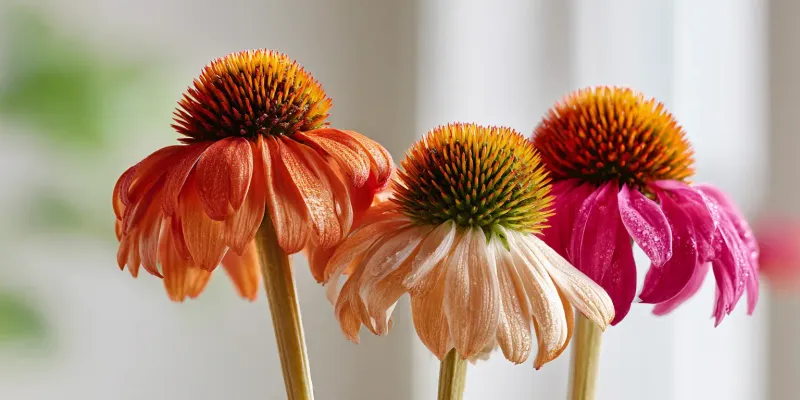
Six months from now you will not remember which clump flopped in July. Write it down while the evidence is still standing in front of you.
A simple notebook or phone photo album does the trick. Note which colors pleased you, which plants leaned, and where gaps appeared.
September is the honest month for garden assessment. Everything has shown its true habit, and nothing is hidden behind spring optimism.
Mark spots where coneflowers struggled. Too much shade, soggy corners, or crowding from aggressive neighbors all show up clearly now.
Consider companions while you are at it. Ornamental grasses, black-eyed Susans, and sedum bloom alongside coneflowers and share the same easygoing needs.
Sketch a rough plan for moving or adding plants. Autumn planting gives roots months to establish before summer heat arrives.
Order any new varieties early, since popular colors sell out over winter. Nurseries release their catalogs around the holidays.
Take a photo of each bed from the same angle. Comparing shots year to year reveals progress you might otherwise miss.
Jot down what you did and when. Dates for dividing, mulching, and cutting back become a personal calendar tuned to your own yard.
Gardeners who keep even scrappy notes tend to make better decisions season after season. All that small observation adds up into beds that look intentional rather than accidental, with coneflowers holding the center of attention right where you want them.