A Newly Confirmed Invasive Worm Is Quietly Disrupting Garden Soil Across Colorado
Your glove sinks straight through powder where solid earth used to sit. Grounds spill through your fingers, resembling wet, gritty coffee waste. Perennials droop despite steady watering, roots suddenly exposed to open air.
Mulch keeps disappearing near your fence line, faster than you can replace it. Colorado entomologists just confirmed what your instincts already suspected. A fast-moving invader has quietly claimed space beneath your garden beds.
This species works underground, but its effects surface fast. Shallow roots now sit dangerously close to a surface that shifts under you. Fall gives this invader room to multiply before you notice.
Gardeners across Colorado are noticing the same strange texture you found. Symptoms start subtle, then turn impossible for you to ignore. Once you notice a sign, others start appearing fast.
Ignoring this pattern only lets it quickly spread through your garden. What’s moving through your soil won’t slow down for you.
The Wriggler Behind Colorado’s Crumbling Soil
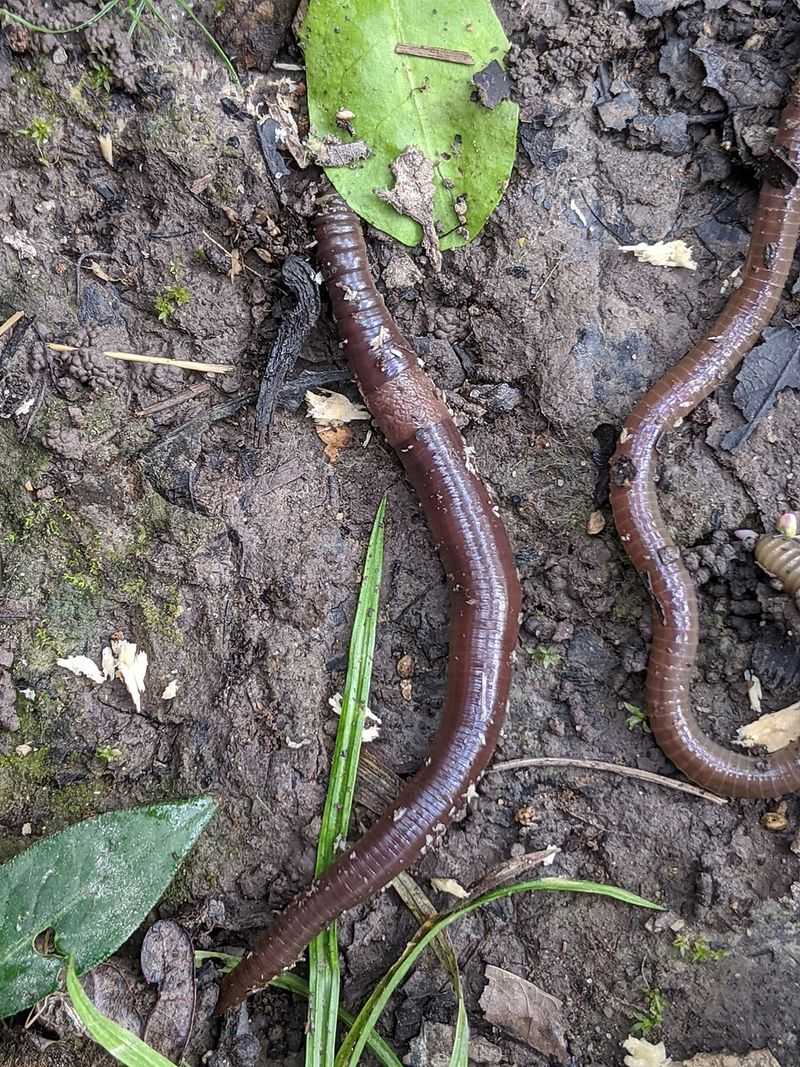
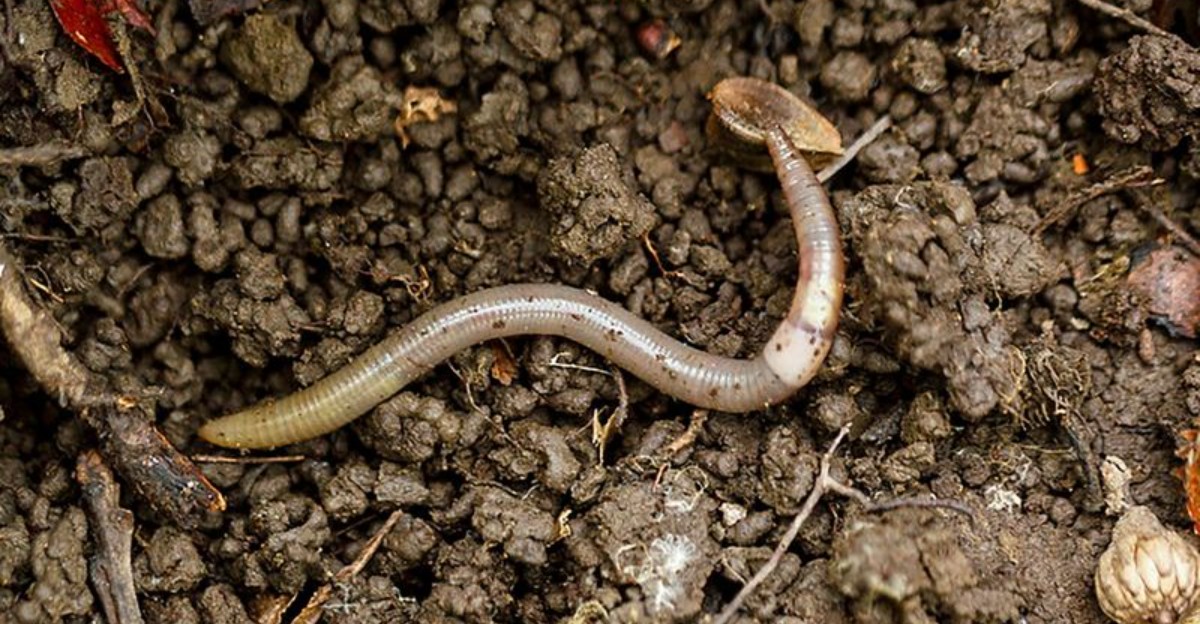
Picture a nightcrawler that has had far too much coffee. That is the quickest way to describe the Asian jumping worm, a group of species, including two in the genus Amynthas and one in the genus Metaphire, that scientists have now confirmed in Colorado soils.
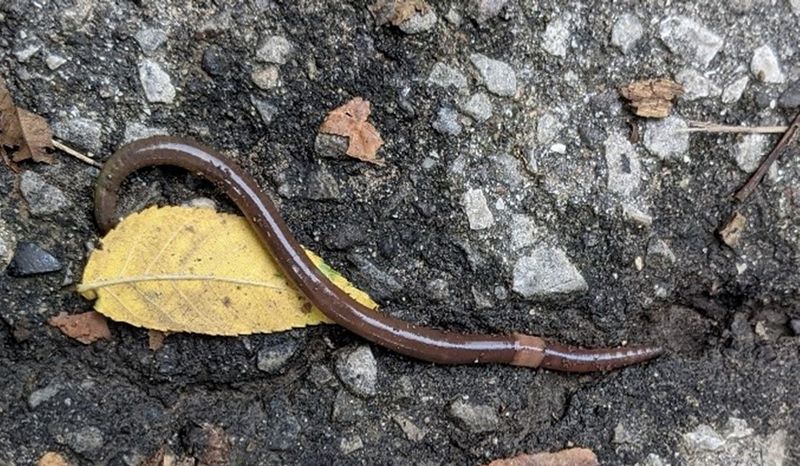
Unlike the slow European earthworms gardeners grew up seeing, these worms thrash sideways when disturbed. They snap, flip, and sometimes shed part of their tail to escape a grabbing hand.
Their coloring runs gray-brown with a faint iridescent sheen, and the giveaway is the clitellum, that ring near the head. On a jumping worm it is smooth, milky white, and wraps all the way around, while a common earthworm has a raised pinkish saddle.
Originally from eastern Asia, they spread through nursery stock, mulch shipments, compost, and even the tread of hiking boots. Colorado’s confirmation matters because our soils are already thin, dry, and slow to rebuild organic matter.
Here is the odd part. Worms have a friendly reputation in gardening circles, so many people spot these and assume their soil is thriving.
The reality is the opposite. Jumping worms feed rapidly near the surface, racing through leaf litter and mulch that would normally break down slowly.
These worms picked up nicknames like crazy worms, snake worms, and Georgia jumpers long before researchers tracked their spread northward and westward.
Learning to recognize one takes about ten seconds. That short pause in your garden bed is the first real defense Colorado gardeners have.
Coffee Grounds Where Your Garden Loam Used To Be
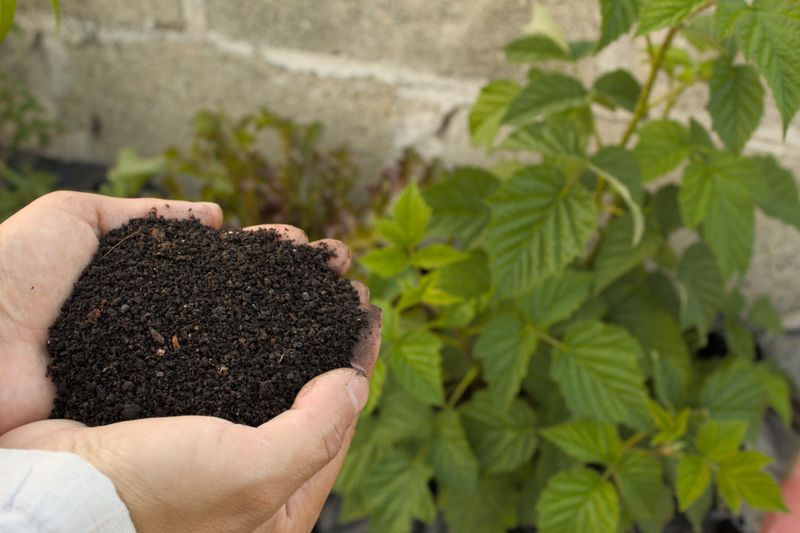
Run your fingers through an infested bed and the texture tells the story instantly. The soil breaks into loose, uniform pellets that look remarkably like used coffee grounds scattered across the surface.
Those pellets are castings, the waste the worms leave behind after chewing through organic matter at an unusually fast pace. They pile up in the top few inches, forming a grainy layer that sits loose instead of holding together.
Your Colorado Garden Changes Every Week. Your Plan Should Too.
Gardening in Colorado changes quickly throughout the season. Every Friday you’ll receive a simple weekly plan showing exactly what to plant, prune, fertilize, harvest, and protect so you never miss the right timing.
Healthy garden soil has structure. Tiny clumps called aggregates trap air pockets and hold moisture between rain or irrigation cycles.
Jumping worm castings break down that structure. Water runs straight through, nutrients wash downward, and roots sit in material with the staying power of dry sand.
Colorado gardeners feel this quickly because our climate already works against moisture retention. A bed that once held water for three days may go crisp in one.
You might notice mulch disappearing far faster than usual, sometimes within a single season instead of two or three. Plants that never needed babying suddenly wilt by mid-afternoon in September heat.
Shallow-rooted perennials and young shrubs struggle the hardest. Their fine feeder roots lose the cushioning layer of leaf litter that normally shields them from temperature swings.
A simple test helps. Scoop a handful of surface soil, squeeze it, and open your palm. Soil that holds a loose shape is doing fine. Soil that crumbles into gritty granules, especially with visible worm activity nearby, deserves a closer look before you plant anything new.
How These Hitchhikers Slipped Into Colorado Yards
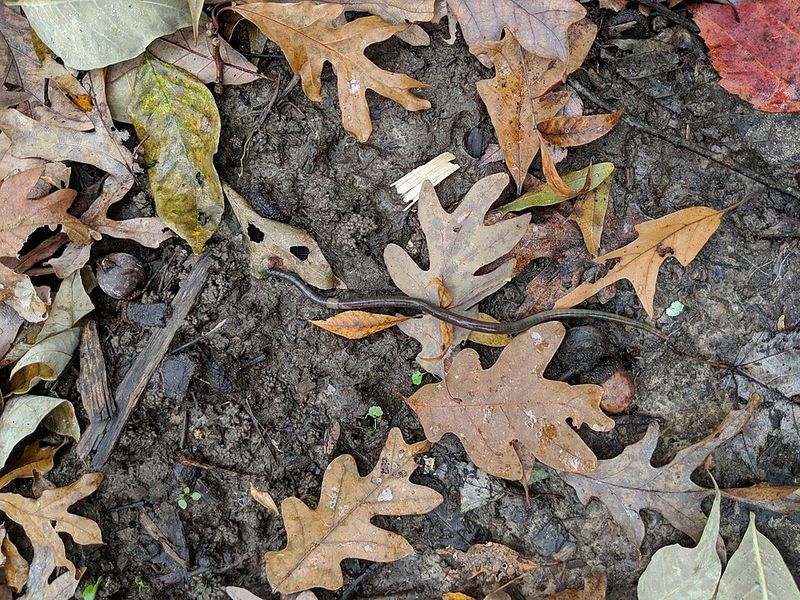
Nobody invited them, and yet here they are. Jumping worms travel the same routes gardeners use every spring, tucked inside the things we buy to make our yards better.
Potted nursery plants are a common ride. Their cocoons, which are tiny and about the size of a mustard seed, blend perfectly with potting mix and soil clinging to root balls.
Bulk mulch and compost piles offer another route, especially material moved between counties or shipped in from out of state. Shared soil, split perennials from a neighbor, and plant swaps at community events all move cocoons quietly.
Fishing bait plays a role too. Worms sold as crazy worms or Georgia jumpers sometimes get dumped near lakes and streams when the day ends.
Even equipment carries them. Tires, boot treads, and the underside of a rototiller can move soil crumbs full of cocoons from one property to the next.
Colorado’s Front Range makes an easy target because so much landscaping material gets trucked in for new construction and suburban yards. Once cocoons land in irrigated garden beds, they find enough moisture to hatch.
The practical fix is not complicated. Ask nurseries whether they inspect for jumping worms, buy bare-root plants when you can, and knock loose soil off shared divisions before planting.
Rinse tools before moving between properties. Give new mulch a quick look while it is still in the pile. Small habits at the tailgate stop bigger headaches in the bed.
Spotting Them Before Your Plants Send Warning Signs
Late summer through fall is prime detection season, which makes September ideal for a walkthrough. Jumping worms hatch in spring, grow through summer, and reach full size just as gardeners start cleaning up beds.
Start with the easy method. Pull back mulch or leaf litter in a few spots and watch the surface for about thirty seconds.
Jumping worms live in that top layer rather than tunneling deep, so they show up fast. When touched, they whip violently rather than slowly retreating.
For a more thorough check, try the mustard test used by researchers. Mix one third of a cup of ground yellow mustard seed into a gallon of water, then pour it slowly over a square foot of soil.
The solution irritates worms without harming plants, and any worms present will surface within minutes. Rinse the area afterward with plain water.
Check several locations rather than one. Look near compost piles, along mulched borders, under shrubs, and wherever you added new plants this year.
Photograph anything suspicious. Colorado State University Extension and county offices track reports, and clear photos of the white band near the head help them confirm the species.
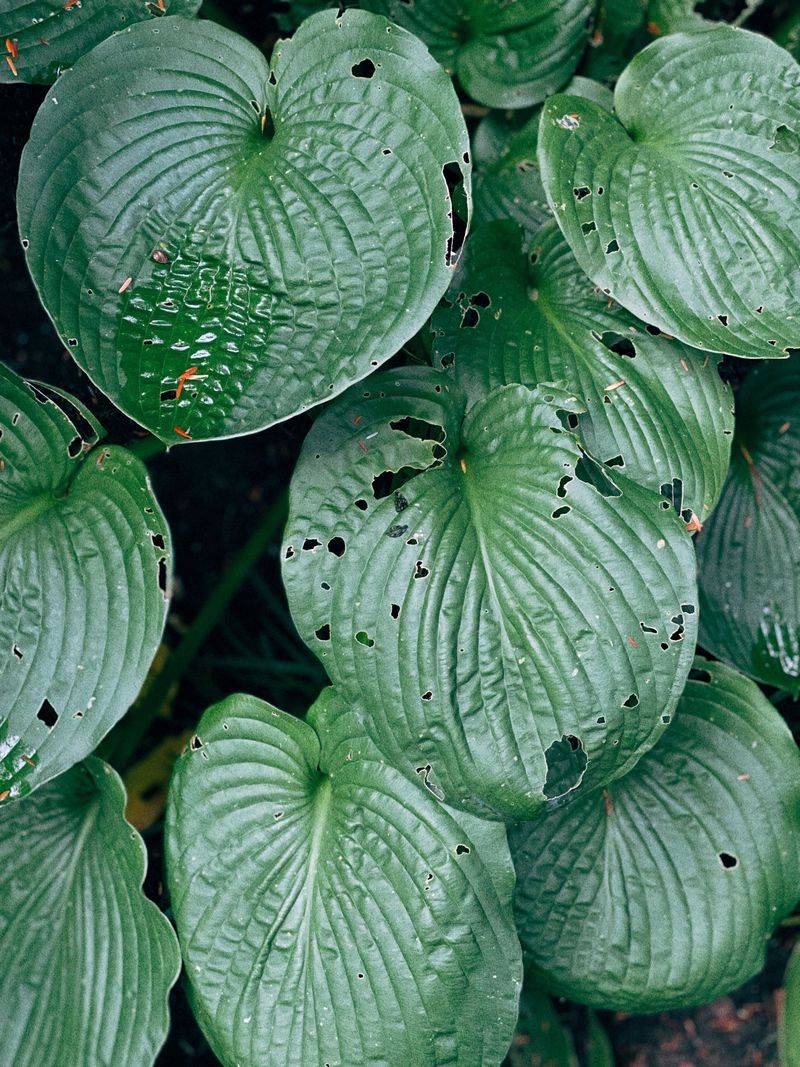
Watch your plants for secondary clues too. Hostas, ferns, and shallow-rooted perennials that suddenly look stunted or thirsty may be sitting in degraded soil.
Catching a small population early gives you real options. Waiting until castings cover the whole bed makes management much harder next spring.
Cocoons Are The Real Long Game
Adults get all the attention, but the tiny cocoons decide next year’s story. Each one is roughly the size of a mustard seed, brown, and almost impossible to spot in a handful of soil.
A single jumping worm can produce many cocoons in one season without needing a mate. That reproductive shortcut explains how a few worms become a whole bed within two summers.
Adults fade out after hard frosts arrive, which gives gardeners a false sense of victory. Meanwhile, the cocoons sit quietly in the top couple inches of soil, waiting out a Colorado winter.
Spring warmth triggers hatching, typically once soil warms into the fifties. By June, a new generation is already feeding. Heat is one of the few tools that reaches them.
Solarizing soil or compost under clear plastic in full sun, reaching at least 130 degrees Fahrenheit for three days, addresses cocoons in that batch, matching the threshold Colorado officials recommend for heat-treating mulch and compost.
Hot composting works on the same idea. Piles that hold 130 to 150 degrees and get turned regularly are far safer than cool, static piles.
Timing your caution matters. Fall and early spring are exactly when gardeners move soil, split perennials, and share plants, which is also when cocoons travel best.
If you know your yard has them, keep your soil home. Skip the plant swap, hold off on sharing compost, and let neighbors know what you found. Honesty among gardeners slows this far better than any product on a shelf.
Practical Steps Colorado Gardeners Can Take This Fall
Good news first: no one needs to give up on their garden. Management is realistic when you focus on slowing spread and rebuilding soil rather than chasing perfection.
Hand removal still helps, especially in smaller beds. Collect worms you find, seal them in a bag, leave it in direct sun for a few hours, then discard it with household trash.
Solarize suspect soil or compost under clear plastic during warm September afternoons, aiming for at least 130 degrees Fahrenheit sustained for three days.
Rethink your mulch choices. Coarse wood chips, pine needles, or shredded bark break down more slowly than fine leaf mulch, giving worms less easy food at the surface.
Rebuild structure by adding organic matter in fall and again in spring. Compost from a hot-composted source restores some of what the castings washed away.
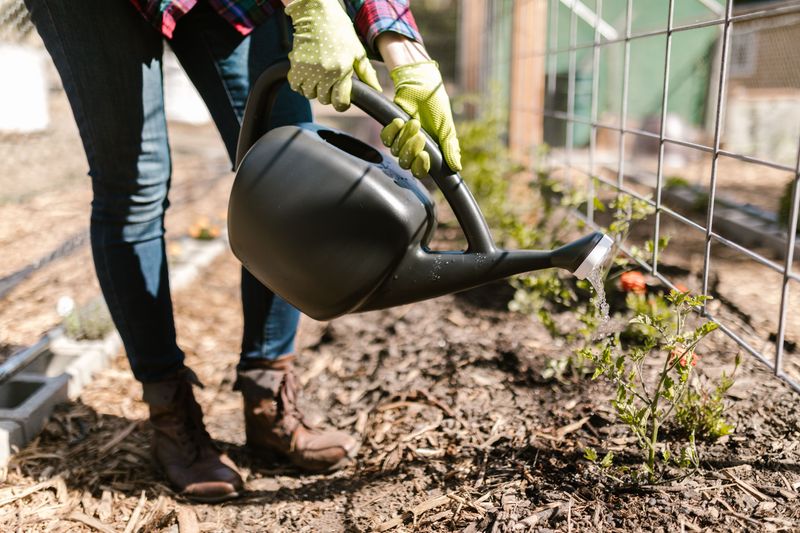
Water deeper and less often to encourage roots to reach past the loose surface layer. Drip lines beat overhead sprinklers in granular soil.
Clean your tools between beds and before visiting anyone else’s yard. A stiff brush and a hose handle most of it.
Report confirmed finds to Colorado State University Extension or your county office. Their maps depend on gardeners like you sending photos and locations.
Some Colorado gardeners have lived alongside these worms for a few seasons now and still grow beautiful tomatoes and dahlias.
Adjusting watering, mulching smarter, and feeding the soil regularly keeps beds productive while researchers keep studying long-term answers.