Think Those Shrubs Are Yours to Prune? Your Ohio HOA Rules May Say Otherwise
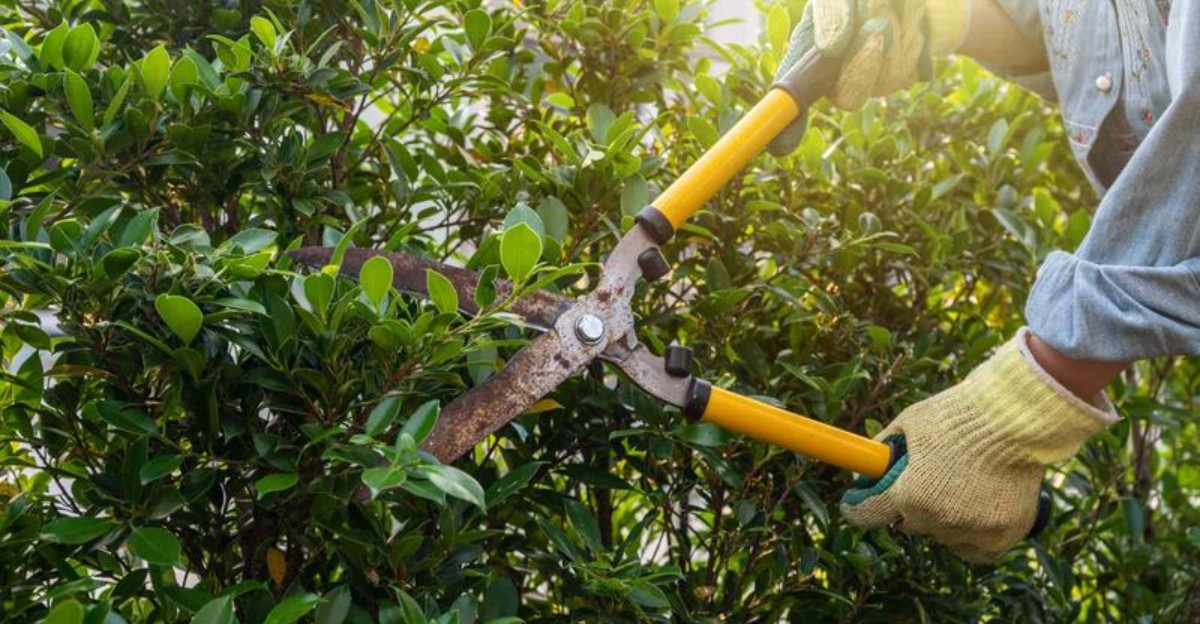
Grab those shears without a second thought, and you could land yourself in hot water with people you see at the mailbox every day.
That shrub line along your driveway feels like your call to make. In plenty of Ohio neighborhoods, it isn’t.
HOA agreements often spell out exact rules for height, shape, and even which species stay put near shared property lines. Trim the wrong bush at the wrong time and you might open a letter that starts with a fine attached.
Homeowners assume ownership of the land equals full control over what grows on it. That assumption trips up more people than you’d expect, and boards rarely give a warning shot before they act.
A quiet clause buried on page twelve of your association handbook could turn a simple weekend chore into a costly mistake.
Check your paperwork before you touch a single branch this fall. The fine print carries more weight than the fence line ever will.
1. Find Out Who Actually Owns The Shrubs
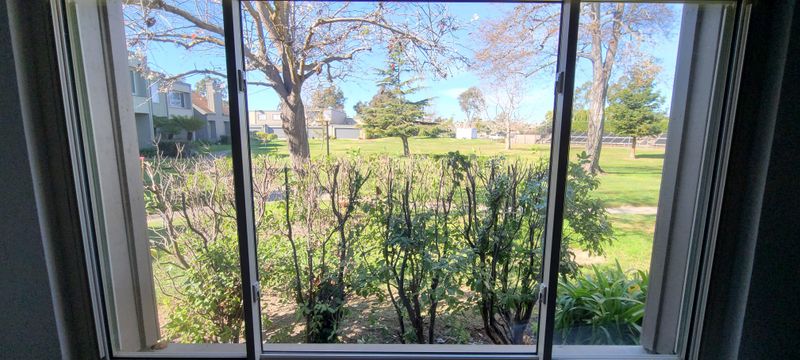
Property lines can be surprisingly sneaky. A shrub that sits three feet from your porch might still belong to the association if its roots sit on shared ground.
In most Ohio communities, the general rule is simple: if a shrub or tree is rooted on your individual lot, you own it and you handle its upkeep.
Associations usually take care of common areas instead, like shared green spaces, entry islands, and community park strips.
The tricky part shows up along sidewalks, cul-de-sac islands, and the strip between driveways. Builders often plant those beds as a unified look, and the declaration may hand maintenance to the HOA even though the greenery hugs your yard.
Pull out your plat map and your declaration before you assume anything. Those documents show lot boundaries, easements, and any common area carve-outs near your home.
A quick email to the property manager also works, and it creates a written record you can point to later. Ask specifically which beds fall under association care and which ones sit on your side of the line.
Homeowners who confirm ownership first rarely end up in an argument about branches. Five minutes of reading saves a lot of frustration once the trimmers are plugged in.
2. Learn Which Plants HOA Documents Protect
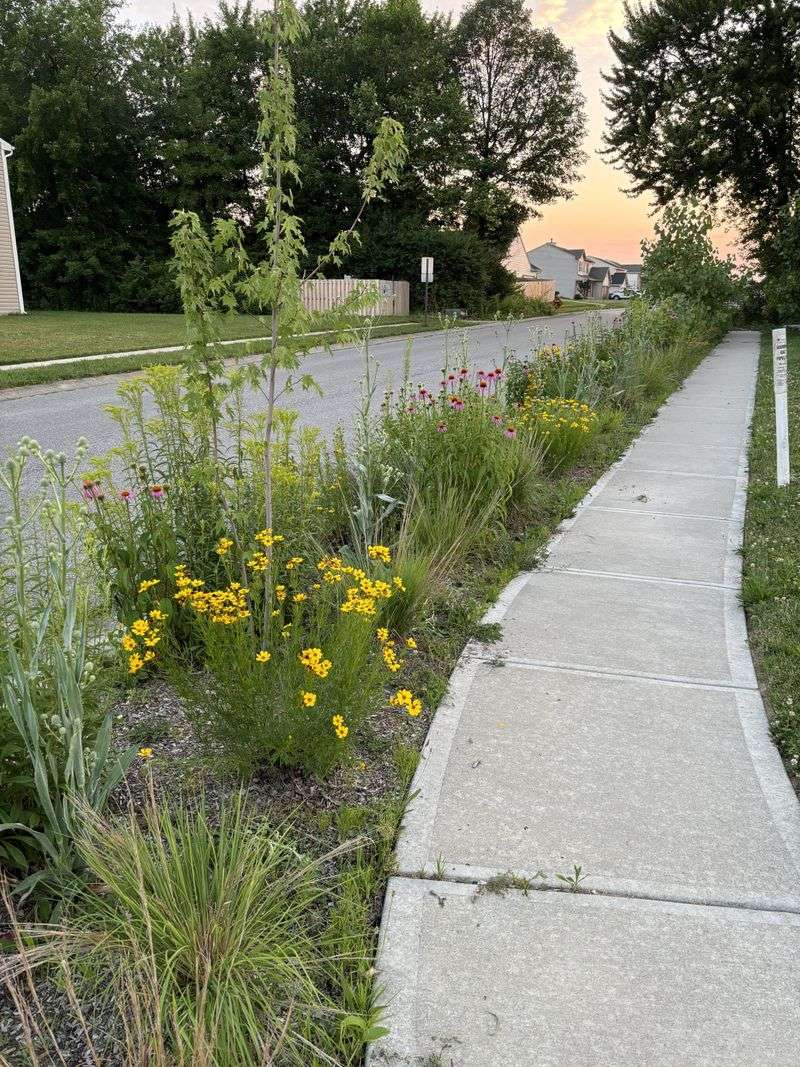
Many Ohio associations keep an approved plant list, and it functions like a menu rather than a suggestion. Those lists usually reflect the local climate plus the look the community wants along its streets.
Landscaping guidelines can spell out which shrubs are welcome, which trees stay off the list, and how planting beds should be shaped. Some documents go further and require turf grass in front yards or limit how much space flower beds can take up.
Here is a detail that surprises people: Ohio has no state law shielding native landscaping from association rules. That means a declaration can legally require a lawn and restrict a prairie-style bed of milkweed and bee balm.
State law does track endangered and threatened plant species, and it restricts the sale or distribution of certain invasive plants. So a shrub your association loves on paper might still be one nurseries cannot sell in the state anymore.
Your Ohio Garden Changes Every Week. Your Plan Should Too.
Gardening in Ohio changes quickly throughout the season. Every Friday you’ll receive a simple weekly plan showing exactly what to plant, prune, fertilize, harvest, and protect so you never miss the right timing.
Before buying anything, cross-check three sources: the approved plant list, the state invasive species list, and your local nursery’s advice. Garden centers near Columbus and Cleveland often know which cultivars associations accept.
Keeping a printed copy of the list in your garage is oddly handy. Impulse buys at the garden center become much easier to resist.
3. Avoid Removing Privacy Screens Without Approval
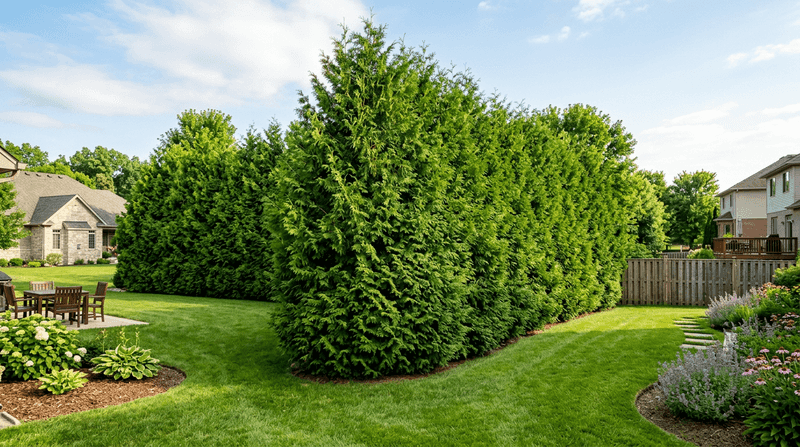
That row of arborvitae between your patio and the neighbor’s deck may be doing an official job. Many Ohio associations treat hedges and fences as privacy screens, and screens tend to be regulated features.
Rules commonly cover height, materials, color, style, and exact placement. Take out a screen without permission and you may be asked to put something comparable back at your own expense.
Architectural review committees usually handle these requests. Submitting a short application with photos, a sketch, and a plan for what replaces the screen goes a long way toward a smooth answer.
Mature or high-value trees and shrubs often carry an extra layer of protection, and board approval may be required before removal. Age and size matter here, since a twenty-year-old hedge is hard to replace quickly.
Storm damage creates a gray area worth planning for. If a windstorm splits a screening shrub, photograph the damage, notify the manager, and ask what the process looks like before hiring a crew.
Neighbors also have a stake in screens, since the barrier serves both sides of the line. A friendly conversation before you apply often turns a potential complaint into a supportive comment at the meeting.
Patience beats a surprise stump any day.
4. Know Why Some Pruning Requests Get Denied
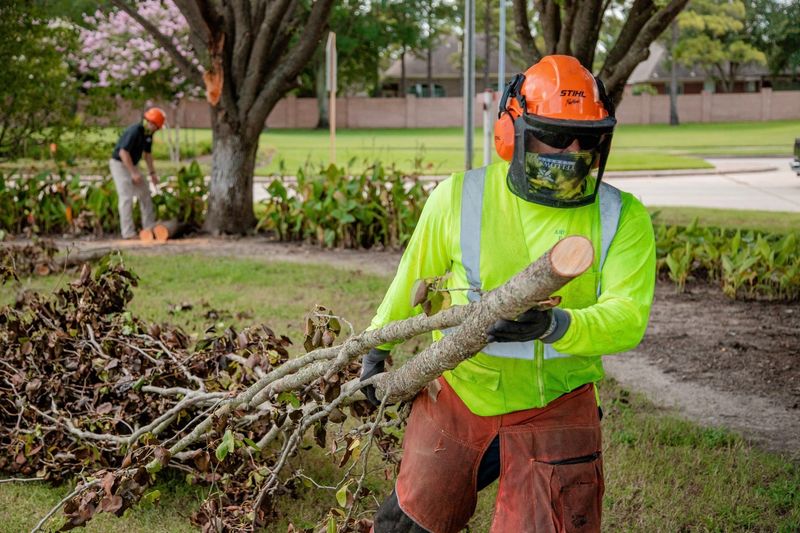
Denials rarely come from someone disliking you. Most of the time, a request clashes with the community’s established look or the approved plant palette written into the guidelines.
Architectural review committees exist to keep the neighborhood visually consistent. When they read your form, they are comparing your plan against standards every other lot follows.
Requests get turned down for practical reasons too. Cutting a shrub far below the height listed in the guidelines, removing a plant that anchors a streetscape, or swapping a required species for something unlisted can all trigger a no.
Vague applications also struggle. A note saying you want to trim the bushes gives the committee nothing to evaluate, while a plan listing species, current height, target height, and timing gives them something concrete to approve.
Photographs help enormously. Snap the shrubs from the street, mark up the image, and attach it so reviewers can picture the result.
If a denial arrives, read the reason carefully and ask what a workable version would look like. Committees often approve a modified plan that hits the same goal with a different cut.
Resubmitting with adjustments is normal and expected. Treating the process as a conversation rather than a verdict usually gets you where you wanted to go.
5. Watch For Rules On Height And Appearance
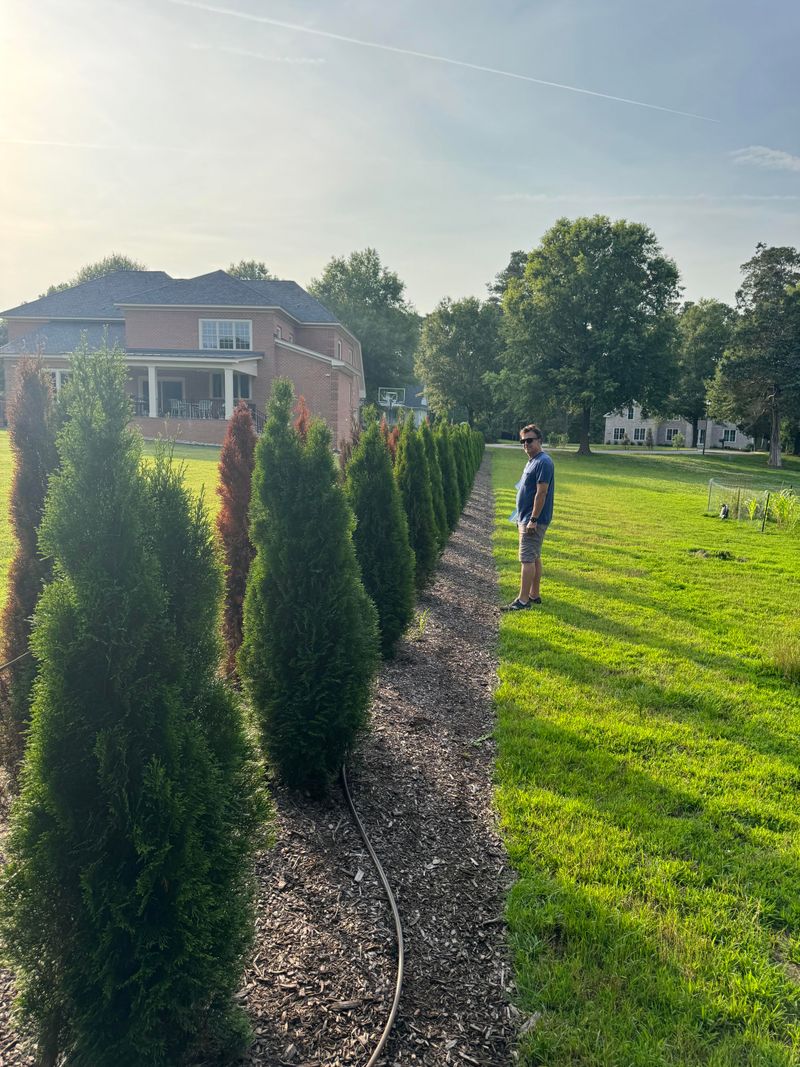
Measuring tape belongs in the landscaping toolkit more often than people expect. Associations frequently set numbers for grass height, hedge height, and how far shrubs may spread over walkways.
Lawn standards usually include a maximum grass height and clear expectations about weed control. Landscaping standards extend that thinking to trees and shrubs so the whole street reads as tidy.
Appearance rules can also cover mulch color, edging style, and whether decorative rock is allowed in beds. A neighbor’s brown mulch and your red mulch may both be fine, or only one might be.
Shrubs that block sightlines at corners tend to draw attention fast. Safety concerns near driveways and intersections often carry stricter limits than beds tucked beside a porch.
Setting a seasonal rhythm keeps things easy. A light trim in late spring and another in midsummer usually keeps most Ohio hedges within range without dramatic cuts.
Winter matters too, since heavy snow can flatten a hedge that grew too wide and leggy. Keeping plants at a manageable size helps them bounce back after a rough February.
When a rule seems unclear, ask the manager for the exact number in writing. Guessing at inches is how friendly reminders turn into formal notices.
6. Understand The Difference Between Maintenance And Changes
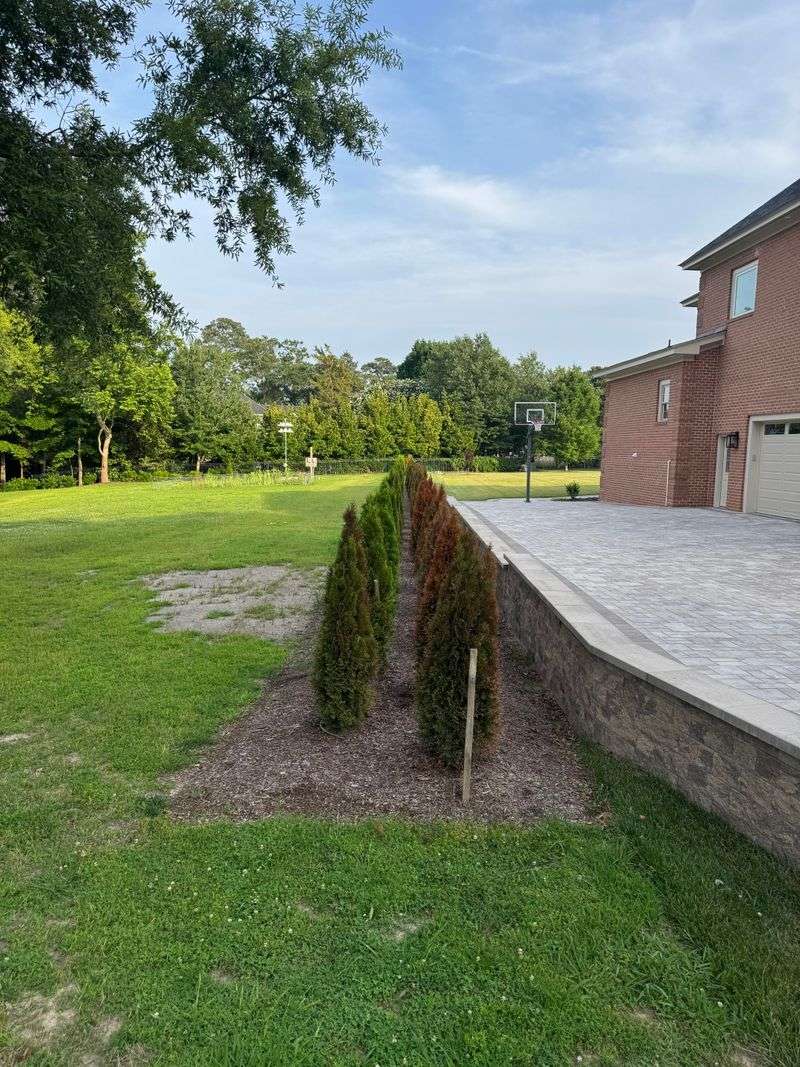
There is a line between keeping things tidy and reshaping the yard, and your governing documents draw it. Routine care sits on one side while modifications sit firmly on the other.
Regular pruning to hold a shrub at its usual size counts as maintenance in most communities. Watering, mulching, weeding, and replacing a plant with the identical approved species generally fall into the same bucket.
Modifications look different. Replacing grass with stone, expanding a planting bed, building a decorative wall, or rearranging the layout of the front yard typically needs written approval first.
Size of the project is a decent clue, though not a perfect one. If the yard will look noticeably different from the street, assume an application is needed.
Adding a new tree also lands in the change category more often than folks realize, since mature size affects neighbors and utilities. Same goes for turning a sunny lawn corner into a raised vegetable bed.
A quick habit helps here. Before starting, ask yourself whether you are preserving the existing design or creating a new one.
When the answer feels fuzzy, send a one-paragraph email describing the plan. Managers usually reply within a few days, and that reply becomes your paperwork.
7. Protect Valuable Shrubs Before Making Big Cuts

Old shrubs carry real dollar value, and associations know it. Unauthorized removal of established landscaping can trigger enforcement action, and Ohio associations have authority to levy fines for landscaping violations.
Those fines do not simply sit there either. Unpaid amounts can grow into a lien on the property, and in certain situations a lien can lead toward foreclosure proceedings.
Before any heavy cut, take photos from several angles and note the plant’s current size. Documentation protects you if questions come up months later.
Hiring a certified arborist is smart for anything mature, especially specimen plants like Japanese maples, older viburnums, or large yews near the foundation.
A professional assessment also strengthens your application if you need permission to reduce or remove.
Heavy rejuvenation cuts on overgrown shrubs can look alarming to a passing board member even when the plant recovers beautifully. Giving the manager a heads-up with the arborist’s notes prevents a misunderstanding.
Timing helps the plant and your paperwork. Many Ohio shrubs handle hard pruning best in late winter or early spring, which gives you a natural window to apply during quieter months.
Slow and documented beats fast and regrettable. The shrub keeps its shape, and your account keeps a clean balance.
8. Handle Neighbor Disputes Through The Right Channels

Branch arguments have a way of escalating over a single weekend. Ohio gives homeowners meaningful protections, so use them instead of a raised voice across the driveway.
You have a right to notice of an alleged violation and an opportunity for a hearing before an enforcement assessment is imposed. A written hearing request usually must reach the board within ten to fourteen days of receiving that notice.
Ignoring the letter is the costly move, because skipping the final date can waive your right to that hearing. Mark the date on a calendar the moment the envelope opens.
Start any dispute by rereading your governing documents so you know which rule is actually in play. Then write a calm, factual message to the board with dates, photos, and the outcome you want.
Professional tone matters more than legal vocabulary. Boards are made of neighbors, and a respectful note tends to get a faster and friendlier response.
Mediation is often encouraged and sometimes required in association disputes. A neutral third party can settle a hedge disagreement in one afternoon for a fraction of what attorneys cost.
Keep every email, notice, and reply in one folder. Organized records quietly win most of these conversations.
9. Plan Future Landscaping Around HOA Expectations
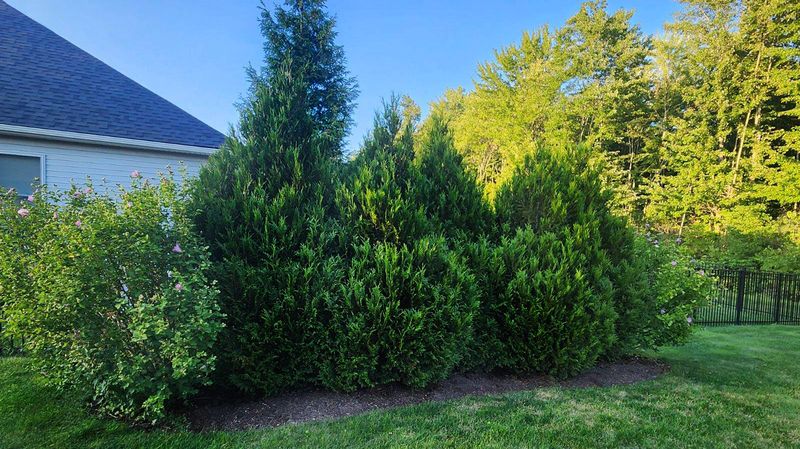
Smart planning turns rules into a road map rather than a roadblock. Start by reading your Covenants, Conditions, and Restrictions along with the architectural guidelines, ideally before you sketch a single bed.
Those two documents tell you what is encouraged, what is restricted, and how approvals work. Reading them in winter, when the yard is quiet, beats scrambling in May with plants wilting in the trunk.
Formal applications work best when they are detailed. Include a plant list with botanical names, mature sizes, materials for edging or walls, a simple drawing, and your planned timeline.
Wait for written approval before any work begins, even if the project seems obviously fine. Verbal thumbs-up from a board member rarely counts if a complaint surfaces later.
Remember that approval from your association does not replace local requirements. Cities and counties across Ohio may still require permits for retaining walls, drainage changes, irrigation, or tree work near the right-of-way.
Thinking a few years ahead pays off too. Choosing shrubs whose mature height fits the guidelines means less trimming and fewer awkward letters down the road.
Homeowners who treat the committee as a planning partner usually get greener yards and easier summers. A little paperwork buys a lot of peace.