The Bird Bath Mistake That’s Breeding Mosquitoes In Ohio Yards Right Now
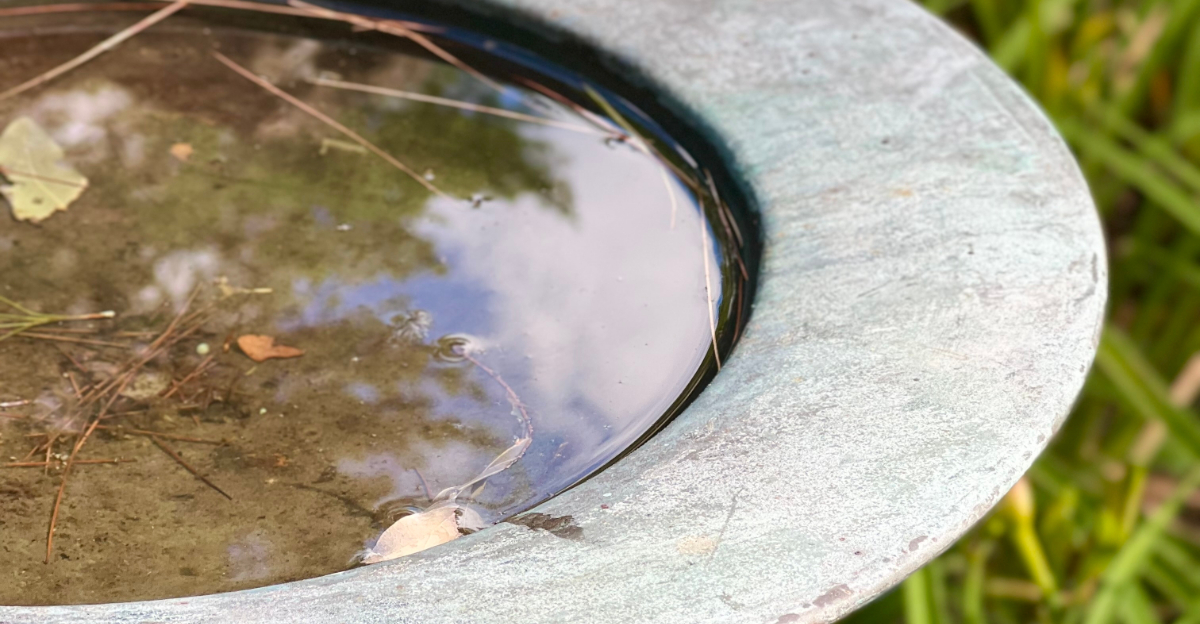
Bird baths are supposed to help a yard. Better bird activity, a water source for wildlife, something that makes the garden feel more alive.
One mistake turns that well-intentioned feature into one of the most productive mosquito breeding sites in the entire neighborhood. Mosquitoes do not need much.
A few inches of standing water and four to seven days is all it takes to go from egg to biting adult. A neglected bird bath in an Ohio summer provides exactly that.
A new generation on a schedule that most homeowners never connect to the clouds of mosquitoes appearing around the patio every evening. The mistake is specific.
It is not about the bird bath itself but about one habit around it that Ohio yards repeat without a second thought. Fix it and the bird bath stays.
The mosquito production stops. Both outcomes are worth having at the same time.
1. Stop Letting Bird Bath Water Sit All Week
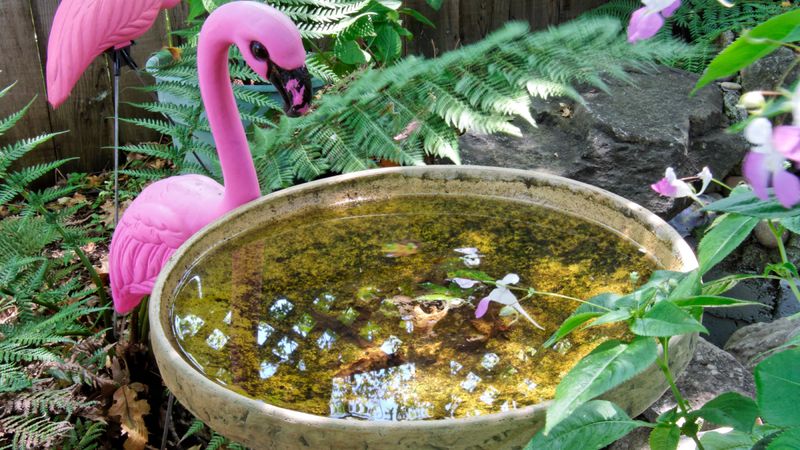
A warm, shallow basin left untouched for days is one of the easiest mosquito breeding opportunities in any Ohio backyard. Stagnant water can give mosquitoes a place to lay eggs.
During hot summer weather, it can also allow larvae to begin developing if conditions stay right. OSU Extension mosquito guidance notes that standing water is the primary factor behind backyard mosquito problems.
The mistake is not having a bird bath. The mistake is letting the water sit all week without changing it.
Dirty water with algae, droppings, and debris is also far less appealing to birds, which prefer clean, fresh water. A bird bath that nobody maintains stops serving its purpose for wildlife while quietly creating a problem for the yard.
Making bird bath care part of a regular summer routine is one of the most practical steps any homeowner can take. During hot weather, that routine may need to happen more than once a week.
Empty the basin, give it a quick rinse, and refill it with fresh water. That simple habit keeps the bath useful for birds and much less useful for mosquitoes looking for a place to breed.
2. Dump And Refill Before Larvae Become Adults
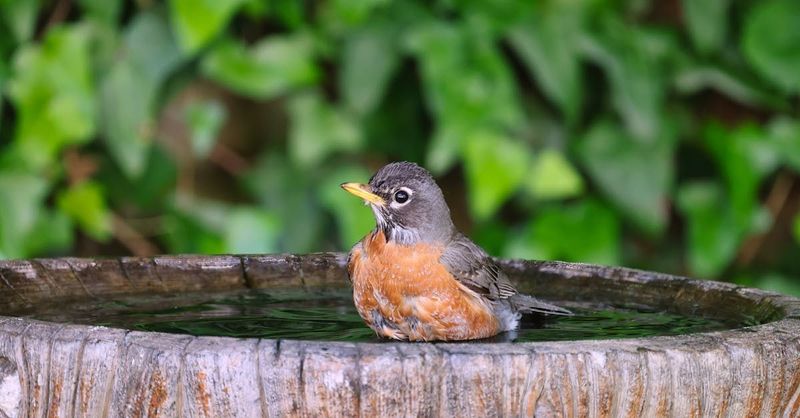
Timing matters more than most people realize when it comes to breaking the mosquito life cycle. Mosquitoes develop in standing water, moving through egg, larval, and pupal stages before becoming adults that can fly and bite.
CDC guidance explains that development timing varies by temperature, mosquito species, and local conditions. No single number of days applies to every situation.
What that means in practical terms is that waiting too long between water changes gives larvae more time to mature. Dumping and replacing water regularly, before any larvae present have a chance to complete development, can help interrupt that process.
When you empty the bath, pouring old water onto soil or mulch nearby is a good option because it soaks in quickly rather than pooling.
After dumping, give the basin a quick rinse before refilling with fresh water. That step helps remove any eggs, debris, or film left behind.
Your Ohio Garden Changes Every Week. Your Plan Should Too.
Gardening in Ohio changes quickly throughout the season. Every Friday you’ll receive a simple weekly plan showing exactly what to plant, prune, fertilize, harvest, and protect so you never miss the right timing.
Keeping a garden hose close to the bird bath makes this routine much easier to stick with. Frequent water changes are especially important during the warmest weeks of summer, when mosquito development can move faster in heated water.
3. Scrub The Basin Before Algae Hides Eggs
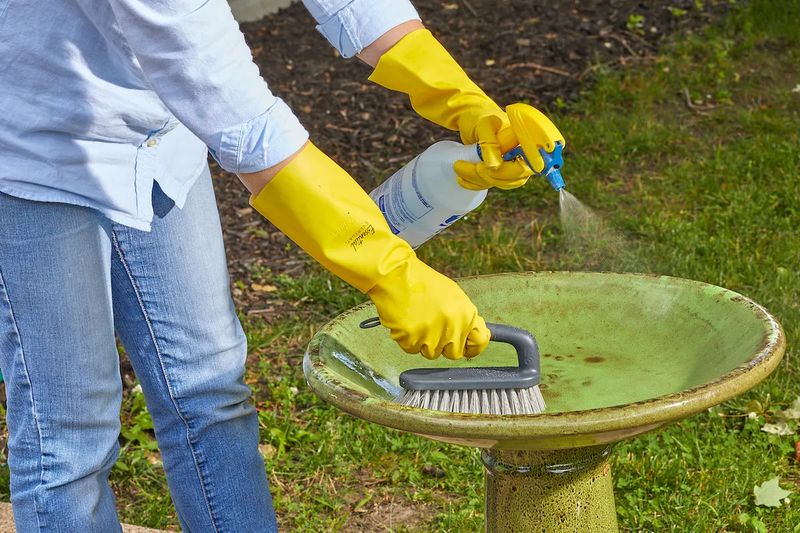
Green film on the inside of a bird bath is not just an eyesore. Algae, biofilm, droppings, and built-up grime can make the basin harder to inspect and less safe for birds.
Dumping and rinsing the water helps, but scrubbing the surface removes the layer of material that clings to stone, concrete, or ceramic after the water is gone.
Audubon guidance advises using a stiff brush to clean bird bath basins and rinsing thoroughly before refilling. A brush with firm bristles works well on rough surfaces where algae tends to grip.
Avoid leaving any residue from cleaning products in the basin, since birds drink from the same water they bathe in. Rinse the basin well with plain water after scrubbing to clear away anything loosened during cleaning.
A clean basin is also easier to inspect. When the surface is clear, it is much simpler to spot small larvae, debris, or anything else that should not be there.
Bird bath cleaning does not need to be complicated or time-consuming. A quick scrub during each water change keeps the bath in good shape for birds.
A deeper cleaning every week or two also reduces conditions mosquitoes prefer.
4. Keep Water Moving With A Small Bubbler
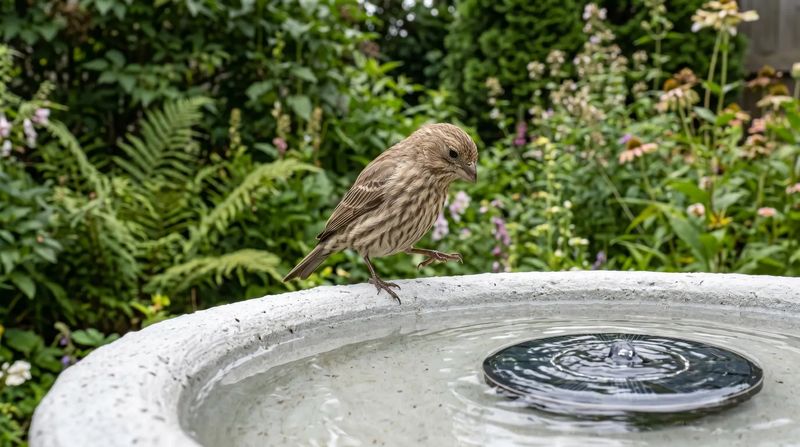
Mosquitoes strongly prefer calm, still water when choosing a place to lay eggs. Gentle movement across the surface of a bird bath may make it a less attractive breeding site.
Ohio university extension sources note that water agitation can discourage mosquito egg-laying. Still, movement alone does not replace regular cleaning and refilling.
A small solar bubbler, dripper attachment, or water wiggler can create enough surface movement to help. These devices are widely available, easy to set up, and do not require electrical outlets if they are solar-powered.
Birds often respond positively to moving water, since the sound and ripple can attract them from a distance. Keeping the water shallow and accessible remains important for bird safety, so check that any device used still allows birds to stand and bathe comfortably.
A bubbler is a helpful addition to a well-maintained bird bath, not a substitute for maintenance. Water that moves but stays dirty, warm, and unchanged for a week can still support mosquito activity under the right conditions.
Think of water movement as one layer in a broader yard routine that also includes dumping, scrubbing, and refilling on a regular schedule. Together, those habits give mosquitoes far fewer opportunities to develop.
5. Place The Bath Where You Will Actually Clean It
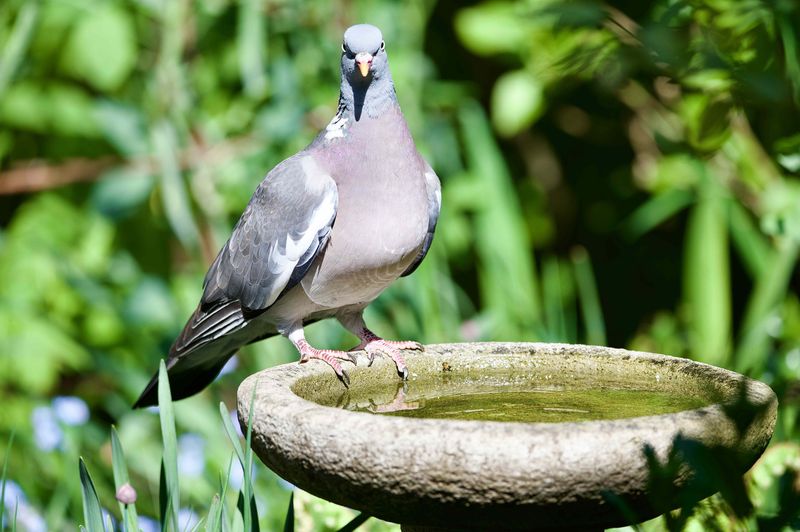
Location shapes how often a bird bath actually gets cleaned. A bath tucked behind a dense shrub or placed at the far edge of a large yard is easy to forget, especially during a busy summer week.
When the bath is out of sight, water can sit for days longer than intended, and stagnant conditions can develop without anyone noticing.
Placing the bath near a walkway, patio edge, or garden border where it is visible during normal outdoor activity makes it much easier to keep up with maintenance. OSU Extension guidance emphasizes eliminating or regularly changing standing water.
Mosquito prevention works best when this becomes a routine habit, not an occasional task. Being able to see the bath from a window or pass by it daily is a simple way to build that habit.
Proximity to a garden hose also matters. When refilling is quick and convenient, it is far more likely to happen often enough.
Birds also benefit from a location that offers some nearby cover, such as a shrub or small tree within a few feet, so they feel safe while bathing. Balancing bird safety with cleaning convenience is the goal.
A well-placed bird bath is one that gets maintained, and a maintained bird bath is far less likely to become a mosquito problem in your Ohio yard.
6. Check Plant Saucers And Buckets Nearby Too
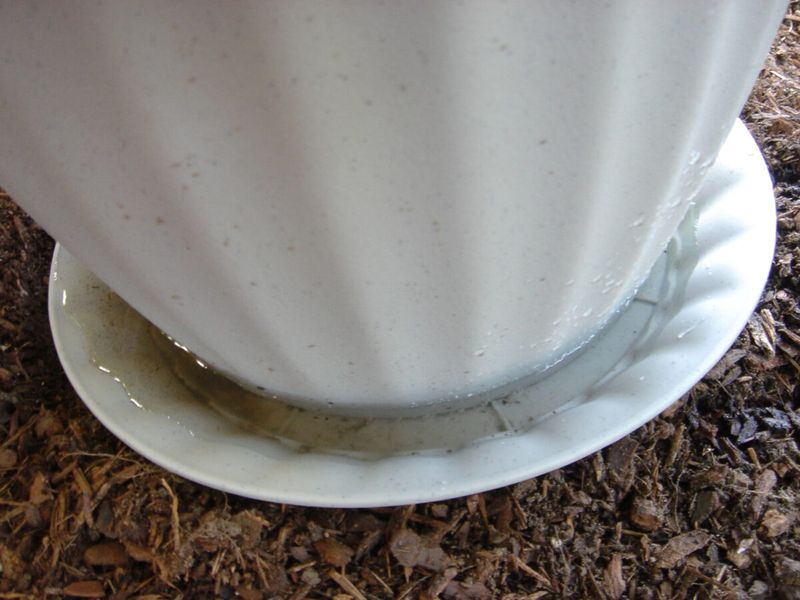
A forgotten saucer sitting under a potted plant after a summer rain can hold enough water to matter. Bird baths often get the most attention in mosquito prevention conversations.
Ohio Department of Health guidance reminds homeowners that any container with standing water can become a breeding site if it sits long enough.
Walking the yard after a rainstorm is one of the most useful habits to develop. Look for plant saucers, upturned trash-can lids, toys, wheelbarrows, tarps with low spots, clogged gutters, and any other place where water collects and sits.
Dumping these smaller water pockets and storing containers upside down when not in use removes breeding opportunities before they develop. Pet water bowls left outside should also be refreshed regularly.
Mosquito pressure in a yard depends on more than one source of water. Addressing the bird bath while leaving a dozen water-filled containers around the yard limits how much any single change can accomplish.
A yard-wide check takes only a few minutes and works well as part of the same routine used to maintain the bird bath.
Connecting these tasks together makes the whole process feel less like extra work and more like one simple outdoor habit built around a single walk around the yard.
7. Use Mosquito Dunks Only As The Label Allows
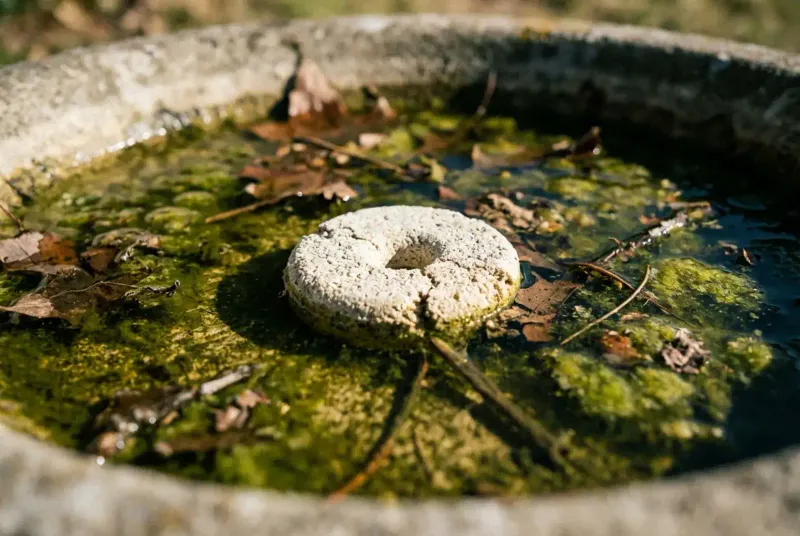
Some situations call for more than just dumping and scrubbing. Products containing Bacillus thuringiensis israelensis, commonly known as Bti, use a naturally occurring bacteria to target mosquito larvae in standing water.
EPA label guidance requires using any Bti product only according to its specific label directions. Check whether it is appropriate for bird baths or wildlife water sources.
Not every mosquito dunk or Bti product is labeled for use in bird baths. Reading the label carefully before use is not optional.
It is the most important step. Labels will specify the approved settings, application amounts, and any precautions related to wildlife.
Using a product in a way that the label does not cover is considered off-label use and should be avoided.
For small bird baths that are easy to empty and scrub, dumping and refilling should remain the first and most consistent habit. Bti products are more commonly used in larger, harder-to-drain water sources where regular dumping is not practical.
If you do consider a dunk or similar product for a bird bath, choose only one that is clearly labeled for that use and follow every instruction provided.
When in doubt, contact your local extension office or county health department for guidance specific to your situation.
8. Keep Birds Happy Without Raising Mosquitoes
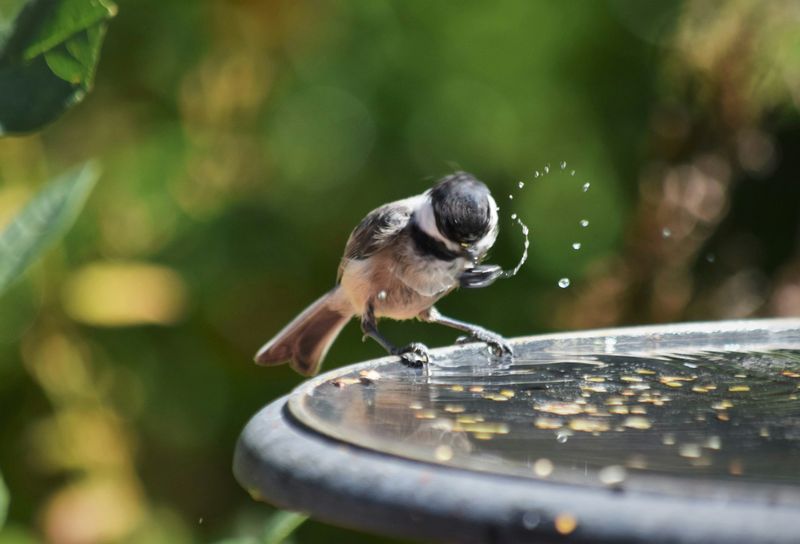
Clean bird baths remain genuinely valuable during hot summer weather. Natural water sources can become scarce when temperatures climb and rainfall is irregular.
A well-maintained bath gives local birds a reliable place to drink and cool off, and that is worth keeping up with. The problem has never been the bird bath itself.
The problem is water that sits long enough to become a mosquito nursery.
Pulling all of these habits together creates a routine that works for birds and against mosquitoes at the same time. Dump the water often.
Scrub the basin regularly. Refill with fresh water.
Consider adding a small bubbler to keep the surface moving. Place the bath somewhere you will see it and reach it easily.
Check plant saucers, buckets, and other containers nearby after rain. Use Bti products only when the label clearly allows it for that setting.
No single step eliminates all mosquito pressure in a yard. Weather, nearby vegetation, neighboring properties, and local mosquito species all play a role.
But a bird bath that is dumped, scrubbed, and refilled on a regular schedule is far less likely to add to the problem. Keeping birds happy and keeping mosquitoes from breeding are not competing goals.
With a little routine care, both are entirely possible in the same backyard.
9. Stop Ignoring The Signs Your Bath Needs Attention
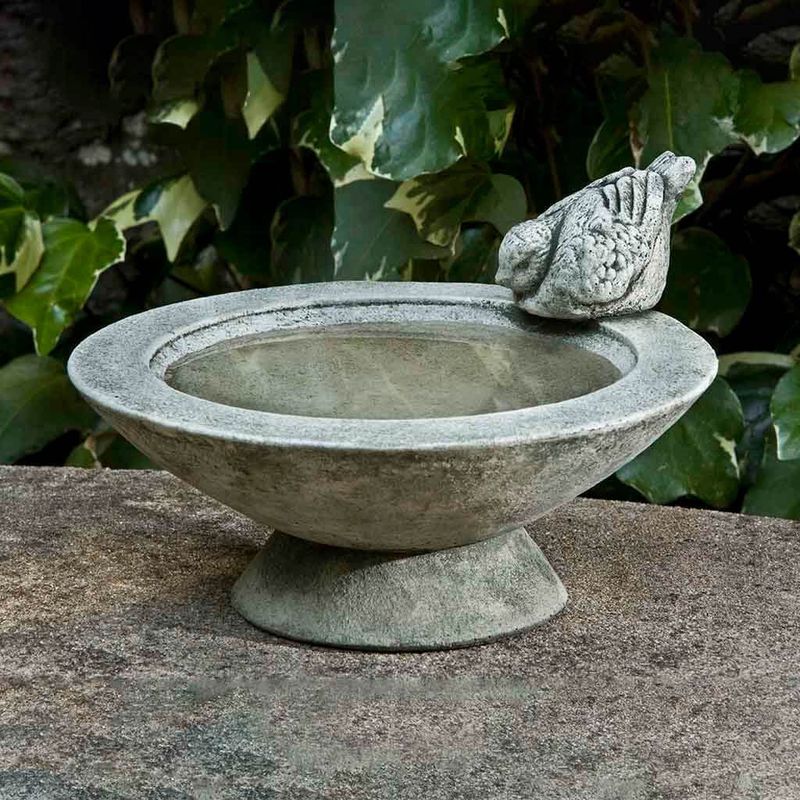
Cloudy water, a green tint on the basin walls, or a slick film across the surface are all signs that a bird bath needs attention soon. Many homeowners walk past these signals without acting on them, especially during busy weeks.
But those visual cues are exactly when mosquito larvae are most likely to be present and developing beneath the surface.
University extension sources note that warm, nutrient-rich water with organic material supports faster algae growth. It also creates conditions that favor mosquito development.
A bath that looks dirty almost certainly needs to be dumped and scrubbed before being refilled. Waiting another day or two can make the difference between catching a problem early and missing the window to break the cycle.
Building a quick visual check into a daily or every-other-day outdoor routine takes almost no time. Glancing at the water while watering plants or walking to the mailbox is enough to catch early warning signs.
Clear water, a clean basin, and no visible film or debris are the targets to aim for. When those conditions are present, the bath is doing its job for birds and far less of a job for mosquitoes.
Staying observant is one of the simplest and most effective tools available to any backyard bird bath owner.