How Michigan Gardeners Reduce Japanese Beetle Damage Without Chemicals
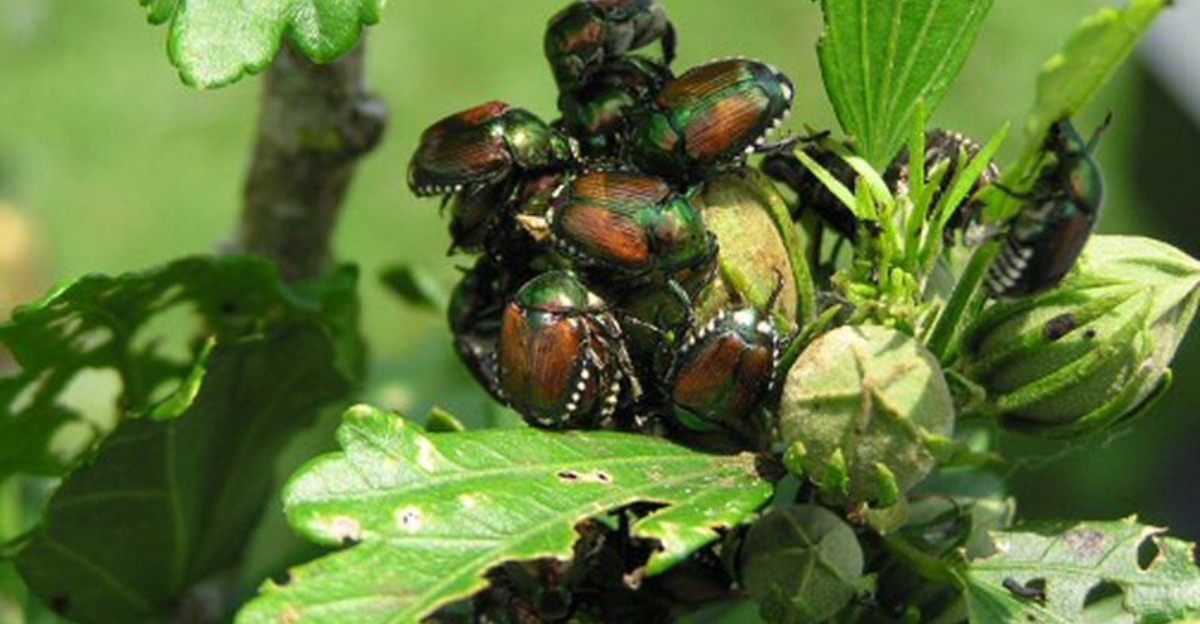
Japanese beetles cause visible damage across Michigan gardens each summer, skeletonizing leaves and leaving behind a lacy, ragged appearance on affected plants.
Many gardeners are moving away from chemical treatments in favor of physical and biological methods, like hand-picking beetles into soapy water during peak activity hours or introducing natural predators that feed on beetle grubs before they mature.
Timing plays a big role in success, since beetles are most active and easiest to manage during specific parts of the day when they’re less alert to disturbance.
Combining a few of these non-chemical approaches tends to work better than relying on any single method alone.
For Michigan gardeners looking to protect plants without reaching for pesticides, these strategies offer a genuinely effective alternative.
1. Hand-Pick Beetles Early In The Morning
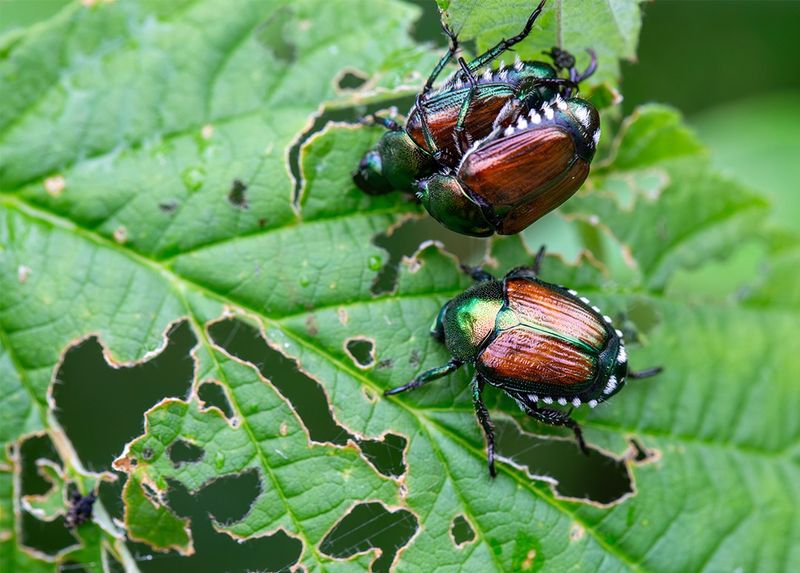
Cool mornings are your secret weapon against these hungry visitors. When the air is still chilly, Japanese beetles move slowly and cannot fly away fast, which makes them easy to catch by hand.
Grab a bucket, fill it with a few inches of soapy water, and head out before the sun warms things up.
Hold the container right under each beetle and give the leaf a gentle tap. Beetles have a funny habit of dropping straight down when startled, so they tumble right into the water instead of flying off.
The soap breaks the surface tension, which keeps them from crawling back out. Within seconds, they sink and stop feeding for good. It sounds simple, but doing this every morning makes a huge difference over a week or two.
Japanese beetles are attracted by a combination of plant odors and pheromones released by feeding beetles. That single habit can shrink the whole group feeding in your yard.
Focus on plants they love most, like roses, grapes, and beans, since those spots draw the biggest crowds. Check the tops and undersides of leaves where they like to hide.
Make it part of your morning routine with a cup of coffee in hand. It costs nothing, uses no sprays, and gives you a peaceful moment outside. Best of all, your plants will thank you with fewer chewed leaves and more healthy growth as the summer rolls on.
2. Protect High-Value Plants With Netting
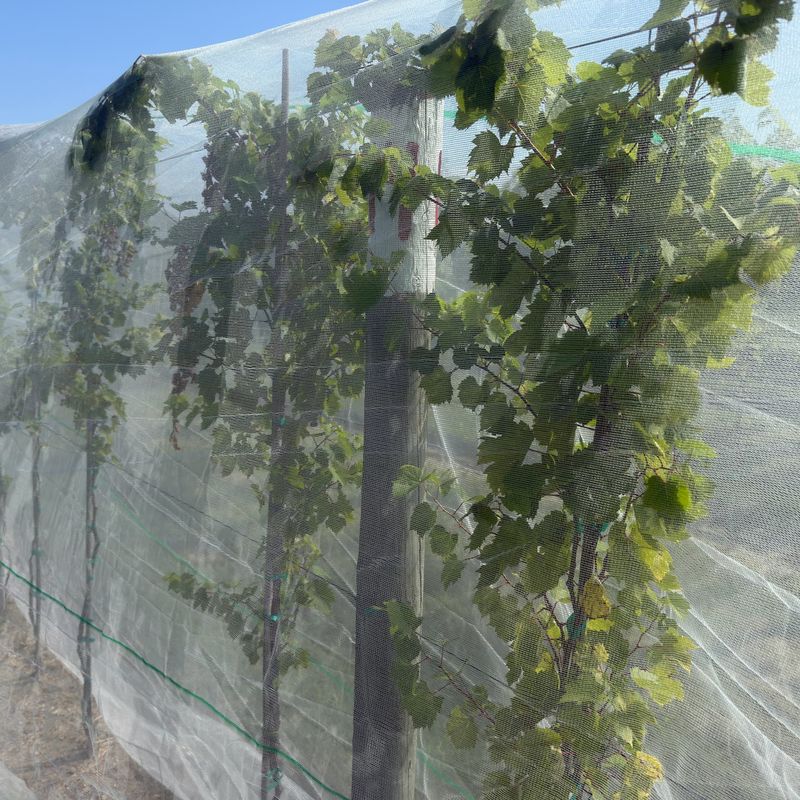
Sometimes the easiest way to stop a pest is to simply block the door. Fine mesh or insect netting creates a physical wall that keeps adult beetles from ever landing on your favorite plants.
Think of it like a screen on a window. The beetles bump into the fabric and cannot reach the leaves and flowers they want to munch.
This works wonders for prized roses, young fruit trees, raspberry canes, and vegetable beds that beetles find irresistible.
Pick a netting with holes small enough to keep beetles out but loose enough to let air and sunlight through. Plants still need to breathe and soak up the sun to stay strong, so a fabric that blocks too much light can cause more harm than good.
Drape the cover loosely and use stakes or hoops to keep it from resting directly on the leaves. Beetles can chew through spots where the mesh touches the plant, so give it a little room.
Your Michigan Garden Changes Every Week. Your Plan Should Too.
Gardening in Michigan changes quickly throughout the season. Every Friday you’ll receive a simple weekly plan showing exactly what to plant, prune, fertilize, harvest, and protect so you never miss the right timing.
Timing matters too. Put the netting up right before beetle season kicks off, usually late June in Michigan, and remove it once the beetles slow down in late summer.
One thing to remember is pollination. If you are covering flowering vegetables like squash, lift the netting for a bit during the day so bees can do their job, or hand-pollinate the blooms yourself.
With a little setup, netting gives your most valuable plants a safe bubble and saves you hours of picking beetles off later.
3. Remove Damaged Leaves And Flowers
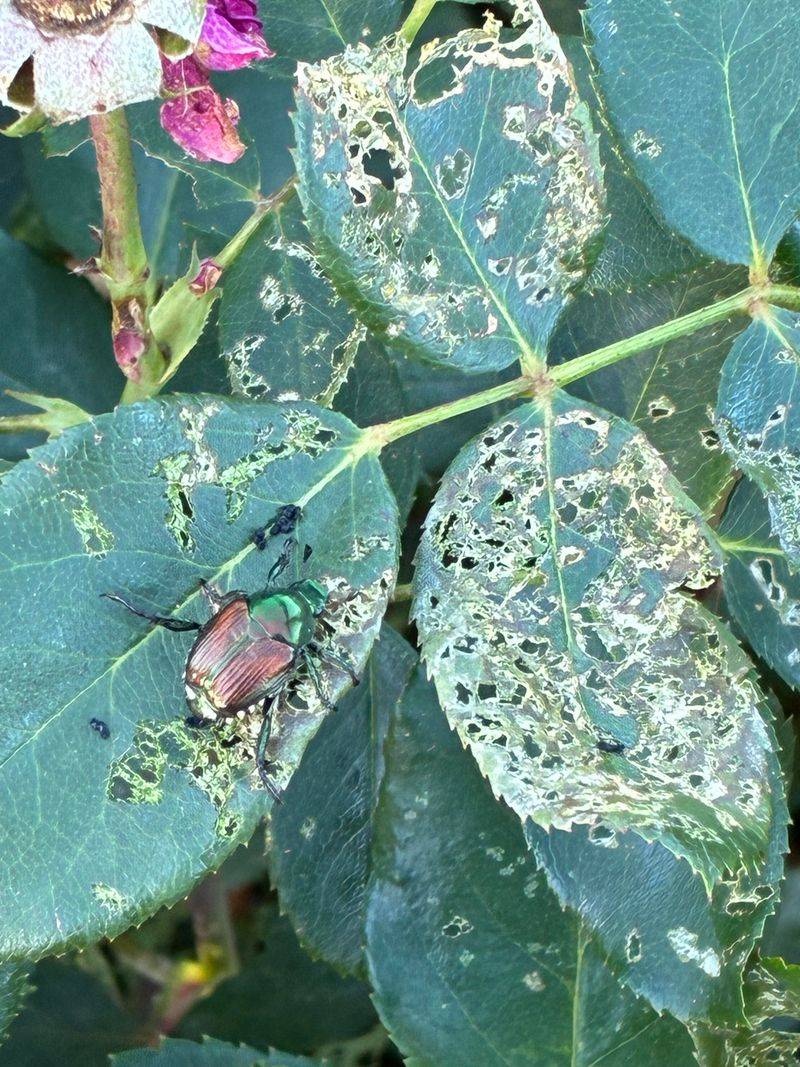
Beetles are drawn to a party, and damaged plants send out the loudest invitation. Damaged plants can release odors that may influence insect activity, while Japanese beetles are also attracted by feeding beetles and plant scents.
Snipping off the worst-looking leaves and faded flowers can quiet that signal. Fewer damaged spots mean fewer smells drifting through your garden to attract the next wave of hungry insects.
Trimming also cleans up the look of your plants. A rose bush covered in tattered leaves feels sad, but a quick trim helps it look fresh again and lets the plant put energy into new, healthy growth.
Grab clean pruning shears and clip away leaves that are more hole than leaf. Toss the trimmings in a sealed bag or bury them in the compost so any beetles hiding there do not just crawl back to your plants.
Here is the important part though. Do not go overboard. Healthy green leaves are the plant’s food factory, turning sunlight into energy.
Stripping away too many will leave your plant weak and struggling.
Only remove leaves that are badly chewed or flowers that are already past their prime. Leave the strong, green foliage alone so the plant keeps thriving.
Remove badly damaged or spent plant material for appearance and plant health, but do not rely on this as a Japanese beetle control method.
A little tidy-up here and there keeps your garden looking sharp and makes it a less tempting spot for beetles to gather in big numbers.
4. Choose Less Attractive Plants
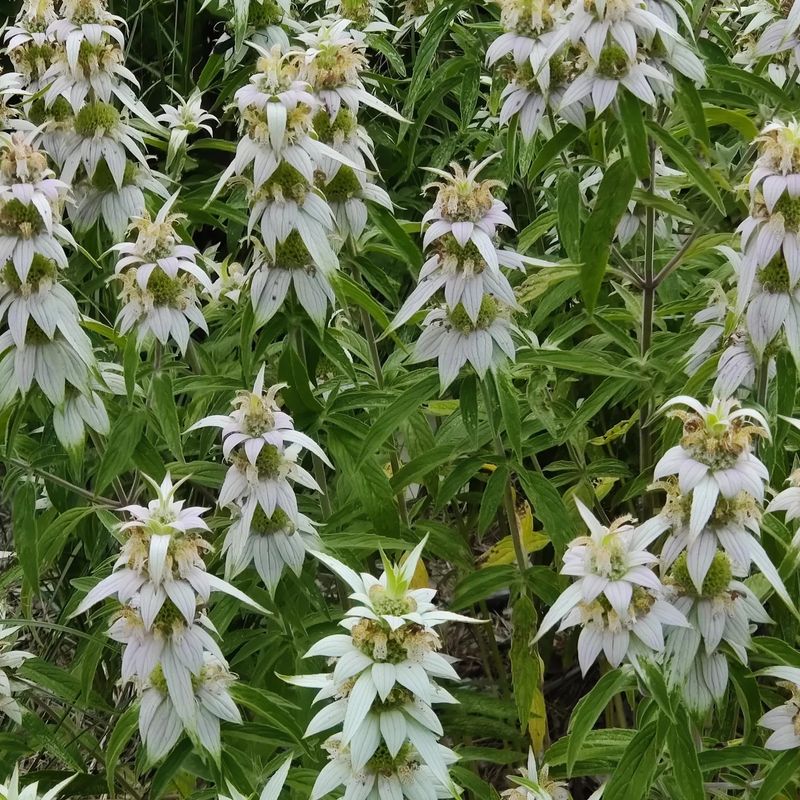
Not every plant lands on a beetle’s menu, and that fact can change your whole garden. Some flowers and shrubs simply do not appeal to Japanese beetles, so filling your yard with them means far less damage year after year.
Beetles go wild for roses, grapes, lindens, and hollyhocks, but they mostly ignore plants like lilac, boxwood, forsythia, and coneflower. Adding more of these overlooked favorites gives you color and beauty without the constant chewing.
Herbs can help too. Beetles tend to skip past garlic, chives, and catnip, and some gardeners tuck these near tastier plants hoping to steer beetles elsewhere.
Mixing many kinds of plants together is a smart move. When your garden depends on just one or two beetle magnets, a single swarm can wreck the whole show. Spreading out your choices keeps any one pest from ruining everything.
Variety also brings in helpful bugs and birds that snack on beetles and other troublemakers. A diverse garden builds its own little balance, where nature does some of the work for you.
Before you buy new plants, do a quick check on which ones beetles tend to avoid in Michigan. A few minutes of planning at the garden center saves loads of frustration in July.
You do not have to give up every plant you love. Just balance the beetle favorites with tougher, less tasty picks so your garden always has something green and lovely standing strong through the summer buzz.
5. Do Not Use Japanese Beetle Traps Near Valuable Plants
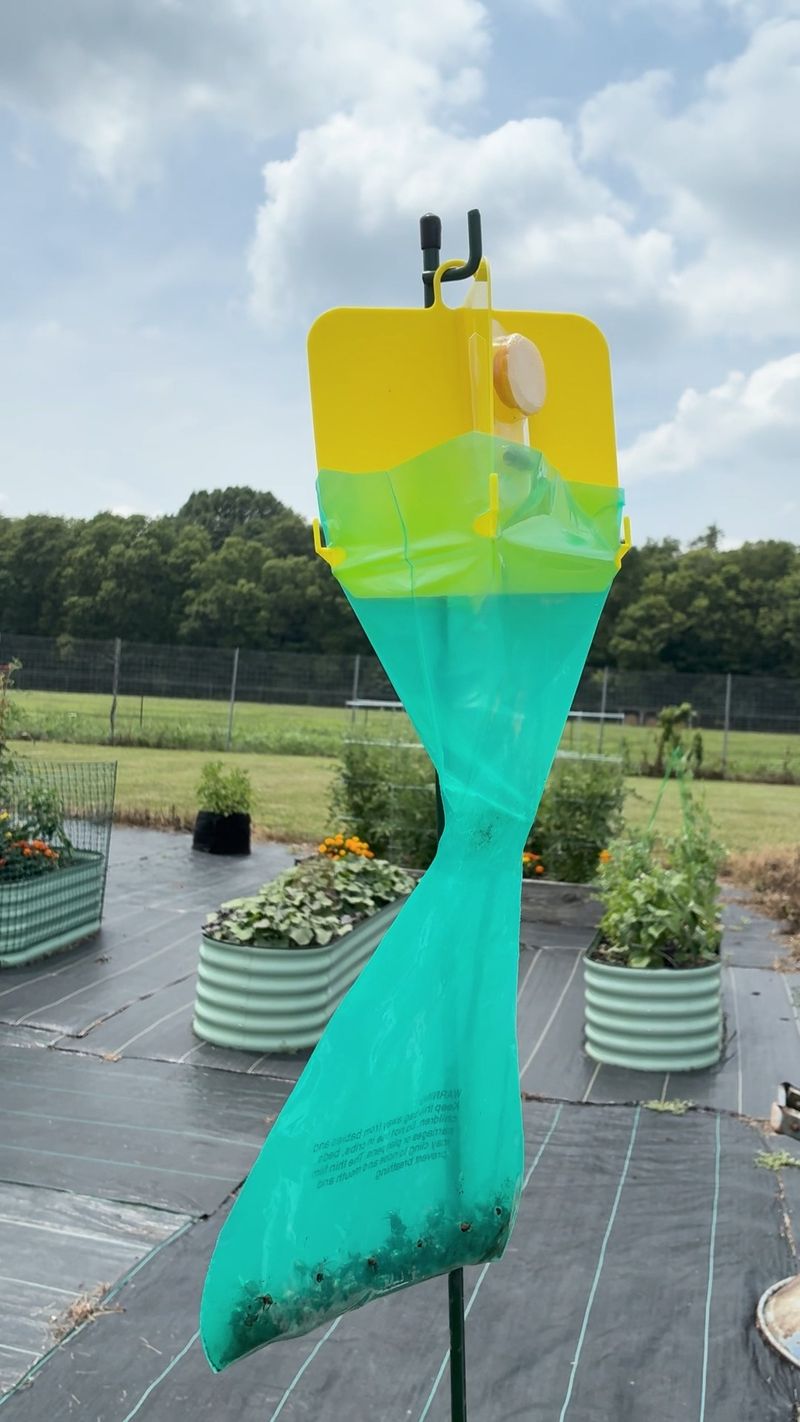
Traps sound like the perfect fix, but they often backfire in surprising ways. Those yellow bag traps use strong scents to lure beetles in, and that smell travels far across the neighborhood.
The problem is the trap pulls in way more beetles than it can hold. Many of them never make it inside and instead land on the plants nearby for a snack along the way.
Studies have shown that placing a trap in your garden can actually bring more beetles to your yard than you had before. Instead of solving the problem, you end up inviting the whole neighborhood over.
If you really want to use a trap, keep it far from anything you care about. Set it at the edge of your property, as far as possible from roses, vegetables, and fruit trees.
Better yet, talk to your neighbors. A trap works best when placed on land where no prized plants grow, drawing beetles away from everyone’s gardens instead of toward them.
The scent lures come in two types, one that copies flower smells and one that mimics beetle signals. Both are powerful and reach much farther than most people expect.
Empty traps often too, since a full bag stops working and just leaves a pile of beetles sitting near your plants.
For most Michigan gardeners, skipping traps altogether and sticking with hand-picking and netting brings better results. Sometimes the smartest move is knowing which tools to leave on the shelf.
6. Keep Plants Healthy Without Overfeeding
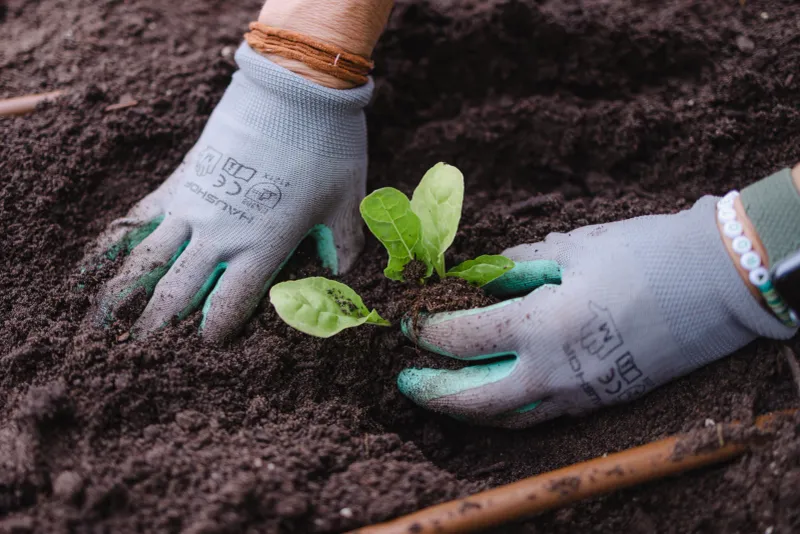
Strong plants shrug off pests the way a healthy person fights off a cold. When your garden is well cared for, a little beetle nibbling barely slows it down.
A plant with deep roots, good soil, and steady water can lose some leaves and keep right on growing. Weak plants, on the other hand, struggle to bounce back from even small amounts of damage.
Here is where many gardeners trip up though. Piling on nitrogen fertilizer creates loads of soft, leafy new growth, and beetles find that tender green foliage extra tasty.
All that lush growth acts like a dinner bell. The soft leaves are easy to chew and packed with the moisture beetles crave, so overfeeding can actually draw more of them in.
Instead of dumping on fertilizer, focus on building healthy soil. Adding compost feeds your plants slowly and steadily, giving them what they need without a burst of weak, floppy growth.
Water deeply but not too often, letting roots grow strong and reach down for moisture. This helps plants handle both pests and hot Michigan summer days.
Mulch around your plants keeps the soil cool and holds in water, which cuts down on stress. A calm, well-fed plant is a tough plant.
Test your soil every couple of years so you know exactly what it needs instead of guessing. Feeding the right amount at the right time keeps your garden balanced.
Healthy plants plus smart feeding equals a garden that stays green even when beetles come knocking.
7. Remove Beetles Before They Reproduce
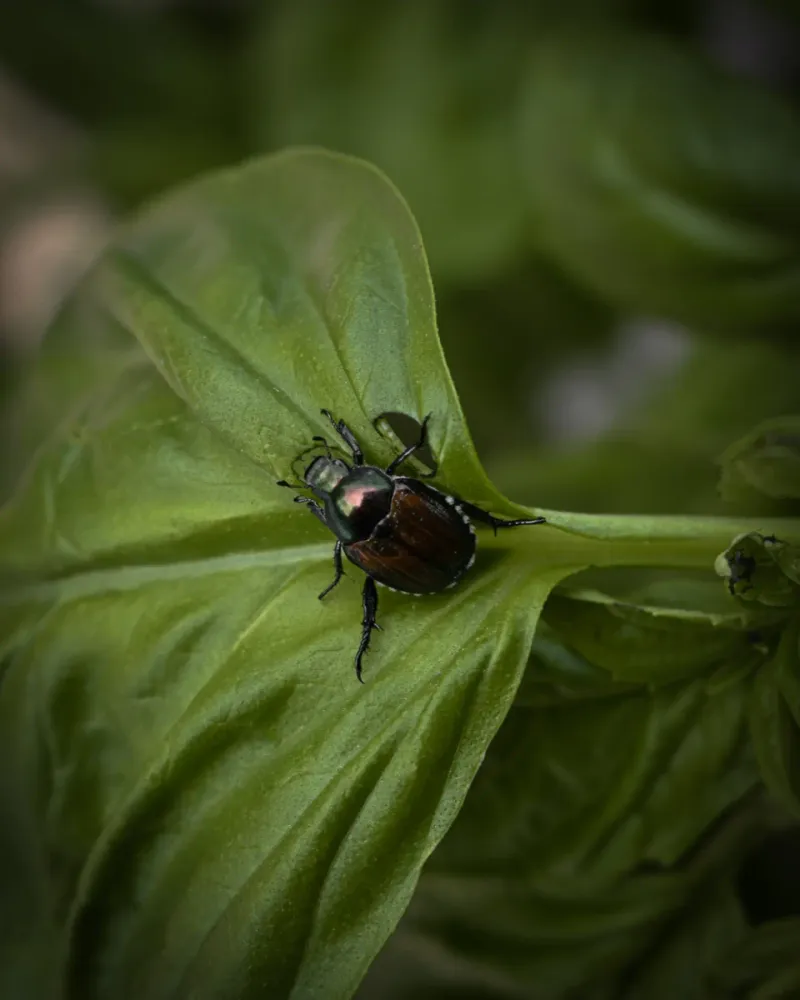
Timing can turn a small effort into a big win. Japanese beetles are most active in Michigan from late June through August, and that window is your best chance to get ahead of them.
During this stretch, female beetles feed heavily and then lay their eggs in nearby lawns and soil. Those eggs hatch into grubs that live underground and become next year’s beetles.
By removing adults quickly and often, you cut down on feeding right now and also reduce the number of eggs going into your turf. Fewer eggs today means fewer beetles next summer.
Make quick daily checks a habit during peak season. Walk your garden, tap beetles into soapy water, and stay consistent even when the numbers seem small.
The females often feed and mate on the same plants where they gather, so clearing them out breaks that cycle before it moves into your lawn.
Healthy, well-watered lawns can handle some grubs, but keeping the adult population low still helps protect both your grass and your flowers.
Beetles love warm, sunny afternoons, so that is a great time to spot them clustered together and scoop up several at once.
Keep at it through the whole active period rather than giving up after a week. Beetles keep arriving, so steady removal matters more than one big cleanup.
Think of it as an investment in next year’s garden. Every beetle you remove now is one less chewed leaf and one less egg for seasons ahead.
8. Combine Methods For Better Results
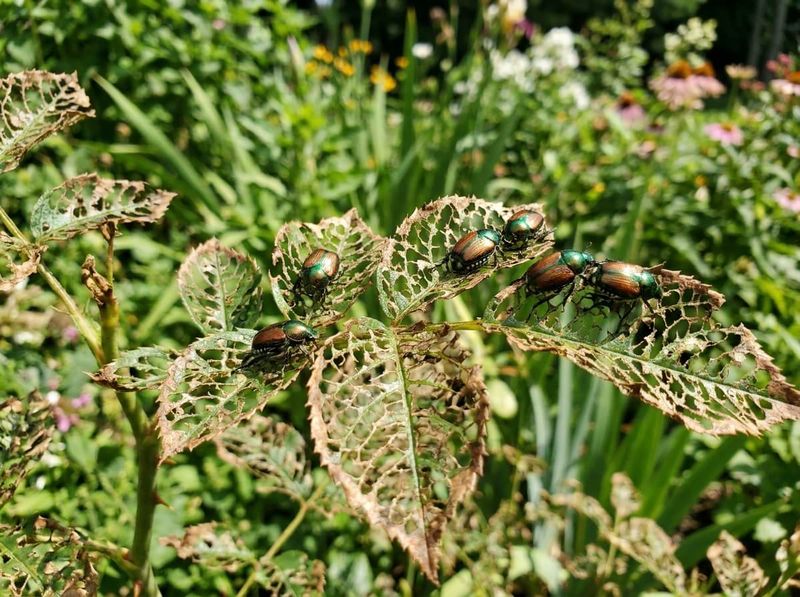
No single trick beats Japanese beetles on its own, but stacking them together works wonders. Think of each method as one piece of a puzzle that only makes sense once they all fit.
Hand-picking knocks down the beetles feeding today. Netting keeps them off your most treasured plants. Smart plant choices give them fewer favorites to chew, and good soil care keeps everything strong enough to bounce back.
When you use these together, they cover each other’s weak spots. What one method misses, another catches, and your garden ends up far better protected than with any single fix.
Daily monitoring ties it all together. Walking your garden each morning lets you spot new beetles, notice fresh damage, and act fast before a small problem grows into a swarm.
Start the season by planting a mix of beetle-resistant and beetle-favorite plants. Add netting to your prized ones, then hand-pick the beetles you find during their busy weeks.
Keep feeding your soil with compost instead of heavy fertilizer, and water deeply so plants stay tough through the summer heat.
Skip the scented traps that pull beetles in from all around, and instead trust the steady mix of habits you build week after week.
The beauty of this approach is that it uses no harsh chemicals, keeps bees and birds safe, and works with nature instead of against it.
Stick with the whole plan, and your Michigan garden will stay green, healthy, and beautiful all summer long, beetles and all.