These Are The Georgia Herbs That Survive Summer Heat And Keep Producing Through September
Summer has a way of changing expectations in the garden. Crops that looked strong in spring may begin slowing down, while others seem to handle the heat without much trouble.
By the middle of the season, it becomes much easier to see which plants are prepared for long stretches of hot weather and which ones would rather be growing under cooler conditions.
Fresh herbs are often among the most rewarding plants to grow at home. A quick trip outside can provide ingredients for dinner, fresh flavor for drinks, or a handful of leaves for a favorite recipe.
The challenge comes when summer temperatures begin climbing and certain plants lose the momentum they had earlier in the year.
Georgia gardeners know that not every herb responds to heat in the same way.
Some continue growing and producing well beyond the hottest weeks of summer, making them dependable additions to the garden through September.
1. Rosemary Handles Heat And Dry Conditions With Ease
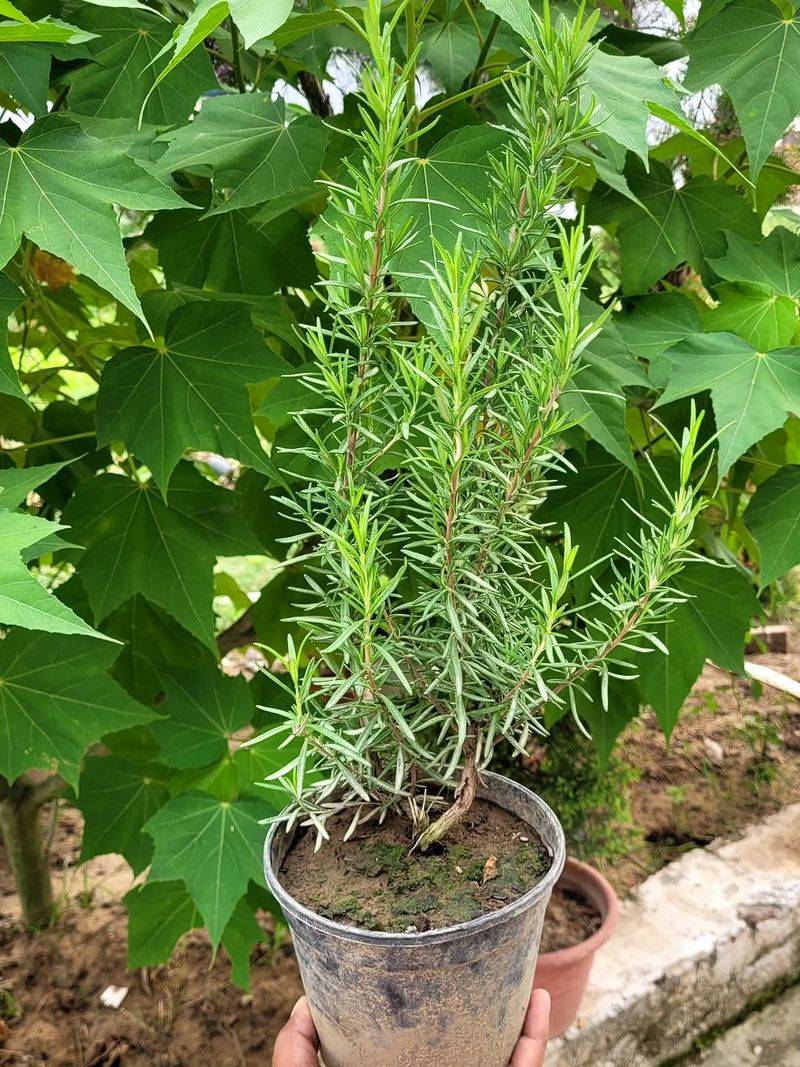
Rosemary practically thrives on neglect once it gets established. Hot sun, dry soil, and low rainfall barely slow it down.
Overwatering is actually a bigger threat to rosemary than any summer heatwave.
Roots need excellent drainage to stay healthy. Sandy or loamy soil works far better than dense clay.
Raised beds are a smart option in areas where heavy clay soil holds moisture too long.
Once established, rosemary rarely needs supplemental watering in most summer conditions. A deep soak every ten to fourteen days is usually enough during prolonged dry stretches.
Younger plants need more frequent watering during their first season.
Harvest stems regularly to keep the plant tidy and productive. Cut no more than one-third of the plant at a time.
Over-harvesting weakens the woody base and slows recovery.
Rosemary pairs well with grilled meats, roasted vegetables, and homemade bread. Stems can be dried easily by bundling and hanging in a warm, dry space.
Fresh rosemary stays usable for up to two weeks when stored properly in the refrigerator.
Upright varieties like Tuscan Blue grow tall and vigorous. Prostrate rosemary spreads low and works well along borders.
Both handle summer heat with the same stubborn toughness that makes this herb a garden staple worth planting every year.
Light pruning after periods of active growth can help maintain a compact shape and encourage fresh new stems for future harvests.
2. Oregano Continues Growing Through Long Hot Spells
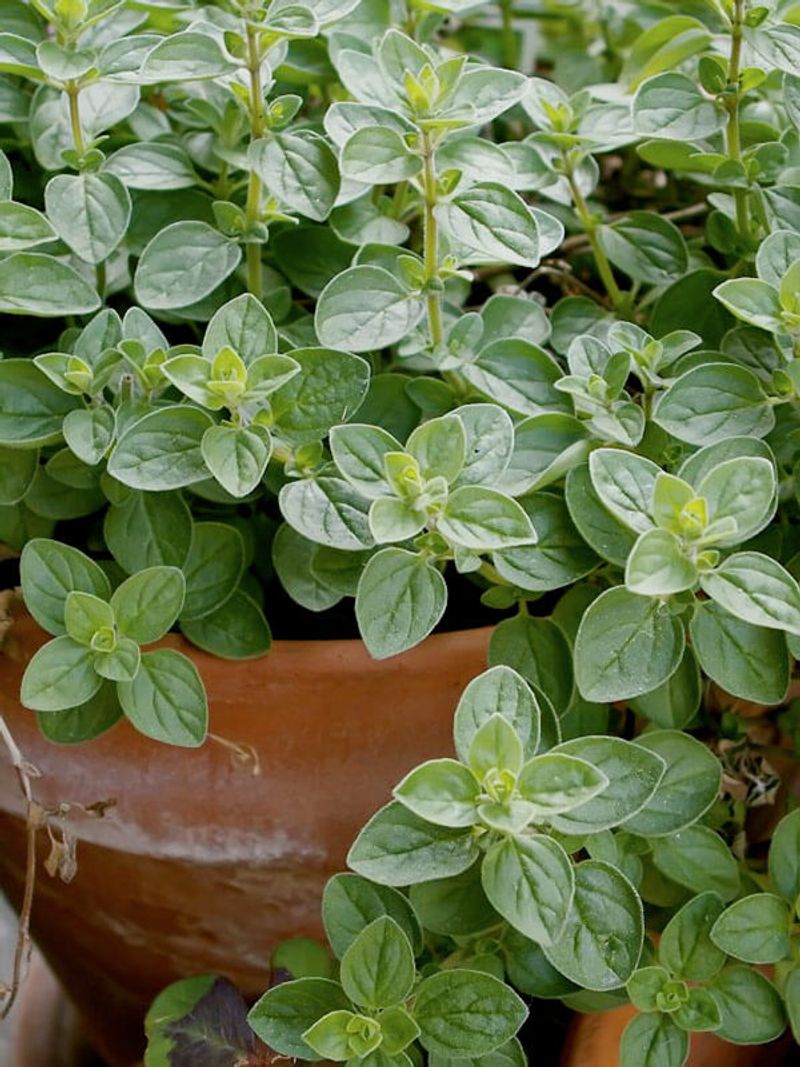
Oregano does not slow down when temperatures rise. It actually seems to intensify in flavor the hotter and drier conditions get.
Mediterranean herbs like oregano evolved in climates that mirror Southern summers almost perfectly.
Plant it in full sun with well-draining soil and it largely takes care of itself. Watering once or twice a week during dry spells keeps it steady.
Soggy roots cause far more problems than heat ever will.
Greek oregano tends to be more flavorful than common oregano varieties. Italian oregano offers a milder taste and slightly larger leaves.
Both grow vigorously through summer and produce reliable harvests without much intervention.
Your Georgia Garden Changes Every Week. Your Plan Should Too.
Gardening in Georgia changes quickly throughout the season. Every Friday you’ll receive a simple weekly plan showing exactly what to plant, prune, fertilize, harvest, and protect so you never miss the right timing.
Harvest stems before flower buds fully open for the strongest flavor. Snip just above a leaf node and the plant branches out quickly.
Regular harvesting prevents the plant from getting leggy and keeps new growth coming.
Oregano works fresh or dried with equal effectiveness. Dry harvested stems in small bundles hung upside down in a shaded, airy spot.
Dried oregano from a home garden carries noticeably more flavor than most store-bought versions.
One established plant can spread generously over time. Give it space or keep it trimmed to fit your garden layout.
A single healthy oregano plant produces more than most households use through an entire season without any special care.
Oregano also attracts pollinators when allowed to bloom, making it a useful addition to vegetable gardens and herb beds alike.
3. Thyme Thrives In Sunny Well-Drained Locations
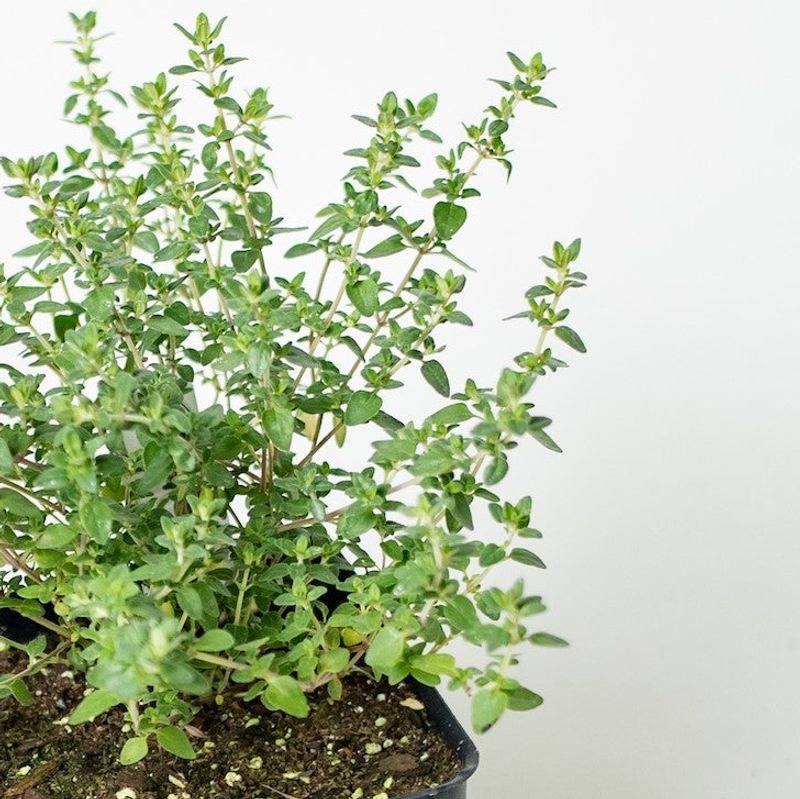
Thyme is built for exactly the kind of summer that breaks weaker plants. Rocky, dry, sun-baked soil is practically its natural habitat.
Give it those conditions and it grows with almost no maintenance required.
Drainage matters more than anything else with thyme. Standing water around the roots causes rot faster than heat stress ever could.
Raised beds or sloped garden spots work especially well for long-term success.
English thyme is the most widely grown variety and holds up well through extended heat. Lemon thyme adds a bright citrus note and performs equally well in full sun.
Creeping thyme spreads low along the ground and works beautifully as a border plant.
Harvest regularly by snipping the top few inches of each stem. Avoid cutting into the woody base, which does not regenerate as quickly as soft new growth.
Light, frequent harvesting keeps the plant producing consistently all season.
Thyme pairs well with roasted chicken, soups, and slow-cooked vegetables. Fresh or dried, it holds its flavor reliably through storage.
Bundles dry easily at room temperature within about a week.
Established thyme plants need very little water once roots settle in. A deep watering every ten days or so during dry stretches usually covers it.
Hot, sunny days actually concentrate the oils in the leaves, making summer thyme more flavorful than spring growth.
4. Parsley Continues Producing With Consistent Moisture
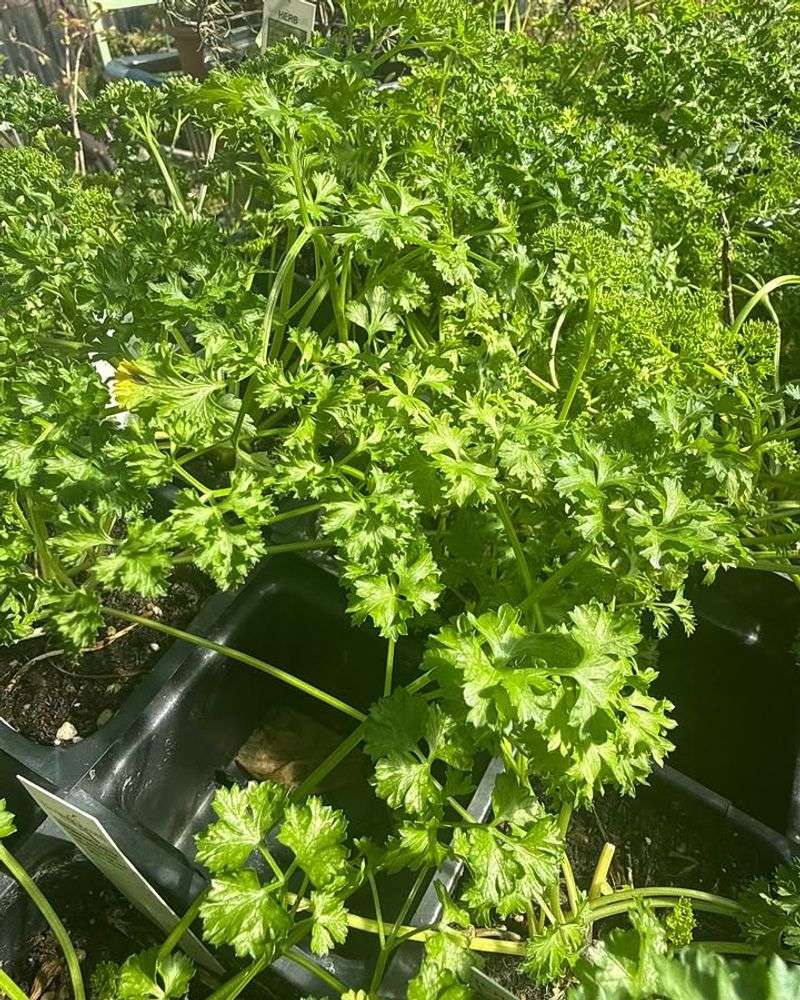
Parsley gets overlooked in summer gardens, but it holds up better than most people assume when moisture stays consistent. Unlike many Mediterranean herbs, parsley prefers slightly more water and richer soil.
Get that balance right and it produces steadily from spring straight through fall.
Italian flat-leaf parsley handles heat better than curly parsley in most cases. Leaves stay flavorful and tender longer when the plant gets regular watering.
Letting the soil dry out completely between waterings causes bitterness and slows growth noticeably.
Mulch around the base of parsley plants to hold soil moisture and moderate root temperature. A two-inch layer of straw or shredded leaves makes a real difference during the hottest weeks.
Water in the morning so foliage dries before evening.
Parsley is a biennial, meaning it grows leaves its first year and flowers its second. For the best harvests, treat it as an annual and replant each season.
Starting fresh plants ensures strong, leafy growth without premature bolting.
Harvest outer stems first, cutting at the base of each stalk. New growth emerges from the center of the plant.
Consistent harvesting encourages the plant to keep producing rather than slowing down mid-season.
Parsley works in salads, sauces, marinades, and as a garnish. It freezes well for longer storage.
Blanch briefly, pat dry, and freeze in small portions for easy use through winter months.
5. Basil Keeps Producing With Regular Harvesting
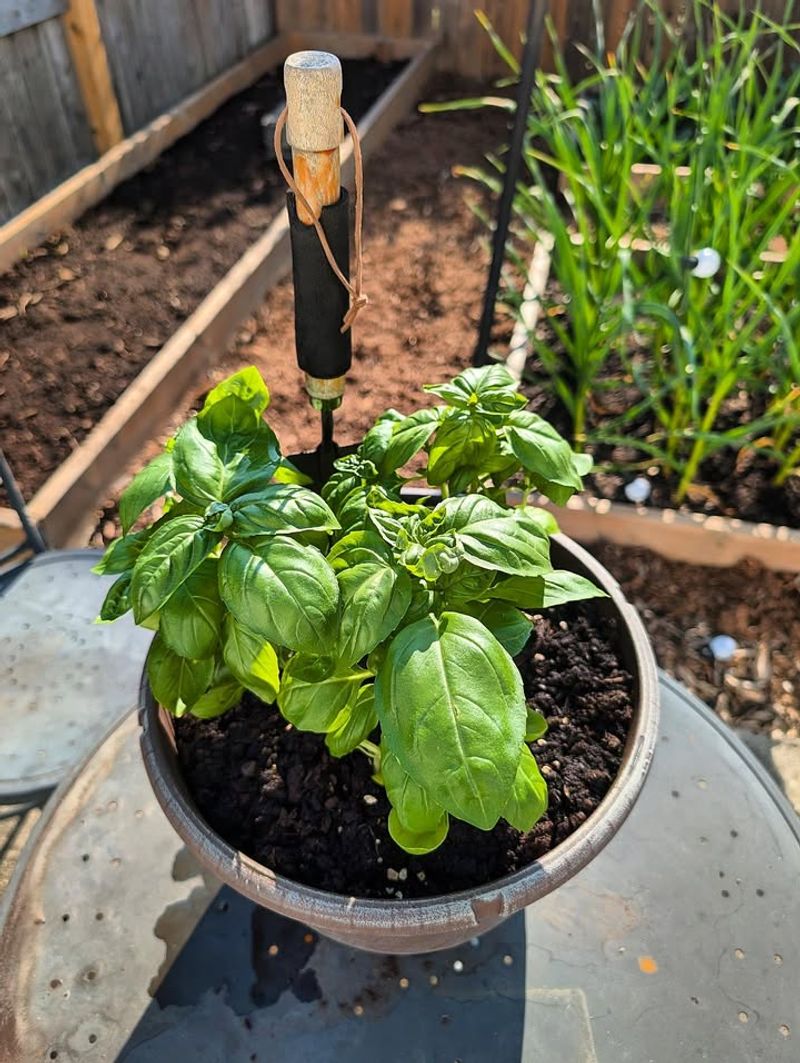
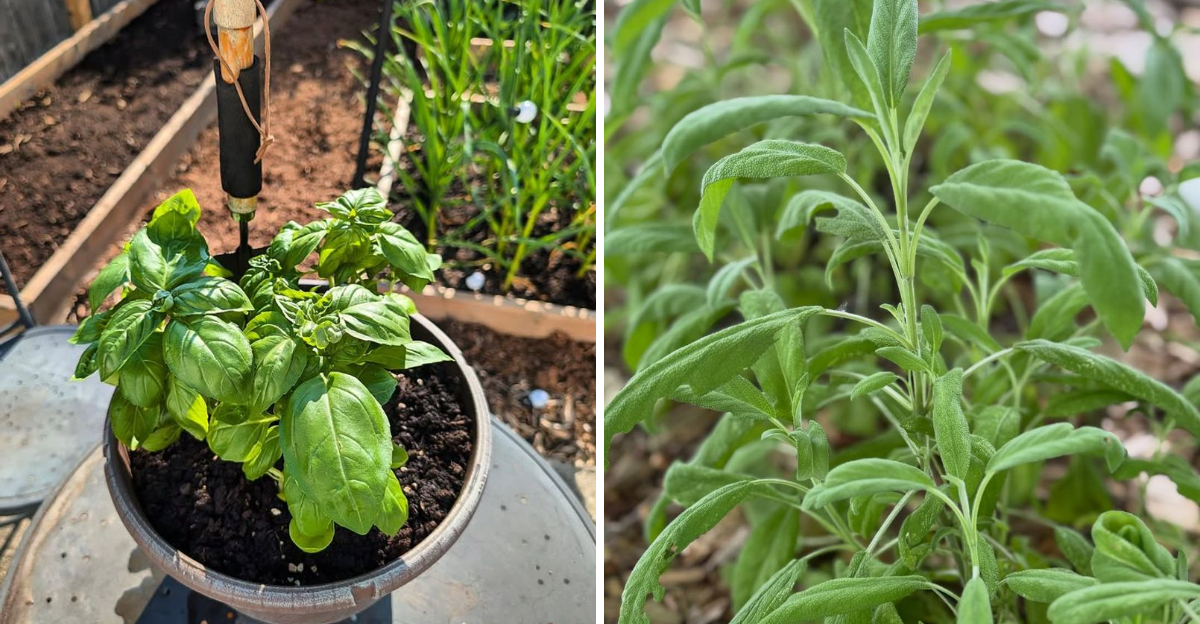
Few herbs reward effort as generously as basil does when you stay on top of harvesting. Pinch stems consistently and the plant keeps pushing out new growth all summer long.
Skip harvesting for even two weeks and it bolts straight to flower, which slows leaf production fast.
Basil loves heat, which makes it a natural fit for Southern summers. Soil should drain well and stay consistently moist but never waterlogged.
Morning watering works best because it keeps the roots cool without leaving foliage wet overnight.
Flower buds appear quickly once the days get long. Pinch them off the moment you spot them.
That one habit alone extends your harvest by several weeks.
Sweet basil is the most common variety, but Genovese and Thai basil also perform well in hot conditions. Plant in full sun with at least six hours of direct light daily.
Containers work great if your garden soil drains poorly.
Harvest from the top down, cutting just above a leaf node. New side shoots sprout within days after each cut.
A single healthy plant can supply a household with fresh basil from June straight through September with minimal effort.
For the best flavor, harvest basil in the morning after the dew has dried but before the afternoon heat becomes intense.
6. Chives Continue Producing With Occasional Trimming
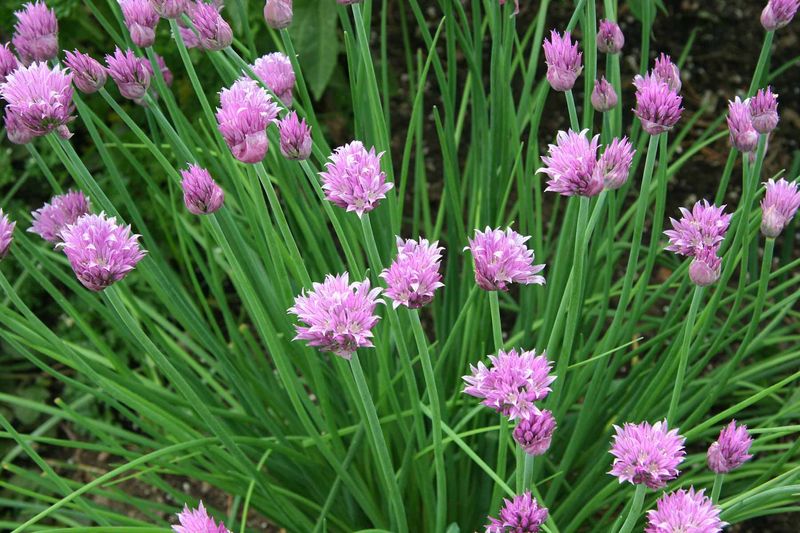
Chives are one of the most low-maintenance herbs you can grow through a Southern summer. Cut them back and they regrow quickly.
Ignore them for a few weeks and they still manage just fine on their own.
Plant chives in full to partial sun and keep soil moderately moist. Unlike thyme or rosemary, chives prefer slightly more consistent moisture.
They do not need soaking but should not dry out completely between waterings.
Flower heads appear in late spring and early summer. Those purple blooms are edible and actually taste mildly oniony.
Once flowering slows, trim the entire plant back by about half to encourage a fresh flush of new growth.
Common chives and garlic chives both perform well through summer heat. Garlic chives have flat leaves and a mild garlic flavor that works well in Asian-inspired dishes.
Both varieties regrow quickly after each trimming session.
Harvest by snipping stems about an inch above the soil line. New shoots emerge within a week or two depending on conditions.
Avoid pulling stems out by the roots, which damages the clump and slows regrowth.
Chives pair well with eggs, cream cheese, baked potatoes, and soups. Fresh chives lose flavor quickly after cutting, so harvest just before use when possible.
Frozen chives work reasonably well in cooked dishes but lose their crisp texture after thawing.
7. Lemon Verbena Handles Summer Heat Extremely Well
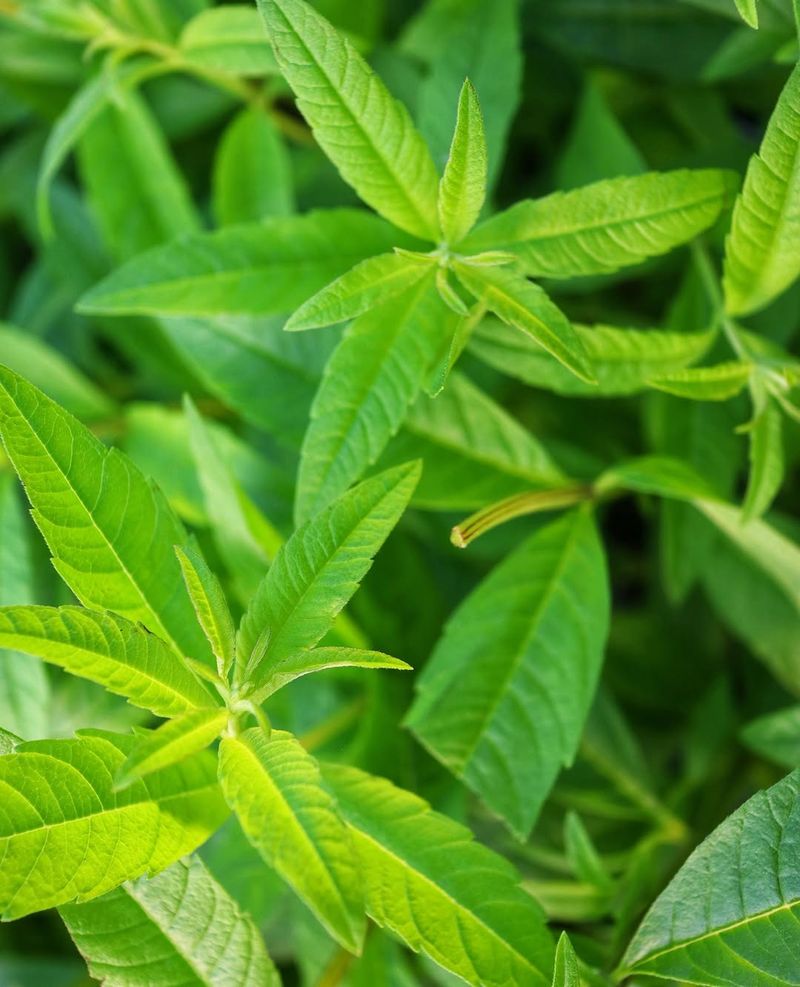
Lemon verbena is not as widely known as basil or rosemary, but it is one of the most heat-tolerant herbs worth growing through a long summer. The fragrance alone makes it worth planting.
Brushing against the leaves releases an intense, clean lemon scent that lingers for a while.
Full sun brings out the best in lemon verbena. Partial shade produces leggy growth with less concentrated flavor.
Six or more hours of direct sunlight each day keeps the plant compact and productive.
Water consistently but avoid overwatering. Well-draining soil prevents root problems during humid stretches.
Container growing works well for lemon verbena since drainage is easier to control in pots than in heavy garden soil.
Harvest young leaves and stem tips for the strongest flavor. Older leaves lower on the stem are still usable but tend to be tougher in texture.
Regular harvesting keeps the plant bushy and prevents it from getting too woody too fast.
Lemon verbena works beautifully in herbal teas, desserts, salad dressings, and marinades for fish or chicken. Dried leaves hold their lemon fragrance surprisingly well for months after harvest.
Dry them in a single layer on a screen in a warm, shaded space.
Plants can grow quite large by late summer if left unpruned. Trim back by one-third in midsummer to manage size and encourage fresh leafy growth.
A well-maintained plant produces generously from June all the way through September.
8. Sage Maintains Strong Growth During Summer Weather
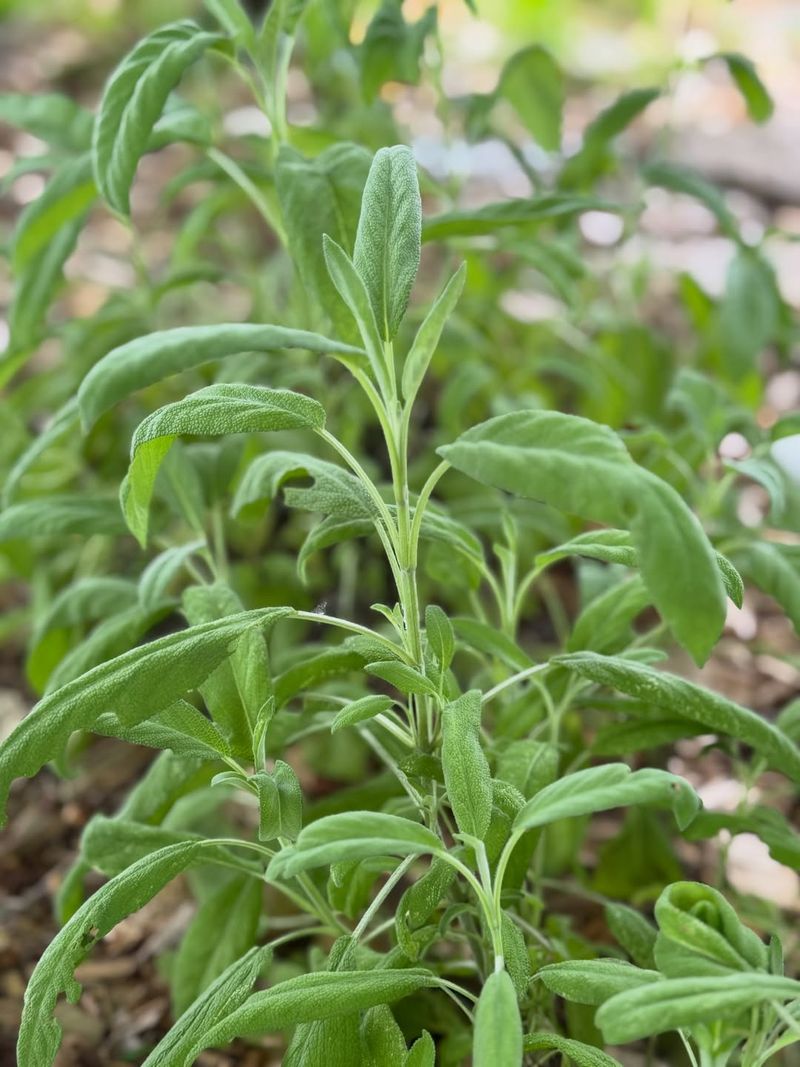
Sage looks almost too delicate to survive a brutal summer, but appearances are misleading here. Those soft, velvety leaves handle heat and humidity better than most people expect.
Established sage plants push through high temperatures without showing much stress at all.
Full sun is non-negotiable for strong sage growth. Partial shade causes the plant to get leggy and reduces both leaf size and flavor intensity.
At least six to eight hours of direct sun keeps it compact and productive.
Well-draining soil is just as important as sunlight. Clay-heavy ground holds too much moisture around the roots, which creates problems fast.
Amending the soil with compost and coarse sand improves drainage significantly.
Common sage produces the classic culinary flavor most people recognize. Purple sage and golden sage both grow well in summer heat and add visual interest to the garden.
Tricolor sage is slightly more sensitive but still manages well with good drainage.
Harvest young leaves from the outer edges of the plant. Older leaves near the base are tougher and less flavorful.
Fresh sage is excellent with butter, pasta, roasted squash, and pork dishes.
Prune lightly after flowering to encourage fresh growth through late summer. Sage does not need heavy fertilizing.
Too much nitrogen produces soft, weak growth that does not hold flavor well through the heat of the season.