The Fast-Growing Native Ohio Shrub That Works Better Than Fences For Privacy
Your neighbor’s yard is one bad fence away from being fully visible, and there’s a green fix Ohio homeowners keep sleeping on.
Fences rot, lean, and demand repairs every few years. A certain native shrub skips all that drama.
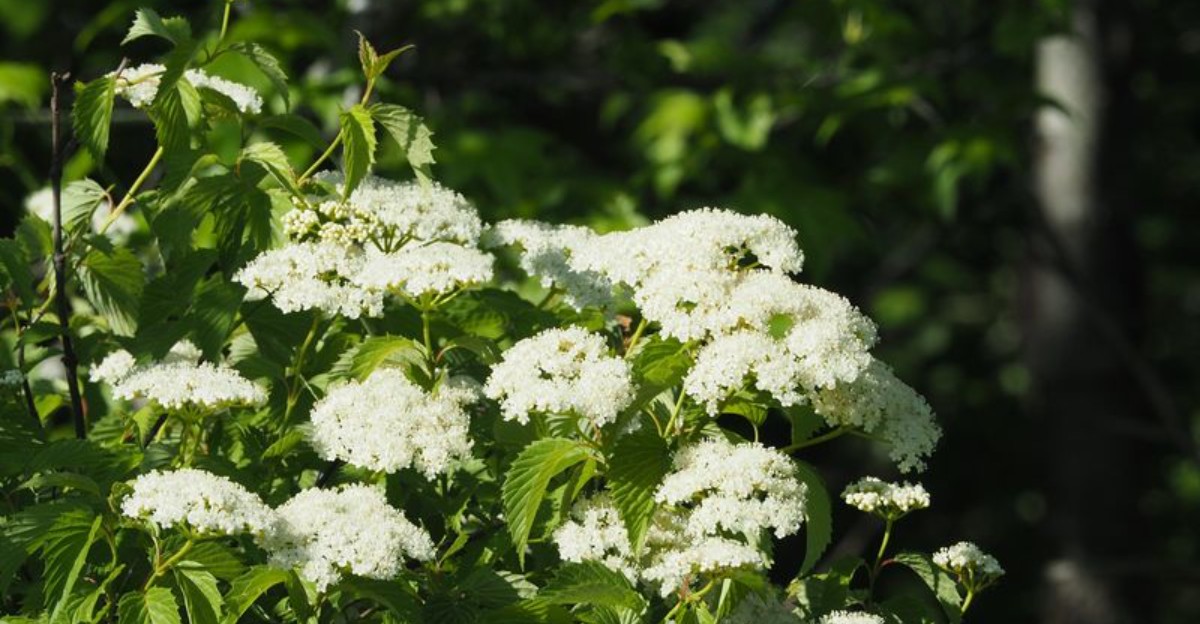
It shoots up fast, packs in dense branches that block sightlines within a couple seasons, and throws in clusters of white blooms come spring plus berries that pull in birds all fall. Try getting that out of a cedar plank.
This shrub thrives in Ohio soil without coddling, shrugs off the cold, and keeps filling in year after year instead of falling apart like lumber does.
Homeowners who plant it along a property line stop thinking about privacy altogether because it just handles the job on its own.
Skip the permit headaches and the neighbor disputes over whose side of the fence needs painting. Plant a living wall instead, and let it do the work fences never could.
1. Meet Arrowwood Viburnum, A Living Privacy Screen
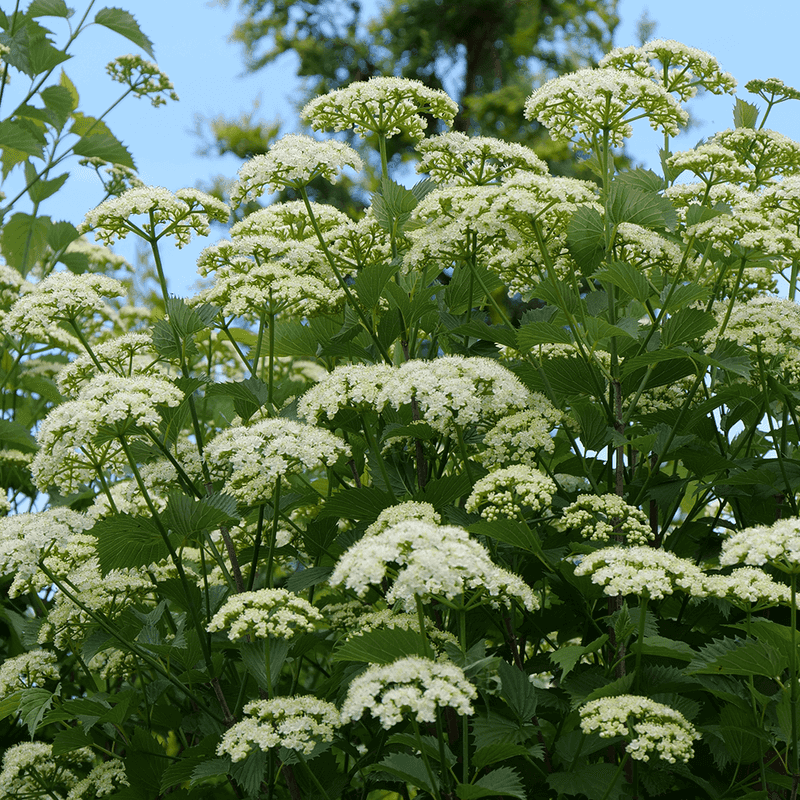
Native Americans once used the straight, slender stems of this shrub for arrow shafts, which is exactly how arrowwood viburnum earned its name. That same straight-stemmed growth is what makes it such a useful screen today.
Viburnum dentatum grows naturally across Ohio and much of the eastern United States, so it already knows how to handle humid summers and cold snaps in February.
Being a deciduous shrub, it drops leaves in winter, but the thicket of stems still blocks sightlines surprisingly well.
What sets it apart from a wooden panel is the way it changes through the year. Flat clusters of creamy white flowers appear in late spring, glossy dark green leaves fill in through summer, and autumn brings shades of burgundy and purple.
Homeowners who want a softer look along a property line tend to love that it feels like part of the landscape rather than a wall dropped into place. Neighbors usually appreciate it too, since a green hedge is easier on the eyes than six-foot vinyl.
Think of it as infrastructure that improves with age. A fence starts at its best on installation day and slowly declines, while this shrub gets fuller, taller, and more valuable every single season you leave it alone.
2. Build A Dense Border With Multi-Stem Growth
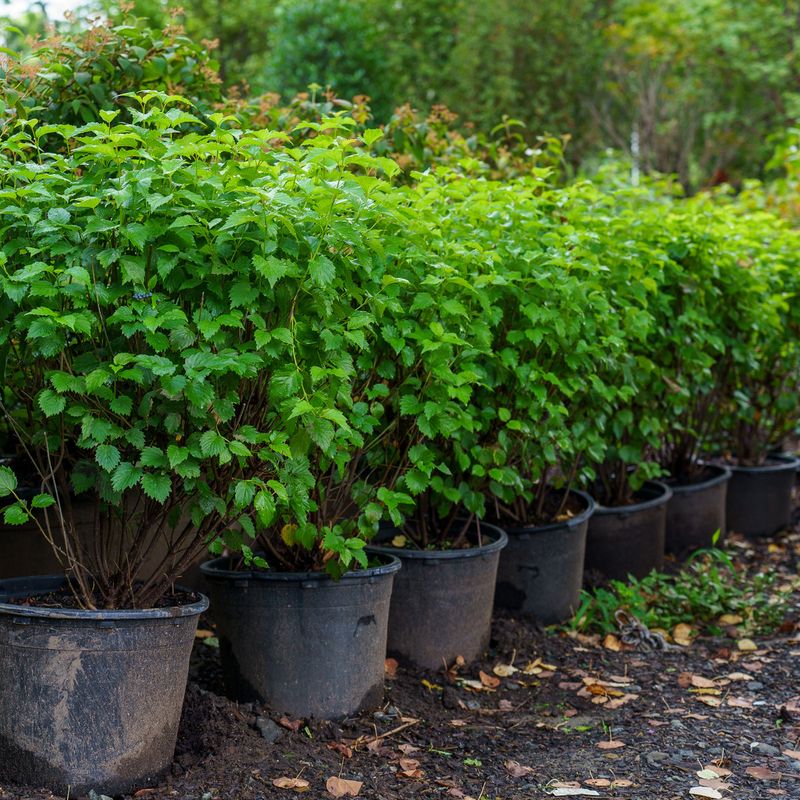
Most shrubs send up one main trunk and call it a day. Arrowwood takes a different approach, pushing up many stems from the base and steadily widening into a rounded, thicket-like mass.
Those extra shoots are called basal suckers, and they emerge right around the crown of the plant. Over a few seasons they knit together into a screen that is genuinely difficult to see through, especially from mid-spring into late fall.
Spacing plants several feet apart gives each one room to develop while allowing the branches to eventually knit together into a fuller screen.
Gardeners who plant too close often end up with leggy, crowded shrubs that shade each other out at the bottom. Leaving that four-to-six-foot gap feels generous the first year and looks perfect by year three.
Your Ohio Garden Changes Every Week. Your Plan Should Too.
Gardening in Ohio changes quickly throughout the season. Every Friday you’ll receive a simple weekly plan showing exactly what to plant, prune, fertilize, harvest, and protect so you never miss the right timing.
A small trick: stagger the planting in two offset rows if you have the depth for it. The zigzag pattern closes gaps faster and gives the border a naturally layered look instead of a stiff, soldier-straight line.
Once established, the whole planting behaves like one unit. Wind slows down, noise softens, and casual glances from the sidewalk stop at the leaves.
3. Use Blue Berries To Bring In Fall Wildlife
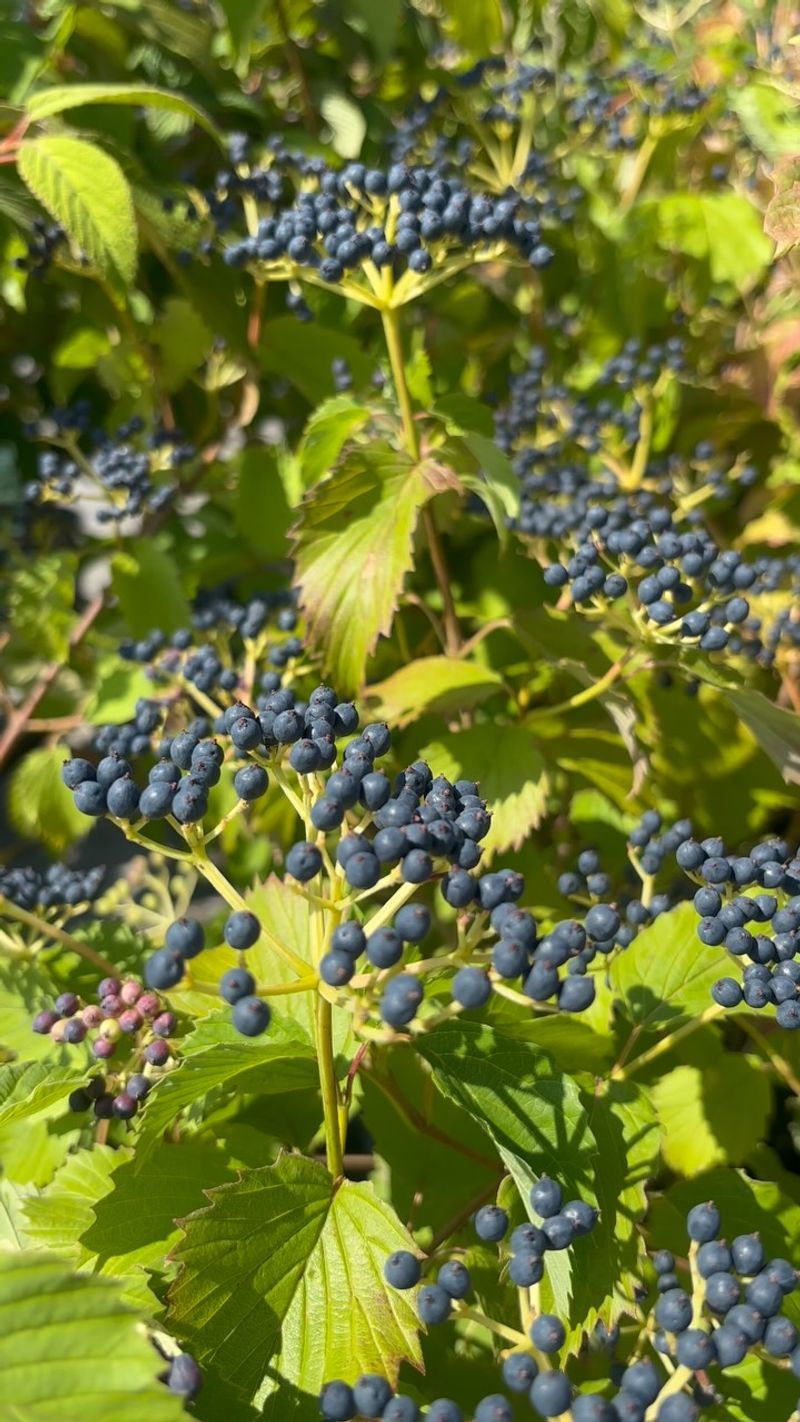
By late August the show starts. Clusters of glossy blue-black berries appear against the foliage, often held on reddish stems that make the color pop even harder.
Birds notice long before you do. Eastern bluebirds, American robins, northern flickers, and gray catbirds all work these berries over, and small mammals clean up whatever drops.
There is a nutritional reason for the traffic. The fruit provides a valuable seasonal food source for birds, especially when other natural foods become less available.
Meanwhile the leaves put on their own display. Fall color runs through yellow, orange, red, burgundy, and deep purple, sometimes showing several shades on the same shrub at once.
Anyone who has stood at a kitchen window watching a flock of robins strip a hedge in an afternoon knows how entertaining a berry-producing privacy screen can be. A fence has yet to attract a single bluebird.
One practical note: the berries feed wildlife rather than people, so treat them as ornamental and leave the harvest to the birds.
That arrangement works out nicely for everyone involved, since the flock usually finishes the crop before the berries have a chance to litter your walkway.
4. Give This Native Shrub Room To Expand
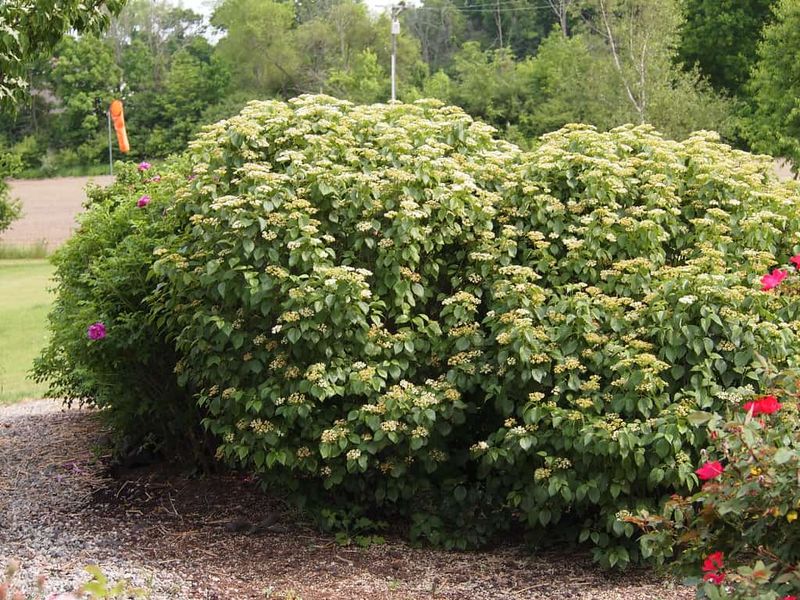
Underestimating mature size is the classic backyard mistake. Arrowwood can reach six to fifteen feet tall and just as wide, which is considerably bigger than the little pot at the garden center suggests.
Growth runs at a medium clip, often adding around two feet a year once roots settle in. That means a knee-high transplant can be screening your patio within four or five seasons.
Measure before you dig. Keep the planting line at least four or five feet back from sidewalks, driveways, and air conditioning units so you are not fighting the shrub with loppers every June.
Letting the plant hold its natural rounded shape saves an enormous amount of work later. Shrubs sheared into tight boxes lose the loose, layered silhouette that makes them look like a thicket instead of hedge sculpture.
If your space is tight, look for compact selections that top out closer to six feet rather than trying to shrink a full-size plant through constant trimming.
Picture the shrub at its full width when you lay out the row, not at the size it is today. Future you, standing in a shady green corridor with no pruning saw in hand, will be grateful for the extra elbow room.
5. Plant It Where Privacy Matters Most
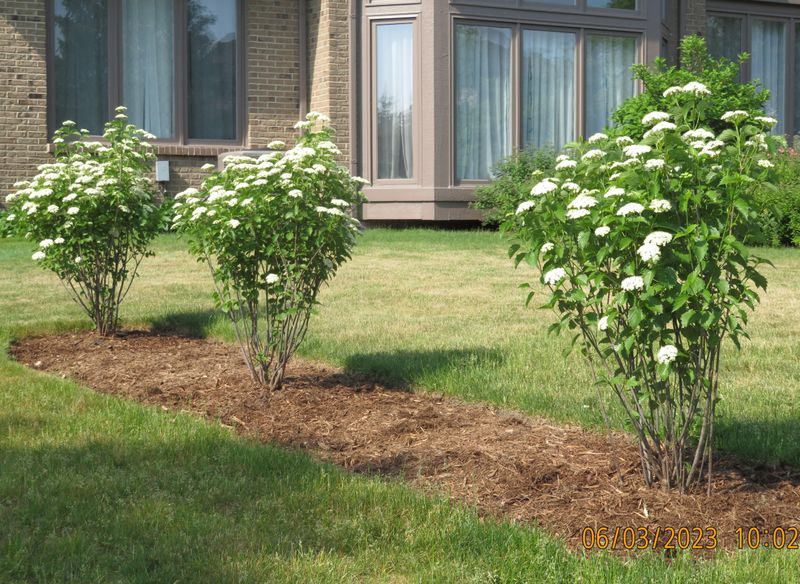
Screening the entire yard rarely makes sense. Sit in the spot you actually use, look around, and note the three or four sightlines that bother you.
Maybe it is the view from your deck into the neighbor’s driveway, or the way headlights sweep across the bedroom window at night. Those targeted spots are where arrowwood earns its keep.
Property lines are the obvious application, and an informal hedge of these shrubs marks a boundary without the permit paperwork some fences require. Check local setback rules anyway, since a few Ohio municipalities have opinions about plantings near sidewalks.
The shrub also works tucked against buildings to hide utility boxes, trash bins, or a blank stretch of siding. In naturalized areas at the back of a lot, it blends into the tree line and softens the edge between lawn and woods.
Angling a short section rather than running one long straight row can hide a view more efficiently and uses fewer plants. A well-placed cluster of five can outperform a row of twelve.
Stand where you want privacy, have a friend hold a stake where you are considering planting, and check the sightline yourself before ordering anything.
6. Pair Viburnums For A Fuller Natural Barrier
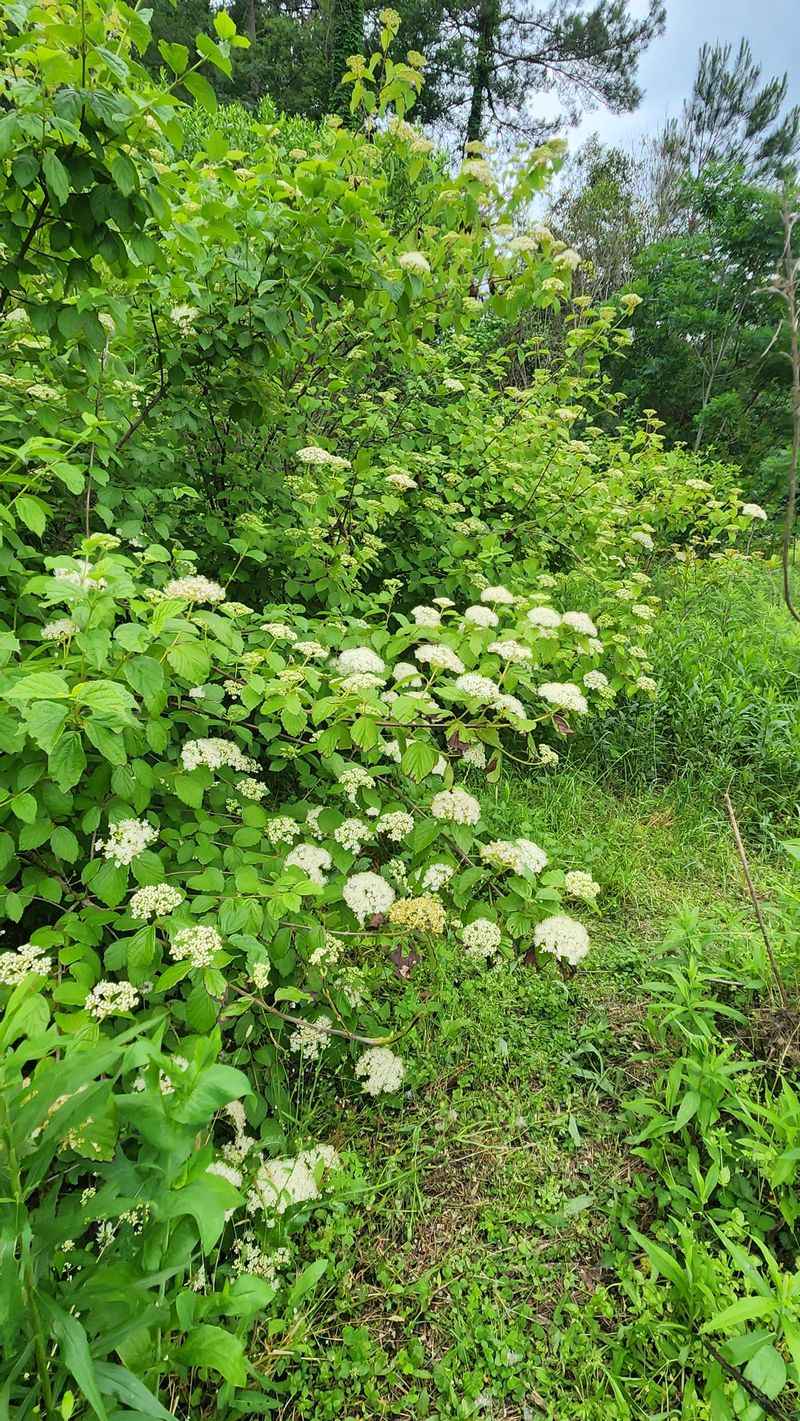
Here is a detail that catches new gardeners off guard: a single arrowwood often sets a disappointing crop of fruit. Cross-pollination between genetically different plants produces far heavier berry clusters.
Planting two or more distinct varieties, rather than several clones of the same cultivar, solves the problem. Nurseries usually label cultivar names clearly, so mixing a couple of different ones is easy enough.
Winter is the other consideration. Since arrowwood drops its leaves, the screen thins out from December through March, leaving a network of bare stems instead of solid cover.
Adding native evergreens fills that seasonal gap beautifully. Mountain laurel and rhododendron hold their leaves all winter and thrive in similar partly shaded, well-drained conditions.
Alternating groups of three viburnums with two or three evergreens creates rhythm and keeps the border from looking like a repeating pattern. The mixed planting also spreads out risk, because a problem affecting one species leaves the rest of the hedge untouched.
Layering in a few native perennials or grasses at the front finishes the look and covers the lower stems as the shrubs mature. What you end up with feels less like landscaping and more like a piece of woodland edge that wandered into your yard.
7. Choose The Right Site For Faster Growth
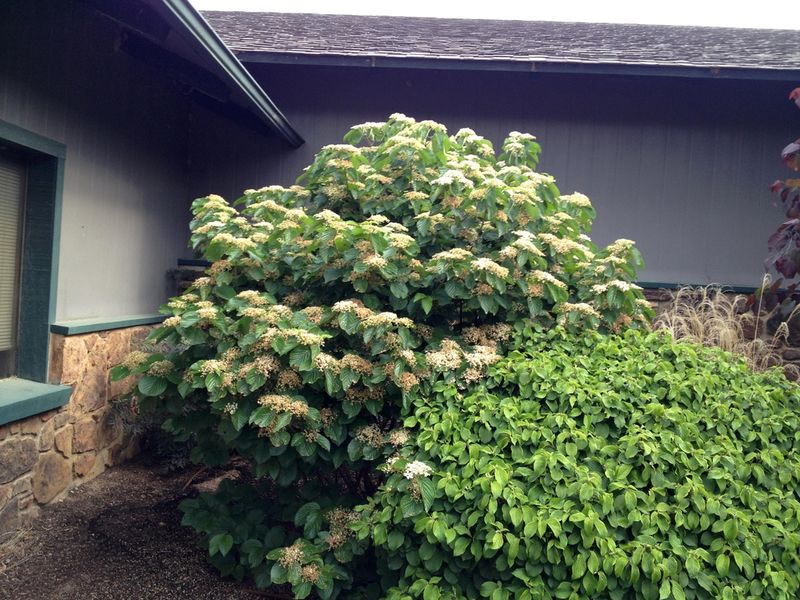
Sunlight is the throttle on this plant. Full sun to partial shade both work, but the sunnier the spot, the more flowers and berries you will see, and the denser the branching tends to be.
Soil is where arrowwood really shines as a problem solver. Heavy clay, sandy patches, loam, acidic or alkaline pH, the shrub handles all of it with minimal fuss.
Moist, well-drained ground still produces the best results. Amending the planting area with compost helps clay drain and helps sand hold water, which covers most Ohio yards.
That first growing season is the one that counts. Consistent watering during the first growing season helps establish the root system that makes the shrub more resilient later.
Once established, the plant shrugs off short dry spells and even tolerates ground that floods occasionally, which makes it useful along a swale or a soggy back corner.
A two-to-three-inch mulch ring keeps roots cool and holds moisture, just keep the mulch pulled back a few inches from the stems.
Spring or early fall planting gives roots the mildest weather to settle in, and fall planting in particular lets the shrub establish before summer heat arrives.
8. Skip The Maintenance Of Traditional Fencing
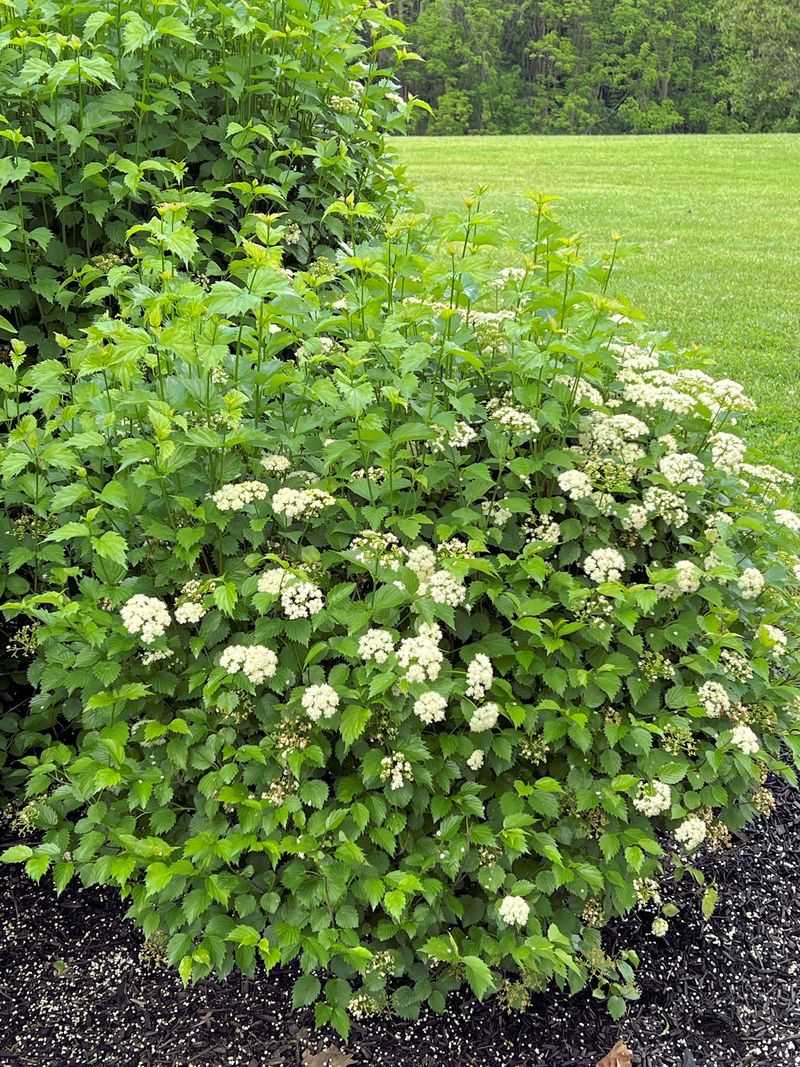
Add up what a fence actually costs over twenty years. Staining every few seasons, replacing warped boards, resetting leaning posts, and eventually tearing the whole thing out and starting over.
A hedge of arrowwood asks for almost none of that. After the establishment year, it is generally low-maintenance and usually does not need routine fertilizer unless growth or soil conditions indicate otherwise.
Pruning is optional rather than required. If you want to tidy the shape or thin out older stems to encourage fresh growth, do it right after flowering so you do not remove next year’s flower buds.
Pest and disease trouble is uncommon, which is one more reason this native shrub keeps showing up on recommended plant lists. The main exception worth watching is the viburnum leaf beetle, which has been reported in Ohio.
Checking stems for rows of tiny egg sites in late fall or winter lets you snip off affected twigs before larvae hatch in spring. Five minutes with hand pruners in January handles most situations.
Compare that to a Saturday spent wrestling a fence panel into place and it is not much of a contest. The hedge also grows more valuable each year, while the fence heads in the opposite direction.
9. Create A Wildlife-Friendly Yard Boundary
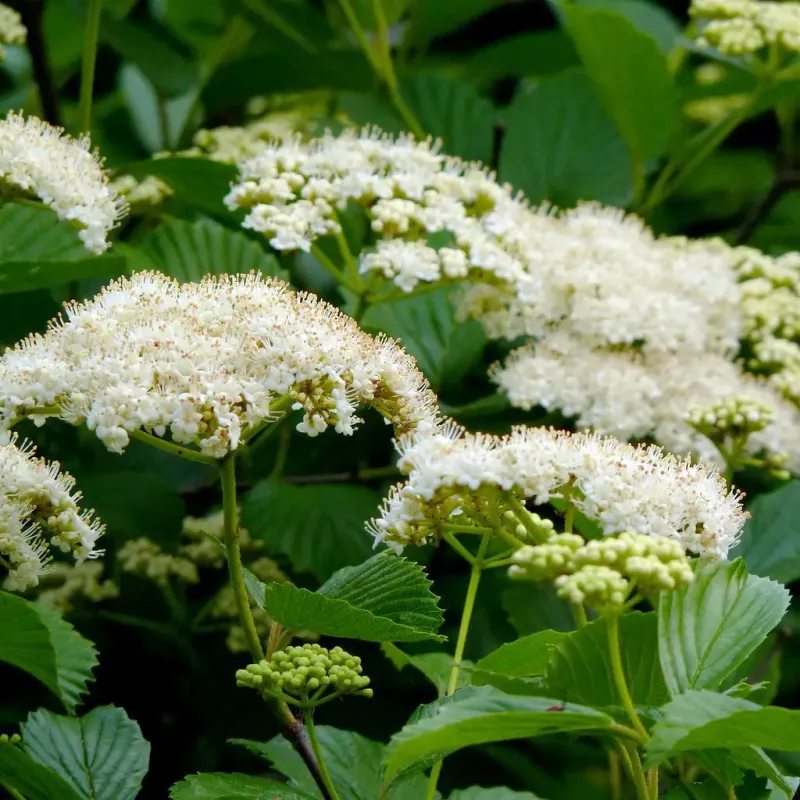
Stand near a blooming arrowwood on a warm May afternoon and you will hear it before you see it. The flat white flower clusters hum with native bees working nectar from hundreds of tiny blossoms.
Butterflies join the crowd, and the shrub serves as a host plant for the spring azure butterfly, meaning caterpillars actually develop on it. Hummingbird moths, those chunky daytime fliers people mistake for tiny hummingbirds, visit as well.
Birds treat the interior of the shrub as real estate. The tangle of stems offers protected nesting sites and shelter from weather and predators, something no fence has ever provided.
Ecologists talk about yards as stepping stones between larger habitat patches, and a hedge like this turns a property line into a functioning corridor for wildlife moving through a neighborhood.
For homeowners fighting browsing damage, there is good news. Arrowwood is generally considered deer-resistant, so it tends to stay intact where hostas and yews get sampled.
The payoff is a boundary that does more than block a view. Morning coffee comes with birdsong, summer evenings come with moths, and you get the quiet satisfaction of knowing your privacy solution is feeding something.