How Georgia Homeowners Are Using Rain Gardens To Handle Yard Flooding
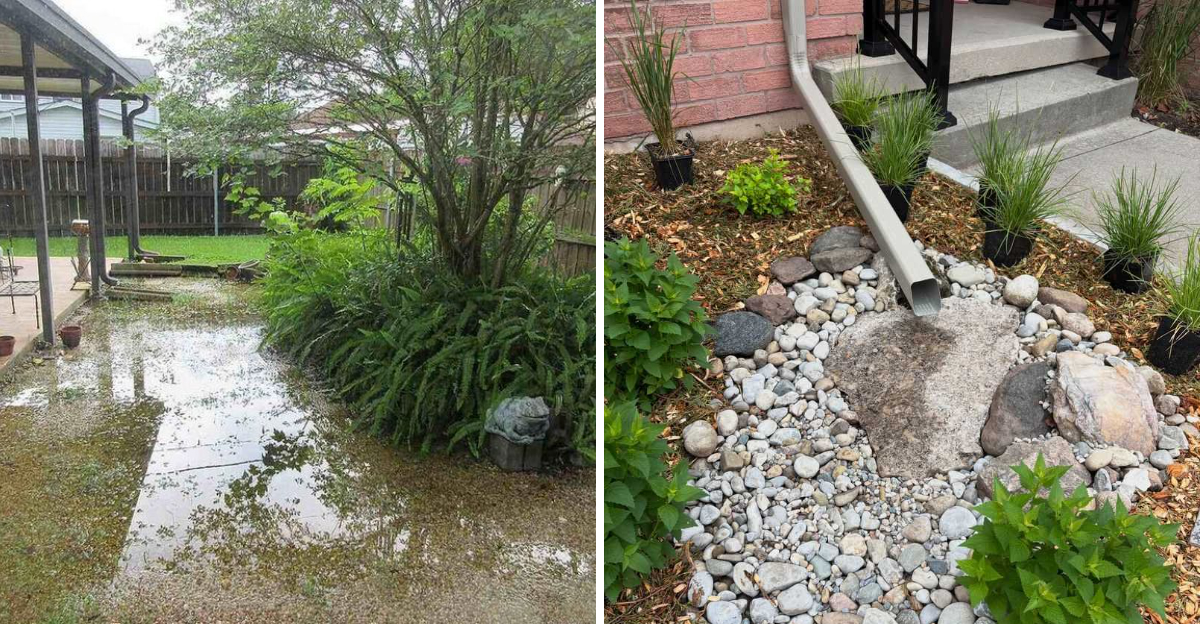
Heavy rain can leave the same soggy corner underwater again and again, turning part of your yard into a recurring headache. Instead of simply waiting for it to drain, consider where that runoff could go.
That question is leading some homeowners toward a landscape feature designed to work with rainwater.
Rain gardens create shallow planted areas where runoff can collect and gradually soak into the ground. In Georgia, they can help manage water moving from roofs, driveways, and other hard surfaces.
The idea sounds simple, but location and drainage determine whether it actually works.
Put one in the wrong place, and you may simply move the problem somewhere else. Designed correctly, however, it can turn troublesome runoff into something your landscape can handle.
That soggy spot may have more potential than you think.
1. That Soggy Part Of The Yard May Have Another Solution
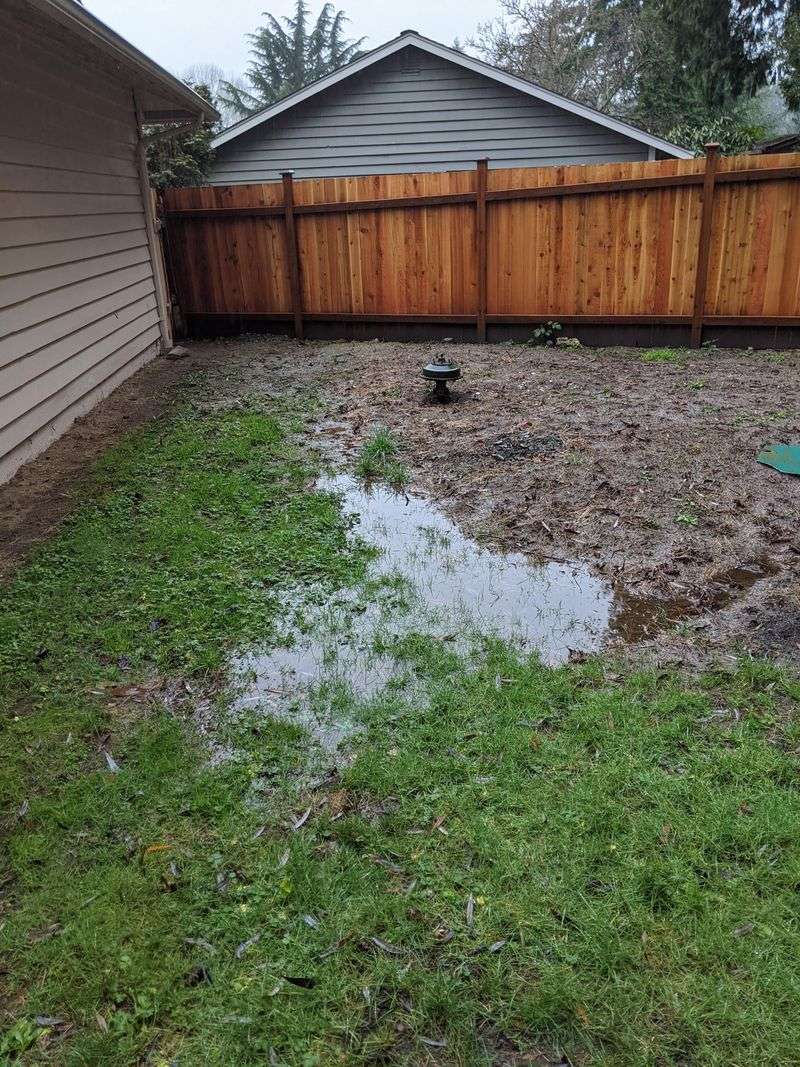
Squishy grass in the same corner after every storm is not bad luck. It is water telling you where it wants to go.
Most homeowners react by hauling in topsoil or laying fresh sod. That patch usually turns to mush again by the next heavy rain.
Yards across Georgia sit on heavy clay, which holds moisture instead of letting it drain quickly. Water pools, roots stay wet, and turfgrass thins out.
Regrading is one option, but it often just pushes the problem toward a neighbor or a fence line.
A rain garden takes the opposite approach. Instead of moving water away fast, it gives that runoff a place to sit briefly and soak in.
The wet spot becomes the feature rather than the flaw. Plants that tolerate short flooding fill the space, and the mud disappears under mulch and foliage.
Cost tends to be lower than trenching or installing a French drain, especially if you dig by hand.
Worth saying plainly, though, a rain garden will not fix every drainage issue. Broken gutters, a failing downspout line, or water pushing against a foundation need repair first.
Check what happens during a real storm before you plan anything. Stand outside with an umbrella and watch where the water actually travels.
Those few minutes of observation save a lot of guesswork later.
2. Rain Gardens Catch Runoff Before It Spreads Across The Yard
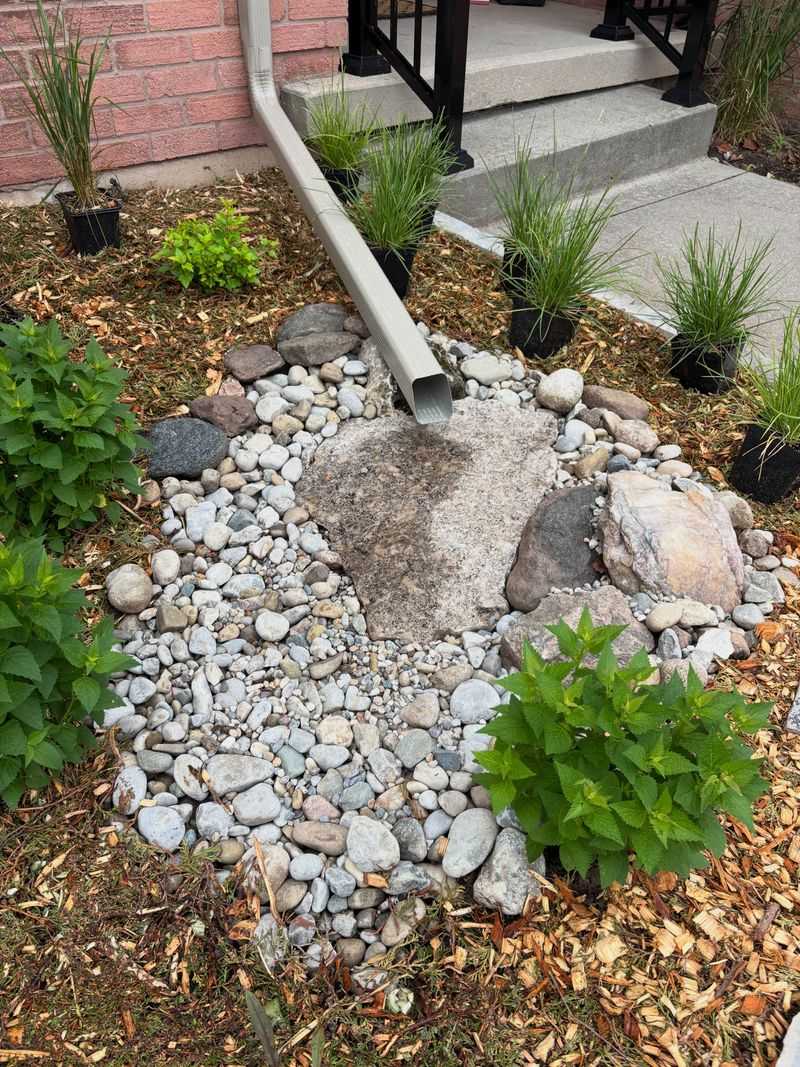
Roofs shed a surprising amount of water. A single storm can send hundreds of gallons off the shingles and straight onto the lawn.
That runoff picks up speed as it crosses hard surfaces. Driveways, patios, and compacted lawn areas all shed water instead of absorbing it.
A rain garden intercepts the flow before it fans out. Water gets funneled into one shallow basin and held there for a short time.
Downspouts usually do the delivering, either through a buried pipe or a rock-lined channel across the surface.
Slowing the water matters as much as catching it. Fast runoff carries soil, fertilizer, and grass clippings toward storm drains and creeks.
Atlanta and other fast-growing parts of the state keep adding pavement, which leaves less bare ground to absorb rainfall. Small basins on private lots help chip away at that.
Your Georgia Garden Changes Every Week. Your Plan Should Too.
Gardening in Georgia changes quickly throughout the season. Every Friday you’ll receive a simple weekly plan showing exactly what to plant, prune, fertilize, harvest, and protect so you never miss the right timing.
Homeowners often notice cleaner walkways and less silt washing across the driveway after installation.
Size depends on how much roof area drains toward the spot. A rough starting point used by many extension guides is a basin roughly a fifth to a third the size of the drainage area, adjusted for soil type.
Clay soil generally calls for a larger, shallower basin than sandy soil would.
Do not expect one garden to swallow every storm. During long, soaking rain events, some overflow is normal and should be planned for.
3. The Right Location Determines How Well The Garden Works
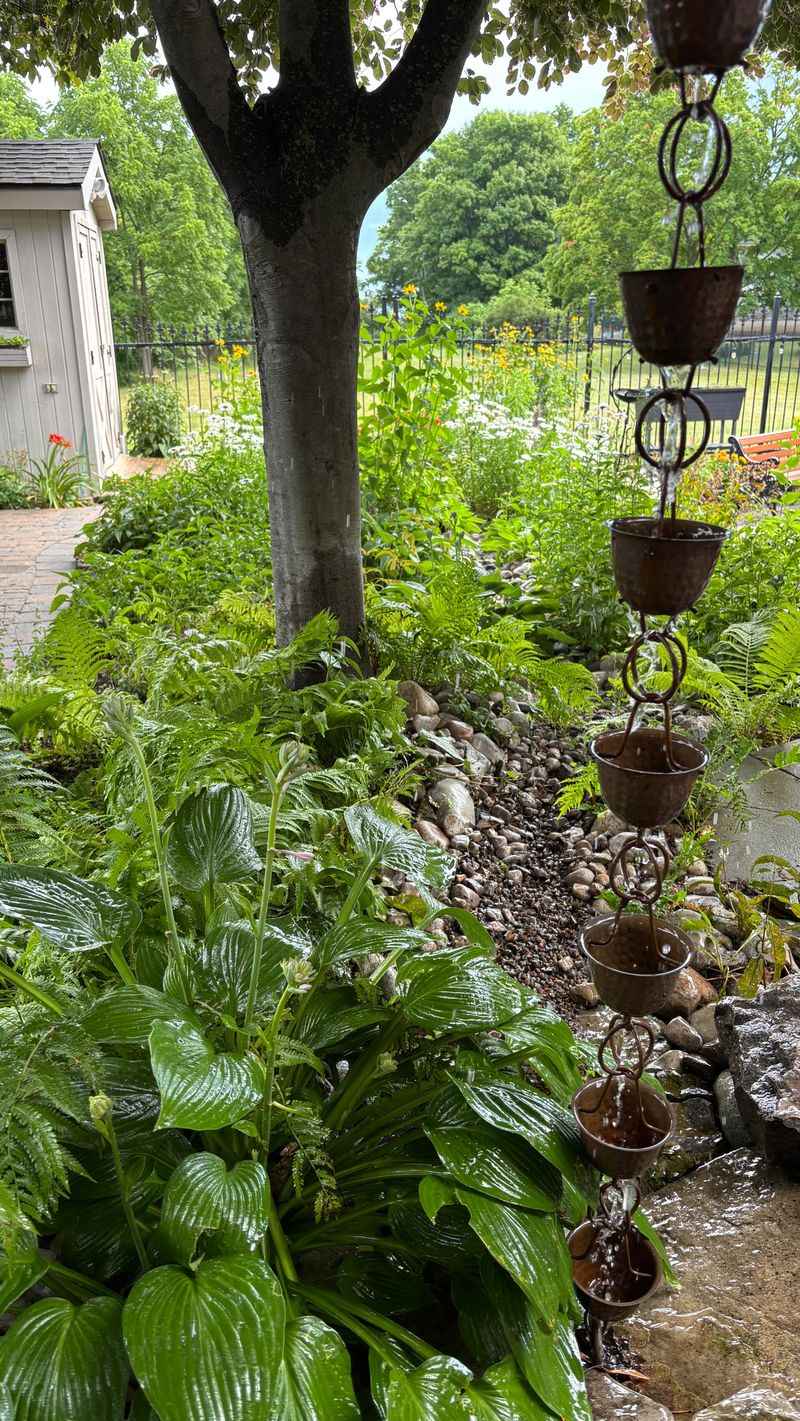
Placement makes or breaks the whole project. A rain garden in the wrong spot can send water somewhere worse.
Keep the basin at least ten feet from the house. Closer than that, and you risk moisture pressing against the foundation or seeping toward a basement wall.
Septic drain fields are off limits too. Same goes for the area directly above a well.
Call 811 before digging so utility lines get marked, which is free and required across the state.
Look for ground that already sits slightly lower than the surrounding yard. Natural low points do half the work for you.
Avoid places where water stands for days on end. Chronic saturation usually points to a high water table or a hardpan layer, and a basin there may just stay full.
Sun exposure matters for plant selection more than for drainage itself.
Run a simple percolation test before committing. Dig a hole about a foot deep, fill it with water, let it drain, then fill it again and time how fast the level drops.
Georgia clay often drains slowly, so results under half an inch per hour mean you will need to amend the soil or spread the basin wider.
Slope also plays a role. Gentle grades between two and eight percent tend to work best, since steeper ground needs terracing or added stabilization.
4. A Shallow Depression Gives Rainwater Time To Soak In
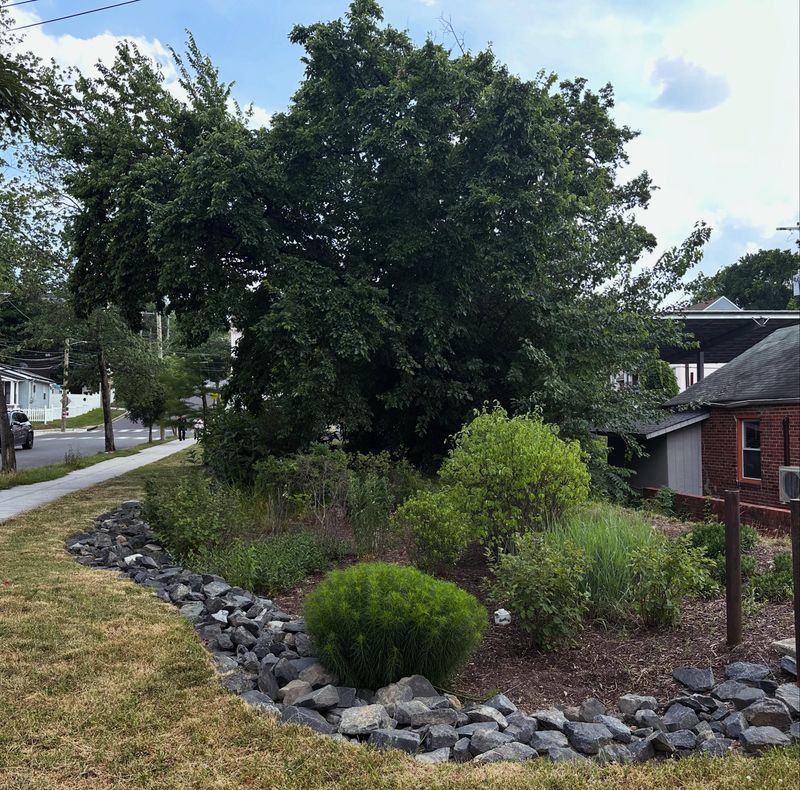
Depth is where people get it wrong most often. Digging a deep pit creates a pond, not a rain garden.
Four to eight inches of depth handles most residential situations. The bottom should be flat and level so water spreads evenly instead of collecting in one corner.
Soil under that basin needs to actually drain. Straight clay will hold water far longer than you want.
Mixing in coarse sand and compost improves infiltration, though heavy clay sometimes needs eighteen inches or more of the bed loosened and amended.
Build a low berm along the downhill edge using the soil you removed. That small ridge keeps water inside the basin until it soaks in.
Leave a spillway on one side, lined with rock. Overflow needs a safe exit during storms that outpace the design.
Two to three inches of shredded hardwood mulch goes on top once planting is done.
Skip pine straw here. Lighter mulches float and end up scattered across the yard after the first real downpour.
Slope the sides gently so they hold their shape. Steep walls tend to slump, particularly in the wet Georgia winters when the ground stays saturated for weeks.
Expect a little settling in the first year. Adding soil or mulch to low areas as the garden matures is a normal part of the process, not a sign of failure.
5. Native Plants Can Handle The Changing Water Conditions
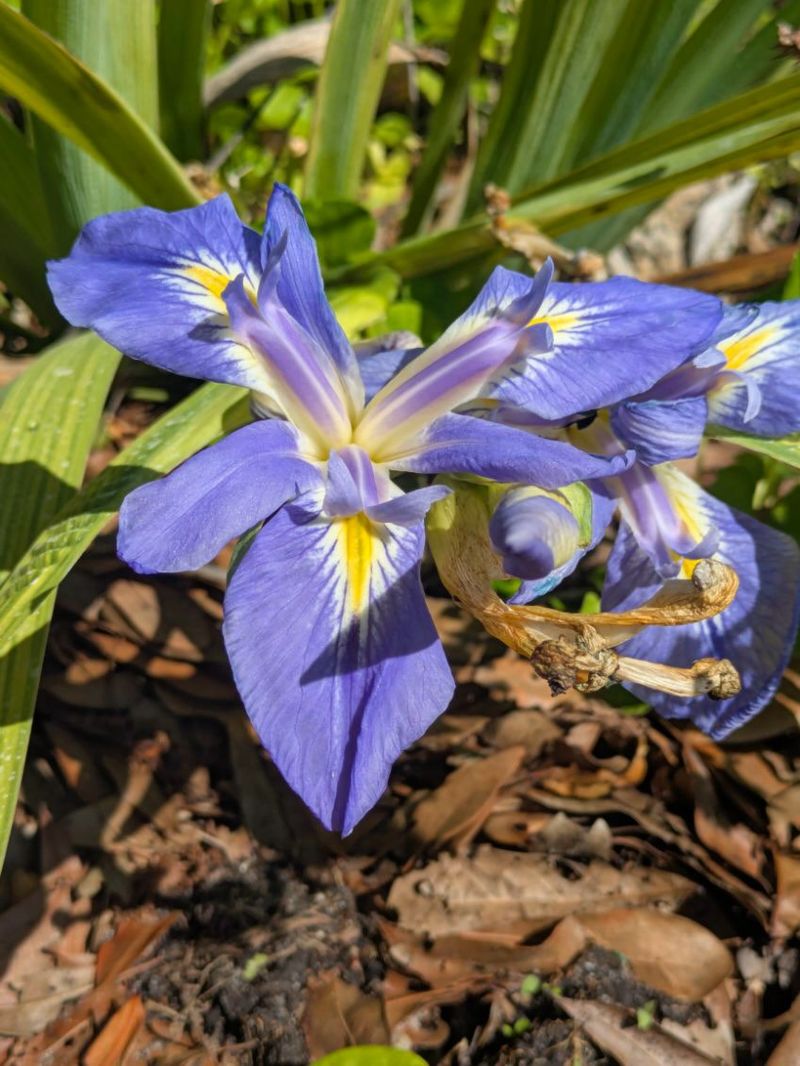
Plants in a rain garden live a strange life. Flooded for a few hours, then bone dry two weeks later during an August drought.
Natives tend to shrug that off. Species that evolved along creek edges and floodplains already deal with those swings.
Swamp milkweed, blue flag iris, and soft rush do well in the wettest center zone. Joe Pye weed and cardinal flower work there too.
Middle slopes suit river oats, black-eyed Susan, and switchgrass.
Drier upper edges can take coneflower, little bluestem, or aromatic aster. Those spots dry out fastest since water drains away from them.
Native shrubs add structure without much fuss. Buttonbush, itea, and inkberry holly all tolerate periodic wet feet.
Root depth is the real advantage. Deep, fibrous roots open channels in the soil, and infiltration usually improves over the first few seasons.
Fall planting works well throughout the region because cooler air and steady rain help roots settle before summer heat arrives. Spring planting is fine too, just plan on watering through the first dry stretch.
Pollinators find these beds quickly.
Skip anything invasive, and check the plant list from your county extension office before buying. Some popular nursery plants spread aggressively in southern conditions and are hard to pull back once established.
Space plants closer than you would in a regular bed. Dense cover holds soil in place during heavy flow.
6. Standing Water Should Disappear After The Storm Passes
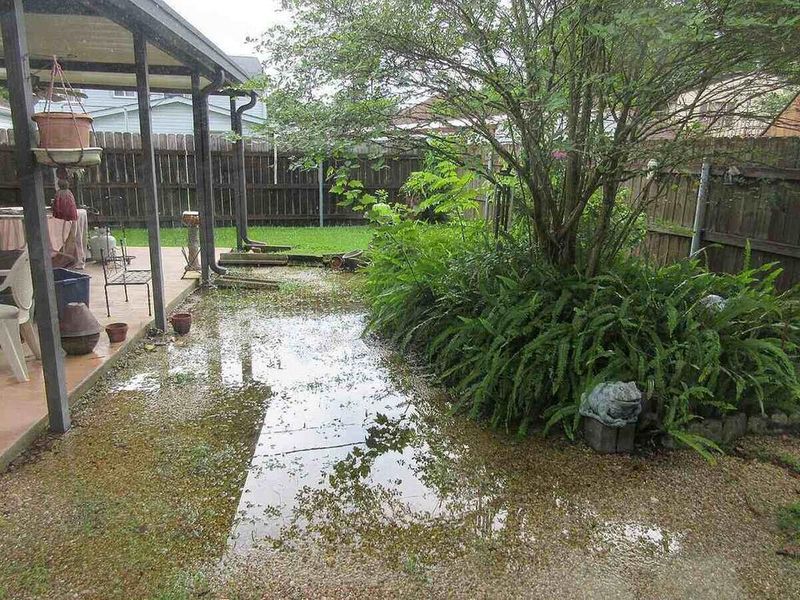
Twenty-four to forty-eight hours. That is the window most rain gardens should drain within after rain stops.
Water hanging around longer than two days signals a problem. Usually the soil underneath never got loosened enough, or the basin was dug too deep for the site.
Mosquito concerns come up constantly, and the drain time is the answer. Most mosquito species need roughly a week of standing water to complete their cycle.
A basin that empties in a day or two rarely becomes a breeding site.
Watch your garden after a few real storms before deciding anything. One slow drain during a week of back to back rain does not mean the design failed.
Saturated ground simply cannot accept more water, no matter how well built the basin is. Winters in Georgia bring long stretches like that.
Persistent puddling in dry weather is different and worth fixing.
Options include digging deeper into the subsoil and adding sand, installing a small underdrain pipe, or simply widening the basin so the water spreads thinner. Widening is often the easiest route.
Compacted layers left by construction equipment cause more of these issues than most people realize. Breaking through that layer during the initial dig prevents headaches later.
Keep notes on drain times through the first year. Patterns show up faster than memory suggests.
7. Regular Maintenance Keeps Water Moving Where It Should
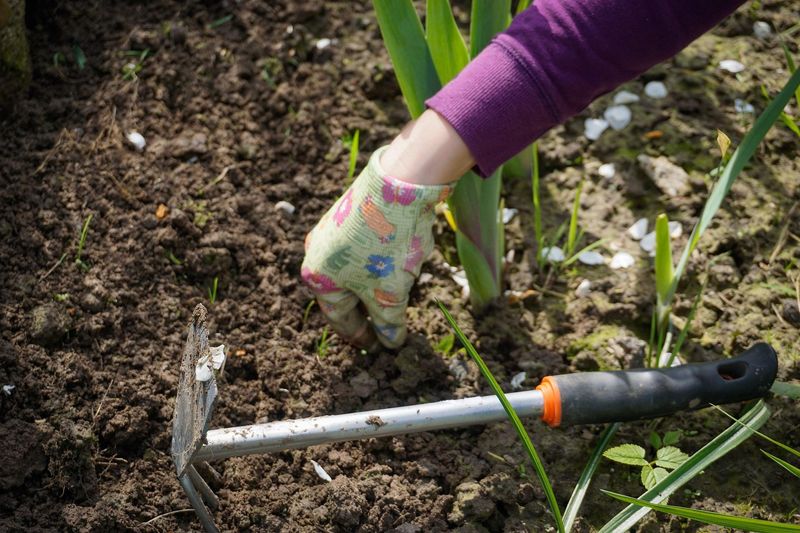
Upkeep is light, but skipping it entirely causes trouble. Debris at the inlet is the usual culprit.
Leaves, pine straw, and grass clippings pile up where water enters. Once that spot clogs, runoff bypasses the basin and heads back across the lawn.
Clear the inlet and the overflow spillway a few times a year. Fall matters most, when oak and maple leaves come down all at once.
Sediment builds up gradually in the bottom too, and scraping it out every couple of years keeps infiltration steady.
Weeding takes real effort during the first two seasons. After plants fill in, competition handles most of it on its own.
Refresh mulch annually, keeping the layer around two or three inches. Thicker mulch can actually slow water from reaching the soil.
Watering is only needed while plants establish, usually the first summer.
Cut back perennials in late winter rather than fall. Standing stems shelter overwintering insects and hold soil through the rainy months.
Prolonged drought sometimes cracks the soil surface, and rain gardens across Georgia have gone through those stretches in recent summers. Deep watering once or twice helps established plants ride it out.
Check the berm after big storms for washouts or thin spots.
Small repairs made early keep the whole thing working. A shovelful of soil now beats rebuilding the edge next spring.