The Underrated New York Native Tree That Produces Deep Purple-Maroon Fall Color
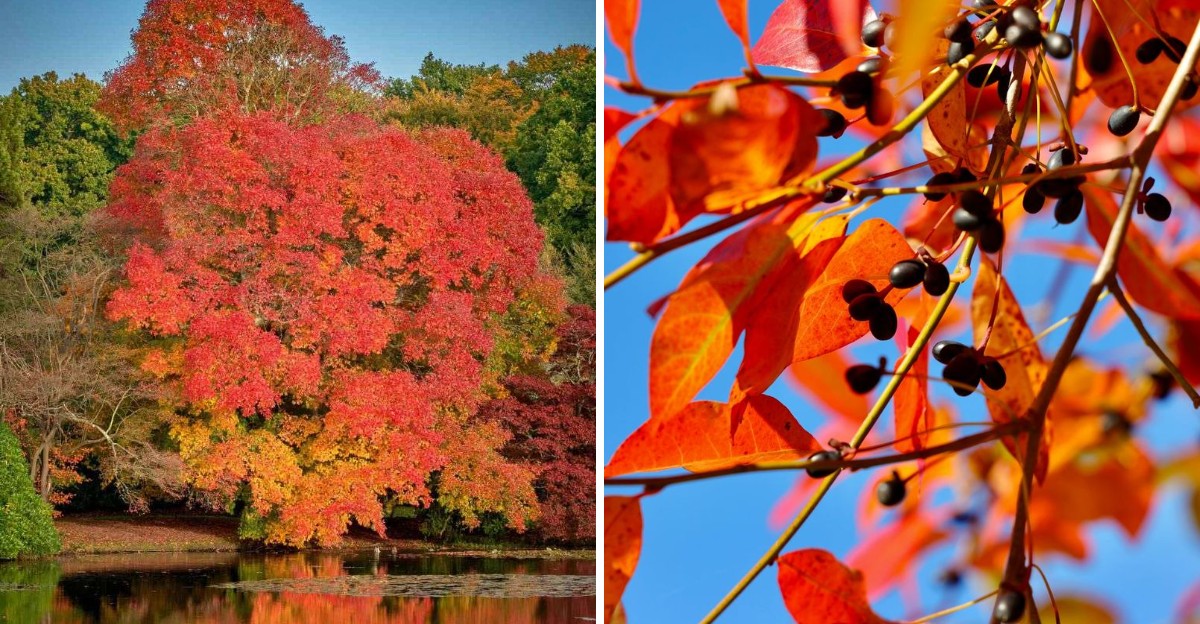
New York’s forests are hiding a total showoff, and most people stroll right past it without a second glance. That quiet legend is black gum, and once autumn hits, it basically steals the spotlight from every maple in the neighborhood.
Speaking of maples, they get all the fall-color fame, but black gum is out here flexing scarlet, burgundy, wine red, and even some moody purple-maroon tones. It is giving main character energy while everyone else is busy talking about the usual suspects.
This tree is also low maintenance and high reward. It feeds insects with its flowers, feeds birds with its fruit, and somehow still flies under the radar compared to maples and oaks.
If you want fall foliage with a little more personality, black gum deserves a spot on your radar, and maybe in your yard too.
1. Black Gum’s Rich Fall Color With Burgundy And Purple-Maroon Tones
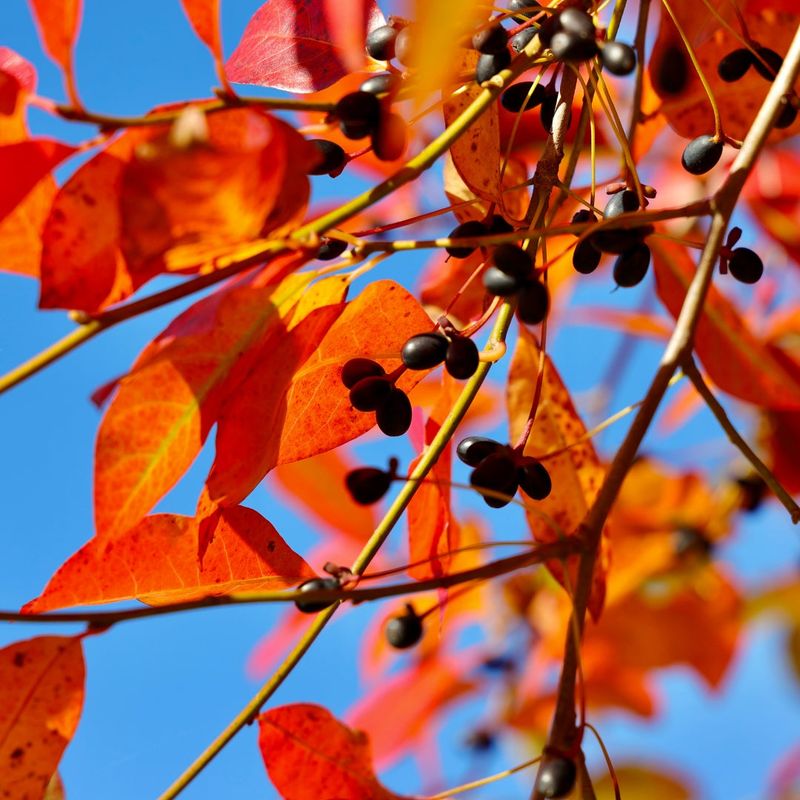
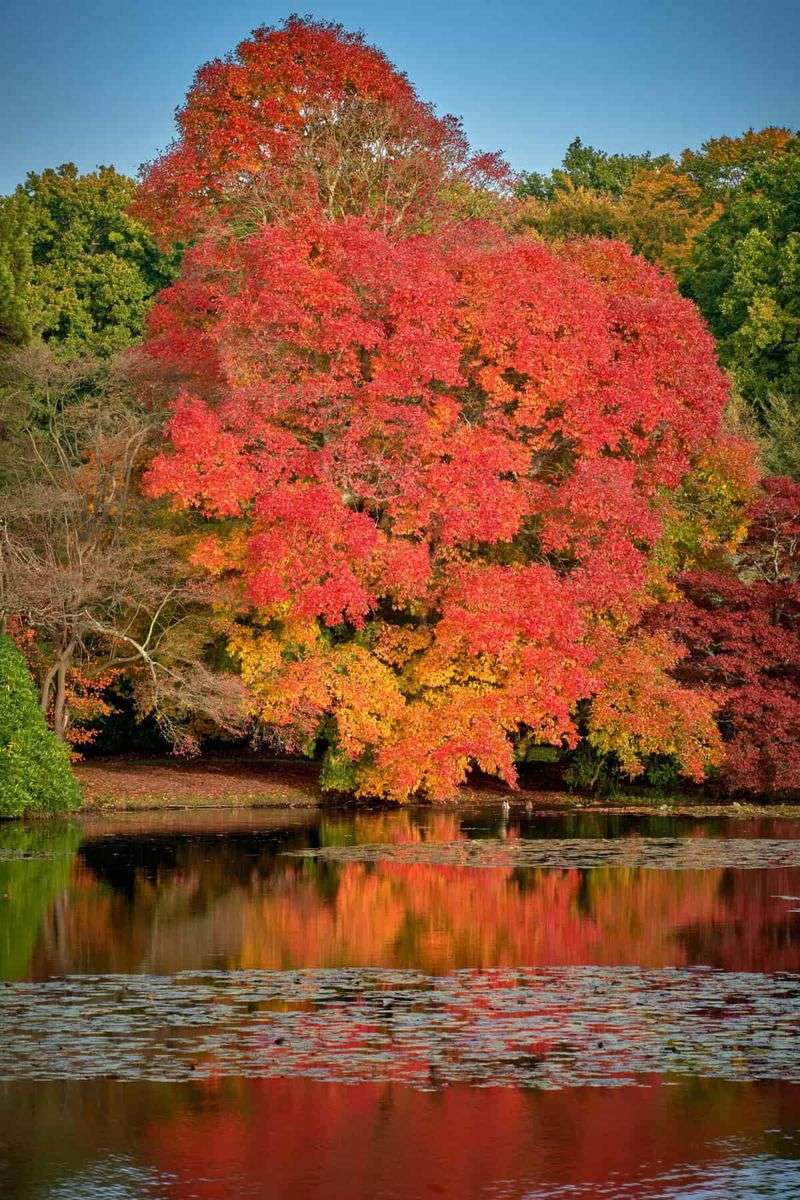
Few trees can match the autumn display of a black gum. Across New York, its glossy leaves can transition from summer green into a range of fall shades, including scarlet, deep red, burgundy, and sometimes purple-maroon tones.
The exact colors can vary from year to year depending on weather, genetics, and growing conditions.
What makes black gum especially appealing is the variety of colors that can appear on the same tree. Instead of changing into one single shade, different leaves may show different stages of autumn color at the same time, creating a layered effect across the canopy.
The leaves themselves add to the display. Their smooth, glossy surface reflects sunlight, making the foliage appear especially vibrant when the tree is viewed in bright autumn conditions.
Gardeners often choose black gum for this seasonal performance. While maples are famous for their fall color, black gum offers a less common look with a more refined mix of warm and cool tones.
Black gum can begin showing fall color relatively early, although timing depends on location and seasonal weather patterns. This can give homeowners another opportunity to enjoy autumn foliage before the season fully changes.
For anyone looking to add a native tree with strong visual appeal, black gum offers a unique combination of beauty, wildlife value, and long-term landscape interest.
2. The Overlooked New York Native Tree With Stunning Autumn Foliage
It may seem surprising that such an attractive tree remains less familiar to many homeowners, but black gum often receives less attention than more commonly planted trees.
Maples, oaks, and other popular landscape trees tend to dominate garden centers and fall-color conversations, leaving native species like black gum overlooked.
Known botanically as Nyssa sylvatica, black gum is also called tupelo or sour gum. It is native to this state and much of the eastern United States, where it grows naturally in a variety of forest habitats.
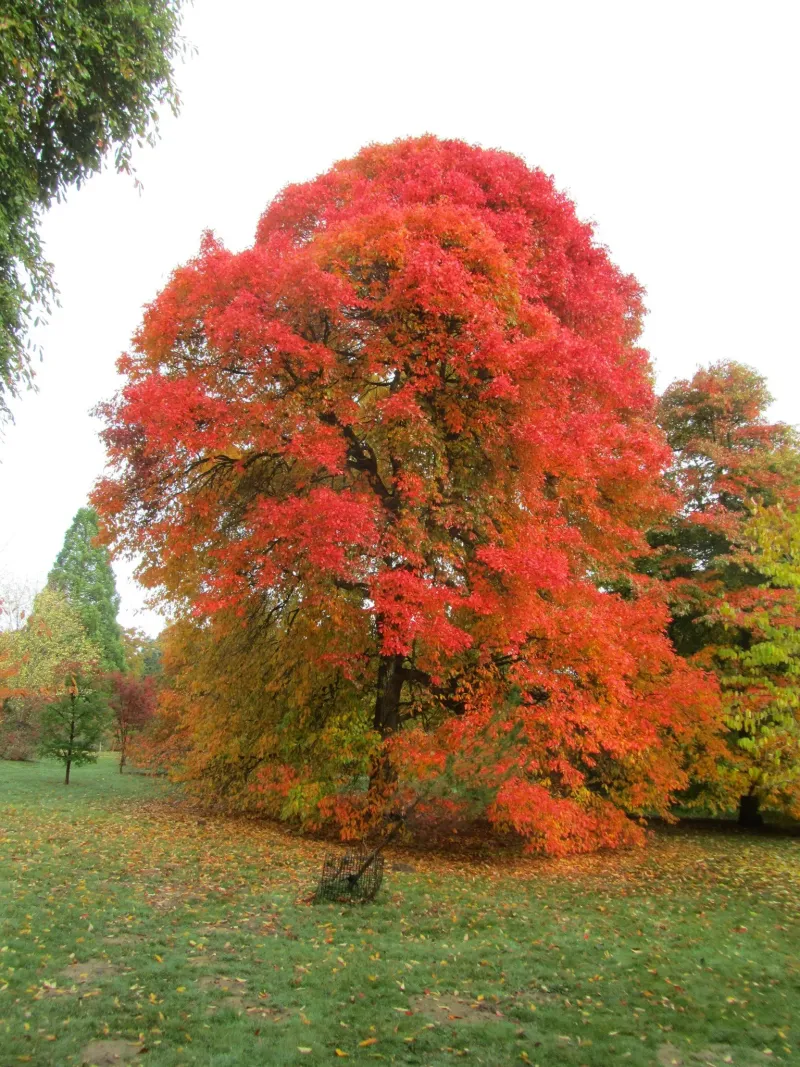
Its shape adds to its landscape appeal. Young trees often develop a pyramidal form, while older specimens can develop a broader, more layered crown that adds character to a yard.
Your New York Garden Changes Every Week. Your Plan Should Too.
Gardening in New York changes quickly throughout the season. Every Friday you’ll receive a simple weekly plan showing exactly what to plant, prune, fertilize, harvest, and protect so you never miss the right timing.
The bark provides another season of interest. Mature black gum trees develop dark bark with blocky ridges that are often compared to alligator hide, giving the tree texture even after the leaves have fallen.
For homeowners looking for a native tree with strong fall color and relatively low maintenance once established, black gum can be an excellent choice.
It combines seasonal beauty with ecological benefits, making it useful in both naturalized and traditional landscapes.
Once you learn to recognize one, black gum becomes easier to spot across New York forests, parks, and carefully planted landscapes.
3. Black Gum’s Native Roots Across New York Landscapes
Long before black gum became available in nurseries, it was already growing naturally across parts of the state. This native tree can be found in a variety of habitats, including wetlands, stream edges, forests, and upland areas with suitable growing conditions.
Its ability to grow in different environments is one reason black gum has remained an important part of eastern forests. It is adapted to the seasonal changes found across its native range, including cold winters, warm summers, and varying moisture conditions.
In New York, black gum is more common in the southern and eastern parts of the state, although its range extends farther north in suitable locations.
It is not equally distributed across every region, but where conditions are right, it can become a long-lived and valuable forest tree.
Native plants like black gum play an important role in local ecosystems. Because they developed alongside native insects, birds, and other wildlife, they can provide resources that support local food webs.
Black gum’s flowers and fruit are part of that ecological connection.
Historically, people also valued black gum wood for its toughness and resistance to splitting. It was used for products such as tool handles, crates, and other items where strong wood was useful.
Planting black gum in a New York landscape connects modern gardens with the state’s natural history. It provides seasonal beauty while also supporting the wildlife relationships that have developed around this native species over time.
4. The Wildlife Value Of Black Gum’s Flowers And Fruit
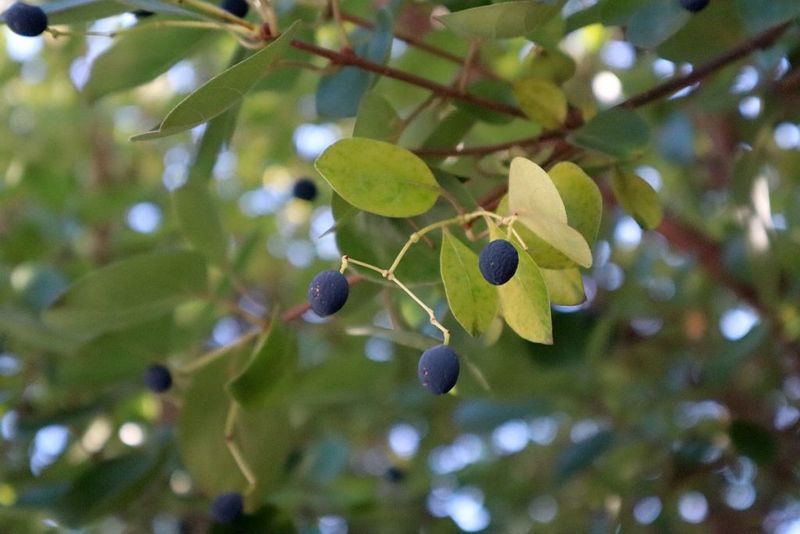
Black gum provides value beyond its fall color. In late spring, the tree produces small greenish flowers that attract a variety of insects, including bees and other pollinators.
While the flowers are not usually showy to people, they provide an important seasonal resource for insects searching for nectar.
Those flowers later develop into small blue-black fruits that mature in late summer or fall. These fruits are an important food source for many birds and other wildlife.
Species that consume black gum fruit can include songbirds such as thrushes, robins, and other fruit-eating birds.
The timing of the fruit can make black gum especially valuable during the transition into autumn, when wildlife is preparing for seasonal changes. Migrating and resident birds may use available fruit sources as part of their broader feeding patterns.
Black gum also supports a wider range of wildlife interactions through its role as a native tree. Native trees often provide food and habitat connections that have developed over many generations between plants, insects, and animals.
For gardeners who enjoy observing nature, planting black gum can add another layer of interest to the landscape. The tree offers more than a colorful autumn display because it contributes flowers, fruit, and habitat throughout the year.
A black gum in the yard can become a gathering point for seasonal activity, bringing more movement and variety to a New York garden while adding one of the state’s most attractive native trees.
5. Black Gum’s Adaptability To Different Garden Conditions
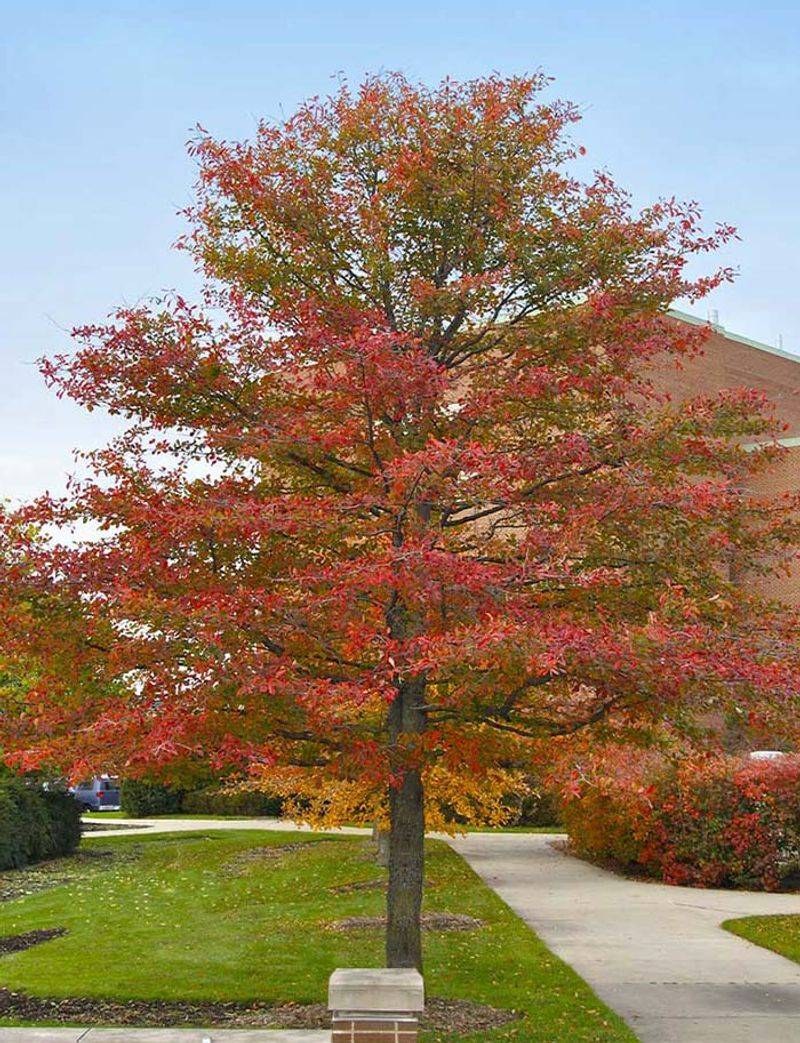
One of the reasons black gum works well in many landscapes is its ability to grow in a range of conditions. In nature, it can be found in both moist habitats and upland forests, showing that it can handle different environments when planted in the right location.
Black gum generally prefers acidic soils with good moisture availability, but it can tolerate a variety of soil textures, including clay, sand, and loam.
Good drainage is important, especially in cultivated landscapes where compacted or poorly prepared soil can create challenges.
Sunlight also influences its performance. Black gum grows best in full sun, where it often develops its strongest fall color, but it can tolerate partial shade.
More sunlight generally helps encourage a fuller canopy and brighter autumn display.
Once established, black gum can handle periods of moderate dryness better than some trees, although young trees benefit from consistent watering during their first years.
Providing adequate moisture while roots develop helps the tree become established more successfully.
As a native New York tree, black gum is well adapted to the state’s climate and winter conditions. However, choosing the right planting location is still important.
It does not thrive simply because it is native; soil, sunlight, and available space all influence its long-term success.
Black gum is also best planted while young. Like many trees with a strong early root system, it can be more difficult to transplant successfully once it becomes larger.
For homeowners looking for a native tree that combines beauty with adaptability, black gum can be a rewarding choice when planted in suitable conditions.
6. The Slow Growth And Long-Term Beauty Of Black Gum Trees
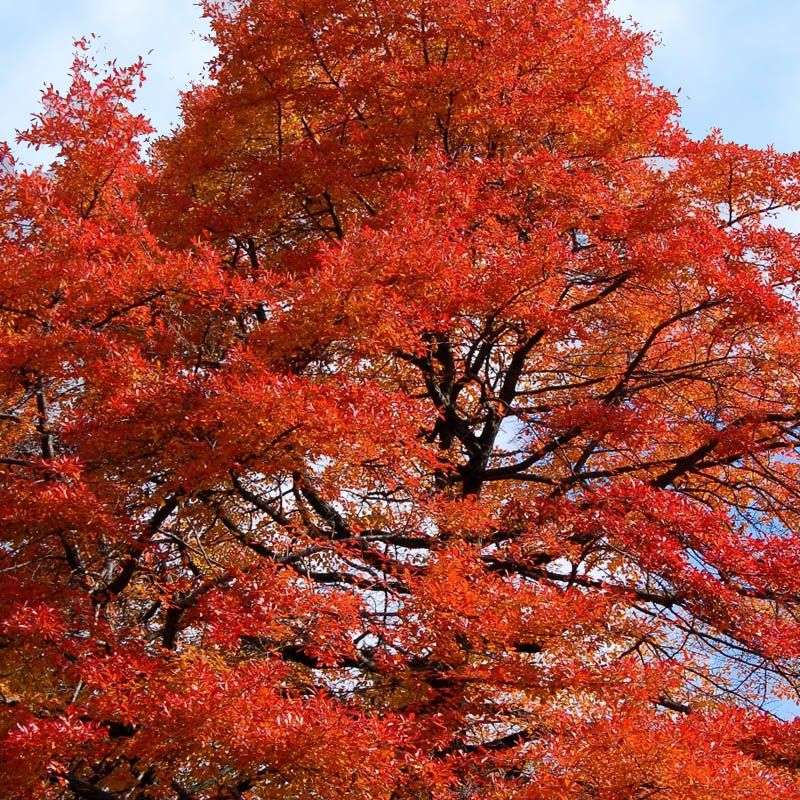
Black gum is not a tree that reaches its mature size overnight. It is generally considered a slow to moderate grower, with growth rates depending on soil, moisture, sunlight, and overall growing conditions.
That slower pace is part of what makes the tree appealing for long-term landscapes. Black gum develops a strong structure and gradually forms the distinctive shape that makes mature specimens so attractive.
In many residential settings, black gum reaches around 30 to 50 feet tall, although some trees can grow larger under favorable conditions. Its upright form and branching structure allow it to serve as a specimen tree that adds character to a property.
One of black gum’s greatest qualities is its longevity. Some individuals have lived for several centuries, making it a tree that can become part of a landscape for generations.
The tree’s appearance also becomes more interesting with age. Younger trees have a cleaner, more structured shape, while mature trees develop textured bark and a broader canopy that adds winter interest after the leaves drop.
Although black gum grows more slowly than some fast-growing landscape trees, it rewards patience. A properly planted tree can provide decades of fall color, wildlife value, and seasonal beauty.
For homeowners thinking beyond immediate results, black gum represents a long-term investment in the landscape. It is a tree that becomes more distinctive as it matures.
7. How New York Weather And Growing Conditions Influence Fall Color
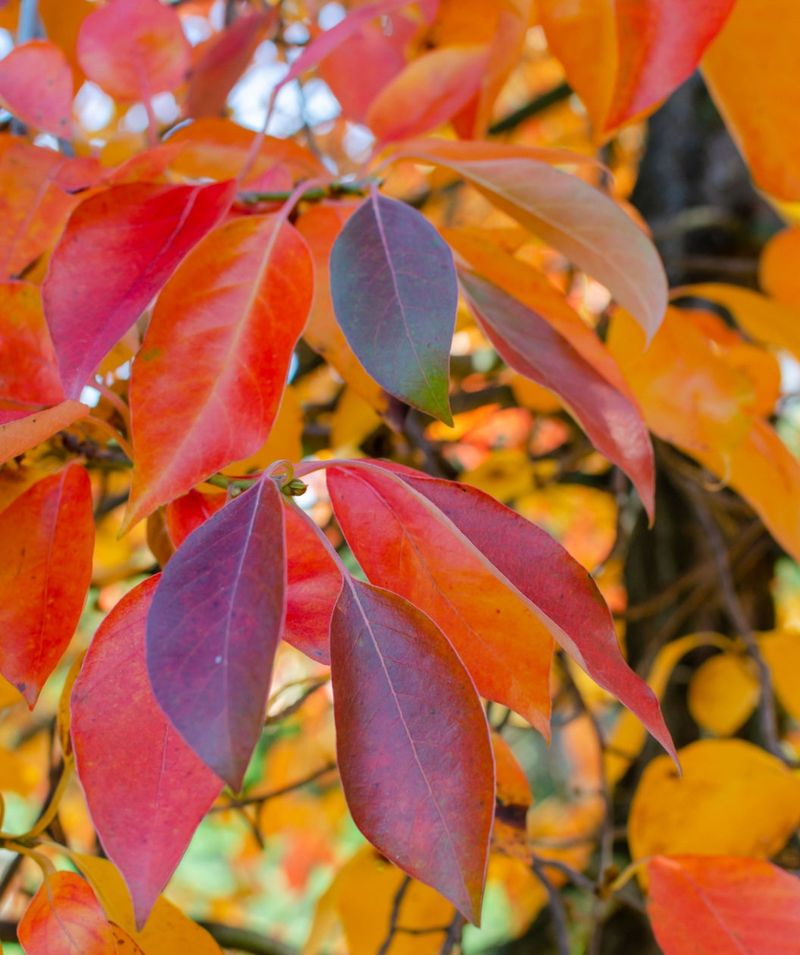
Black gum’s fall color can be impressive, but the exact shades and intensity depend on several environmental factors.
A tree may show different combinations of red, burgundy, orange, and purple-maroon tones depending on its genetics, growing conditions, and the weather leading into autumn.
Sunlight plays an important role in fall color development. Trees growing in brighter locations often produce stronger autumn displays than those growing in deep shade.
A planting site with good light can help black gum reach its full seasonal potential.
Weather patterns also influence the display. Cool autumn nights combined with sunny days can encourage the development of the pigments responsible for red and purple tones in leaves.
However, the timing and intensity of color can change from year to year.
Moisture conditions during the growing season can also affect overall tree health. A tree that experiences severe stress may not produce the same quality of foliage as one growing in suitable conditions with adequate moisture.
The location of the tree within a yard matters as well. A spot with enough sunlight, appropriate soil conditions, and enough room for root growth can help support better growth and more consistent fall color.
Even with ideal care, no tree produces the exact same display every autumn. Part of the appeal of black gum is that each season brings a slightly different combination of colors.
Understanding these factors helps homeowners appreciate the natural variation that makes fall foliage so interesting.
8. Planting Black Gum For Future Autumn Displays
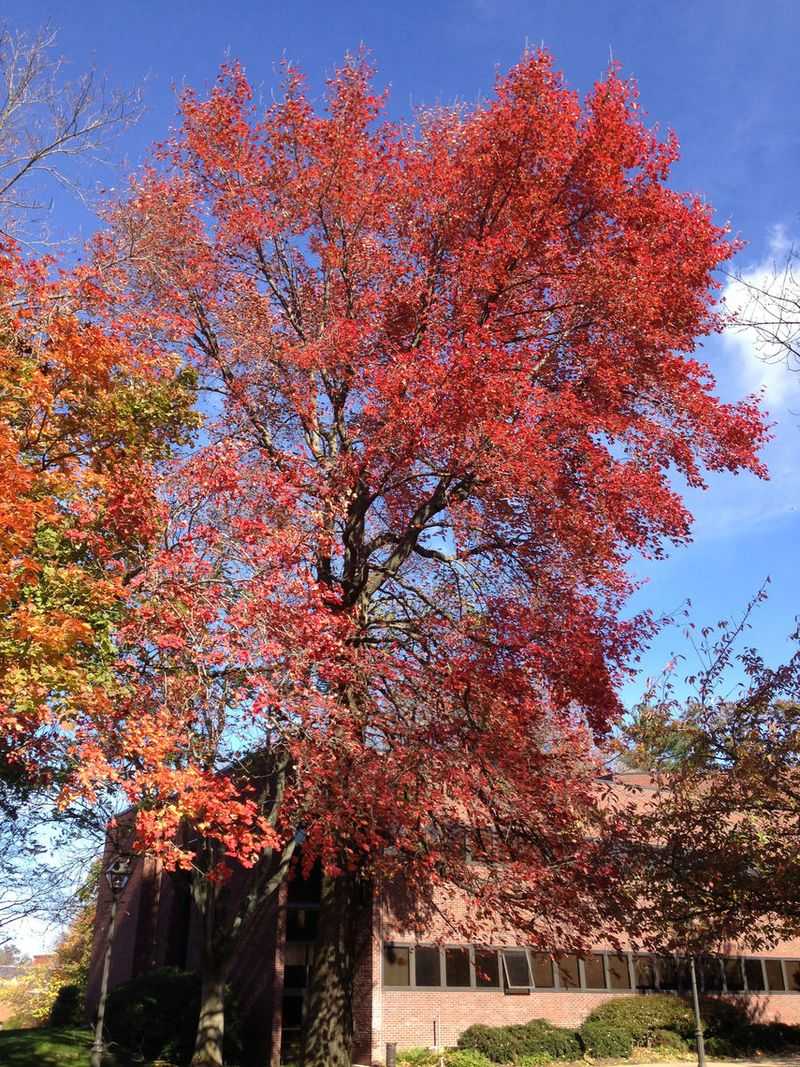
Planting a black gum tree is a long-term decision that can add beauty and ecological value to a New York landscape.
Choosing the right location from the beginning is one of the most important steps because mature trees need enough room for their roots and branches to develop.
Black gum can be planted in spring or early fall when soil conditions are suitable. Planting during these periods gives roots time to establish before periods of extreme heat or cold.
Fall planting can be especially useful because cooler temperatures reduce stress on newly planted trees.
Choosing a younger tree is often beneficial because smaller trees usually adjust more easily after transplanting. Black gum develops a strong root system, so larger specimens may be more difficult to move successfully.
Select a location with adequate sunlight and enough space for future growth. Avoid planting too close to structures or areas where the mature canopy may become restricted.
After planting, consistent watering is one of the most important care steps. Young trees need regular moisture while their roots establish, especially during dry periods.
A layer of mulch around the root zone can help conserve moisture and reduce competition from grass, but mulch should not be piled against the trunk.
Black gum usually requires limited pruning when planted in an appropriate location. Allowing the tree to develop its natural form often creates the most attractive structure.
Planting a black gum today means creating a future source of autumn color, wildlife value, and seasonal interest for years to come. It is a native tree that can become a lasting feature of a New York landscape.