The Seed Pods Splitting Open Across Maryland Gardens This Week
Something is popping open out there, and the wind has been doing most of the talking about it. Step into any Maryland garden this week and the warm afternoon air looks faintly carbonated with white.
Silky drifts catch on fence wire, tomato cages, porch screens, and one very confused golden retriever. Neighbors swear it is snow, in September, at a perfectly comfortable seventy-eight degrees outside.
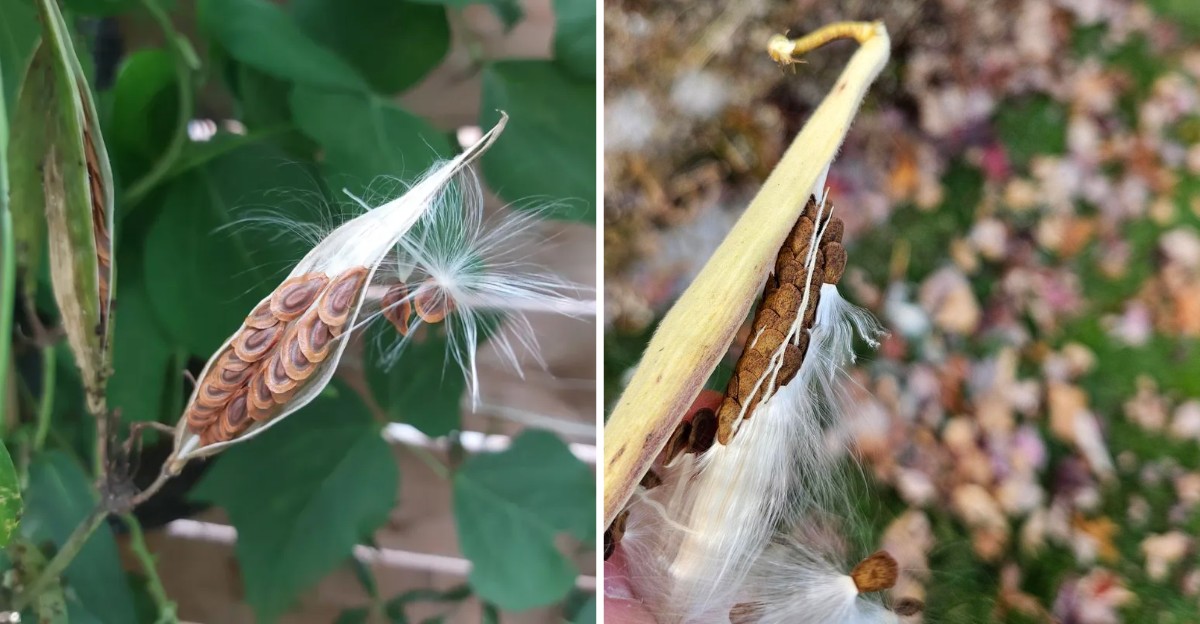
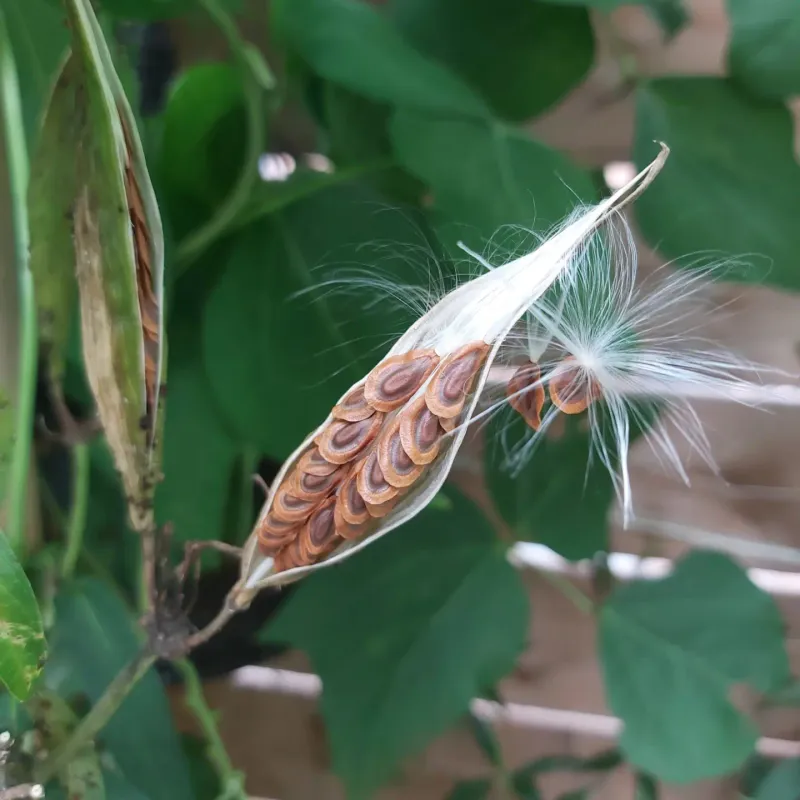
Each floating tuft carries precious cargo that has been quietly ripening since the humid middle of June. The papery shells left behind curl open like small gray canoes still stuck to their stems.
Gardeners either cheer for the whole spectacle or start sneezing somewhere deep inside on general principle. Either way, the fluff already reached your neighbor’s yard, and it has no plans to return.
Common Milkweed Behind The September Fluff
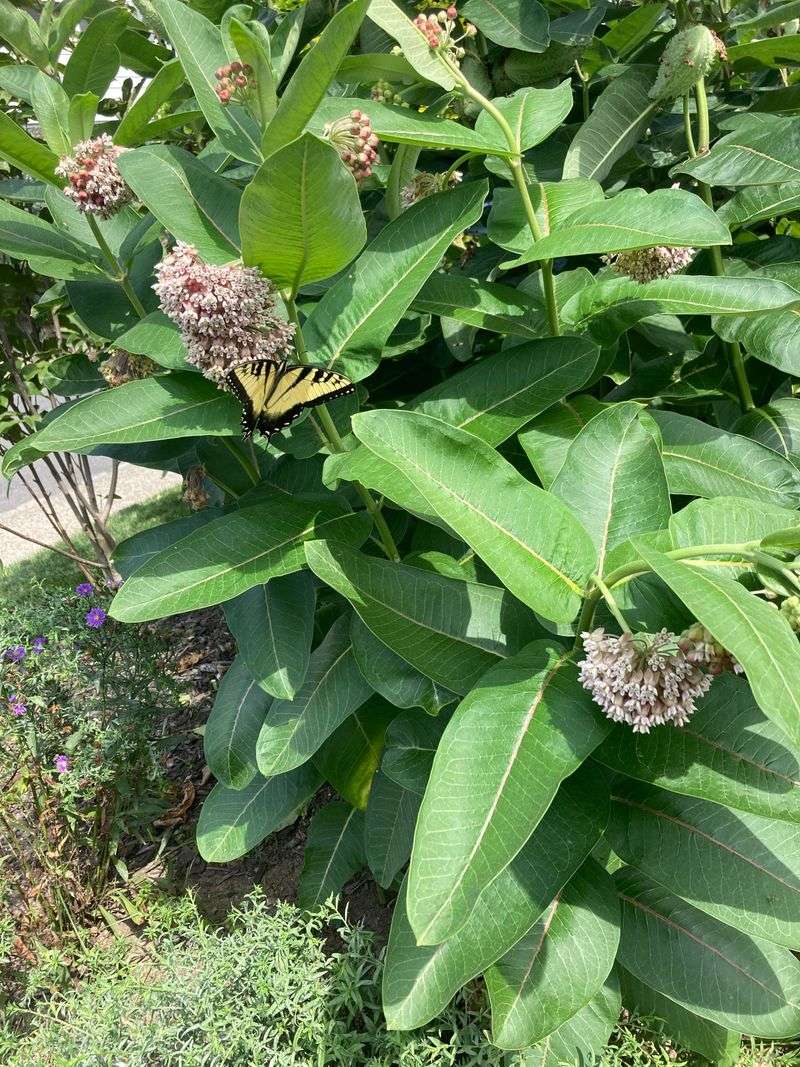
Those canoe-shaped husks cracking open along garden edges belong to common milkweed, the plant monarch caterpillars depend on. Maryland hosts several native milkweed species, and most of them release seed during this same warm stretch.
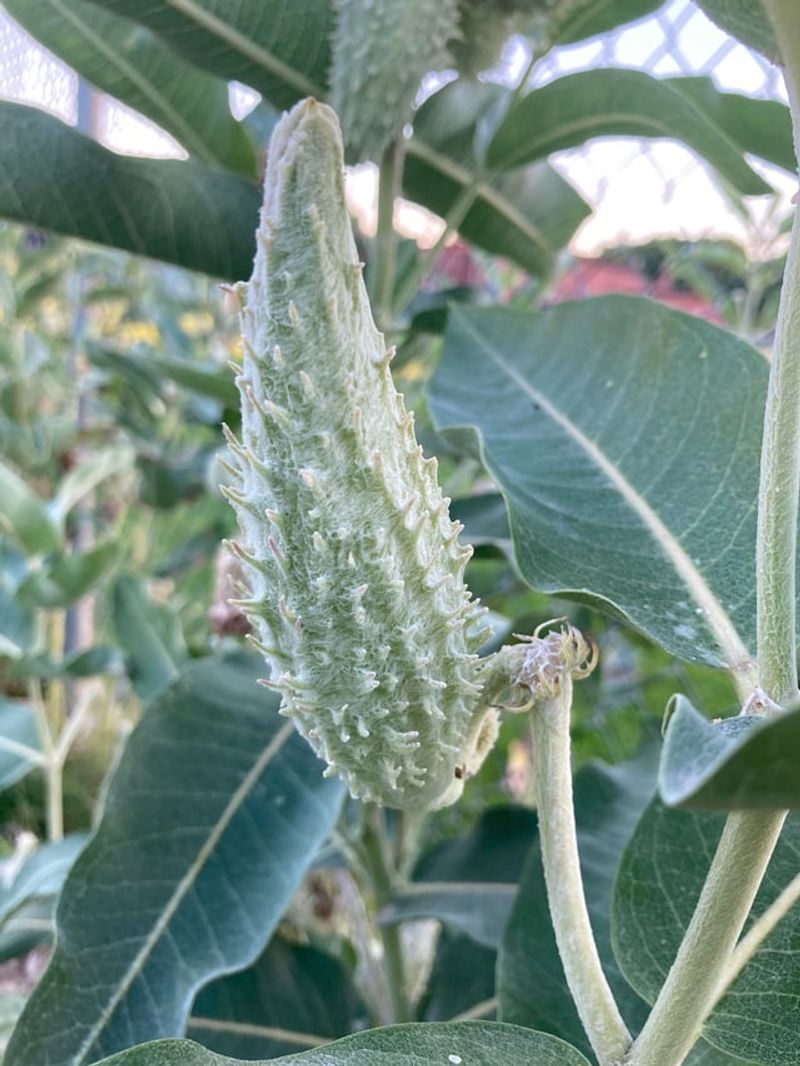
Common milkweed grows chest high, with broad fuzzy leaves and thick stems that ooze sticky white sap. Its pods look bumpy and gray-green, roughly the size of a small pickle with a pointed tip.
Swamp milkweed, common in soggy Maryland yards, produces slimmer pods that split just as eagerly during September. Butterfly weed, the orange-flowered kind, sets narrow pods on shorter plants near sunny walkways and curbside borders.
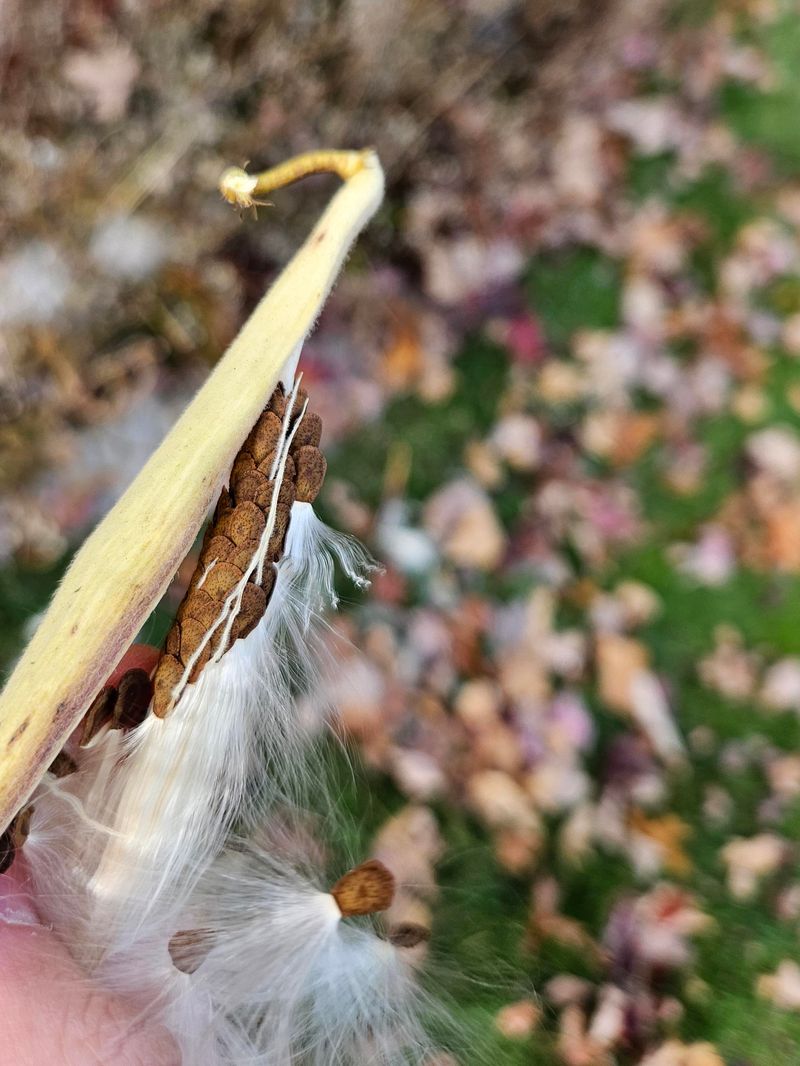
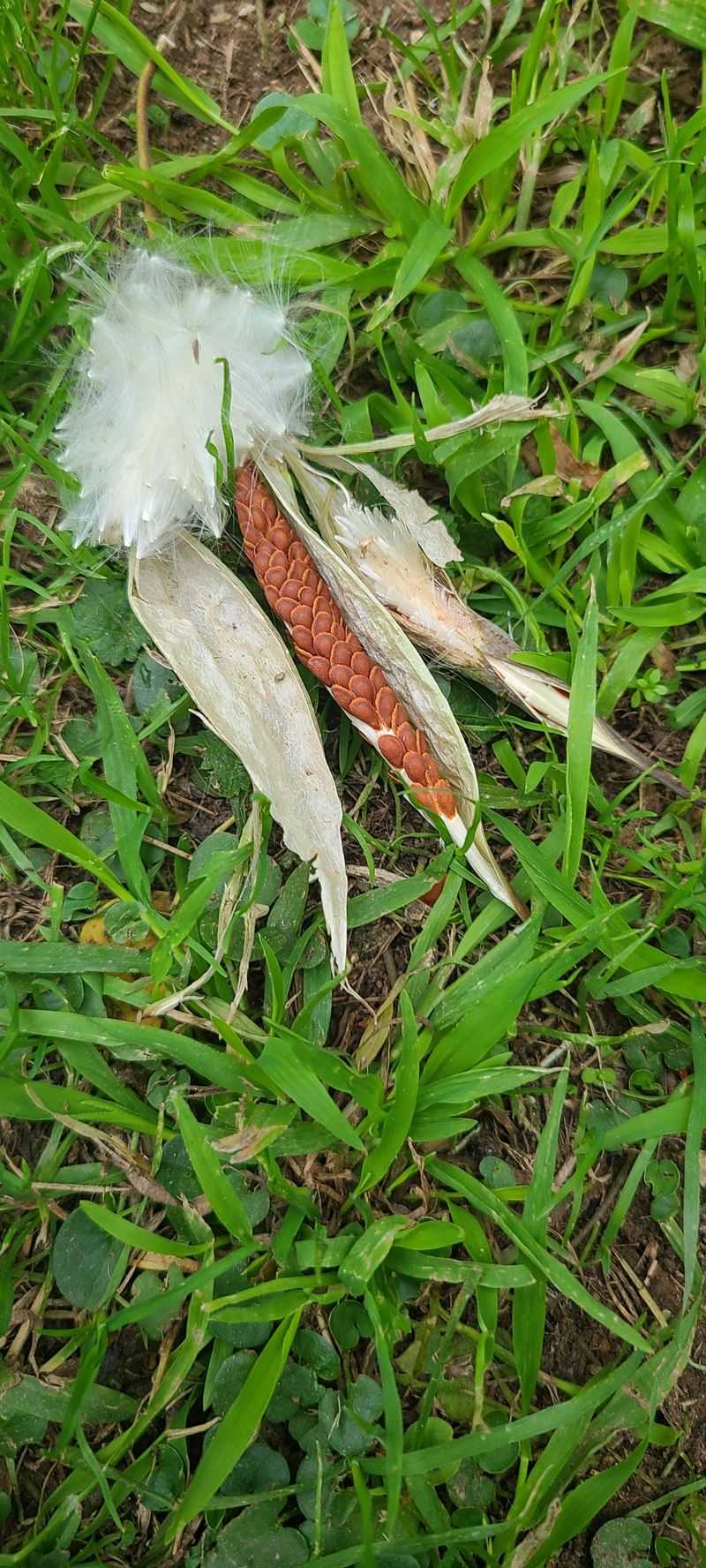
Each mature pod holds roughly two hundred flat brown seeds stacked neatly like overlapping fish scales inside. Every seed arrives attached to a bundle of silky floss that catches even the laziest afternoon breeze.
The pod splits along a natural seam, which means no insect, fungus, or storm deserves the blame. Dry air and steady September sunshine shrink that outer wall until the seam finally pulls itself apart.
Gardeners sometimes mistake the opened husks for storm damage and yank the entire plant out in frustration. Letting those stems stand costs you nothing and feeds butterflies traveling south through the Chesapeake region each fall.
Milkweed floss once stuffed life vests as a stand-in filling when other natural fibers grew scarce. Schoolchildren across many states gathered pods by the sackful, earning small payments for each full bag.
The Late September Timeline In Maryland Yards
Milkweed flowers fade during July, and the pods that follow need roughly six weeks to finish ripening properly. Across most of Maryland, that clock runs out between late August and the first hard October frost.
Western Maryland gardens up in Garrett County usually pop a week or two ahead of Eastern Shore plantings. Cool mountain nights speed the drying, while humid coastal air keeps husks leathery for a while longer.
A ripe pod turns tan or grayish brown and feels dry, papery, and surprisingly light in your hand. Squeeze the seam gently, and a ready pod will pop open with barely any pressure at all.
Seeds inside should look firm and chocolate brown, not pale, soft, or the color of weak tea. Pale seeds mean the pod left the stem too early and will not sprout well next spring.
Your Maryland Garden Changes Every Week. Your Plan Should Too.
Gardening in Maryland changes quickly throughout the season. Every Friday you’ll receive a simple weekly plan showing exactly what to plant, prune, fertilize, harvest, and protect so you never miss the right timing.
Monarch migration peaks through Maryland during these same weeks, usually mid-September into the first days of October. Watching orange wings drift past bursting pods ranks among the better free shows in the state.
Once a pod opens, the floss fluffs out within hours and the seeds scatter by early afternoon. Anyone hoping to collect seed has a very short window, often just one dry, breezy day.
Rainy stretches pause everything, since damp floss clumps together and stays stubbornly stuck inside the husk. Two sunny days later, the entire neighborhood looks like somebody shook out an old feather pillow outdoors.
Pod Harvest Mistakes That Waste Good Seed
Impatience wastes more milkweed seed every autumn than any hungry insect ever manages in a Maryland garden. Green pods picked too early hold immature seed that shrivels during storage and refuses to sprout later.
Sealing freshly picked pods inside a plastic bag traps moisture and invites fuzzy gray mold by morning. Paper grocery bags work far better, since they breathe while the husks finish drying on a shelf.
Opening pods indoors sounds tidy until the floss escapes and coats the kitchen, the dog, and your coffee. Seasoned seed savers do their separating outdoors, or down inside a deep bucket with very steady hands.
Roadside collecting carries a different risk, because county crews sometimes spray drainage ditches with herbicide each summer. Gathering from a trusted home garden, a park program, or a neighbor’s yard keeps your seed clean.
Stripping every last pod from a stand leaves nothing for the wild plants that reseed themselves naturally. Taking roughly one pod in three keeps the patch spreading and still fills your seed envelopes nicely.
Skipping the cold treatment trips up plenty of beginners when the following spring finally arrives in Maryland. Milkweed seed wants about thirty chilly days before it agrees to wake up and push out roots.
Storing seed in a hot garage shortens its life, so a labeled jar in the refrigerator wins. Write the species name and the date on that lid, because next March you will not remember.
A One-Penny Fix For Runaway Floss
Here is the trick that Maryland seed collectors swear by, and the whole setup costs about one penny. Drop a few dried pods and a coin into a wide jar, then screw the lid on tight.
The rattling coin knocks seeds loose from the floss, and heavier seed settles down at the bottom. Lift out the fluffy cloud on top, and clean brown seed stays behind at the bottom waiting for you.
Another approach uses just your thumb, pressing along the packed seed column while holding the split husk. Pull downward in one motion and the seeds slide off, leaving the silk attached in a bundle.
Cold helps too, since an hour in the freezer makes stubborn floss brittle and much easier to handle. Some gardeners keep a paper bag of pods chilling until a calm, windless Saturday morning arrives.
For pods still hanging on the plant, a rubber band around the middle holds that seam shut. Slip a mesh bag or an old sock over the pod and nothing escapes into the yard.
Work outside on a still day, because one strong gust turns careful harvesting into an accidental planting. A five gallon bucket blocks most breezes and stops loose floss from touring the entire street.
Clean seed stores far better than fluffy seed, taking up less space and drying much more evenly. Half an hour of jar shaking can yield enough seed for an entire church or school garden project.
The Payoff For Monarchs And Nearby Yards
Every pod that opens places a small bet on next summer’s monarch caterpillars finding something to eat. Only a handful of those seeds ever land somewhere suitable, which explains the enormous number packed inside.
Goldfinches nest unusually late here in Maryland, and they line their nest cups with soft pod down. Watch a yellow bird tugging floss off a stem and you are seeing a nursery under construction.
Seeds that settle into bare soil sit through winter, freeze, thaw, and sprout somewhere around late April. Volunteers often appear in flower beds, sidewalk cracks, and right in the middle of the vegetable rows.
Monarchs passing through Maryland this month are heading toward the high mountain forests of central Mexico. Their great-grandchildren will return next summer, hunting for the very plants your open pods are seeding right now.
Standing stems shelter helpful insects through winter, including small native bees that tuck inside hollow dried stalks. Cutting everything down in October removes that shelter well before the cold weather truly settles in.
The dried husks look striking in fall arrangements, and crafters pay real money for clean, unbroken ones. Spray them lightly with clear sealant and the pods hold their shape for years on a mantel or wreath.
Neighbors may grumble about volunteers drifting over the fence, so a friendly heads-up goes a long way. Offer them a monarch photo taken in your own yard and the grumbling usually turns into curiosity.
Smart Placement For Next Season’s Volunteers
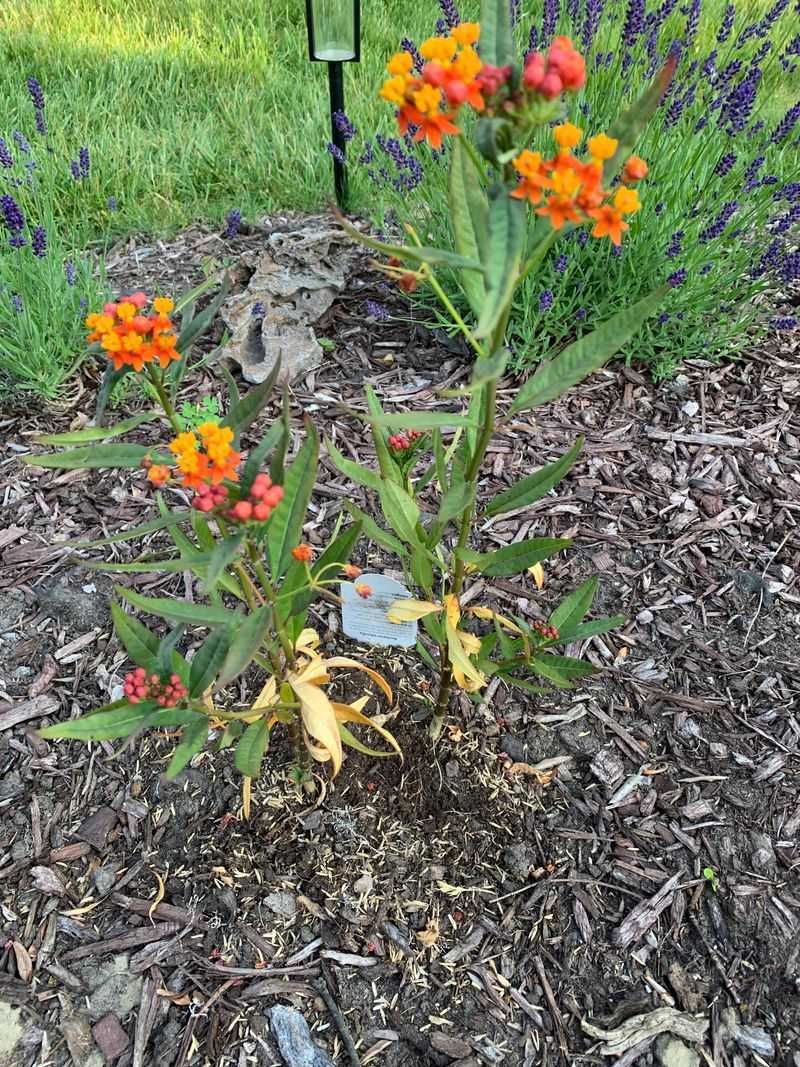
Common milkweed spreads in two different ways, by floating seed and by thick underground roots traveling sideways. Gardeners who prefer fewer surprises should think hard about placement long before the next growing season begins.
Clipping pods in late August, before those seams loosen, stops the seed spread before it starts. Bag them, compost them hot, and the plant still returns cheerfully from its own roots next spring.
Butterfly weed behaves politely, forming tidy clumps that stay right where you planted them for many years. Swamp milkweed stays reasonably well mannered too, which suits small Baltimore rowhouse gardens and tight Annapolis courtyards.
Dedicating a back corner, a fence line, or a sunny strip beside the driveway solves most complaints. Mowing along the edges each spring keeps wandering seedlings from claiming the middle of your own lawn.
Seedlings pull out easily while they are still young, especially a day after a good soaking rain. Wait two full seasons and that deep taproot will fight you for every single inch of ground.
Maryland extension offices and native plant societies happily accept donated seed for local habitat restoration projects. Handing over a full jar beats watching it blow across three yards and a shopping center lot.
Plenty of gardeners eventually surrender and let the patch do whatever it wants, and that works fine too. A little wildness in one back corner buys a surprising number of orange wings come August.