The Virginia Trees That Need September Fertilizer And The Ones That Don’t
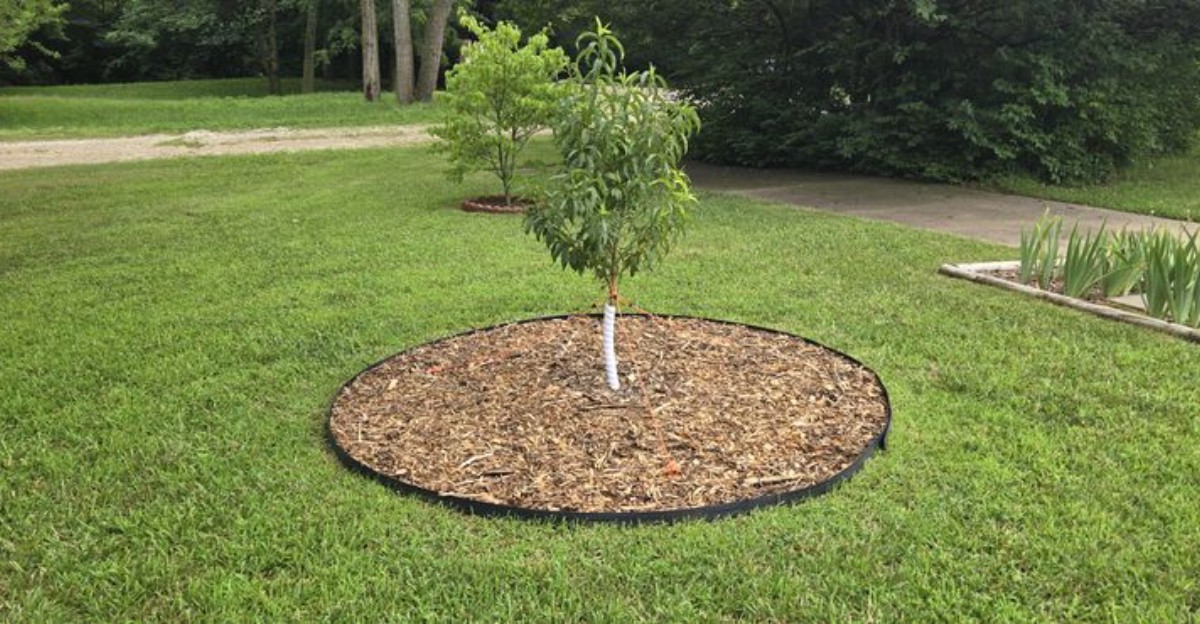
A tree can look perfectly healthy in September and still need a closer look. Some are growing well and need no extra help, while others may be running low on nutrients after heat, drought, or heavy growth.
That is why fall fertilizer can be helpful for some Virginia trees and a mistake for others. The wrong application can encourage fresh growth when the tree should be slowing down for winter.
A young maple settling into a new yard has different needs than an old oak that has stood for decades. The smartest approach starts with the tree itself, the soil around it, and knowing when to leave well enough alone.
1. Feed Young Newly Planted Trees Still Building Roots
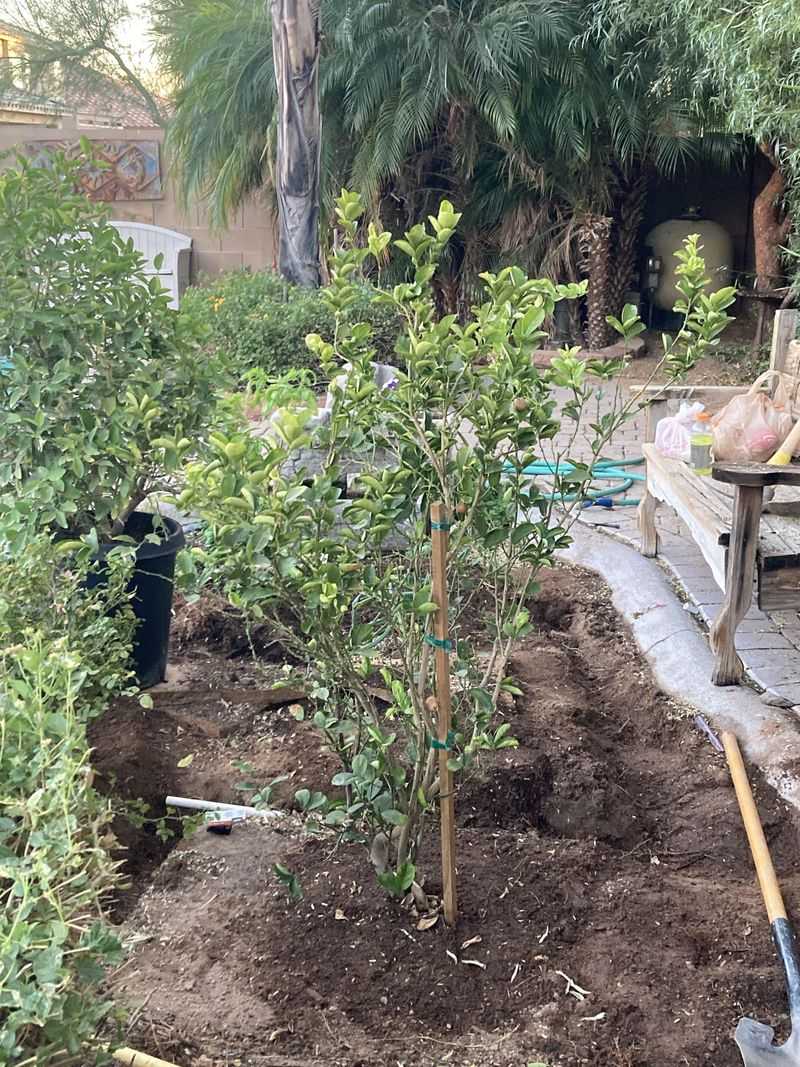
Picture a sapling as a kid who just moved to a new school. It needs time, room, and steady support before it can really take off.
Young trees planted in the last few years are still pushing roots outward through the state’s heavy clay. A soil test can show whether fertilizer is needed, but mulch and consistent watering are usually the priority while young roots establish.
Timing matters more than quantity here. Roots can remain active after leaves drop, but nutrient uptake depends on soil conditions, temperature, and the tree’s needs.
Hold off, though, if the tree went into the ground only weeks ago. Many arborists suggest waiting several months, sometimes a full season, so tender new roots can settle without any risk of fertilizer burn.
If your planting mix already contained fertilizer, skip the extra feeding for now. Doubling up wastes money and can push growth the tree is not ready to support.
Granular products worked lightly into the soil around the drip line work well for young trees. Liquid feeds and fertilizer stakes are options too, though granular tends to be the most forgiving choice for beginners.
One more thing that helps as much as any fertilizer: a two to three inch mulch ring, pulled back from the trunk. Mulch holds moisture, moderates soil temperature, and slowly releases nutrients as it breaks down.
Water deeply after feeding so nutrients reach the root zone rather than sitting on dry soil.
2. Support Stressed Dogwoods After Drought Or Damage
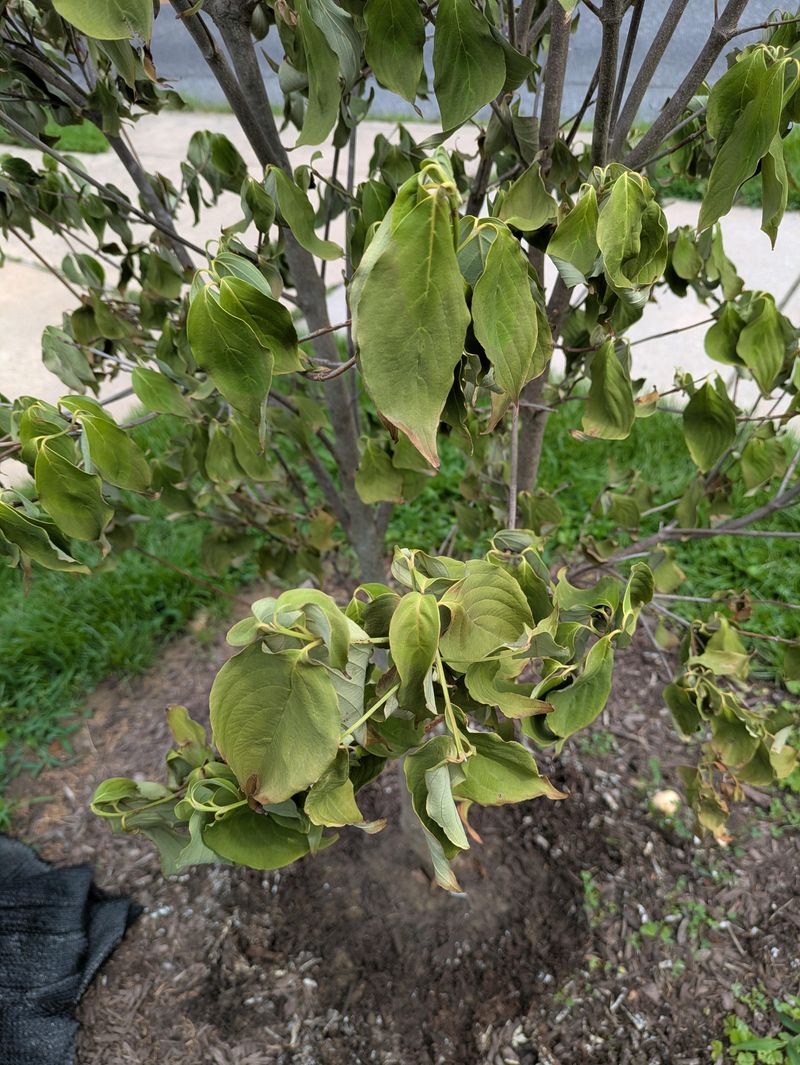
Virginia’s state flower has a reputation for being a little dramatic. When a dogwood gets thirsty or bruised, it tells you through curled leaves, early color, and a disappointing bloom the next spring.
Dry summers hit these understory trees hard. Insect trouble, disease, storm damage, and construction near the roots can all leave a dogwood running on empty by September.
A soil test comes first. Guessing at what a struggling tree needs often adds nutrients it already has while ignoring the real shortage.
If the test shows a gap, use a fertilizer recommended for the specific soil conditions. An acid-forming product may help in some cases, but only when the soil needs that adjustment.
Keep nitrogen modest. Pushing leafy growth this late in the season leaves tender shoots exposed when nights turn sharp in November.
Your Virginia Garden Changes Every Week. Your Plan Should Too.
Gardening in Virginia changes quickly throughout the season. Every Friday you’ll receive a simple weekly plan showing exactly what to plant, prune, fertilize, harvest, and protect so you never miss the right timing.
Honestly, mulch and water often do more than any bag of plant food. A wide, shallow mulch ring keeps roots cool and moisture steady, which is exactly what a recovering dogwood craves.
Skip the fertilizer entirely on newly planted dogwoods and focus on consistent watering through fall. Roots establish best when they are not being nudged to grow foliage.
Fun bit of trivia: dogwoods grow naturally as forest edge trees, so the dappled shade in your yard may suit them better than full sun.
3. Help Fruit Trees With Proven Nutrient Needs
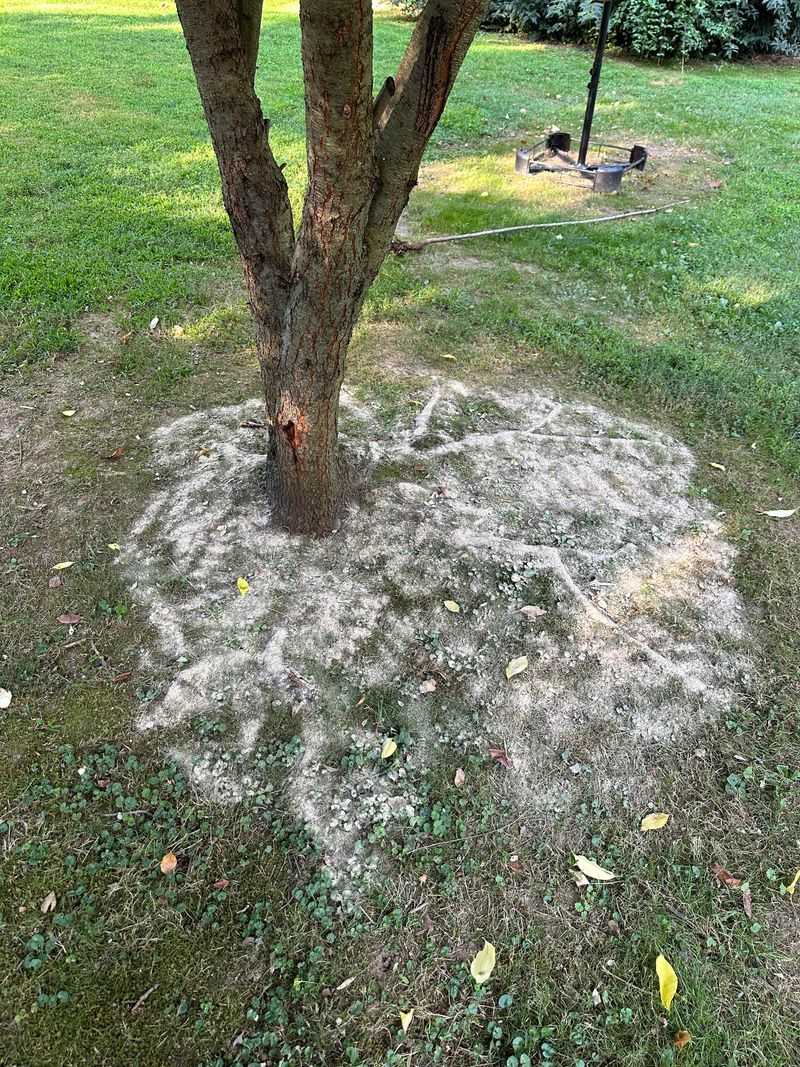
Growing apples, pears, or peaches means asking a tree to do a lot of work each year. Wood growth, flower buds, fruit set, and ripening all draw heavily on stored nutrients.
Because of that workload, backyard fruit trees benefit from a regular yearly feeding plan. Skipping years often shows up as small fruit, weak shoots, and thin flowering.
September advice splits into two camps, and both have logic behind them. Some growers stop feeding by July so no soft growth appears heading into cold weather.
Others use a light late-season feeding only when soil tests show nutrients are needed, often avoiding high nitrogen rates. That approach focuses on correcting specific nutrient needs rather than pushing leafy growth before winter.
Virginia Cooperative Extension’s Giving Grove calendar, which follows organic practices, points to January through March for slow-release organic feeding of established fruit trees. September on that calendar is mostly about harvest and pest patrol.
The safe path for growers: base any fall application on a soil test and keep nitrogen low. Guesswork with fruit trees tends to cost you the following season’s crop.
Mulching, on the other hand, is a clear fall win. A thick layer of straw or wood chips shields shallow roots when temperatures swing between mild afternoons and freezing nights.
Clean up fallen fruit too, since it invites pests that overwinter nearby.
4. Correct Tree Problems After Soil Testing Shows A Deficiency
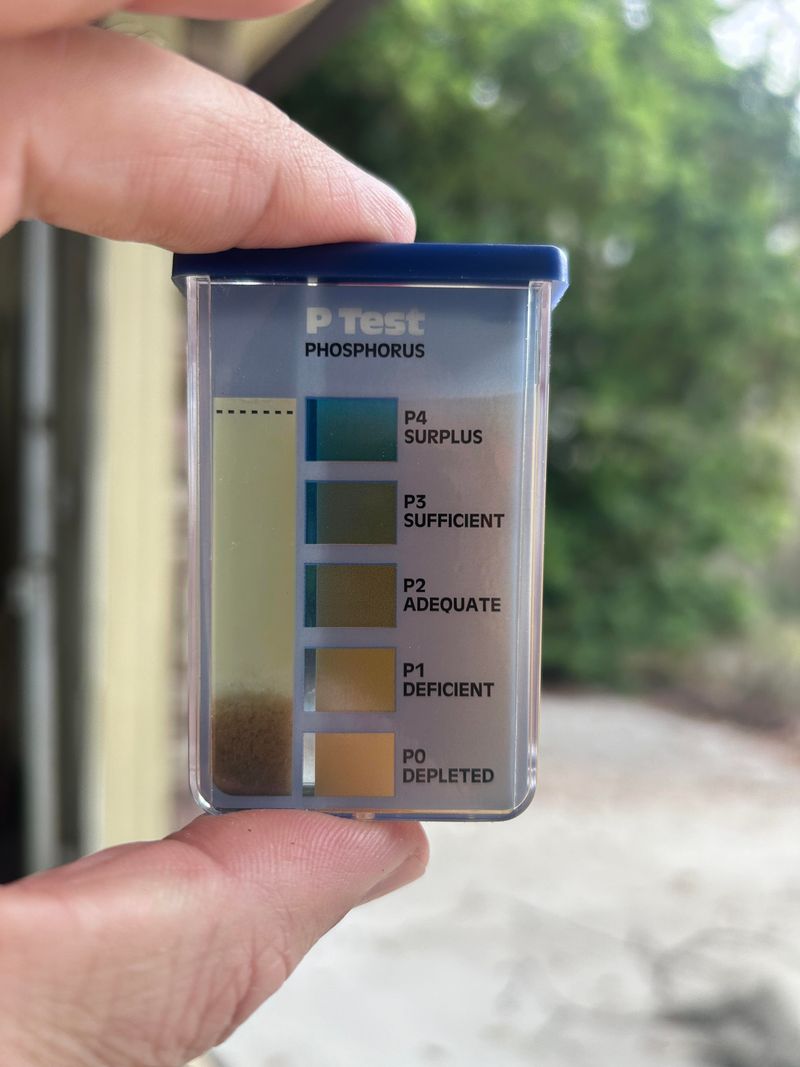
Guessing is expensive. A soil test costs a few dollars and takes the mystery out of what your tree actually wants.
Residents can pick up sample kits at local Cooperative Extension offices, including those serving Loudoun County, Charlottesville, Albemarle County, and Norfolk. Samples travel to the Virginia Tech Soil Testing Laboratory for analysis.
The report that comes back is genuinely useful reading. It covers soil pH plus levels of nitrogen, phosphorus, potassium, calcium, magnesium, zinc, manganese, copper, iron, and boron.
Pay close attention to pH. Nutrients can sit right there in the soil yet stay locked away from roots when the pH drifts too high or too low.
Testing every three or four years keeps you current. Test sooner if a tree shows odd growth, pale leaves, or unusual color changes during the growing season.
Timing the sample matters as well. Wait six to eight weeks after any fertilizer or lime application, otherwise the numbers will not reflect your real soil conditions.
Once you have results, apply only what the report recommends. Adding nutrients a tree already has in plenty wastes money and can wash into nearby creeks and the Chesapeake Bay watershed.
Take samples from several spots under the canopy and mix them for a fair average. One scoop from a single hole can easily mislead you about the whole root zone.
5. Skip Fertilizing Healthy Mature Oaks
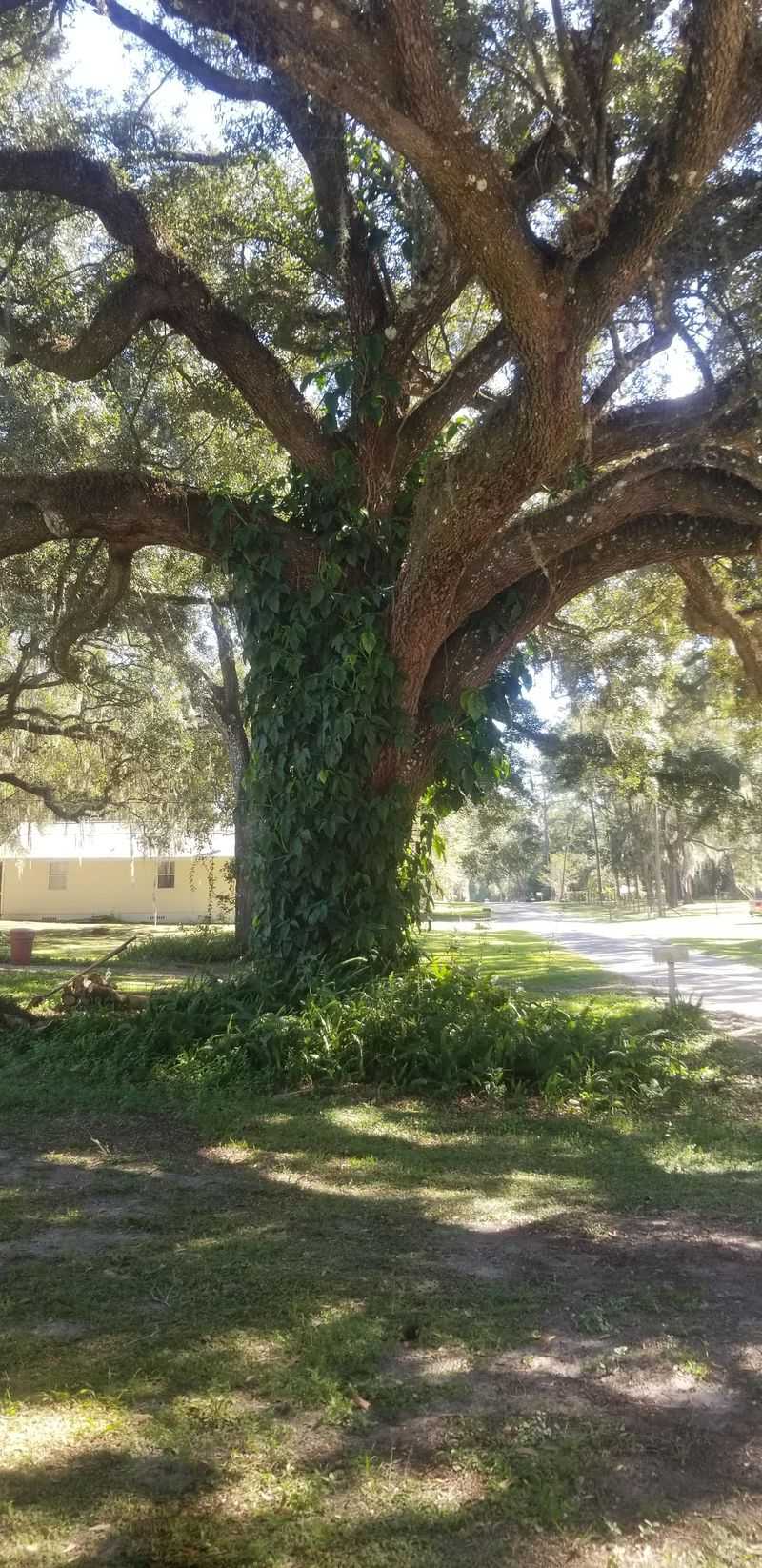
A mature oak has been feeding itself since before your house was framed. Its roots often spread two or three times wider than the branches above.
Given that reach, a thriving oak rarely needs supplemental fertilizer. Extra nutrients usually go unused or encourage growth nobody asked for.
Late fall applications of high-nitrogen products are the biggest misstep. Soft shoots pushed out in October lack time to harden before frost, leaving them exposed.
If your oak looks off, play detective before reaching for a bag. Thinning canopies and odd leaf spots often point to root compaction, drainage trouble, borers, or fungal issues that fertilizer cannot fix.
Another thing many homeowners overlook: oaks standing in or beside a fertilized lawn are already sipping from that supply. Lawn feedings reach tree roots whether you planned it that way or not.
A better use of your September energy is checking the root zone. Reduce foot traffic, widen the mulch ring, and water deeply during dry spells, since falls can turn surprisingly parched.
Leaving fallen leaves in beds under the canopy also helps. As they break down, they recycle nutrients right back where the oak can reach them.
Worth remembering: a single mature white oak can support hundreds of insect species, which in turn feed songbirds. Keeping it steady and unstressed pays off well beyond your own yard.
6. Avoid Feeding Established Maples With Good Growth
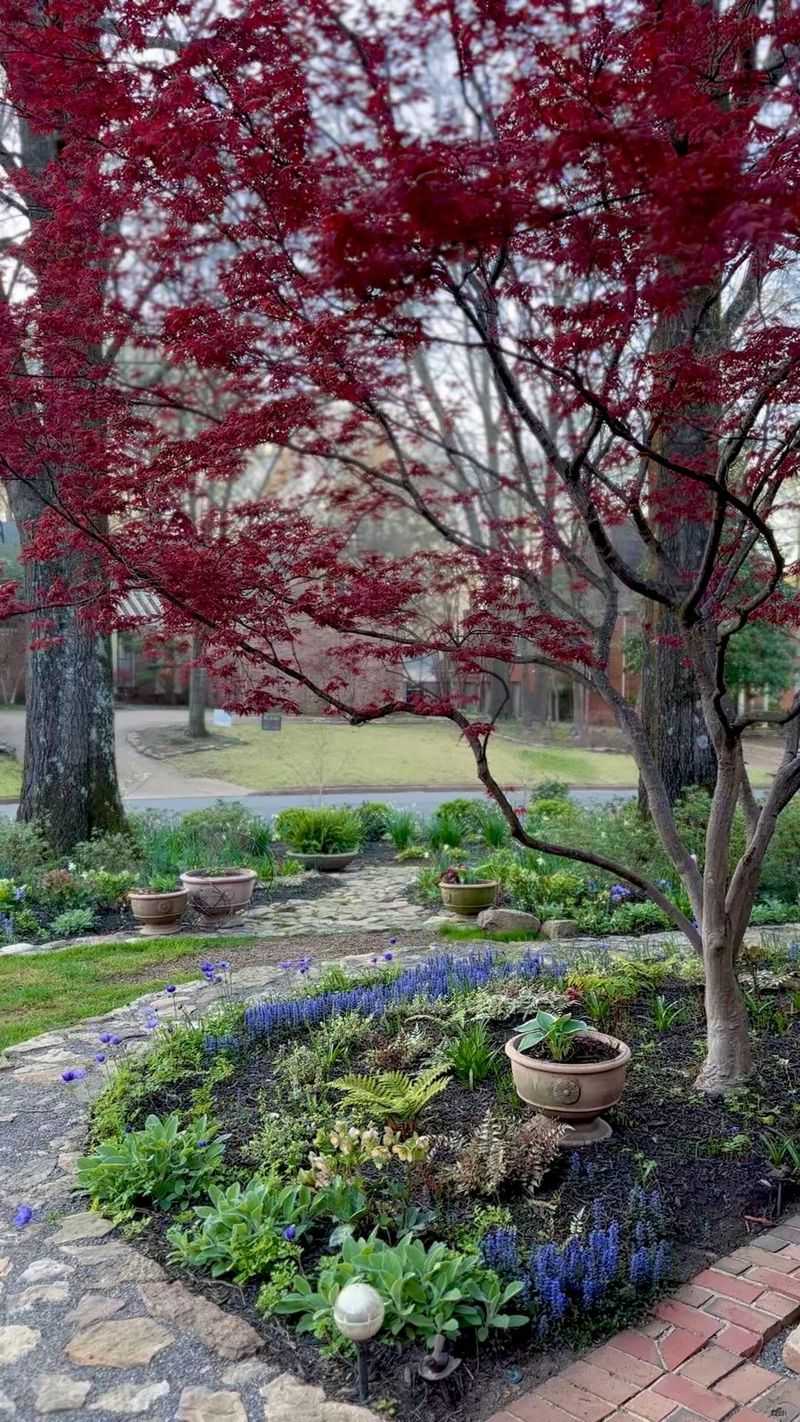
Established maples are the overachievers of the neighborhood. Give one extra fertilizer and it may reward you with a jungle of shoots you then have to prune.
Healthy, well-grown maples generally do not need routine feeding. Their broad, shallow root systems are excellent at pulling nutrients from surrounding soil and decomposing leaf litter.
The trees that genuinely benefit are young maples still filling out, or specimens showing clear deficiency confirmed by a soil test. Age and condition should drive the decision, not the calendar.
Soil chemistry deserves a mention here. Maples lean toward slightly acidic ground, and when pH climbs too high, they struggle to take up manganese and iron even when both sit in the soil.
Pale leaves with dark green veins are the classic clue. That pattern usually calls for a pH correction rather than a general purpose fertilizer.
You will see guidance suggesting early autumn or early spring feeding for maples. Those recommendations apply to young or deficient trees, not the sturdy silver or red maple already shading half your driveway.
Too much nitrogen creates fast, weak wood. Branches grown in a hurry snap more easily during ice storms, which visit plenty of neighborhoods most winters.
Instead of feeding, spend September checking for girdling roots, mower wounds, and mulch piled against the trunk. Fixing those small things protects a healthy maple far better than any fertilizer.
7. Leave Healthy Pines Alone Without Soil Test Results
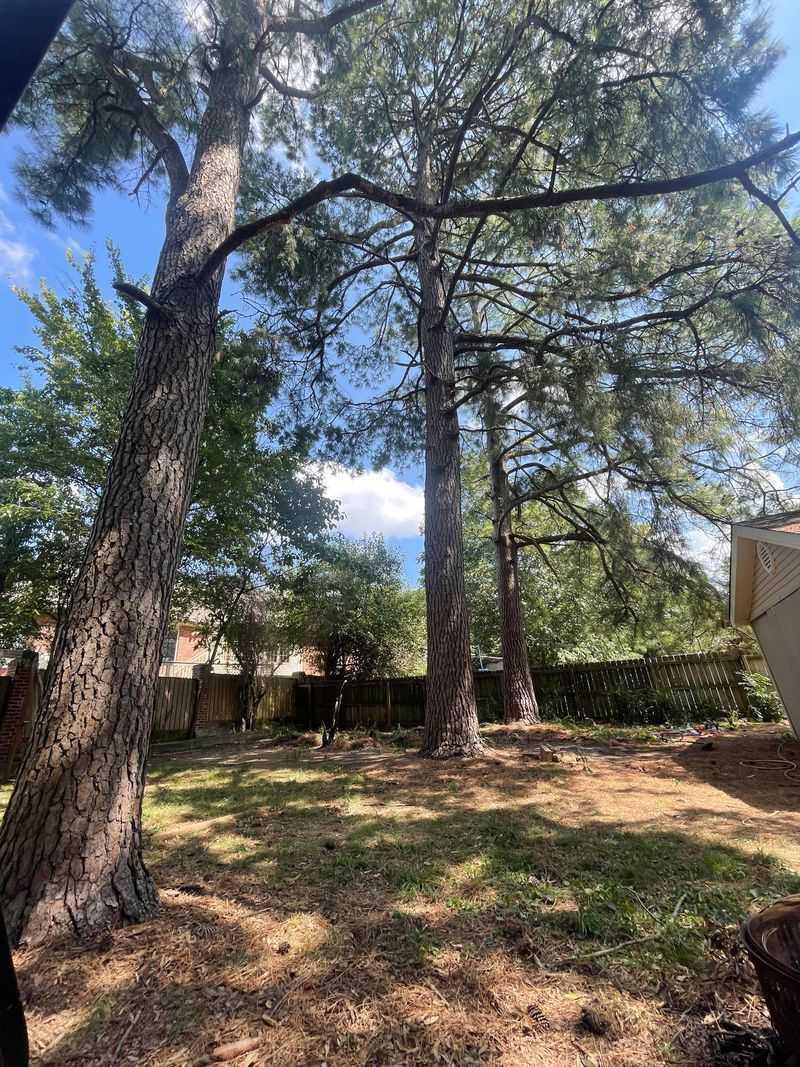
Pines were thriving across the state long before anyone sold plant food in bags. Loblolly, Virginia, and shortleaf pines evolved to handle lean, sandy, acidic ground.
Because of that, healthy native pines usually need nothing from you in September. Feeding without evidence of a shortage is more likely to cause problems than solve them.
Only reach for fertilizer when a soil test flags a specific deficiency. Needle color, needle length, and annual shoot growth are your everyday clues that something might be off.
Newly planted pines are a clear hold. Fertilizer tends to speed up top growth while the root system lags behind, which makes a young pine wobbly and drought-prone.
If a mature pine shows stress and testing confirms a deficiency, a carefully timed fertilizer application may help, depending on the underlying problem. Gradual nutrient release can reduce the risk of sudden flushes of tender growth.
For routine feeding needs, early spring remains the better window. Roots and shoots are gearing up then, so nutrients get put to work right away.
Here is a freebie: fallen pine straw is a natural mulch. Rake it into a ring under the canopy and let it slowly return nutrients and acidity the tree already likes.
Keep an eye out for bark beetle sawdust and sudden needle browning instead. Those signals call for an arborist, not a fertilizer spreader.
8. Hold Back On Established Shade Trees With Normal Growth
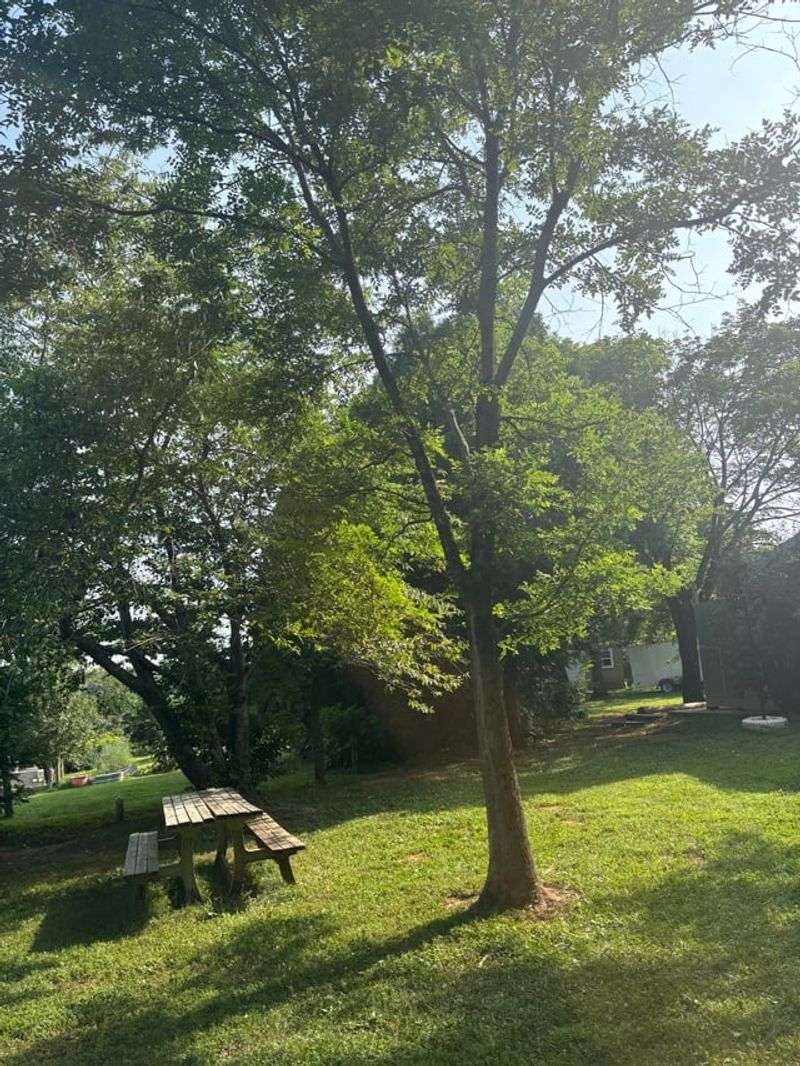
Sometimes the best yard work is the work you decide not to do. Established shade trees growing normally rarely need a September feeding.
Consider how much ground those roots cover. A wide, mature root system samples an enormous volume of soil and finds most of what it needs on its own.
Lawn fertilizer complicates things further. Trees standing in regularly fed turf, or ringed with organic mulch, are already collecting nutrients from both sources.
Overdoing it carries real costs. Excess nutrients encourage weak, spindly growth and can run off into waterways, which is a headache for the Chesapeake Bay watershed.
Judge each tree individually. Look at shoot length, leaf size and color, and whether the canopy looks full or thin before deciding anything.
City trees are the notable exception. Street and parking lot trees battle compacted soil and turfgrass competition, so a slow-release feeding every couple of years can help them hold their vigor.
When you do feed, spread product across the whole root zone out past the drip line. Dumping it near the trunk misses the fine feeder roots entirely.
Mulch, deep watering during dry stretches, and careful pruning of broken limbs deliver more value than most fertilizer applications. Those habits keep shade trees steady through winter and ready for spring.
Save your soil test money for the trees that actually show trouble.