How To Tell When California Jujubes Are Ready To Harvest
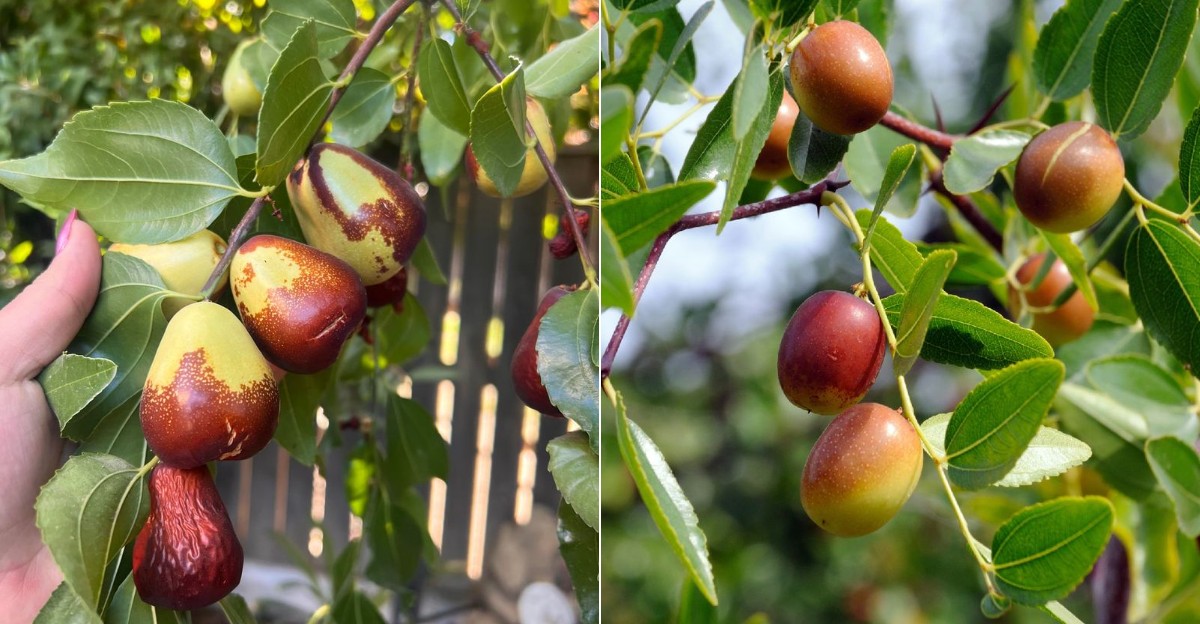
Jujubes can be a little tricky to harvest because the best time to pick them depends on the flavor and texture you want.
A fruit that looks ready on the tree may still need more time to develop the sweetness and character these unique fruits are known for.
California jujube trees often produce a long harvest window, which gives you some flexibility.
The challenge is knowing the difference between fruit that is simply changing color and fruit that has reached the stage where it tastes its best.
A few simple signs can help you decide when your jujubes are ready to pick. Paying attention to their appearance, firmness, and flavor can help you enjoy a better harvest and avoid collecting fruit before it has reached its full potential.
1. Color Change Is The First Sign Of Ripeness
One of the easiest clues to watch for is how the fruit changes color as the weeks go by. Early in the season, jujubes look bright green and blend right in with the leaves. As they ripen, the skin slowly shifts to a lighter shade.
You might notice a pale yellow tint first. This soft color change is nature’s way of telling you the sugar inside is starting to build up. It happens gradually, so check your tree every few days.
The best plan is to watch the fruit closely once the summer heat sets in. California’s warm days speed up ripening, and the color can shift faster than you expect. Pick one that has changed color and give it a bite to see how sweet it tastes.
Keep in mind that not every fruit changes at the same speed. Some parts of the tree get more sun, so those fruits often color up first. Sunny spots ripen ahead of shady ones.
A good habit is to walk around the whole tree and look at fruit from every side. This helps you spot the ones that are leading the pack. Once you see that first color shift, harvest season is close.
Watching color is a free and simple tool anyone can use. No special gear is needed, just your eyes and a little patience. Trust what you see, and you will start to know exactly when your jujubes are getting close to ready.
2. Ripe Jujubes Start Turning From Green To Brown
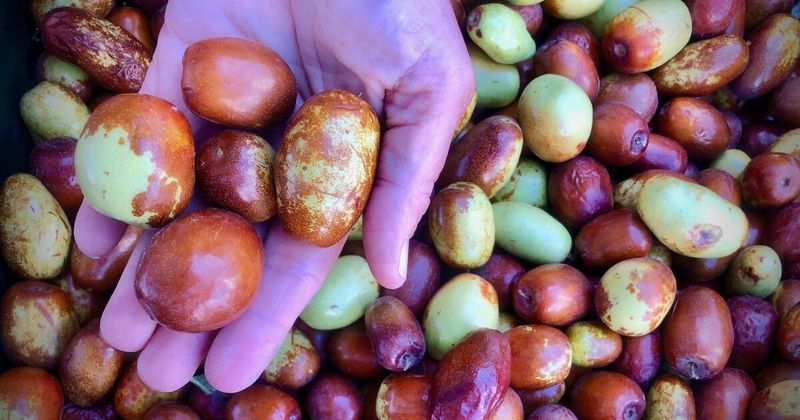
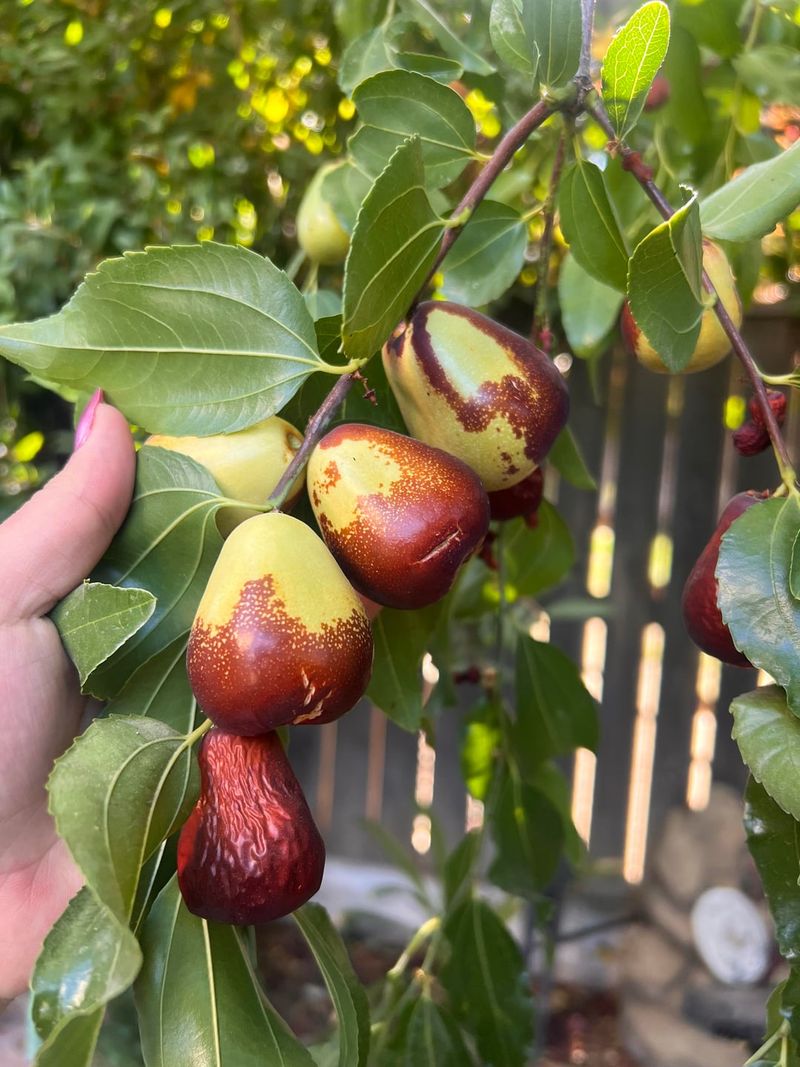
After the first pale color shows up, the real magic begins as the fruit moves toward a rich brown shade. Brown spots often appear in patches, spreading across the skin over several days. These patches are a strong sign the fruit is nearly perfect.
A jujube that is fully brown feels almost like a small date, sweet and chewy inside. When you see this deep color, you know the fruit has reached its peak sweetness. That is often the flavor most people love best.
Some folks prefer to pick jujubes when they are half green and half brown. At that stage the fruit is crisp like an apple and mildly sweet. If you like a crunchy snack, this is your moment.
Your California Garden Changes Every Week. Your Plan Should Too.
Gardening in California changes quickly throughout the season. Every Friday you’ll receive a simple weekly plan showing exactly what to plant, prune, fertilize, harvest, and protect so you never miss the right timing.
Others wait until the whole fruit turns brown and wrinkly. That version tastes richer and works great for drying. Both stages are tasty, so it comes down to what you enjoy.
Pay attention to how quickly the brown spreads across your tree. Warm weather can push fruit from green to brown in just a week or two. Checking often keeps you from missing the sweet spot.
Try picking a few fruits at different color stages and compare them side by side. You will quickly learn which shade matches your taste. Over time, spotting that green-to-brown change becomes second nature, and your harvest will taste better every year.
3. The Fruit Texture Changes As It Matures
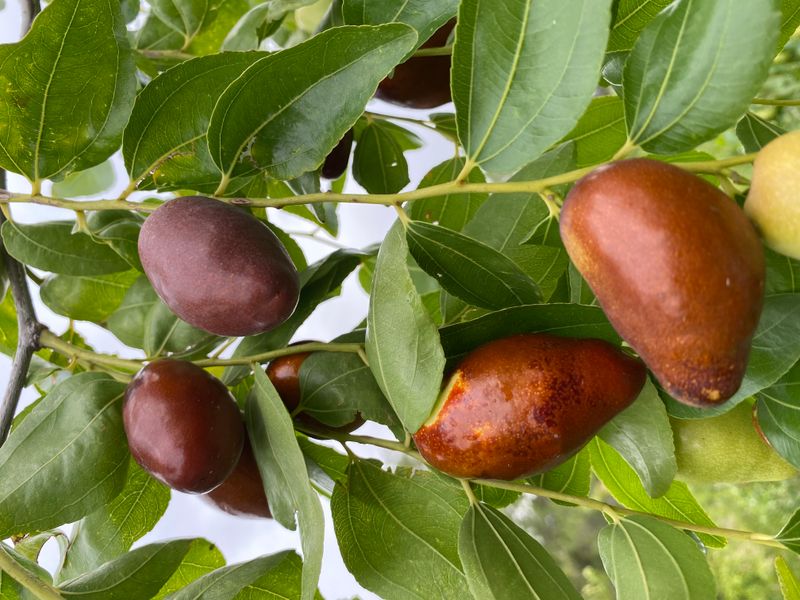
Beyond color, the way a jujube feels tells you a lot about its stage. Early fruit is very hard and firm, almost like a little rock. As it ripens, the flesh softens just a bit and becomes easier to bite.
Gently press a fruit between your fingers to test it. A ready jujube gives slightly under light pressure but still holds its shape. If it feels rock hard, it needs more time on the tree.
The crunch also changes as the fruit matures. Younger jujubes snap like a fresh apple, crisp and juicy. Riper ones turn softer and chewier, closer to a dried fruit.
You can pick based on the texture you like most. For a crisp, refreshing snack, choose fruit that is still firm but no longer hard. For a sweeter, chewy treat, let it soften more.
Watch out for fruit that feels mushy or overly soft. That usually means it has gone past its best point. Those are still fine for cooking or drying, but they will not last long fresh.
A helpful trick is to feel several fruits during each visit to the tree. Comparing them helps you notice small changes over time. Your fingers will soon learn the difference between too early and just right.
Learning texture takes only a little practice. Once you get the feel, you can judge ripeness in seconds without even tasting.
4. Fully Colored Fruit Has The Best Flavor
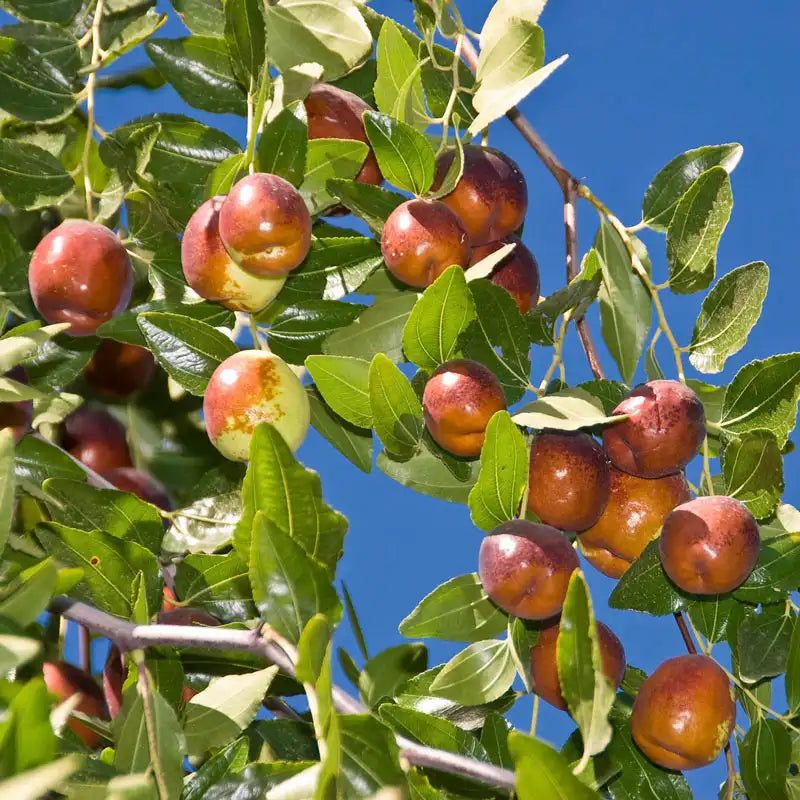
When it comes to taste, fruit that has fully colored up almost always wins. A jujube that has reached its deep, even shade holds the most sugar inside. That means every bite bursts with natural sweetness.
Half-ripe fruit can taste a little plain or watery. Once the color spreads across the whole skin, the flavor grows much stronger. The difference is easy to notice when you compare two fruits.
Warm California weather really helps build that sweet flavor. Long sunny days give the tree plenty of energy to pump sugar into each fruit. That is why local jujubes often taste amazing.
If you want the richest taste, be patient and wait for full color. Rushing the harvest usually leaves you with bland fruit. A few extra days on the tree can make a big difference.
Keep in mind that fully colored fruit does not last as long once picked. Plan to eat, dry, or cook it fairly soon after harvest. Fresh and sweet is best enjoyed quickly.
You can also mix your picking to enjoy different flavors. Grab some crisp fruit for snacking and some fully ripe fruit for sweetness. That way you get the best of both worlds.
Trust your taste buds along with your eyes. When color and flavor line up, you know you have picked at the perfect time for the tastiest jujubes possible.
5. Some Jujubes Ripen Unevenly On The Same Tree
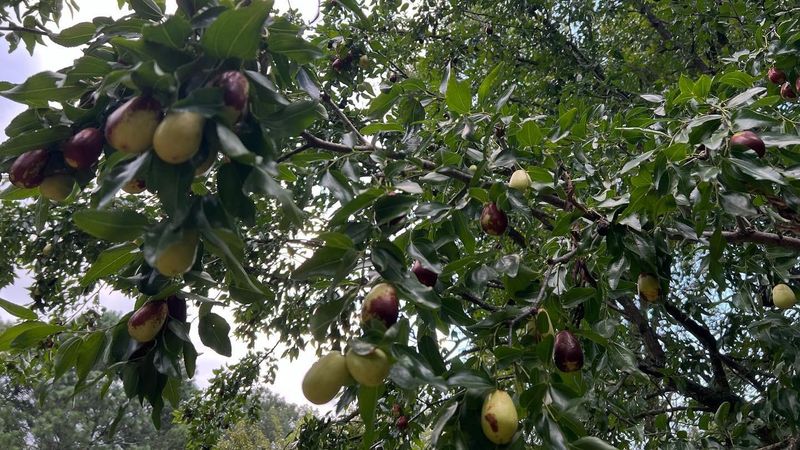
Something that surprises many new growers is how one tree can hold fruit at many stages at once. You might see green, half-brown, and fully brown jujubes all on the same branch. That is completely normal.
Each fruit ripens on its own timeline. Sunlight, position, and even the size of the fruit all play a part. Because of this, a single harvest day rarely gets everything.
The smart move is to pick in rounds instead of all at once. Visit the tree every few days and grab only the ready fruit. This way you always enjoy jujubes at their peak.
Fruit near the top or on the sunny side often ripens first. Lower and shady spots may take longer to catch up. Knowing this helps you focus your picking each visit.
Do not worry if a branch looks half green and half ripe. Just leave the unready fruit and come back later. Patience pays off with a longer harvest season.
This spread-out ripening is actually a nice bonus. Instead of a huge pile of fruit all at once, you get a steady supply for weeks. That makes it easier to eat everything fresh.
Keep a simple routine of checking and picking often. Over time you will learn which parts of your tree lead the way. Uneven ripening just means more chances to enjoy sweet fruit.
6. Taste Testing Is The Best Final Check
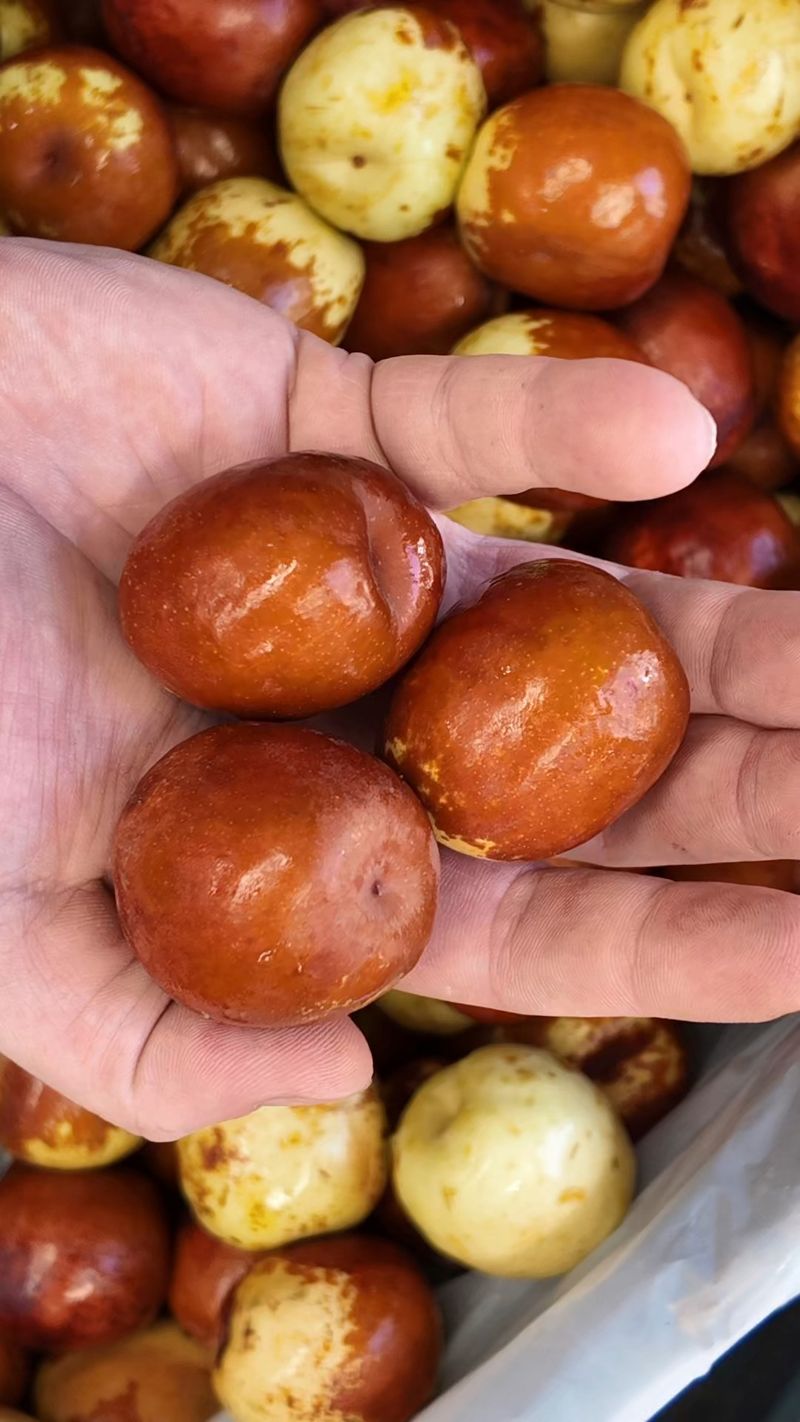
No matter how carefully you check color and feel, tasting is the surest test of all. A quick bite tells you exactly how sweet and ready your fruit really is. Nothing beats trusting your own tongue.
Pick a fruit that looks close to ripe and try it right there by the tree. If it tastes sweet and crisp, the rest are likely ready too. If it is bland, give the tree more time.
Sweetness is the main thing to look for during a taste test. A good jujube tastes almost like a mix of apple and pear. Some even have a light caramel note when very ripe.
Try tasting fruit from different parts of the tree. Since ripeness varies, one sample may not tell the whole story. A few bites give you a clearer picture.
Texture matters during your taste test too. Notice if the fruit is crunchy or soft, and pick the style you enjoy most. Your mouth will guide your harvest choices.
Do this test every few days as the season moves along. Flavor keeps building, so today’s fruit may taste even better tomorrow. Tracking the change helps you nail the timing.
Taste testing is the fun part of growing jujubes. It lets you enjoy the fruit while learning your tree. Once you find that perfect sweet bite, you know it is time to harvest.
7. Overripe Fruit Can Dry Naturally On The Tree
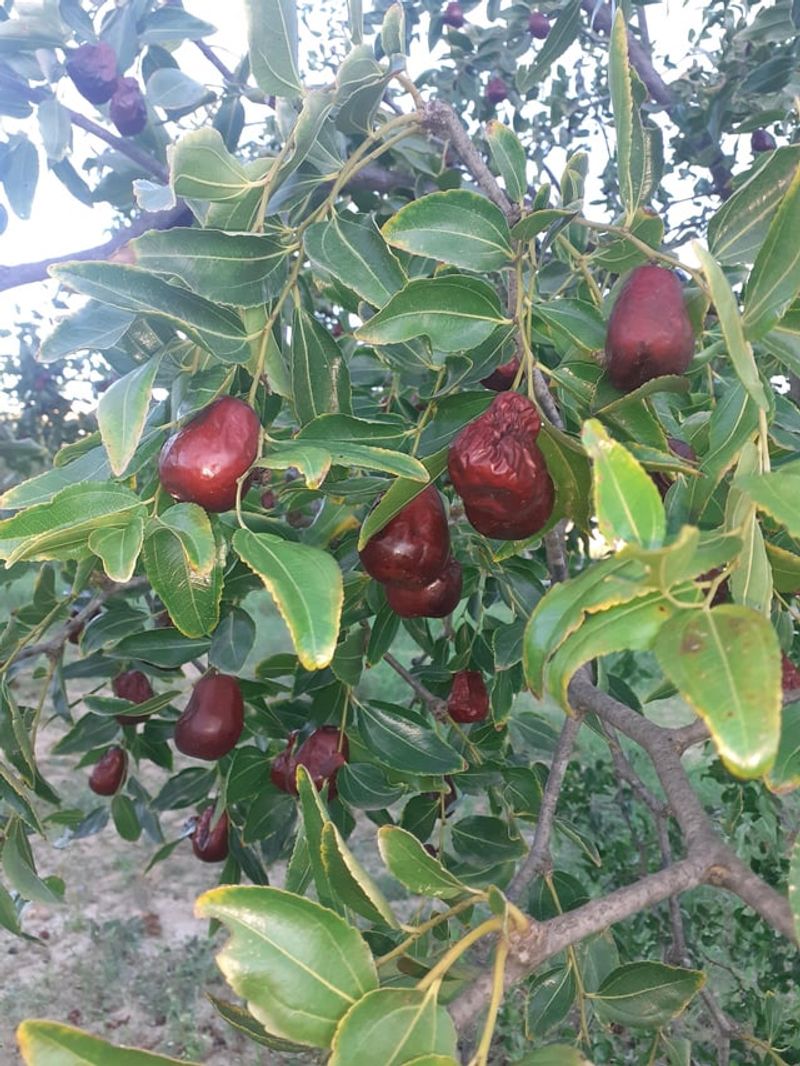
If you leave jujubes on the tree past their fresh stage, something interesting happens. The fruit begins to wrinkle and dry out, turning into a chewy, date-like treat. Many people love this stage.
The warm California air acts like a natural dryer. Instead of falling apart, the fruit shrinks and gets even sweeter. These dried jujubes store well for a long time.
Wrinkled skin is the main sign that this drying stage has begun. The fruit feels lighter and softer, with deep folds across the surface. Inside, the flesh becomes rich and concentrated.
Some growers plan for this on purpose. They let part of the harvest dry right on the branch for snacks and cooking. It saves the trouble of drying fruit indoors.
Just keep an eye out so birds and bugs do not get there first. Dried fruit is tempting to wildlife too. Picking it before it drops keeps your harvest safe.
You can eat these dried jujubes just like raisins or dates. They work great in tea, oatmeal, or baked treats. Their sweetness makes them a handy pantry item.
Not everyone likes the dried texture, so taste one first. If you enjoy chewy and sweet, this stage is a real treat. Letting fruit dry naturally is an easy way to stretch your harvest and enjoy jujubes in a whole new form.
8. Harvest Gently To Avoid Damaging Branches
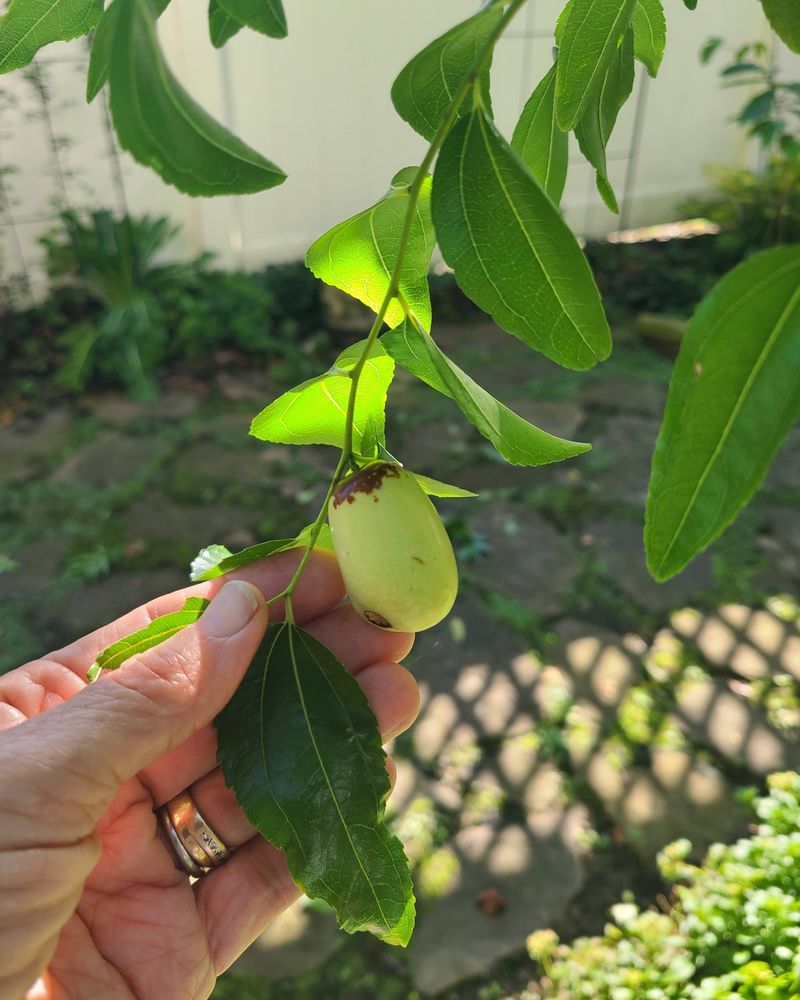
Once your fruit is ready, how you pick it matters just as much as when. Jujube branches can be thin and a little brittle, so rough handling can hurt the tree. A gentle touch keeps your plant healthy.
The best way is to twist each fruit softly until it lets go. Ripe jujubes release with only a little effort. If a fruit resists, it may need more time on the tree.
Try to hold the branch steady with one hand while you pick with the other. This keeps you from bending or snapping the wood. Small habits like this protect next year’s harvest.
Avoid yanking or pulling hard on the branches. Rough pulls can tear bark and leave wounds that invite pests. Slow and steady always works better.
For fruit high up, use a small ladder or a picking tool instead of shaking the tree. Shaking can drop good fruit and damage limbs at the same time. Careful reaching keeps everything safe.
Place picked fruit gently into a basket or bag. Jujubes bruise easily, so tossing them can cause soft spots. Handle them like the treats they are.
Taking care during harvest pays off in many ways. A healthy tree with strong branches gives you more fruit season after season. Gentle picking today means bigger, better harvests tomorrow, so slow down and enjoy the process.
9. Pick Fruit Before Wind Knocks It Down
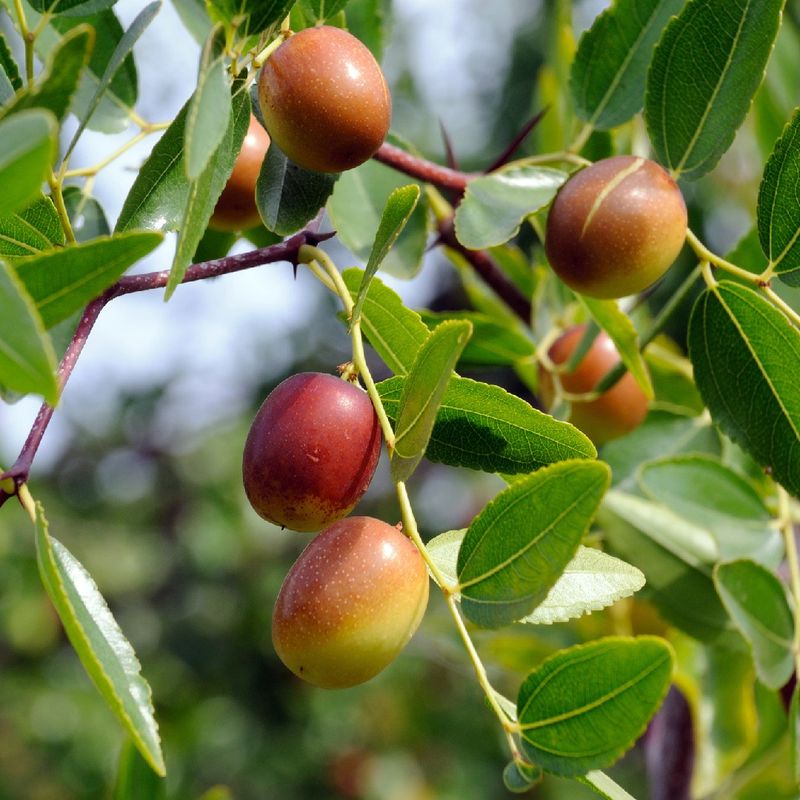
Weather can be a sneaky thief when it comes to ripe fruit. Strong California winds can shake loose jujubes and send them tumbling to the ground. Once they fall, they bruise and spoil fast.
Keeping an eye on the forecast helps you stay ahead. If gusty days are coming, pick your ripe fruit before the wind arrives. A little planning saves a lot of fruit.
Fallen jujubes are not always ruined, but they rarely last long. Ground fruit can attract ants, bugs, and hungry animals. Grabbing them quickly is your best bet.
Ripe fruit clings loosely to the branch, so even a mild breeze can drop it. That is why timely picking matters so much near the end of the season. Do not wait too long once fruit is ready.
Make it a habit to harvest right after you notice full ripeness. Waiting an extra week might mean losing part of your crop to the weather. Fresh off the tree beats off the ground every time.
If some fruit does fall, check it right away. Firm, undamaged ones can still be washed and eaten. Toss any that are cracked or crushed.
Staying alert to wind keeps more of your harvest safe and tasty. A quick pick on a calm morning protects all your hard work. With a little timing, you will enjoy nearly every jujube your tree produces.