10 Flower Seeds to Sow in October in California
October might be the most underrated seed month of the year, and plenty of gardeners miss it. Stores push pumpkins and mums, yet the real spring magic gets started right now in the soil.
Here in California, cool nights and the first rains do a lot of the heavy lifting for us. Seeds tucked in now spend winter building roots, while spring-sown seeds are still sitting in their packets.
I believe the payoff shows up in March, when fall-sown plants look sturdier and bloom weeks earlier. Some of these picks are tough natives, and others are old cottage favorites with a few surprising habits.
One flower on this list flings its seeds across the yard, and another climbs with curly little tendrils. Your seed packets deserve a front-row seat this month, and your future California spring garden will thank you.
California Poppy
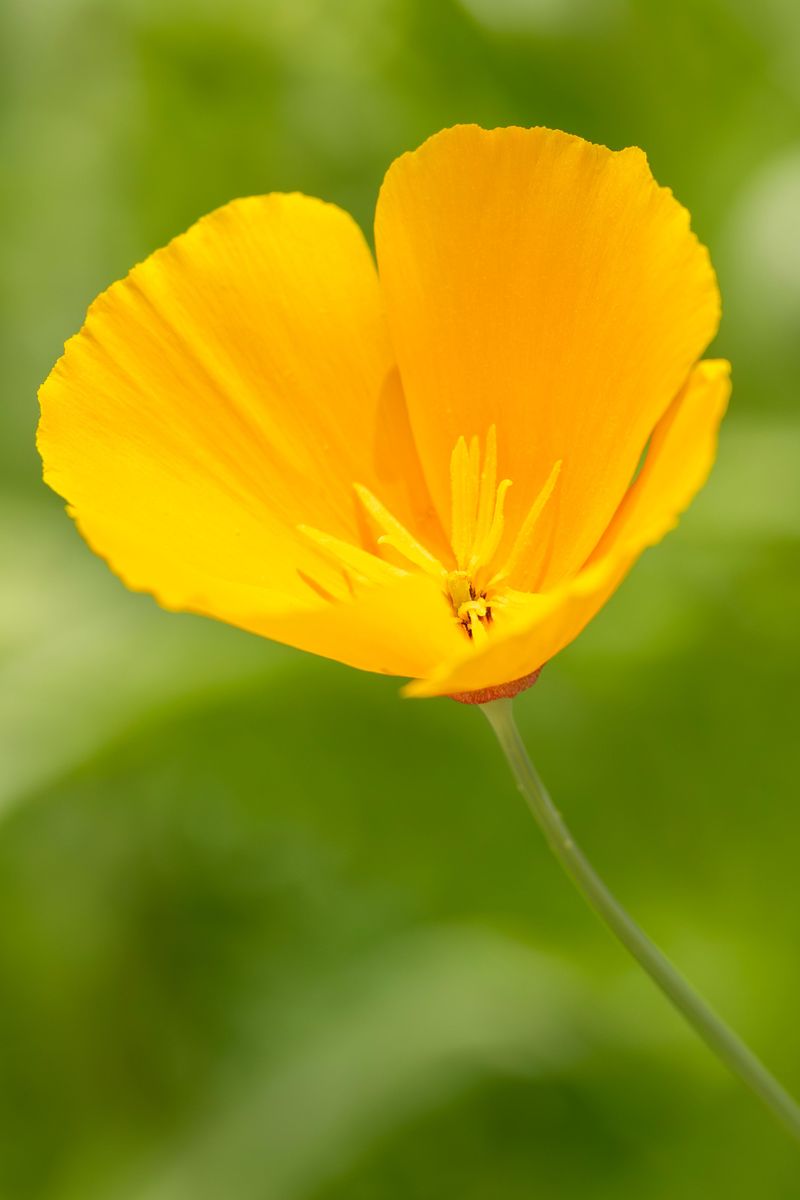
Few flowers fold up for bedtime, yet this golden beauty closes its silky petals every night and cloudy afternoon. It earned the title of California state flower back in 1903, and it still deserves the spotlight.
October sowing lets the seeds wake up with the first rains and build long taproots before spring. Those deep roots help plants handle dry spells later, which means more blooms and less fussing from you.
Scatter the tiny seeds right on the soil surface, then press them lightly with your palm or shoe. Poppies dislike being moved, so skip the seed trays and sow them exactly where you want them to grow.
Expect sprouts in roughly two to four weeks, depending on how cool and damp your autumn turns out. Feathery blue-green leaves show up first, and they look lovely even before a single bud appears in the bed.
Rich soil and heavy fertilizer often make poppies floppy, so a lean, sunny, well-drained spot suits them best. Once established, they need very little extra water, which makes them a smart pick for thirsty regions.
Bees adore the wide open cups, especially on warm mornings when the petals stretch out to soak up sunshine. In mild areas, some plants act like short-lived perennials and return from the same root for another year.
Leave a few slender seed pods on the plants, and listen closely on hot days for a tiny snap. Dry pods split open with surprising force, flinging seeds several feet and planting next year’s show for free.
Sweet Pea
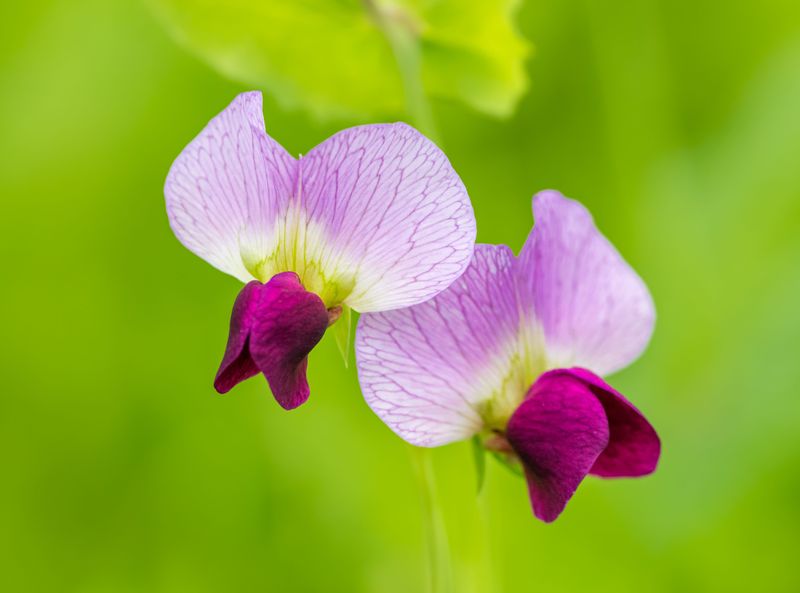
I’m sure one whiff of a sweet pea bouquet could convince anyone to start growing flowers this fall. Their ruffled blossoms carry a sweet, spicy scent that can fill a whole kitchen within a few minutes.
Mild winters give fall-sown sweet peas a huge head start, letting roots spread through cool, damp soil. Plants sown in October often bloom in late winter or early spring, well before spring-sown vines catch up.
Hard seed coats can slow things down, so soak the seeds overnight in lukewarm water before planting. Some gardeners also nick each seed with a nail file, which helps water sneak inside much faster.
Your California Garden Changes Every Week. Your Plan Should Too.
Gardening in California changes quickly throughout the season. Every Friday you’ll receive a simple weekly plan showing exactly what to plant, prune, fertilize, harvest, and protect so you never miss the right timing.
Plant seeds about one inch deep and a few inches apart in a sunny bed with good drainage. Germination usually takes one to three weeks, and the first shoots look like tiny green hooks pushing upward.
Vines climb with curly tendrils, so set up a trellis or netting before the seedlings get tall. Many varieties reach six feet or more, adding a cheerful wall of color to plain fences and sheds.
Picking flowers often keeps the vines producing, so cutting bouquets is actually part of good care here. Once pods form and ripen, the plant slows its blooming, so snip stems before seed pods start growing.
One caution matters a lot, since sweet pea seeds and pods are toxic if eaten by people or pets. Grow them away from curious puppies and toddlers, and simply enjoy the perfume from a safe distance.
Calendula
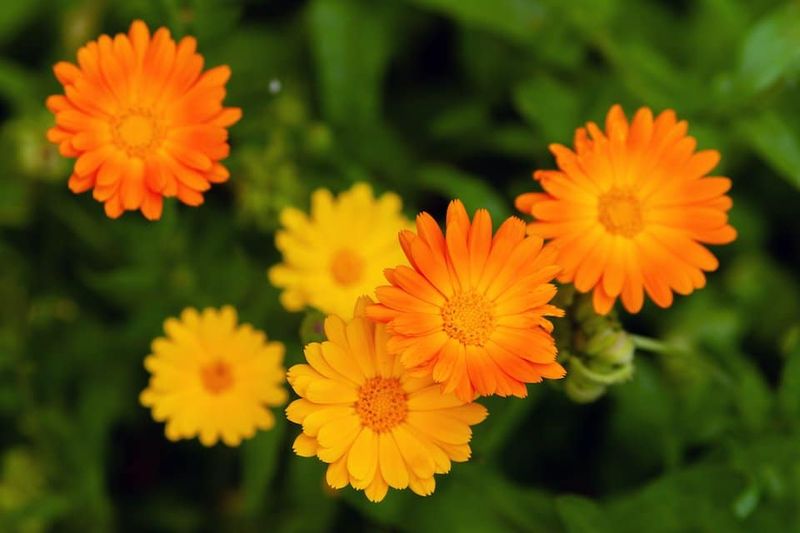
Sunshine in seed form might be the best way to describe this cheerful orange and yellow bloomer. Calendula seeds look like curled little caterpillars, so kids often get a kick out of planting them.
Often called pot marigold, calendula is actually a different plant from the French marigolds sold everywhere in summer. Cool weather suits it well, and mild coastal gardens can enjoy blooms through much of winter and spring.
Sow seeds about a quarter inch deep in well-drained soil, then keep the bed evenly moist for now. Sprouts usually pop up within one to two weeks, and the young plants grow quickly in cool weather.
Thin seedlings to about a foot apart so each plant has room to branch and produce more flowers. Crowded plants tend to struggle with powdery mildew, so good airflow is worth a little extra effort.
The petals are edible, and people have sprinkled them into salads and soups for hundreds of years. Many gardeners also dry the flowers for homemade skin salves, which makes calendula a plant with real purpose.
Pick blooms regularly to keep fresh buds coming, since plants slow down once they put energy into seeds. Ladybugs and hoverflies visit often, and those helpful insects can snack on aphids around your vegetable beds.
Late in the season, let a few flower heads ripen on the stems before you tidy up the bed. Calendula reseeds easily, so surprise seedlings may pop up next fall in spots you forgot about.
Larkspur
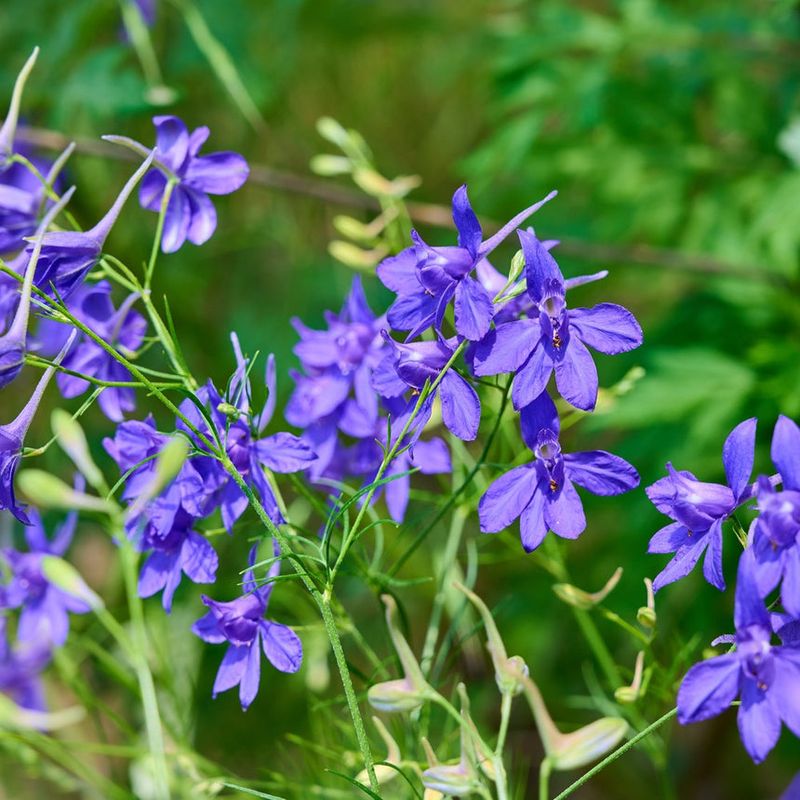
Tall spires in shades of blue and pink make larkspur look like it escaped from a fancy florist window. Yet this showstopper grows easily from seed, as long as you sow it during the cool months.
Fall planting matters because larkspur seeds germinate best in cool soil, often below about sixty degrees. October gives seedlings time to settle in, which usually leads to taller stems and bigger spring flower spikes.
Larkspur resents having its roots disturbed, so direct sowing works much better than starting seeds in pots. Cover the seeds with about an eighth of an inch of soil, because darkness helps them sprout.
Expect seedlings in about two to three weeks, and be patient if the weather stays a bit warm. Young plants handle light frost well, so chilly nights in inland valleys rarely slow them down much.
Choose a sunny bed with rich, well-drained soil, and mix in a little compost before you plant. Taller varieties may need light staking in windy spots, especially once the heavy flower spikes begin to open.
Larkspur makes a gorgeous cut flower, and the stems also dry beautifully for wreaths and winter arrangements. Cut stems when the lower blossoms open, and hang them upside down somewhere dark to keep their color.
Every part of the plant is toxic if swallowed, so keep it away from grazing pets and small children. Left alone after blooming, larkspur often reseeds, giving you a free crop of seedlings the following autumn.
Baby Blue Eyes
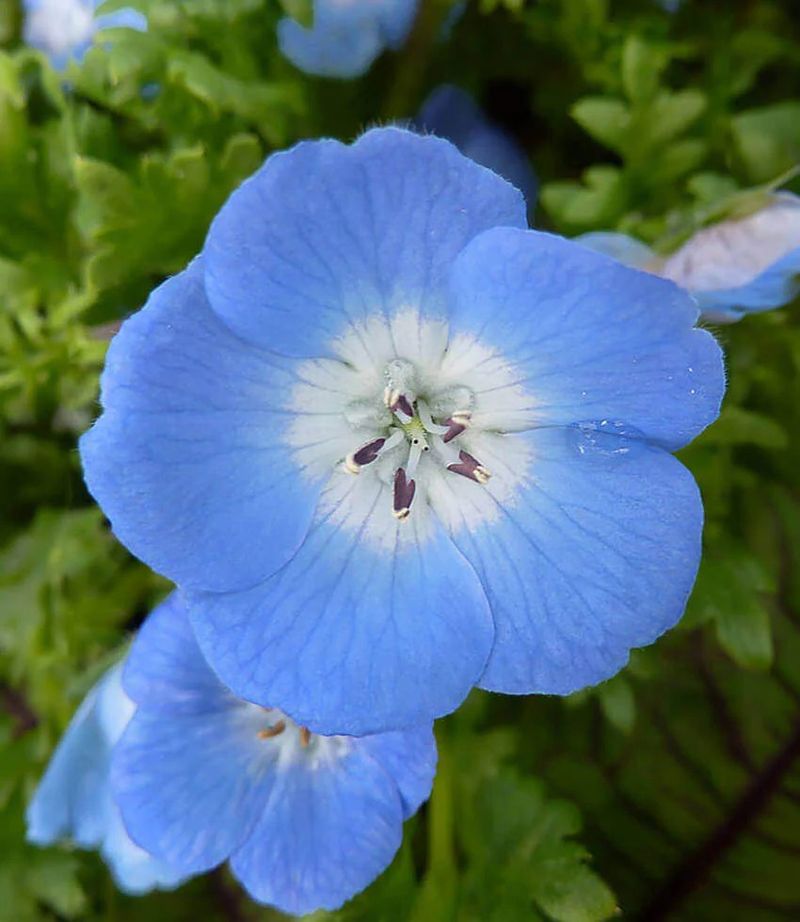
A carpet of sky-blue flowers at ankle height feels almost unreal, like spring spilled across the ground. Baby blue eyes, or Nemophila menziesii, is a California native annual that pulls off this trick with ease.
Each cup-shaped flower has bright blue petals that fade to a white center, often sprinkled with tiny dots. Plants stay low, usually around six to twelve inches tall, and spread gently into soft, trailing mounds.
October sowing lines up with nature, because wild seeds sprout after the first fall rains soak the ground. Scatter seeds over loose soil, then lightly rake them in so they sit just barely below the surface.
Keep the soil damp until seedlings appear, which can take one to three weeks in cool weather. Once growing, the plants handle winter chill well and need only occasional water if the rains arrive.
Full sun works near the coast, while partial shade helps plants bloom longer in hotter inland gardens. They look charming spilling from containers or edging a path where you walk past every single day.
Native bees visit the open flowers often, so these plants help feed pollinators early in the season. Bloom time usually runs from late winter into spring, though hot weather tends to end the show sooner.
Let the plants finish and dry out before pulling them, since seed pods ripen after the petals drop. Happy patches reseed on their own, and a small sowing can grow into a bigger blue carpet over time.
Tidy Tips
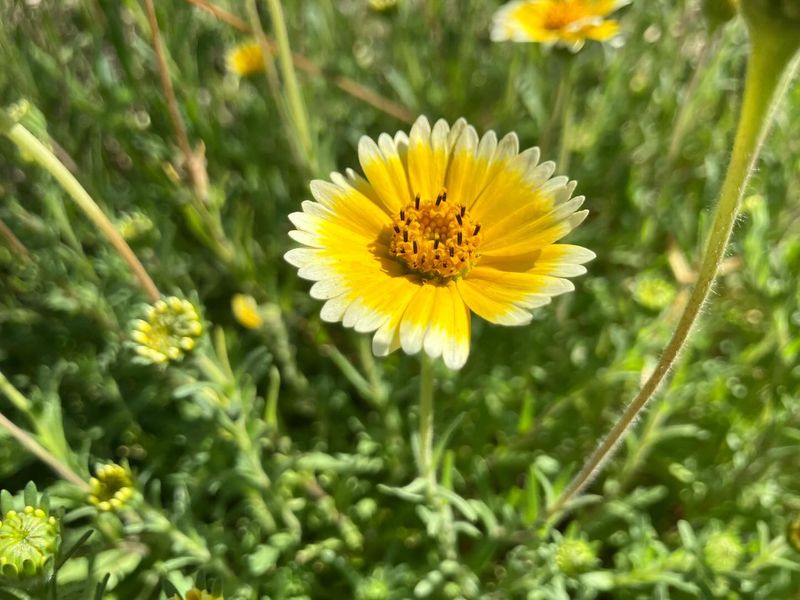
Somebody clearly took a paintbrush to these daisies, dipping every yellow petal into crisp white paint. Tidy tips, known to botanists as Layia platyglossa, wears that neat two-tone look on every single bloom.
This native wildflower grows wild in grasslands and coastal areas, where it often blooms alongside poppies and lupines. Seeds sown in October can use the natural winter rains, which saves you time with the hose.
Rake the soil lightly, scatter seeds on top, then cover them with just a dusting of fine soil. Seedlings usually appear within a few weeks, forming small clumps of narrow, slightly fuzzy green leaves near the ground.
Plants typically reach six to sixteen inches tall, so they fit nicely at the front of a sunny bed. Tidy tips adapts to many soil types, including clay, as long as water drains away instead of puddling.
Flowers open in spring and can last for several weeks, especially when winter rains were steady and generous. Bees and other small pollinators stop by often, and the bright blooms are easy for them to spot.
Containers work well too, giving apartment gardeners a chance to grow a true native meadow flower on balconies. Use a gritty potting mix and a sunny spot, and water only when the top inch feels dry.
Once flowering ends, let the seed heads dry on the plants so the next generation can drop naturally. Very little summer water is needed after that, which keeps this cheerful flower easy on your water bill.
Elegant Clarkia
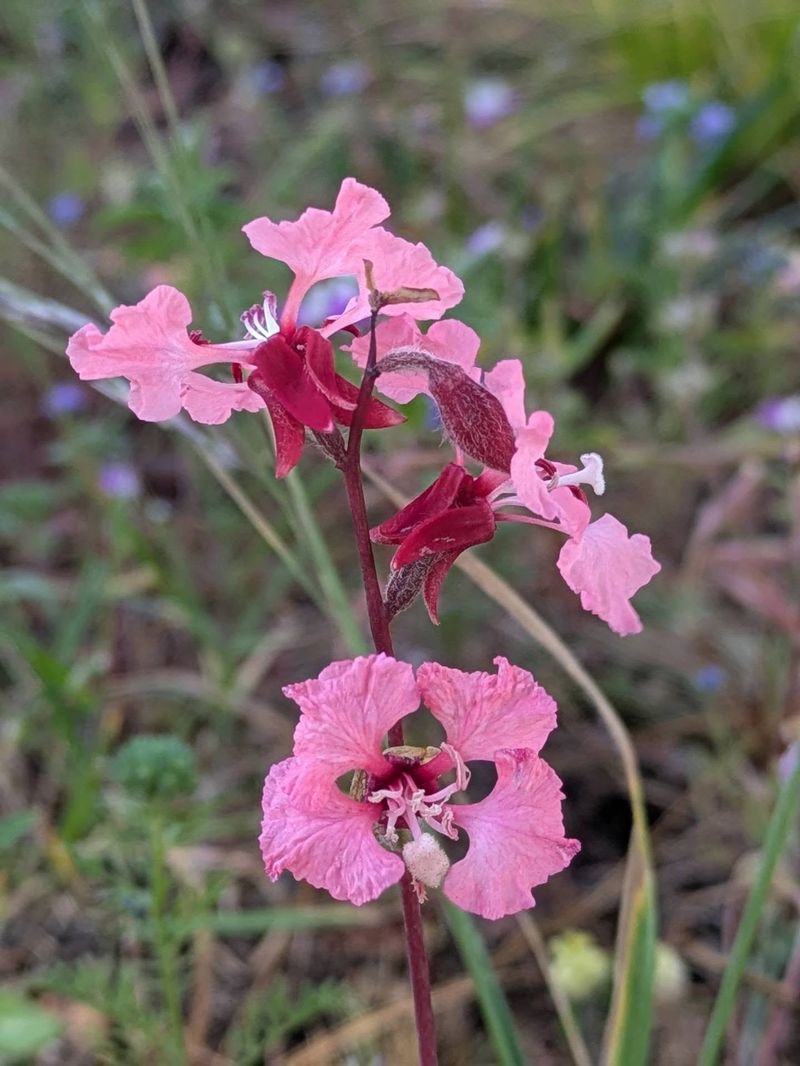
Ruffled flowers that look like tiny ballet skirts line every stem of this graceful native wildflower. Clarkia unguiculata was named after William Clark, the explorer who traveled with Meriwether Lewis across the West.
In the wild, it brightens foothills and woodland edges across much of California during late spring. Flowers come in pink, salmon, purple, and white, and they open one after another up the slender stems.
Fall is the ideal time to sow, because seeds need cool, damp months to sprout and grow sturdy roots. Scatter the tiny seeds over the soil and barely cover them, or simply press them firmly into place.
Mixing the seeds with a little sand helps spread them evenly, since they are almost as small as dust. Seedlings often show reddish stems, which can help you tell them apart from weeds in early winter.
Elegant clarkia handles full sun or light shade, so it fits nicely beneath tall trees with filtered light. It tolerates many soils, including heavy clay, which feels like a gift for gardeners with stubborn ground.
Blooms usually appear from late spring into early summer, extending the wildflower season after many others fade. Native bees and butterflies visit the blossoms, and the long stems make lovely cut flowers for small vases.
Stop watering once the plants start to brown in summer, and let seed capsules ripen on the stems. Elegant clarkia reseeds willingly, so one packet this October can lead to many seasons of pink ruffles.
Bachelor’s Buttons
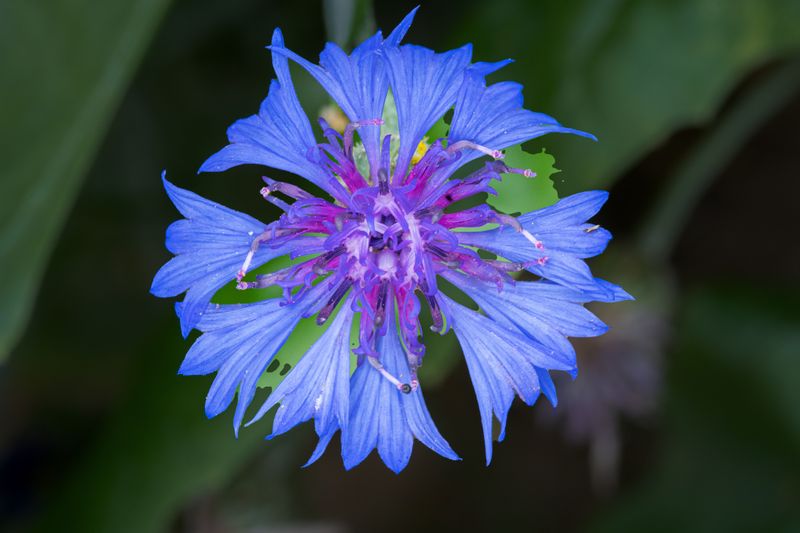
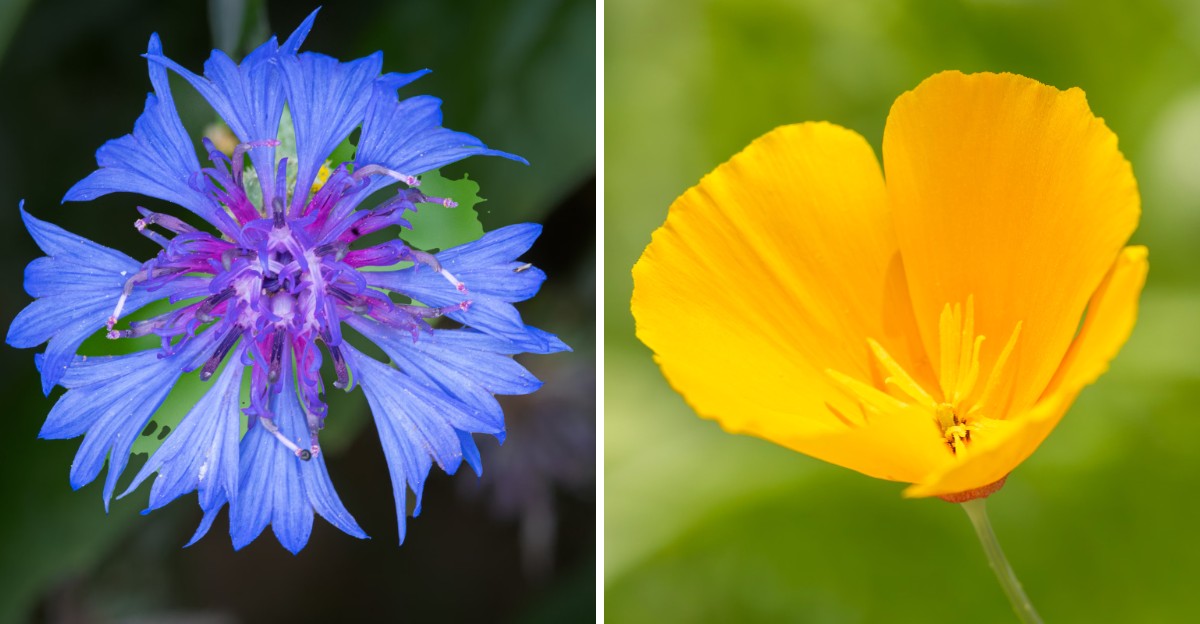
True blue is one of the rarest colors in the garden, and this flower nails it without trying. Bachelor’s buttons, also called cornflowers, have shaggy little blooms that look like someone fringed the petals with scissors.
Legend says young men once wore the flowers on their jackets, which is how the quirky name started. Today the blooms come in pink, purple, white, and maroon, along with that famous cornflower blue.
Fall sowing works well in mild winter areas, because young plants grow slowly and build sturdy roots. Cover seeds with about a quarter inch of soil, since darkness helps them sprout more reliably.
Sprouts often appear within one to two weeks, and they tolerate cool nights without much trouble. Thin seedlings to around eight to twelve inches apart so the plants have space to branch out nicely.
Full sun and average, well-drained soil suit them best, and too much fertilizer can cause floppy stems. Once established, they handle dry spells fairly well, though a deep drink during long dry periods helps.
The petals are edible and look adorable sprinkled over cupcakes or salads at a spring garden party. Bees and butterflies visit often, and finches may nibble the seeds once the flower heads dry later.
Snip faded blooms regularly to keep fresh buds coming, or cut long stems for simple countryside bouquets. Leave a few heads at season’s end, and the plants will likely reseed for another blue spring show.
Black-Eyed Susan
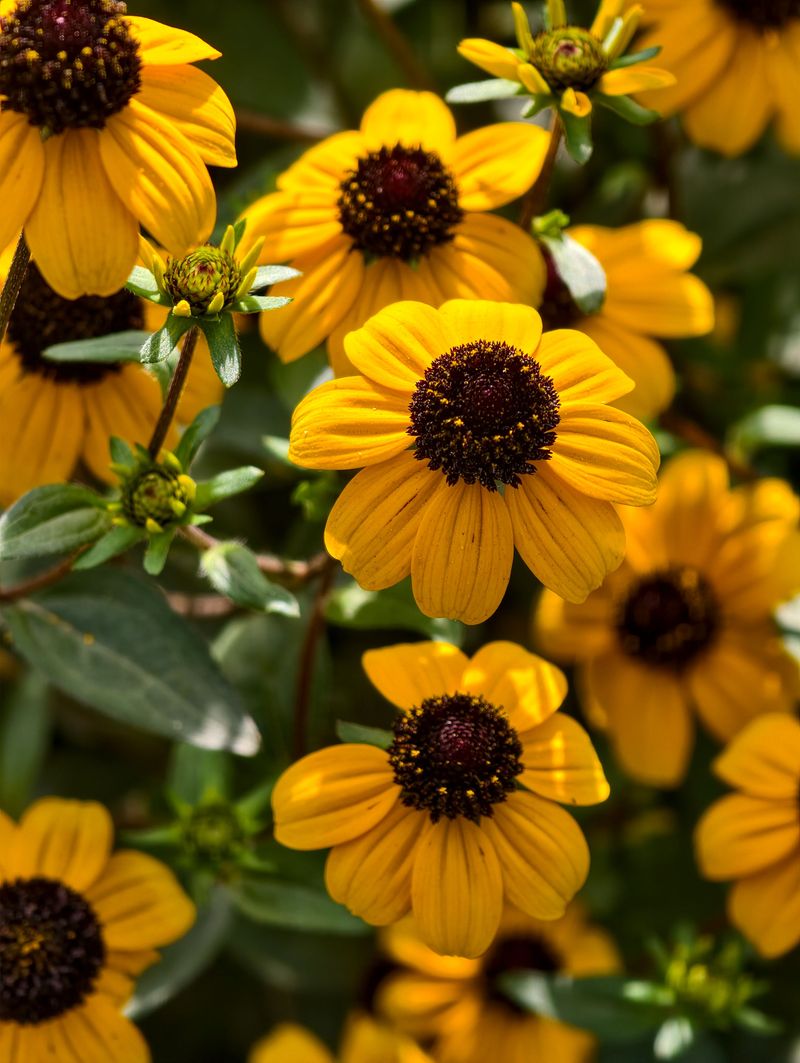
Golden petals around a chocolate-brown button give this flower a face that seems to grin at passersby. Black-eyed Susan, or Rudbeckia hirta, is native to North America and famous for being tough and cheerful.
Unlike the other picks here, these blooms usually arrive in summer, so October sowing gives a later reward. Planting now lets winter’s cool, damp weather prepare the seeds, which often improves germination once spring warms up.
Seeds need light to sprout, so press them onto the soil surface instead of burying them deeply. Mark the spot with a label, since nothing much may happen until the soil warms in spring.
Some plants act as annuals while others live a few years, depending on the variety and your local conditions. Either way, many will bloom their first summer when seeds go out in fall rather than late spring.
Give them full sun, ideally six or more hours daily, and soil that drains well after heavy rains. They tolerate poor or sandy ground better than many garden flowers, which makes them great for tricky corners.
Bees and butterflies love the open daisy shape, and goldfinches often pick at the seed heads later. Leave some flower heads standing into autumn, and the birds will turn your garden into a snack bar.
Once established, plants handle dry weather fairly well, though occasional deep watering keeps the blooms looking fresh. Spent flowers that stay on the plant drop seeds nearby, so new seedlings may appear around the original clump.
Penstemon
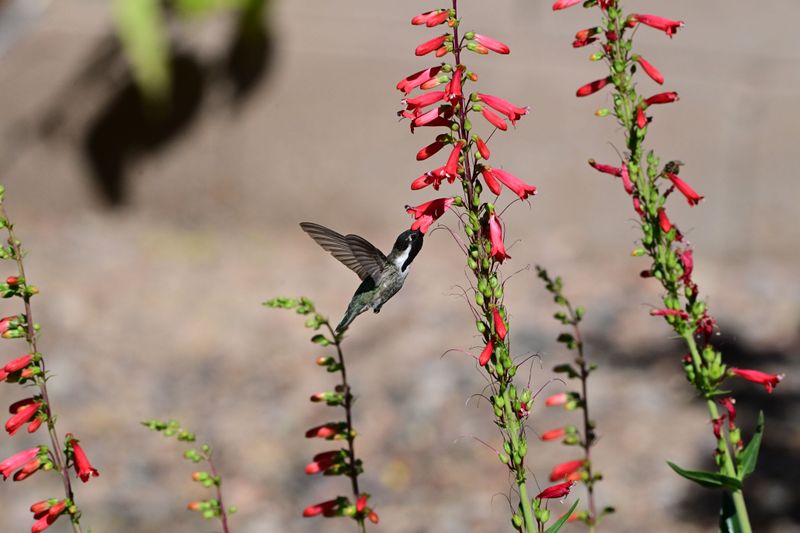
Hummingbirds seem to have a sixth sense for penstemon, zooming in the moment the first tubular flower opens. Often called beardtongue, these plants have a fuzzy sterile stamen inside each bloom that looks like a tiny tongue.
California hosts dozens of native penstemon species, from scarlet bugler to foothill penstemon with its sky-blue flowers. Most are perennials, so your October seeds can grow into plants that bloom for several years in a row.
Many penstemon seeds need a cold, moist period before they sprout, and fall sowing provides that naturally. Scatter seeds on the surface or barely cover them, because many species germinate better with some light exposure.
Germination can be slow and uneven, so do not give up if sprouts take several weeks to appear. Some gardeners sow seeds in pots outdoors, which makes it easier to spot the tiny seedlings among weeds.
Lean, fast-draining soil suits penstemons best, and heavy clay or rich compost can cause roots to rot. Gravelly slopes and raised beds work nicely, since standing water in winter often causes these plants to struggle.
Full sun brings the most flowers, although a few species appreciate afternoon shade in hot inland areas. Once settled, many need only occasional summer water, which makes them a favorite for water-wise native gardens.
Deer usually leave penstemons alone, which is a real relief for gardeners near hillsides and open space. Plant a few seeds now, and next year you may get front-row seats to a busy hummingbird buffet.