What To Try When Overseeding Doesn’t Fill The Bare Patches In A California Lawn
Some lawn problems refuse to take a hint. Fresh seed goes down, the sprinkler runs faithfully, and weeks later the same brown spots remain, dotted with a few thin, weak seedlings.
Frustration tends to follow, along with a trip to the store for another bag.
More seed rarely solves the puzzle, though. Stubborn patches usually hide a deeper story, written somewhere beneath the surface or around the edges of the yard.
California adds its own twists, from long, dry summers to heavy soils and grasses with very different habits.
A little detective work, a few smarter steps, and sometimes an entirely different approach can change the outcome.
Those tired brown spots may be closer to green than they look.
1. Find The Cause Before Reseeding
A screwdriver that refuses to sink into the ground reveals more than any seed bag ever could. Bare patches rarely appear by accident, and they usually return for the same reason they started.
Compaction tops the suspect list. A screwdriver pushed into moist soil in the bare spot, then in a healthy area, shows the difference quickly.
Resistance in the bare spot points to foot traffic or heavy equipment squeezing the soil too tight for roots. Shade comes next, since most lawn grasses need several hours of direct sun.
A patch under a dense oak or beside a tall fence may struggle to thicken, no matter how much seed lands there. Thatch deserves a look as well.
A small wedge of turf cut near the patch reveals the spongy brown layer above the soil. UC IPM lawn guidance treats more than about half an inch as worth fixing.
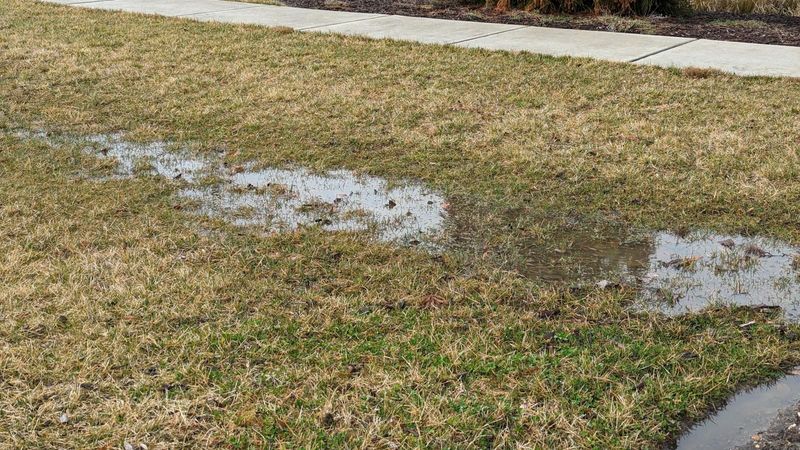
Puddles after watering point to poor drainage. Turf that lifts like a loose rug at the patch edge, with white C-shaped grubs underneath, signals insects feeding on roots.
Yellow spots ringed with green often mean dog urine. Sprinkler gaps can also leave dry crescents, and watching the system run shows where water actually lands.
Notes on each finding make the next steps easier. Every cause has its own fix, and matching the two saves money, time, and plenty of wasted seed.
2. Test Soil And Fix Nutrient Problems
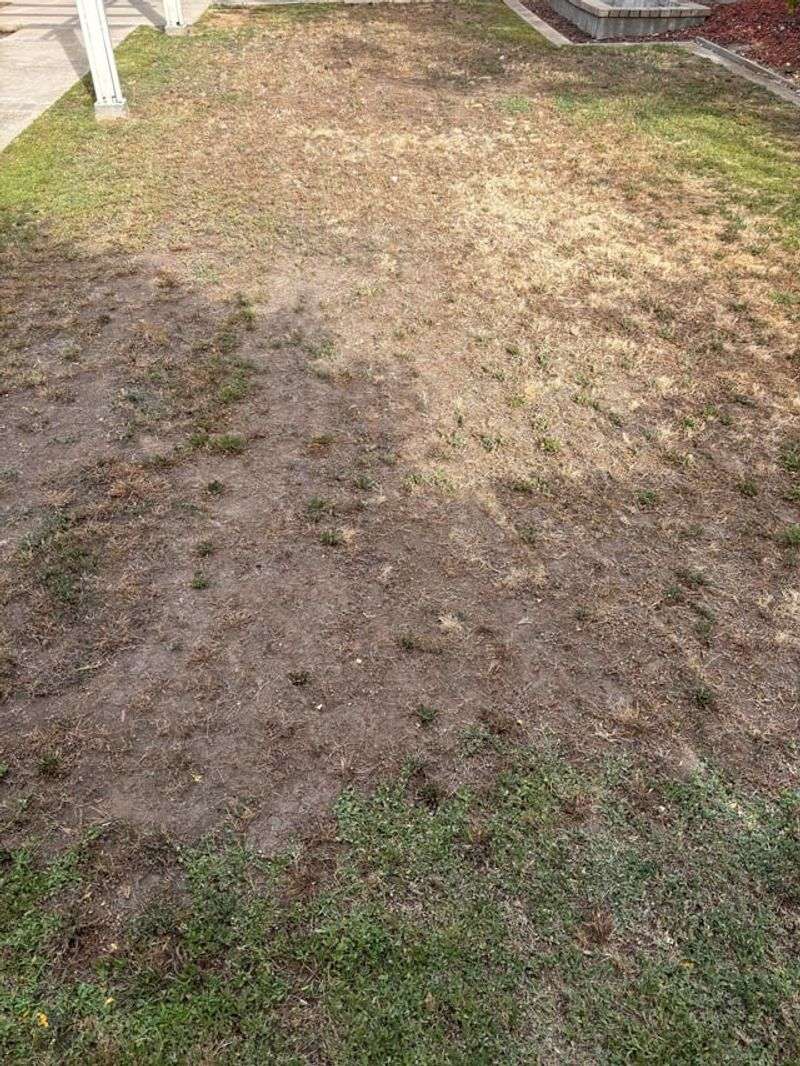
Seeds can sprout in almost anything, but thriving takes more. Plenty of patches stay thin because the soil underneath lacks something, or holds too much of something else.
A soil test takes the guessing out of the job. Samples from several bare spots, dug about four to six inches deep and mixed in a clean bucket, give a good overall picture.
A portion of that mix goes to a soil testing lab. Many California labs report pH, salt levels, and nutrients like phosphorus and potassium.
UC ANR resources or a local nursery can point toward a lab nearby. California soils often lean alkaline, especially in drier inland areas, and very high pH can lock up iron and leave grass pale yellow.
Salty soil causes trouble where irrigation water runs hard or rainfall stays low. Salts build up near the surface and stress tender seedlings first.
Your California Garden Changes Every Week. Your Plan Should Too.
Gardening in California changes quickly throughout the season. Every Friday you’ll receive a simple weekly plan showing exactly what to plant, prune, fertilize, harvest, and protect so you never miss the right timing.
Results show what to add and what to skip. Low phosphorus might call for a starter fertilizer at seeding time.
Salty soil may need a few deep waterings to flush salts below the root zone. Gypsum can help some sodium-heavy soils, though only when the test shows sodium as the real problem.
Random amendments are best avoided. Extra fertilizer on soil that already has plenty mostly feeds weeds and washes into storm drains.
Testing first and treating second gives new seed a fair shot. That small investment often costs far less than another disappointing round of seeding.
3. Rake Bare Soil To Loosen The Top Inch
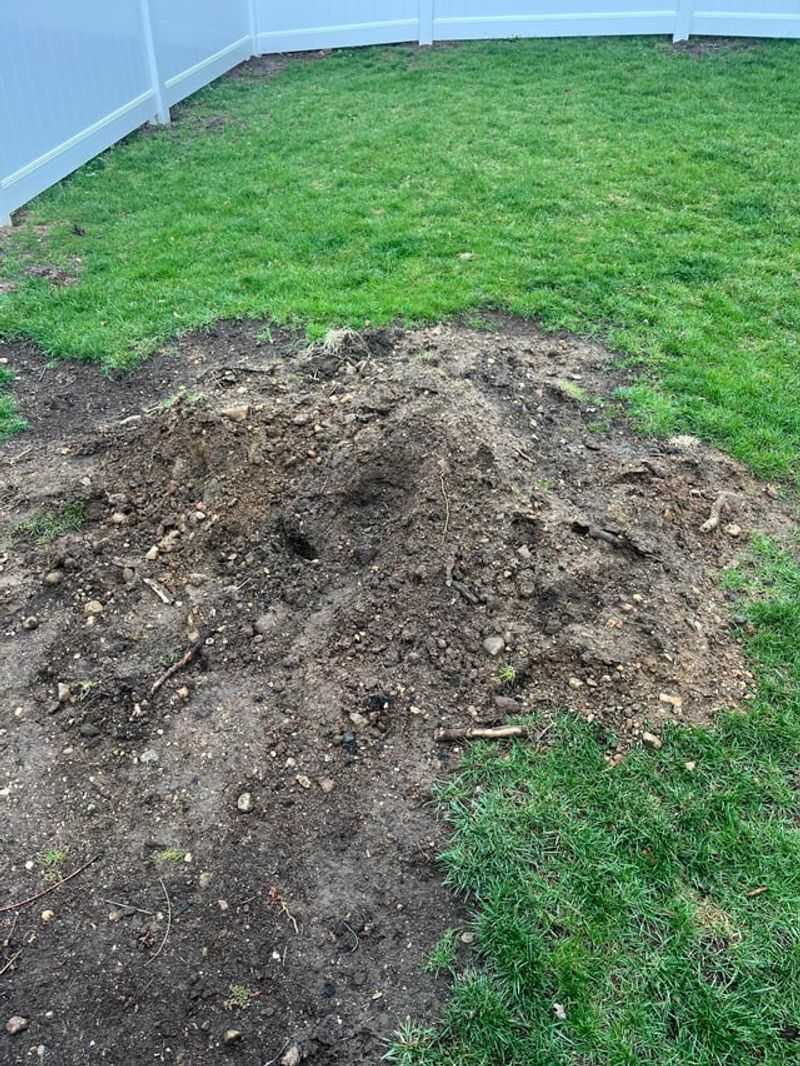
Seed scattered on crusty, hard ground mostly becomes a snack tray for birds. Without good contact with loose soil, seeds dry out, wash away, or simply sit there.
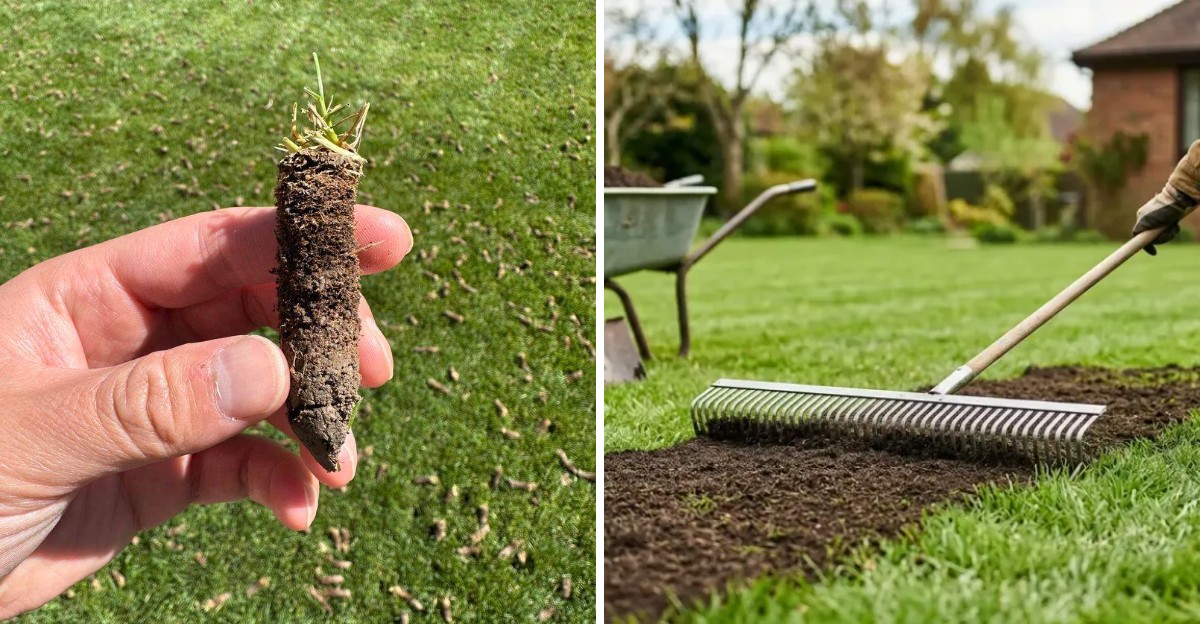
A few minutes with a rake can change that. A stiff steel bow rake or a hand cultivator scratched firmly across the patch loosens the top inch until it turns crumbly.
Spent grass, rocks, and old runners are best pulled out along the way. Working the edges where bare soil meets healthy turf helps new grass blend in.
Soil moisture matters during this step. Clay soil, common across much of California, turns rock hard when dry and sticky as glue when wet.
Slightly damp soil that crumbles in the hand gives the best results. A light watering a day ahead softens ground that feels like pavement.
After seeding, a gentle second pass with the rake settles most seeds about an eighth to a quarter inch deep. Stepping on the area or rolling it lightly then presses the surface firm.
That firm contact helps each seed pull moisture from the soil around it. Small details like this pay off quickly.
Seed sitting on top of hard ground might sprout a little, then struggle as roots hit a wall. Seed tucked into loose, firmed soil roots down fast and holds tight.
The extra effort works like fresh sheets on a guest bed. Everything feels more welcoming when the new arrivals show up.
4. Aerate Compacted Spots
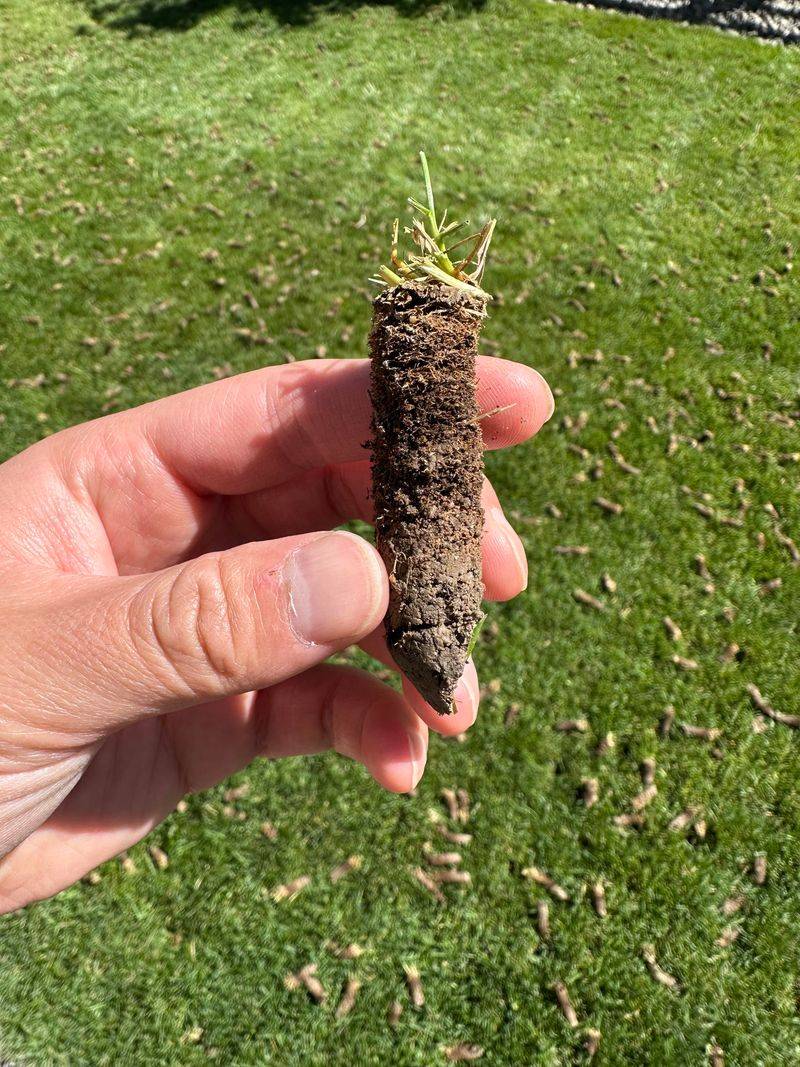
Daily shortcuts across the same corner can pack soil as tight as a baseball infield. Roots struggle to push through, water runs off instead of soaking in, and air rarely reaches the root zone.
Raking alone can’t fix soil that hard. Core aeration offers a stronger solution.
This process pulls small plugs of soil out of the ground, usually two to three inches deep. The holes let air, water, and roots move downward again.
UC IPM lawn guidance favors core aerators over spike tools. Spikes can press soil together even tighter around each hole.
Timing should match the grass. Cool-season lawns like tall fescue respond best in fall or early spring, when they grow fastest and recover quickly, which makes October a fine window.
Warm-season lawns like Bermuda and zoysia do better with aeration from late spring into summer. Watering a day or two ahead helps the tines go in easily.
Small patches work well with a manual core aerator, the kind pressed into the ground like a shovel. Bigger areas go faster with a rental machine from a hardware store.
Soil plugs can stay on the surface to break down, or get raked into the bare spot to help fill it. Both approaches return that soil to good use.
Addressing the source matters, too. Stepping stones or a redirected path keep traffic from packing the soil down again, sparing the patch another round of trouble.
5. Spread A Thin Layer Of Compost
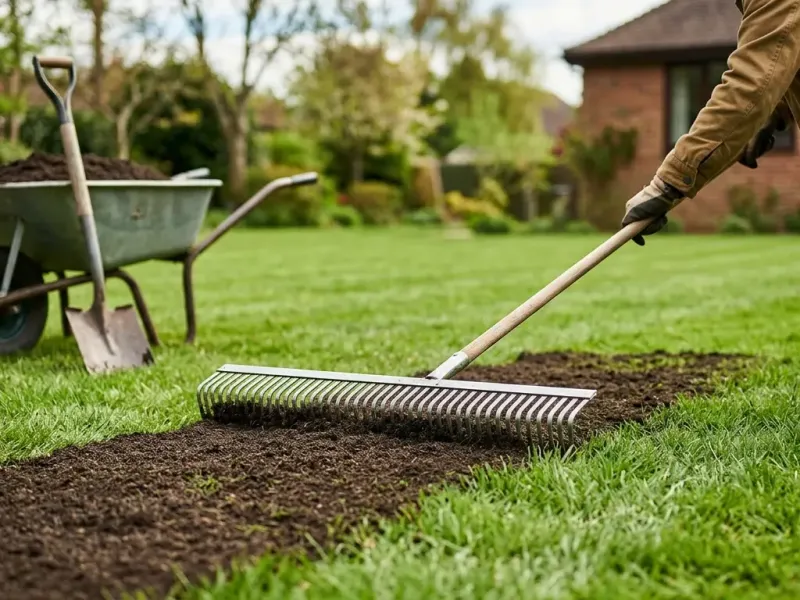
Dark, crumbly compost looks a lot like chocolate cake mix, and seedlings seem to love it just as much. A light dusting over a bare patch can turn a tough seedbed into a friendly one.
Restraint matters here. About a quarter inch of fine, screened compost over loosened soil usually does the trick.
Some gardeners go up to half an inch. Thicker layers can bury seed too deeply or form a separate layer that dries out fast.
Bits of soil peeking through signal the right amount. Compost helps in several ways, and in heavy clay, it improves the surface so water soaks in instead of beading up.
In sandy soil, it holds moisture longer between waterings. It also shades seed slightly and adds organic matter that feeds helpful soil life.
Fully finished compost works best. It should smell earthy rather than sour and feel cool rather than hot.
Unfinished compost can carry weed seeds or tie up nitrogen as it keeps breaking down. Many California cities offer free or low-cost compost made from yard waste, a welcome budget bonus.
Seed can go down before or after the compost, followed by a light raking to mix the two together. Either order works well.
Topdressing right after core aeration brings extra benefits, since compost falls into the holes and improves soil deeper down. A small effort here gives a struggling patch a genuine fresh start.
6. Use Seed That Matches Your Grass
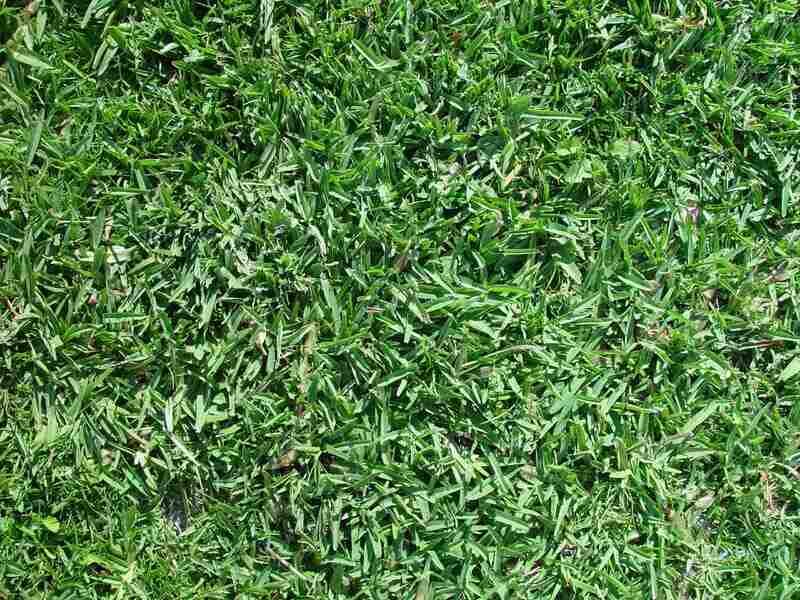
A lawn that looks like a patchwork quilt usually tells a simple story. Someone patched Bermuda grass with fescue seed, or the other way around, and the colors, textures, and growing seasons clash for years.
Identifying the existing grass comes first. Tall fescue, perennial ryegrass, and Kentucky bluegrass are cool-season grasses common in coastal and northern California.
Bermuda, zoysia, St. Augustine, and kikuyu are warm-season grasses that thrive in hot inland valleys and Southern California. A local nursery can often identify a sample brought in from the yard.
Cool-season lawns patch well from seed. Fall offers the best window across most of California, roughly September through October, when soil stays warm while the air cools.
That puts this month squarely in the sweet spot for cool-season repairs. Early spring works as a backup, though seedlings face summer heat sooner.
Warm-season lawns follow a different script. Bermuda and zoysia spread by runners and fill in poorly from fall seed, since they slip into dormancy as weather cools.
Late spring to early summer marks their growing season. Even then, many warm-season types patch better with sod, plugs, or stolons.
One more trap catches plenty of homeowners. Pre-emergent herbicides, often found in weed-and-feed products, stop grass seed from sprouting just as they stop weed seed.
Reading the label and waiting the full time it lists before seeding helps avoid that frustration. Skipping that step can leave fresh seed sitting idle, with nothing to show for the effort.
7. Keep Seed Moist Until It Sprouts
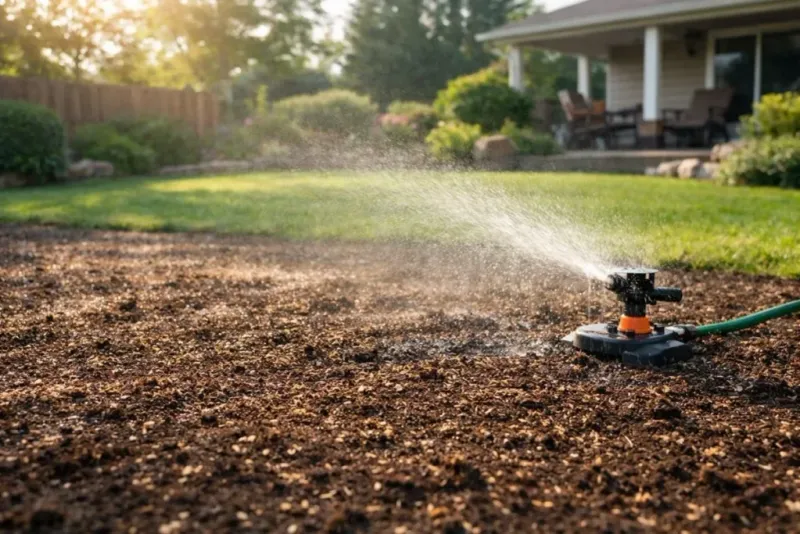
One hot, breezy afternoon can undo a week of progress. Seed that starts to sprout and then dries out rarely recovers.
In sunny California, keeping the top layer damp is the trickiest part of the job. Light, frequent watering works best.
New seed usually needs a short sprinkle two or three times a day, just enough to keep the top inch moist.
Deep soaking at this stage tends to wash seed away or leave puddles. A gentle mist nozzle or a sprinkler set for a few minutes handles the task nicely.
Weather calls for flexibility. Cool, foggy coastal days may need only one light watering, while a hot inland day in the Central Valley might need three or four.
A fingertip pressed into the soil offers a quick check. A dry surface signals time for another sprinkle.
Patience belongs in the plan. Perennial ryegrass can sprout in about a week, while tall fescue often takes ten days to two weeks.
Kentucky bluegrass may need three weeks or longer. The routine continues until seedlings fill in evenly.
Once new grass reaches about two inches tall, a gradual shift makes sense. Watering less often but more deeply pushes roots downward.
Foot traffic on the area is best kept to a minimum. The first mowing works best once grass reaches around three inches, with sharp mower blades that cut cleanly rather than tearing tender leaves.
8. Switch To Sod Or Plugs For Stubborn Spots

Three rounds of seed with little to show for them signal time for a new strategy. At some point, transplanting beats seeding.
UC IPM lawn guidance lists sod, seed, stolons, and plugs as ways to patch bare soil. Seed doesn’t always come out on top.
Sod delivers instant results. The bare patch gets cut into a neat square, the soil loosened, and a matching piece of sod laid so its edges sit snug against the existing lawn.
Pressing it firmly and watering daily helps roots knit into the soil, usually within two to three weeks. The repair blends in faster than most seeded patches.
Plugs are small chunks of grass with roots attached. Planted a few inches apart across the patch, they spread outward to fill the gaps.
Zoysia and St. Augustine often get patched this way. Stolons, the creeping stems of grasses like Bermuda, can be spread over loose soil, pressed in, and kept moist until they root.
Timing still matters. Warm-season sod, plugs, and stolons go in best in late spring or early summer, when those grasses grow fast.
Cool-season sod roots best in fall or early spring, away from summer heat. That makes autumn a strong season for fescue repairs.
Fixing the original cause comes before laying anything down. Sod placed on compacted, shady, or soggy ground struggles just as seed did.
The right patch on corrected soil finally turns that stubborn spot green for good.