The Florida Native Tree Serious Homeowners Are Choosing This September That Big Box Stores Almost Never Stock
Your local garden center has been selling you the same tired lineup for years, while serious Florida homeowners quietly plant something better and never mention it.
Big box stores stock whatever ships easy and sells fast, which means certain native trees get skipped entirely despite thriving better than anything on those shelves.
This particular tree shrugs off hurricane winds, handles sandy soil without complaint, and pulls in native birds and pollinators that ornamental imports never attract.
September marks the ideal planting window too, since the ground stays warm enough for roots to establish before any cold snap arrives.
Homeowners who track this stuff down usually hear about it from a local nursery specialist or a neighbor with decades of yard experience, not a big-box employee reading a tag.
Once established, it demands almost nothing from you while everything else in the yard needs babying.
Track one down this month, because waiting until spring means starting a full season behind.
1. Meet Florida Maple, The Native Tree Most Garden Centers Overlook
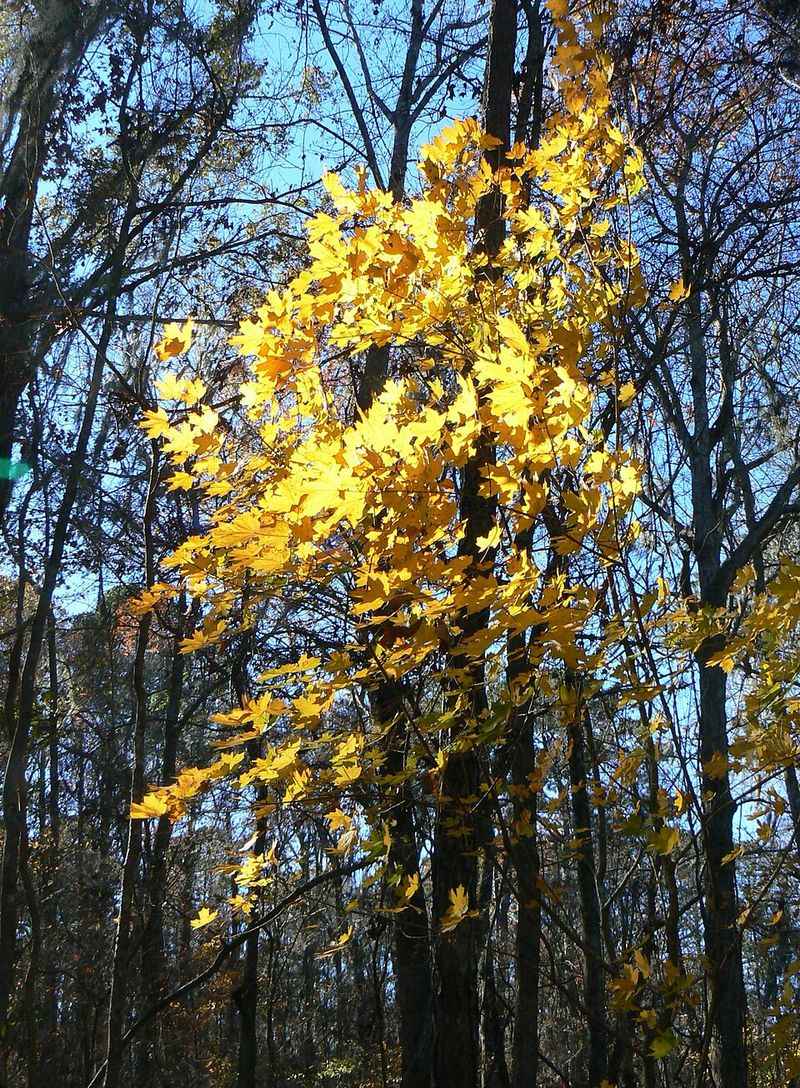
Say hello to Acer saccharum subsp. floridanum, better known as Florida maple or southern sugar maple. Yes, the Sunshine state really does have its own maple, and it has been growing here long before subdivisions arrived.
The tree is deciduous, meaning it drops its leaves in cooler months and leafs back out in spring. Its natural range stretches across our state and the southeastern states, reaching all the way west into Texas.
Size is part of the appeal. Most landscape specimens settle in around 20 to 30 feet tall, though a happy one tucked into rich, moist ground can push toward 60 feet over many decades.
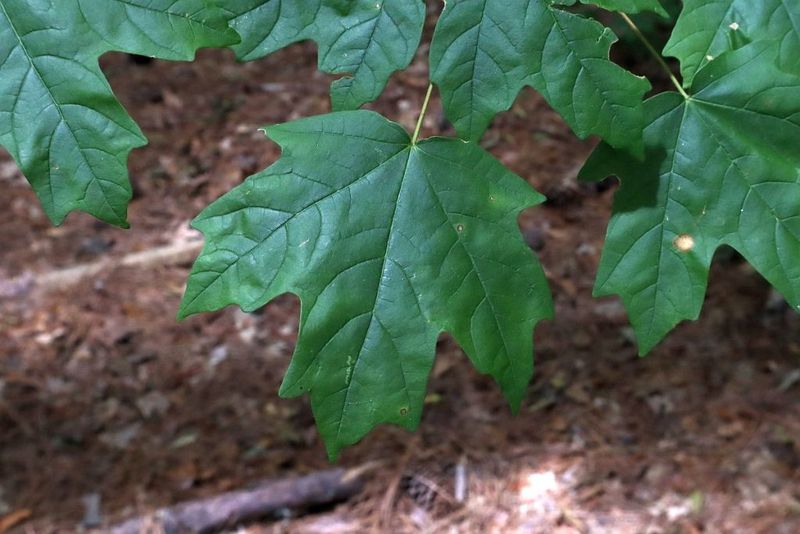
Look closely at the leaves and the family resemblance shows up right away. They grow in opposite pairs, usually with three to five squarish lobes, measuring roughly 2 to 4 inches across, green on top with a whitish or paler green underside that flickers in a breeze.
Older trunks earn a quiet kind of beauty too. The bark turns a ribbed, textured gray that looks almost sculpted, the sort of detail tree lovers photograph in winter when branches are bare.
Many chain garden centers focus on more familiar landscape plants, which can make less common natives harder to find. That gap is exactly why finding one feels like a small victory.
2. Choose This Underused Native For Shade And Seasonal Color
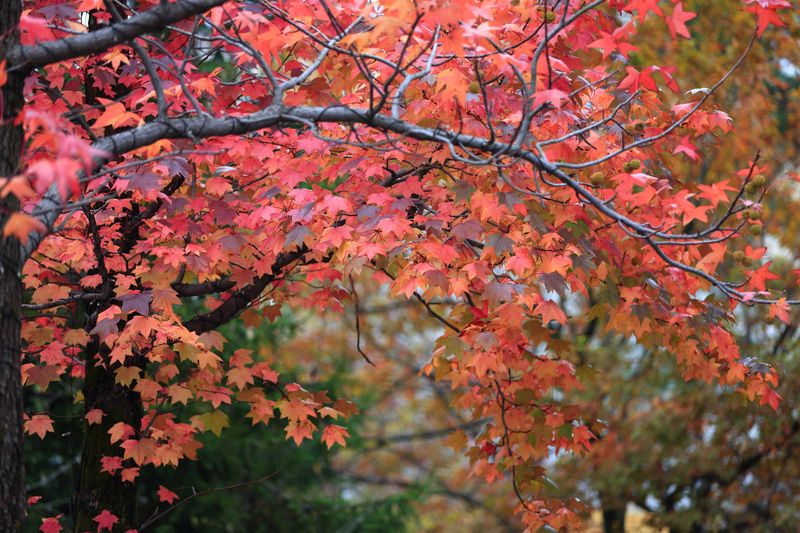
Shade and fall color rarely show up in the same tree, which is what makes this one such a find. The crown grows round to oval with good density, so it throws real, cooling shade instead of thin dappled light.
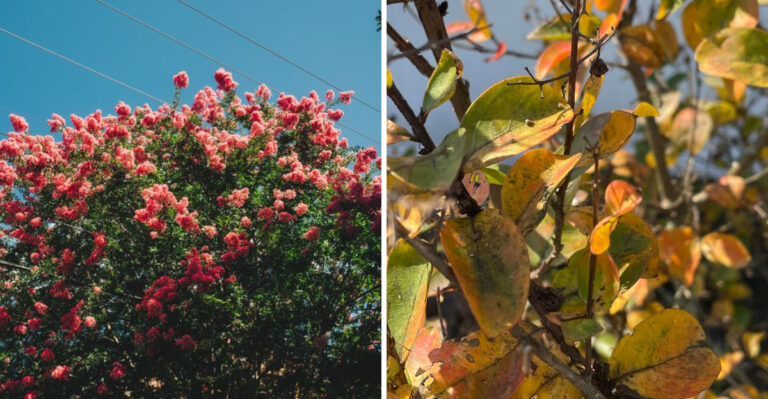
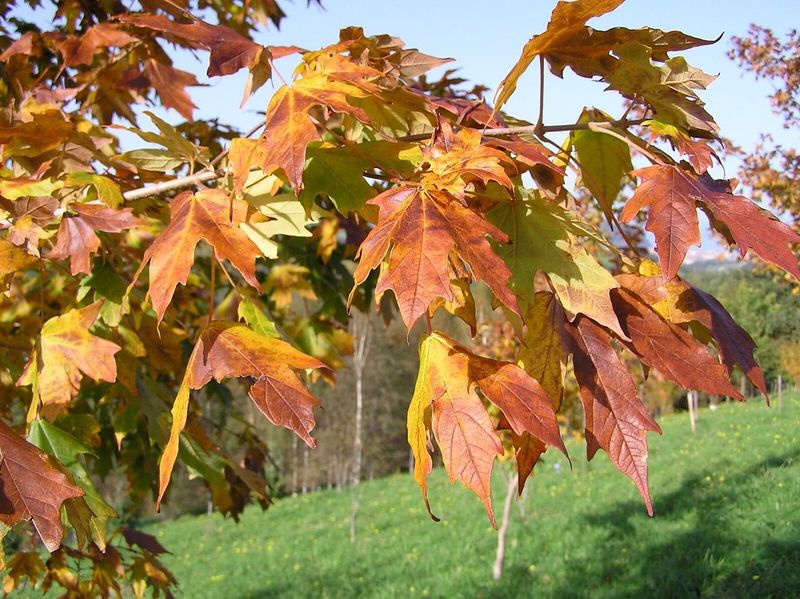
Come late fall, the show begins. Leaves shift into muted yellows and oranges, and some trees surprise you with touches of red, a look most folks associate with mountain vacations rather than a front yard in Ocala.
That autumn display stands out even more because so much of our landscape stays evergreen year round. One Florida maple can give a whole yard a sense of changing seasons.
Your Florida Garden Changes Every Week. Your Plan Should Too.
Gardening in Florida changes quickly throughout the season. Every Friday you’ll receive a simple weekly plan showing exactly what to plant, prune, fertilize, harvest, and protect so you never miss the right timing.
Heat tolerance is the practical advantage. Northern sugar maples sulk in our summers, while this southern subspecies is built for warmer conditions and handles the humidity with far less fuss.
Think about where you want relief from afternoon sun. Planted on the west or southwest side of a house, the canopy shades walls during the hottest hours, then drops its leaves so winter sunshine warms the same rooms.
Homeowners who use it as a specimen tree near a patio get double value, cool shade in July and a warm-toned backdrop in November. Few natives multitask quite that gracefully.
3. Give Florida Maple The Right Spot Before It Becomes A Standout
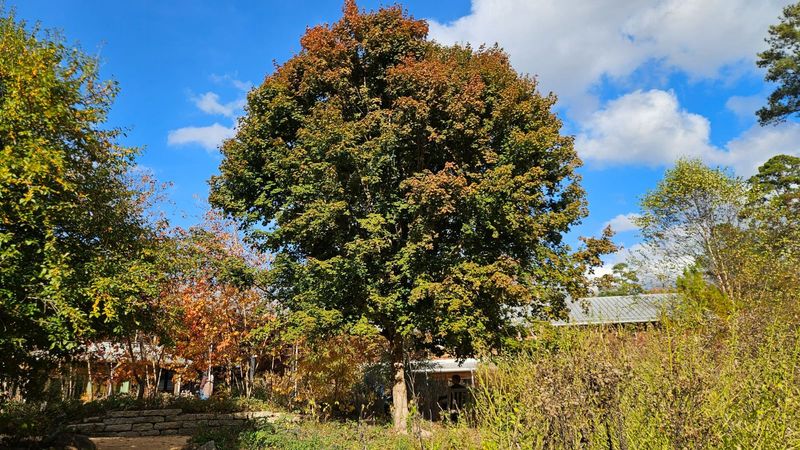
Placement makes or breaks this tree, so grab a tape measure before you grab a shovel. Full sun to partial shade suits it well, and a spot with some afternoon relief works fine in hotter parts of the state.
Roots deserve your attention early. Like many trees, Florida maple can develop surface roots in some conditions, especially as it matures, so placement matters near lawns and walkways.
A smart fix is simple. Plant it where you will not need to mow tight against the trunk, then ring the base with a wide mulched bed that keeps blades and string trimmers at a safe distance.
Give the canopy elbow room as well. Mature spread lands somewhere between 25 and 40 feet, so a cramped side yard or a narrow strip between driveway and fence will feel crowded within a decade.
Picture the tree at full size, not the sapling in the pot. Keep it well away from the house corner, septic drain field, and overhead utility lines, and you avoid expensive pruning later.
One more tip from people who have done this right. Stand at your kitchen window and imagine that fall color framed there, because placement decides whether you enjoy the view or just the shade.
4. Look Beyond Live Oaks For A More Unexpected Florida Tree
Southern live oak gets picked nine times out of ten, and honestly, it earns the love. Quercus virginiana handles drought, shrugs off wind, tolerates almost any site, and spreads that iconic mossy canopy over half a block.
Still, a street where every tree is the same species gets a little monotonous. Variety also spreads out risk, since a pest or storm rarely treats all species equally.
Florida maple steps in as the change of pace. It delivers meaningful shade too, and its limbs are strong enough to hold up respectably against wind, which matters plenty in hurricane country.
The biggest difference is the calendar. Live oak keeps its leaves nearly year round, while the maple goes deciduous and rewards you with that uncommon autumn color before resting through winter.
Scale is another contrast worth weighing. A live oak can eventually own an entire lot, whereas the maple usually stays a more manageable size for a typical suburban yard.
Some of the best state landscapes use both. Plant the oak for long-term grandeur along the property line, then set a maple closer to the house where seasonal change is easy to admire from a porch chair.
5. Match This Native Tree To The Moist Soil It Prefers
Nature already gave us the planting instructions. In the wild, Florida maple turns up in low, damp forests, along stream banks, and inside mesic hardwood hammocks where the ground stays cool and moist.
Fertile, acidic, well-drained soil makes it happiest, though the tree accepts a fairly wide range of soil types. Consistent moisture matters more than perfect texture.
Short dry stretches are survivable, but do not count on this one to tough out a long drought without help. Established trees perk right up with irrigation during rainless weeks, especially in sandy ground.
Newly planted specimens need the most care. Water deeply and thoroughly at planting, then keep a steady schedule for the first couple of seasons while roots reach out into surrounding soil.
Salt is the real limitation. Florida maple is not salt tolerant, so beachfront lots, spots hit by salty spray, or areas irrigated with brackish water are poor matches.
Low corners of the yard that stay damp after storms are often ideal. Pair that with a few inches of mulch spread wide and thin, keeping it off the trunk itself, and you mimic the leaf litter of a hammock floor.
Get the moisture right and this tree practically raises itself.
6. Bring More Wildlife Value With A Tree Built For Our State
Plant one of these and your yard gets busier fast. Early spring flowers open before most gardens wake up, offering nectar to honeybees, native bees, and other pollinators hunting for an early meal.
Seeds come next, and plenty of animals line up for them. Squirrels, songbirds, and deer all make use of the winged samaras that spin down from the branches.
Shelter counts just as much as food. The dense canopy and sturdy limbs give birds nesting places and small mammals a safe highway above the ground.
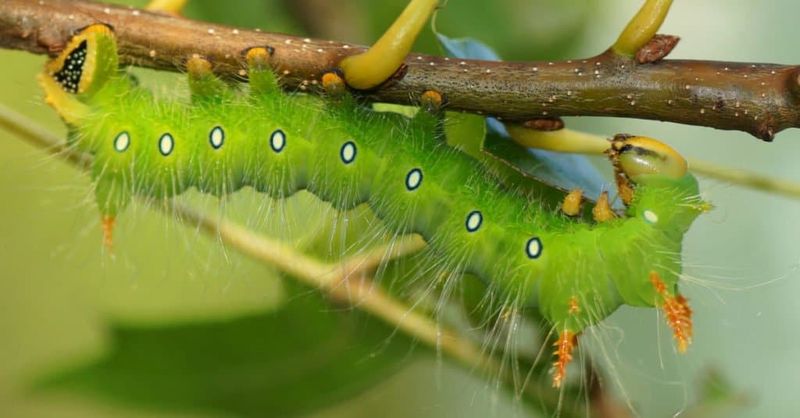
There is a caterpillar connection too. Florida maple serves as a host plant for imperial moth larvae, those enormous pale green caterpillars that grow into one of our showiest native moths.
Native trees tend to be easier on you as well as on wildlife. Having evolved here, they generally hold up better against local pests and diseases and usually ask for less water and fertilizer than imported alternatives.
Roots pull double duty by holding soil in place and reducing erosion on slopes and stream edges. The tree also stores greenhouse gases efficiently as it adds wood year after year.
A well-placed native tree can provide a wider range of benefits for local wildlife than many purely ornamental plantings.
7. Find The Native Nurseries That Carry What Big Stores Skip
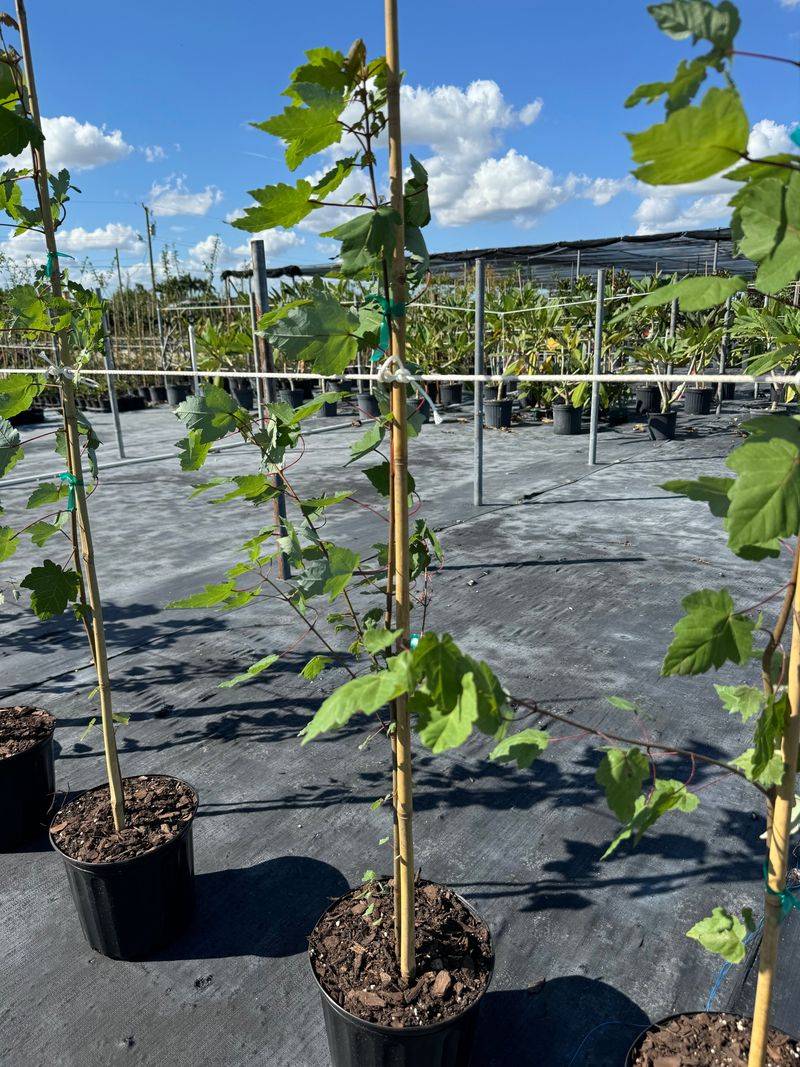
Here is the frustrating truth. Chain stores order by the truckload from regional growers, and uncommon natives like Florida maple rarely make the cut, so calling ten of them usually gets you ten apologies.
Specialty native plant nurseries are where the search pays off.
Growers such as Advanced Nursery Growers in DeFuniak Springs, Maple Street Natives in Central Florida, Kerby’s Nursery, and Enviro Pro Tree Farm are the type of operations that stock or can source native maples and their relatives.
Ask one important question before you buy. Find out the provenance, meaning where the parent plants came from, because stock grown from native seed sources adapts better to our heat, rainfall, and day length than material from far north.
Phone ahead rather than driving around hopefully. Small nurseries often grow limited batches, and a quick call can put your name on a tree before it sells.
Local native plant society chapters hold fall plant sales that are goldmines for hard-to-find species. Volunteers there tend to know exactly which grower has what.
Bring a photo of your planting site and a rough measurement of the space. Staff at these places actually enjoy that conversation, and their advice is usually worth the drive by itself.
8. Plant A Smaller Tree Now Before You Need A Larger Solution Later
Timing beats effort when it comes to trees. The dormant season is the sweet spot for maples, generally late fall through early spring, roughly October into March across many zones.
For Florida specifically, two windows work best. October through November catches cooling air with soil that still holds summer warmth, and February through March lets roots settle in ahead of the heat.
September is your preparation month. Use these weeks to call nurseries, choose the spot, and check drainage so you are ready for the fall planting window.
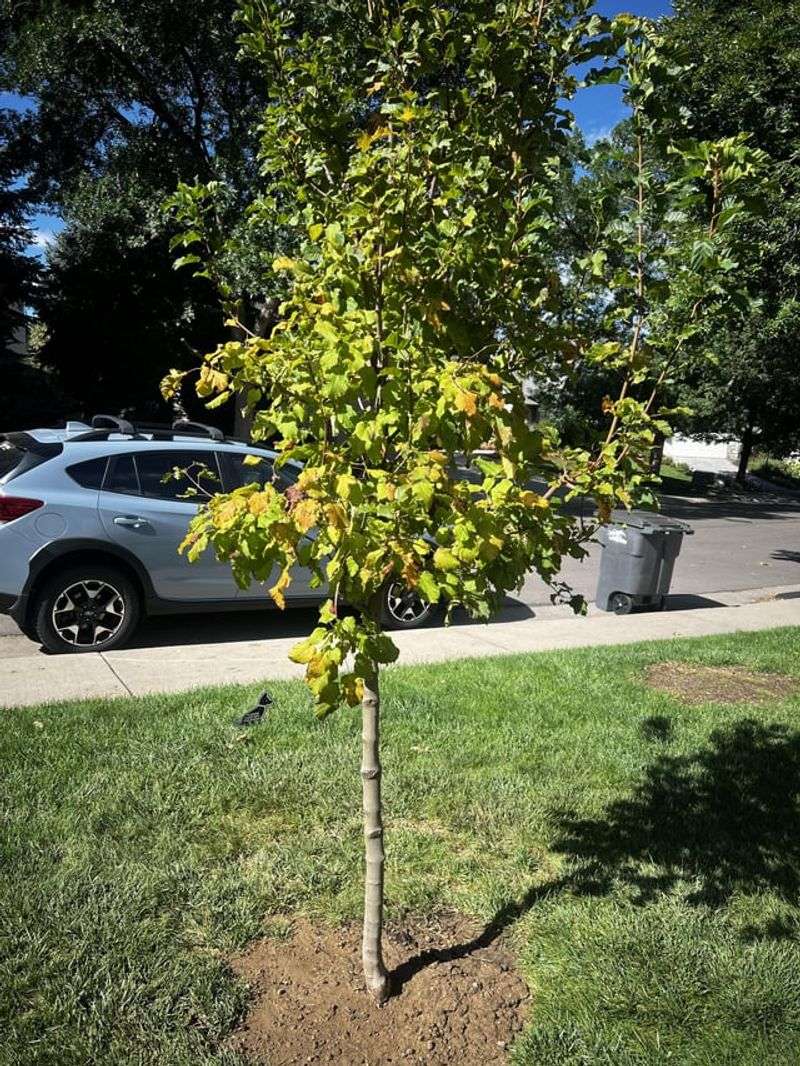
Choosing a smaller tree is often the smarter move. A modest container size establishes faster, costs less, and needs no crane or crew, and within a few years it frequently catches up to the pricier specimen next door.
Patience pays off in a big way here. Florida maple is a long-lived species, with a life expectancy reaching up to 130 years, so the sapling you set out this fall may shade someone’s grandchildren.
Dig the hole wide and no deeper than the root ball, keep the trunk flare visible, and water deeply after planting. Skip heavy fertilizer that first year and let roots do the work.
9. Know Why Native Tree Collectors Keep Searching For Florida Maple
Ask a native plant collector about their wish list and this maple comes up quickly. The pull is a mix of looks, ecology, and toughness that few state trees offer all at once.
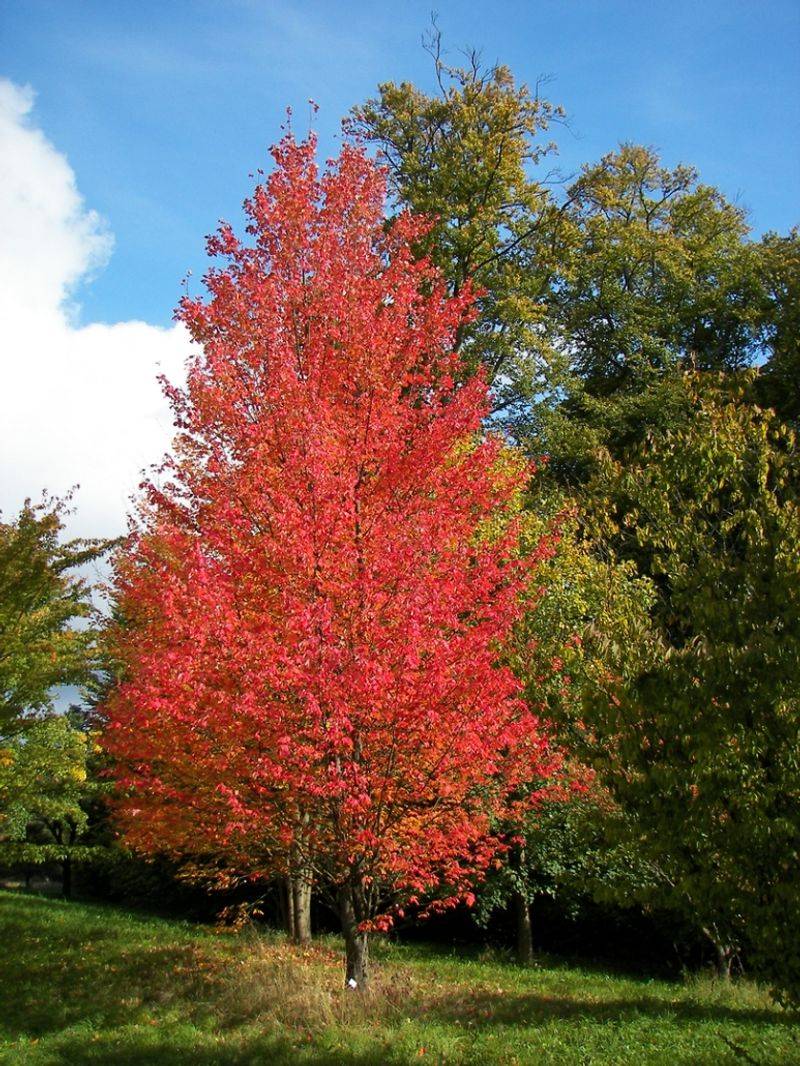
Fall color tops the list. Yellows, oranges, and the occasional flash of red are genuinely rare here, and owning that display feels a bit like keeping a secret the rest of the block has not discovered.
Mature bark adds quiet character. Those ribbed gray trunks read almost like carved stone, giving winter interest long after the leaves have drifted down.
Performance seals the deal. Higher heat tolerance than northern sugar maples, comfort in a range of moist and well-drained soils, and strong, wind-resistant limbs make it a sensible pick for shade duty or even street plantings.
Collectors also care about what a tree gives back. Supporting pollinators, feeding squirrels and birds, hosting imperial moths, and holding soil together add up to real ecological weight in a single planting.
Fun detail for trivia lovers: its scientific name marks it as a southern cousin of the same species tapped for maple syrup up north.
Find one this season, plant it right, and you own a piece of wild Florida that most yards are still missing.