The Ohio Perennial That Blooms Hardest When The Nights Turn Cool
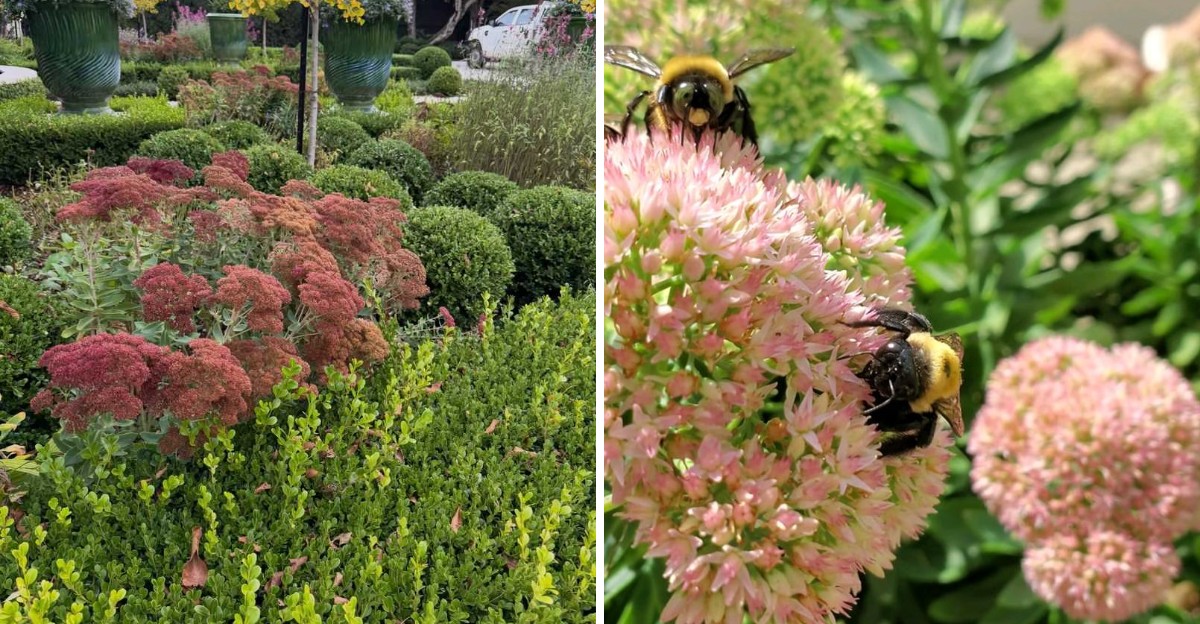
By late September in Ohio, most garden beds look tired. The coneflowers have gone brown, the daylilies are done, and the hostas are flopping over into the mulch.
But tucked in the middle of all that fading foliage, one plant is just getting started, pushing out broccoli-shaped flower heads that shift from soft pink to deep copper as the nights cool down.
Sedum Autumn Joy is the perennial that saves the show when everything else has quit for the season.
Most gardeners write off October beds entirely, assuming nothing worth looking at survives once the coneflowers and daylilies finish their run.
That assumption misses one of the most dependable perennials in the whole Ohio landscape, quietly building toward its best moment right as everything else fades.
Meet Sedum Autumn Joy, The Cool Weather Star
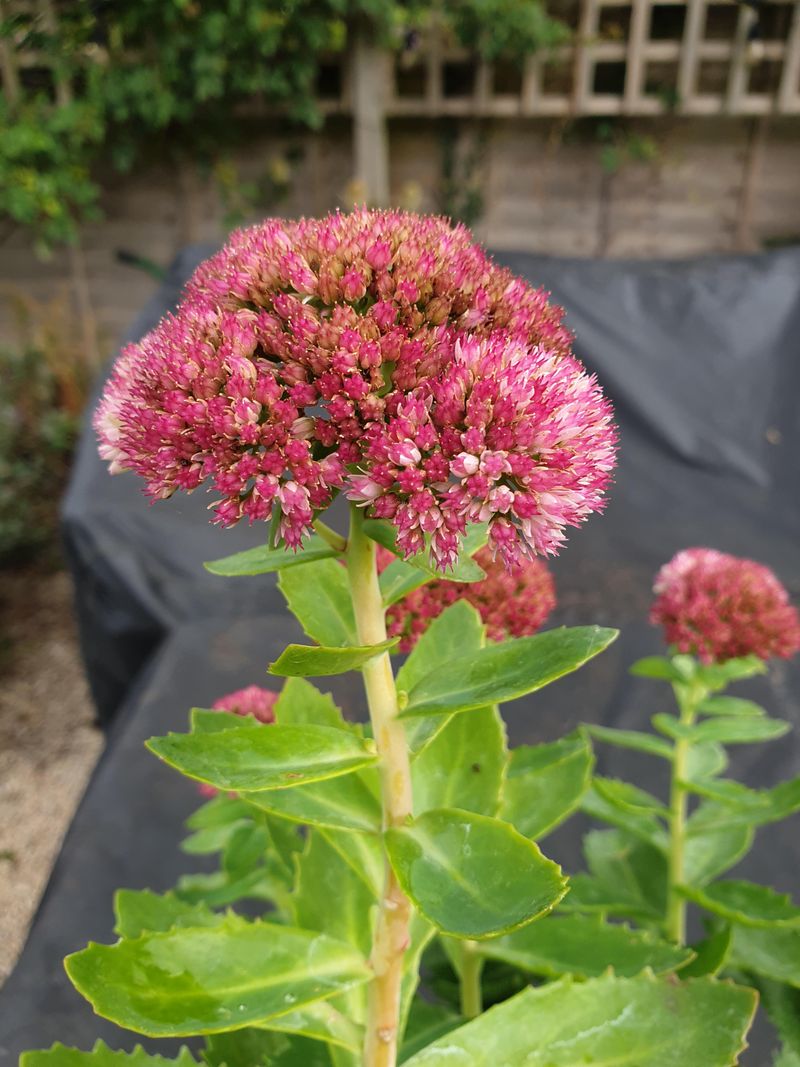
Ask any Ohio gardener what still looks good in October, and Sedum Autumn Joy comes up fast in the conversation. While the rest of the border is winding down, this thick-leaved perennial is standing tall with flower heads the size of a fist.
Autumn Joy is a hybrid succulent perennial, now classified as Hylotelephium Herbstfreude, though most garden centers still list it under the familiar Sedum name.
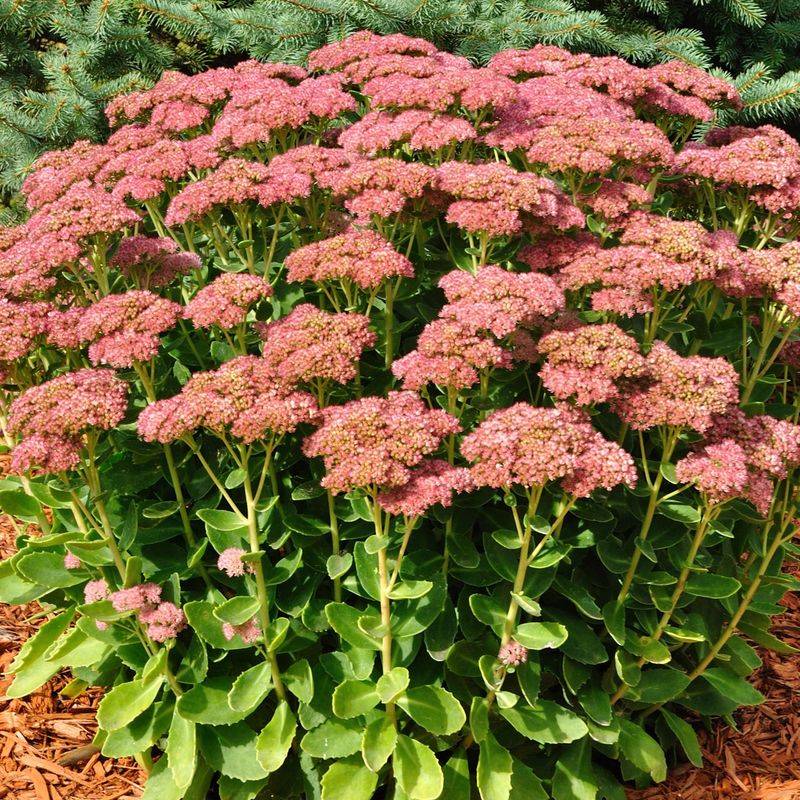
It grows in tidy clumps about 18 to 24 inches tall and roughly as wide, with fleshy gray-green leaves stacked along sturdy upright stems.
What sets it apart is the timing behind the bloom. The broccoli-like flower buds form in midsummer and sit there looking interesting for weeks before they ever open.
Then late August and September arrive, the flowers open, and the show runs all the way through hard frost without slowing down.
Ohio State University Extension lists it among the most dependable low-care perennials for Ohio landscapes, and it thrives in USDA zones 3 through 9, covering every corner of the state comfortably.
A fun bit of history worth knowing. The German name Herbstfreude translates roughly to autumn joy, so the English name is a direct borrowing from that original term.
Gardeners have been passing divisions of this plant over fences for decades, which tells you something about how reliably it performs year after year.
Blooms Deepen From Pink To Copper
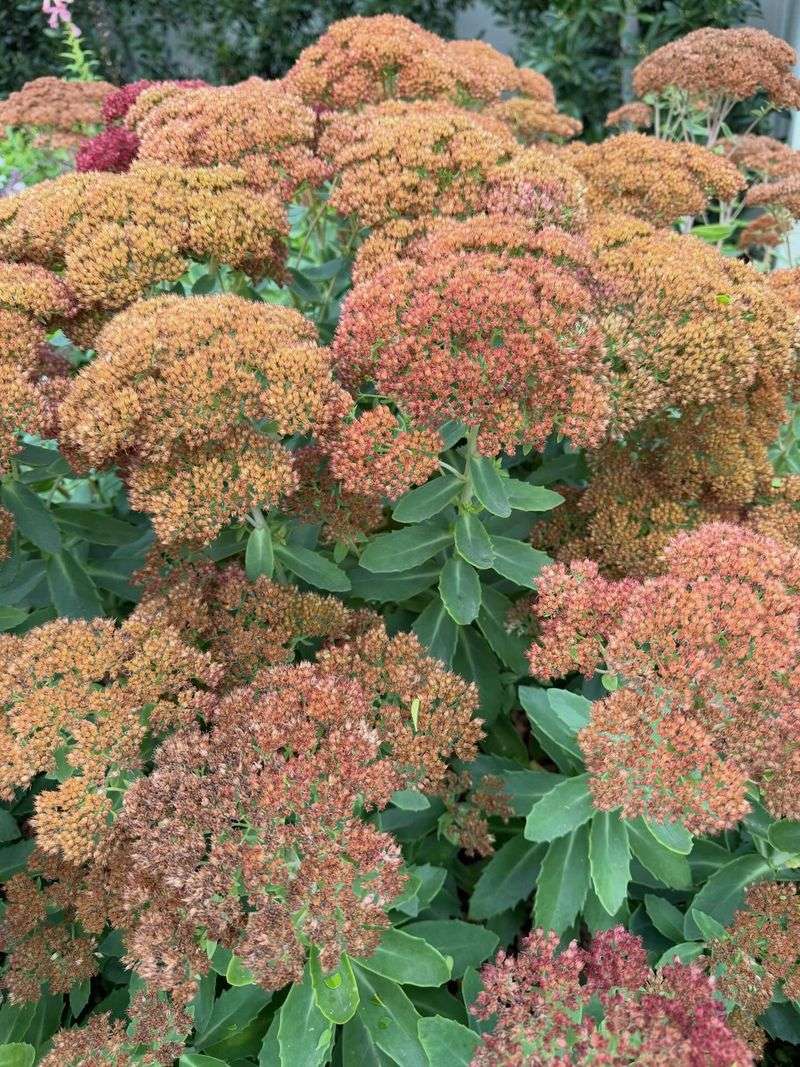
Watching Autumn Joy change color over a season is a little like watching a sunset in slow motion. It never looks the same two weeks in a row throughout the whole process.
The show starts in midsummer, when tight clusters of pale green buds form flat heads at the top of each stem. Those heads look almost like unopened broccoli sitting there quietly.
By late August the tiny individual florets begin opening, giving the whole head a soft, dusty pink glow that catches the eye immediately.
Through September that pink darkens and richens into a deeper rose, sometimes bordering on salmon depending on the weather that particular year.
October is when things get really interesting for this plant. The heads shift toward rusty bronze, brick red, and finally a warm copper brown that holds its shape.
By November and into winter, those same heads stand as tan-brown seed clusters that catch frost and look striking against snow on the ground.
Your Ohio Garden Changes Every Week. Your Plan Should Too.
Gardening in Ohio changes quickly throughout the season. Every Friday you’ll receive a simple weekly plan showing exactly what to plant, prune, fertilize, harvest, and protect so you never miss the right timing.
One plant gives you four distinct looks across five or six months, which is a lot of value from a single perennial planted once.
The practical upshot for planning your beds is worth remembering. Pair Autumn Joy with plants that have staying power of their own, like ornamental grasses, asters, and rudbeckia.
Cooler Nights Intensify Not Diminish Color
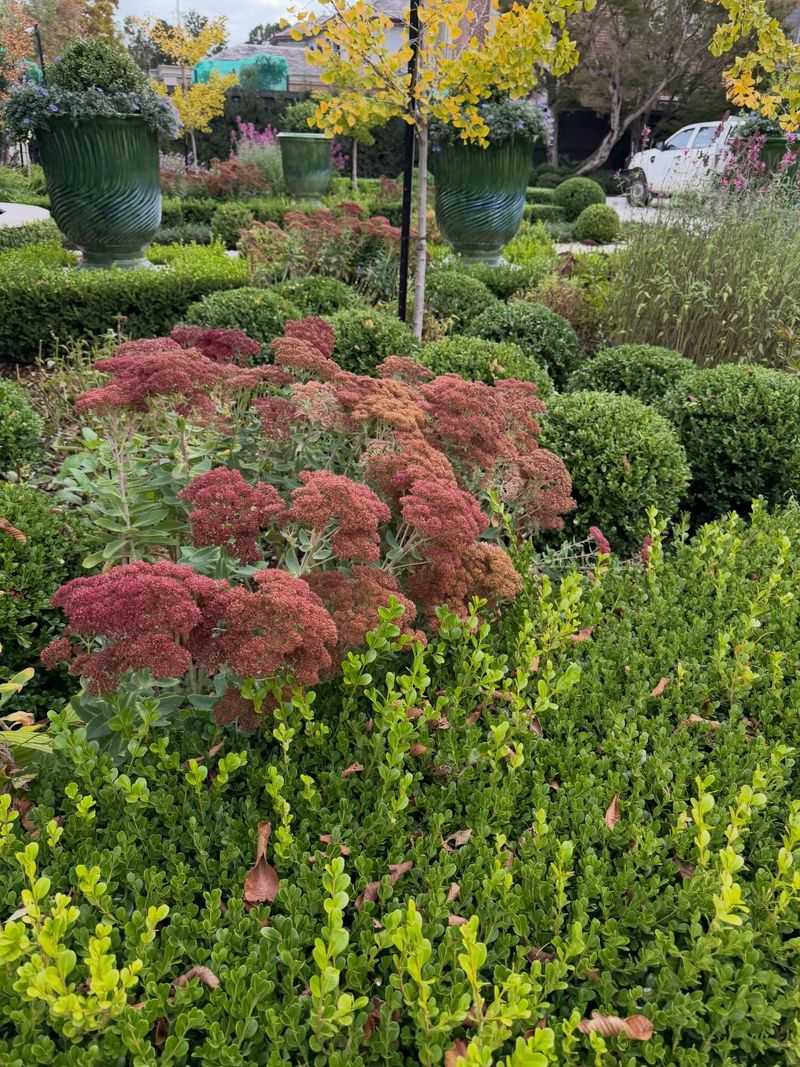
Here is where a lot of gardeners get nervous every fall. The flowers start turning bronze and brown, and the first assumption is that something has gone wrong with the plant.
Nothing is wrong at all in this case. The deepening color is simply the natural aging process of the flower heads as individual florets finish blooming and set seed.
Cooler autumn nights actually work in the plant’s favor here. Shorter days and dropping night temperatures are exactly what trigger the pigments in the flower heads to concentrate.
Compare it to how sugar maples color up across Ohio each fall. Cool nights paired with bright sunny days produce the most intense fall color in both cases.
A stressed sedum looks completely different from this normal progression. Drought stress or poor drainage shows up as yellowing lower leaves or mushy stems near the soil line.
Healthy color progression happens evenly across full-sized heads that keep their firm, rounded shape throughout the whole process.
So when your neighbor’s coneflowers have collapsed and your sedum is glowing rust-orange, resist the urge to reach for the pruners right away.
That color is the plant doing exactly what it was bred to do, right on schedule every single autumn without fail.
Drought Tolerance Makes It Nearly Foolproof
If you have ever lost a perennial by forgetting to water it, Autumn Joy might restore your confidence in your own gardening abilities. Those thick, fleshy leaves are water storage tanks.
Ohio summers can swing from soggy June to bone-dry August, and this sedum handles both ends better than most border perennials planted nearby.
Once the roots are established, usually after the first full growing season, supplemental watering is rarely necessary outside of extreme drought conditions.
Drainage matters far more than moisture for this particular plant. Heavy clay soil that stays wet through winter is the one thing that reliably kills Autumn Joy through crown rot.
Much of Ohio sits on clay, so amending the planting hole with compost or coarse grit pays off considerably, and raised beds work even better.
Skip the fertilizer entirely with this plant. Rich soil and heavy feeding produce tall, floppy stems that split open in the middle right when the flowers get heavy.
Lean soil keeps the plant compact and self-supporting instead. If yours does flop, a trick called the Chelsea chop helps quite a bit here.
Deer and rabbits generally leave it alone too, which is a real advantage in Ohio’s suburbs where browsing pressure runs high.
Pollinators Rely On It Late In The Season
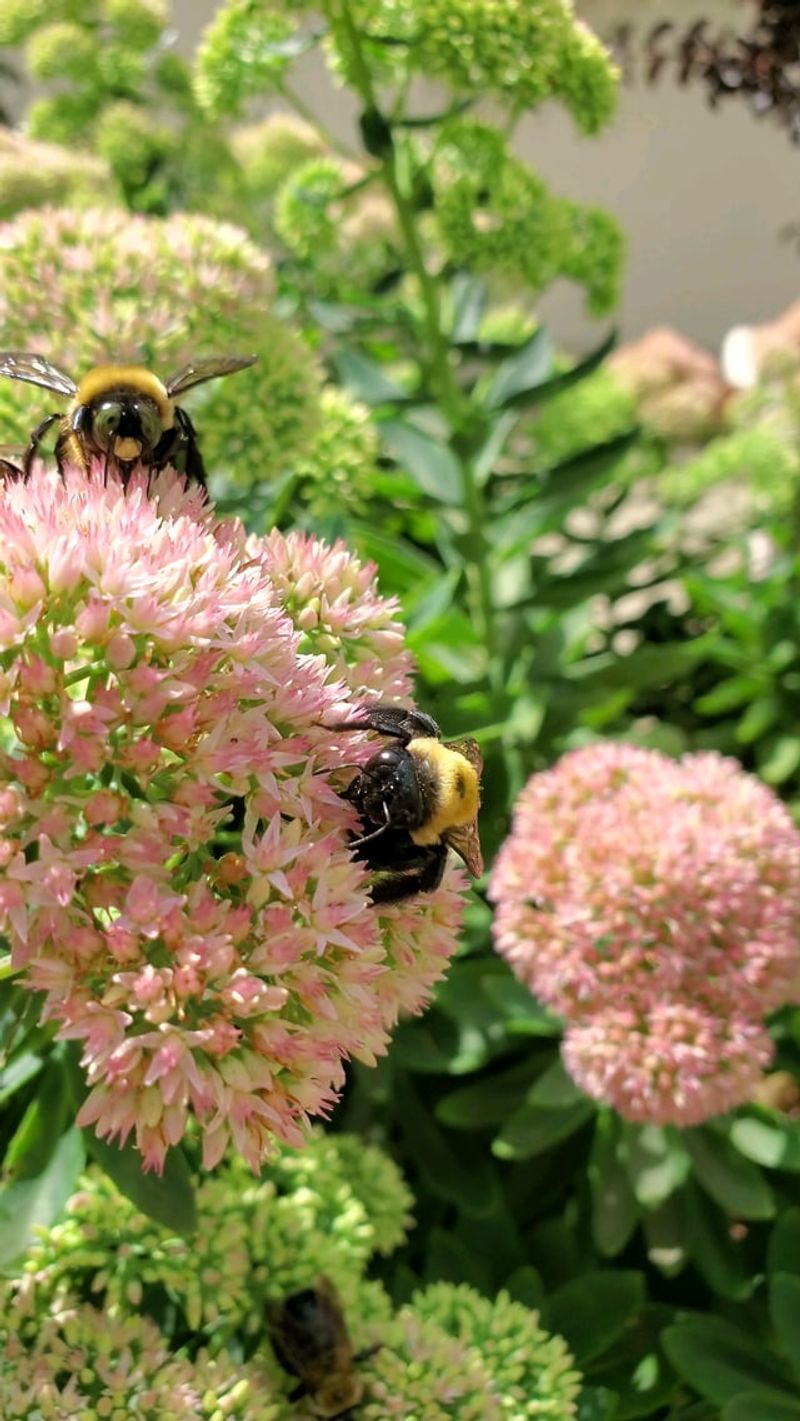
Stand next to a blooming clump of Autumn Joy on a warm September afternoon, and you will hear it before you see it clearly. The buzz is constant around the whole plant.
Late-season nectar is genuinely scarce in Ohio gardens by this point in the year. Most spring and summer bloomers have finished by mid-September, but bees are still actively foraging.
Autumn Joy arrives exactly when that food gap opens up across the landscape. Each flower head is made of hundreds of tiny florets packed into one flat landing pad.
Butterflies can rest with their wings open while they probe dozens of florets without flying anywhere else, and bees work the heads methodically from edge to center.
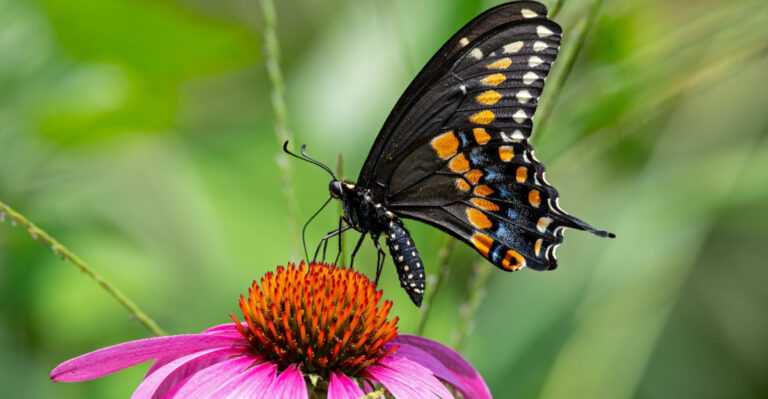
Painted ladies, red admirals, skippers, and various wasps and flies all show up alongside the bees during peak bloom.
To make the most of it, plant Autumn Joy in groups of three or more rather than as single specimens scattered around. Larger patches are easier for pollinators to find.
Combining it with New England aster, goldenrod, and Ohio’s native tall sedum relatives extends the buffet even further into October for visiting insects.
Seed Heads Feed Finches Into Winter
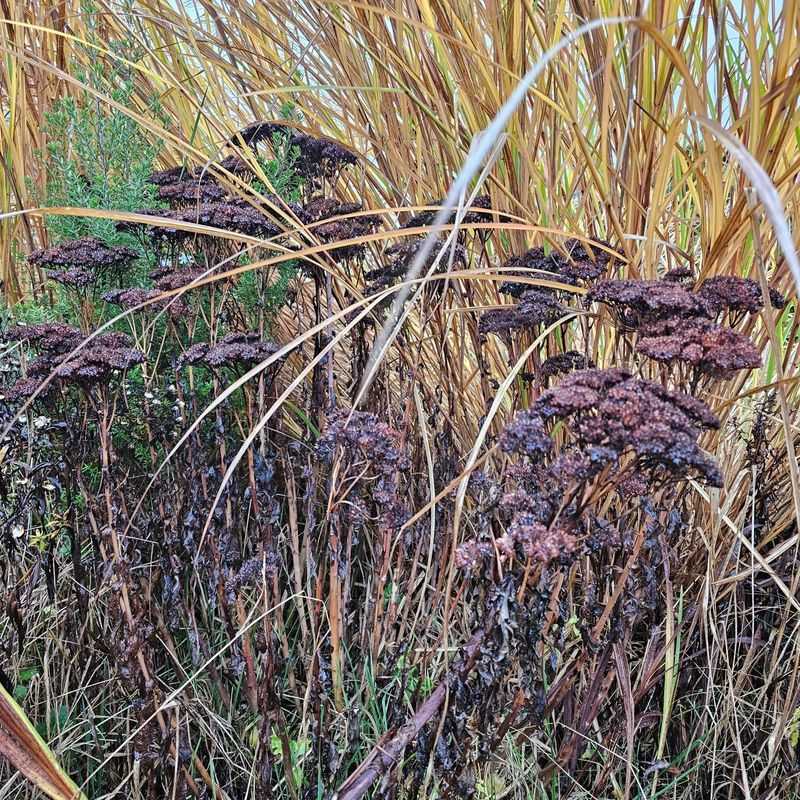
There is a strong argument for leaving your pruners in the shed this fall, and it has feathers behind the reasoning.
When the copper flower heads finish and dry down to tan brown, they hold tiny seeds that goldfinches, house finches, juncos, and chickadees will pick at through winter.
The stems are stiff enough to stay upright under snow, giving birds a natural perch right at feeding height throughout the cold months.
Cutting Autumn Joy back in October removes all of that benefit in about thirty seconds of work. The old stems also serve as insulation for the crown of the plant.
Aesthetically, the dried heads are one of the few things in a January Ohio garden with real structure worth noticing. Frost outlines them beautifully.
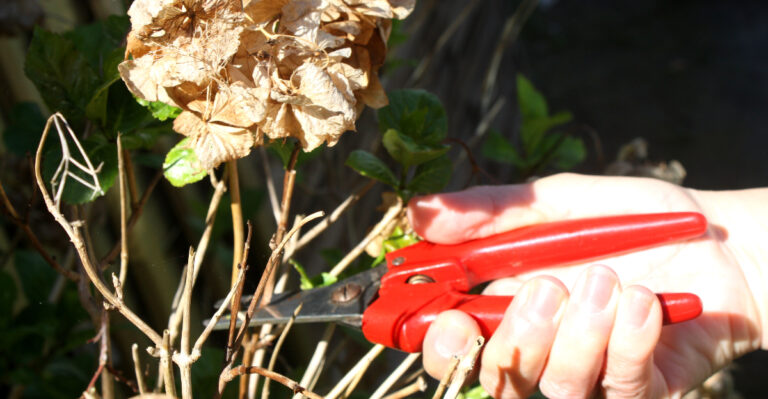
The better plan is to wait until late winter or very early spring, around late March, then cut the old stems down to a few inches.
Those rosettes often show up surprisingly early, sometimes during a February thaw, so check before you cut so you do not damage new growth accidentally.
Pair the standing sedum with switchgrass or little bluestem for a winter bed that actually looks intentional rather than neglected.
Full Sun Brings Out Its Best Show
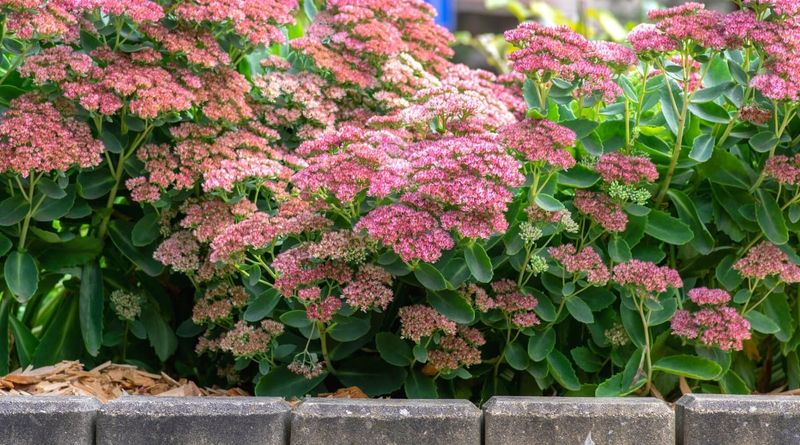
Light is the one thing this plant will not compromise on, no matter how good the soil is otherwise. Give Autumn Joy six to eight hours of direct sun, and it rewards you handsomely.
Put it in part shade, and the difference is obvious within a single season of growth. Stems stretch and lean toward the light, flower heads come out smaller and paler.
Shaded plants also flop badly, splitting open at the center just as the flowers reach full weight later in the season.
The best spots in an Ohio yard tend to be south or west-facing beds, along a driveway, or anywhere that gets baked in the afternoon sun.
Reflected heat from pavement or a foundation wall is a bonus rather than a problem here for this particular plant. Keep it clear of downspouts and low areas where water collects though.
If an established clump has been slowly declining, overcrowding may be the culprit behind the problem. Dividing every three or four years in spring restores vigor considerably.
Do that in a bright, open spot, and you will have the last thing blooming in the neighborhood every single October without fail.