What To Do With Muscadines And Scuppernongs Now That They’ve Hit Peak Sweetness In Louisiana
Bronze skins are still splitting across Louisiana vines outside your window. Purple clusters swell heavier than your basket can hold today. You catch the scent before your eyes find the vine.
Sugar spikes fast, turning tart fruit sweet while you sleep. Scuppernong vines near your fence hide especially dense clusters. Birds already sense the shift and watch your yard each morning.
Raccoons wait for dusk near your rows, patient and persistent. Fruit flies arrive within hours of your newest split skin. Timing separates your full haul from an empty basket.
Louisiana grandmothers built entire reputations on your narrow window. Jelly, syrup, and cobbler all wait on your far side of speed. Waiting costs your flavor, texture, and the harvest’s sharpest edge.
Momentum, not luck, decides whether you eat well. Picking early beats picking perfect nearly all the time. What you do next decides whether your harvest becomes abundance or regret.
1. Pick At The Right Moment For Full Flavor
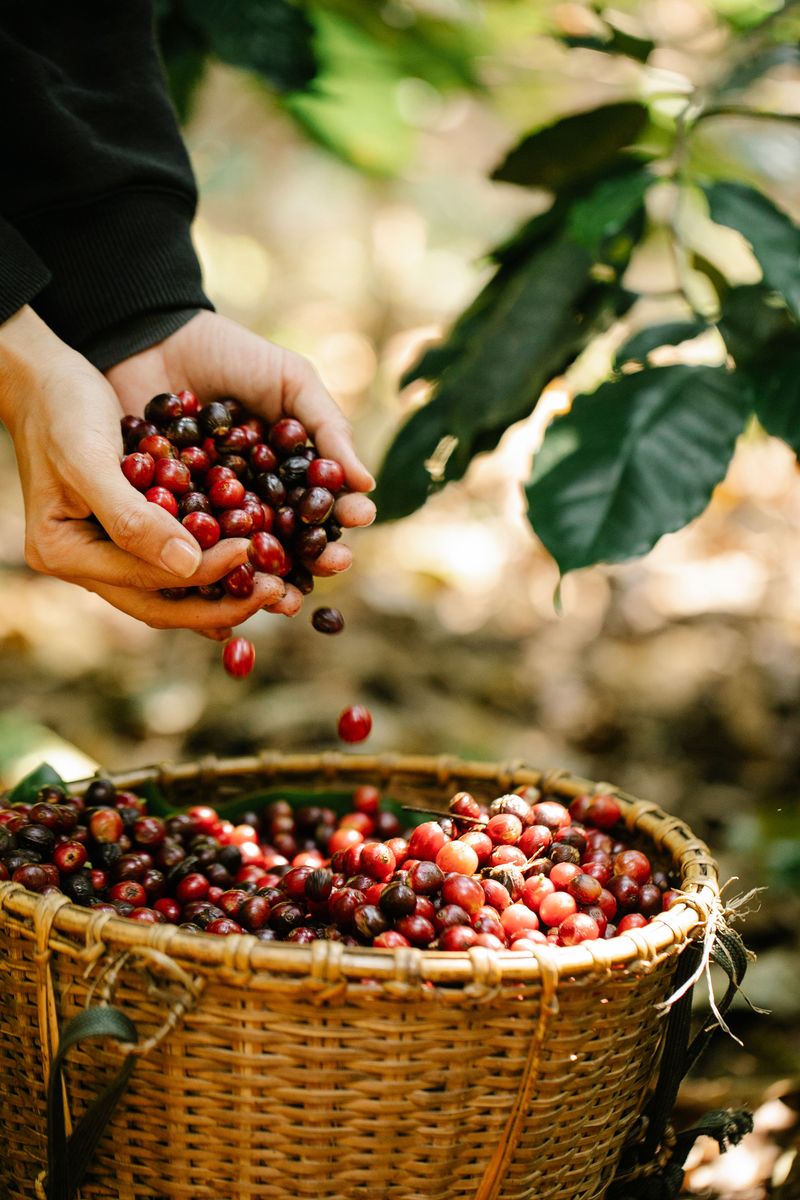
Muscadine butter is the Southern cousin of apple butter, and most people who taste it wonder why it took them so long to discover it. It’s thick, dark, and deeply concentrated, spreading like velvet across warm toast or a biscuit.
Making it starts the same way as jelly, by simmering washed grapes until the skins burst and the pulp turns soft. Push the cooked fruit through a food mill or sieve to remove seeds and skins, leaving behind a smooth, rosy puree.
Return the puree to the pot with sugar, a splash of lemon juice, and warm spices like cinnamon or nutmeg for extra depth. Cook it low and slow, stirring often, until it reduces to a spreadable, jam-like consistency.
This is not a fast process, and that is the point. Low heat over an hour or more concentrates the natural sugars and deepens the color into something closer to garnet than pink.
A slow cooker makes the job nearly hands-off. Leave the lid cracked to let steam escape, and the butter thickens on its own while you handle other tasks.
Test doneness by dragging a spoon across the pot’s bottom. If the trail holds for a second before flowing back in, it’s ready for jars.
Pour into sterilized half-pint jars and process in a boiling water bath for about ten minutes, the same as jelly. Unopened jars keep in the pantry for up to a year.
Beyond toast, swirl it into oatmeal, layer it into a thumbprint cookie, or pair it with sharp cheddar for an appetizer that disappears fast.
2. Cook Up A Batch Of Classic Muscadine Jelly
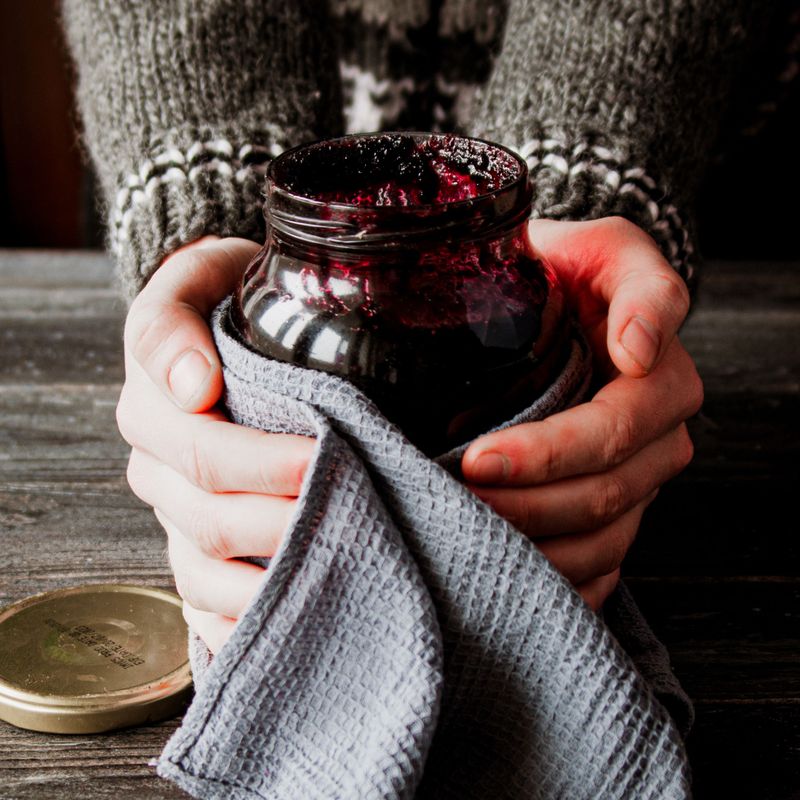
Ask anyone raised in south Louisiana about muscadine jelly and watch their face change. That jewel-toned spread on a hot biscuit is the whole reason many families keep an arbor going.
Making it starts with simmering washed grapes in a little water until the skins burst and go soft, roughly fifteen to twenty minutes. Mash them as they cook to pull out color and flavor.
Your Louisiana Garden Changes Every Week. Your Plan Should Too.
Gardening in Louisiana changes quickly throughout the season. Every Friday you’ll receive a simple weekly plan showing exactly what to plant, prune, fertilize, harvest, and protect so you never miss the right timing.
Strain the hot pulp through a jelly bag or several layers of cheesecloth, and here is the hard part: resist squeezing. Pressing the bag pushes fine sediment through and leaves you with cloudy jelly instead of clear.
Muscadine skins carry natural pectin, which is why old recipes sometimes call for no added pectin at all. Mixing in a handful of slightly underripe grapes boosts that setting power even further.
Standard ratios run about four cups of juice to three cups of sugar, plus a splash of lemon juice for brightness and safe acidity. Boil hard until the mixture sheets off a cold spoon.
Pour into sterilized half-pint jars, leave a quarter inch of headspace, and process in a boiling water bath for about ten minutes. Louisiana humidity is rough on improperly sealed jars, so double-check each lid the next morning.
Label with the month and year. Come February, when the arbor looks like a pile of sticks, opening a jar brings the whole season rushing back.
3. Freeze The Fruit Whole For Later Projects
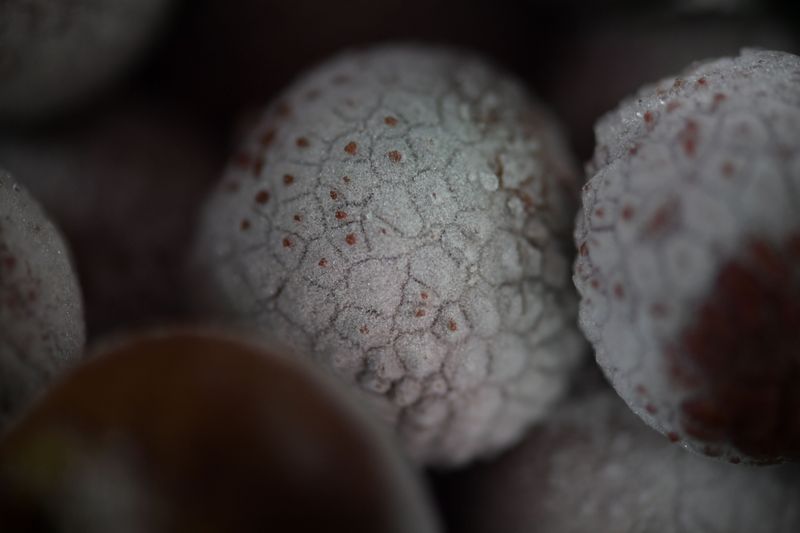
Not feeling like a marathon canning session in September heat? That’s a common, practical call to make. The freezer buys you months of breathing room.
Rinse the fruit, pat it reasonably dry, and spread the grapes in a single layer on a rimmed baking sheet. Two hours in the freezer firms them individually so they do not fuse into one giant purple brick.
Transfer the frozen grapes into heavy freezer bags, press out the air, and write the date on the outside. Stored this way, they hold good flavor for around a year.
Freezing does something helpful to the skins. Ice crystals break down cell walls, so thawed muscadines release juice more readily than fresh ones, which actually speeds up jelly and syrup making later.
Some cooks freeze just the pulp and hulls separately, setting aside the hulls for pies and the pulp for juice. Both approaches work, and separating takes less time than you would guess once you find a rhythm.
Frozen muscadines also make a surprisingly great snack straight from the bag on a warm afternoon. Kids eat them like sorbet-flavored marbles, spitting out seeds on the back steps the way generations did before them.
Toss a few into a glass of lemonade or sweet tea as edible ice cubes. Blended into smoothies, they add a musky-sweet note that grocery store grapes simply cannot match, no matter what the label promises.
4. Press Fresh Juice And Bottle Liquid Sunshine
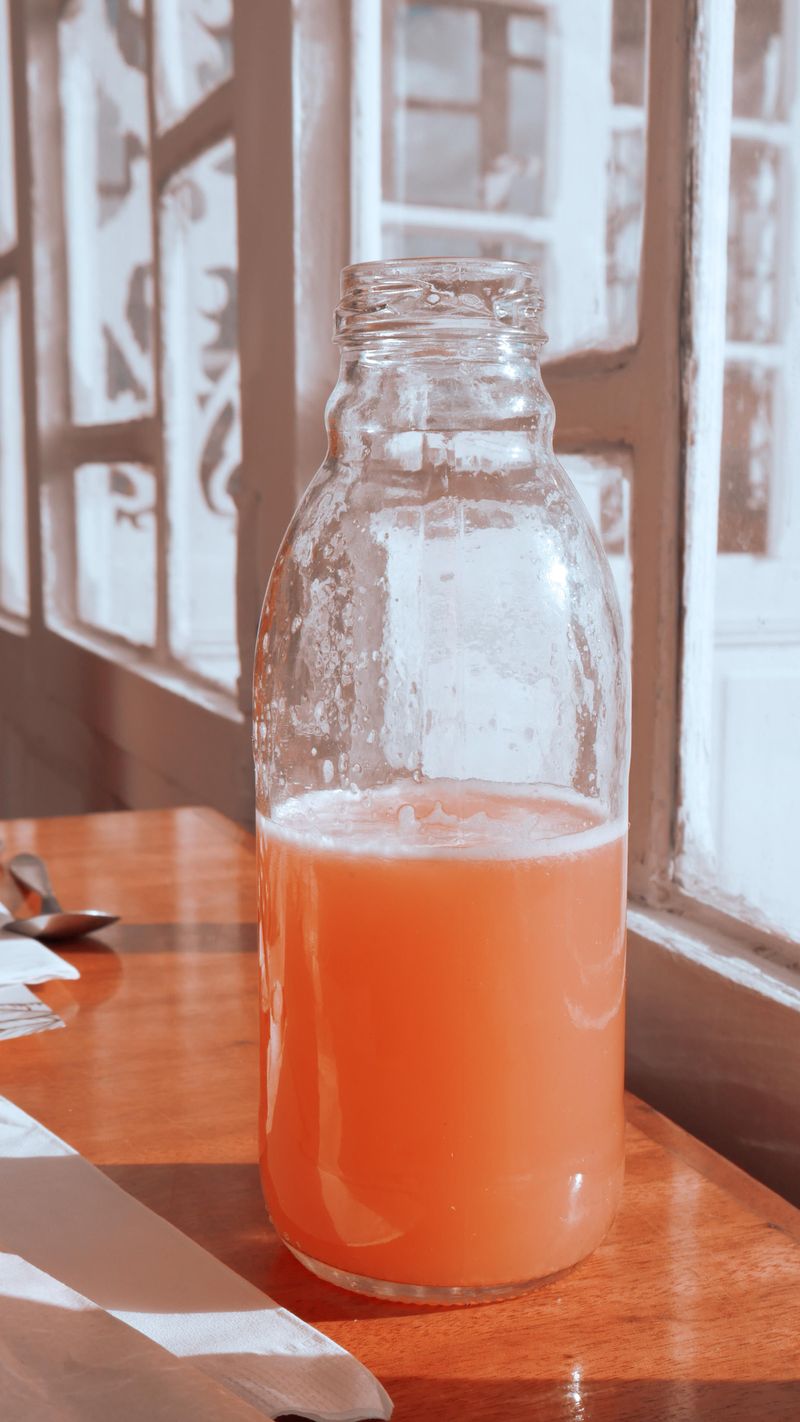
Store-bought grape juice can’t match the floral, tart, faintly wild flavor of the homemade version, with a finish that lingers. Homemade muscadine juice tastes floral, tart, and faintly wild, with a finish that lingers.
Start by covering washed grapes with just enough water to keep them from scorching, then heat gently until the skins split. A potato masher helps coax out every drop of color.
Strain through cheesecloth, then let the juice rest overnight in the refrigerator. Sediment settles to the bottom, and pouring off the clear liquid gives you a much prettier product.
Sweeten to taste, though many Louisiana muscadines picked in late September need very little help. A quarter cup of sugar per quart is often plenty.
For shelf-stable juice, heat it to about 190 degrees without boiling, fill hot sterilized jars, and process in a water bath for the time recommended by current USDA guidelines for your jar size (typically five to ten minutes).
Boiling too hard flattens that bright fruity aroma you worked for. Dilute the concentrate with sparkling water for a homemade soda with fresher, more distinct flavor than anything from a vending machine. A splash also turns plain iced tea into something guests ask about.
Here is a fun bit of history: muscadines are native to the American Southeast, and early European explorers are said to have documented wild grapevines in the region as far back as the 1500s.
Louisiana families have been pressing this juice long before anyone invented a juicer. Save a jar for Thanksgiving. Served cold in small glasses, it makes an unexpected and very Southern alternative to cranberry anything.
5. Bake A Hull Pie The Old-Fashioned Way
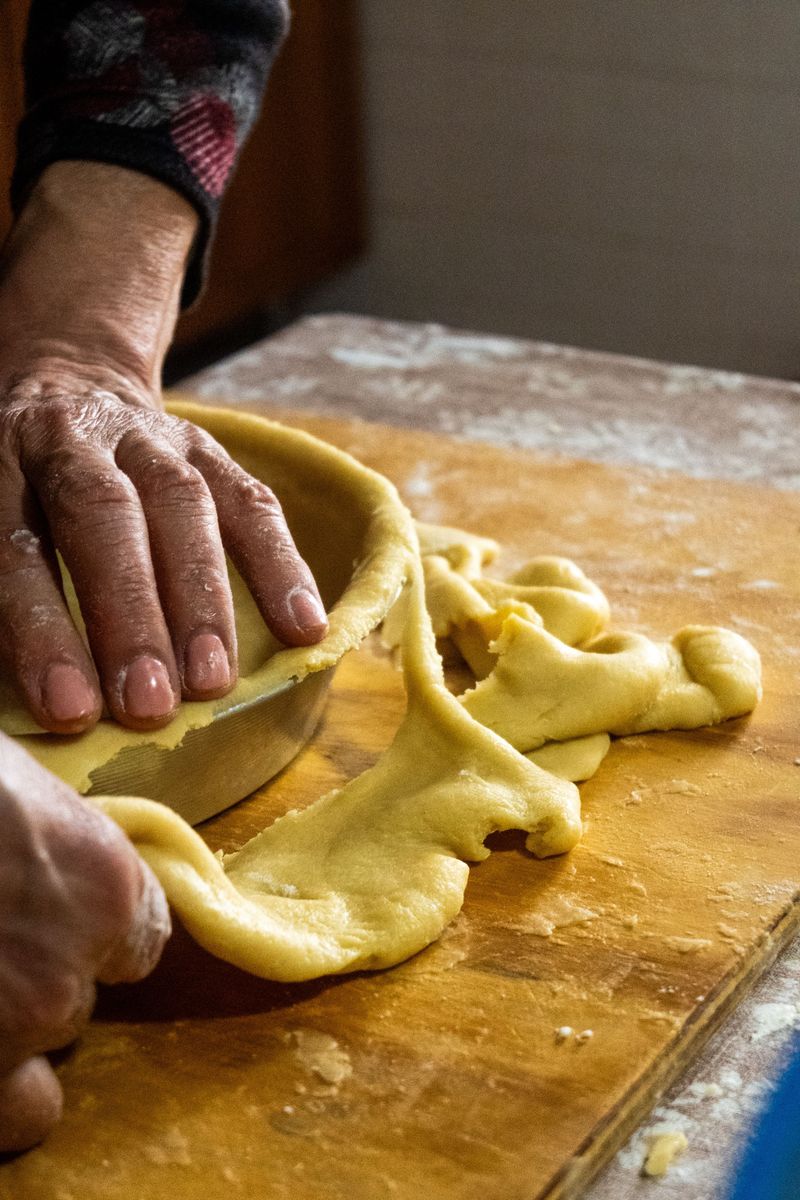
Hull pie is the dessert that separates casual muscadine eaters from true devotees. Making one takes patience, and the reward is a filling that tastes like nothing else on the table.
The process starts with popping each grape so the pulp squirts into one bowl and the skin, or hull, lands in another. Sitting on the porch with a radio on makes the repetition almost pleasant.
Simmer the pulp until the seeds loosen, then push everything through a sieve to catch them. Cook the hulls separately in a bit of water until they soften, which takes twenty minutes or so.
Combine pulp and hulls, sweeten generously, and thicken with flour or cornstarch. A pinch of salt and a squeeze of lemon keep the sweetness from turning flat.
Pour the filling into an unbaked crust, add a top crust or lattice, and bake until the edges bubble deep purple. The smell that fills the kitchen is worth the seed-picking alone.
Vanilla ice cream on a warm slice is practically required in Louisiana. The cold cream against that musky filling hits differently than any berry pie.
Short on time? Turn the same filling into a cobbler and skip the bottom crust entirely. Drop-biscuit topping bakes up golden and soaks in the juices beautifully.
Leftover filling freezes well, so make a double batch while the fruit is abundant and bake again around the holidays.
6. Stir Together Syrup For Pancakes

Syrup might be the easiest win in the whole muscadine playbook. Two ingredients, one pot, and roughly thirty minutes of attention.
Combine strained juice with sugar in about a two-to-one ratio and simmer until the mixture coats the back of a spoon. Skim any foam that rises for a glossier finish.
Unlike jelly, syrup does not need to reach a gel stage, which removes most of the guesswork. If it thickens too much, whisk in a little water and carry on.
Pour it over pancakes, waffles, or biscuits and watch breakfast turn into an event. Drizzled on vanilla ice cream or pound cake, it adds noticeable flavor with minimal effort
Home bartenders and non-drinkers alike have caught on, too. A splash of muscadine syrup in sparkling water, spiced cider, or a glass of sweet tea adds a fruity, slightly earthy depth that surprises people.
Try infusing a batch with a cinnamon stick, a few cloves, or a strip of orange peel while it simmers. Warm spices play nicely with that musky grape flavor as cooler weather rolls in.
Refrigerated in a clean bottle, syrup keeps for about a month, and it cans easily in half-pints for longer storage. Small bottles tied with twine make thoughtful gifts that cost almost nothing.
Brush a little on grilled pork or chicken during the last minutes of cooking. The sugars caramelize into a sticky glaze worth remembering.
7. Pick At The Right Moment For Full Flavor
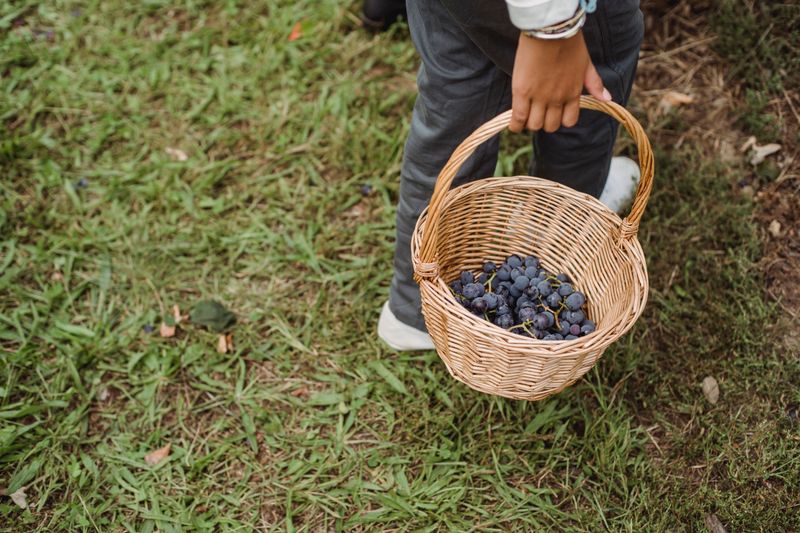
Timing separates a bucket of syrupy-sweet fruit from a bucket of sour disappointment. Ripe muscadines darken to deep purple-black, while scuppernongs turn a warm bronze with a slight golden blush.
Color alone can fool you, though. Give the fruit a gentle squeeze, and a ready grape feels soft but not mushy, releasing from the stem with barely any tug. If it resists at all, leave it for another day.
Many Louisiana growers skip picking altogether and simply spread an old sheet or tarp beneath the arbor.
A light shake sends the ripest fruit tumbling down while underripe grapes stay put, which saves your arms and your patience. This method also reduces bruising, since the fruit falls onto fabric instead of bouncing off the ground.
Morning harvests tend to work best in September, before the heat builds and the yellow jackets show up looking for fermenting sugar. Wear closed shoes, since fallen fruit turns the ground slick and sticky underfoot.
A single mature vine can produce twenty pounds or more, so bring larger containers than you think you need. Shallow buckets beat deep ones because the weight of piled fruit crushes the bottom layer, turning firm grapes into mush before you even get inside.
Taste as you go. Peak sweetness arrives in waves across several weeks, meaning one vine might offer three or four good picking sessions before the season winds down.
Skip any fruit with splits, mold, or wasp holes, and rinse your harvest quickly at home. Fresh-picked muscadines hold in the refrigerator for about a week, so plan your cooking projects before the buckets start looking sad.
8. Share The Surplus And Prep The Vines
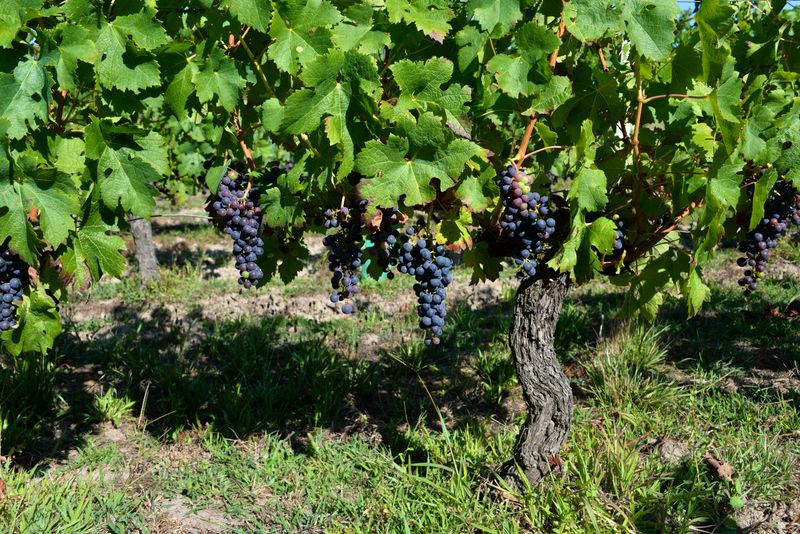
Here is the thing about a productive arbor: it produces more than one household can reasonably handle. That surplus is an opportunity, not a burden, especially with so many uses already lined up.
Neighbors, coworkers, and church groups rarely turn down a bag of fresh muscadines in September. Food pantries in many Louisiana parishes accept fresh produce donations, though calling ahead saves everyone trouble and ensures the fruit doesn’t go to waste.
Hosting a jelly-making afternoon splits the labor and doubles the fun. Everyone brings jars, someone brings a radio, and the whole crowd leaves with something to put on toast by the end of the day.
Once the picking winds down, turn attention to the vines themselves. Clear fallen fruit from beneath the arbor, since piles of fermenting grapes attract fruit flies and encourage mildew problems next year if left unattended.
Hold off on heavy pruning until January or February, when the vines are fully dormant. Cutting back in autumn can push tender new growth right before cool weather arrives, which weakens the vine going into winter.
Take notes now while the details are fresh. Which vine ripened first, which produced the sweetest fruit, where the birds hit hardest, all of that guides next season’s netting and harvesting plans.
A light layer of mulch and a check of the trellis wires round out the season. Muscadines are famously tough, native to this region, and forgiving of imperfect care, but a little attention now pays off later.
Then sit down with a biscuit and a spoonful of that jelly or butter. Twelve months from now, the whole cycle starts again, and you’ll be glad you kept notes.