Which native shrub feeds the most Oregon songbirds through winter? Pick one for your yard
Every winter, Oregon gardeners watch birds peck through bare branches and wonder if there is something more they could offer besides a feeder. Adding a berry-bearing native shrub to your yard is one practical way to put more food and shelter in reach of passing songbirds.
Common snowberry (Symphoricarpos albus) is the strongest evidence-supported pick when your goal is white berries that can stay available well into winter, paired with useful cover. No source ranks every Oregon native shrub by the number of songbirds it feeds, so think of this as a well-grounded yard decision rather than a statewide contest winner.
Add a food-and-cover shrub to your winter bird routine
Feeders are a fine start, but they work best as part of a bigger picture. Oregon wildlife guidance encourages gardeners to think in layers: varied native vegetation, clean water, cover from predators and weather, and reduced pesticide use all play a role alongside whatever seed or suet you hang from a hook.
A naturescaping approach from Oregon Department of Fish and Wildlife frames bird-friendly yards as a combination of food sources, shelter and habitat features rather than any single element.
Common snowberry fits neatly into that picture. Oregon State Extension recommends it as a winter bird-food shrub, noting that its white berries last well into winter, which makes it a useful complement to feeders and water rather than a replacement for either.
The evidence supports snowberry as the strongest single choice for an Oregon yard where the priority is berries that can remain available well into winter plus added cover, but no available source ranks it above every other native shrub by the number of songbirds it feeds statewide.
If you continue using feeders, a few habits keep them from becoming a hazard.
Oregon wildlife officials recommend cleaning feeders regularly and temporarily removing them when sick birds appear, since concentrated feeding spots can spread disease quickly.Planting snowberry adds a food-and-cover option that disperses birds more naturally across your yard, which takes some pressure off a single feeder station without asking you to give up the feeders you enjoy.
Common snowberry can keep berries available well into winter
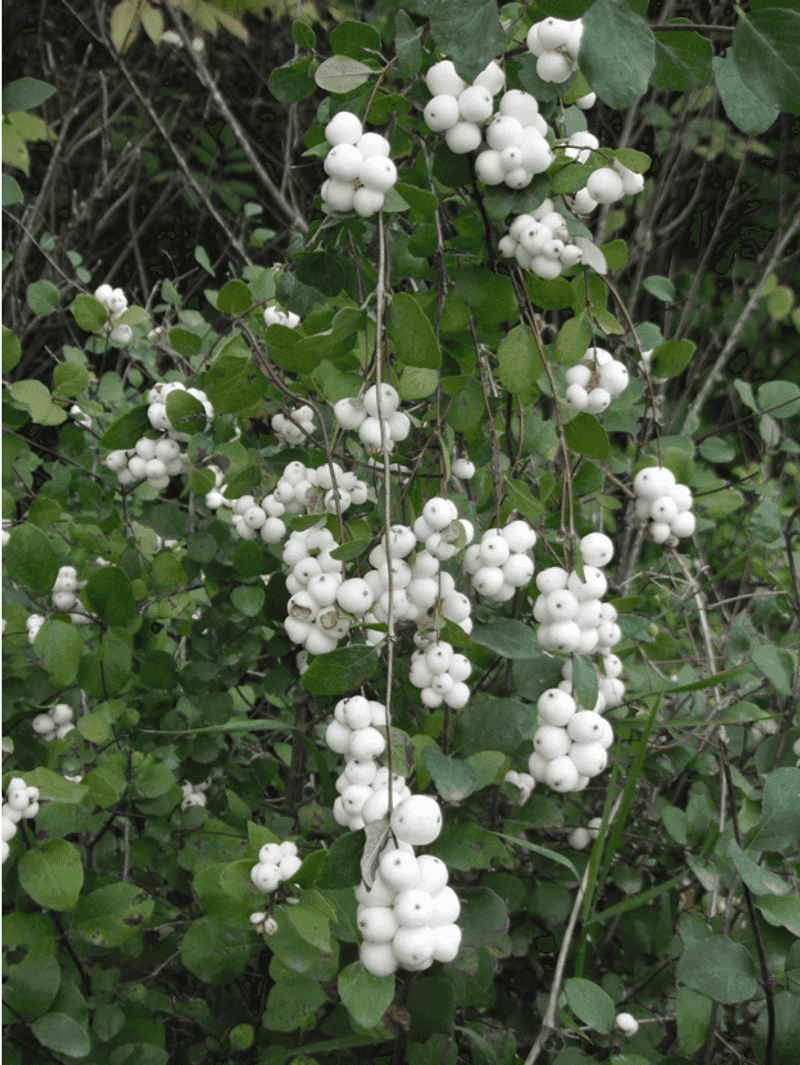
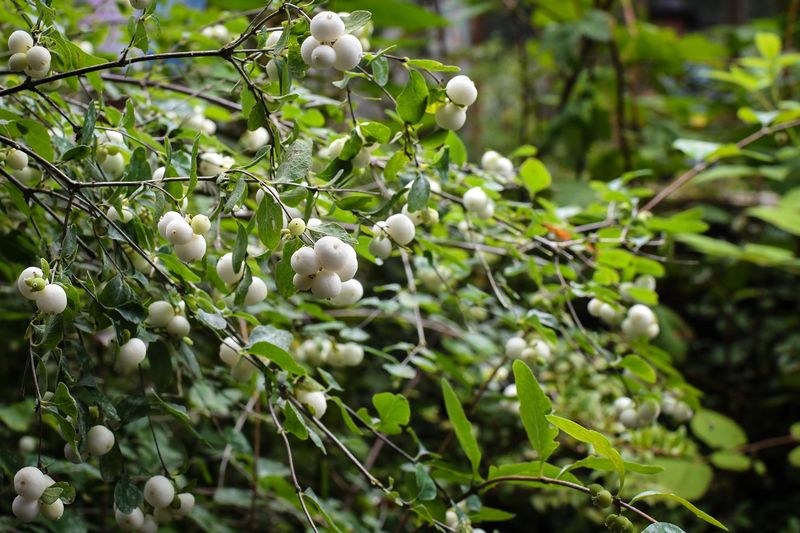
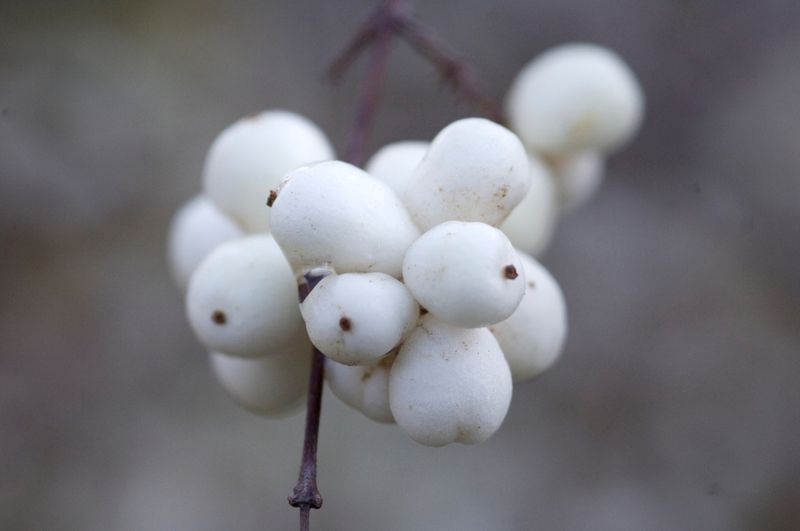
Pull back the leaf litter in a Willamette Valley hedgerow come December and you will often find common snowberry still holding its white, waxy berries long after most other shrubs have been picked clean. Oregon State Extension notes that snowberry’s white berries last well into winter, making it one of the few native shrubs that can still be offering fruit when the calendar has turned and other food sources have thinned out.
The timing matters because late-season food availability is exactly what many gardeners want to target. A USDA Forest Service species review confirms that common snowberry produces abundant fruit dispersed by birds and small mammals, which also helps the plant spread naturally through a landscape.
Fruit persistence and quantity do vary with site conditions, weather, plant maturity, pollination and how quickly birds move through the area, so availability into late winter is possible but not guaranteed at every yard.
Your Oregon Garden Changes Every Week. Your Plan Should Too.
Gardening in Oregon changes quickly throughout the season. Every Friday you’ll receive a simple weekly plan showing exactly what to plant, prune, fertilize, harvest, and protect so you never miss the right timing.
A Washington Department of Fish and Wildlife native plants guide lists a broad range of Pacific Northwest birds documented in association with common snowberry, including robins, cedar waxwings, house and purple finches, grosbeaks, towhees, jays, woodpeckers, band-tailed pigeons and tanagers. That is regional Pacific Northwest evidence of association, not an Oregon-specific feeding census or a promise that every species on the list will visit your yard.
What the evidence does support is that snowberry draws a wide variety of fruit-eating birds and holds its berries later than many alternatives. That combination is the practical reason to choose it, not a claim that it outranks every other Oregon native shrub in total birds fed.
Berries are only part of snowberry’s habitat value
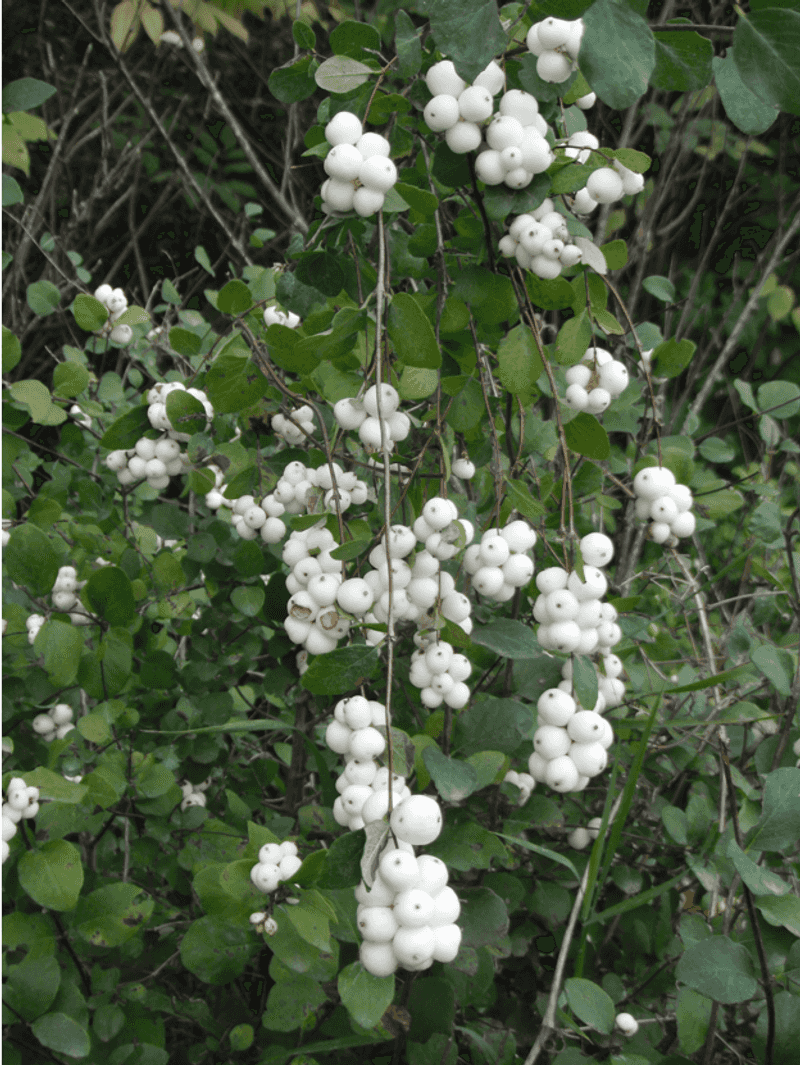
Fruit gets most of the attention, but the physical structure of a snowberry planting can be just as useful to birds as the berries themselves. National Park Service documentation on common snowberry describes how its rhizomes spread underground, allowing the shrub to form dense groupings over time.
That thicket of twiggy stems gives birds a place to dart into when a hawk passes overhead or a neighborhood cat decides the yard looks promising.
The USDA Forest Service species review also notes that snowberry cover benefits small mammals alongside birds, which in turn supports raptors and other wildlife that hunt near shrubby edges. A yard with genuine cover, not just a few isolated plants, tends to hold birds longer and attract a wider range of species than one that offers only a feeder in open space.
Cover and food together do more than either alone, but they still do not add up to complete habitat by themselves. Oregon Department of Fish and Wildlife naturescaping guidance consistently points to varied layers of native plants, clean water, nesting sites and reduced pesticide use as the building blocks of effective bird habitat.
A snowberry planting contributes meaningfully to that mix, especially for winter cover and late-season berries, but pairing it with other native shrubs, a water source and some insect-friendly plantings will do more for your yard’s birds than any single shrub can manage alone.
Match snowberry to the space and climate you have
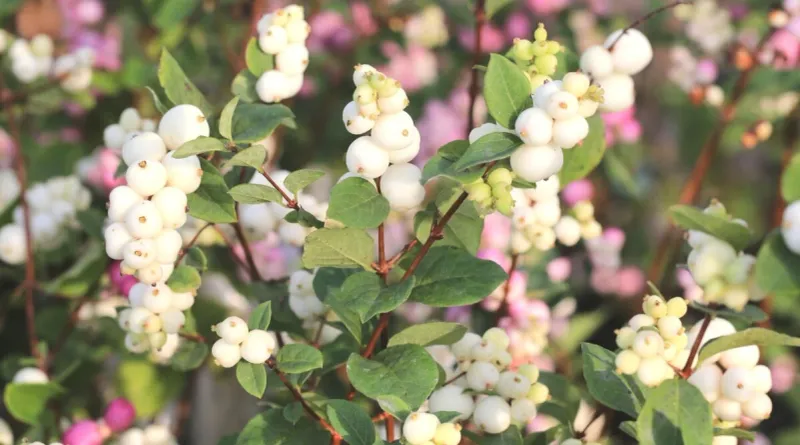
Before you load a snowberry into your car at the native plant nursery, a quick look at your planting spot will save you a lot of trouble later. Oregon State’s landscape plant database describes common snowberry as broad and rounded with a suckering habit, tolerating sun to part shade and a range of soil types.
For a typical garden setting, plan on roughly 5 to 6 feet of spread, and give it more room if you are comfortable letting it sucker outward into a small colony over time.
The suckering is worth thinking about honestly. In a naturalistic border or along a fence line, the gradual spread creates exactly the kind of dense thicket that birds love.
In a tidy formal bed with limited space, you may find yourself pulling suckers every spring. Neither outcome is wrong, but knowing which one you are signing up for makes the planting decision easier.
Most of this guidance applies to western Oregon, where the mild, wet winters and reasonably reliable summer irrigation make establishment manageable. The National Park Service notes that established snowberry tolerates both dry and wet conditions, which aligns well with the Willamette Valley’s wet-season rainfall and dry summers once the plant has had a season or two to settle in.
Central Oregon and high-desert gardeners should treat this recommendation with some caution. Oregon State Extension’s Central Oregon native plant guide does list snowberry for sun to part shade with moderate moisture, but it also makes clear that high-desert conditions differ sharply from the maritime west side.
Central Oregon growers should confirm local moisture availability, cold hardiness requirements and the appropriate local variety before applying west-of-the-Cascades planting advice to a Bend or Redmond yard.
Plant in the wet season and water through establishment
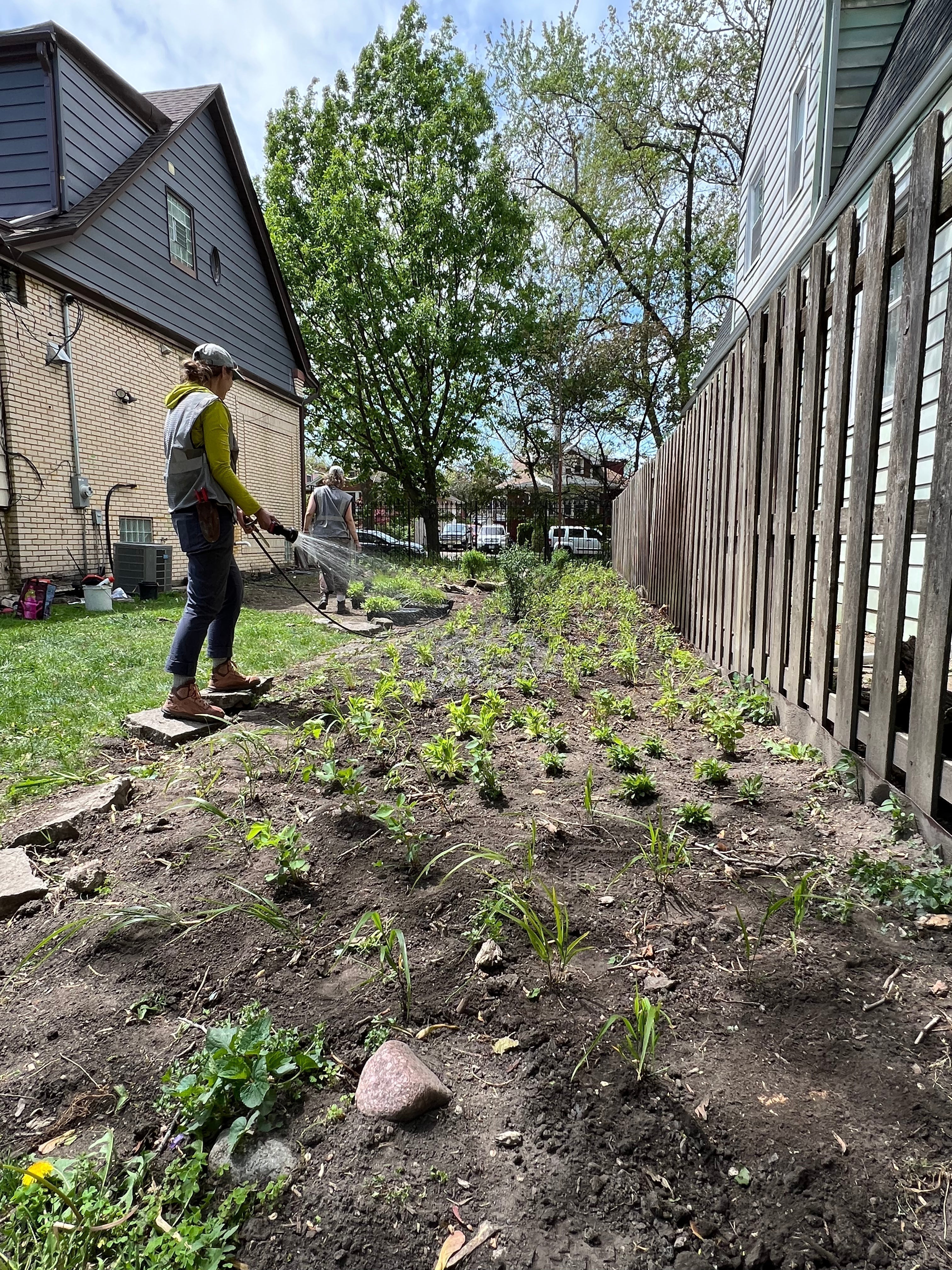
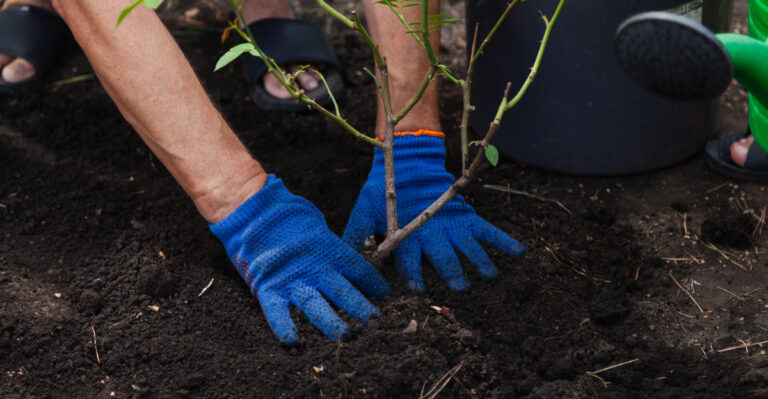
Timing your planting around Oregon’s rainfall calendar gives a young snowberry the best possible start. Oregon State’s guide to native plants west of the Cascades supports fall through late winter or early spring as the preferred planting window, when soil moisture from rain reduces transplant stress and the plant can put energy into root development before summer heat arrives.
Getting the plant in the ground at the right time is only half of establishment. Oregon State guidance on summer watering makes clear that even drought-tolerant native plants need supplemental irrigation during their first dry seasons.
Water deeply and infrequently rather than giving the roots a light daily sprinkle, which encourages surface rooting and leaves the plant more vulnerable when a dry stretch hits in July or August.
Keeping competing grass away from the root zone is one of those small tasks that pays off disproportionately. Turf grasses are aggressive competitors for water and nutrients, and a young snowberry surrounded by lawn will spend its first year fighting for resources rather than building roots.
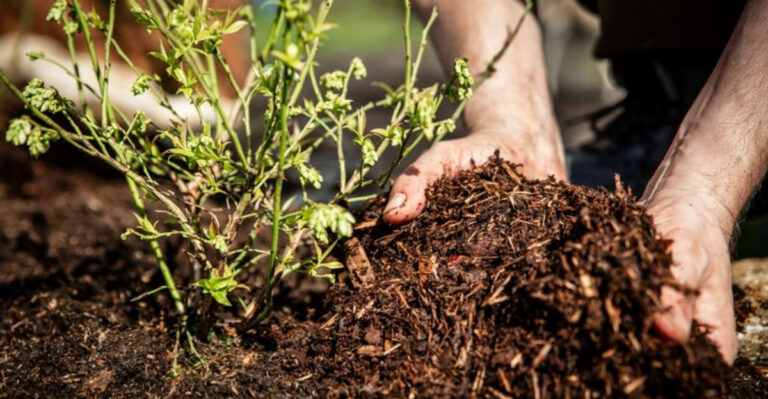
Clear a planting area, then apply mulch to hold moisture and suppress weeds, keeping the mulch pulled back from the base of the stems so moisture does not collect against the bark.
Oregon State’s snowberry profile notes that the shrub tolerates a range of soil and moisture conditions once established, but that tolerance is earned over time. A plant that gets through its first two or three dry seasons with consistent deep watering will develop the root system it needs to hold berries reliably and provide the kind of dense cover that makes it genuinely useful to birds year after year.
Choose another shrub when your yard needs something different
Common snowberry is deciduous, which is worth stating plainly before you plant one expecting year-round screening. By late fall the leaves are gone, leaving a tangle of stems that provides useful cover and holds its berries but does not block a view or create a privacy hedge.
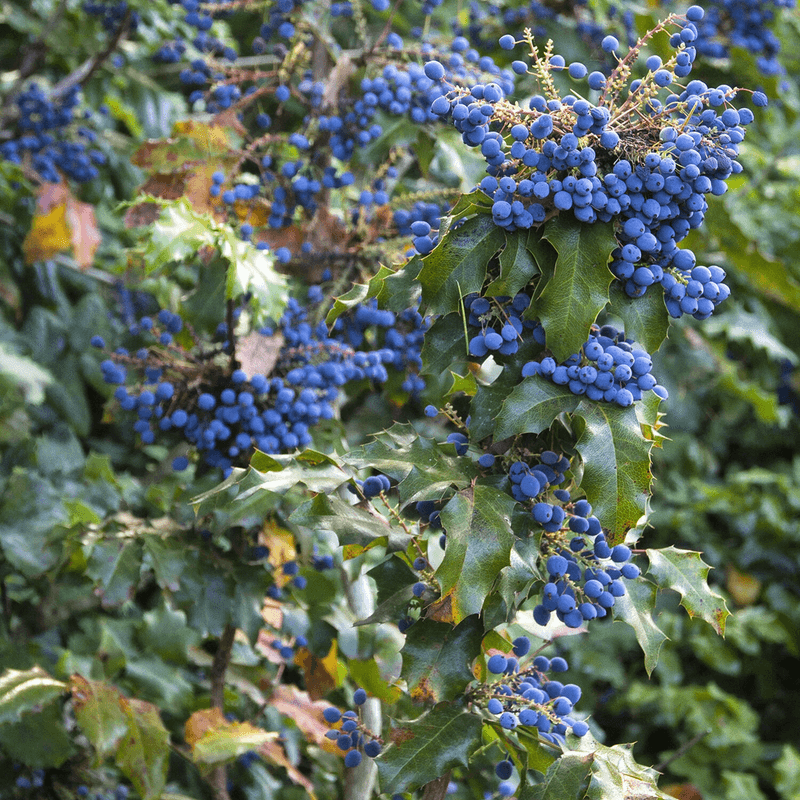
If evergreen structure matters for your yard, Oregon State Extension identifies Pacific wax myrtle as an Oregon native whose fall berries can persist into winter, though it can reach up to about 30 feet and needs considerably more room than a snowberry. For a smaller evergreen option, Oregon grape offers blue-black berries and year-round foliage at a scale that fits most yards.
Oregon State’s Yamhill County native plant guidance lists both Oregon grape and snowberry as bird-supporting natives, without ranking one above the other for winter songbird feeding. The honest answer is that no available source establishes which Oregon native shrub feeds more winter songbirds, so choosing between them comes down to your site, your space and what you need the plant to do beyond feeding birds.
Oregon State’s plant database notes that snowberry fruit can eventually deteriorate late in the season, turning to brown mush rather than persisting indefinitely. How quickly that happens depends on weather, site conditions and bird pressure, so late-winter availability is possible but variable.
Whatever shrubs you choose, a varied planting will serve birds better than any single species. Oregon Department of Fish and Wildlife naturescaping guidance recommends layered native vegetation alongside clean water and reduced pesticide use.
If you keep feeders running through winter, Oregon wildlife officials advise cleaning them regularly and pulling them temporarily if sick birds appear, since a shrub planting does not eliminate the hygiene responsibilities that come with concentrated feeding.
Pick common snowberry for winter berries plus cover
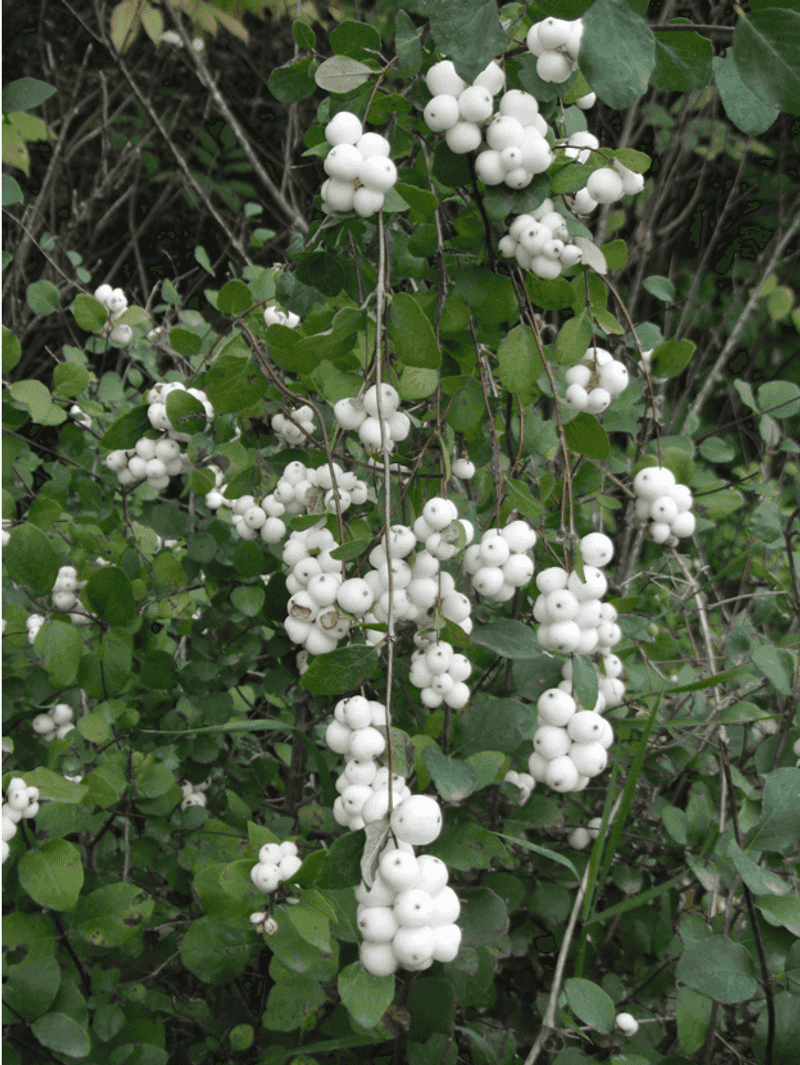
When your yard has room for a spreading deciduous shrub and your priority is berries that can remain available well into winter alongside useful bird cover, common snowberry is the practical choice most strongly supported by Oregon-specific guidance. Oregon State Extension recommends it by name for exactly that purpose, and its broad regional bird associations give it a track record that shorter-season shrubs cannot match for late-season fruit availability.
That said, “strongest supported choice” is not the same as “guaranteed to feed every bird in your yard all winter.” Fruit timing and quantity vary, the shrub is deciduous, and one plant alone will not build complete habitat. Pair it with other natives suited to your site, add a reliable water source, and let some insect-friendly plantings fill in around it.
Oregon Metro’s backyard habitat guidance frames layered native plantings as the foundation of a yard that genuinely supports wildlife through every season. Snowberry earns its place in that layer as the shrub most likely to still be holding fruit when February feels a long way off.