It’s not too late – heat-loving flowers you can still plant now for fresh color into an Oregon fall
If your summer garden is looking a little tired, don’t worry – there’s still plenty of time to add fresh color before the rains roll in. Here in the Willamette Valley and across western Oregon (zones 8a-9a), late summer is actually a sweet spot for planting, since cooler nights ease the stress on new roots.
Many of these tough, sun-loving flowers will keep blooming right up to the first hard frost while feeding hungry pollinators fueling up for winter. Grab that clearance-rack plant with a clear conscience and let’s fill those bare spots.
1. Zinnias
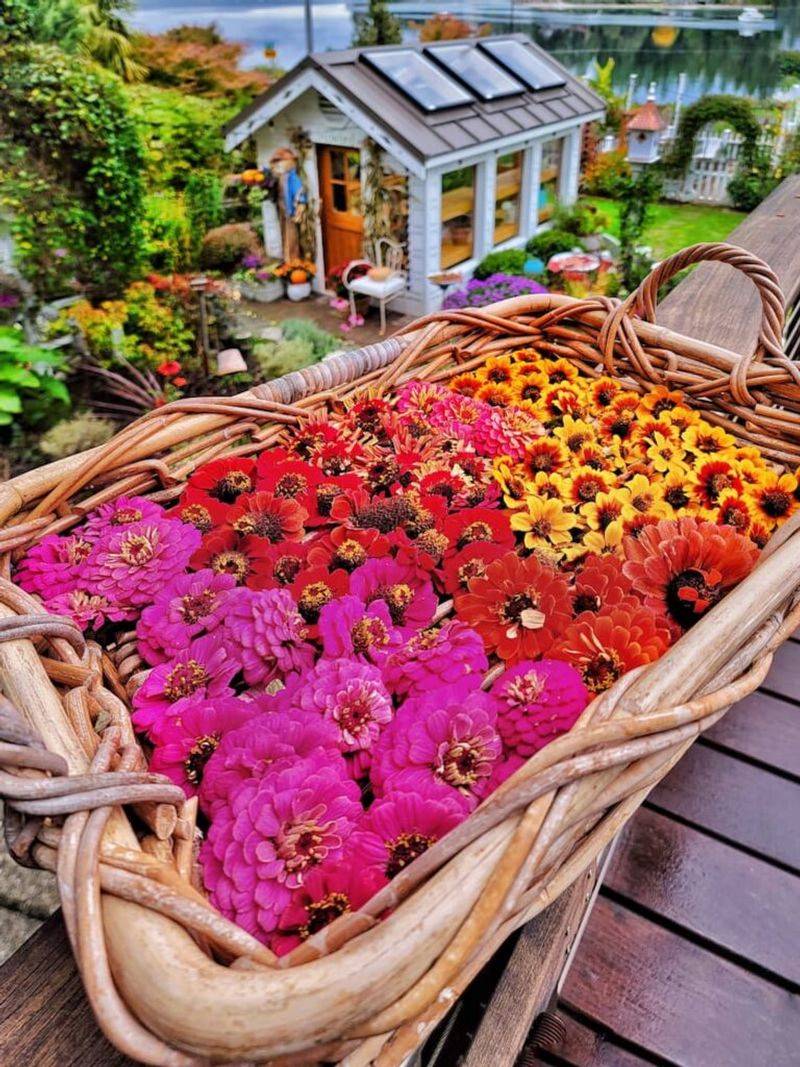
Talk about a flower that refuses to quit. Zinnias soak up hot afternoon sun and keep pumping out saturated blooms in candy shades of coral, magenta, and gold long after other annuals throw in the towel.
Butterflies adore them, so a patch of zinnias near your patio can turn into a front-row seat for swallowtails through September. They ask for very little – full sun, decent drainage, and a snip of the scissors now and then.
Cut a bouquet or deadhead spent flowers, and the plant answers back with even more buds. For Oregon gardeners chasing fast, low-fuss color before the wet season, few flowers deliver such a generous return this late in the year.
2. African Marigolds (Tagetes erecta)
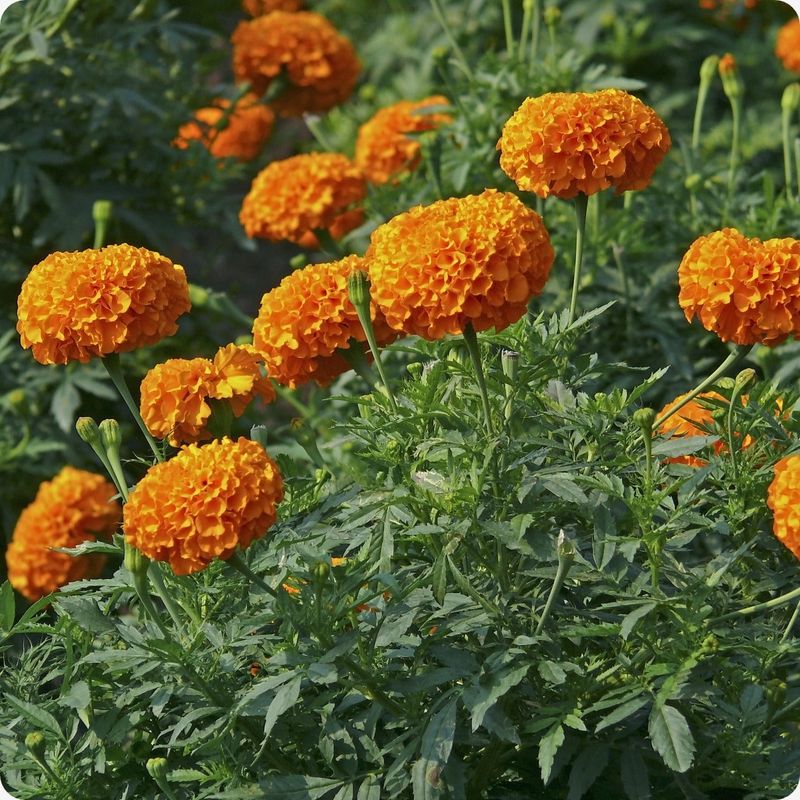
Few flowers glow quite like a marigold at golden hour. The big pom-pom heads of African marigolds bring a warm, almost autumnal orange and yellow that feels tailor-made for the season ahead.
Heat barely fazes them, and they’ll bloom right up until a hard frost nips them back. Pinch off the faded flowers regularly and you’ll coax wave after wave of new color out of a single plant.
Their nectar can attract bees and other pollinators looking for a late meal, and some gardeners like tucking them near vegetables. If you want a bold, cheerful splash that shrugs off dry September days, this is your workhorse.
3. Celosia (Plumed Celosia)
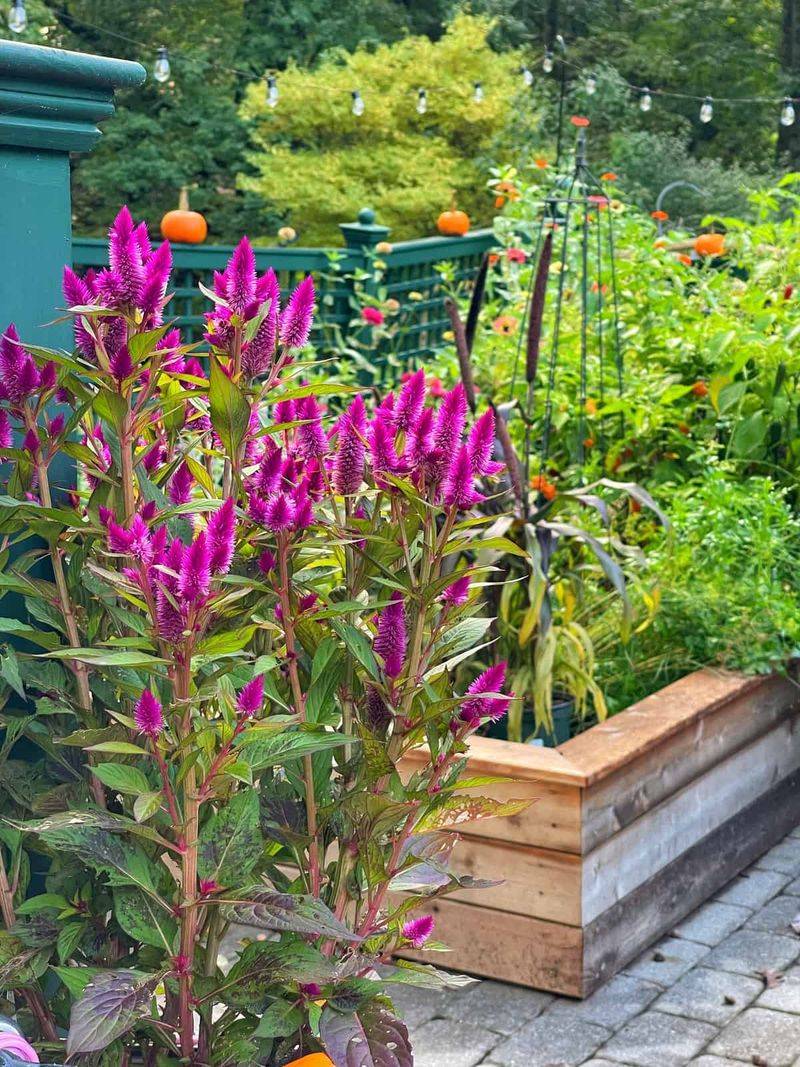
There’s something almost theatrical about celosia. Its feathery, flame-shaped plumes in fiery reds, oranges, and hot pinks look like little torches lighting up the border.
Give it full sun and steady water, and it rewards you with a display that holds its color for weeks – and dries beautifully for indoor arrangements too. The texture alone sets it apart from the softer, rounder blooms elsewhere in the garden.
Because it thrives in containers, celosia is perfect for dressing up a front step or filling a gap in a mixed pot. When you want drama and heat tolerance in one tidy package, this one earns its spot.
4. Moss Rose (Portulaca)
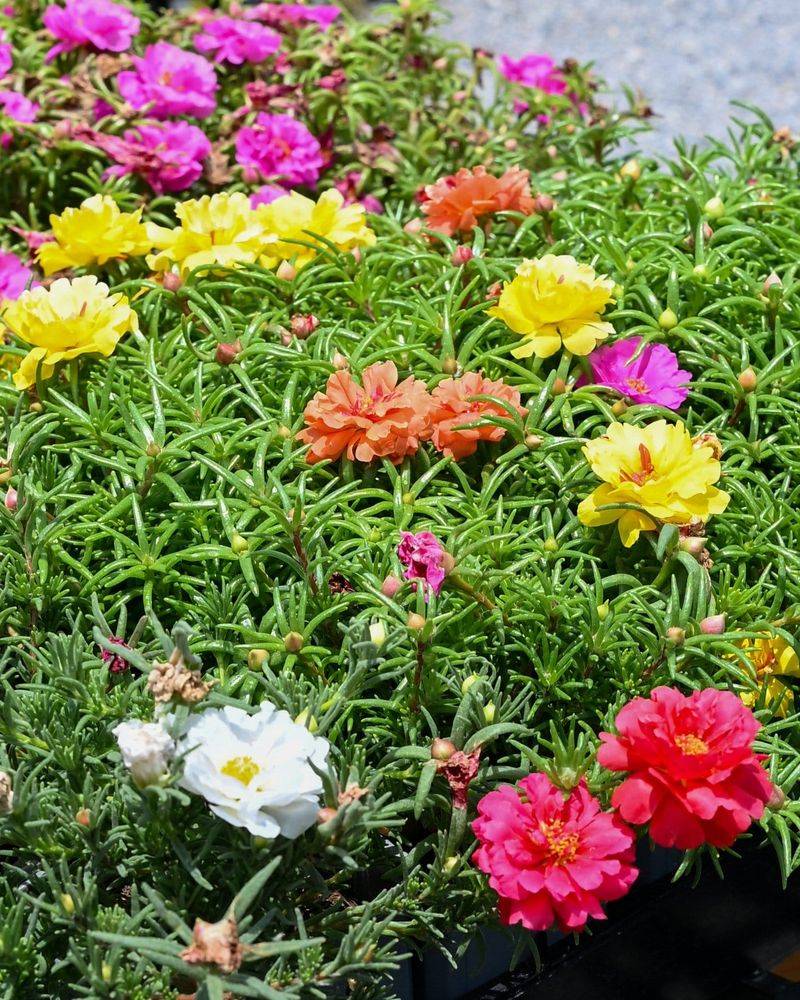
For the forgetful waterer, moss rose is a small miracle. This ground-hugging succulent stores moisture in its plump little leaves, so it laughs off the hottest, driest corner of your yard.
The satiny, cup-shaped blooms open in a jewel box of colors – rose, tangerine, buttery yellow – and stay cheerful until frost arrives. Plant it where nothing else seems to thrive, like a baking rock wall or a container that always dries out.
Your Oregon Garden Changes Every Week. Your Plan Should Too.
Gardening in Oregon changes quickly throughout the season. Every Friday you’ll receive a simple weekly plan showing exactly what to plant, prune, fertilize, harvest, and protect so you never miss the right timing.
Butterflies drop in for the flowers, and you get carefree color with almost no effort. If your watering can and your good intentions don’t always line up, portulaca has your back.
5. Black-Eyed Susans (Rudbeckia)
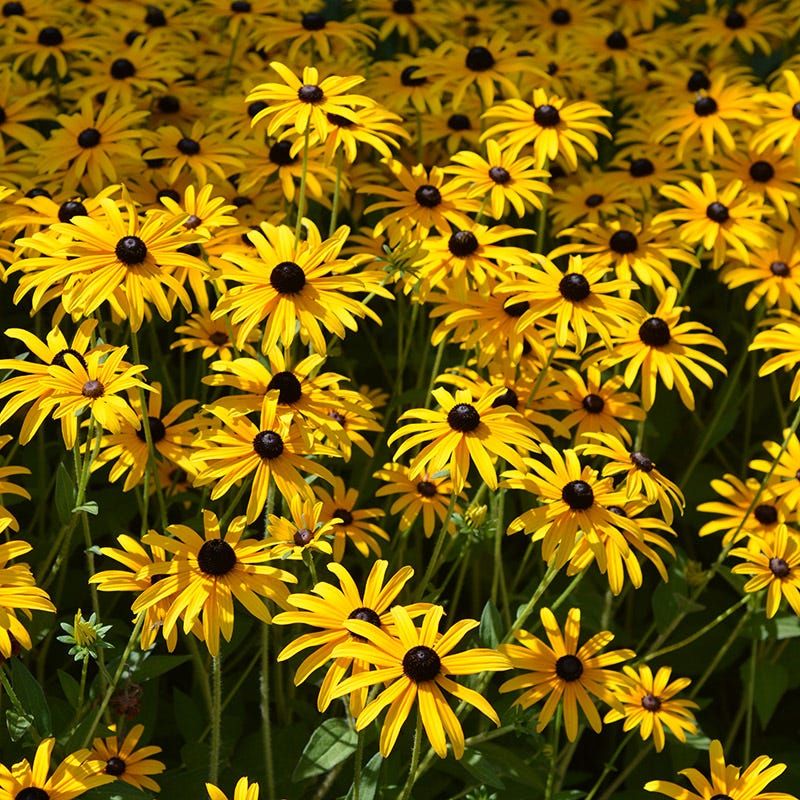
Golden petals circling a chocolate-brown eye – Rudbeckia is the flower that says autumn is coming without any of the gloom. It’s a Pacific Northwest classic, blooming long and strong right into September.
Unlike the annuals on this list, black-eyed Susans are perennials, so planting one now buys you years of return color. Give them full sun, rich soil, and moderate water, then deadhead to keep the show going.
Butterflies flock to the sunny faces, and leaving the seed heads standing later on can offer a snack for birds through winter. Think of it as an investment that pays off this fall and every fall after.
6. Sedum (Stonecrop)
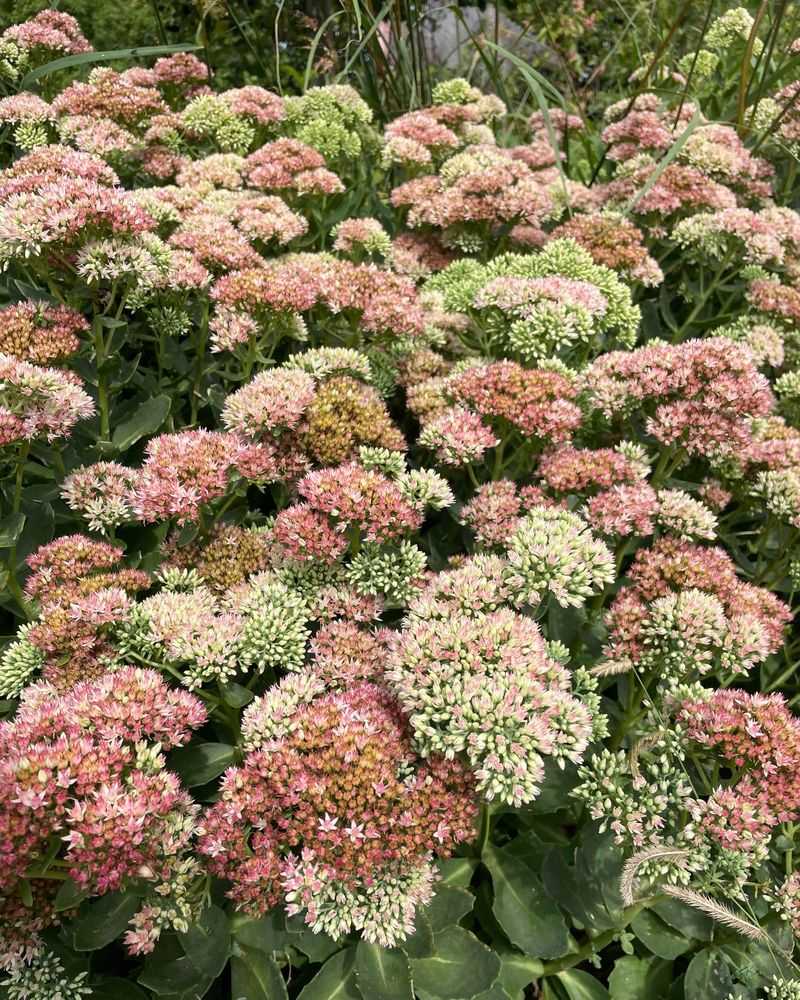
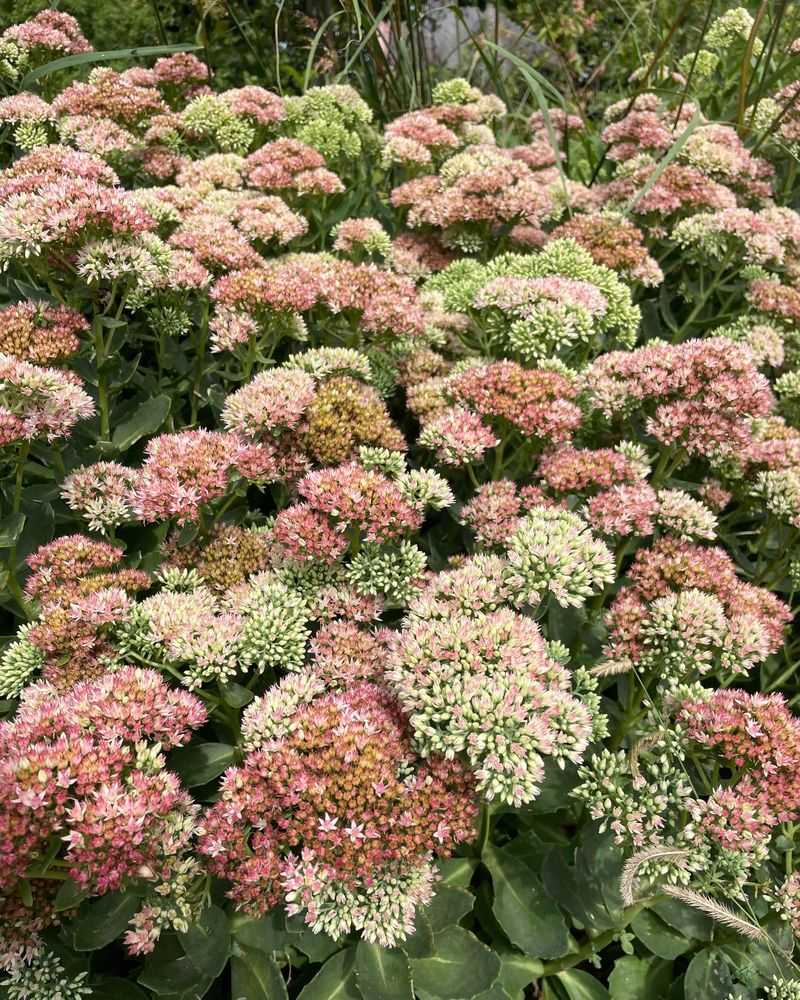
Watch a patch of sedum in fall and you’ll see it turn into a pollinator party. Those flat, broccoli-like flower heads shift from pale green to dusky rose as autumn deepens, and bees can’t seem to leave them alone.
Stonecrop practically thrives on neglect, storing water in its fleshy leaves and shrugging off drought once established. Oregon Stonecrop is even a Pacific Northwest native, well suited to our dry summers and rocky spots.
Plant it now and its roots settle in for a spectacular show, then it comes back bigger year after year. For a low-water garden that still buzzes with life, sedum is hard to beat.
7. Yarrow (Achillea)
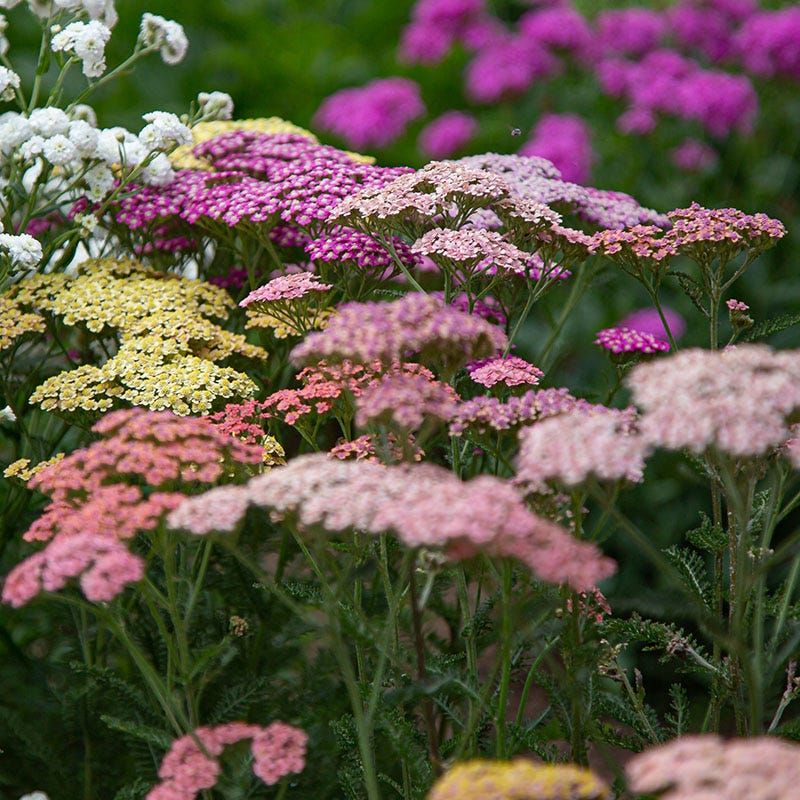
Tough as nails and prettier than it has any right to be, yarrow spreads its flat, lacy flower clusters like little landing pads for insects. Colors range from soft butter yellow to warm apricot and dusty pink, adding a relaxed, meadowy feel.
Heat and dry soil don’t slow it down, and Western Yarrow is a genuine Pacific Northwest native that belongs in our habitat gardens. Its blooms can attract a steady stream of bees, hoverflies, and butterflies late in the season.
Snip some for a vase and it dries wonderfully, holding its color for months indoors. If you’re trying to do right by local pollinators while keeping the watering to a minimum, yarrow closes out this list on exactly the right note.