Why California Dragonflies Vanish From Yards As Nights Cool
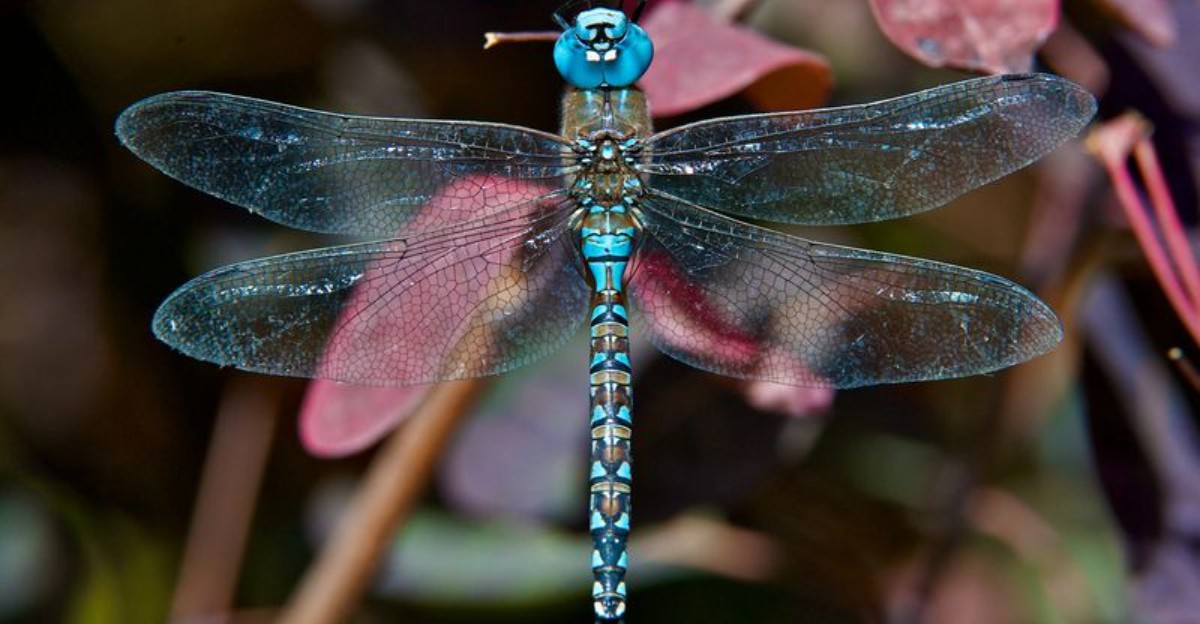
Those dragonflies that once zipped through your California yard can seem to disappear almost overnight when fall temperatures arrive. Their sudden absence may feel surprising, especially after months of seeing them around gardens, ponds, and sunny outdoor spaces.
Dragonflies depend on specific conditions to stay active, and cooler nights can change the environment they rely on.
Shifts in temperature, water conditions, and seasonal patterns all play a role in where these insects spend their time.
A quiet yard does not always mean dragonflies are gone for good. Their seasonal behavior can reveal a lot about the local ecosystem and the changes happening around your garden.
Knowing why they disappear can help you better understand these fascinating visitors and what may bring them back.
1. Cooler Nights Slow Dragonfly Activity
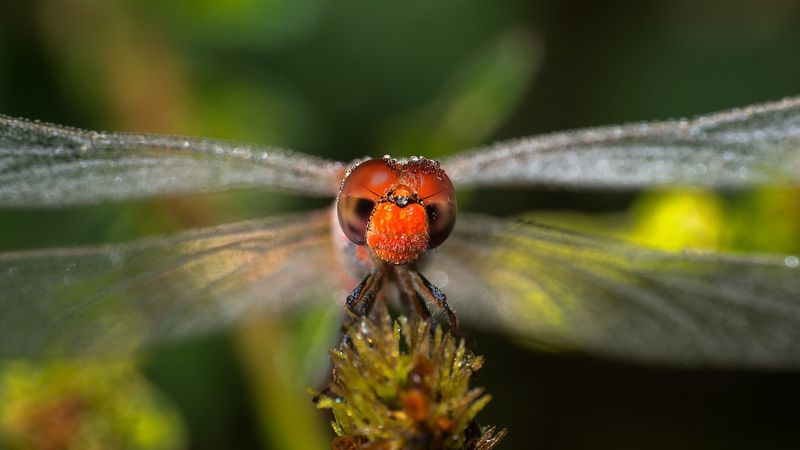
Cold air has a big effect on these insects, and it starts the moment the sun goes down. Dragonflies are cold-blooded, which means their body temperature matches the air around them.
When nights turn chilly in California fall, their bodies cool off too. A cold dragonfly cannot move its wings quickly or hunt the way it does on a warm day. So instead of buzzing around your yard, it stays still and rests.
You might spot one clinging to a plant stem in the morning, waiting for sunshine. Until the air warms up, it simply cannot get going. That slow start makes them harder to see during cooler weeks.
Even during the day, if the temperature stays low, they stay sluggish. Their flying time shrinks, and their energy drops. This is why your yard feels so quiet compared to the busy summer months.
Here is a helpful tip. If you want to spot them in fall, look during the warmest part of the afternoon. That is when any remaining dragonflies will try to soak up heat and fly.
Sunny spots near water or open ground become their favorite resting places. They spread their wings to catch warmth before taking off.
Understanding this slowdown helps explain the sudden quiet. The dragonflies have not all gone away yet. Many are just moving less and hiding more because the cool nights have drained their energy and calmed their normally active behavior.
2. Dragonflies Need Warm Temperatures To Fly
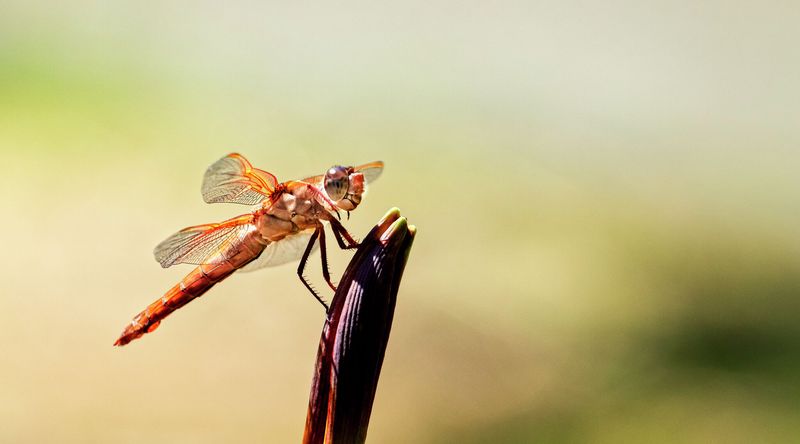
Flight is a huge energy job for a dragonfly, and warmth is the fuel that makes it possible. Their flight muscles only work well when their bodies reach a certain temperature.
On hot summer days, they zoom, hover, and dart with amazing speed. Take that heat away, and their engines basically stall. This is why warmth matters so much to their daily lives.
Before a dragonfly can hunt or patrol its territory, it often basks in the sun first. It lands on a warm rock, fence, or leaf and holds its wings out. This soaks up heat and gets the muscles ready for action.
When fall arrives, the sun sits lower and the air stays cooler for longer. There is simply less warmth to go around, so flying becomes difficult.
Your California Garden Changes Every Week. Your Plan Should Too.
Gardening in California changes quickly throughout the season. Every Friday you’ll receive a simple weekly plan showing exactly what to plant, prune, fertilize, harvest, and protect so you never miss the right timing.
Some dragonflies even shiver their wing muscles to warm up, a bit like how you rub your hands together on a cold day. That trick works in mild weather, but it struggles once nights get truly cold.
You can notice this pattern yourself. On a crisp fall morning, dragonflies barely appear. By midafternoon, if the sun breaks through, a few might zip past.
The connection between heat and flight explains a lot. As California cools, the warm hours shrink, and so does the flying. Fewer flying dragonflies in your yard usually means the temperature has simply dropped below what their busy wings can handle comfortably.
3. Many Adults Reach The End Of Their Life Cycle
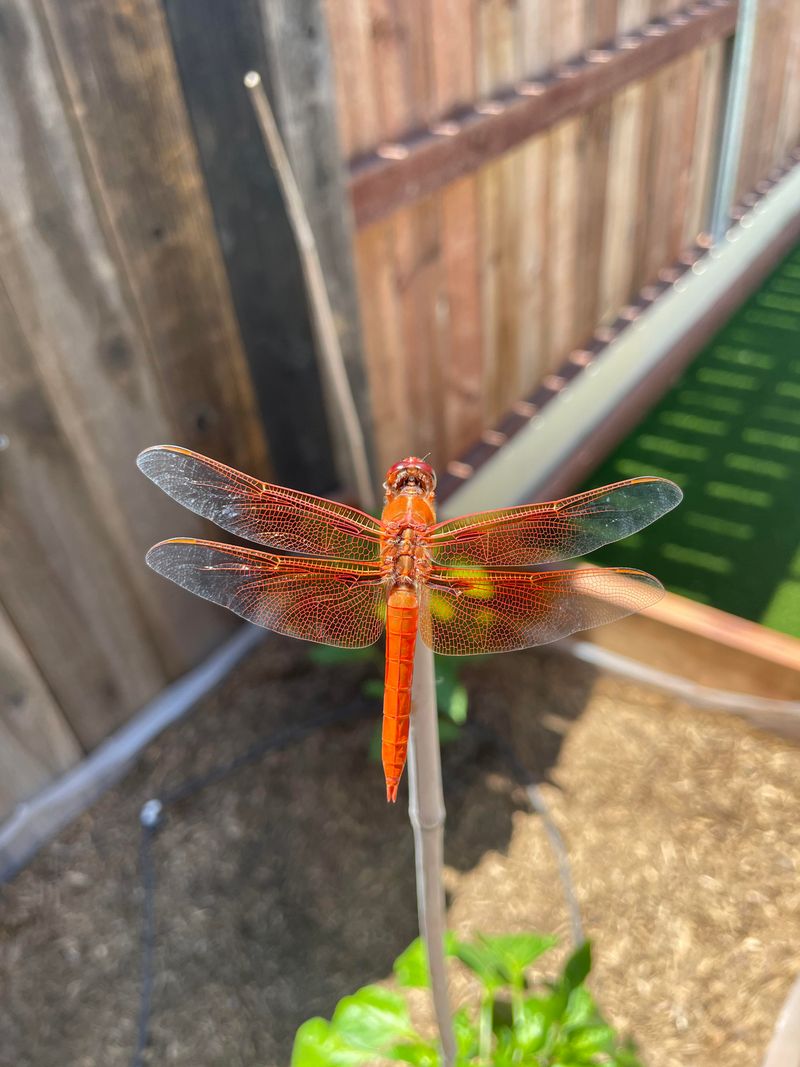
Every dragonfly has a life story, and the flying adult stage is actually the shortest part of it. Most of their life is spent underwater as a nymph, hidden in ponds and streams.
When they finally climb out and grow wings, that adult stage lasts only a few weeks to a couple of months. So by the time fall comes, many summer adults have already completed their natural journey.
This timing is normal and part of how nature works. The adults mate, lay eggs in water, and their part of the cycle wraps up. Those eggs and young nymphs stay safe below the surface, waiting for their turn.
Because so many adults finish their cycle in late season, your yard naturally has fewer of them flying around. It is not that something went wrong. It is simply the calendar catching up with them.
Here is something cool to remember. The dragonflies you saw all summer may be gone, but their offspring are already growing under the water. Next year, a brand new batch will emerge.
This makes protecting local ponds and water features really important. Those hidden nymphs are the future of your backyard dragonflies.
Knowing about the life cycle changes how you see the fall quiet. Instead of feeling like a loss, it becomes part of a natural rhythm. The adults have passed the torch, and the next generation waits patiently beneath the water for warmer days.
4. Fewer Flying Insects Means Less Food
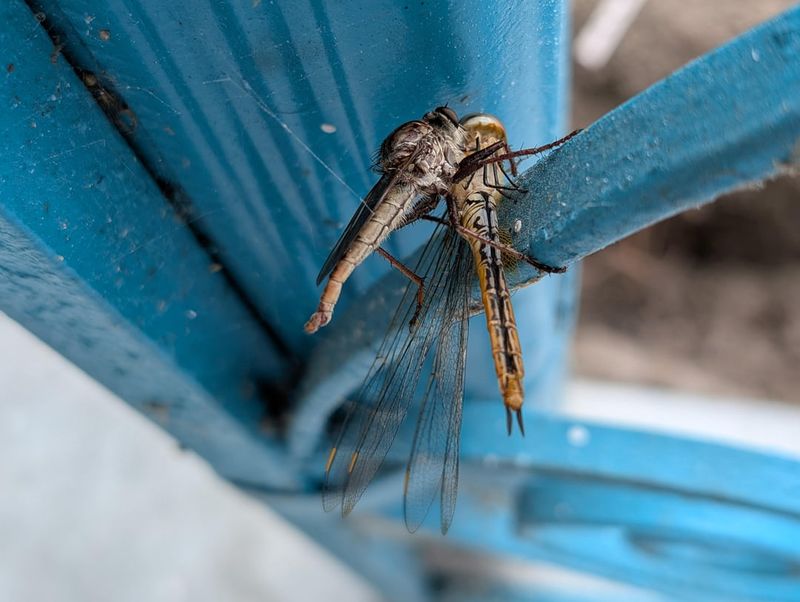
Dragonflies are hunters, and they need lots of small flying insects to survive. Mosquitoes, gnats, flies, and midges make up most of their menu.
These tiny bugs love warm, humid weather. When California nights cool down, many of them disappear or become far less active. That leaves dragonflies with much less food to catch.
Think of it like a restaurant slowly running out of meals. If the food supply shrinks, the customers move on or stop showing up. Dragonflies react the same way when their prey vanishes.
Less food also means less reason to patrol your yard. In summer, a dragonfly might spend hours hunting over your lawn or garden. In fall, with fewer bugs to chase, that hunting time drops sharply.
Some dragonflies use their leftover energy to travel toward areas where insects are still buzzing. Others simply slow way down to save what little fuel they have.
You can actually help with this food link. Keeping a small water feature clean and healthy supports insect life a little longer into the season. A tiny pond can keep some prey around.
Native plants that bloom late also attract insects, which in turn attract hungry dragonflies. Every bit of habitat helps.
The connection between bugs and dragonflies is easy to see once you know it. When the flying snacks fade with the cool weather, the dragonflies that depend on them naturally drift away from your yard to find dinner elsewhere.
5. Ponds And Water Features Become Less Active
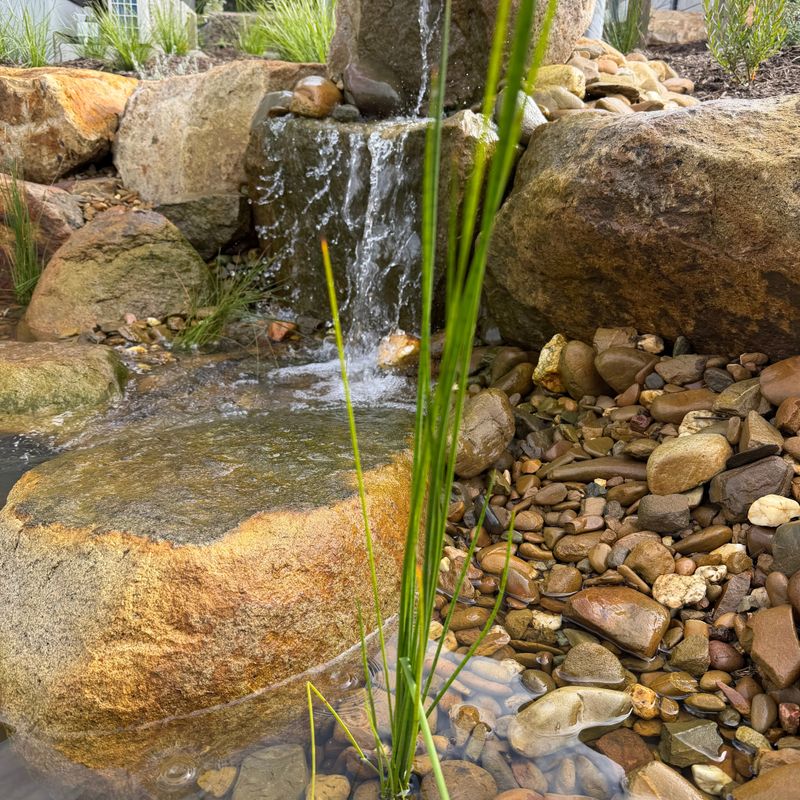
Water is the heart of a dragonfly’s world, so what happens to ponds really matters. During warm months, ponds buzz with life, and dragonflies gather there to mate and lay eggs.
As the season cools, that water activity quiets down. The pond surface stays calmer, and fewer adults visit to breed. This alone makes your yard feel emptier of dragonflies.
Cooler water also slows down the young nymphs living below. They grow more slowly and hide deeper to stay safe through winter. So even underwater, the pace of life eases off.
Backyard water features follow the same pattern. A fountain or small pond that hummed with dragonfly visitors in July can look still and quiet by October.
Falling leaves and cooler temperatures change the water too. Plants stop growing as fast, and the whole habitat settles into a slower rhythm for the season.
You can keep your water feature helpful by not draining it completely. Even in cooler weather, it supports nymphs and other creatures hiding beneath the surface.
Clearing away thick leaf piles while leaving some plant cover creates a nice balance. It keeps the water healthy without stripping away shelter.
Once you understand how tied dragonflies are to water, the fall quiet makes sense. When ponds calm down and breeding slows, the adults have less reason to hang around. The dragonflies drift off, and the water waits patiently for spring to bring the buzz back.
6. Some Species Move To Warmer Areas
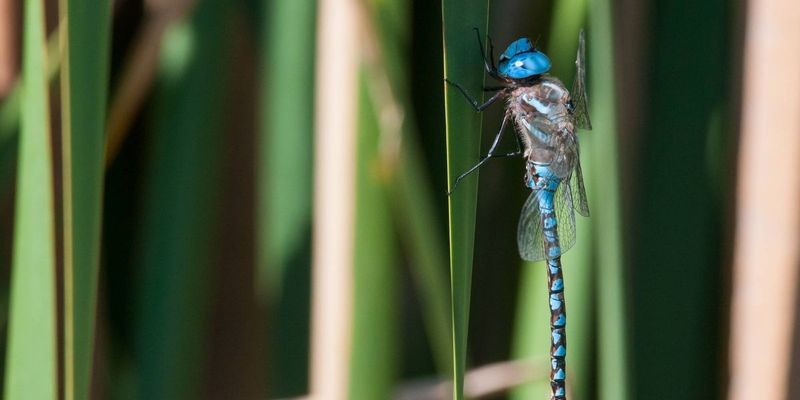
Not every dragonfly stays put when the weather changes. A few California species actually pack up and head toward warmer regions, much like migrating birds do.
The Common Green Darner is a famous traveler. These strong fliers can journey long distances south to escape the cooling air and find better conditions.
Migration is a smart survival move. Instead of struggling through cold nights with little food, these dragonflies chase the warmth and the insects that come with it.
They often travel in loose groups, riding wind currents to save energy. Scientists have tracked some of these flights over surprising distances. It is one of the most amazing facts about these insects.
Because of this, part of your yard’s fall dragonfly decline is simply travel. Some of your summer visitors are literally flying away to sunnier spots.
The really cool part is that migration can work across generations. The dragonflies that fly south may have offspring that return north later, continuing the cycle.
You might catch a glimpse of this movement if you are lucky. On certain fall days, you may spot streams of darners passing overhead on their way to warmer ground.
Knowing that some species migrate adds a sense of wonder to their disappearance. They are not just gone; some are on an incredible journey. When you notice fewer dragonflies, remember that a few may be riding the wind toward a warmer home far away from your yard.
7. Summer Populations Naturally Decline In Fall
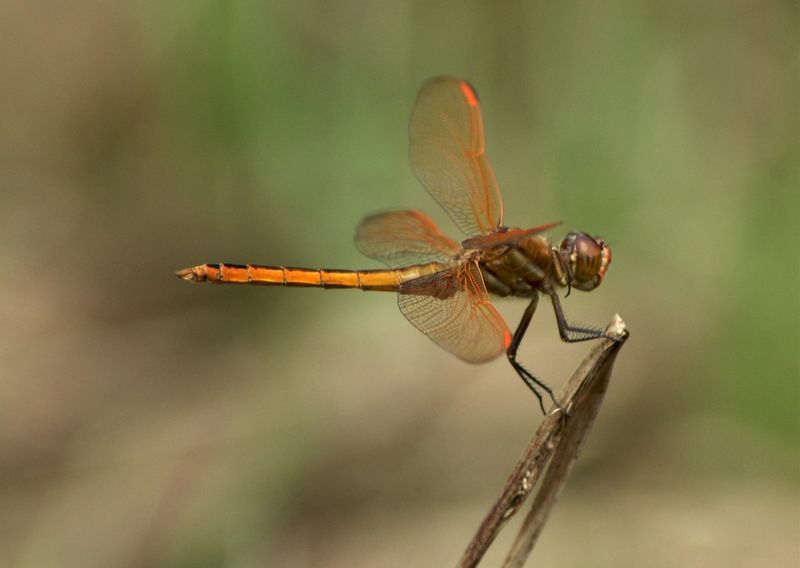
Every year follows a natural pattern, and dragonfly numbers rise and fall with the seasons. Summer is their peak, when populations reach their highest and yards feel full of them.
As fall settles in, those big summer numbers naturally shrink. This drop is expected and healthy, not a sign that something has gone wrong in your yard.
The combination of cooler nights, less food, and completed life cycles all add up. Together, these factors bring the population down from its busy summer high.
Think of it like a seasonal wave. The population swells in warm months and gently pulls back when the cold arrives. Then it builds again the next year.
This rhythm has repeated for millions of years. Dragonflies are ancient insects, and their ancestors lived long before the dinosaurs. They have mastered this seasonal cycle.
For your yard, this means the fall quiet is just one part of a bigger loop. The dragonflies will return as temperatures climb and new adults emerge from the water.
You do not need to worry when you see fewer of them. Their absence in cooler months is exactly how nature planned it to work.
Appreciating this pattern can make fall feel more peaceful. Instead of missing the dragonflies, you can look forward to their comeback. The natural dip is temporary, and the same water and warmth that brought them this year will call a fresh generation back to your yard.