Don’t give weeds an open invitation this fall – 5 tough ground covers for Oregon beds
Bare fall soil is basically a welcome mat for weeds, and every Oregon gardener knows how fast those uninvited guests move in. The good news is that the right ground cover can carpet your beds, crowd out troublemakers, and still look good through our wet winters.
Below are five tough choices that thrive west of the Cascades and beyond. Read on and decide which one earns a spot in your garden this season.
1. Kinnickinnick (Arctostaphylos uva-ursi)
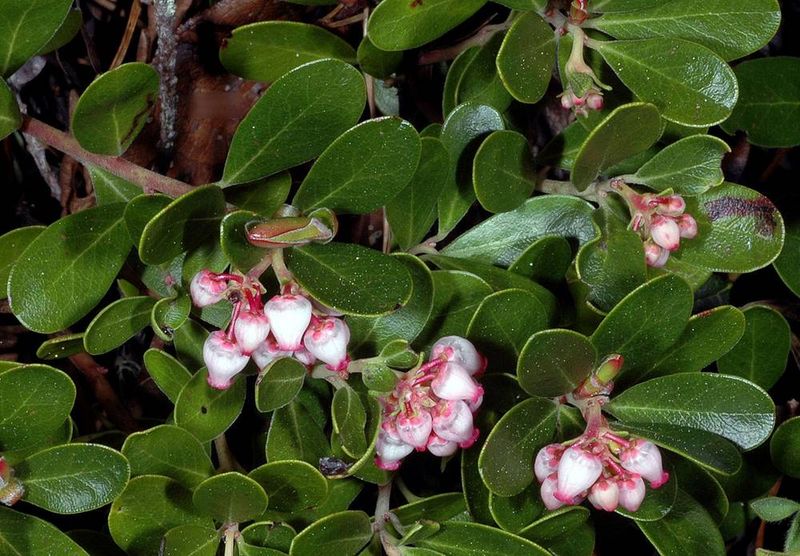
If you want a native that pulls its weight and feeds the neighborhood birds, Kinnickinnick is your plant. Sometimes called Bearberry, it spreads into a tight mat of small, glossy leaves that shift to a warm bronzy-red once the cool weather rolls in.
Hardy across a huge range of zones, it laughs at dry, sunny spots and holds soil in place on tricky slopes. That erosion control makes it a favorite for banks where nothing else wants to grow.
Weeds simply can’t find room to sprout under its low, woven cover.
Come spring, delicate pink-tinged white bells appear, followed by bright red berries that carry local birds through the lean winter months. Planting it is one of those quiet ways to do right by wildlife while your beds stay tidy.
For gardeners who feel that tug of guilt about wanting to help pollinators and birds, this one checks the box beautifully.
2. Creeping Thyme (Thymus serpyllum, Thymus praecox)
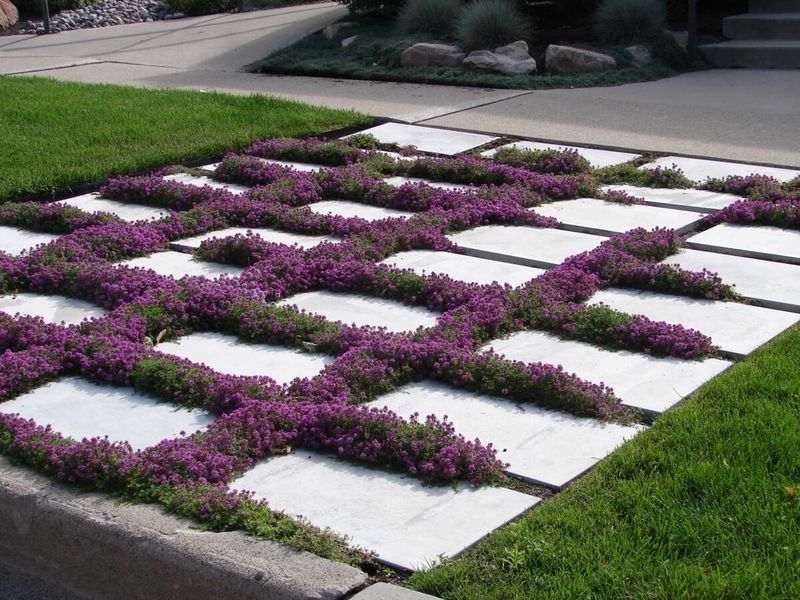
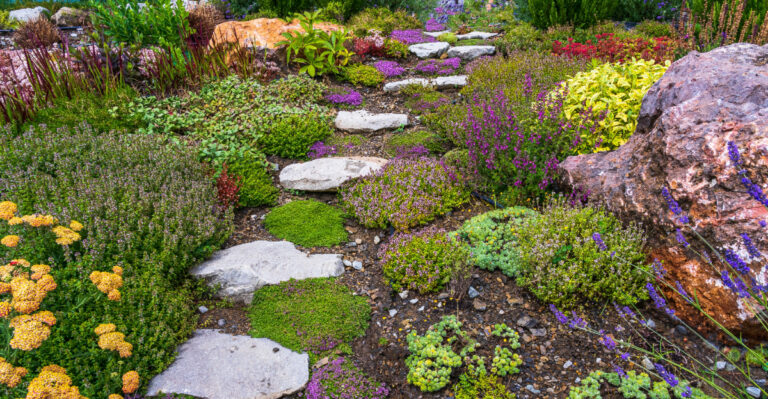
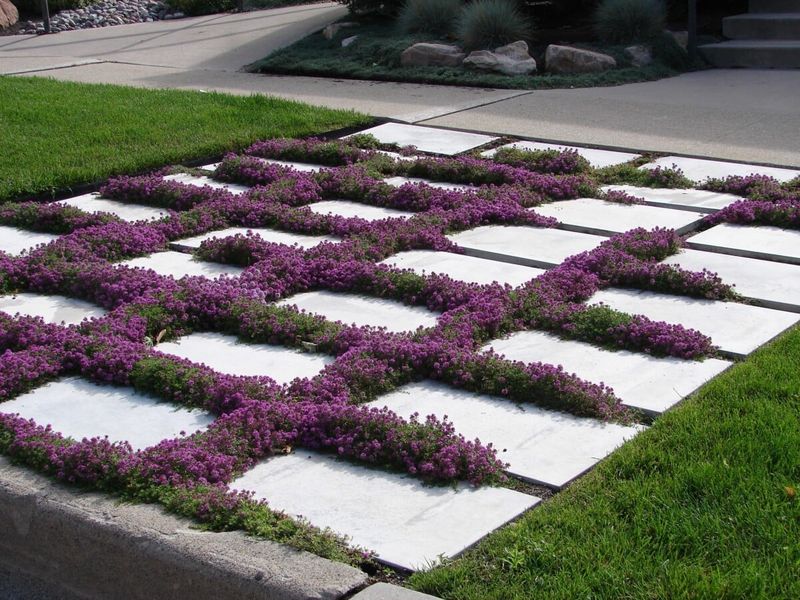
Step on it and it forgives you, brush against it and it perfumes the whole path. Creeping Thyme is that rare ground cover you can actually walk across, which is why gardeners tuck it between paving stones and along walkways.
The tiny leaves knit into a fragrant carpet that shades out weeds and shrugs off summer drought once it settles in. Give it full sun and well-drained soil, and it asks for almost nothing else.
In late spring and summer it lights up with pink, purple, or lavender-red blooms.
Bees adore those flowers, and the constant buzzing turns a plain pathway into a little pollinator highway. There’s something deeply satisfying about a plant that smells amazing, feeds the bees, and quietly does the weeding for you.
It’s a low-fuss, high-reward pick that fits the busy gardener life perfectly.
3. Sedum (Stonecrop)
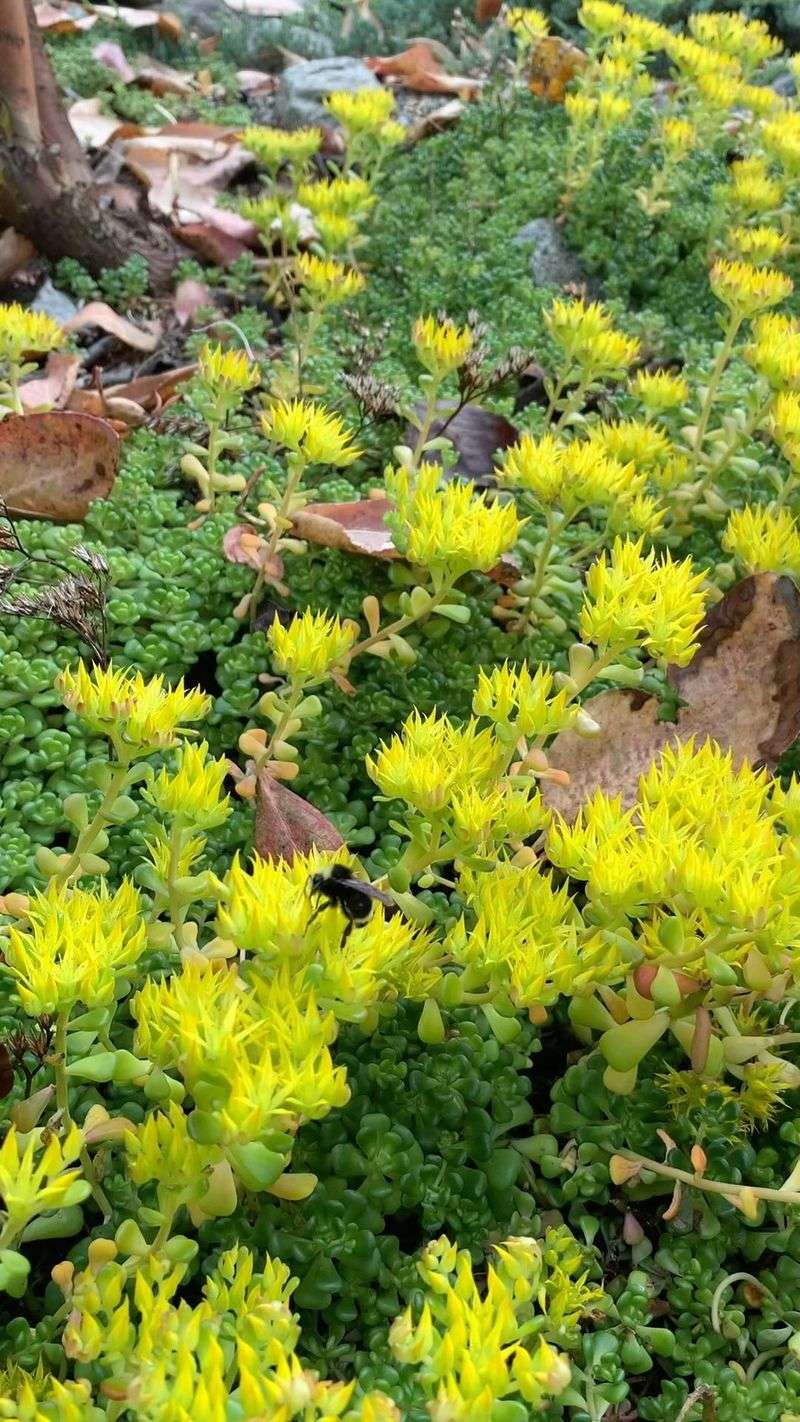
Some plants need coddling. Sedum, on the other hand, seems to thrive on neglect, which is exactly why so many folks call it bulletproof.
These succulent ground covers come in a dizzying mix of textures, colors, and sizes, and the low-growing types spread out to shade the soil so weeds never get a foothold. Rocky corners, baking dry slopes, that forgotten strip by the driveway – Sedum settles in where fussier plants throw in the towel.
Full to part sun keeps it happy.
Depending on the variety, small white or yellow flowers pop up and draw in bees and other pollinators looking for a snack. Here’s the fun part for the plant hoarders among us: Sedum roots from cuttings almost effortlessly, so you can expand your patch without spending a dime.
Your Oregon Garden Changes Every Week. Your Plan Should Too.
Gardening in Oregon changes quickly throughout the season. Every Friday you’ll receive a simple weekly plan showing exactly what to plant, prune, fertilize, harvest, and protect so you never miss the right timing.
No guilt, no receipts, just more free plants to spread around the yard.
4. Ajuga reptans (Bugleherb)
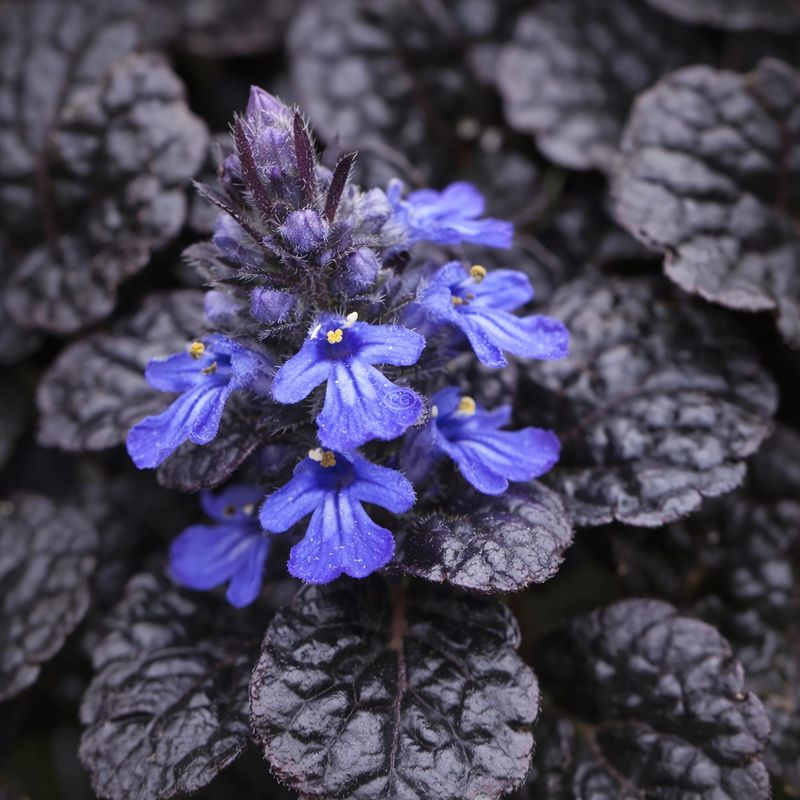
Want ground covered fast? Ajuga, also known as Bugleherb or Bugleweed, moves quickly and blankets bare dirt before weeds even wake up.
Its glossy foliage comes in moody shades, from the near-black leaves of ‘Black Scallop’ to the wine-toned ‘Burgundy Glow.’ That rich color creates a living mulch that blocks light from opportunistic weed seeds. In spring, short spikes of periwinkle-blue flowers rise above the leaves for a cheerful jolt of color.
Comfortable in both full sun and part shade, it’s a dependable filler for those in-between spots where you’re not sure what will take. The vigor that makes Ajuga such a strong weed-blocker also means you’ll want to keep an eye on its edges so it stays where you planted it.
Give it a defined space, and it rewards you with dense, dramatic coverage that looks intentional rather than wild.
5. Coastal Strawberry (Fragaria chiloensis)
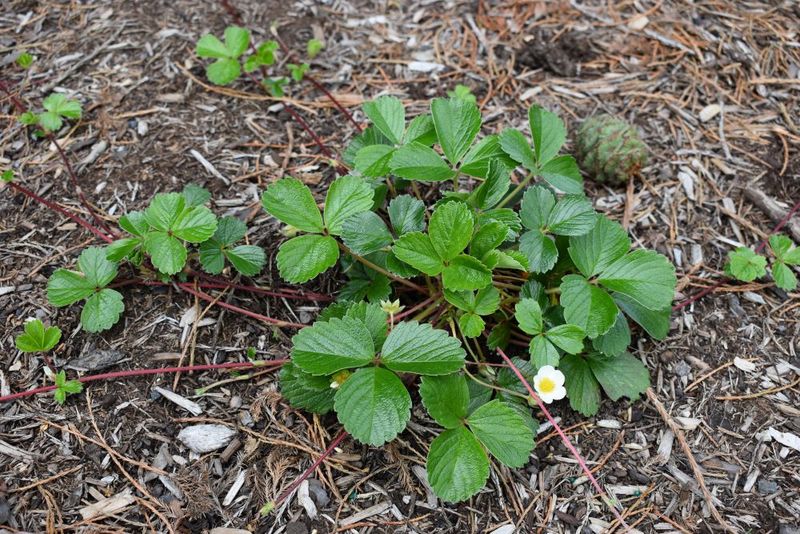
Imagine a ground cover that hands you snacks. Coastal Strawberry, a Pacific Northwest native, does exactly that while it carpets your beds.
Spreading by runners, it forms a low, semi-evergreen mat that stabilizes soil and elbows out weeds along the way. It’s right at home in our maritime climate, handling everything from full sun to partial shade without complaint.
White spring flowers open first, then give way to small red berries by summer.
Those blooms bring in pollinators, and the berries feed birds as well as any gardener quick enough to grab a few. For anyone who wants their weed control to double as a wildlife buffet, this native ticks all the right boxes.
It’s a genuinely feel-good choice that supports the local ecosystem while keeping your beds full and tidy through the seasons.