Why This September Feels Hotter Than Normal In California And What It Means For Your Garden
September in California used to mean the heat quietly packed its bags and wandered off toward somewhere else. This year it unpacked everything again, kicked off its shoes, and asked politely to stay through October.
Sidewalks still throw off warmth at nine at night, long after the sun has officially clocked out. Patio chairs feel like somebody pulled them straight out of a slightly angry toaster oven.
Meanwhile the calendar insists it is autumn, with pumpkins already stacked outside every single grocery store entrance. The thermometer apparently skipped that particular meeting and forgot to send along an apology note.
Out back, something has clearly noticed the difference, and it is not being especially quiet about the situation. The lawn chair, for the record, has handled this whole heat business beautifully.
A Stubborn High-Pressure Ridge Is Behind The Heat
Blame the stubborn ridge of high pressure that likes to settle over the West in early fall. It behaves like a lid, pressing warm air downward and shoving rain storms far to the north.
Ocean breezes that normally cool coastal gardens get blocked whenever that ridge takes full charge of the pattern. Inland valleys warm fastest, and they can run ten to fifteen degrees above their normal marks.
Offshore winds pile on by pushing dry desert air westward toward the coastline and the foothills. Humidity drops hard, sunlight feels sharper, and soil loses moisture faster than most gardeners expect it to.
September sunlight still carries real punch in California, even with the daylight hours steadily growing shorter. A leaf sitting in full afternoon sun can measure far warmer than the surrounding air does.
Neighborhoods make matters worse, since concrete and asphalt soak up heat through the whole long afternoon. Beds beside a driveway or a south-facing wall keep releasing that stored warmth well after sunset.
State climate records show California Septembers warming steadily across the past five or six decades. A hot spell that once seemed unusual now arrives on a fairly predictable yearly schedule.
Forecasters call these long stretches heat domes, and a single one can linger for ten days. Plants shrug off brief spikes easily, yet long sieges call for a much smarter watering plan.
Warm Nights Are Quietly Wearing Plants Down
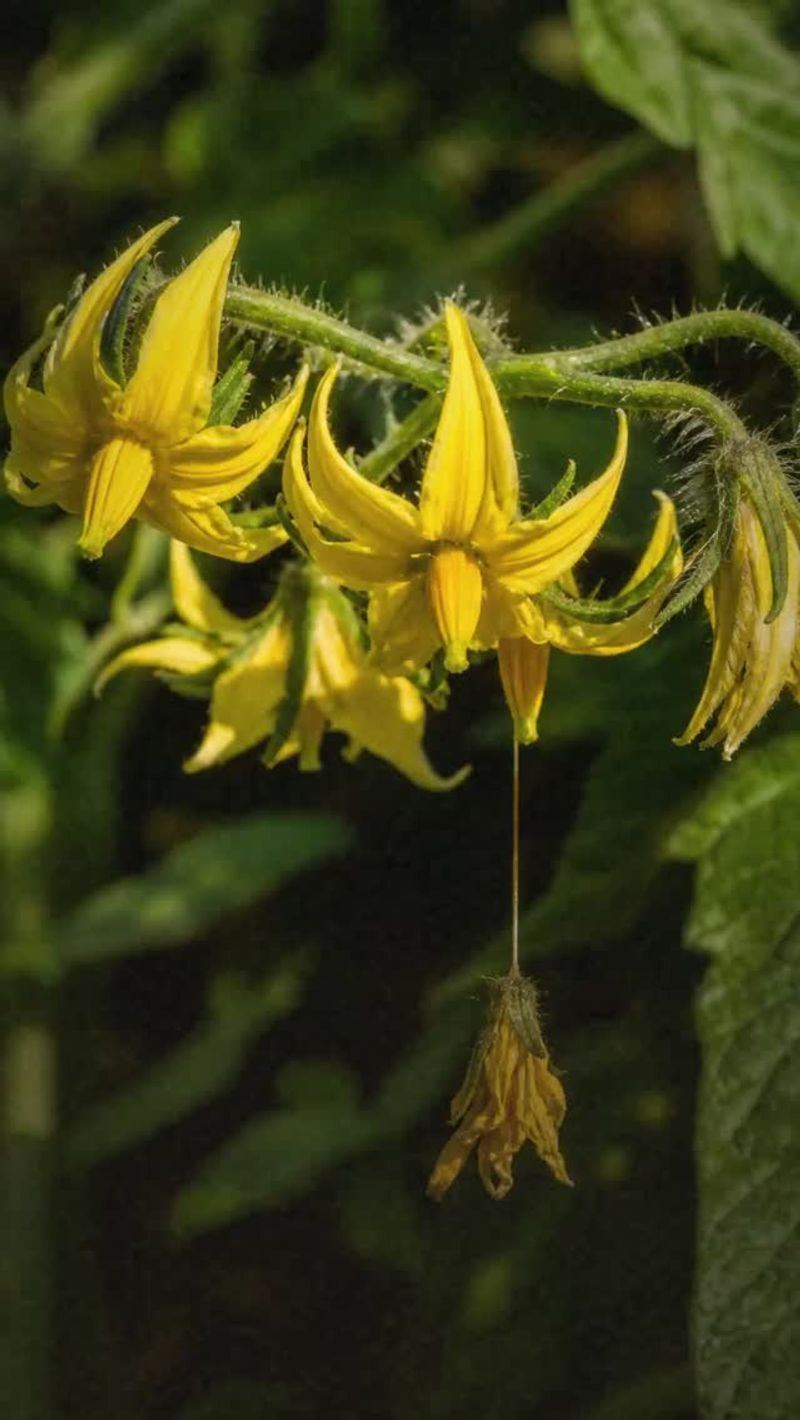
Most gardeners watch the afternoon high temperature, yet the overnight low often tells the more important story. Plants rest and repair after dark, and that repair slows badly when lows stay near seventy.
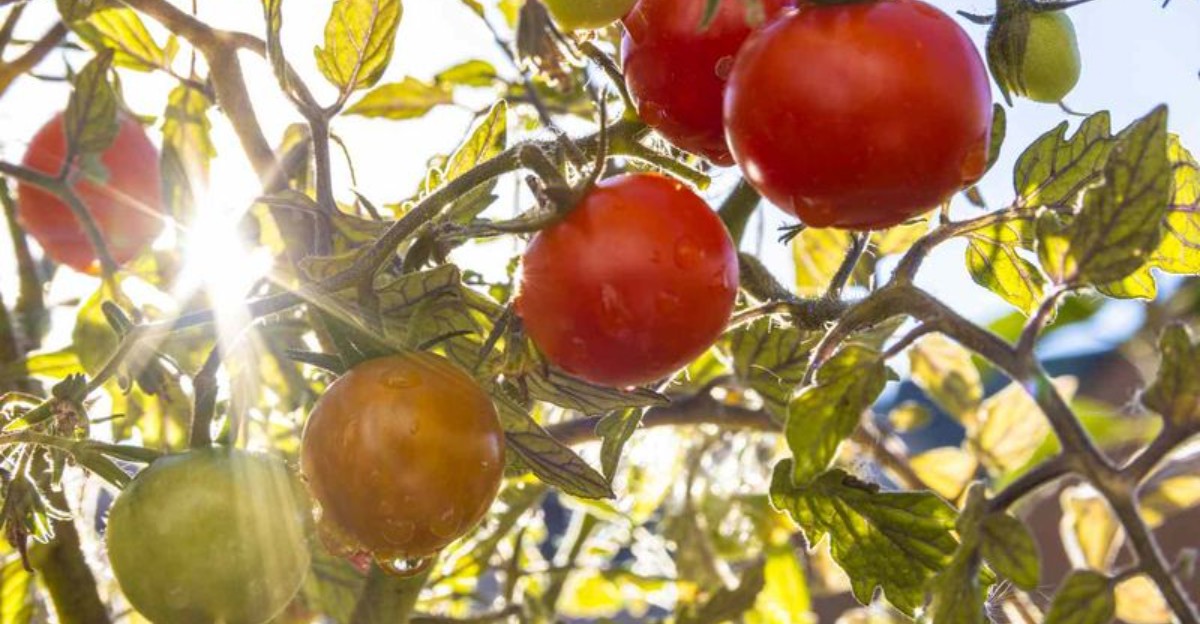
Tomatoes give the clearest example of this problem during a stubbornly warm California September stretch. Their pollen turns sticky and useless once nights hover around seventy-five degrees for several days straight.
Peppers and pole beans behave much the same way, dropping their flowers instead of setting fruit. You might count dozens of blossoms on a vine and find almost no young fruit behind them.
Respiration speeds up on warm nights, so plants burn through the sugars they carefully built that day. Less sugar remains for fruit, roots, and fresh growth, which slows the whole plant down noticeably.
Your California Garden Changes Every Week. Your Plan Should Too.
Gardening in California changes quickly throughout the season. Every Friday you’ll receive a simple weekly plan showing exactly what to plant, prune, fertilize, harvest, and protect so you never miss the right timing.
Lawns notice as well, because grass roots prefer cool soil during their overnight recovery window. Warm nights plus thirsty soil leave turf looking worn out even with regular irrigation running.
Coastal gardens usually get relief from fog, though a strong ridge can erase that comfort quickly. Without the marine layer, yards from San Diego to Santa Rosa stay warm well past midnight.
Water early in the morning so your plants begin the day with a genuinely full tank. Evening watering leaves foliage damp through a warm night, which invites mildew and soft rot. A quick morning check tells you how much the soil really needs.
Dry Roots Hiding Beneath A Deceptively Damp Surface
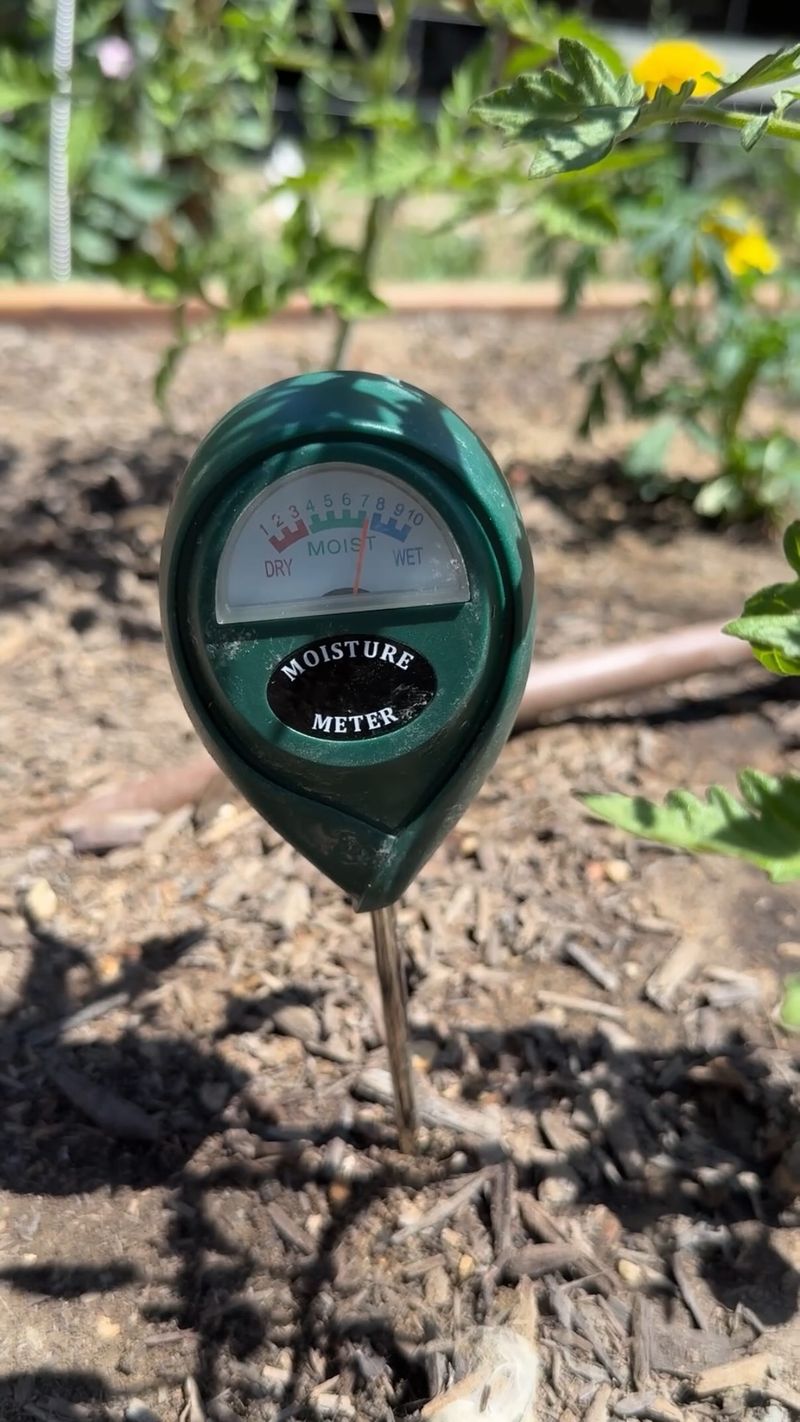
Here is the sneaky part about a hot California September, and it happens right under your feet. Topsoil can look damp and dark while the root zone six inches down sits bone dry.
Quick sprinkler cycles wet only the top inch, then the strong sun claims most of it. Roots chase moisture downward, so shallow watering trains them to stay near that hot surface layer.
Grab a trowel and dig a small hole beside a struggling plant before you water again. Dry, crumbly soil at four inches means your schedule needs more depth rather than more frequency.
Clay soils across the Central Valley crack and repel water once they dry out really hard. Water then runs across the surface and out of the bed instead of soaking in deeply.
Sandy coastal soils create the opposite trouble by draining faster than roots can possibly drink. Compost worked into those beds holds moisture long enough for plants to actually make use of it.
Drip lines and soaker hoses deliver slow water right where thirsty roots can reach it best. Running them longer and less often builds deeper roots that handle the next heat spell.
Container plants dry out fastest because the pot walls heat up from every direction at once. Terracotta pots in full sun may need a soak twice on a hundred degree afternoon.
Sun-Stressed Fruit That Stops Setting Properly
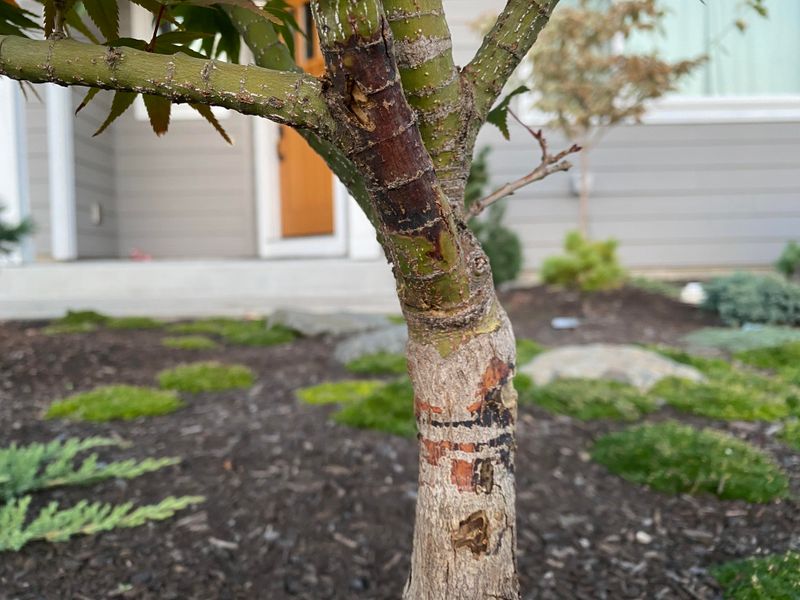
Pale leathery patches on tomato shoulders tell you the fruit picked up a serious sunburn. Sunscald happens when intense light strikes fruit that lost its leafy umbrella to heat stress and wilting.
Heavy summer pruning sets up this trouble, especially on tomatoes, peppers, and young apple trees. Leaving extra foliage through September gives developing fruit the shade it honestly needs right now.
Blossom drop shows up next, and it frustrates gardeners who expected a generous fall harvest. Flowers simply let go when the plant decides conditions look too rough for building fruit.
Squash and melons may set fruit that stops growing halfway and turns pale at one end. Uneven water plus high heat causes that stall, and the fruit rarely catches back up.
Citrus trees sometimes shed small green fruit during a hot stretch, which alarms newer growers. Trees are simply thinning their own load so the remaining fruit can finish properly later.
Shade cloth rated around thirty percent takes the edge off without starving plants of needed light. Drape it over hoops on the west side, where the afternoon sun does the real damage.
Harvest ripening fruit a little early and let it finish indoors on your kitchen counter. Tomatoes especially color up nicely off the vine and avoid cracking out in the heat.
Common Missteps That Actually Make Things Worse
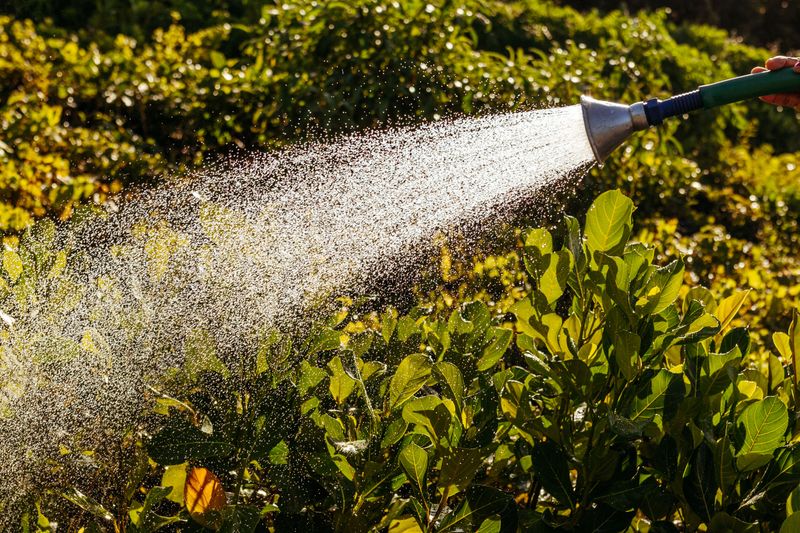
Panic watering at noon feels helpful, though most of that water evaporates before roots ever benefit. Early morning delivers the same amount with far less waste and far less leaf scorch.
Fertilizer during a heat spell ranks as another common misstep in California backyard gardens. Salts concentrate in dry soil and can burn roots that are already working plenty of overtime.
Pushing new growth with nitrogen also hands plants tender leaves exactly when they need toughness. Hold off on feeding until the nights cool, then resume with a gentle, balanced blend.
Heavy pruning tempts gardeners who see crispy edges and want the plant looking tidy again. Those ragged leaves are shading the branches beneath them, so trim only what has clearly failed.
Misting leaves with a hose feels refreshing but does very little for a truly thirsty plant. Water at the base instead, slowly, until moisture reaches deep into the whole root zone.
Transplanting during a heat wave puts young roots into hot soil with no established system. Wait for a cooler stretch, or at least plant late in the evening with shade ready.
Mowing the lawn too short invites more stress by exposing bare soil to direct afternoon sun. Raise the blade an inch and let taller grass shade its own roots for a while.
Small Steps That Carry The Garden Into October
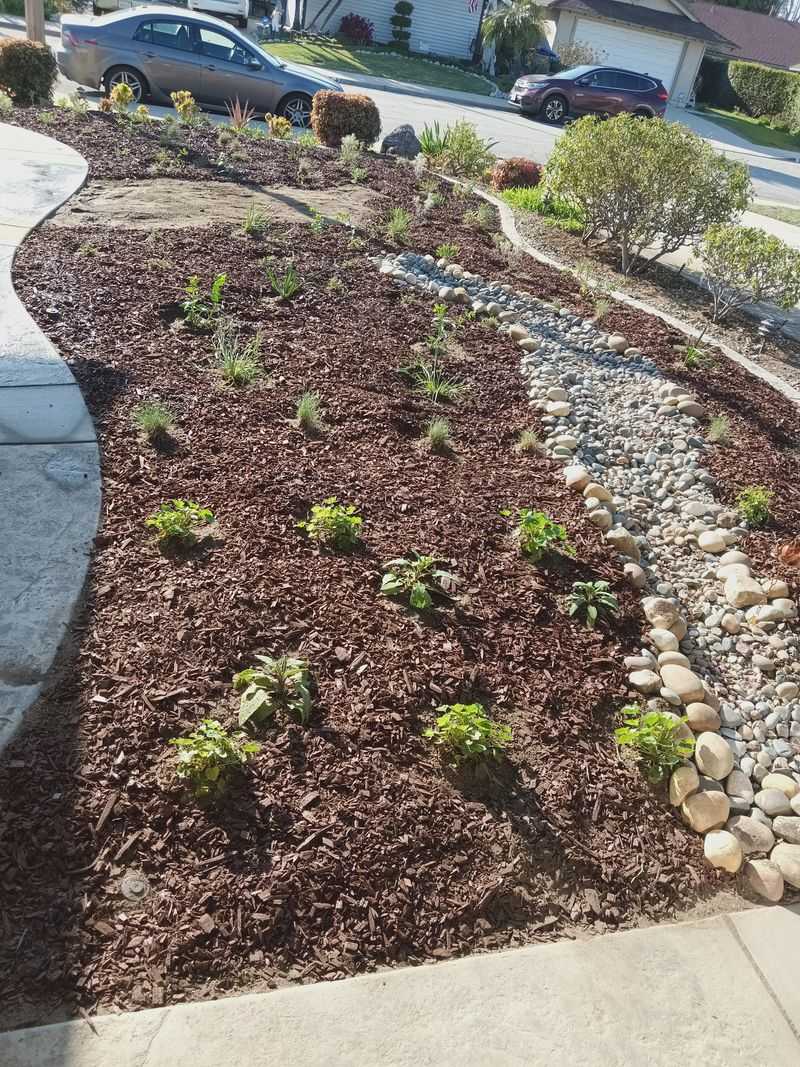
Three inches of mulch does more for a hot garden than almost any gadget being sold. Wood chips, straw, or shredded leaves keep soil temperatures down and moisture where the roots live.
Bare soil in full sun can reach temperatures that plant roots find genuinely hard to handle. Mulch acts like a blanket in reverse, holding the cool in instead of holding heat.
Shade cloth on simple PVC hoops gives tender crops a real break during afternoon peak hours. Thirty to forty percent shade works well for greens, peppers, and newly planted seedlings.
Lettuce and spinach seeds sulk in warm soil, so hold cool-season sowing back a few weeks. Starting trays in shade or indoors buys three weeks without gambling on a blank, empty bed.
Garlic can comfortably wait until late October or November across most of the state as well. Cloves sitting in warm, moist soil for weeks risk rot before their roots ever get going.
Deep, less frequent watering now builds the root systems that will carry plants through October. Roots reaching downward stay cooler and find moisture long after the surface has dried out.
Relief usually arrives in mid to late October across most of California’s growing regions. Nights cool down first, blossoms hold again, and lettuce finally decides to sprout without complaint.