How To Keep A California Lawn From Creeping Into Garden Beds Without Constant Edging
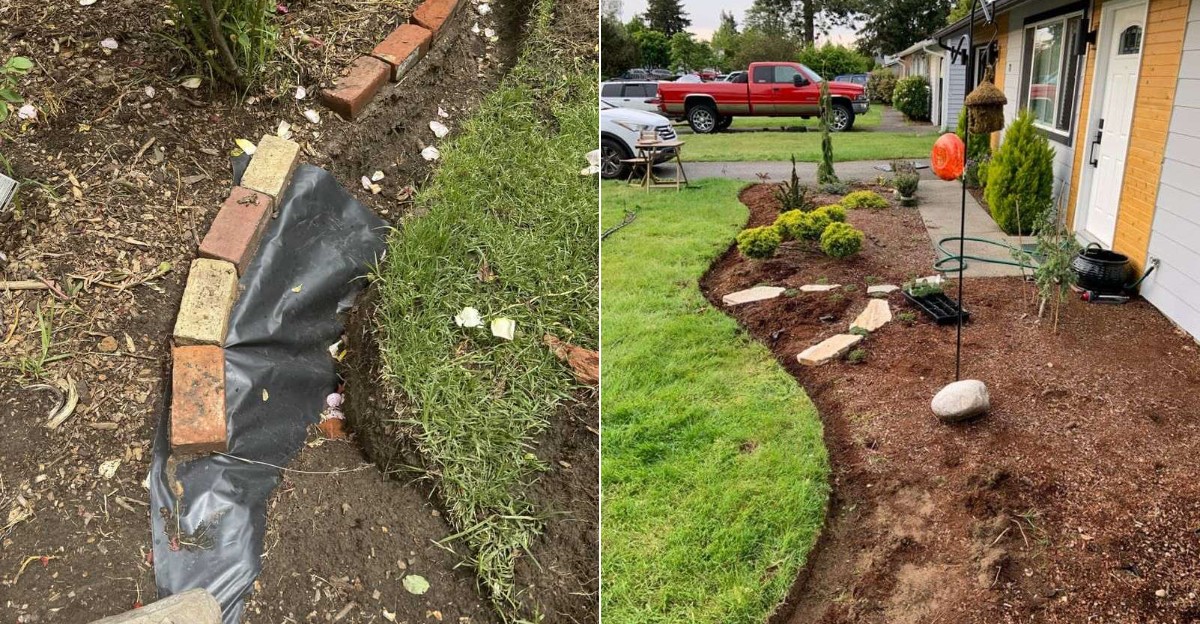
You finish cleaning up your California garden beds, only to notice the grass has already started moving back in.
Those small green shoots along the border can turn a simple landscaping task into a constant battle, especially during the active growing season.
A lawn that creeps into flower beds is not just a cosmetic issue. It can compete with your plants, make maintenance harder, and leave your yard looking less polished than you want. The good news is that you do not have to spend every week chasing grass with a trimmer.
The right barriers, planting choices, and lawn habits can help keep your garden edges cleaner for longer. A few smart changes can save you time while giving your landscape a more defined look.
1. Install A Clear Physical Border
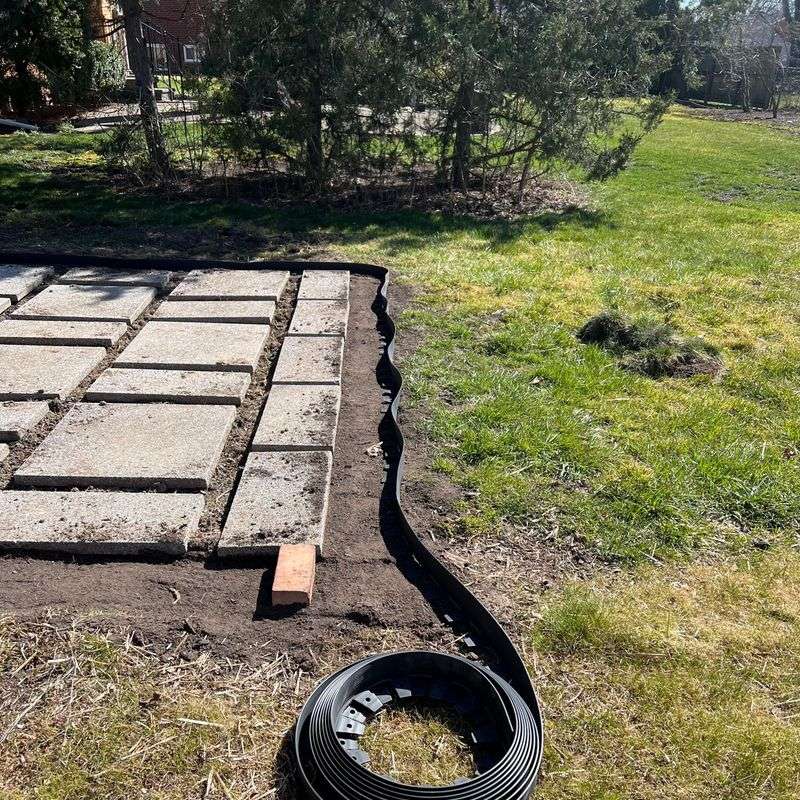
Think of a border as a wall that grass simply cannot climb over. A solid physical barrier is the first and strongest line of defense against a creeping lawn.
You can use metal, plastic, brick, or concrete to build this line between your grass and your beds.
The key is picking something tall and deep enough to block both surface runners and underground roots. Most good borders sit a few inches above the soil and reach several inches below it.
Bermuda grass and other California favorites love to spread sideways, so a shallow border will not stop them. Aim for a barrier that goes at least four to six inches deep. That depth catches most of the roots trying to sneak underneath.
Installing a border takes some digging, but the payoff is huge. Once it’s in place, the grass hits a hard wall and stops. You save yourself hours of trimming every month.
For a clean look, line up your border in straight lines or smooth curves that match your yard’s shape. Press the material firmly into the trench so gaps do not form later.
Check the border once or twice a season to make sure it hasn’t shifted. Roots sometimes push materials up over time. A quick tap back into place keeps everything solid.
With a strong border in the ground, your garden beds finally get the protection they deserve, and your weekends stay free.
2. Choose Edging Materials That Stay In Place
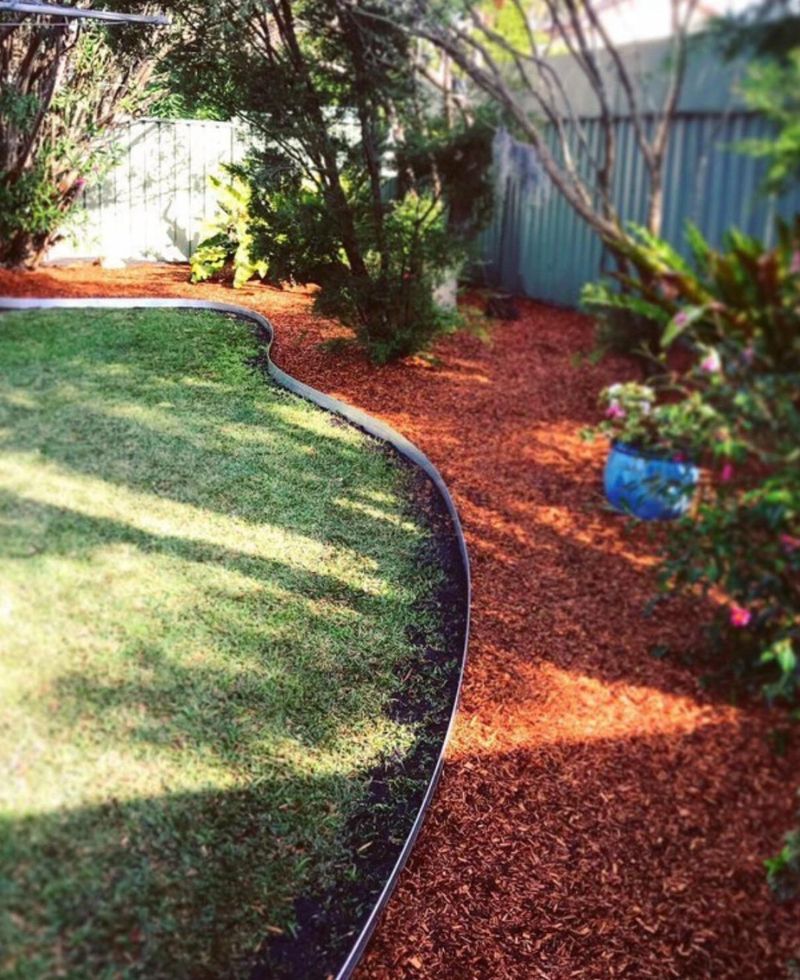
Not all edging is built the same, and cheap options often pop out of the ground within a season. Picking sturdy materials saves you from redoing the whole job later.
Steel and aluminum edging are popular because they bend into curves yet stay firm once anchored. They resist rust, handle California heat, and hold their shape for years. Thick plastic edging works too, as long as you get the heavy-duty kind with strong stakes.
Stone, brick, and poured concrete give you the most permanent results. These materials barely move once set, and they add a polished look to your yard. The tradeoff is that they cost more and take longer to install.
Whatever you choose, look for edging that comes with long anchoring spikes. Short stakes let the material wiggle loose when soil shifts or roots push against it. Deep spikes keep everything locked down.
Your California Garden Changes Every Week. Your Plan Should Too.
Gardening in California changes quickly throughout the season. Every Friday you’ll receive a simple weekly plan showing exactly what to plant, prune, fertilize, harvest, and protect so you never miss the right timing.
Avoid flimsy roll-out plastic that sits only an inch or two deep. Grass roots slide right under it, and the whole point of edging gets lost.
Think about your climate too. Materials that crack in heat or fade in strong sun will not last in many California yards. Powder-coated metal and natural stone handle the weather best.
Spending a little extra on quality edging now means you won’t be back at the store next spring. Solid materials stay put, block grass, and keep your beds looking sharp season after season.
3. Create A Small Gap Between Lawn And Beds
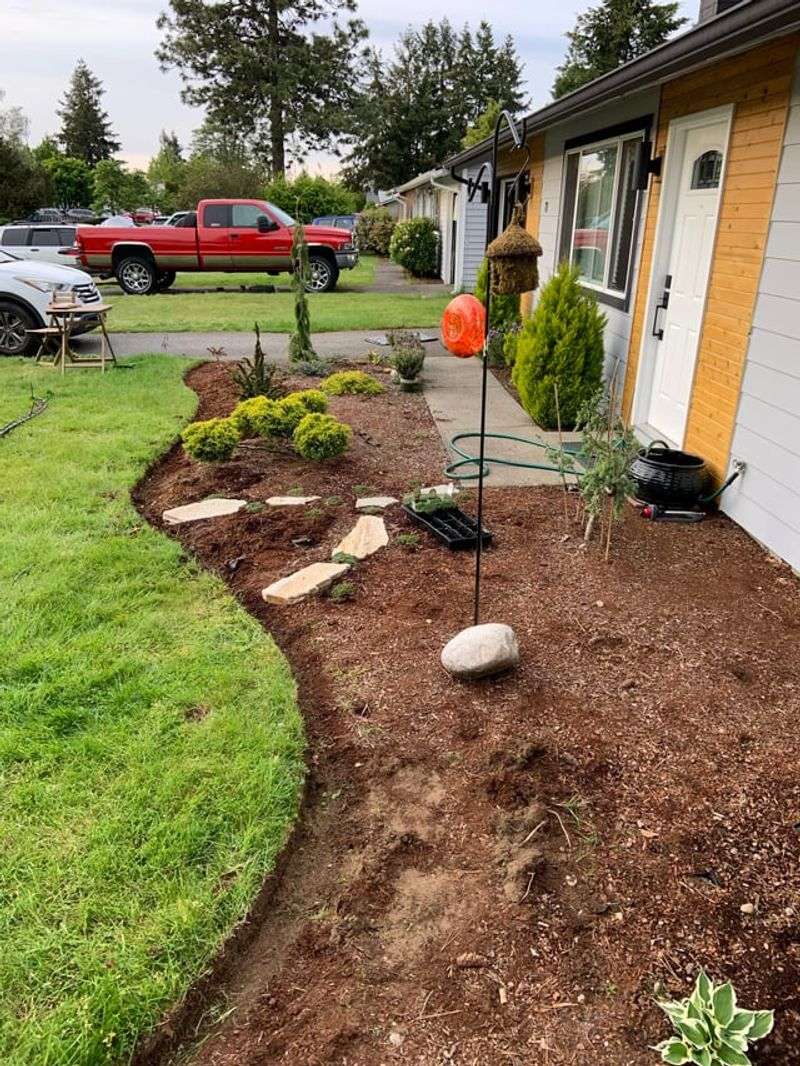
Sometimes the simplest trick works wonders, and leaving a little empty space is one of them. A small gap between your lawn and beds acts like a moat that grass struggles to cross.
You dig a shallow trench a few inches wide right where the grass meets the bed. This open channel gives runners nowhere to root, so they stop reaching forward. The bare gap breaks the grass’s path.
Many gardeners fill this gap with mulch or gravel to keep it tidy. Others leave it as clean bare soil. Both options work, and each one makes your bed edges look crisp and deliberate.
A gap also makes trimming easier when you do need it. You can run a mower wheel or trimmer along the open strip without bumping into plants. That means faster cleanup and fewer damaged flowers.
Keep the trench a couple of inches deep so surface roots can’t bridge across. Deeper is even better for aggressive grasses like Bermuda that spread quickly in warm weather.
Refresh the gap now and then by pulling out any stray blades that sneak in. A quick pass with a hand tool clears it right up.
Pairing a gap with edging gives you double protection. The border blocks roots below while the open space stops runners above. Together, they keep your garden beds neat with barely any effort on your part.
4. Deep Edging Prevents Grass From Spreading
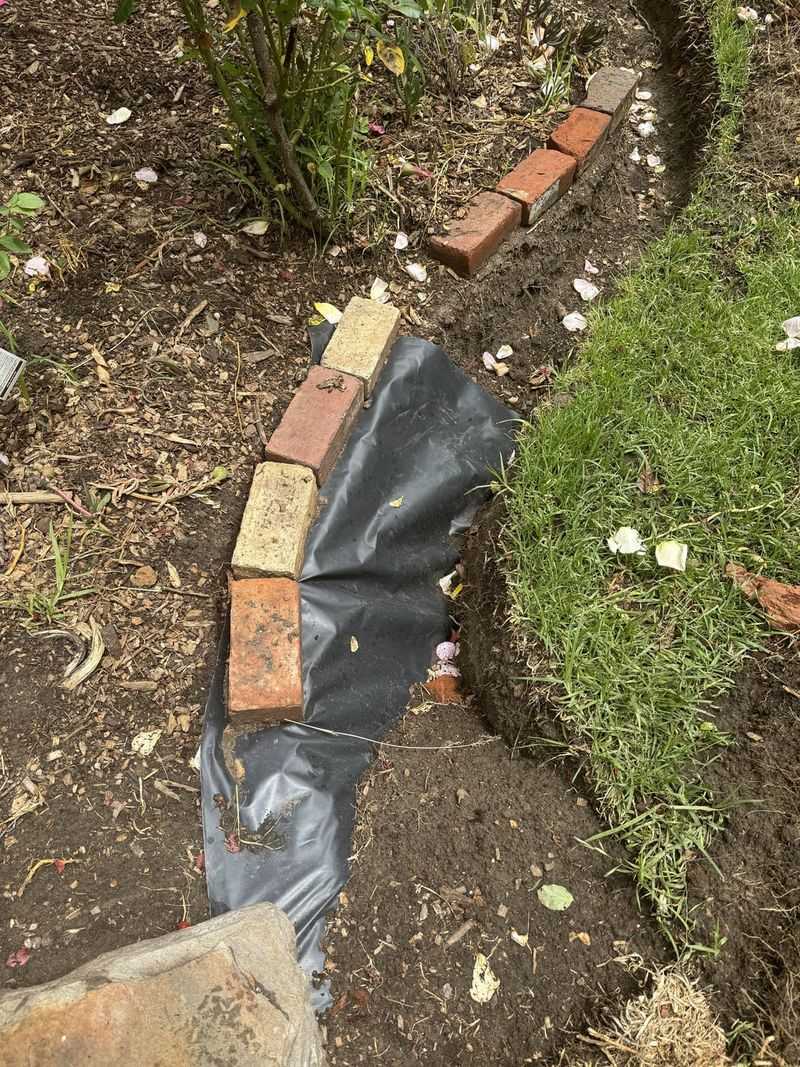
Grass does most of its sneaking underground, where you can’t even see it happening. That’s why cutting deep is one of the best ways to stop the spread for good.
Roots and rhizomes travel sideways beneath the soil, popping up wherever they find open space. A shallow edge does nothing to stop this hidden travel. Going deep cuts those pathways off completely.
When you install a barrier or trench, aim for at least six inches of depth. Bermuda grass roots can reach even deeper, so eight inches gives you extra safety. The deeper your line, the fewer surprises you’ll find in your beds.
You can create deep edging with a sharp spade, a half-moon edger, or a powered edging tool. Slice straight down along your bed line and remove the sliced grass. This vertical cut severs the roots trying to march forward.
Repeat this deep cut once or twice a year to catch any roots that regrew. It takes just a few minutes per section but makes a big difference over time.
Combining deep edging with a physical barrier gives the strongest hold. The barrier blocks new roots while your deep cut removes the ones already reaching out.
Loose, sandy California soils make deep cuts easier to manage than heavy clay. Water the ground first if it feels rock hard.
Once you commit to going deep, you’ll notice far less grass creeping where it doesn’t belong.
5. Avoid Letting Runners Cross Into Planting Areas
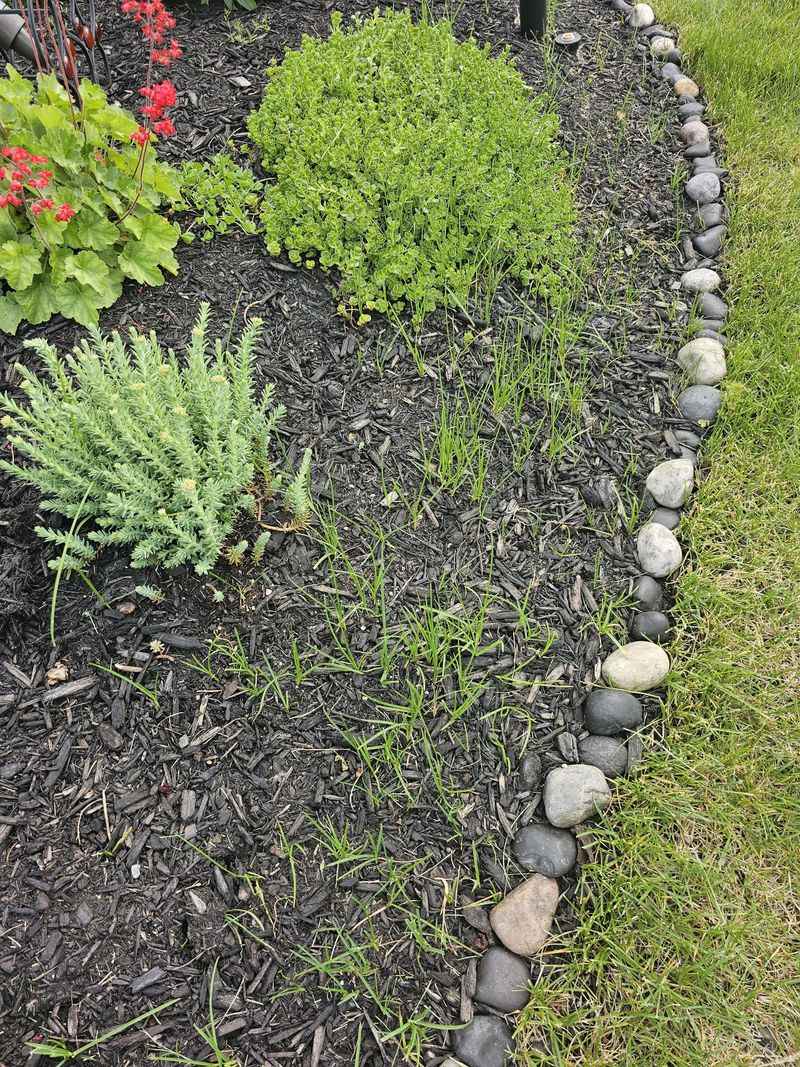
Runners are the long grassy arms that stretch out across the top of the soil. If you ignore them, they root down and start a brand new patch right in your bed.
Many California grasses, especially Bermuda and St. Augustine, spread this way fast. These surface stems, called stolons, crawl over borders and mulch when nobody’s watching. Catching them early keeps the problem small.
Take a slow walk along your bed edges every week or two. Look for skinny green stems reaching toward your plants. When you spot one, follow it back and pull the whole thing out, roots included.
The trick is to grab runners before they anchor down. Once a runner roots, it becomes a fresh clump that’s much harder to remove. Early action saves you tons of work.
A tall border helps here because runners hit the wall instead of gliding over. Still, some determined stems climb right on top, so a quick check keeps them in line.
Trimming your lawn edge regularly also weakens runners before they get long. Short grass has fewer stems reaching outward.
Toss pulled runners in the trash rather than the compost. They can re-root in a warm pile and spread all over again.
Staying watchful for these creeping stems is one of the easiest habits you can build. A few minutes of pulling now prevents hours of digging later, and your beds stay clean and open for the plants you actually want.
6. Remove Grass Before It Gets Established
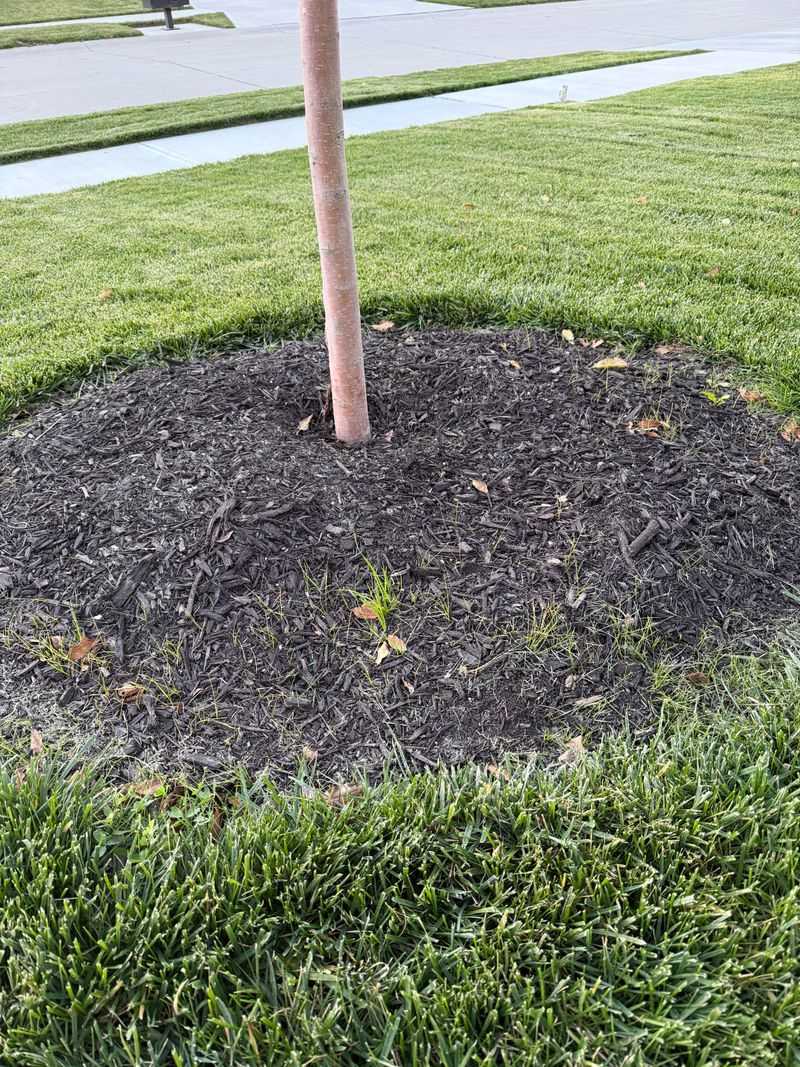
Young grass is weak grass, and that’s your best chance to win the battle. Pulling sprouts while they’re tiny takes almost no effort at all.
Fresh blades poking into your bed have shallow, tender roots. A gentle tug lifts them right out. Wait a few weeks, though, and those same sprouts anchor deep and fight back hard.
Make a habit of scanning your beds during your normal garden visits. When you water or check your plants, glance at the edges for new green invaders. Grab them the moment you see them.
Moist soil makes removal so much easier. Pull after watering or a rain, when the ground is soft. Dry, packed dirt holds roots tight and snaps the stem, leaving the root behind to regrow.
Try to get the entire root the first time. Even a small piece left behind can sprout a new plant. A hand weeder or small fork helps you dig under stubborn roots.
Clearing grass early also protects your flowers and vegetables from competition. Grass steals water and nutrients fast, so removing it keeps your real plants healthy.
Don’t let a busy week turn into a jungle. Small patches ignored today become big, tangled clumps next month.
Building this quick habit turns lawn control into a five-minute task instead of a weekend project. Catch the grass young, pull it clean, and your beds stay open and tidy with barely any struggle at all.
7. Mulch Helps Slow Lawn Encroachment
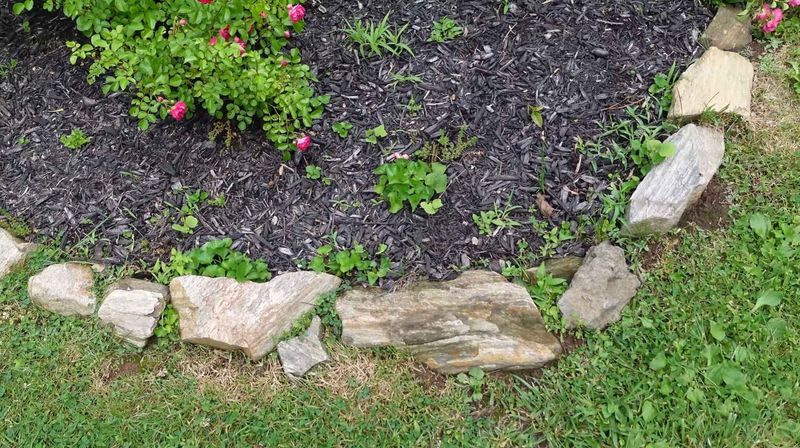
A thick blanket of mulch does more than make your beds look nice. It also throws up a real roadblock against creeping grass.
Grass runners and seeds struggle to root through a deep mulch layer. The loose material smothers new sprouts and blocks the sunlight they need to grow. Fewer sprouts mean less work for you.
Spread your mulch three to four inches thick for the best results. Thinner layers let grass push through easily. A generous layer keeps the surface too dark and loose for runners to grab hold.
Wood chips, bark, and shredded leaves all work well in California yards. They break down slowly and hold moisture, which your plants love during dry spells. That’s a nice bonus on top of grass control.
Keep the mulch pulled back slightly from your plant stems to avoid rot. Focus a thick edge right where the lawn meets the bed, since that’s the danger zone.
Refresh your mulch once or twice a year as it thins out and settles. A quick top-off keeps the barrier strong and your beds looking fresh.
Mulch works even better when paired with edging. The border blocks roots below while the mulch smothers runners on top. Together they form a tough team.
Any stray grass that does sprout in mulch pulls out super easily, since the soil underneath stays soft. Adding a solid mulch layer is one of the simplest ways to protect your beds year-round.
8. Choose Less Aggressive Turf Varieties
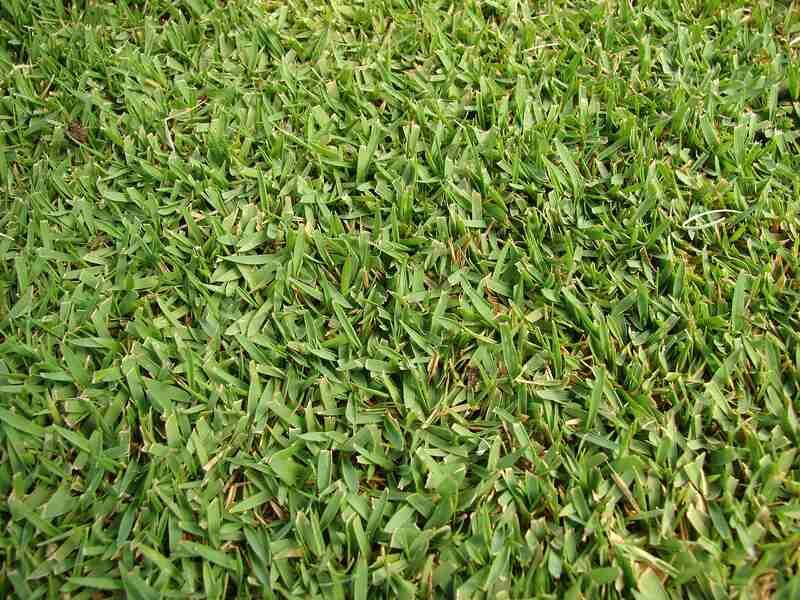
Some grasses behave, and some grasses roam wherever they please. Picking a calmer variety from the start saves you endless trimming headaches.
Bermuda and St. Augustine grass spread fast through runners and roots, making them tough to contain. If you’re planting a new lawn or reseeding, consider gentler options that stay put.
Clumping grasses like tall fescue grow in tidy bunches instead of shooting out sideways. They fill in nicely without invading nearby beds. That habit alone cuts your edging work way down.
Fescue also handles California’s mix of sun and cooler coastal areas pretty well. It stays green with reasonable water and doesn’t sprawl into your flowers like the spreading types do.
If you already have an aggressive lawn, you don’t have to redo everything. Just pair it with strong borders and deep edging to keep it in check.
For folks starting fresh, though, choosing a well-behaved grass is a smart long-term move. You’ll spend far less time fighting runners for years to come.
Ask a local nursery which varieties suit your exact region and water situation. California is big, and the right grass for the coast may differe from the inland valleys.
Native and drought-friendly ground covers are another option worth exploring. Many stay compact and need little care.
Matching your grass choice to your goals makes lawn control almost automatic. Pick a variety that stays home, and your garden beds will thank you every single season.