Why Harvesting California Sweet Potatoes During Rain Can Lead To Skin Rot
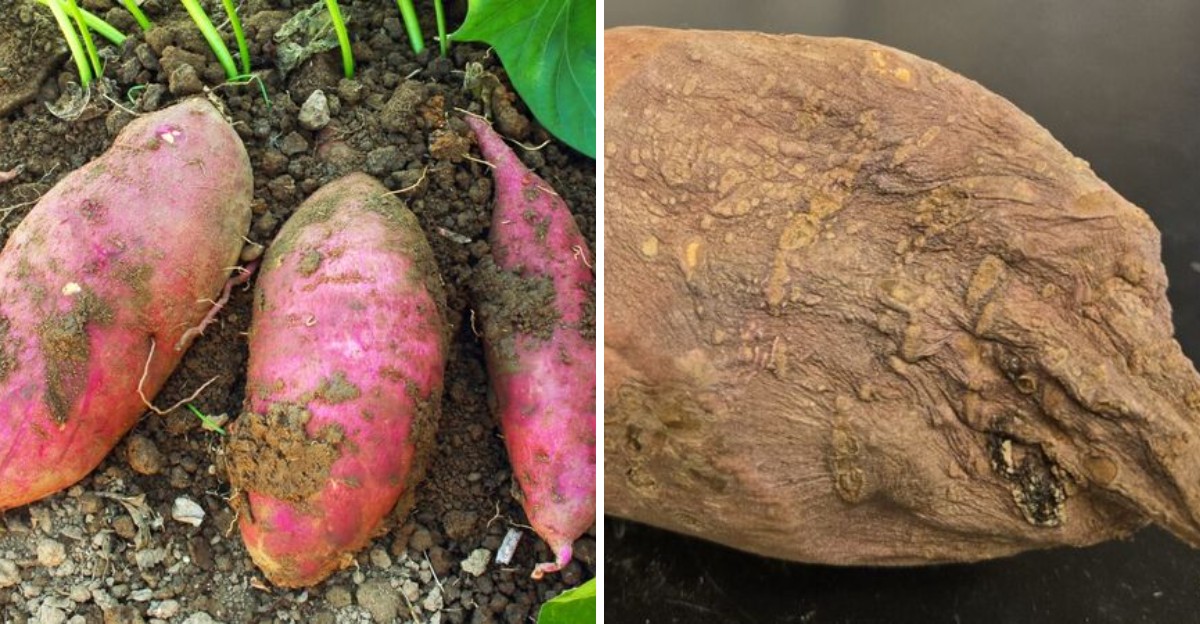
Fall harvest days don’t always line up with perfect weather. In many California gardens, the moment a crop seems ready, the clouds roll in and the soil turns heavy and slick.
One popular root crop takes that timing especially hard. A harvest that looks flawless in the basket can quietly fall apart weeks later in storage.
The trouble starts with something small and easy to overlook, usually at the very moment the roots leave the ground.
Soil, temperature, and a few careless seconds of handling all play a part.
A simple routine, built around patience and a gentle touch, decides whether a crop lasts a few weeks or keeps tasting sweet well into the holiday season.
Wet Soil Makes Skins Tender And Easy To Tear
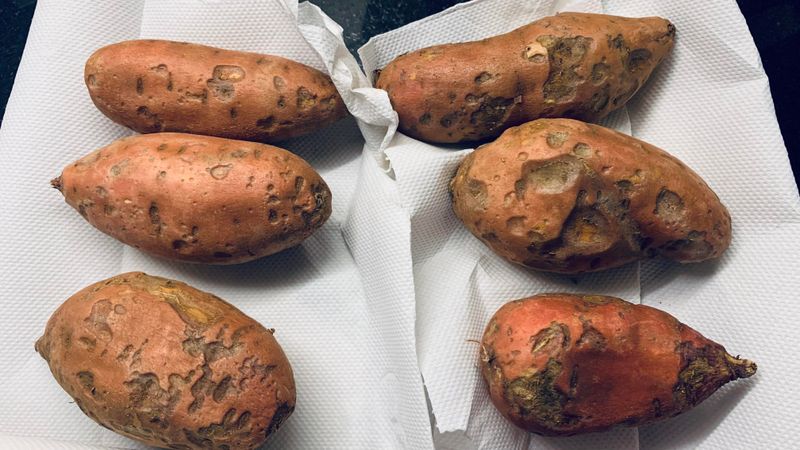
A thumb rubbed across a sweet potato pulled from soggy ground may slide a strip of skin right off. That thin outer layer serves as the root’s only armor, and right after harvest it’s surprisingly weak.
Gardeners call this skinning, and it happens far more often in wet conditions. Sweet potato skin hasn’t fully toughened when roots first come out of the ground.
Moist soil keeps that layer soft and swollen with water. The effect resembles a bandage left in the bath too long, wrinkling, loosening, and tearing at the edges with very little pull.
Freshly dug roots also carry skin that’s still settling onto the flesh underneath. Plenty of moisture around them seems to loosen that bond even further.
A simple bump against a bucket rim can leave a raw patch the size of a coin. Those patches matter more than they look.
Each one exposes moist flesh to air, soil, and the tiny organisms riding along in the dirt. A root with three or four scuffed spots faces a much harder road in storage than a smooth one.
A quick backyard test helps before digging. Gently brushing soil away from one root near the crown and rubbing its skin with a fingertip reveals plenty.
Skin that slips easily, along with soil that smears like clay, signals a need for more drying time. Patience now saves plenty of soft spots later.
Heavy Muddy Soil Makes Digging Rougher
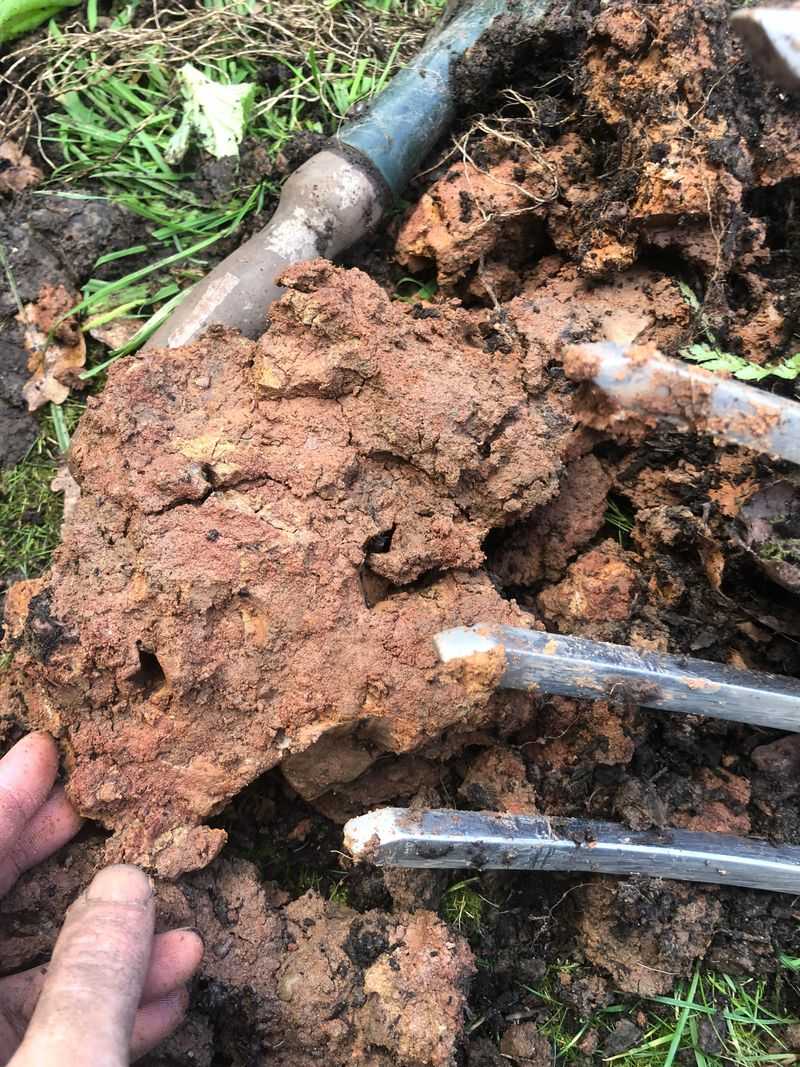
Mud fights back. Anyone who has tried to dig sweet potatoes from waterlogged clay knows the fork sinks, sticks, and refuses to lift cleanly.
The result often involves yanking, twisting, and prying, and the roots pay the price. Dry, crumbly soil falls away from sweet potatoes with a gentle shake.
Wet soil does the opposite. It grips roots like glue, so harder pulling scrapes skin against the clods.
Many California gardens sit on heavy clay, which turns especially sticky after rain. That combination makes careful harvest much harder.
Sweet potatoes also spread in unpredictable ways. Some roots grow a foot or more from the main stem.
In clear, dry soil, those roots are easy to locate. In mud, they hide well, and fork tines often pierce straight through a buried root.
Your California Garden Changes Every Week. Your Plan Should Too.
Gardening in California changes quickly throughout the season. Every Friday you’ll receive a simple weekly plan showing exactly what to plant, prune, fertilize, harvest, and protect so you never miss the right timing.
Bruises create a sneakier problem. A root can look fine outside while carrying crushed tissue underneath from being squeezed or dropped.
Wet, heavy clods add weight and pressure during harvest, raising the odds of those hidden injuries. Damaged tissue often turns into a soft spot weeks later.
A smarter approach helps when a damp bed can’t wait. Digging well outside the planting row and loosening soil from the edges inward reduces damage.
Hands feeling for roots before the fork goes deep make an even bigger difference. Slow work beats tossing out a basket of pierced roots later.
Wounds Let Rot Organisms Inside
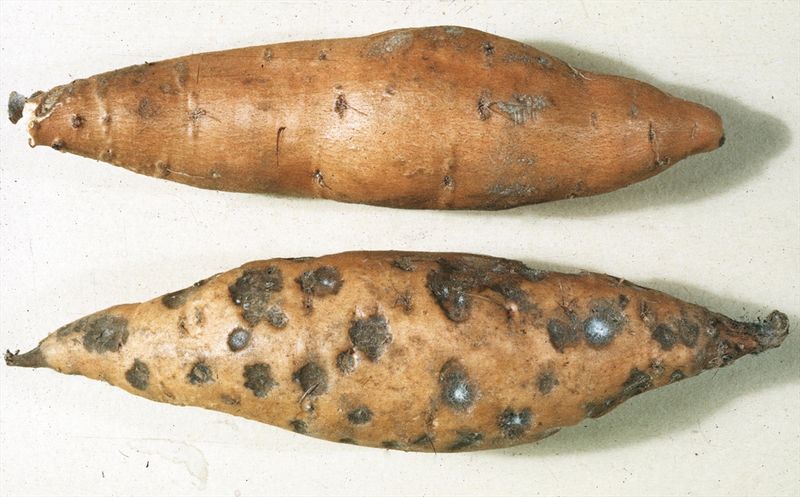
A tiny scrape can grow into a big headache.
Weeks after harvest, a storage box may reveal one sweet potato gone soft and dark at one end, with the rot often starting at a nick nobody noticed.
Soil teems with fungi and bacteria. Most of them can’t get through healthy, intact sweet potato skin.
Once skin is cut, scuffed, or bruised, those organisms find a doorway straight into the moist flesh inside. That opening is all they need.
UC ANR describes several storage rots that commonly start through wounds. Some show up as soft, watery decay, while others appear as dry, sunken, or moldy patches.
Naming the exact culprit matters less than recognizing the cause. In most cases, the trouble traces back to damage at harvest.
Rot can also spread. A badly decaying root may leak moisture onto its neighbors and encourage mold throughout the whole box.
The old saying about one bad apple applies to sweet potatoes, too. A single soft root can quietly spoil many healthy ones.
Sorting the harvest right as it comes out of the ground prevents much of that trouble. Roots with deep cuts, fork wounds, or crushed ends belong in a separate pile.
Those damaged roots work best eaten within a week or two rather than stored. Smooth, whole roots go into long storage, keeping the damaged ones from dragging the rest of the crop down.
Mud Slows Drying And Curing
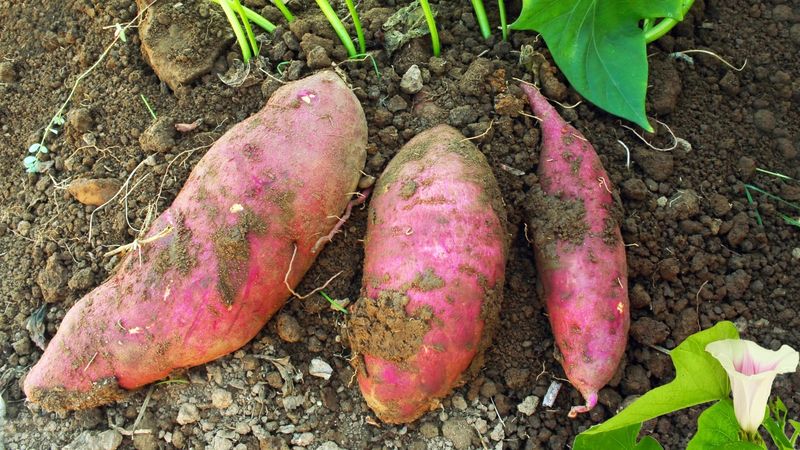
Caked mud acts like a soggy blanket. Sweet potatoes coated in wet soil stay damp for hours or even days, and that lingering moisture gives rot organisms extra time to settle into fresh wounds.
Right after digging, roots do best when their surfaces can dry briefly before curing. UC ANR suggests letting freshly dug sweet potatoes dry on the soil surface for a few hours when the weather cooperates.
Dry dirt brushes off easily. Mud, on the other hand, sticks tight and holds water against the skin.
Plenty of gardeners feel tempted to hose off the mess. Washing before curing, however, adds even more moisture and can scrub away more of the fragile skin.
UC guidance recommends leaving roots unwashed until cooking time. A little dirt causes no harm during storage.
Patience works far better than a hose. Muddy roots can air dry in a shaded, sheltered spot with good airflow.
Once the soil dries, large clumps knock off easily by hand. A light film of dirt remains perfectly harmless during curing.
Spreading roots in a single layer helps, too. Piling wet sweet potatoes in a bucket traps moisture between them and invites mold.
Newspaper, cardboard, or a clean tarp under a carport or patio cover makes an ideal drying surface. Good airflow turns a muddy mess into a manageable harvest that’s ready for the next step.
Cool Wet Weather Raises Rot Risk
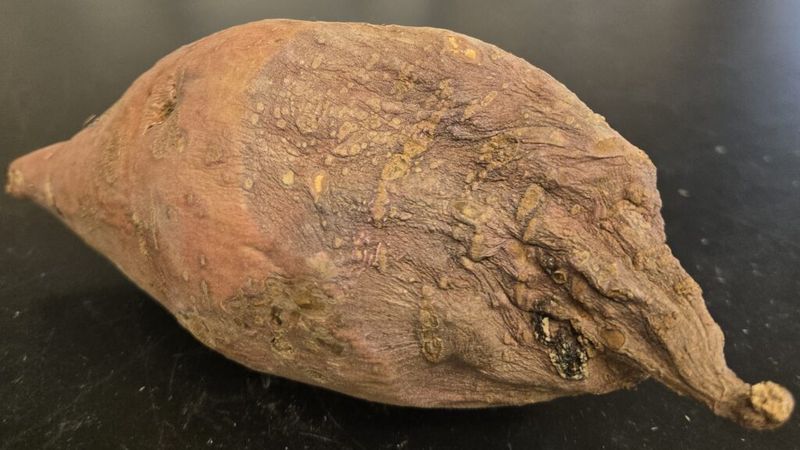
Fall in California can switch moods fast. One week brings warm sun, and the next brings chilly rain and foggy mornings.
Sweet potatoes, which love heat, handle that shift poorly. These roots come from warm tropical regions, and cold makes them sulk noticeably.
UC ANR warns that temperatures below about 50 degrees Fahrenheit can cause chilling injury. Chilled roots may develop hard cores, off flavors, and a higher chance of decay in storage.
Chilling and damp together make a rough combination for any root crop. Cool, wet weather also slows the healing process.
Sweet potato wounds repair best in warmth. In chilly mud, scrapes stay open longer, giving the organisms behind storage rots a head start.
The local forecast deserves close attention as harvest nears. Most California gardeners dig from late summer into fall, roughly three to four months after planting, depending on the variety.
Ready roots and an approaching cold storm often call for digging a day or two before the rain arrives. That small timing shift can save much of the crop.
An early cold snap that arrives first calls for harvest at the next dry window. Moving roots quickly into a warm place matters most.
Cold garage floors and chilly drafts are best avoided. A sweet potato that stays cozy after digging stands a much better chance of lasting through the winter months.
Dig After The Soil Dries A Little
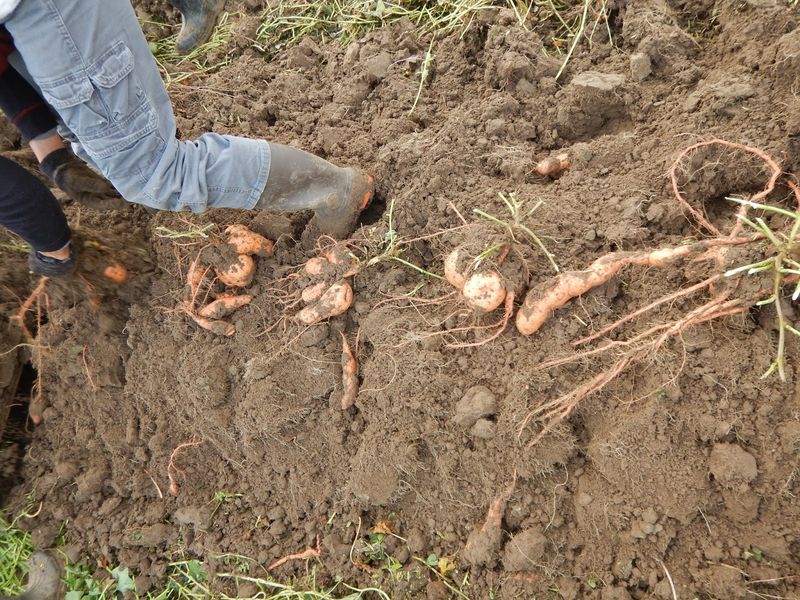
A handful of soil squeezed in the palm offers a quick answer. A sticky, shiny ball that holds its shape means the bed is too wet to dig, while soil that crumbles apart when poked signals good conditions.
That simple squeeze test ranks among the best tools a home gardener has. Sweet potato harvest works best in reasonably dry soil, loose and workable rather than dusty and rock hard.
After rain, sandy soil may be ready within a day or two. Heavy clay can take several days of sunshine.
Planning ahead helps a great deal. Many gardeners stop or cut back watering a couple of weeks before harvest so the soil firms up.
In California, where fall rain can arrive suddenly, that step helps ensure a drier bed. It may also give roots time to toughen slightly before digging.
Timing within the day matters as well. Morning dew and fog can leave the top layer damp.
A mild, dry afternoon often brings the easiest digging. It also gives roots the best chance to air dry before moving.
A tarp spread over the bed before a predicted storm offers another handy trick. It keeps the soil from getting soaked while roots wait underground.
Removing the tarp once the rain passes lets the bed breathe again. A little planning turns a mud wrestling match into a calm, satisfying harvest day.
Handle Roots Gently Like Eggs
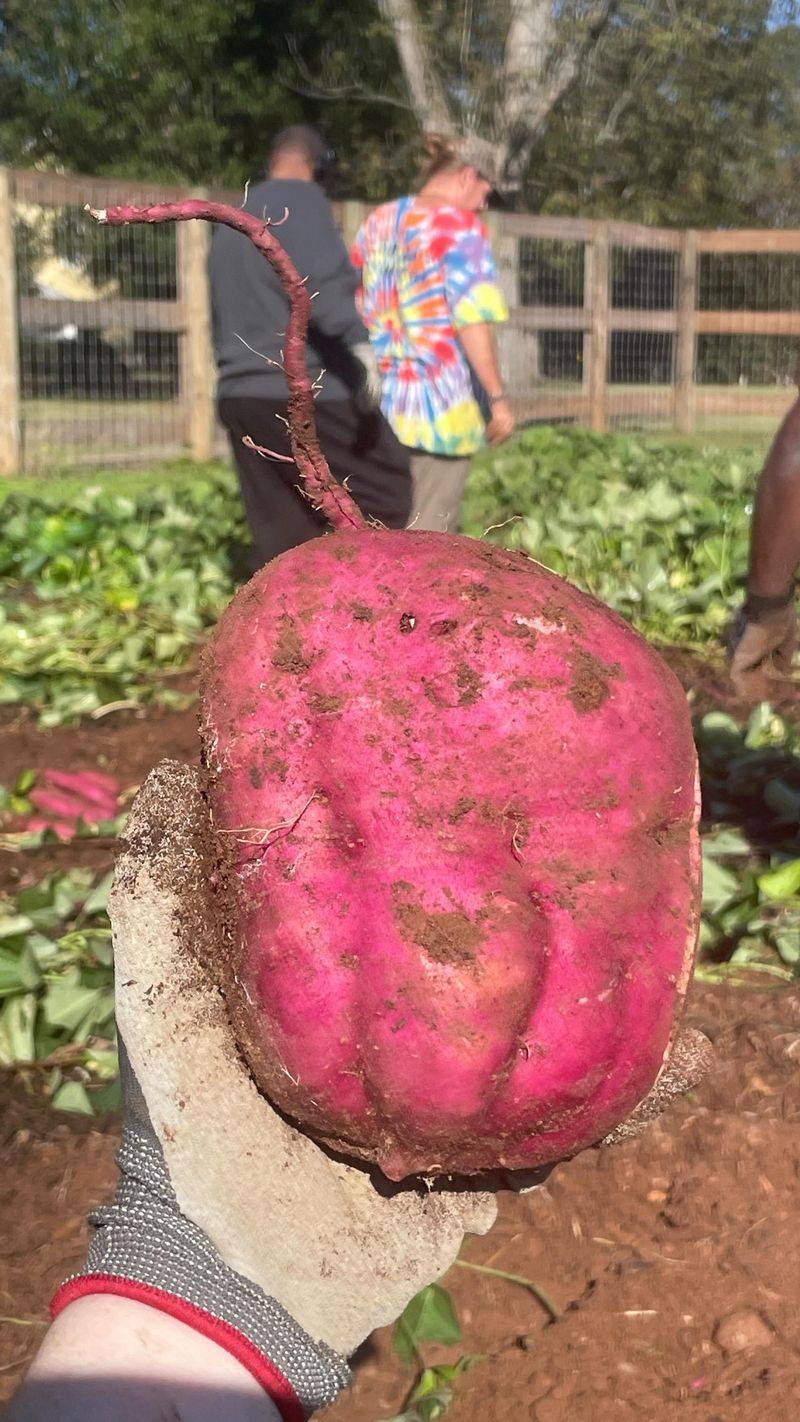
Nobody tosses a carton of eggs into a truck bed. Sweet potatoes deserve that same tender treatment, especially during the first days after harvest.
Their skin stays soft, and every drop or bump leaves a mark. A careful routine protects the crop from the start.
Cutting back the vines before digging makes roots far easier to see. A garden fork placed well away from the plant then loosens the soil.
Lifting the soil rather than the roots, and pulling potatoes free by hand, prevents plenty of damage. Gloves protect both hands and skins from rough edges.
Gentle placement matters, too. Each root set down softly into a sturdy container fares far better than one tossed from a distance.
Baskets or crates lined with an old towel or newspaper add extra cushion. Shallow layers work best, since weight from above can bruise the roots at the bottom.
Snapping off long, stringy ends or knocking roots together to remove dirt is best avoided. Each of those habits can tear skin or create small breaks.
Tidying works better after curing, once the skin has toughened. Until then, the harvest deserves treatment as fragile cargo.
Kids helping in the garden can join the fun with an egg-carry challenge, seeing who can move a root without a single scuff. That playful twist turns careful handling into a game everyone remembers.
Cure Before Storing
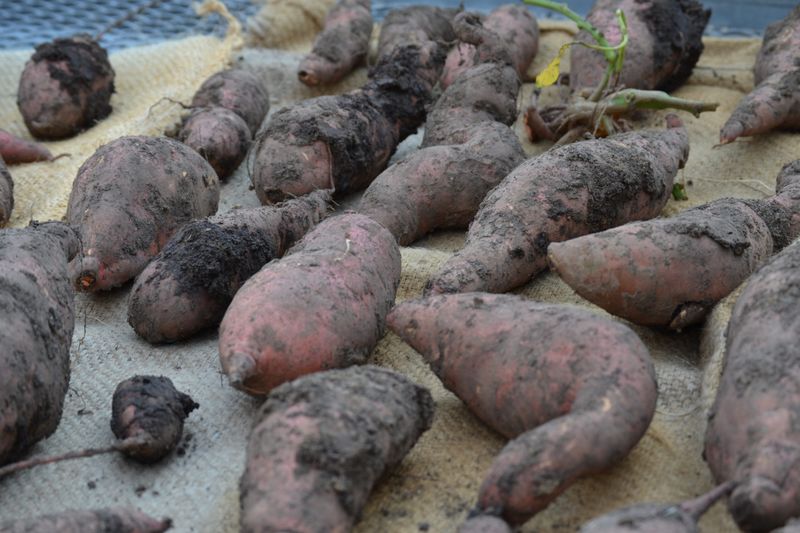
Curing is where a rainy-day rescue truly pays off. Freshly dug sweet potatoes aren’t ready for long storage until they’ve had a warm, humid rest.
That rest heals minor wounds, toughens skins, and turns the roots sweeter. It also sets the stage for months of good eating.
UC ANR guidance commonly recommends curing at about 80 to 85 degrees Fahrenheit with high humidity, around 85 to 90 percent, for roughly 5 to 10 days. During that time, roots form a protective layer over small cuts and scrapes.
The process also helps convert starches into sugars, which boosts flavor. Home gardeners can get creative with curing spots.
A warm spare room, a spot near a water heater, or a closet with a small heater can work. Perforated plastic bags or crates covered with a damp towel help hold in humidity.
In warm parts of California, a shaded, protected outdoor area may also do the job. Steady warmth matters more than a perfect setup.
After curing, roots move to a cooler spot, ideally about 55 to 60 degrees Fahrenheit. The refrigerator is best avoided, since cold can cause chilling injury.
A dark pantry or closet usually works well. The damaged roots set aside at harvest deserve a spot at the front of the line, since deep wounds rarely heal fully.
Checks every week or two catch any soft roots early. With good curing, many varieties keep for several months and taste even better by the holidays.