Why Songbirds Suddenly Gather In Your North Carolina Yard And What It Means
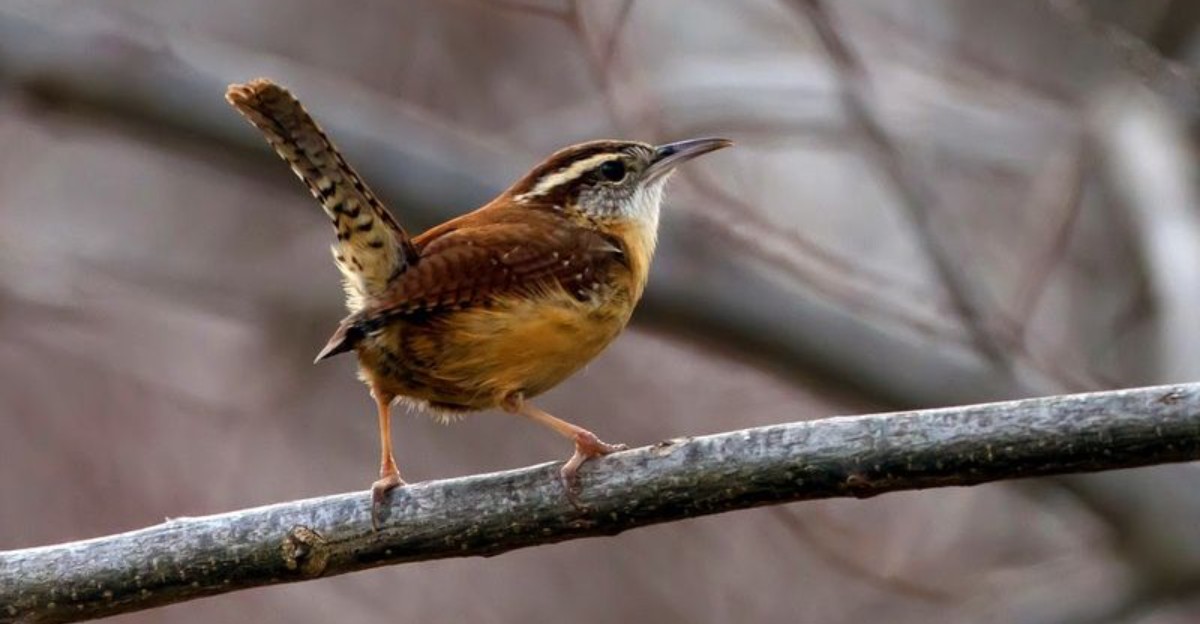
A sudden influx of songbirds crowding into a North Carolina yard often has a clear explanation behind it, even if it seems random at first glance.
Migration plays a major role this time of year, as birds passing through the region stop to refuel on seeds, berries, and insects before continuing their journey south.
A well-stocked feeder, ripening berries, or an unusually active insect population can also draw multiple species into the same space at once, especially when nearby yards offer less to eat.
Weather shifts sometimes trigger this behavior too, since birds often become more active and visible right before a change in conditions arrives.
Understanding what’s behind a sudden gathering of songbirds can turn a curious moment into a genuinely interesting glimpse into the season’s natural rhythms.
1. Fall Migration Brings New Visitors
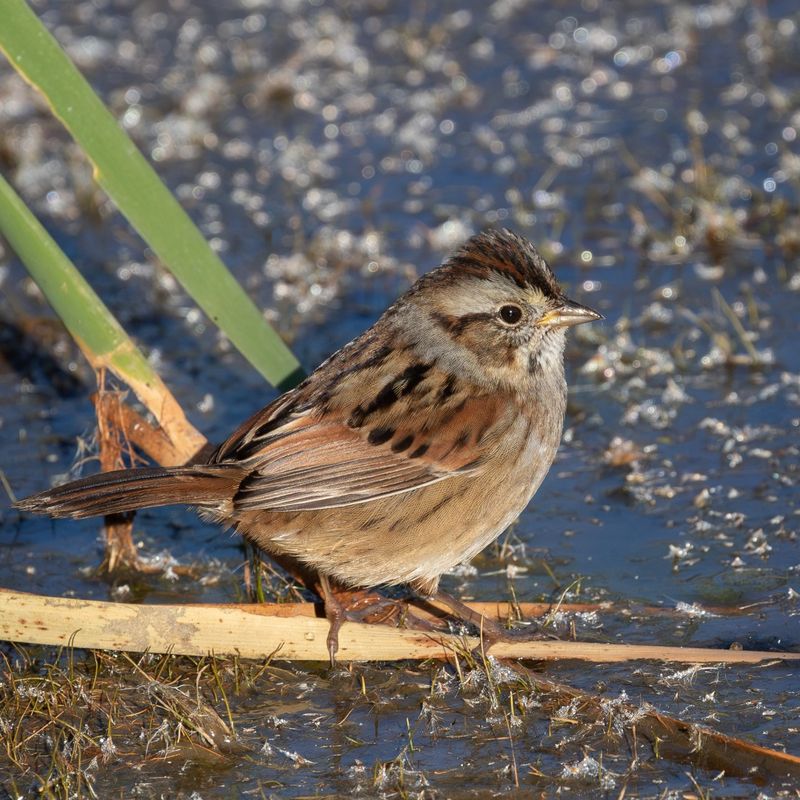
Autumn in North Carolina turns backyards into busy rest stops for traveling birds. The state sits along major migration paths, so many songbirds pass through while moving from cooler northern areas to warmer southern homes.
These long journeys take a lot of energy, and birds need safe places to pause. Your yard might become a perfect layover spot where they can rest their tired wings and refuel before continuing on.
Because of this, you may spot species you have never noticed before, like warblers, sparrows, or thrushes.
Timing plays a huge part in this. Most fall movement happens between September and November, when shorter days and cooler air signal birds to head south. During these weeks, activity in your yard can jump quickly, almost overnight.
If you want to welcome these travelers, keep feeders full and fresh water available. Migrating birds burn through energy fast, so a reliable meal makes your yard stand out among all the others they pass.
Watching migration unfold right outside your window feels special. Each visitor is on an amazing trip that may cover thousands of miles, and your yard becomes a tiny piece of that story.
Try keeping a small notebook to jot down which birds appear and when. Over time, you will notice patterns and start predicting when your feathered guests might return.
That simple habit turns ordinary birdwatching into an exciting seasonal adventure you can look forward to every single year.
2. Birds Gather Around Reliable Food Sources
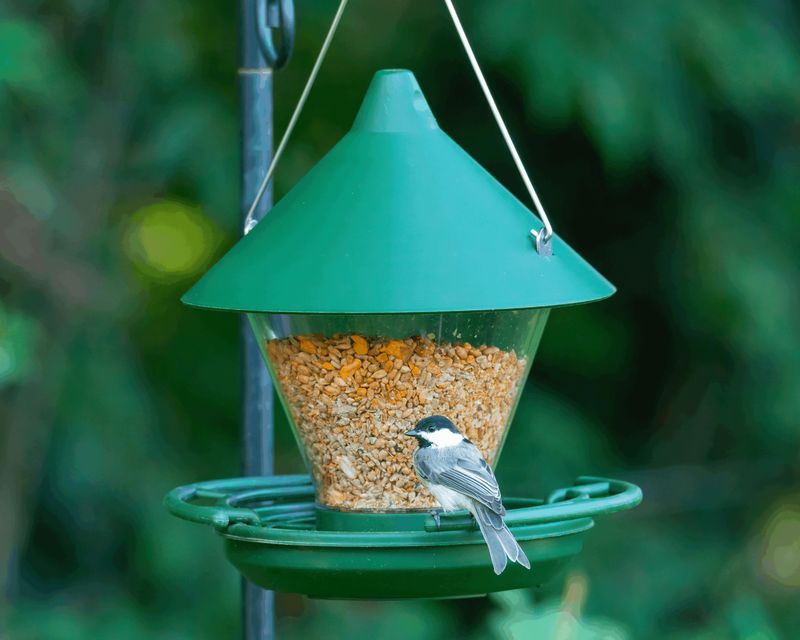
Nothing pulls a crowd of songbirds together faster than a steady supply of food. When your yard offers berries, seeds, insects, or a well-stocked feeder, word seems to spread quickly through the bird world.
Seasonal changes make dependable food even more valuable. As natural sources shift throughout the year, birds search hard for spots they can count on again and again. A yard that keeps offering meals becomes a favorite hangout.
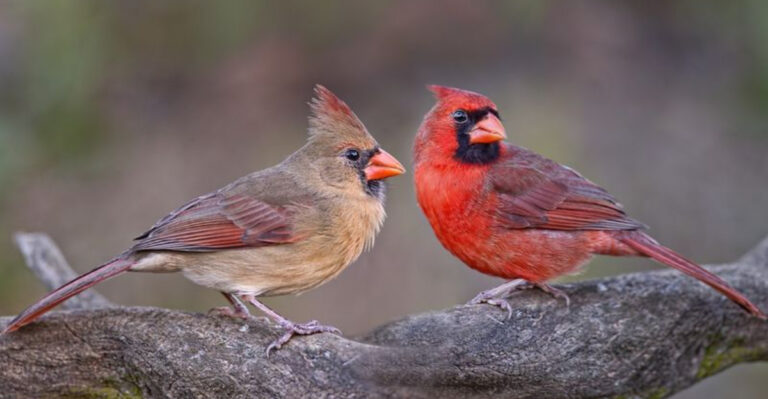
Different birds like different foods, which is why variety works so well. Sunflower seeds attract cardinals and finches, while suet draws woodpeckers and wrens. Berry bushes bring in robins and waxwings looking for a sweet treat.
Keeping feeders clean matters just as much as keeping them full. Dirty feeders can spread illness among birds, so give yours a good scrub every couple of weeks with a mild soapy rinse.
Your North Carolina Garden Changes Every Week. Your Plan Should Too.
Gardening in North Carolina changes quickly throughout the season. Every Friday you’ll receive a simple weekly plan showing exactly what to plant, prune, fertilize, harvest, and protect so you never miss the right timing.
Placing food near shrubs or trees also helps. Birds feel safer eating when a quick hiding spot sits close by, so they linger longer and return more often.
Once birds learn your yard is a reliable dinner stop, they treat it like a regular route on their daily travels. That means more visits, more songs, and more chances to enjoy them up close.
Think of your yard as a friendly neighborhood cafe for birds. The more welcoming and dependable it feels, the bigger the gatherings become, filling your outdoor space with color, movement, and cheerful chatter all season long.
3. Flocking Helps Birds Stay Safe
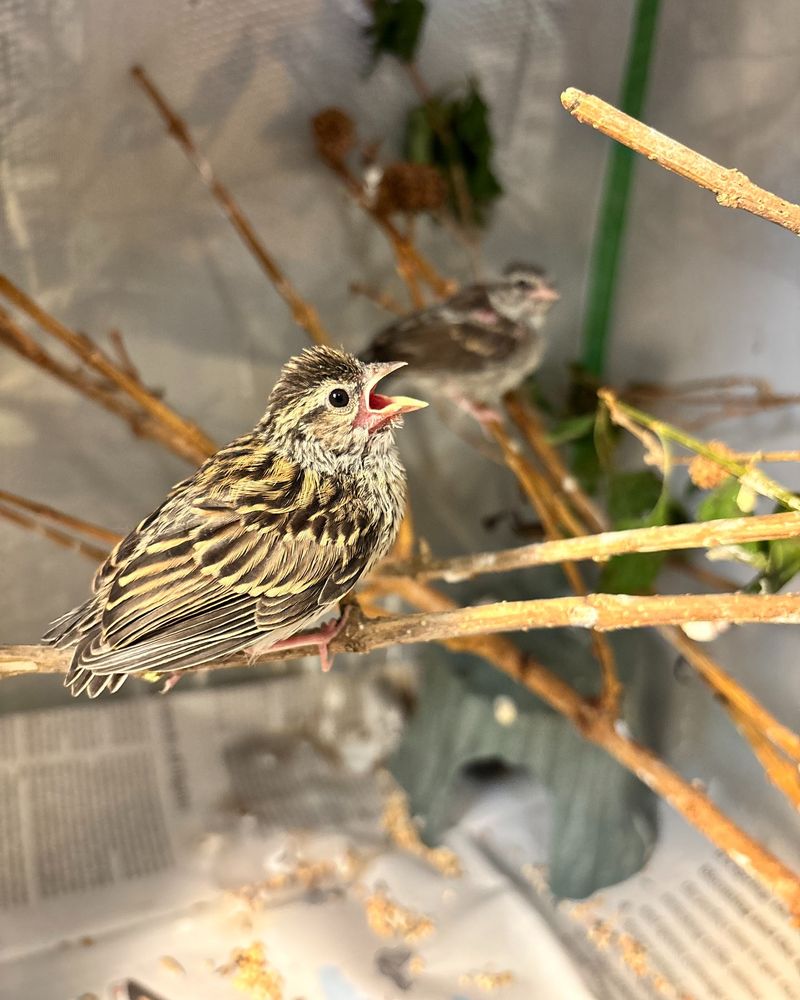
Safety in numbers is a rule many songbirds follow once breeding season wraps up. After raising their young, lots of birds join together into flocks, and traveling as a group brings real advantages.
More eyes mean better protection. When dozens of birds share the same space, at least one is always watching for hawks or other predators. If danger appears, the whole flock scatters in a flash, giving everyone a better chance to escape.
Finding food gets easier too. A single bird might miss a hidden patch of seeds, but a flock covers more ground and shares clues about where the best meals are. That teamwork saves precious energy.
You may notice this behavior most in late summer and fall. Suddenly your quiet yard fills with chattering chickadees, titmice, and sparrows moving together from branch to branch.
These mixed groups sometimes include several species at once. Each type brings its own strengths, and together they form a loose team that benefits every member.
Watching a flock in action is a treat. The way they swirl, land, and lift off almost as one shows how connected they really are.
To support flocking birds, offer open feeding areas with nearby cover. Groups feel more comfortable when they can grab food quickly and dash to safety.
When a flock chooses your yard, take it as a compliment. They picked your space because it feels safe, welcoming, and full of everything a busy group of birds could want.
4. Weather Changes Can Increase Activity
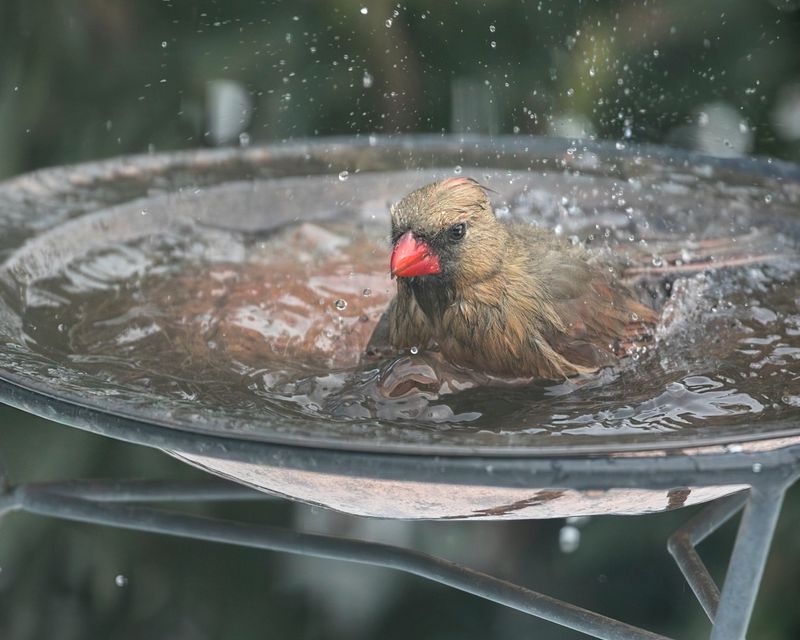
Shifting weather often flips a switch in the bird world. Cold fronts, storms, and dropping temperatures can send songbirds into a flurry of activity, and your yard becomes the stage for the show.
Before a storm rolls in, birds sense the change. Their instincts tell them to eat as much as possible while food is easy to reach, so feeders and berry bushes suddenly get crowded.
Cold snaps also push birds to search harder for energy. Staying warm burns fuel fast, so they visit reliable feeding spots more often when the air turns chilly.
You might notice the biggest crowds right before or after a front passes through. That timing lines up with birds stocking up or refueling once the weather calms.
Rain and wind can change things too. After a storm clears, birds emerge hungry and eager, turning quiet mornings into lively feeding frenzies.
Keeping your yard ready during these times makes a real difference. Fill feeders the evening before a cold front and check that water has not frozen over.
Shelter matters just as much as food. Dense shrubs, evergreens, and brush piles give birds a safe place to wait out rough weather.
Paying attention to the forecast can actually help you predict bird activity. When you see a front coming, you will know your yard is about to get busy.
These weather-driven gatherings remind us how closely birds live tied to nature’s rhythms. A simple change in the sky can bring your yard to life in the most delightful way.
5. Native Plants Create Bird-Friendly Yards
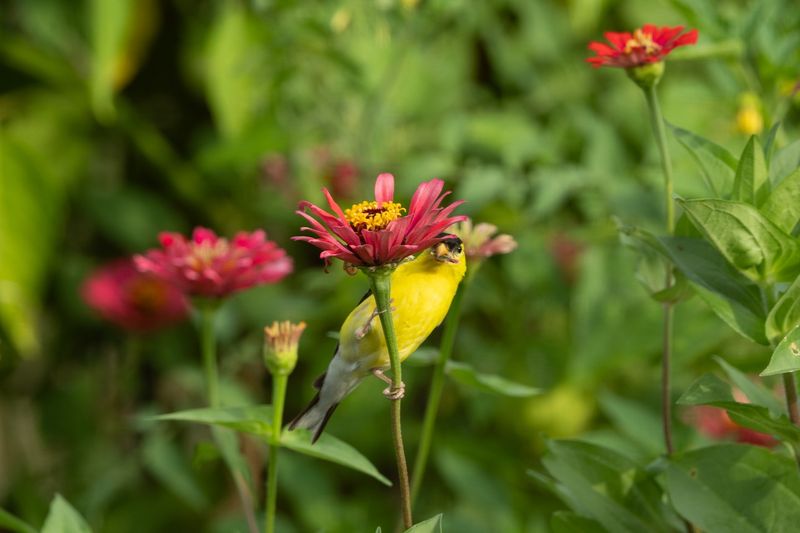
Native plants act like a natural welcome sign for songbirds. Trees, shrubs, and flowers that grow naturally in North Carolina provide food and shelter that birds recognize and trust.
These plants offer more than pretty looks. Berry-producing bushes like beautyberry and holly feed hungry birds, while seed-heavy flowers such as coneflowers and sunflowers keep finches happy.
Native trees pull double duty. Oaks, maples, and dogwoods produce seeds and fruits while also hosting insects that many birds love to eat.
Because these plants belong here, they thrive without much fuss. That means less watering, fewer chemicals, and more natural food for the birds who depend on them.
Shelter comes with the package too. Thick native shrubs give birds safe places to hide, rest, and even build nests during warmer months.
Planting a mix of heights and types works best. A layered yard with tall trees, medium shrubs, and low flowers gives different birds the spaces they prefer.
You do not need to redo your whole yard at once. Adding just a few native species each season slowly builds a space that birds cannot resist.
Local nurseries often carry plants suited to North Carolina soil and climate. Asking staff for native options makes shopping simple and rewarding.
Over time, a yard full of native plants becomes a living buffet and cozy shelter rolled into one. Birds notice, and they reward your effort by showing up more often.
Choosing native is one of the kindest, easiest ways to invite songbirds to gather and stay in your yard.
6. Birds May Be Searching For Insects
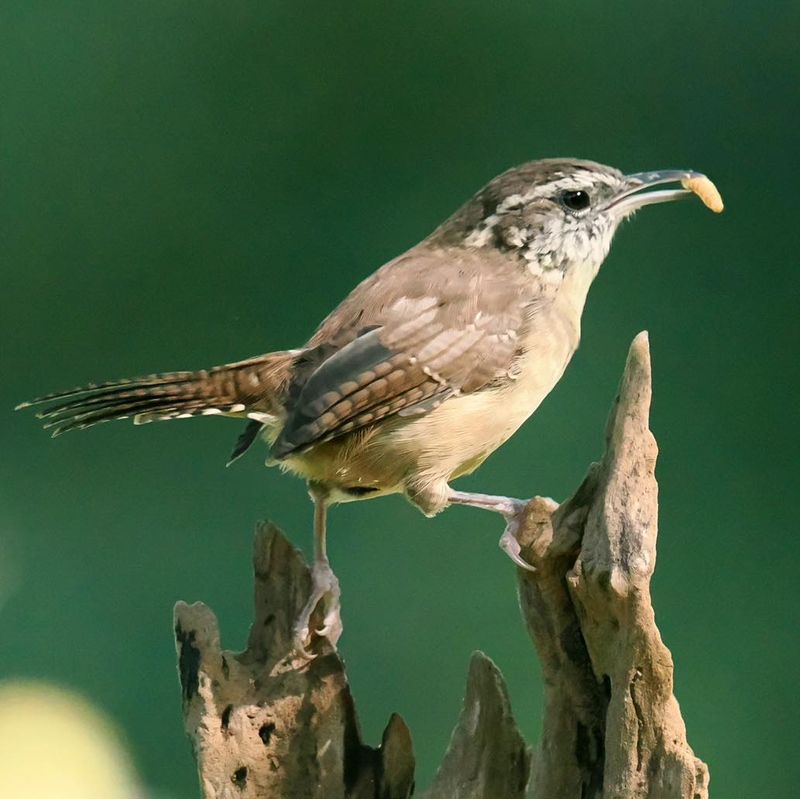
Seeds and berries get plenty of attention, but insects remain a favorite meal for many songbirds. Even in fall, birds keep hunting bugs to grab the protein their bodies need.
A yard buzzing with insect life becomes a magnet for feathered visitors. Warblers, wrens, and bluebirds all rely on caterpillars, beetles, spiders, and other tiny prey.
Healthy gardens naturally attract more birds. When your plants support insects, you are really building the first link in a food chain that draws songbirds right to you.
Skipping harsh chemicals makes a big difference. Pesticides wipe out the very bugs birds depend on, so cutting back keeps that natural buffet stocked.
Leaf litter and mulch help too. Fallen leaves shelter insects, and birds happily poke through them searching for a hidden snack.
Native plants once again shine here. They host far more insects than many imported species, giving birds richer hunting grounds.
Watching birds forage for bugs can be fascinating. You might see a wren flip leaves or a bluebird swoop down to snatch a beetle from the grass.
Fall does not end the insect hunt. Warm afternoons still bring out plenty of prey, keeping birds active and interested in your yard.
Providing brushy corners or a small wild patch invites even more insect life. Birds quickly learn where the good hunting happens.
When songbirds gather to hunt bugs in your yard, it signals a balanced, healthy space. That kind of natural harmony benefits birds, plants, and you all at the same time.
7. Water Sources Bring More Birds Nearby
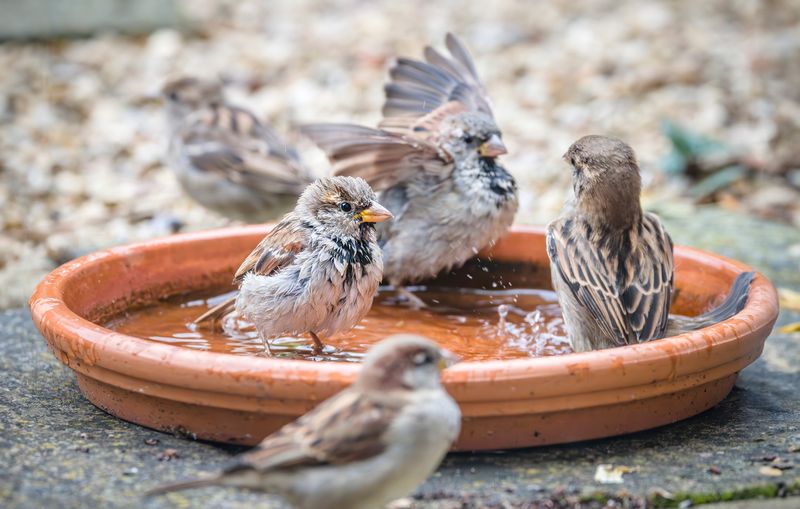
Water can be just as tempting to birds as food. A clean birdbath or shallow water spot often turns a quiet yard into a busy gathering place, especially when nearby water is hard to find.
Birds need water for drinking and bathing. Splashing around keeps their feathers clean, which helps them fly well and stay warm.
During dry stretches, reliable water becomes even more valuable. When ponds and puddles shrink, your birdbath might be the best option around, drawing birds from all over.
Shallow water works best. Most songbirds prefer an inch or two, so they can wade in comfortably without feeling nervous.
Keeping the water clean is key. Refreshing it every couple of days stops algae and keeps birds coming back for a safe sip.
Adding a gentle drip or small fountain boosts the appeal even more. The sound of moving water carries far and grabs a bird’s attention quickly.
Placement matters too. Setting a birdbath near shrubs gives birds a quick escape route while still leaving open space to spot approaching danger.
In colder months, a heated birdbath keeps water from freezing. That simple touch makes your yard a rare and welcome resource.
Watching birds splash and drink brings pure joy. Their playful bathing sessions turn an ordinary afternoon into a lively little show.
Once birds discover your water source, they treat it as a dependable stop. That steady flow of visitors fills your yard with color, sound, and the cheerful energy only songbirds can bring.
8. A Sudden Gathering Can Be A Positive Sign
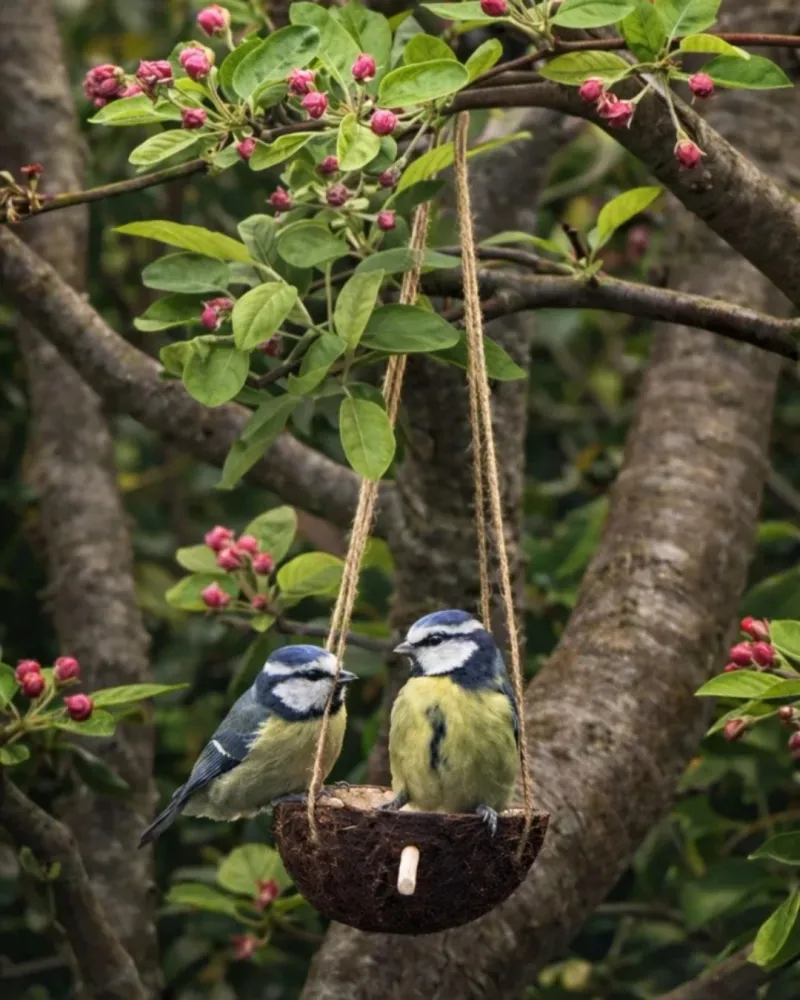
A yard suddenly full of songbirds usually means you are doing something right. When birds pick your space over others, it signals that your yard offers the food, water, and shelter they truly need.
Healthy habitats attract healthy crowds. The more comfortable and safe birds feel, the more they gather, sing, and return day after day.
Reducing chemicals plays a huge role. Cutting back on pesticides protects the insects birds eat and keeps your yard safe for every visitor.
Steady food and water seal the deal. Full feeders, berry bushes, and fresh water tell birds your yard is a place they can rely on.
Shelter completes the picture. Trees, shrubs, and brush piles give birds spots to hide, rest, and feel protected from harsh weather.
Seeing lots of birds can also hint at a balanced ecosystem. Where birds thrive, other helpful creatures usually thrive too.
Small changes bring big rewards. Even planting one native shrub or adding a simple birdbath can noticeably increase your feathered guests.
Take pride in a busy yard. Every chirp and flutter is proof that your efforts are paying off in the best way.
Keep supporting your visitors year-round. Consistency turns occasional stops into loyal returns, filling your yard with life through every season.
When songbirds gather in numbers, treat it as nature’s thank-you note. You have built a welcoming home where birds feel safe, fed, and happy, and that gift keeps giving back to you with beauty and song each day.