The One Thing North Carolina Lawns Need Before September Or They Won’t Green Up
There is a moment every August when a Carolina yard starts telling on itself. The grass looks tired, the color fades toward straw, and the sprinkler seems to accomplish almost nothing at all.
Most homeowners respond by hauling home another bag of fertilizer or cranking the irrigation timer higher, yet the lawn barely reacts. That’s because the water and nutrients never make it past the first inch of soil.
Underneath those blades sits packed red clay that mowers, cleats, and summer thunderstorms have been squeezing since April. Instead of soaking down to the roots, water beads up and runs straight for the curb.
One quick job breaks up that hard layer, and the calendar only leaves a short window to get it done. Handle it before September and your fescue comes back thick and deep green, while waiting around usually means a thin, frustrating fall.
Core Aeration Is The Missing Step In North Carolina Yards
Ask a longtime lawn keeper in Raleigh what separates a thick October fescue lawn from a thin, patchy one, and the answer rarely involves a fancy product. It usually comes down to pulling plugs of soil out of the ground before Labor Day.
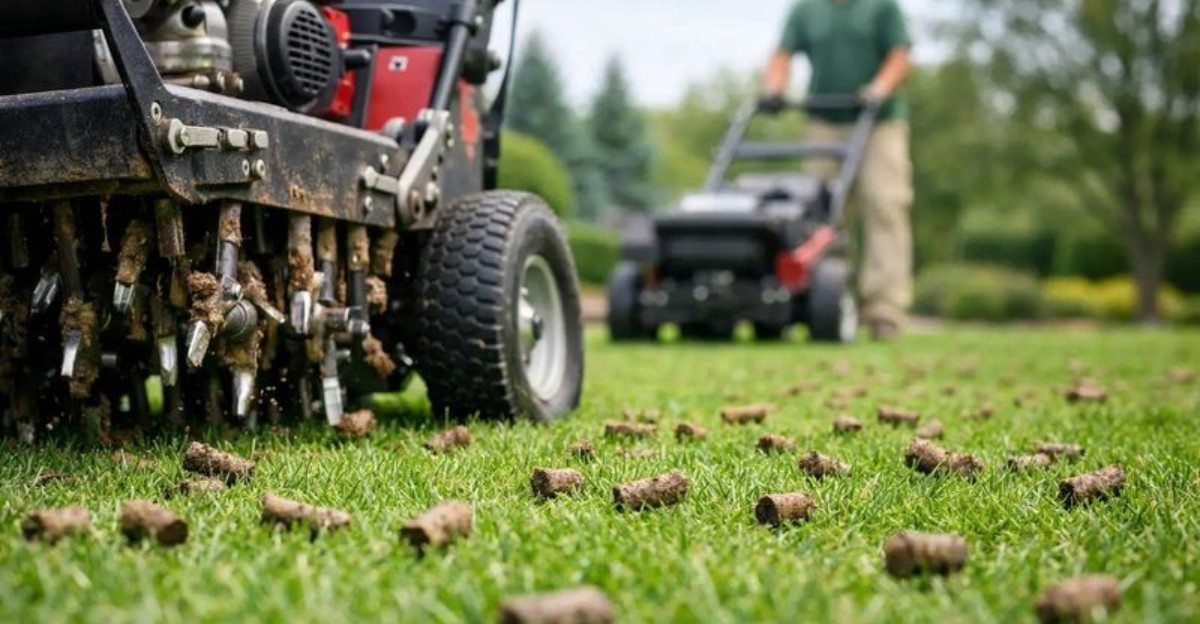
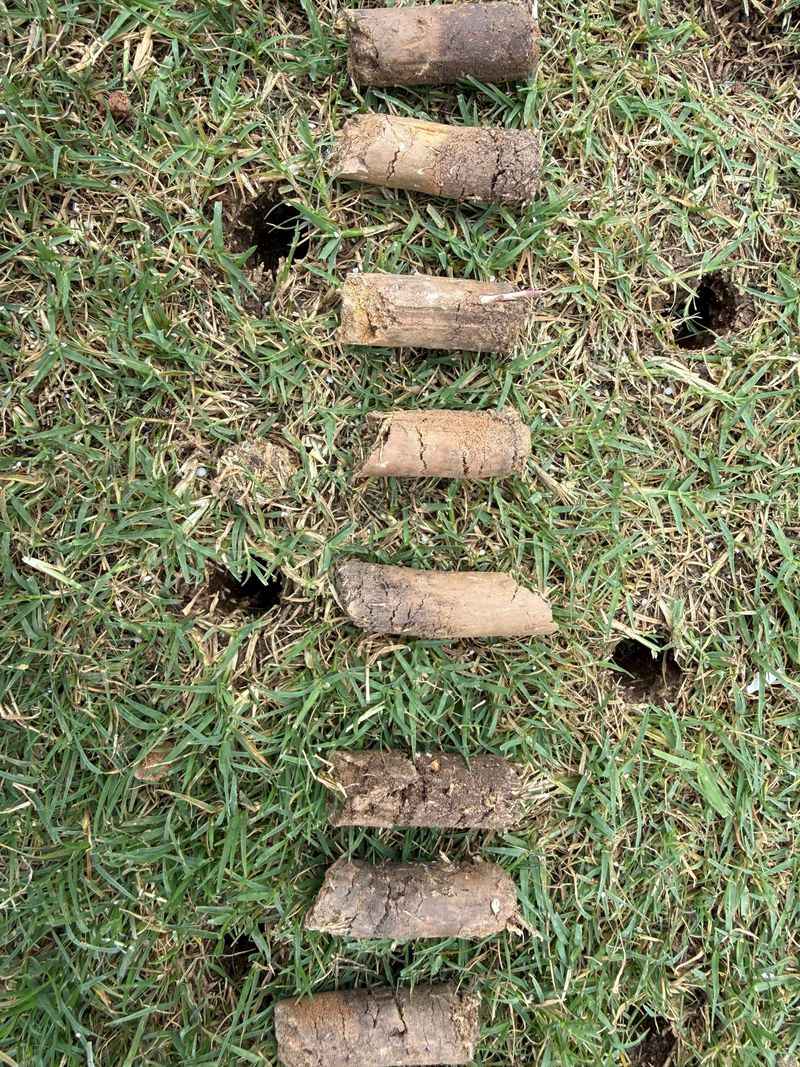
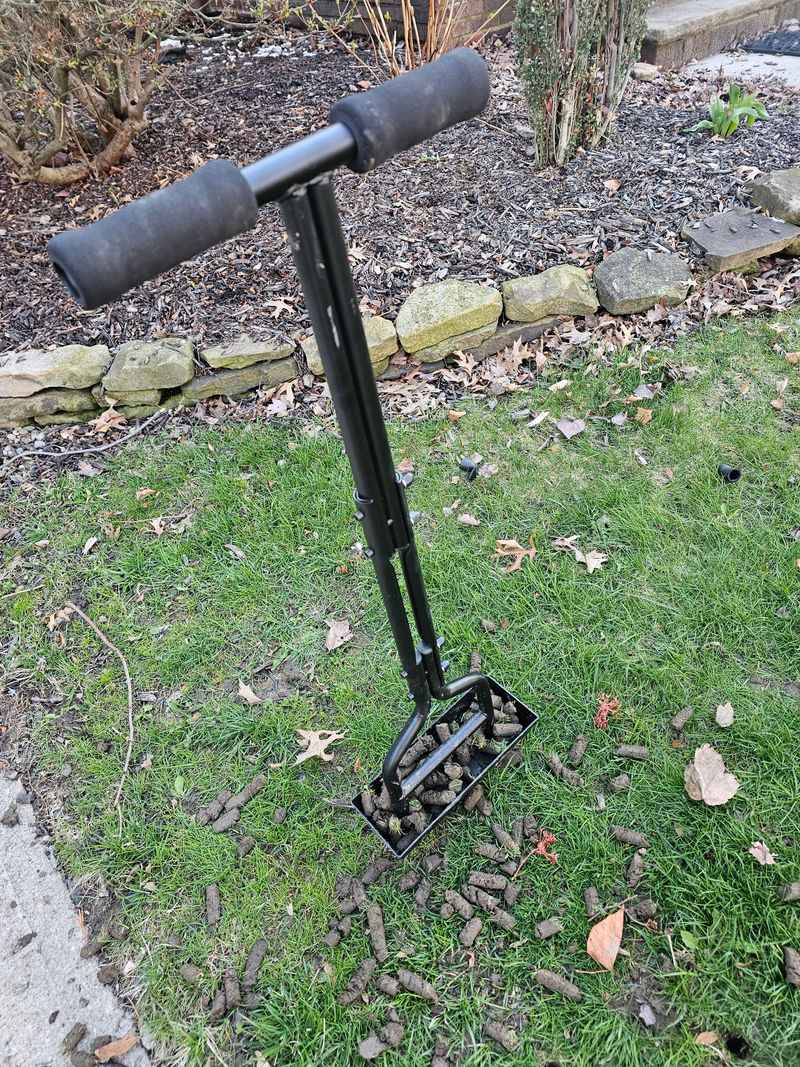
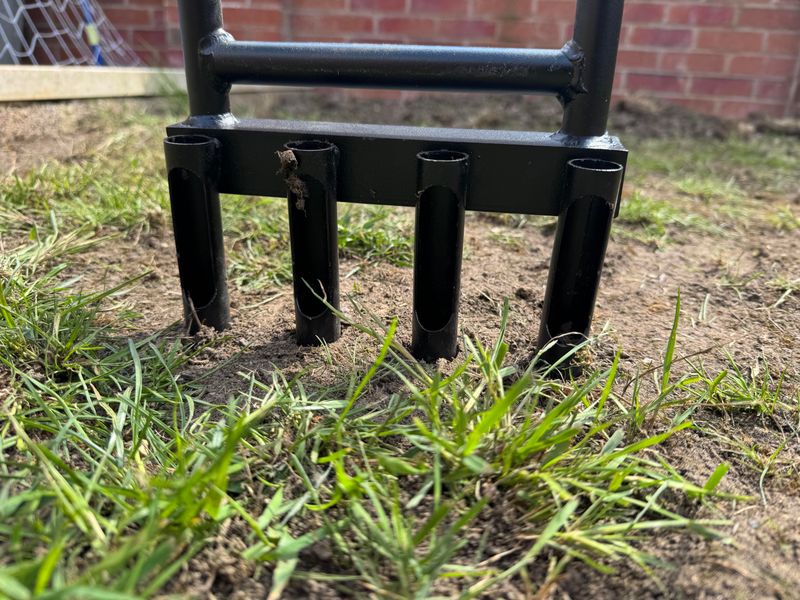
Core aeration uses a machine with hollow tines that punch into the turf and remove finger-sized cores. Those small openings let air, water, and nutrients reach the root zone instead of sliding off the surface. Grass roots then push into the loosened space and grow deeper.
North Carolina lawns sit on soil that packs tight after months of foot traffic, mower wheels, and pounding thunderstorms. Water beads up and heads toward the street rather than soaking in. Fertilizer spread over that kind of surface mostly feeds the storm drain.
Homeowners often blame their seed or their sprinkler when fall color disappoints. The real trouble sits three inches down, where roots ran out of breathing room.
Rental yards across the state stay busy in August for exactly this reason, and plenty of neighbors split the cost of a machine for one Saturday morning. An afternoon of work does more for root health than another round of fertilizer alone.
Opening the soil in late summer sets up everything that follows. Seed drops into the holes and finds moisture, fertilizer travels down to hungry roots, and fresh growth arrives while nights are still cool. Skip that step and the lawn spends autumn treading water instead of filling in.
Red Clay, Summer Heat, And Roots That Cannot Breathe
North Carolina’s Piedmont red clay looks gorgeous in a photograph and behaves like a brick in a lawn. Its particles are tiny and flat, so they stack together and squeeze out the air pockets roots depend on.
Add July and August in North Carolina, when afternoon temperatures climb into the nineties and humidity hangs like a wet blanket. Cool season fescue slows way down, roots shorten, and the plant survives on whatever moisture lingers near the surface.
Meanwhile the surface keeps getting pressed. Kids run backyard drills, the mower traces the same loop every week, and heavy rain hammers the bare spots into a crust.
Your North Carolina Garden Changes Every Week. Your Plan Should Too.
Gardening in North Carolina changes quickly throughout the season. Every Friday you’ll receive a simple weekly plan showing exactly what to plant, prune, fertilize, harvest, and protect so you never miss the right timing.
By late summer the top few inches can be so dense that a screwdriver will not slide in without a shove. That simple kitchen-drawer test tells you plenty about why the yard looks worn out.
Thatch piles on another layer of trouble. A spongy mat of old stems and clippings sitting above the soil can block water before it ever reaches dirt.
Roots stuck in that situation cannot chase moisture downward, so the grass leans on you for daily watering and still fades. Loosening the soil breaks that cycle and gives fresh roots somewhere to travel.
Sandy Coastal Plain yards deal with a different version of the same squeeze, since traffic still compacts the upper layer and organic matter tends to run low. Different soil, similar fix.
Understanding the cause makes the timing click, because clay opens up best when it holds a little moisture and the grass still has weeks of decent growing weather ahead.
The Late August Window That Decides Your Fall Color
Calendars matter more than muscle on this job. Roughly mid August through late September is prime time across most of North Carolina, with the mountains starting a couple of weeks earlier than the coast.
Soil temperature drives the decision. Fescue roots wake back up once soil settles into the low seventies, which generally happens after nights cool into the sixties.
Getting cores pulled before September gives new seedlings six to eight weeks of friendly weather ahead of the first frost. Young grass needs that stretch to build roots sturdy enough for winter and to push out strong color come spring.
Wait until October and you are gambling with the weather. Seed may sprout, yet the plants stay small and thin, and a cold snap can stall them right when momentum matters most.
Ground moisture counts too. Aerating bone dry clay produces sad little crumbs and shallow holes, while soaked soil smears and seals right back over.
The smart move is watering deeply a day or two ahead, or running the machine the morning after a good rain. Tines then pull clean plugs two to three inches long.
Warm season lawns such as bermuda and zoysia follow a different clock, with early summer being their moment. Fescue and mixed yards are the ones racing against the September cutoff.
Mark a weekend now and treat it like an appointment, because the window closes faster than expected once school starts and Saturdays fill up. A glance at the ten day forecast for mild temperatures makes the choice easy.
Overseeding Right After The Plugs Come Up
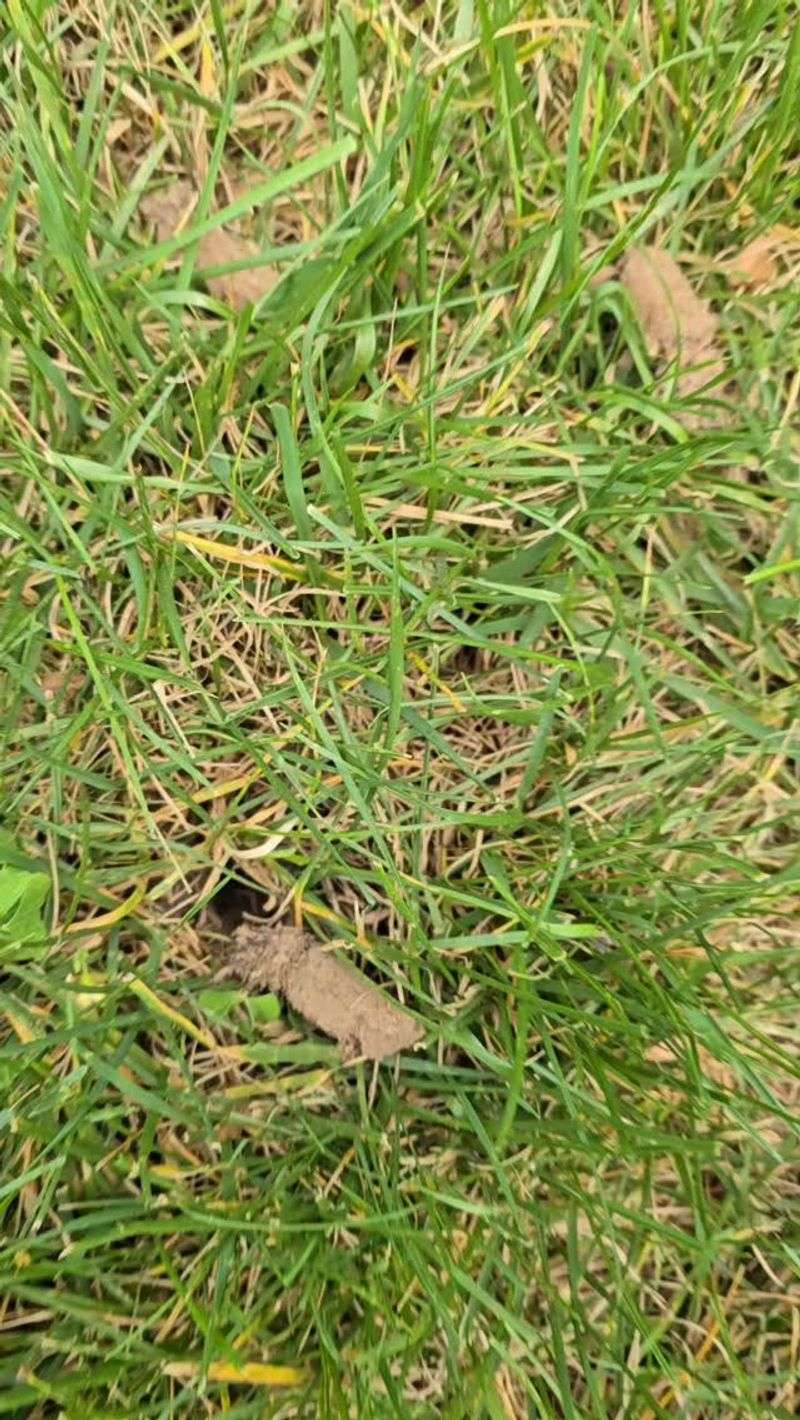
Freshly aerated turf works like a tray of tiny seedbeds, and every hole is a sheltered pocket where a seed can settle and stay damp.
Spread tall fescue seed within a day of aerating, while those holes are still open and the soil still holds moisture. Turf type tall fescue blends handle North Carolina summers far better than older varieties, so look for a bag listing three or four named cultivars.
For overseeding an established lawn, five to eight pounds of seed per thousand square feet is a solid target. Beaten-down areas can take a little more, spread in two passes at right angles for even coverage.
Leave the soil plugs right where they land. Rain and mowing crumble them within two weeks, and that crumbled soil settles over the seed like a light blanket.
A starter fertilizer with phosphorus supports young roots, and many North Carolina yards benefit from lime because clay tends to run acidic. An inexpensive soil test through the state agriculture department removes the guesswork.
Hold off on weed preventer for now. Most pre emergent products stop grass seed from sprouting just as well as they stop crabgrass, so save those products for spring.
Seed to soil contact is the whole ballgame, and a lawn roller is unnecessary once the tines have done the heavy lifting.
If squirrels and birds treat your yard like a buffet, a thin scatter of straw over the barest patches keeps things covered without smothering tender new blades.
Common Mistakes That Waste A Good Aeration Job
Plenty of folks rent the machine, sweat through a Saturday, and still end up with a lawn that shrugs at them. The details are usually where things slipped.
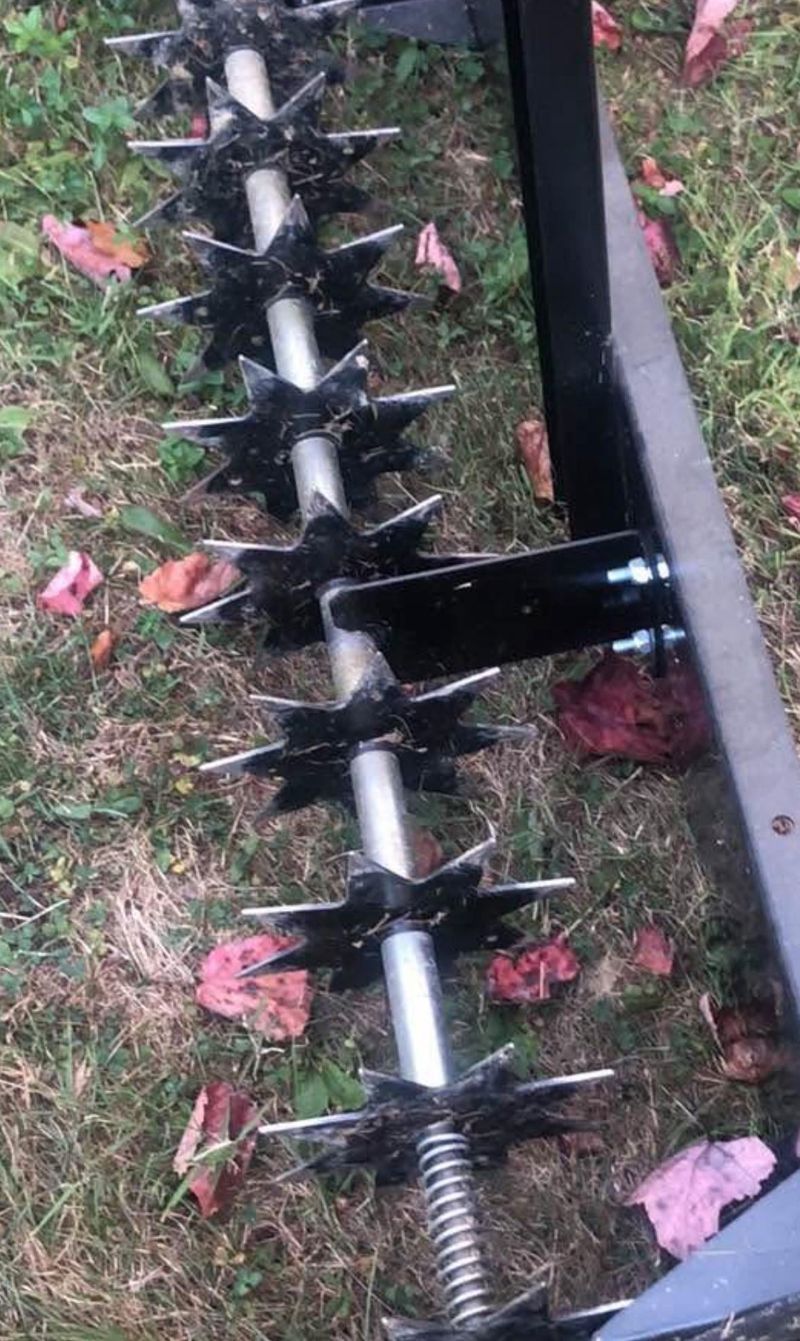
Spike aerators are the first culprit. Solid tines and spiked shoes press soil sideways instead of removing it, which packs clay tighter rather than loosening it. Hollow tines that pull actual cores are the tool that pays off.
One lonely pass is another common shortfall. Compacted Carolina clay generally wants two or three passes in different directions, aiming for roughly twenty to forty holes per square foot.
Marking matters before the wheels roll. Flag sprinkler heads, shallow cable, septic lines, and invisible fence wire, because tines reach three inches down and do not discriminate.
Skipping water afterward can set the whole job back. New seedlings live in the top half inch of soil, and one blazing afternoon without moisture can erase a week of progress.
Mowing too short during establishment hurts as well. Keeping the deck around three and a half inches shades young plants and holds soil temperatures down.
Timing errors round things out. Running the machine in the swelter of early August with no seed and no watering plan, or waiting until Halloween, both leave the yard worse off than a patient approach.
One more overlooked detail is dull mower blades, which shred tender new grass tips and give the whole lawn a tan haze that mimics drought. Sharpen them before the fall growth spurt and the difference shows within a week.
Watering, Feeding, And The Green Payoff By October
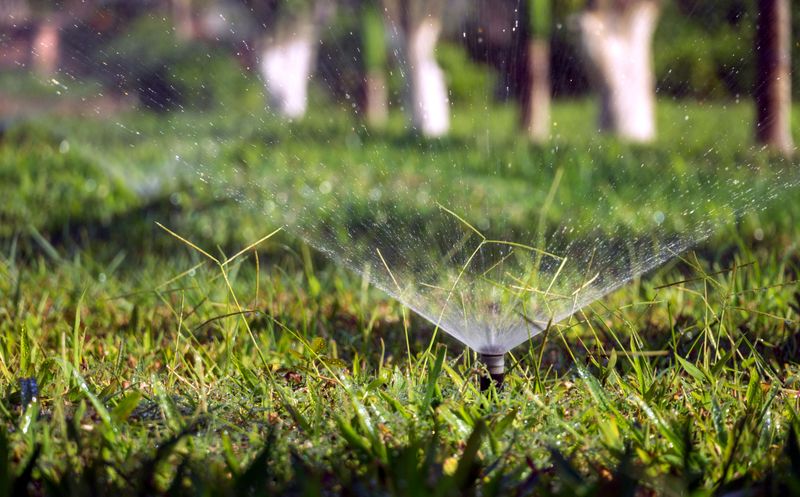
Water is the make or break piece of the next three weeks. Light sprinklings once or twice a day keep the seedbed damp without creating puddles or washouts.
Once seedlings reach an inch, stretch to every other day and run the water a bit longer each time. By week four, a deep soak twice a week trains roots to chase moisture downward.
Feed again about four to six weeks after seeding with a nitrogen source, then once more in early November. That late feeding builds root mass through winter and explains why some yards burst with color in March while others limp along.
Rake or blow leaves off the young grass, since a soggy mat of oak and maple leaves blocks the light seedlings need.
Expect the first mow around three weeks in, when blades stretch to about four inches. Remove no more than a third of the leaf at a time and bag that first pass if clippings pile up.
Keep foot traffic light until after the second mowing, so reroute the dog, the trampoline, and the soccer goal for a few weeks.
By mid October the thin areas start knitting together, and the color deepens into the rich green fescue shows off in cool weather. Neighbors tend to notice.
Come spring, the lawn wakes up early and thick instead of waiting on May, which is the whole payoff for one busy weekend in August. Jot your dates and rates in your phone so next year goes even smoother.