7 Simple Steps North Carolina Gardeners Can Use To Prune Lavender Like A Pro
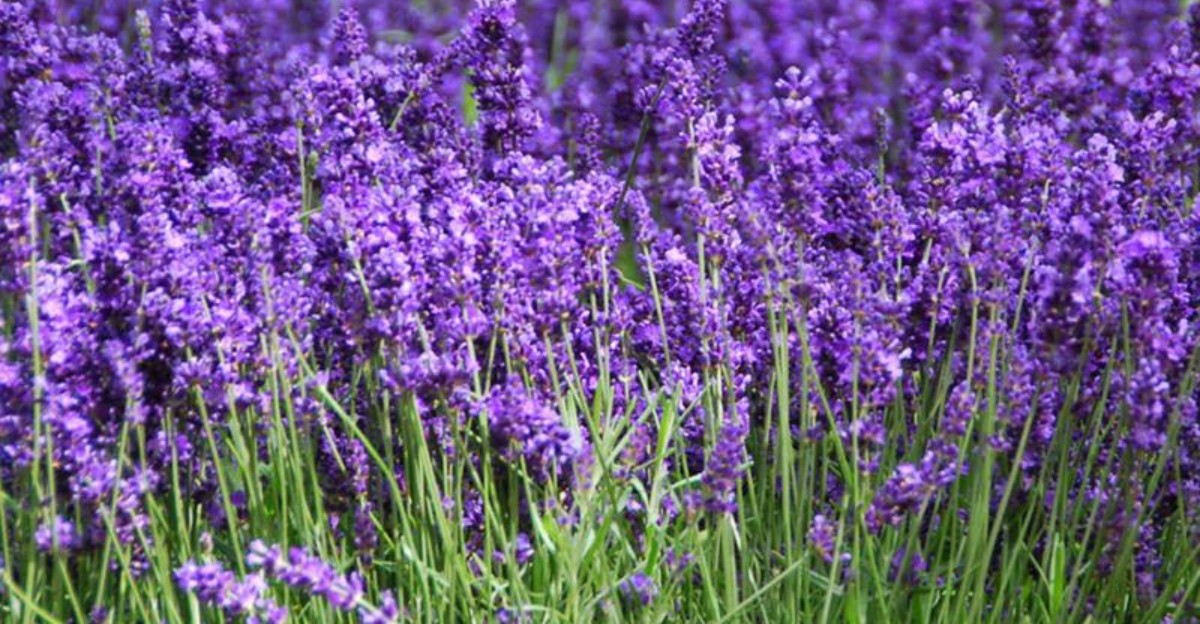
Lavender has a reputation for becoming woody and sparse over time, but the right pruning approach can keep North Carolina plants full, fragrant, and productive for years longer than they’d otherwise last.
Because lavender doesn’t regenerate well from old, leafless wood, proper technique focuses on cutting back into the plant’s green growth without going so far that recovery becomes difficult.
Timing also plays a significant role, since pruning at the wrong point in the season can interfere with blooming or leave the plant vulnerable heading into colder weather.
Following a clear, step-by-step approach takes much of the guesswork out of a task that intimidates many home gardeners. With the right technique, even a leggy, overgrown lavender plant can be brought back to a fuller, more productive shape.
1. Prune After Flowering Finishes
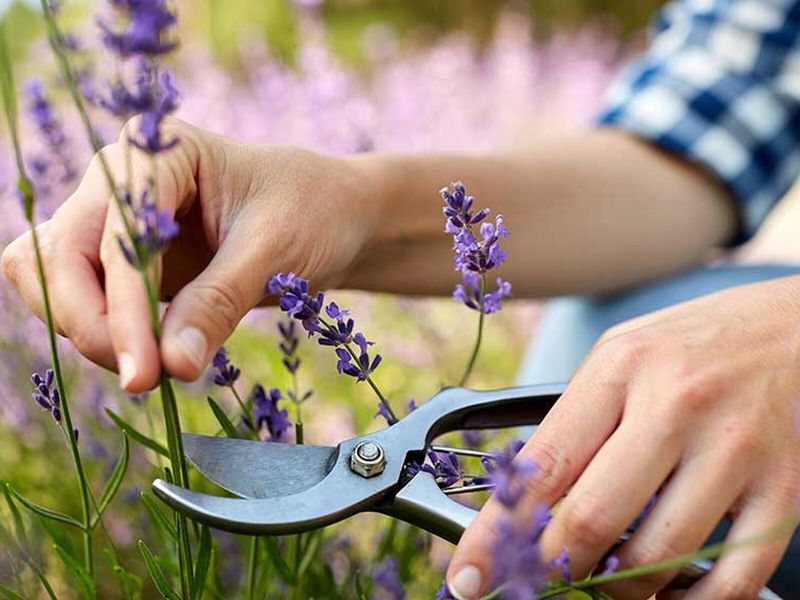
Timing matters more than most folks think, and the best window comes right after the main flowers fade. When the blooms start to lose their bright color and dry out, that is your signal to grab the pruners.
Cutting off the old flower stems does two helpful jobs at once. It clears away tired growth, and it pushes the plant to focus its energy on staying strong and bushy instead of holding onto stems that are finished.
Fresh cuts also make the plant look neat again. A lavender that just finished blooming can look a little messy, with long stems flopping in every direction. A quick trim brings back that clean, tidy shape.
In North Carolina, many gardeners do this in mid to late summer, after the biggest flush of flowers slows down. Some varieties bloom again lightly if you trim early enough, giving you a bonus round of color.
Use sharp, clean pruners so the cuts stay smooth and heal fast. Snip just above the leafy green part of each stem, never deep into the bare wood below.
Try to prune on a dry, sunny morning. Dry weather helps the cuts seal quickly and keeps moisture from settling into the fresh trims.
Once you finish, step back and enjoy the rounded, compact look. That simple after-bloom trim sets your lavender up for a healthier, fuller plant the very next season, and it takes only a few minutes to do.
2. Never Cut Deep Into Old Woody Stems
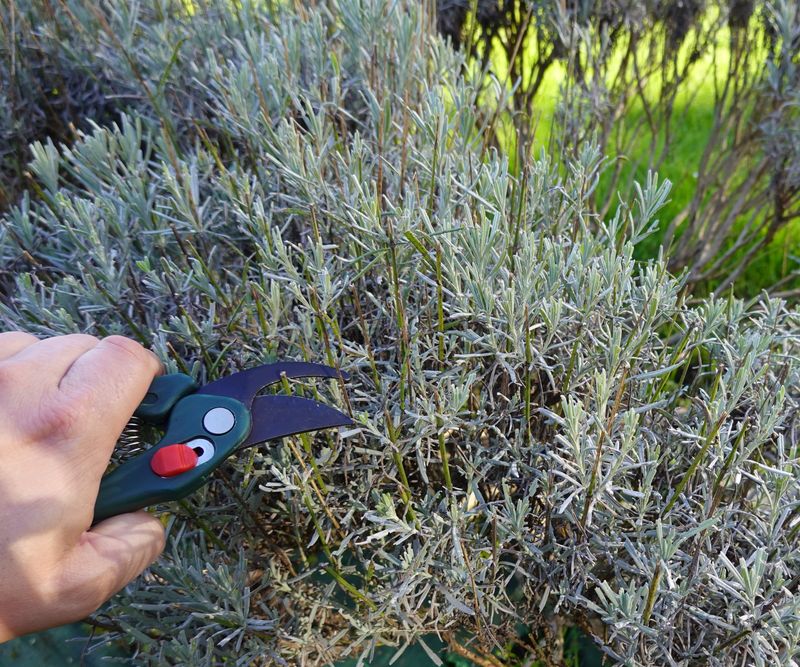
Here is a rule that saves many lavender plants: leave the old brown wood alone. The lower part of a lavender stem turns gray and woody as the plant ages, and that section has very little power to grow new leaves.
Unlike some shrubs that bounce back from a hard trim, lavender struggles to sprout fresh growth from bare wood. If you cut too far down into that stiff brown base, you can leave an empty gap that never fills in again.
Picture the plant as having two layers. The top layer is soft, green, and full of life. The bottom layer is hard, woody, and mostly there for support. Your job is to trim the green and respect the wood.
Your North Carolina Garden Changes Every Week. Your Plan Should Too.
Gardening in North Carolina changes quickly throughout the season. Every Friday you’ll receive a simple weekly plan showing exactly what to plant, prune, fertilize, harvest, and protect so you never miss the right timing.
Before you snip, look closely at each stem. Find where the green leaves begin and where the bare wood ends. Always keep your cut in the leafy zone, leaving a little green on every stem you trim.
Older lavender plants that were already cut too hard can look thin and sparse. Sadly, they may never regain a full shape, which is why gentle trimming every year matters so much.
Regular light pruning actually prevents this problem. When you trim a bit each season, the plant stays soft and leafy longer, and less of it turns woody.
Keep this idea in mind and your lavender will reward you. Protect the wood, trim the green, and your plant will stay full and lively for many happy seasons.
3. Remove About One-Third Of The Green Growth
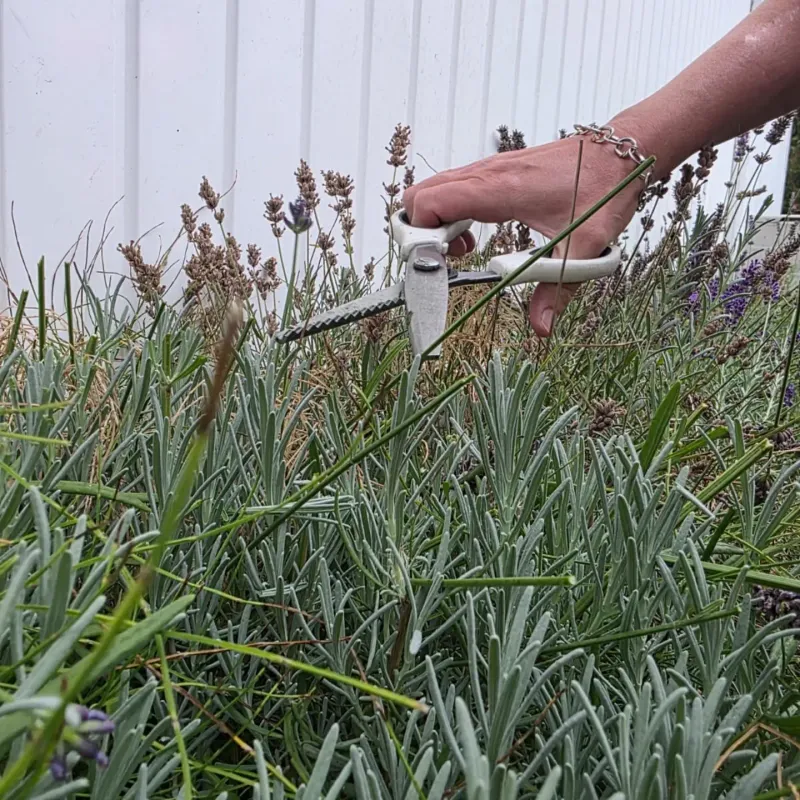
Think of pruning as giving your lavender a light haircut, not a buzz cut. Removing around one-third of the soft green growth is the sweet spot most gardeners aim for.
That amount is enough to shape the plant and spark new branching, but gentle enough that the lavender never feels stressed. Cut too little and the plant grows leggy. Cut too much and you risk reaching that woody zone you want to avoid.
When you trim healthy green growth, lavender can respond by producing new branching, helping create a fuller shape.
An easy way to measure is to eyeball the fluffy green mound and imagine slicing off the top slice. Work your way around the whole plant so it stays even on all sides.
Use smooth, confident snips rather than tiny nervous nibbles. Clean cuts heal faster and keep the plant looking sharp.
This light trim works well for young and mature plants alike. Younger lavender especially benefits, since early shaping builds a strong, rounded frame that lasts for years.
Do not worry if the plant looks a little bare right after. Within a few weeks, fresh green growth fills in and the lavender looks fuller than before.
Sticking to that one-third guideline takes the guesswork out of pruning. It keeps your plant tidy, encourages more blooms, and protects it from harm, giving you a lavender that stays lush and rounded season after season.
4. Shape Lavender Into A Rounded Mound
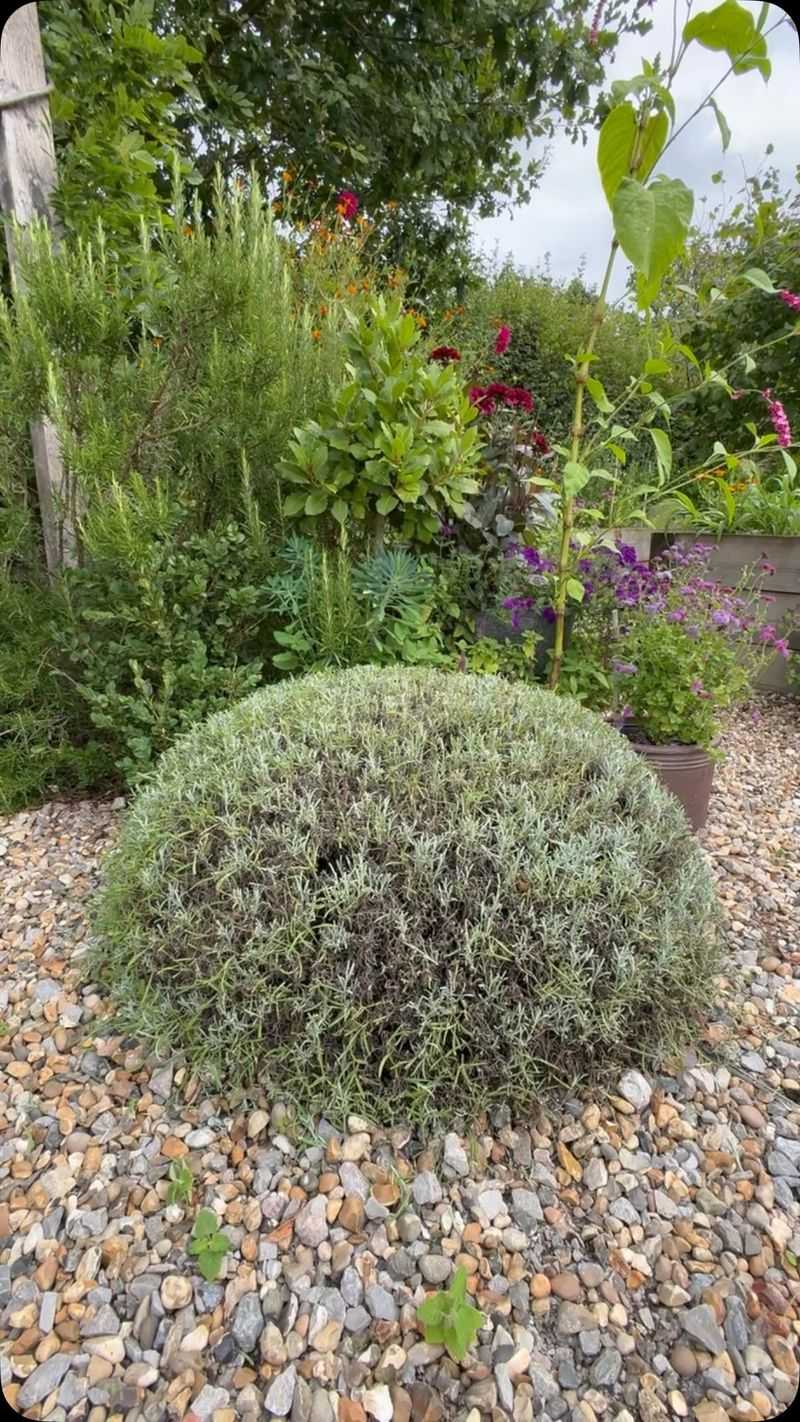
A well-pruned lavender looks a bit like a soft green dome, and that shape is not just for looks. Rounding the plant helps every part get its fair share of sunlight and fresh air.
When lavender grows into a mound, the sun reaches across the whole top and sides instead of only the tallest stems. Even light keeps the plant growing evenly, so no side gets weak or floppy.
Airflow is the other big win, and it matters a lot in North Carolina. Our summers turn humid and muggy, and a dense, flat-topped plant traps damp air inside.
A rounded shape lets breezes move right through the leaves. That gentle movement dries the plant faster after rain and helps keep moisture problems from settling in.
To build the mound, start trimming a little lower on the outer edges and leave the center slightly taller. Work in a circle, checking your shape as you go.
Step back often and look at the plant from a few feet away. It is easier to spot uneven spots when you are not standing right over it.
Do not aim for a perfect ball. A soft, natural dome looks lovely and works just fine, so relax and let the shape come together.
Once you get the hang of it, shaping becomes the fun part of pruning. A tidy mound not only looks great in the garden but also stays healthier, drier, and better protected through those warm, sticky Carolina summers.
5. Remove Dry Or Damaged Branches
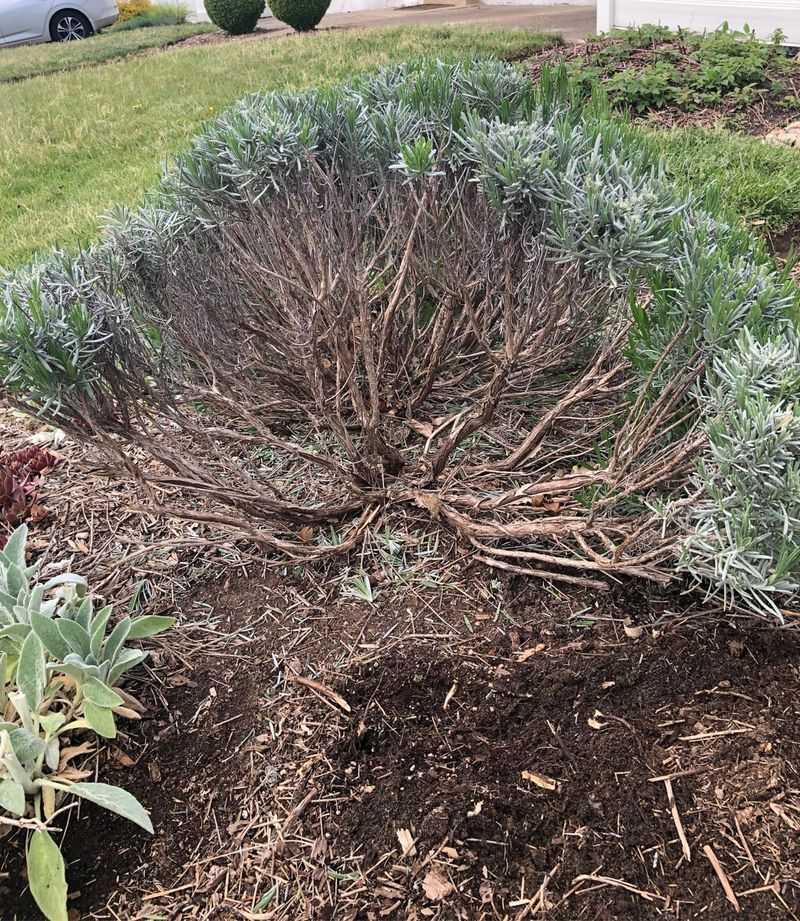
Every plant picks up a few worn-out branches over time, and lavender is no different. Broken, brittle, or unhealthy stems do nothing good for the plant, so clearing them out is always a smart move.
Start by looking for stems that snap easily, look brown and lifeless, or have no leaves at all. Gently bend a stem to test it; a healthy one stays flexible, while a finished one cracks.
Snip those tired branches back to a healthy point or all the way to the base if needed. Removing them lets the plant send its energy to the parts that are still growing strong.
Clearing out old growth also opens up the plant. More open space means better airflow, and better airflow means less trapped dampness where problems love to hide.
In humid North Carolina gardens, damp pockets inside a crowded plant can lead to mold and fungus. Pulling out the junk stems keeps those spots from forming in the first place.
Always use clean tools for this job. Wiping your pruners with rubbing alcohol between plants stops any disease from spreading around your garden.
Do this quick cleanup anytime you notice trouble, not just at pruning season. A fast check now and then keeps small problems from growing into big ones.
Once the worn branches are gone, your lavender looks fresher and breathes easier. It is a simple bit of grooming that pays off with a cleaner, stronger, and much happier plant all through the growing year.
6. Avoid Heavy Fall Pruning In Wet Weather
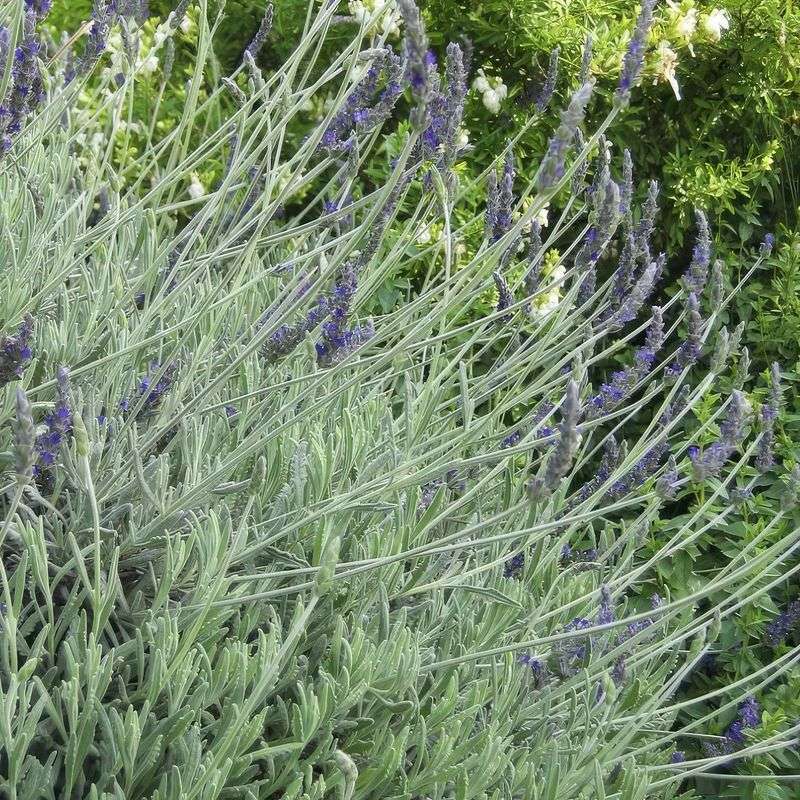
Fall can tempt you to give lavender one last big trim, but hold that thought. Heavy pruning late in the season, especially during cool, wet weather, can leave the plant weak going into winter.
When you cut a lot right before the cold arrives, the plant does not have time to recover. Those fresh cuts stay open, and damp autumn air makes it hard for them to seal.
North Carolina falls often bring gray skies and soggy soil. Wet conditions mixed with fresh wounds create the perfect setup for moisture problems to sneak into the plant.
A better plan is to do your main pruning in summer, right after blooming. That gives the plant plenty of warm days to heal and toughen up before temperatures drop.
If you must tidy something in fall, keep it light. Snip off only broken or messy stems and leave the bulk of the plant alone until spring.
Good drainage helps too. Lavender sitting in wet, heavy soil through winter struggles far more than lavender planted in loose, well-drained ground.
Raised beds or sandy, gritty soil give roots the dryness they crave. Adding gravel or coarse sand can make a real difference in soggy spots.
Timing and drainage work hand in hand to carry lavender safely through the cold months. Skip the heavy fall haircut, let the plant rest, and prune boldly again once warm weather returns. Your lavender will thank you with a strong, healthy start next spring.
7. Keep Lavender Growing In The Right Conditions
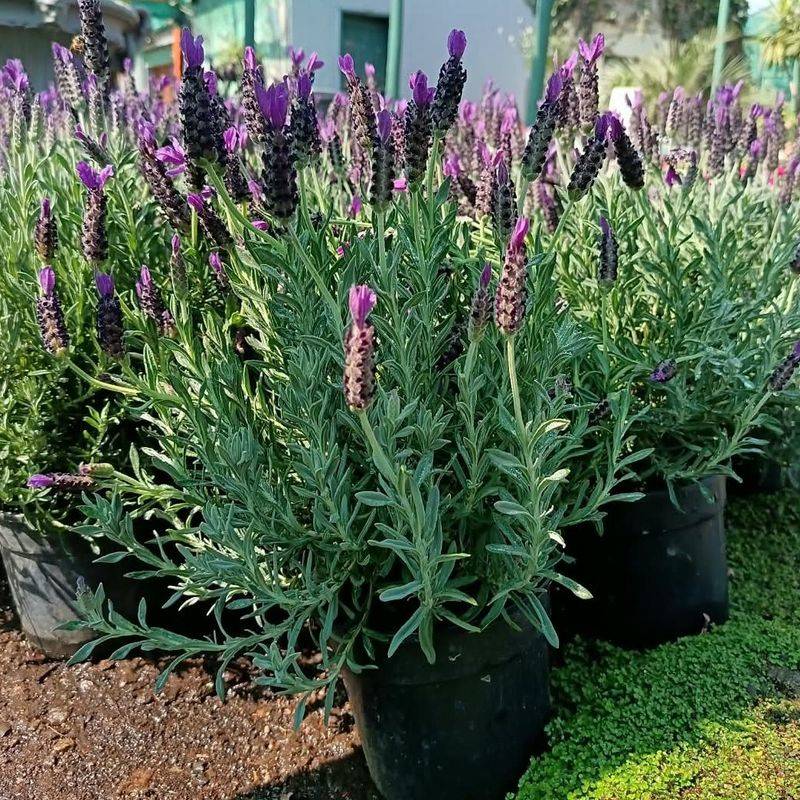
Pruning is only half the story, and the rest comes down to giving lavender the home it loves. Even the best trimming cannot fix a plant stuck in the wrong spot.
Sunlight tops the list. Lavender craves full sun, meaning at least six to eight hours a day, so pick a bright, open place with no heavy shade.
Drainage comes next, and it truly matters in this state. Lavender roots hate sitting in soggy ground, so loose, gritty soil that lets water run through keeps them happy.
If your soil is heavy clay, mix in coarse sand or plant in a raised bed. Better drainage protects the roots and helps the plant sail through wet Carolina spells.
Watering is where many gardeners slip up. Lavender prefers to dry out between drinks, so water deeply but not often, and skip the daily sprinkle.
Overwatering causes more trouble than dry spells ever will. Once established, lavender handles heat and drought like a champ.
Spacing is another quiet hero. Giving each plant room to breathe lets air flow freely, which keeps leaves dry and problems away in humid weather.
Plant your lavender a couple of feet apart so the mature bushes do not crowd each other. Good spacing plus smart pruning equals a healthy, open plant.
Put all these pieces together and your lavender rewards you year after year. Sun, drainage, careful watering, and breathing room turn a good pruning routine into a thriving, fragrant garden that keeps getting better.