Fragrant Scented Geraniums That Brighten North Carolina Homes All Winter
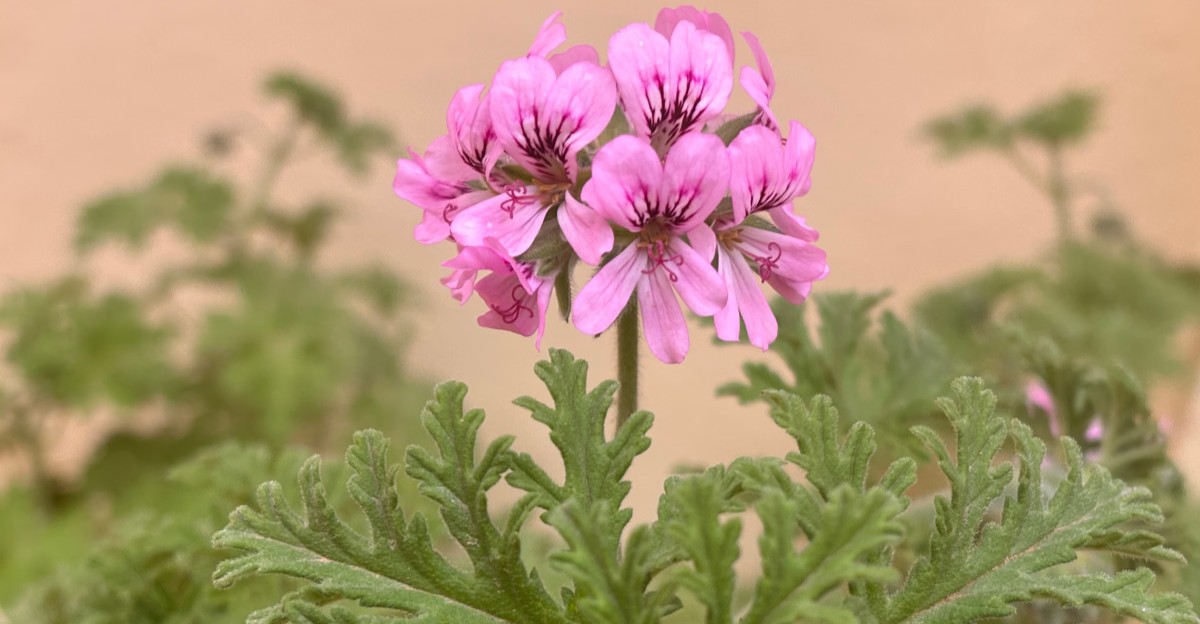
Perfume makers in France once distilled a fuzzy South African leaf as a cheaper stand-in for precious rose oil. That same leaf can sit on your kitchen windowsill and smell wonderful every time your sleeve brushes past it.
The scent hides inside tiny glandular hairs that burst open with the lightest touch of a finger. Victorian gardeners collected them eagerly, and growers today offer leaves that mimic roses, lemons, apples, and peppermint.
I love how a quick rub on a gray January afternoon makes my whole North Carolina living room feel brighter. You need only a sunny window and a light hand with the watering can to keep them happy.
October is the month to carry them inside, before the first frost sneaks across North Carolina lawns and porches. So which fragrant leaf deserves the warmest, brightest spot in your house once the cold weather arrives?
1. Attar Of Roses Geranium
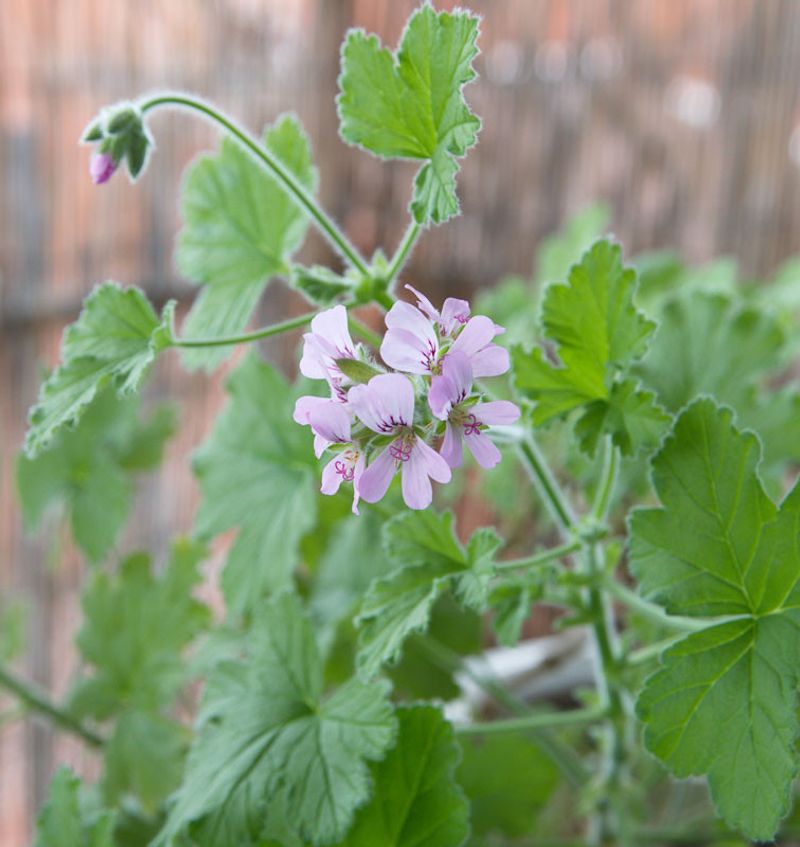
One leaf of this plant can make a dull hallway smell like a summer rose garden in about two seconds. I keep mine by the front door, so every visitor gets a sweet, rosy greeting on the way inside.
The name comes from attar, an old word for the fragrant rose oil once prized by perfumers across Asia. Its soft, lobed leaves feel almost velvety, and pale pink flowers show up in late spring and summer.
Botanists list it as a cultivar of Pelargonium capitatum or Pelargonium graveolens, depending on which source you trust. Either way, the plant grows roughly two feet tall and wide when it gets plenty of sun.
Like other scented geraniums, it struggles with frost and stays hardy mainly in USDA zones 10 and 11. Most of North Carolina sits in zones 6 through 8, so October is moving day for potted plants.
Bring it indoors once nights slip into the low 50s, and check under the leaves for hitchhiking aphids first. Trimming the stems back by about a third makes the move easier and encourages fresh, bushy growth later.
Indoors, give it your sunniest south or west window and let the top inch of soil dry before watering. A clay pot with a drainage hole helps extra moisture escape, which protects the roots from rot.
Personally, I tuck a fresh leaf into a jar of sugar for a week to make rose-flavored baking sugar. Just keep the plant away from curious cats and dogs, because the leaves can upset their stomachs.
2. Lemon Scented Geranium
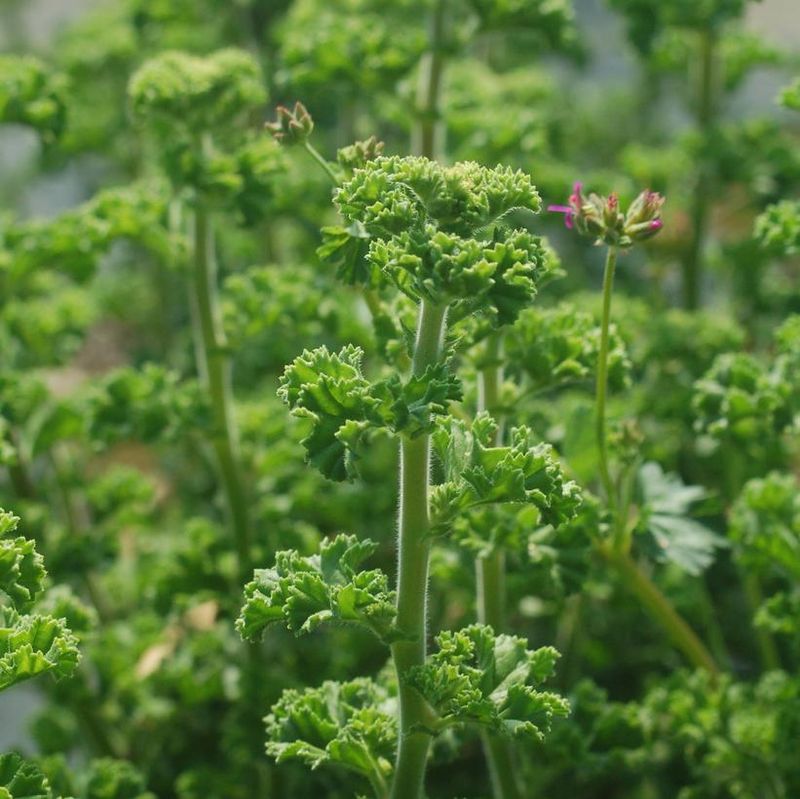
Run your fingers along a stem and the air suddenly smells like someone just zested a fresh lemon nearby. Tiny crinkled leaves, barely the size of a fingernail, crowd the upright stems like ruffled green confetti.
Its botanical name, Pelargonium crispum, refers to those curly, crisped leaf edges that make it easy to spot. Wild plants grow in the southwestern corner of South Africa, where winters are cool and fairly wet.
That background explains why the plant enjoys a cooler room in winter rather than a spot beside the heater. I keep mine on a bright sunporch where nights hover around 55 degrees, and it stays tidy.
Plants usually reach one to three feet tall, with a narrow, upright shape that fits nicely on windowsills. Small pink flowers appear in spring and summer, though most folks grow this one for the zippy foliage.
Several named selections exist, including Variegated Prince Rupert, which wears creamy edges on each little leaf. That one grows a bit slower, so it suits gardeners who prefer less pruning through the year.
Water when the top inch of soil feels dry, then let the pot drain well in the sink. Yellow lower leaves usually signal too much water, so ease up when you notice that warning sign.
Pinch the growing tips every few weeks, and the plant rewards you with denser, more fragrant branches. Those pinched tips root easily in moist potting mix, giving you extra plants to share with friends.
3. Nutmeg Scented Geranium
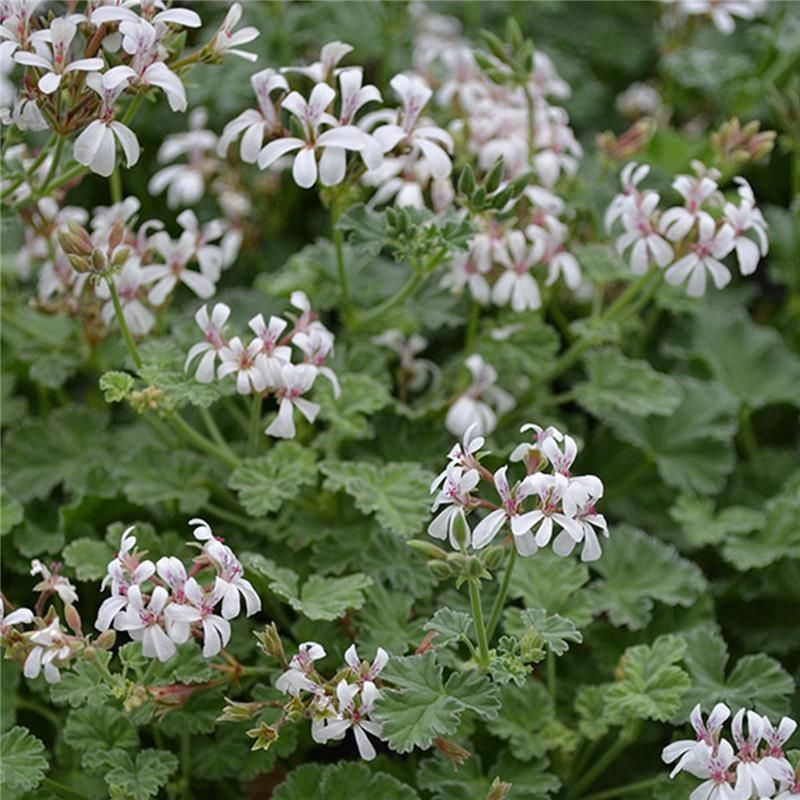
Holiday baking season gets a head start the moment you brush the silvery leaves of this cozy little plant. The scent lands somewhere between nutmeg and pine, and I catch myself sniffing it every single morning.
Most growers sell it as Pelargonium x fragrans, a hybrid with small, rounded, gray-green leaves and ruffled edges. It forms a neat mound about a foot tall, which makes it perfect for a crowded windowsill.
Tiny white flowers with thin red veins pop up in spring and summer, dainty enough to need a closer look. I think they resemble little fairy wings perched delicately on top of the soft fuzzy foliage.
Because it stays compact, this one handles life indoors better than many of its taller, rangier cousins. It still wants bright light, so four or more hours of direct sun keeps the stems short and sturdy.
Without enough light, you might notice pale, stretched growth leaning toward the glass like it is begging for attention. Turning the pot a quarter turn each week helps every side get its fair share of sunshine.
Water sparingly in winter, letting the soil dry about halfway down before you reach for the watering can. Skip fertilizer from late fall until spring, since slow winter growth uses very little extra food.
A fun trick is laying a few leaves under pound cake batter before baking for a gentle spicy note. Old cookbooks describe lining cake pans this way, and I think the tradition deserves a comeback.
4. Apple Scented Geranium
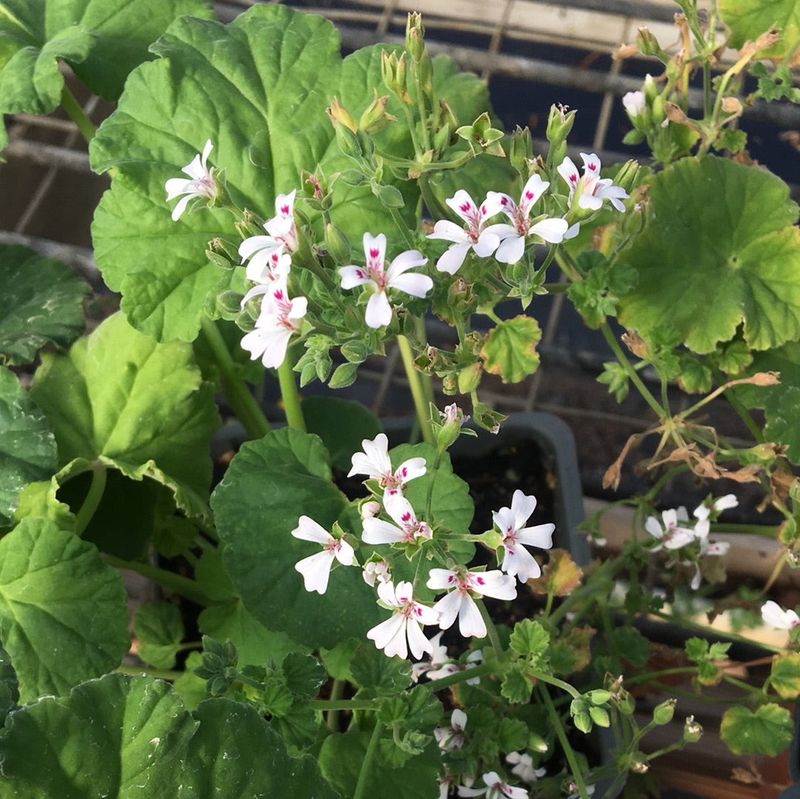
Sweet green apple is the first thing most people guess when they rub one of these round, velvety leaves. I love watching friends sniff twice and then laugh because a houseplant smells like a fruit bowl.
Pelargonium odoratissimum grows as a low, trailing plant, usually staying under a foot tall while spreading wider. Its flower stems arch outward and carry small white blooms, which look lovely spilling over a pot edge.
That relaxed habit makes it a natural fit for hanging baskets near a sunny kitchen or breakfast nook. Personally, I prefer it at nose height, where a gentle bump from my elbow releases the fruity perfume.
Unlike many scented geraniums, this species grows readily from seed, so some gardeners start new plants each year. Cuttings also work well, and October is a fine time to snip a few before frost arrives.
Root them in a small pot of damp perlite and potting mix, kept bright but out of harsh afternoon sun. Most cuttings form roots in a few weeks, giving you fresh windowsill plants by early winter.
Those fuzzy leaves dislike staying wet, so water the soil directly and keep the foliage dry. Good airflow matters too, especially in humid Piedmont and coastal homes where fungal spots can show up.
Let the top inch or two dry out between waterings, and pick a pot with a drainage hole. A light, gritty potting mix keeps the roots happy and helps this charmer stay compact all winter.
5. Peppermint Scented Geranium
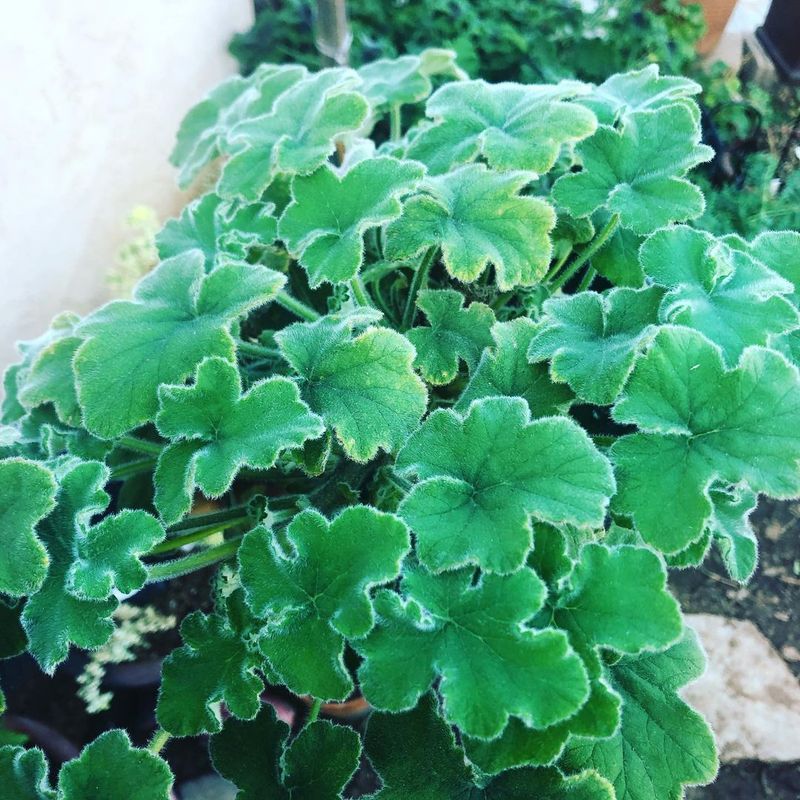
Few houseplants feel as delightful to touch as these huge, fuzzy leaves, which seem almost like green flannel. Give one a gentle pat and a bold, cool peppermint scent drifts up like a fresh candy cane.
Botanists call it Pelargonium tomentosum, and the second word means covered in a thick coat of matted hairs. Leaves can stretch four or five inches across, making it one of the largest-leaved scented types around.
Wild plants grow in shady, damp spots near forest edges in South Africa’s Western Cape mountains. Because of that, this species tolerates less sun than its relatives and even scorches in harsh afternoon light.
Indoors, an east window or a bright spot a few feet from southern glass suits it beautifully. Plants sprawl outward rather than upward, often reaching one to two feet tall and much wider.
I have to admit, mine took over half a plant shelf before I learned to trim it each season. A wide, shallow pot or hanging basket gives those trailing stems room to drape without crowding neighbors.
Keep the soil lightly moist but not soggy, watering once the top inch feels dry to your finger. Small white flowers with purple markings may appear in spring, though the velvet foliage steals the show.
Kids adore this plant, so let them pet the leaves while reminding them not to taste any. Pets should stay away too, since scented geraniums can cause vomiting and skin irritation in cats and dogs.
6. Rober’s Lemon Rose Geranium
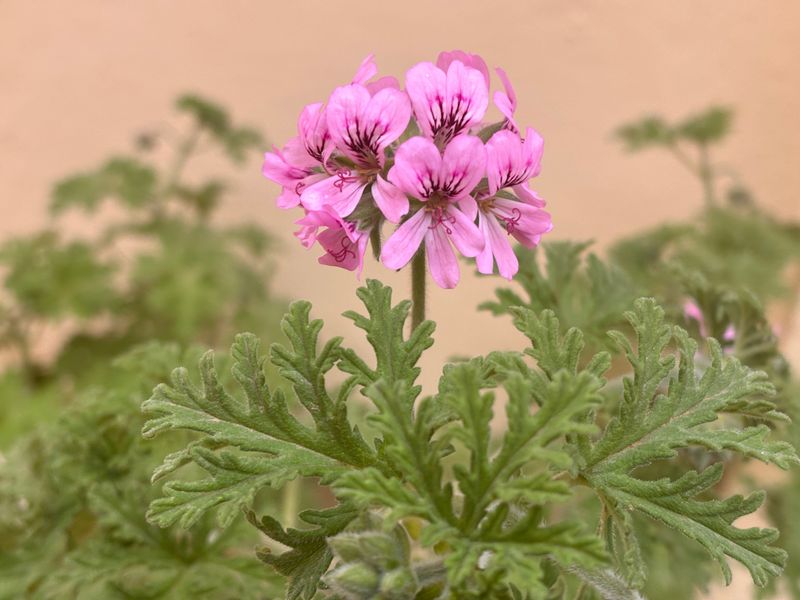
Choosing between lemon and rose gets easier when one plant smells like both, blended into a single sunny perfume. Every time I water mine, the kitchen fills with a scent that reminds me of fresh lemonade and roses.
Rober’s Lemon Rose is usually listed as a Pelargonium graveolens hybrid with thick, deeply cut, gray-green leaves. The foliage has a slightly rough texture, almost like soft suede, which makes it fun to handle.
This one grows fast and tall, often reaching two to three feet in a single outdoor season. Pink flowers with darker markings appear in clusters, though they stay fairly modest compared with the leaves.
Size matters when you haul it indoors, so cut it back by about a third this month. Each trimmed stem can become a new plant, and rooted cuttings fit far more easily on a windowsill.
Give the mother plant your brightest window, ideally facing south, where it can soak up winter sunshine. If your windows run short on light, a simple LED grow light for twelve hours works wonders.
Water deeply, then wait until the soil feels dry an inch or two down before watering again. Cool nights around 55 degrees slow its growth, which is perfectly fine during the short days of winter.
Gardeners across the Carolinas often treat it as a summer patio plant, but I think it shines brighter indoors. Its leaves also make a lovely addition to homemade potpourri once they dry on a sunny shelf.
7. Pine Scented Geranium
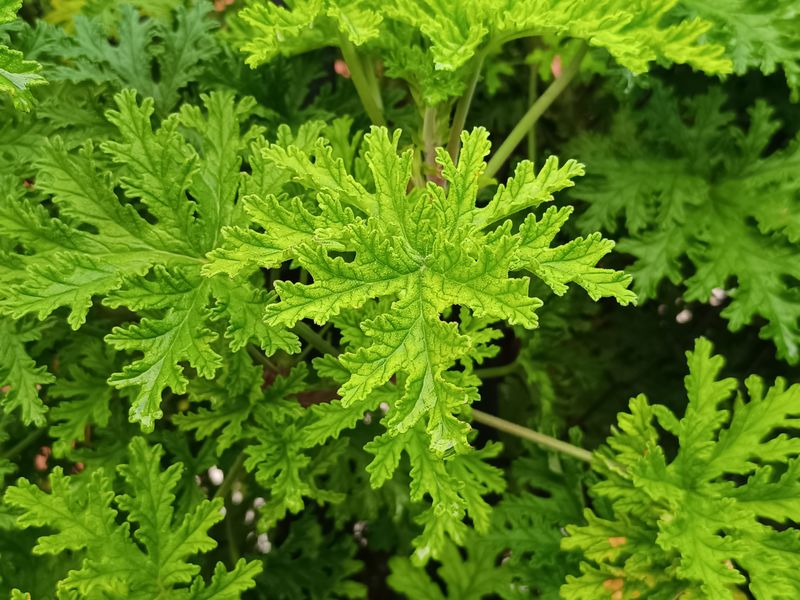
Walking past this plant feels a little like hiking a Blue Ridge trail after a cool autumn rain. The lacy, fernlike leaves give off a sharp, resinous pine scent that clears the head in seconds.
Pelargonium denticulatum has deeply divided foliage that looks more like a fern than a typical geranium. The popular selection Filicifolium takes that lacy look even further, with extra-fine, almost feathery leaf segments.
Leaves feel slightly sticky, thanks to resinous oils, so expect a faint woodsy fragrance lingering on your fingertips. I honestly enjoy that lingering scent, and it reminds me of decorating a fresh North Carolina Fraser fir.
Plants typically grow two to three feet tall outdoors, though containers keep them smaller and easier to manage. Small lavender-pink flowers with darker veins appear in spring, adding soft color to the feathery green.
Full sun matters most for this species, so claim the brightest south window in your house. Weak light leads to floppy stems, and a grow light can fill gaps during gray January weeks.
Let the soil dry well between waterings, since soggy roots are the quickest way to lose this plant. A sandy, fast-draining mix in a terra-cotta pot keeps moisture levels just right through the winter.
Pinch the tips now and again to keep it bushy, and save the trimmings for winter crafts. Tucked into a holiday wreath or gift box, those fragrant sprigs make a charming handmade touch.