These New 2026 Perennials Are Reshaping Iowa Gardens This Fall
You notice it the moment you step into a garden center this fall. Tags look sharper, names bolder, stems promise more strength. Breeders spent years testing these varieties quietly across trial fields in Iowa.
Wind, clay, and sudden temperature drops could not break the strongest picks. Those standouts are finally reaching shelves near you right now. Warm soil and cool air let new roots settle without strain.
Your yard in Iowa gets an advantage many gardeners overlook each spring. Timing right now matters more than people think.
Garden centers are restocking benches faster this week. Soil still holds enough warmth to push fresh roots quickly. Cool nights slow leaf growth while roots keep working underground.
Nurseries quietly call this stretch the smartest planting window of the year. Autumn gives roots a head start. Missing which varieties made this year’s list is simply not an option.
1. Artisan Soft Orange

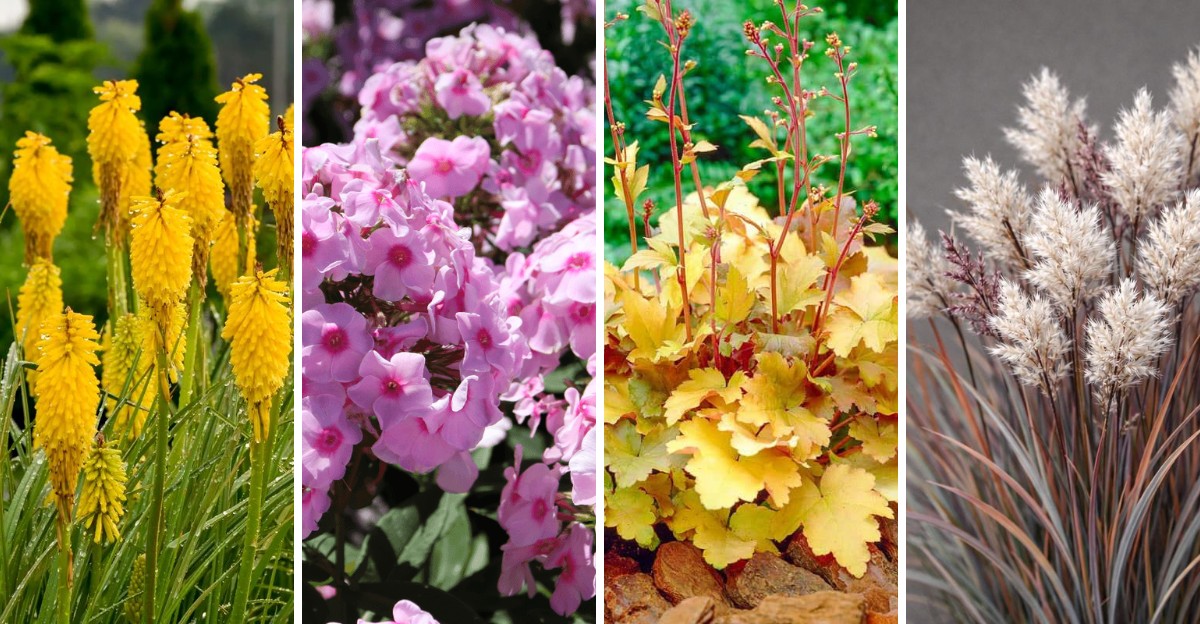
Picture a sunrise poured into petals, and you have the color range this coneflower offers. Flowers open coral, shift toward mango, then settle into a soft rose blush.
Iowa summers swing from soggy June to crispy August, and coneflowers handle that mood swing well. Their deep taproots reach moisture that shallow-rooted bedding plants cannot find.
Fall planting works in your favor here. Soil stays warm into October, so roots settle in while the air feels cool and comfortable.
Give it six hours of sun and ground that drains after a storm. Heavy clay can be loosened with compost worked into the top eight inches.
Space plants about 18 inches apart so air moves freely between the clumps. Crowding invites leaf spots that dull the show by August.
Goldfinches treat the seed heads like a snack bar once petals drop. Leave stems standing through winter and you get free bird entertainment.
Skip heavy fertilizer, which pushes floppy growth and fewer buds. A thin layer of compost each spring keeps the plant steady.
Water deeply twice a week for the first six weeks after planting. After that, rainfall handles the job during a typical Iowa autumn.
Fun bit of history: coneflowers grew wild across Iowa prairies long before gardeners tucked them into tidy borders.
Pair it with little bluestem or short catmint for contrast in texture. The combination reads as prairie inspired without looking untidy.
Mulch lightly after the ground firms up in late November, keeping the mulch off the crown. Two inches is plenty.
2. Whispurr Blue
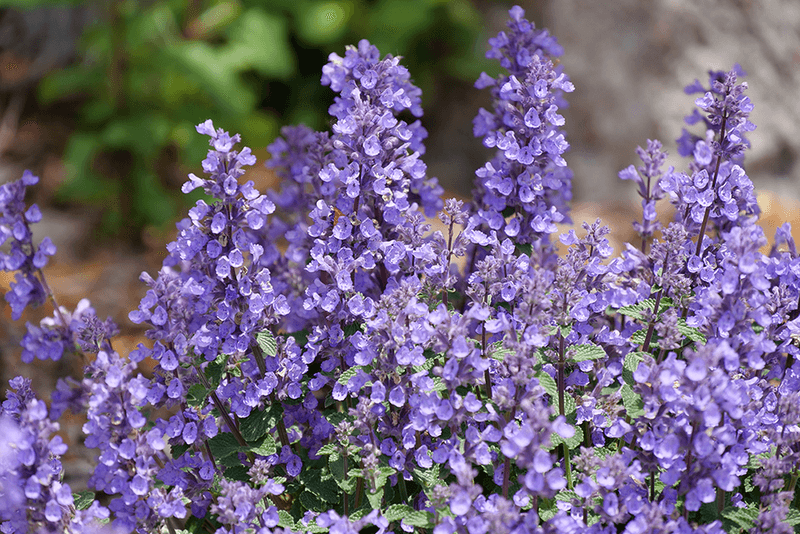
Ask any bee in July which plant it prefers, and catmint would win by a landslide. The soft blue haze of bloom hums from morning until the light fades.
Newer selections stay tidy instead of flopping open in the middle by mid-June. Stems hold upright, so the mound keeps a rounded shape through the season.
Drought barely fazes it once roots reach down. That makes catmint handy along hot driveways and west-facing foundations across central Iowa.
Shear the plant back by about a third after the first flush fades. A second wave of bloom usually follows within three weeks.
Your Iowa Garden Changes Every Week. Your Plan Should Too.
Gardening in Iowa changes quickly throughout the season. Every Friday you’ll receive a simple weekly plan showing exactly what to plant, prune, fertilize, harvest, and protect so you never miss the right timing.
Rabbits and deer tend to browse elsewhere, thanks to the minty scent in the foliage. Gardeners in acreage neighborhoods notice that perk quickly.
Plant in October while the soil still holds summer warmth. Roots keep growing until the ground drops below roughly 40 degrees.
Full sun and average soil suit it best, and rich ground actually loosens the habit. Lean soil produces sturdier stems and tighter mounds.
Set plants 20 inches apart for a flowing river of blue along a walkway. Edges soften, and hard lines disappear.
Quirky note: catmint is a cousin of the catnip your tabby adores, though house cats show milder interest in it.
Skip cutting stems down in November if you can stand the look. Hollow stems shelter native bees through the cold months.
Pair the blue with yellow coreopsis or orange butterfly weed for a color pop. Contrast keeps the border lively rather than sleepy.
3. Solar Flare
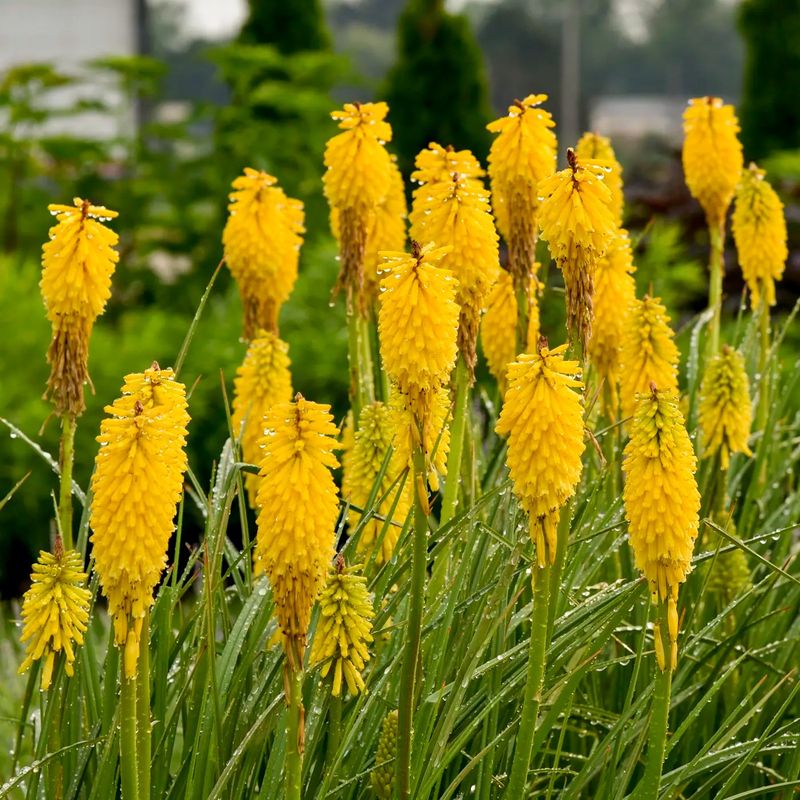
Patience pays with false indigo, and gardeners who wait get a shrub-sized reward. Year one looks modest, year three fills in fully.
Spikes of buttery yellow rise in late May above blue-green foliage. Bumblebees pry the Blooms open pale pink with a deep magenta eye, glowing at twilight. Moths and swallowtails work the clusters from midday onward.
Roots go deep, sometimes several feet down, which explains the notable drought tolerance. Once established, watering becomes an afterthought.
Fall is the smartest time to place one, because moving it later gets difficult. Choose the spot thoughtfully and let it stay put.
Give it full sun and three feet of elbow room. Crowded plants lean toward the light and lose their handsome vase shape.
Charcoal seed pods follow the flowers and rattle in the wind by September. Kids love shaking them, and flower arrangers love drying them.
Soil type hardly matters as long as water drains away. Clay, loam, or sandy ground near the Cedar River, it copes.
Trim the whole clump back by a third in early summer if it sprawls. Growth stays compact without sacrificing next year’s flowers.
Native false indigo species grew on Iowa prairies and were once used for dye. Early settlers substituted it for true indigo with mixed results.
Fertilizer is unnecessary, since legumes pull their own nitrogen from the air. Feeding often produces floppy stems and thin bloom.
Combine it with ornamental onions or salvia for a layered late-spring picture. The foliage then serves as a green backdrop all summer.
Divide only if you enjoy a workout, because that taproot resists the shovel. Leaving it alone is the easier plan.
4. Luminary Opalescence
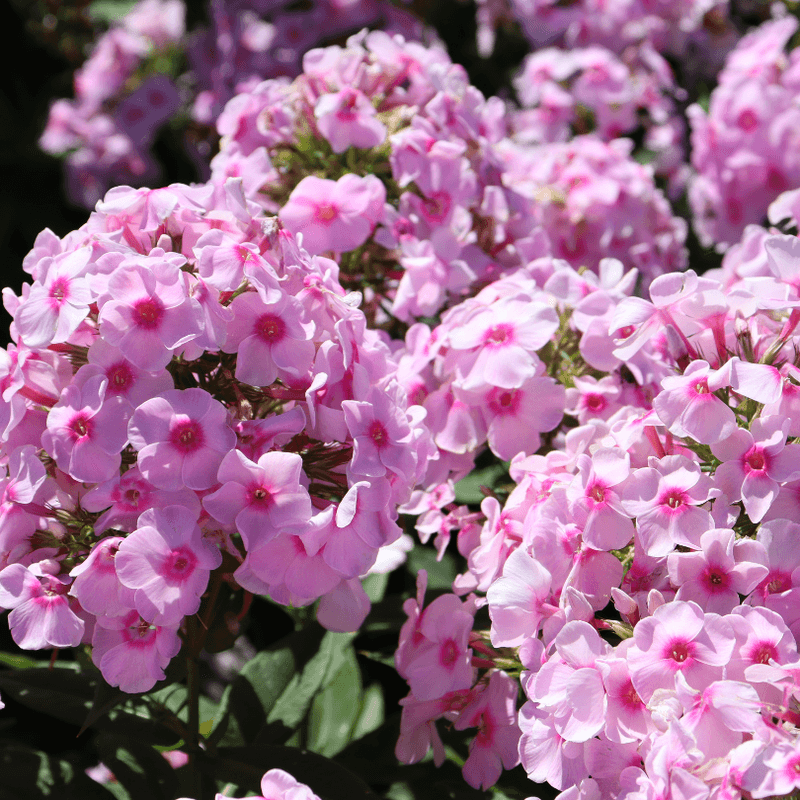
Mildew has troubled garden phlox for generations, coating leaves in dusty gray by August. Newer selections push back with thick, resistant foliage that stays clean.
Fragrance arrives in July and drifts across the yard at dusk. Sit on the porch and the scent finds you.
Blooms open pale pink with a soft white eye, glowing at twilight. Moths and swallowtails work the clusters from midday onward.
Plant in a spot with morning sun and solid air movement. Tucking phlox against a fence traps humidity and invites trouble.
Iowa autumn rain gives fall-planted phlox a gentle start. Roots knit into the soil before the ground firms in December.
Thin crowded clumps in spring to four or five strong stems. Better airflow means better leaves, and the flowers grow larger too.
Water at the base rather than overhead whenever you can. Wet foliage overnight is the fastest route to spotting.
Snip spent clusters and a lighter second round often appears in September. The plant also spends less energy setting seed.
Hummingbirds visit, though butterflies claim the bulk of the traffic. A single clump can host a dozen visitors on a warm afternoon.
Divide the clump in its fourth spring to keep the center vigorous. Extra pieces make welcome gifts for neighbors.
Historical tidbit: garden phlox is a North American native that traveled to Europe, received fancy breeding, and returned as a border star.
Pair it with catmint at the front and tall grasses behind. Layers give the bed depth from June through frost.
5. Night Embers
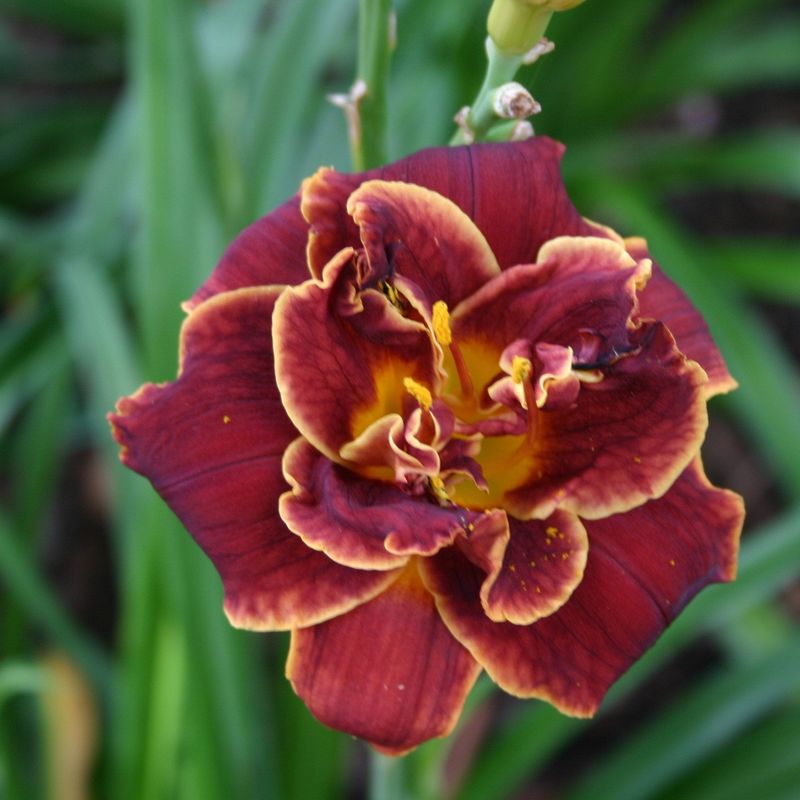
Few plants earn their keep in September like upright sedum. Dark, almost black-purple foliage holds its color from spring straight through frost.
Succulent leaves store water, so a dry stretch in August barely registers. Soft mauve-pink flower clusters rise above the foliage in late summer, held on deep red stems that stay upright even after a soaking storm.
Bees mob the blooms right when other nectar sources thin out. Watch a clump at noon and you will count several species.
Flopping is the classic complaint, and richer soil makes it worse. Newer selections hold stems upright even after a soaking storm.
Plant in full sun with sharp drainage, especially in heavy clay ground. Raised beds and gentle slopes suit it nicely.
Skip the fertilizer and skip babying it. Lean conditions produce the sturdiest stems and the richest flower color.
An old trick called the Chelsea chop helps too. Cut stems back by half in late May and the plant branches into a tighter mound.
Leave the seed heads standing through winter for structure. Frost outlines each cluster and snow caps them like tiny tables.
Division is simple in early spring with a spade and a firm push. One plant becomes four within minutes.
Fall planting suits sedum well, since roots establish fast in warm October soil. Just avoid soggy low spots where winter water collects.
Pair it with little bluestem, asters, or dwarf goldenrod for a late-season trio. The border stays interesting long after summer annuals fade.
Cut old stems in March before new rosettes expand. Timing that chore early keeps the emerging growth undamaged.
6. Standing Ovation
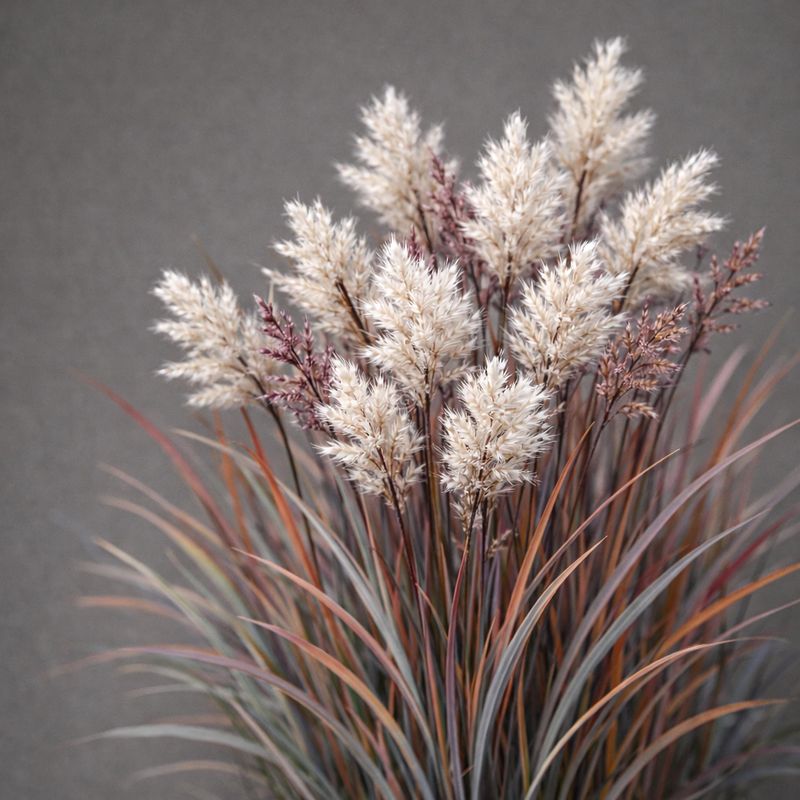
Drive past an Iowa roadside in October and notice the rusty orange haze along the ditches. Little bluestem creates that glow, and garden selections bring it home.
Blue-green blades in summer turn copper, wine, and bronze after the first cool nights. Seed heads catch low sunlight like tiny silver sparks.
Newer forms stay upright instead of splaying open after heavy rain. Stiff stems hold their shape well into February.
Full sun is required, and poor soil is a bonus. Rich, damp ground produces floppy clumps that lean on their neighbors.
Spacing around two feet lets each clump show its fountain form. Planted in drifts of five, the effect turns dramatic.
Skipper butterflies lay eggs on the foliage, and sparrows pick at seed in winter. A grass doing double duty as habitat feels like a bargain.
Cut stems back to about four inches in late March. Waiting until spring protects overwintering insects tucked inside the clump.
Water regularly the first autumn, then step back. Established plants handle August heat without complaint.
Mixing it with coneflower, aster, and prairie dropseed builds a low-input bed. Mowing shrinks, and watering nearly disappears.
History note: little bluestem covered vast stretches of Iowa prairie before plows arrived. Nebraska even named it a state grass.
Container growers use it too, pairing the upright blades with trailing sedum. A big pot by the front step looks sharp into Thanksgiving.
Snow and frost cling to the seed heads throughout winter. Photographers find January mornings worth the cold walk.
7. String Theory
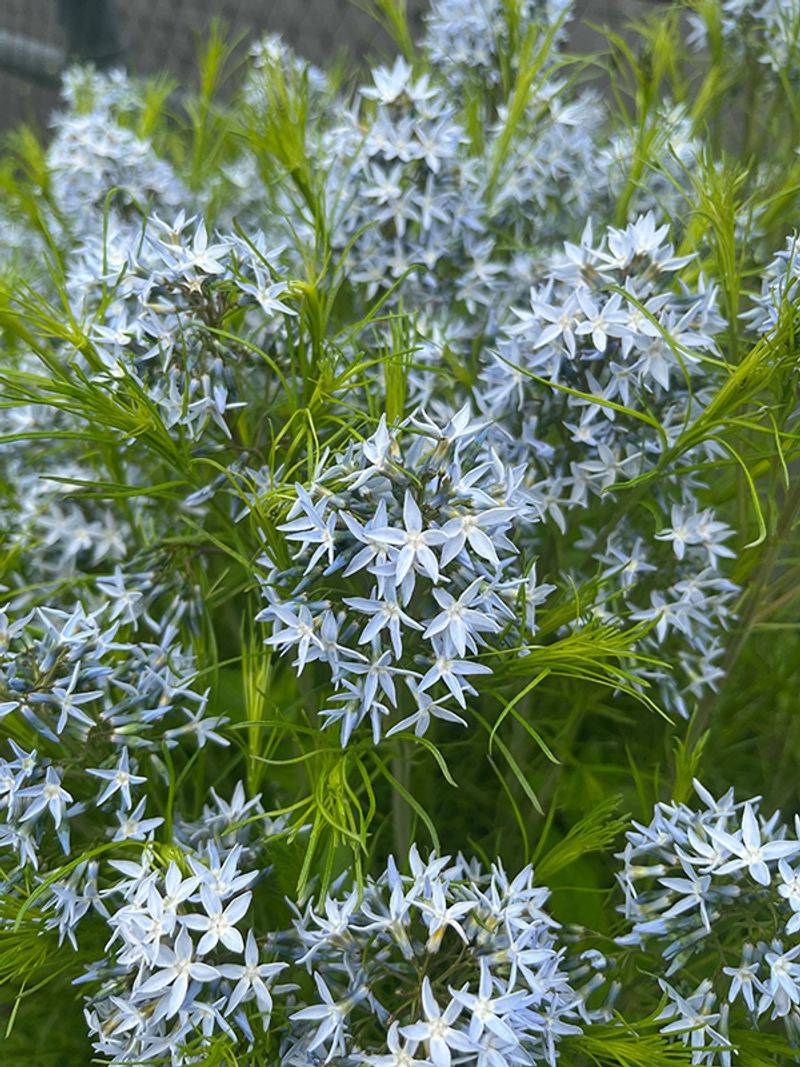
Three seasons of interest from one plant sounds exaggerated, yet amsonia holds up. Spring brings pale blue stars, summer offers feathery green, and fall turns pure gold.
The threadleaf foliage moves in the slightest breeze. Run a hand across it and the texture feels like soft fringe.
Newer compact selections fit small yards where older forms grew too wide. Expect a neat mound around two feet tall.
Full sun brings the brightest autumn color, though light shade is tolerated. Shaded plants lean and color less intensely.
Once settled, amsonia asks for little beyond occasional water in a dry spell. Pests and diseases generally leave it alone.
Plant now and roots grab hold before winter. Spring growth then arrives noticeably stronger than on a spring-planted clump.
Milky sap runs through the stems, which is why rabbits and deer pass it by. Wear gloves when trimming if your skin is sensitive.
Trim by a third after flowering if the mound relaxes. Otherwise leave it and enjoy the natural vase shape.
October color comes close to a sugar maple, in a fraction of the space. Backlight it with morning sun and the effect is memorable.
Combine with purple asters or blue fescue for autumn contrast. Gold against violet is hard to beat.
Amsonia is sometimes called bluestar, and several species are native to North America. Prairie gardeners have quietly grown it for decades.
Division is rarely needed, since clumps improve with age. Set it once, then let it mature in peace.
8. Amber Waves
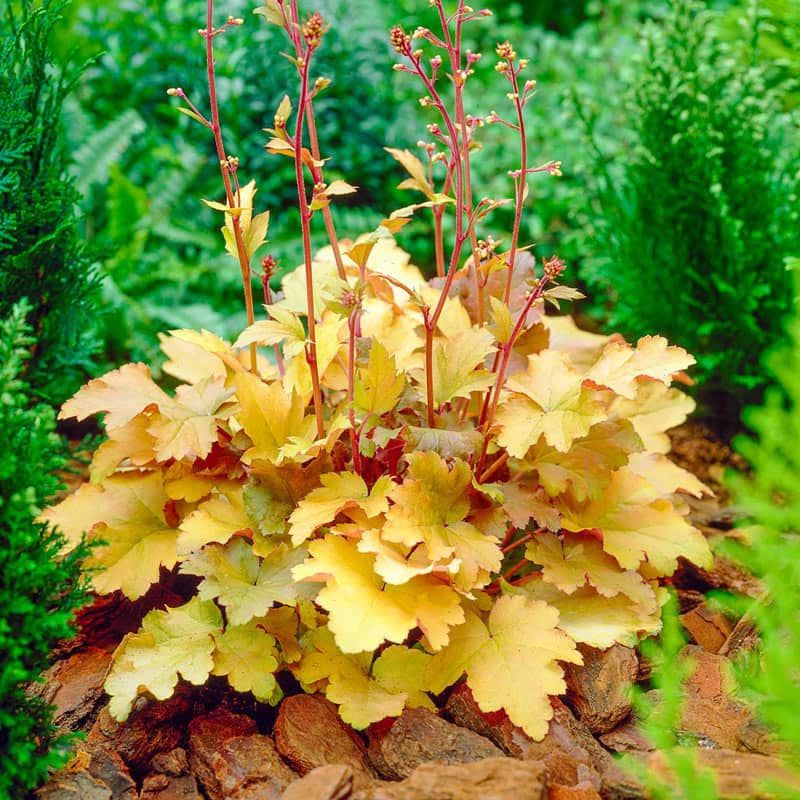
Shady corners along a north-facing foundation can look flat by September. Coral bells solve that problem with leaves in amber, caramel, and copper.
Foliage carries the show from April through hard frost. Slim flower stalks add a bonus in June, and hummingbirds investigate them.
Breeders have focused on heat tolerance and root strength for Iowa-style swings. Bred by Terra Nova Nurseries as one of the first amber-toned coral bells, this hybrid favors morning sun and afternoon shade, since full sun can bleach the color.
Morning sun with afternoon shade keeps the colors rich without scorching. Deep shade dulls the amber tones toward plain green.
Drainage matters more than fertility with coral bells. Soggy winter soil causes crown rot, so avoid low pockets in the yard.
Frost heaving is the real Iowa challenge here. Check plants in March, and press any lifted crowns back down firmly.
A two-inch mulch layer steadies soil temperature through freeze and thaw cycles. Keep that mulch pulled back an inch from the crown.
Plant in early fall so roots anchor before the ground chills. Mid-October is a sensible cutoff across much of the state.
Refresh clumps by lifting and replanting deeper when stems grow woody and leggy. Doing that around year four restores the tidy rosette.
Containers on a shaded porch work beautifully, paired with ferns and trailing ivy. Move those pots into an unheated garage for winter protection.
Trivia: coral bells belong to the saxifrage family, whose name means stone breaker. Wild relatives grow in rocky crevices out west.
Snip tattered leaves in spring rather than autumn. Old foliage shields the crown during the coldest weeks.