When Should You Plant Sunflowers In Iowa For Peak Summer Blooms
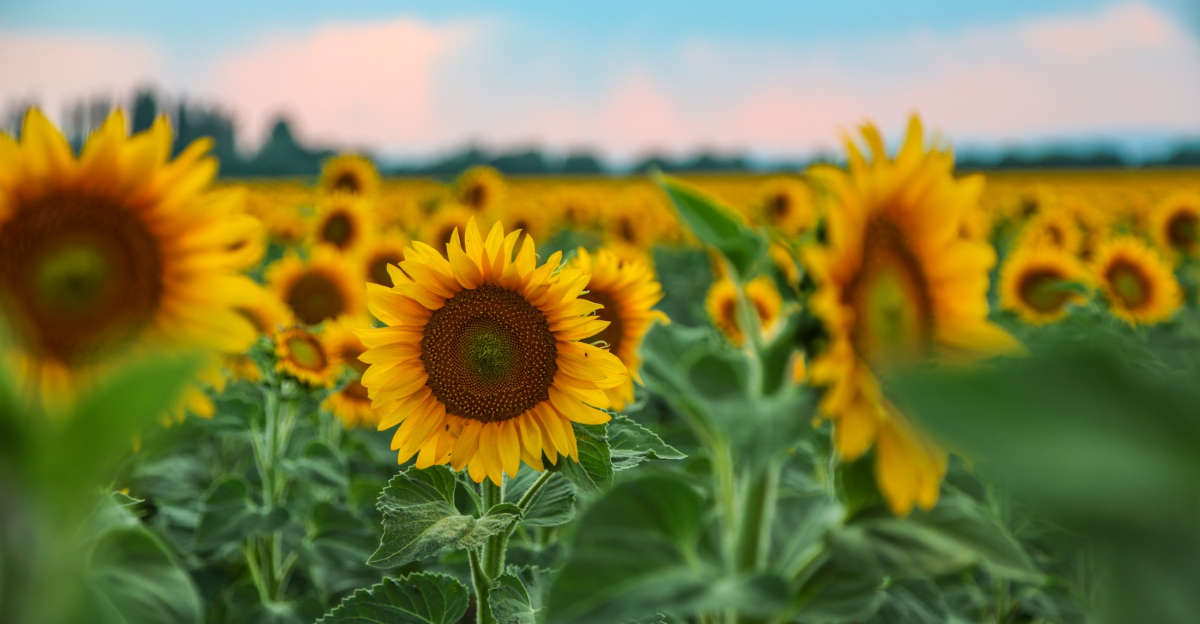
Golden heads the size of dinner plates, swaying above a sea of green leaves. That is what Iowa summers are made for.
Sunflowers here do not simply grow. They rise with intention. Stalks climb skyward, reaching heights that make first-time growers stop and stare.
But Iowa’s climate plays by its own rules. Late April frosts bite hard, and September cooldowns arrive before blooms even peak.
Why do some sunflower patches thrive while others struggle? Timing is the answer hiding in plain sight.
One rogue cold snap on an unprepared seedbed can quietly undo weeks of careful work before a single sprout breaks the surface.
That kind of setback has a way of sharpening a grower’s instincts for good. Iowa rewards those who read the season honestly. The calendar does not lie.
Sow Seeds After Your Last Frost Date
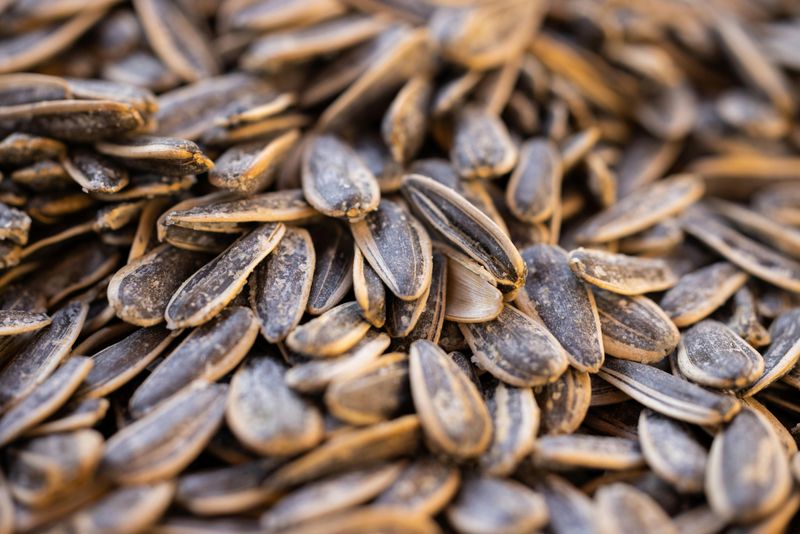
Frost is a sunflower’s worst enemy. One surprise freeze after planting can wipe out your entire effort before a single sprout pushes through.
In Iowa, the last frost date varies by region. Most growers mark mid-April to early May as the safe window to start outdoor sowing.
Sunflower seeds are surprisingly tough, but young seedlings are not. A hard frost at 28°F or below will damage tender new growth within hours.
Waiting until after your confirmed last frost date is the single most important rule for growing sunflowers in this state.
Check the USDA Plant Hardiness Zone map and your local extension office for your exact date.
Iowa spans zones 4b through 6a, so the date shifts depending on where you live. Southern parts of the state clear frost earlier.
Northern counties hold onto cold longer into spring. Mark your calendar and resist the urge to rush.
A week or two of patience now saves you from replanting after a cold snap. Once that frost risk passes, the soil warms fast and your seeds will be ready to go.
The reward for waiting is a strong, healthy start that sets the tone for everything that follows.
Plant Seeds Once Soil Reaches 50°F
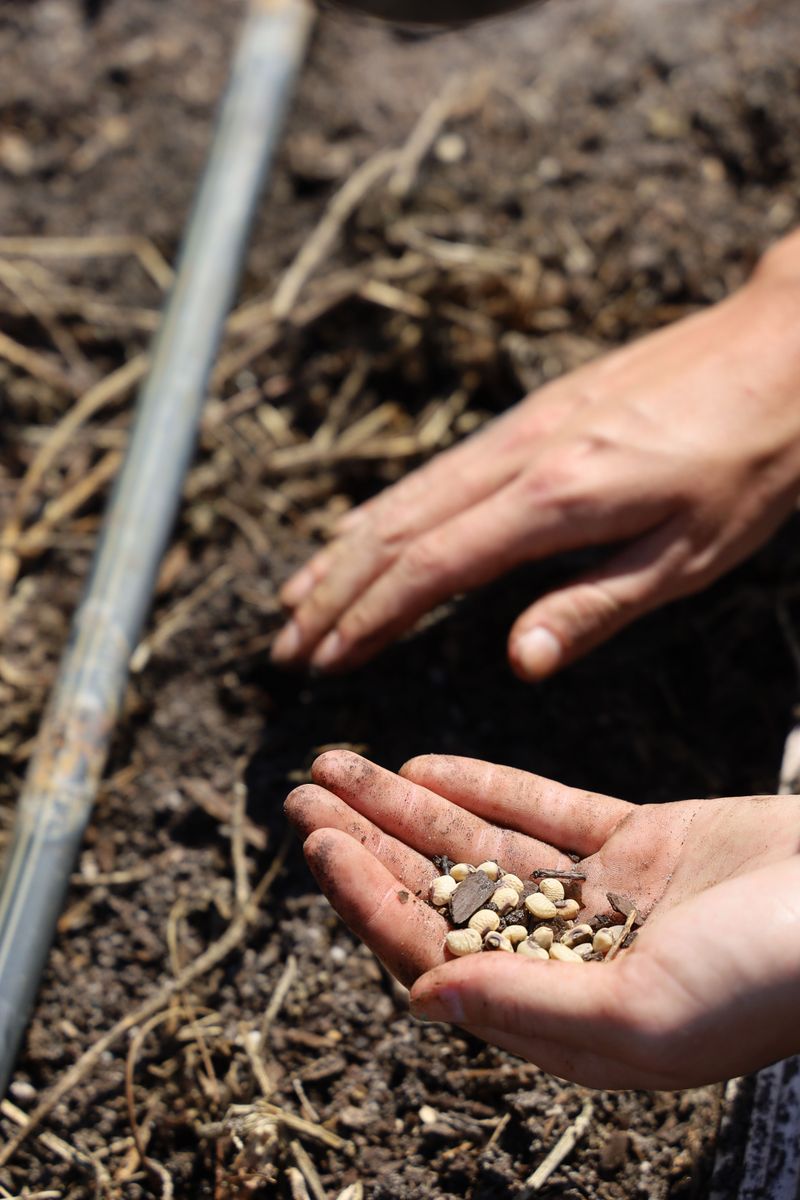
Soil temperature matters more than air temperature when it comes to germination. Warm sunny days mean nothing if the soil underneath is still cold and sluggish.
Sunflowers need soil that has reached at least 50°F before they will reliably sprout. Below that threshold, seeds just sit there.
They can rot, attract pests, or simply fail to germinate at all. An affordable soil thermometer, available at most garden centers, takes the guesswork out completely.
Push the probe about two inches into the ground in the morning, when soil temps are at their lowest.
If you are reading 50°F or above consistently for several days, you are good to go. Soil between 55°F and 70°F is the sweet spot where sunflower seeds germinate fastest.
They often sprout in just seven to ten days under those conditions. Dark, loose, well-draining soil warms up faster than compacted or clay-heavy ground.
If your garden bed runs cold, try laying black plastic sheeting over the area for a few days before planting. That small step can push soil temp up by several degrees quickly.
Your Iowa Garden Changes Every Week. Your Plan Should Too.
Gardening in Iowa changes quickly throughout the season. Every Friday you’ll receive a simple weekly plan showing exactly what to plant, prune, fertilize, harvest, and protect so you never miss the right timing.
Getting the temperature right before you sow separates a patchy garden from a full, lush row of blooms.
Get Seeds In Ground By Mid-May In Central Iowa
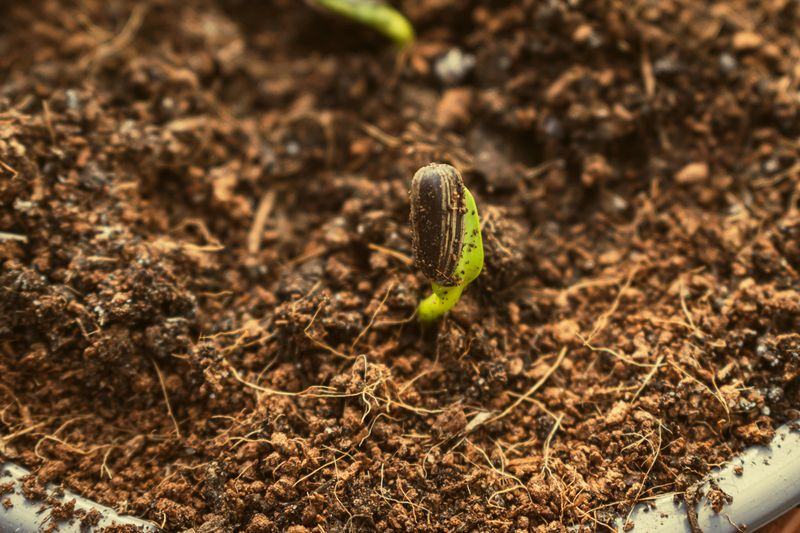
Central Iowa sits in the sweet spot of the state for planting timing. Cities like Des Moines and Ames typically see their last frost around late April to early May.
That makes mid-May a reliable and safe target for getting sunflower seeds in the ground. By then, the soil has warmed and the risk of a freezing cold snap has largely passed.
Planting in mid-May gives most standard varieties plenty of time to mature before fall arrives. A typical sunflower takes between 70 and 100 days from seed to full bloom.
Sow in mid-May and blooms arrive anywhere from late July through mid-August. That lines up beautifully with peak summer weather.
Central Iowa gardens also benefit from consistent summer rainfall and long daylight hours. Full sun exposure, at least six to eight hours daily, combined with warm temperatures accelerates growth noticeably.
Choose a spot that faces south or west for maximum light throughout the day. Mid-May planting also gives you a useful buffer.
If something goes wrong with your first sowing, you still have a few weeks to resow without losing much of the season. Treat any earlier planting as a bonus experiment rather than your main bet.
Nail this timing and your garden will reward you with towering blooms right through the heart of summer.
Start Planting A Week Earlier In Southern Iowa
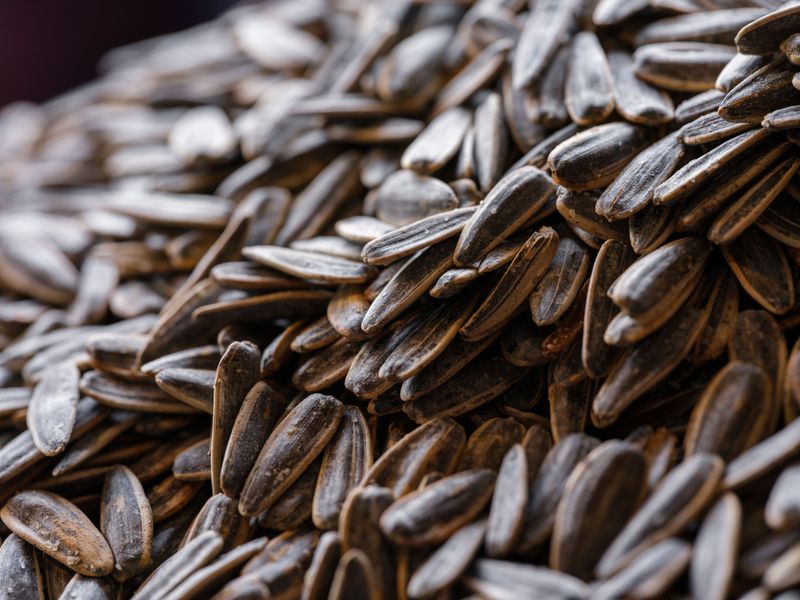
Southern Iowa gets a head start on the growing season. The region typically sees its last frost a week or more before central parts of the state.
Gardeners in places like Ottumwa or Keokuk can confidently push seeds into the ground around the first week of May. That one-week advantage is a meaningful gift in the garden.
Earlier planting means earlier blooms. Sunflowers sown in early May in southern Iowa can start showing color as early as mid-July.
That early bloom window also gives you a longer season, especially with additional sowings a few weeks later. The warmer climate in southern counties tends to produce faster germination rates.
Seeds that might take ten days to sprout further north can push through in seven days or less when temperatures cooperate. That faster start builds stronger root systems before July heat sets in.
In drier years, the region can experience stretches of low rainfall in May that slow germination if the soil dries out too quickly after planting. Keep the seedbed lightly moist for the first week or two after sowing.
A little extra attention during that early phase pays off when your sunflowers shoot up tall and strong. They will be ready to dazzle all summer long.
Get Seeds In Ground One Week Later In Northern Iowa
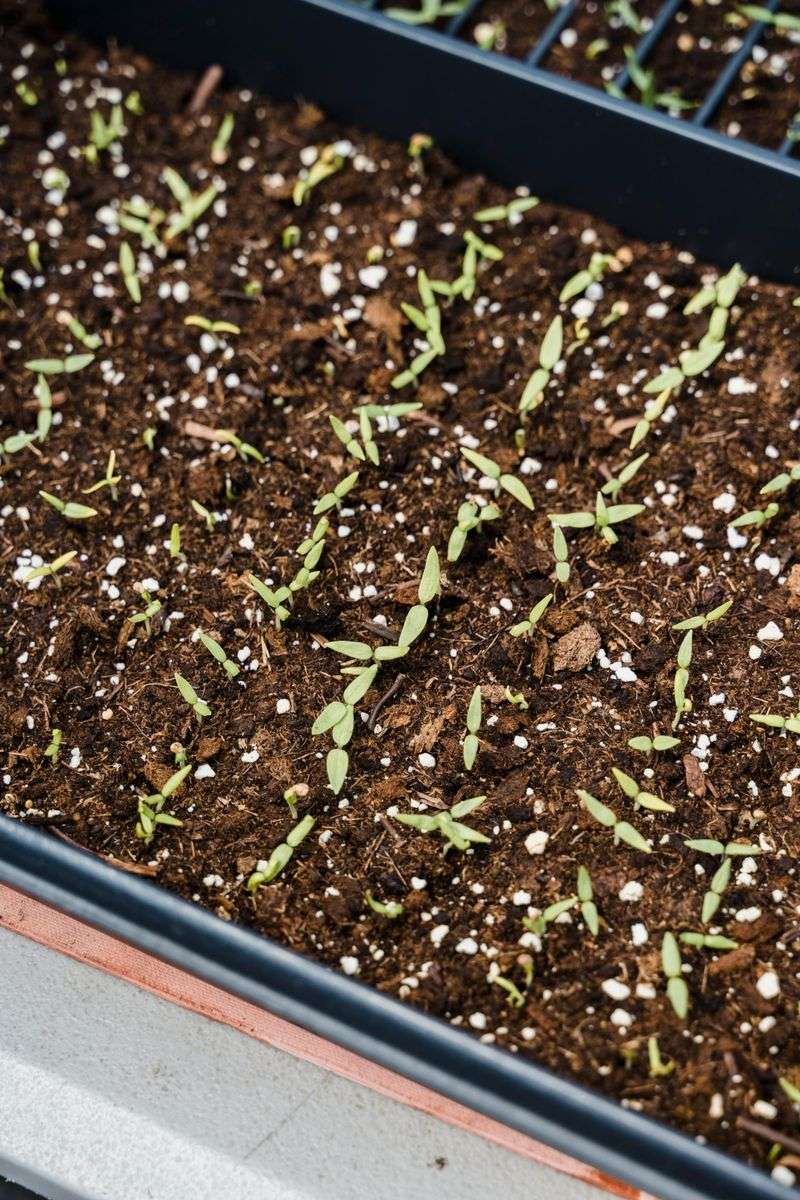
Northern Iowa plays by its own rules. Areas like Mason City and Decorah often hold onto frost well into the second half of May.
Planting before the third week of the month carries real risk up here. Rushing the season can mean waking up to a frozen seedling bed and weeks of lost progress.
Waiting until late May is the smart move for northern growers. The extra patience allows the soil to warm properly and removes the threat of a cold night wiping out young plants.
Sunflowers planted in late May in northern counties still have plenty of time to mature. The first fall frost typically arrives in late September to early October, leaving a solid growing window.
Northern Iowa also benefits from long summer daylight hours that sunflowers use to fuel rapid growth.
Once temperatures settle into the 60s and 70s, these plants can grow several inches per week. A late May start does not mean a late bloom if the summer cooperates.
One practical tip is to pre-warm your planting area. Cover the bed with dark landscape fabric or black plastic for a week before sowing to boost soil temperature.
Remove the covering when you plant, then water gently. Northern Iowa growers who time things right often end up with just as impressive a display as anyone else in the state.
Time Your Sowing To Allow 70 To 100 Days Before Fall
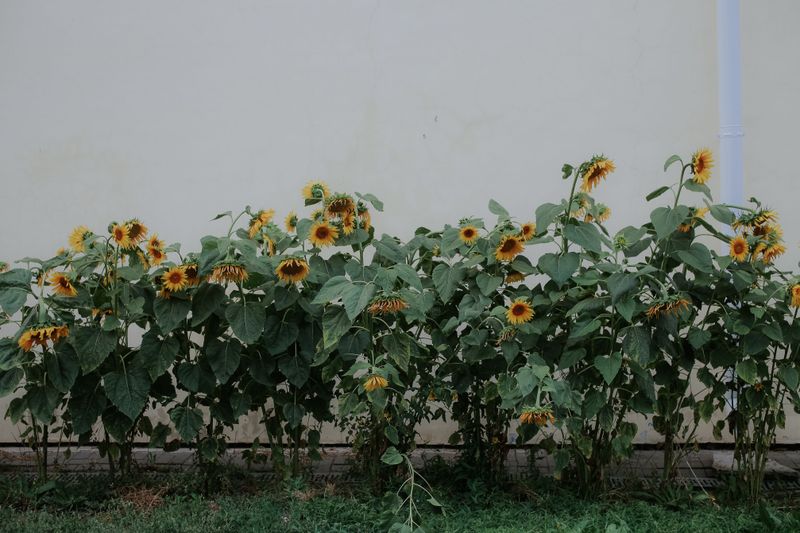
Every sunflower variety comes with a countdown clock. From the moment a seed hits moist soil, the race to bloom begins.
Most standard varieties need between 70 and 100 days to reach full flower. Knowing that number is essential for planning around Iowa’s growing season.
Iowa’s first fall frost typically arrives between late September and mid-October depending on your location.
Working backward from that date tells you exactly when your last safe planting window closes.
If your first fall frost lands on October 1st, seeds need to be in the ground no later than late June. That gives a 95-day variety enough time to bloom fully.
Cutting it too close means flowers may arrive just as temperatures start dropping and days get shorter.
Sunflowers that bloom in late September can appear smaller and less vibrant than those peaking in July or August.
Timing your sow date to land blooms in the heart of summer makes all the difference visually.
Read your seed packets carefully because days-to-bloom information is right there on the label.
Some varieties clock in at 70 days, others push toward 100, and a few specialty types go even longer.
Matching your chosen variety to your available growing window is one of the most satisfying planning steps in the garden.
Get this right and your sunflowers will peak exactly when summer is at its best.
Choose Fast-Maturing Varieties If Starting After Mid-June
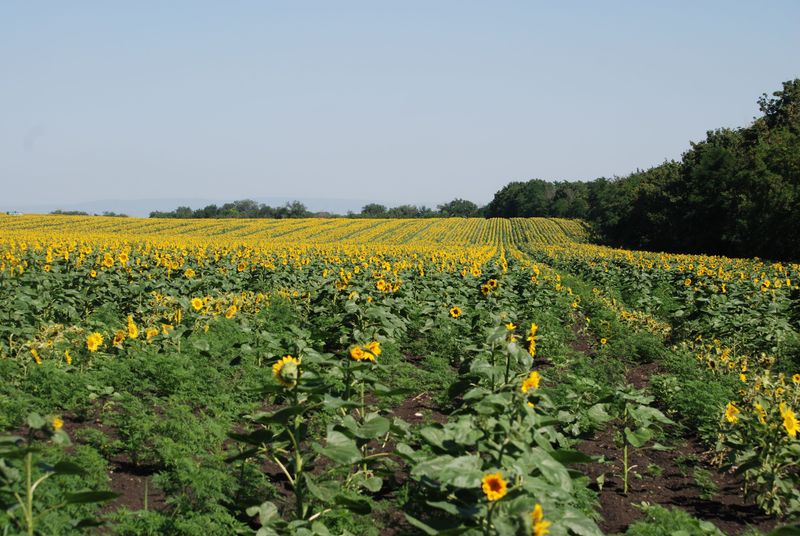
Missing the ideal planting window does not mean missing out on sunflowers. If you find yourself ready to plant after mid-June, fast-maturing varieties become your best allies.
Some sunflower types are bred to go from seed to full bloom in just 60 to 70 days. That makes a late-season start totally workable.
Varieties like Sunbright Supreme, Pacino, and Soraya are well-known for shorter growing cycles. They tend to produce medium-sized blooms on compact plants, which works well in smaller garden spaces.
Do not let the shorter timeline fool you. These flowers are just as stunning as their slower-growing counterparts.
When shopping for late-season options, look for words like early blooming, compact, or short season on the seed packet. Garden centers often stock a different selection in June than they do in April.
Check what is available locally before ordering online. One thing to keep in mind with late plantings is heat stress.
Mid-summer soil dries out quickly, and young seedlings pushing through in July need consistent moisture.
Water at the base of the plant in the early morning to reduce evaporation and avoid leaf scorch.
A fast-maturing variety planted with care in late June can still reward you with cheerful blooms well before summer takes its final bow.
Stagger Your Sowings Every 2 To 3 Weeks To Extend Blooms
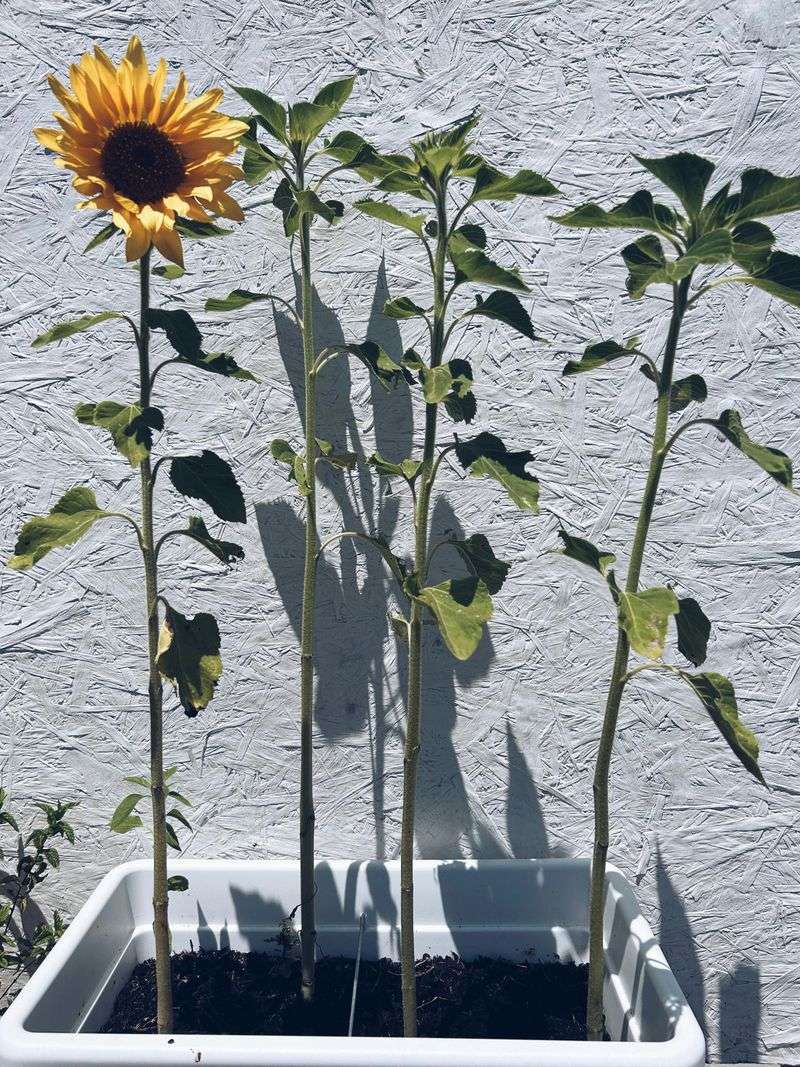
Fresh sunflowers from late July all the way through September. That is exactly what succession planting delivers.
By sowing a new round of seeds every two to three weeks starting in late April or early May, you create a rolling wave of blooms.
Your first sowing blooms in late July, your second follows in mid-August, and your third carries the show into September.
Instead of one brief peak, you get a long and satisfying season. Pollinators keep buzzing and your yard stays vibrant for months.
Plan for two to four staggered sowings depending on space and seed supply. Label each row with the sow date so you can track which planting is which as the season moves forward.
A simple garden stake with a date in permanent marker works perfectly and costs almost nothing. Succession planting also gives you a built-in safety net.
If one sowing gets hit by a dry stretch or a pest problem, the others are likely to pull through. Diversity in timing creates resilience in the garden.
When you plant sunflowers in Iowa using this staggered approach, you stop chasing one perfect moment.
You start enjoying the whole summer instead. That shift in mindset changes everything about how you experience your garden.