The California Tree-Of-Heaven Seedlings Homeowners Should Never Mistake For Free Shade
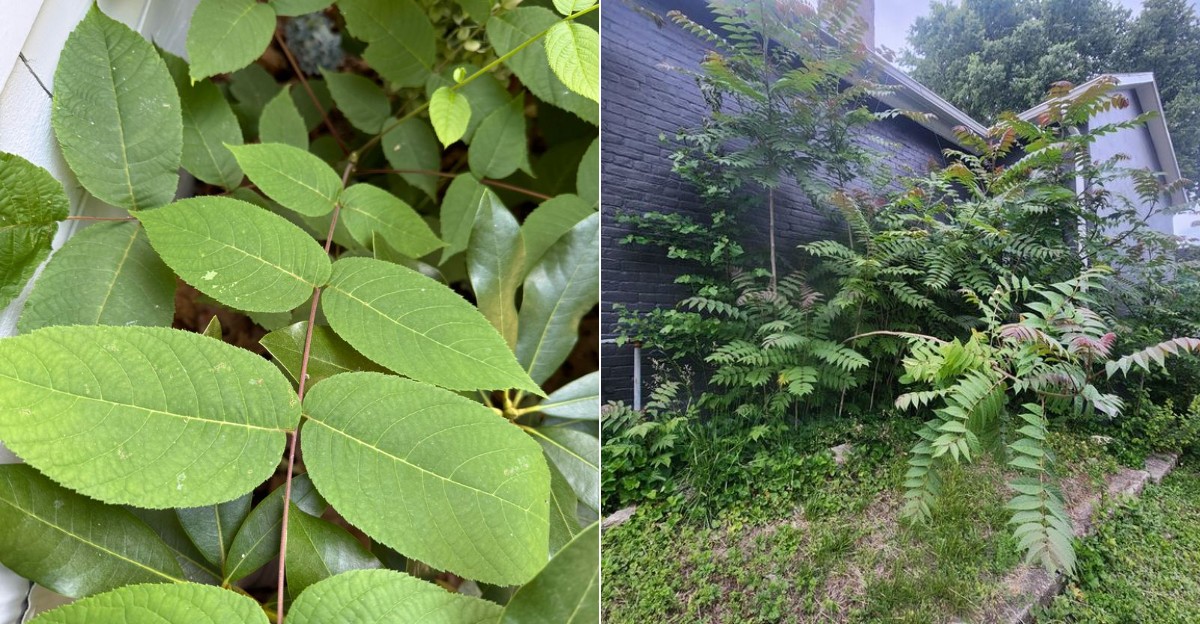
A fast-growing tree popping up in your California yard may look like a lucky surprise, especially when it starts offering quick shade. But some seedlings that appear helpful at first can create bigger problems if they are allowed to settle in.
Tree-of-heaven is one of those plants that can be easy to overlook when it is young. Its rapid growth and tough nature may make it seem like an effortless way to fill an empty space, but its presence can bring challenges that are not obvious right away.
Before letting an unknown tree grow, take a closer look at what has appeared in your landscape.
Recognizing this seedling early can help you make better decisions for your yard before it becomes much harder to manage.
1. Tree-Of-Heaven Spreads Faster Than Many Trees
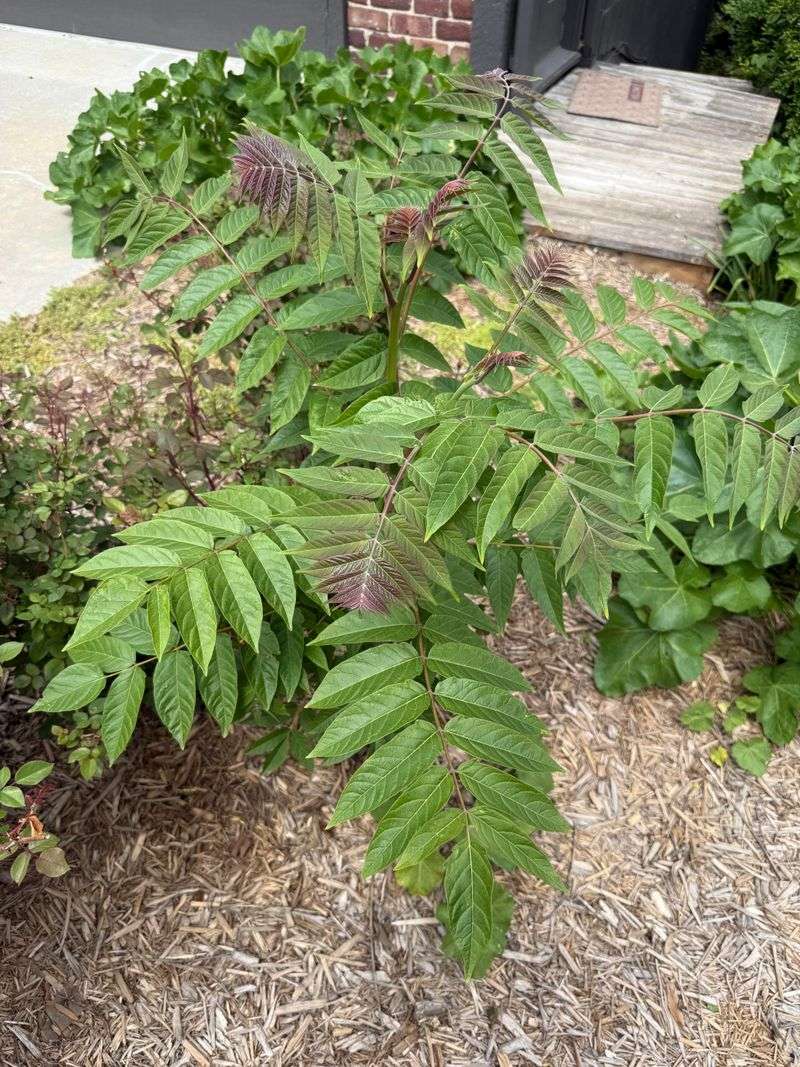
Speed is the first thing people notice about this plant, and it can be jaw-dropping. A single seedling can shoot up several feet in just one growing season.
Most native trees take years to reach the same height. That head start makes Ailanthus seem impressive, but it hides a bigger problem underneath the soil.
Beyond growing tall, the tree spreads sideways through underground roots called suckers. New shoots pop up feet away from the parent plant, forming a whole thicket over time.
You might pull one sprout only to find three more nearby the next week. That stubborn habit is what makes it feel unstoppable in a home garden.
In California, warm weather and long sunny seasons help it grow even faster. Disturbed soil near driveways, fences, and empty lots gives it the perfect place to settle in.
Once established, a small patch can turn into a dense stand within a couple of years. That crowds out the plants you actually chose for your yard.
The smart move is to act the moment you spot rapid, unexpected growth. Ask yourself if you planted that sapling, and if the answer is no, look closer.
Catching this tree while it is still small saves you from battling a whole grove later. A few minutes of attention now beats hours of hard digging down the road.
2. Young Seedlings Can Look Surprisingly Attractive
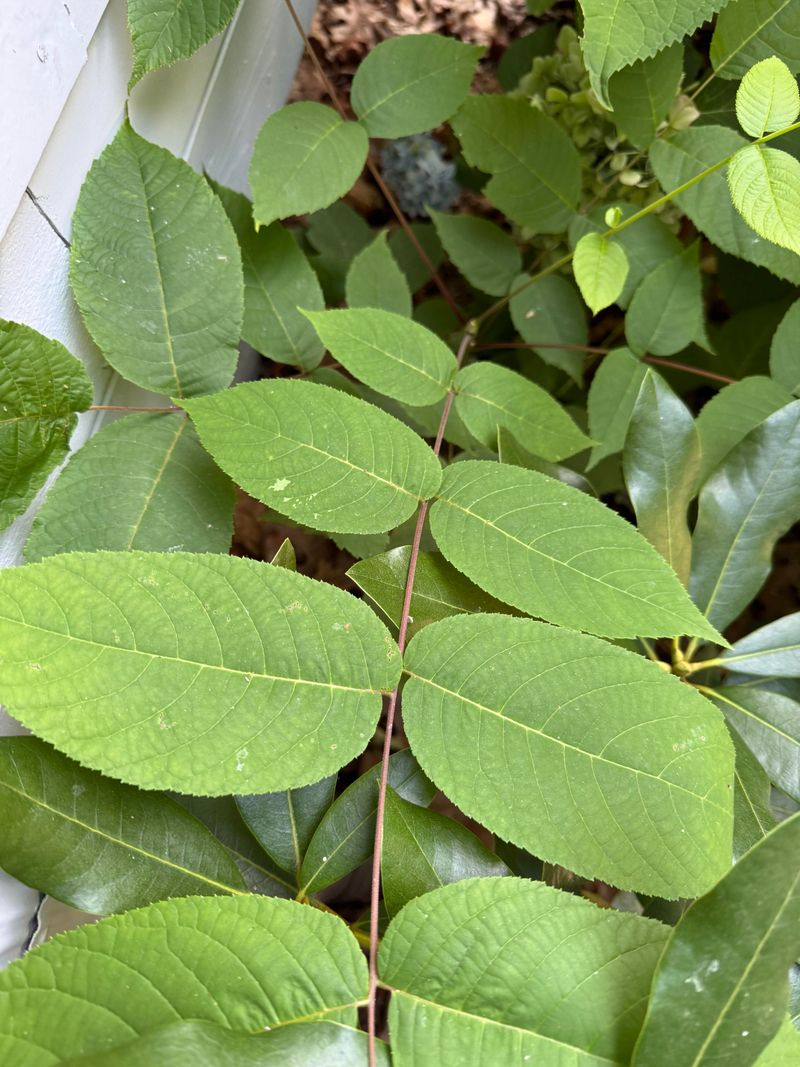
Looks can fool you, and this plant knows how to charm. Its young seedlings have long, feathery leaves that give off a tropical, graceful appearance.
Many homeowners see that greenery and think they lucked into a lovely ornamental tree. The soft, arching leaflets really do look pretty in the morning light.
That beauty is exactly why so many people leave the sprouts alone. A tender green shoot near the patio seems harmless, even welcome, on a hot afternoon.
Each leaf is made up of many small leaflets lined up along a central stem. This feather-like shape is called compound, and it can trick the untrained eye.
What starts as one cute plant can become a crowded mess in a single season. The charm fades fast once the roots start spreading and shoots multiply.
Do not let first impressions guide your decision. Instead, check the leaf shape, the smell, and how quickly the plant is growing before you welcome it.
Your California Garden Changes Every Week. Your Plan Should Too.
Gardening in California changes quickly throughout the season. Every Friday you’ll receive a simple weekly plan showing exactly what to plant, prune, fertilize, harvest, and protect so you never miss the right timing.
A good rule is to identify any surprise sapling before letting it stay. If you cannot name it, treat it as a maybe-unwanted guest.
Snapping a quick photo and comparing it online takes only a minute. That small habit helps you tell a keeper from a troublemaker every time.
Pretty looks are nice, but healthy choices matter more for your yard’s future.
3. Its Roots Can Create Problems Nearby
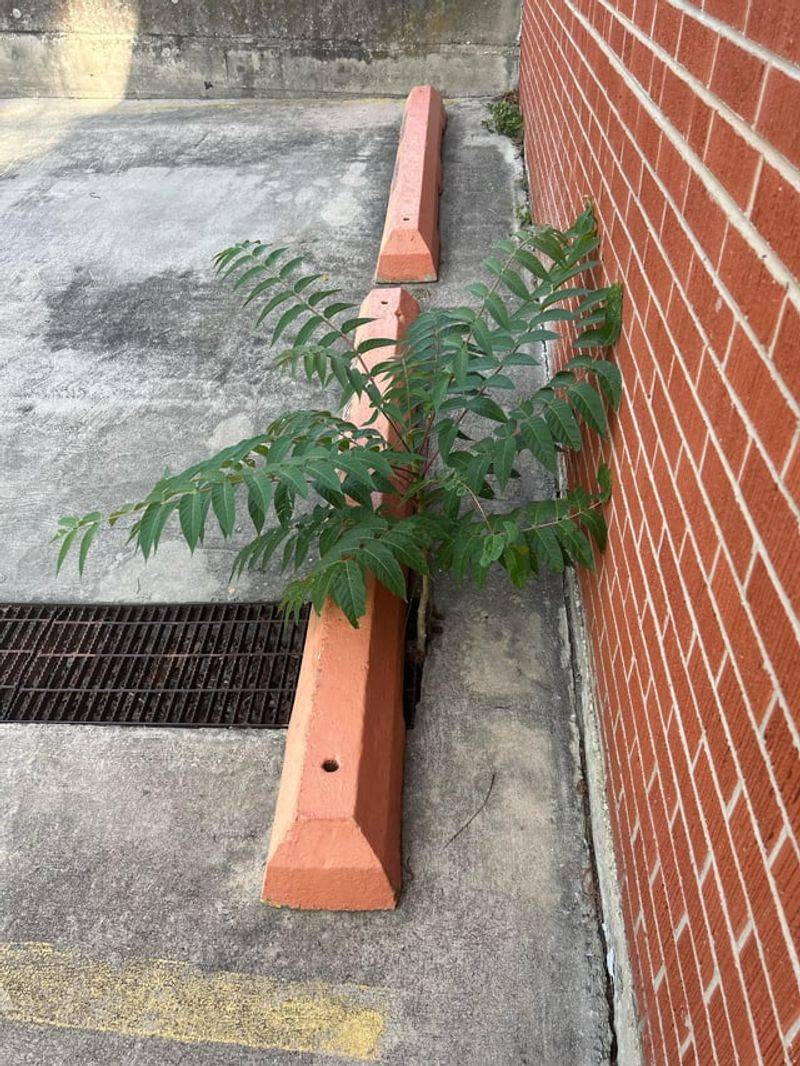
Trouble often starts below the surface, where you cannot see it. The roots of this tree are aggressive and travel far in search of water and space.
As they grow, they can push against sidewalks, driveways, and even foundations. Cracked concrete and lifted pavers are common signs of root pressure.
Underground pipes and sewer lines are another target for these hungry roots. They squeeze into tiny gaps and can clog or damage plumbing over time.
California homeowners sometimes blame old pipes without realizing a hidden tree is the cause. By the time you notice, the repair bill may already be growing.
The roots also release natural chemicals that make it hard for other plants to thrive. This trick helps the tree win space by weakening nearby competitors.
Your favorite flowers, shrubs, and vegetables may struggle in that unfair contest. Slowed growth near a mystery sapling is a warning worth checking.
Planting this tree close to your house is a gamble you do not want to take. Even a small seedling can lead to big root trouble in a few years.
When you spot suckers near hardscapes, dig them out while they are young. Getting the roots out early keeps the spread from turning into a costly mess.
Protecting your home means paying attention to what happens underground, not just above it.
4. The Tree Produces Large Amounts Of Seed
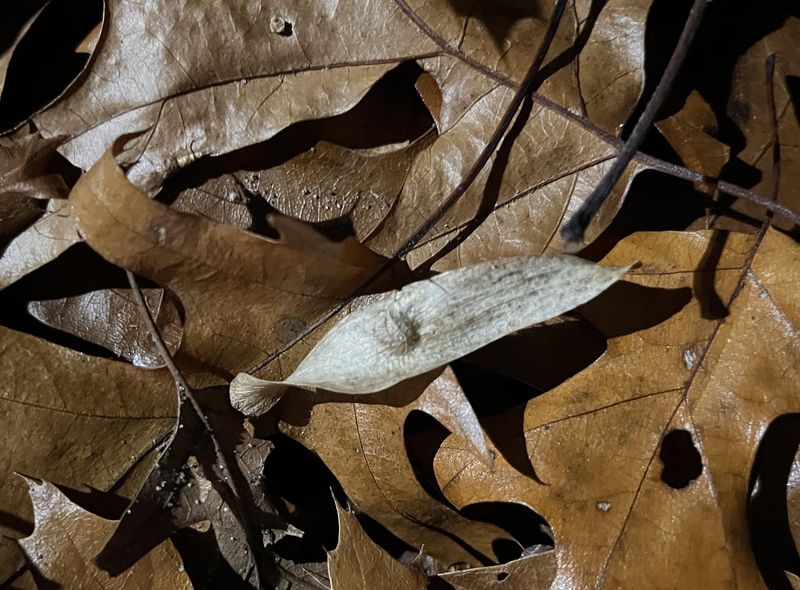
Numbers tell a powerful story with this plant. A single mature female tree can make hundreds of thousands of seeds in just one year.
Those seeds come wrapped in papery wings that spin and float on the breeze. Wind carries them across yards, streets, and empty lots with ease.
Because so many seeds travel so far, new seedlings show up in surprising places. You might find them in flower pots, gutters, and cracks in the pavement.
Each of those tiny sprouts has the chance to become another spreading tree. That is how one plant in the neighborhood can seed dozens of yards.
The seeds also stay ready to grow for a long time once they land. A quiet corner of soil can suddenly fill with sprouts after a good rain.
Reddish seed clusters hanging from branches in late summer in California are a helpful clue. Spotting them means the tree is actively spreading its next generation.
If a neighbor has a large Ailanthus, expect volunteers in your own garden. Regular checks help you catch these newcomers before they settle in.
Pulling seedlings while the ground is soft after rain makes the job easier. Staying ahead of the seed cycle keeps the problem from snowballing.
A little seasonal patrol around your yard goes a long way toward peace of mind.
5. Small Seedlings Are Easier To Remove Early
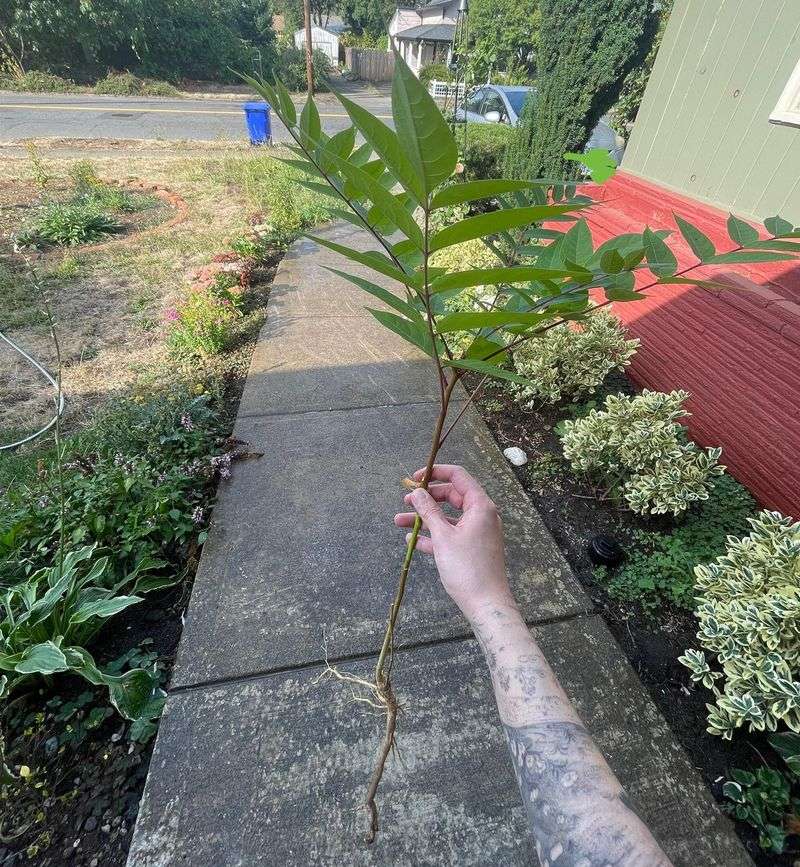
Timing makes all the difference when dealing with this plant. A young seedling with a short root comes out much easier than an older one.
Grab it while it is just a few inches tall, and a gentle tug often works. Wait too long, and that same plant fights back with deep, stubborn roots.
Moist soil is your best friend for this task. After a rain or a good watering, the ground loosens and the roots slide out more cleanly.
Try to pull slowly and steadily so the whole root comes with the stem. Snapping it off at the surface only invites new shoots to sprout again.
For slightly bigger seedlings, a small hand shovel helps you dig around the base. Loosening the soil first keeps you from leaving pieces behind.
Any bit of root left underground can grow into a fresh plant. That is why thoroughness beats speed when you clear these sprouts.
Wearing gloves keeps your hands clean and gives you a firmer grip. It also protects you from the plant’s odd smell during the job.
Make seedling patrol part of your weekly garden routine during warm months. A few minutes each week prevents a weekend of heavy digging later.
Early action truly is the cheapest and simplest way to stay ahead of this tree.
6. Leaves Have A Distinctive Smell When Crushed
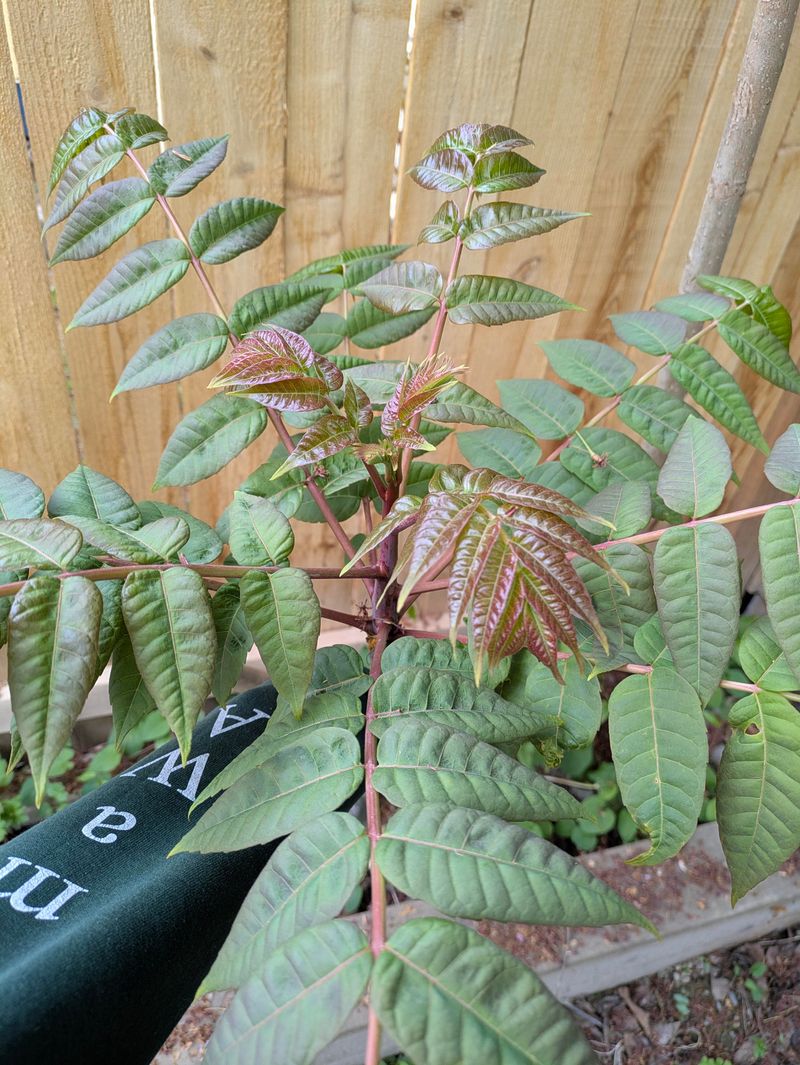
Your nose can be one of the best identification tools you own. Crush a leaf of this tree between your fingers, and you will get a strong, unpleasant odor.
People often describe it as smelling like burnt peanut butter or rotten nuts. It is not a scent you will confuse with a rose garden anytime soon.
That funky smell is a reliable clue when you are unsure about a mystery sapling. Native lookalikes usually do not give off anything so sharp and sour.
To test it, pick a small leaflet and rub it gently to release the oils. A quick sniff tells you whether you are dealing with Ailanthus.
Male trees are known to produce an especially strong odor during bloom. Some folks even notice the smell drifting across the yard on warm days.
Keep in mind the scent can linger on your fingers for a little while. Washing your hands afterward or wearing gloves keeps things pleasant.
Using smell along with leaf shape gives you a much surer answer. Two clues together beat relying on looks alone, which can fool you.
Teach your family this simple trick so everyone can help spot the plant. Kids often enjoy the funny-smell test, and it makes yard checks more fun.
When looks and scent both point to Ailanthus, you know it is time to act.
7. Tree-Of-Heaven Is Often Confused With Native Trees
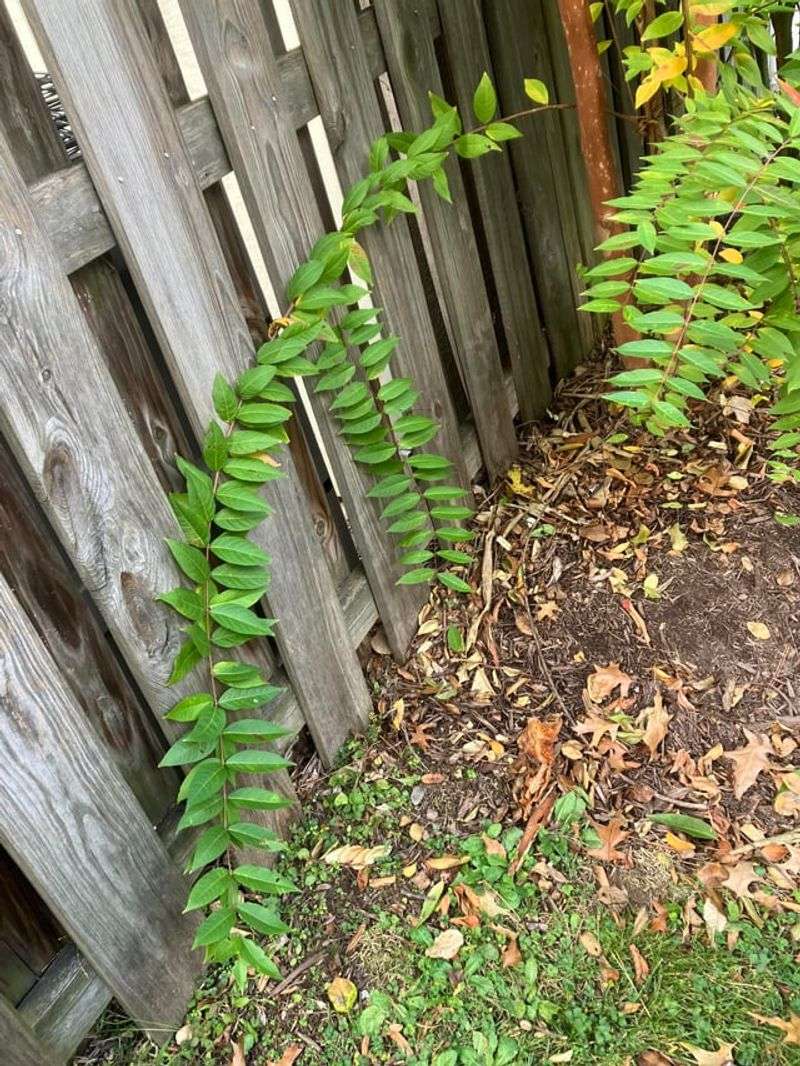
Mistaken identity is a big reason this plant slips into so many California yards. Its leaves look a lot like those of sumac, walnut, and other native trees.
All of them share that feather-like compound leaf shape at a glance. From a distance, telling them apart can feel almost impossible.
A closer look reveals helpful differences that solve the puzzle. Ailanthus leaflets have small bumps, called glands, near the base of each leaf.
Native sumac usually has toothed edges along its leaflets, while Ailanthus stays mostly smooth. Checking the leaf margin is a quick and easy test.
The strong odor from crushing the leaves also sets this tree apart. Most native lookalikes smell mild or even a little pleasant by comparison.
Getting the identification right really matters for your yard’s health. You do not want to remove a helpful native tree by accident.
At the same time, you do not want to protect a spreading troublemaker by mistake. Careful checking keeps you from making either error.
When in doubt, snap clear photos of the leaves, stem, and base. A local nursery or extension office can help confirm what you found.
Learning these small differences turns you into a confident backyard detective. That skill pays off every time a surprise sapling appears in your garden.
8. Fast Growth Does Not Always Mean A Good Landscape Tree
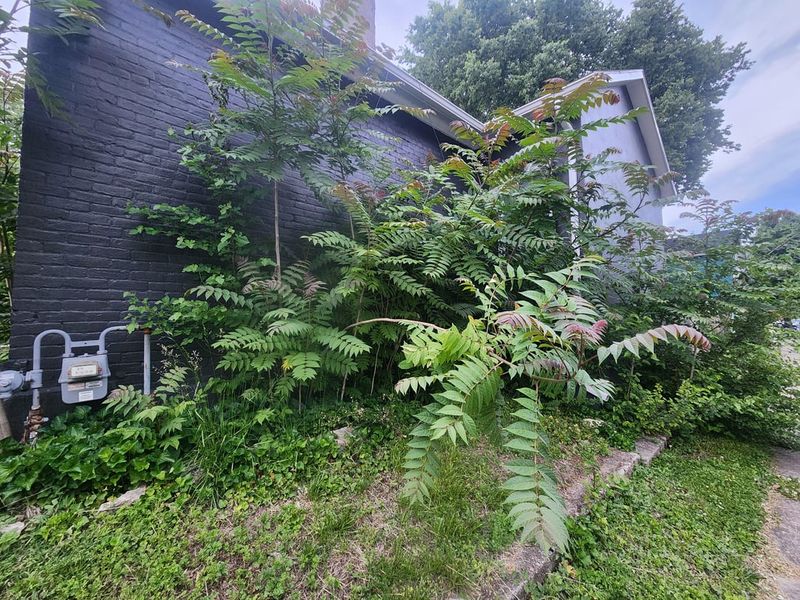
Quick results tempt everyone, but speed is not the whole story. A tree that grows fast can also cause fast problems for your yard and home.
The best landscape trees offer strong wood, tidy roots, and years of steady beauty. Ailanthus falls short on nearly all of those counts.
Its wood is weak and brittle, so branches break easily in wind or storms. Falling limbs create cleanup work and can pose a safety risk.
The spreading roots and endless suckers turn one tree into a management chore. What looked like easy shade becomes a constant battle to control.
Shade is wonderful, but you can get it from trees that behave much better. Native oaks, maples, and other options give cooling cover without the drama.
Choosing a well-suited tree may take a little more patience at first. The reward is a healthier, calmer yard that you enjoy for decades.
Before planting or keeping any fast grower, think about the long game. Ask how it behaves in five or ten years, not just next summer.
Talking to a local nursery helps you pick species that fit California’s climate. They can suggest trees that thrive without taking over.
Trading a quick fix for a smart choice is always worth it. Your future self, and your sidewalks, will thank you for the extra thought.