8 Warning Signs Your New York Lawn Is Not Ready For Winter
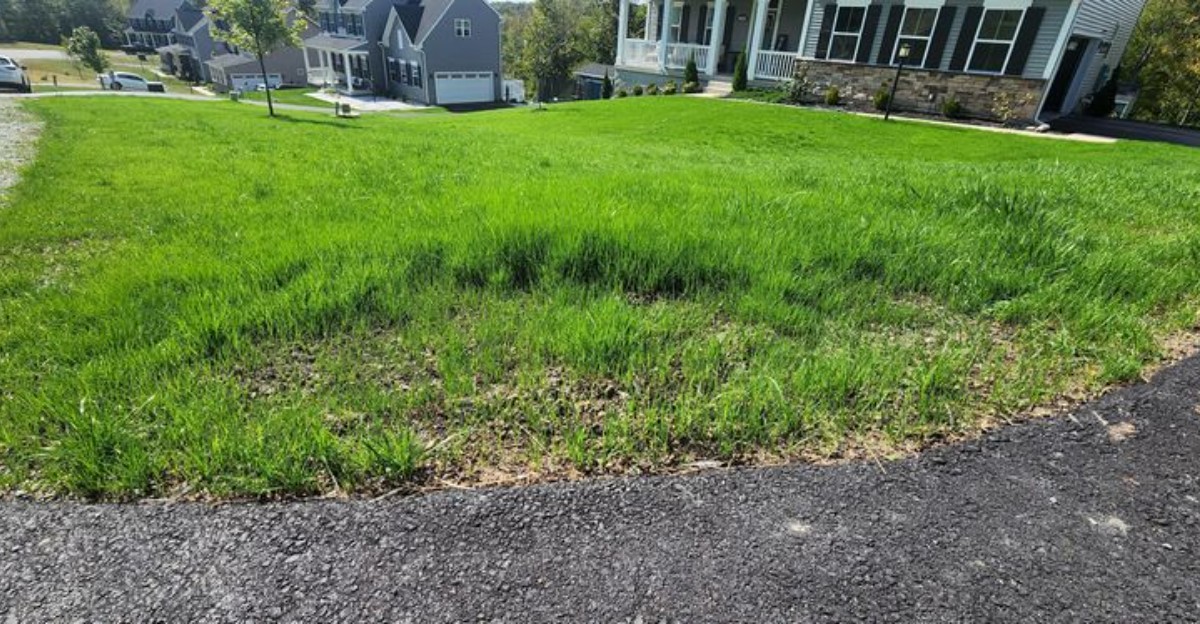
Your lawn gives plenty of clues before winter arrives. Brown patches, soft spots, and puddles that linger after rain are all signs that something may be wrong.
New York lawns face a tough stretch once cold weather sets in. Small problems in October can turn into thin grass, bare spots, and slow spring recovery.
Fall is the best time to fix many lawn issues because the soil is still warm and cool air helps grass recover. A quick walk around your yard now can reveal what needs attention.
Look for these warning signs before winter takes over. Catching them early can save you from bigger repairs when spring arrives.
1. Thin Grass Shows Your Lawn Needs Overseeding
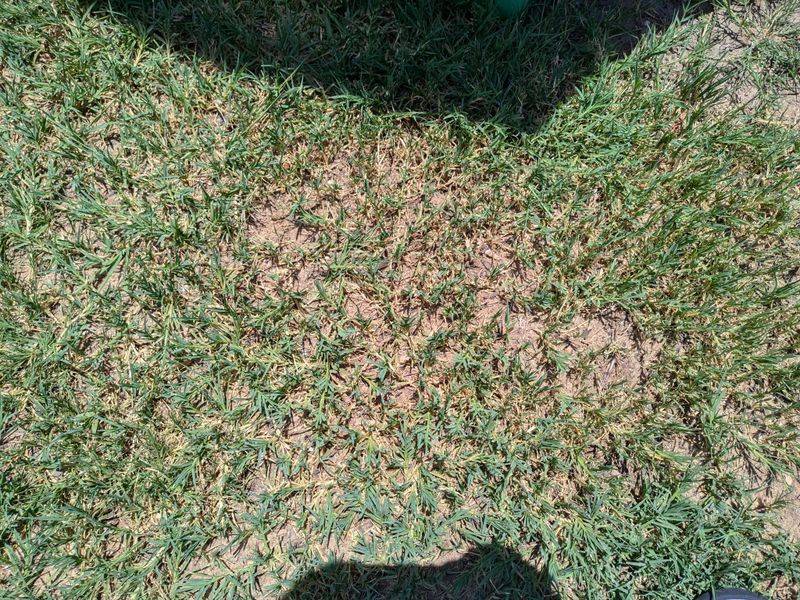
Run your hand across the turf and you can feel it right away when the grass has gone thin. Blades sit far apart, and the soil peeks through instead of hiding under a thick green carpet.
Thinning turf struggles with cold weather because there simply are not enough plants to protect the crown and root zone. Winter stress, ice, and foot traffic can hit those weak areas hardest.
Overseeding fixes the problem by adding fresh grass seed right over the turf you already have. The new seedlings fill open gaps and build a denser stand that shrugs off stress much better.
Timing matters more than people expect. Across much of New York, late summer into early fall provides cool air and warm soil that favor quick sprouting.
Good seed-to-soil contact makes or breaks the whole project. Rake the area lightly, spread your seed, then press it in with a roller or even your shoes so it settles against the dirt instead of sitting on top.
Water lightly and often for the first two weeks, keeping the top inch damp rather than soaked. Seedlings need steady moisture to push roots down before the first hard frost.
Choose a blend built for your region, usually a mix of Kentucky bluegrass, perennial ryegrass, and fine fescue. Each type brings something useful, from quick sprouting to shade tolerance.
A thicker lawn also crowds out weeds next spring, which means less pulling and spraying for you later on.
2. Bare Patches Leave Room For Weeds To Spread
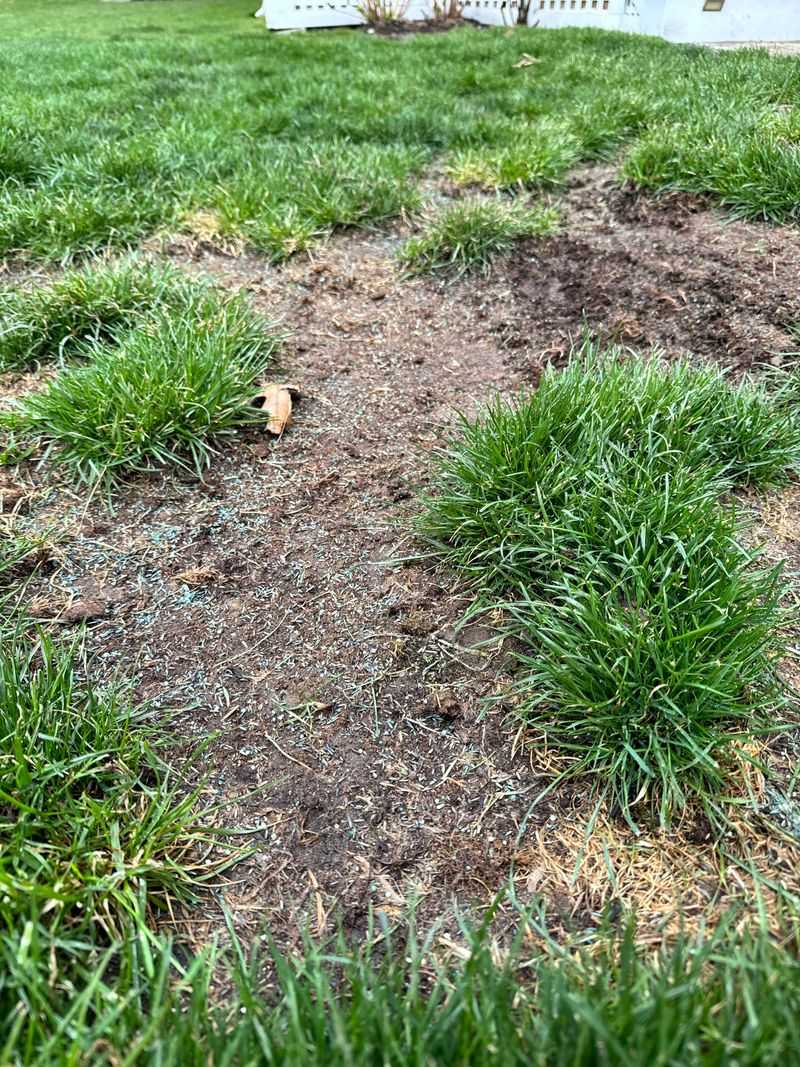
Bare soil in the middle of a lawn is basically a vacancy sign for weeds. Dandelions and crabgrass spot those openings and move in without hesitation.
Winter makes the situation worse. Exposed dirt washes away in heavy rain, packs down under snow, and holds moisture unevenly, so the gap gets wider by spring.
Patching in fall works far better than waiting. Soil still carries warmth for germination, the air has cooled, and regular rainfall does a lot of the watering for you.
Before you toss down seed, play detective for a minute. Figure out why the spot went bare in the first place, whether the cause was hard-packed soil, a fungus problem, grubs chewing the roots, or a dog with a favorite corner.
Skipping that step means the patch returns next year. Fixing the cause first is what makes the repair stick.
Your New York Garden Changes Every Week. Your Plan Should Too.
Gardening in New York changes quickly throughout the season. Every Friday you’ll receive a simple weekly plan showing exactly what to plant, prune, fertilize, harvest, and protect so you never miss the right timing.
Prep the area by raking out old debris and loosening the top inch of soil with a hand cultivator. Loose ground lets tiny roots push down instead of bouncing off a crust.
Mix a little compost or topsoil into the spot, spread seed a bit thicker than you think you need, then tamp it down gently. A light straw or seed-blanket cover keeps birds away and holds moisture.
Here is a helpful trick: mark your patches with golf tees so you remember where to water. Small effort now, much smoother spring across your New York yard.
3. Compacted Soil Stops Roots From Growing Strong
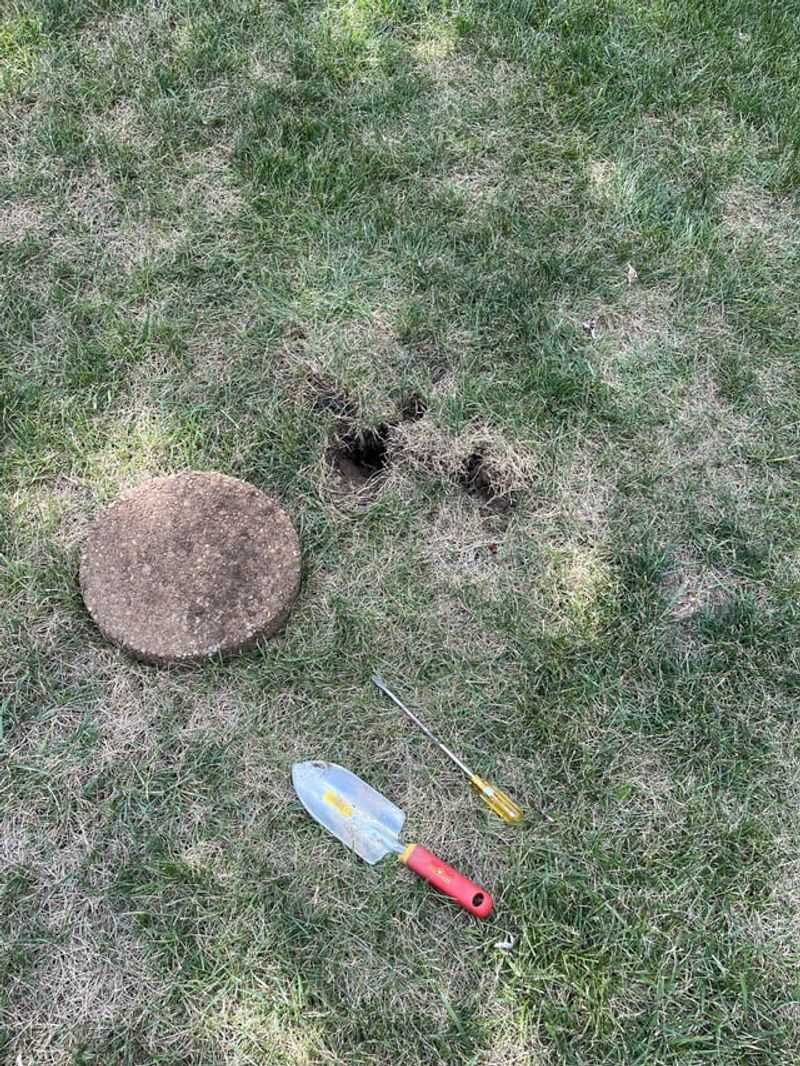
Try pushing a screwdriver into your lawn. If it fights back after an inch or two, the soil underneath has been squeezed tight, and your grass roots are feeling it.
Packed ground blocks air, water, and nutrients from reaching the root zone. Roots then stay shallow, which leaves the turf thirsty in dry spells and wasteful with fertilizer.
Kids playing, mowers rolling, parked cars, and clay-heavy soil all contribute. Plenty of New York properties sit on clay, so compaction shows up faster than homeowners expect.
Cold months tighten things further. Heavy snow presses down, winter foot traffic adds pressure, and repeated freeze-thaw cycles squeeze the soil like a sponge being wrung out.
The result shows up in April as slow greening, thin coverage, and yellowish blades that look hungry no matter what you feed them.
Core aeration is the real solution. A machine pulls small plugs of soil out of the ground, opening channels for oxygen, moisture, and nutrients to slip down where roots live.
Late August through mid-October is the sweet spot, giving roots weeks to spread into those new openings before the ground firms up for winter.
Leave the plugs on the surface and let rain break them down naturally, returning organic matter to the lawn. Follow aeration with seed and a starter fertilizer for extra payoff.
Regular aeration helps compacted or heavily used lawns stay loose and healthy.
4. Heavy Thatch Blocks Water From Reaching Roots
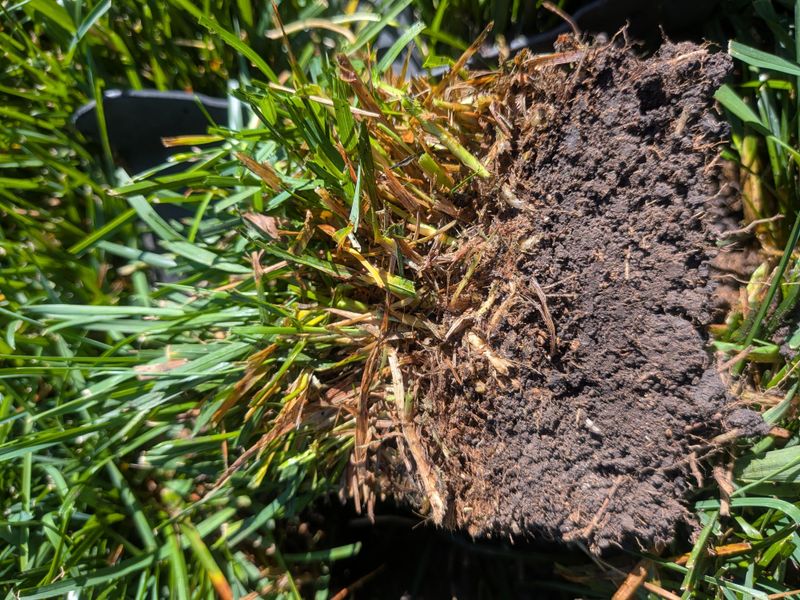
Ever walked on a lawn that feels bouncy, almost like a thin mattress? That springy feeling usually comes from thatch, the brown mat of stems and roots sitting between the green blades and the soil.
A small amount of thatch actually helps. A thin layer can insulate the crowns, hold moisture, and support a healthy lawn.
Go thicker than that and the layer turns into a sponge that soaks up water before it reaches the roots. Fertilizer gets trapped too, so your feeding schedule stops paying off.
Thick thatch also shades lower blades, traps humidity that fungus loves, and gives insects a cozy hideout. Lawns in that condition handle winter stress poorly.
Checking is simple. Slice out a small wedge of turf with a spade and measure the brown layer between grass and dirt.
If the layer becomes thick enough to block water and nutrients from reaching the roots, dethatching may be worth scheduling. A power rake or vertical mower pulls the buildup loose, and then you can remove the debris.
Late summer into early October suits cool-season lawns, leaving enough recovery time before frost settles in. Dethatching too late leaves the turf raw and exposed.
Want to slow future buildup? Avoid heavy nitrogen loads, mow at three inches or so, and let the clippings fall since they break down quickly rather than adding to the mat.
Aeration between dethatching years helps microbes chew through the layer naturally.
5. Yellow Grass Signals Hidden Lawn Stress
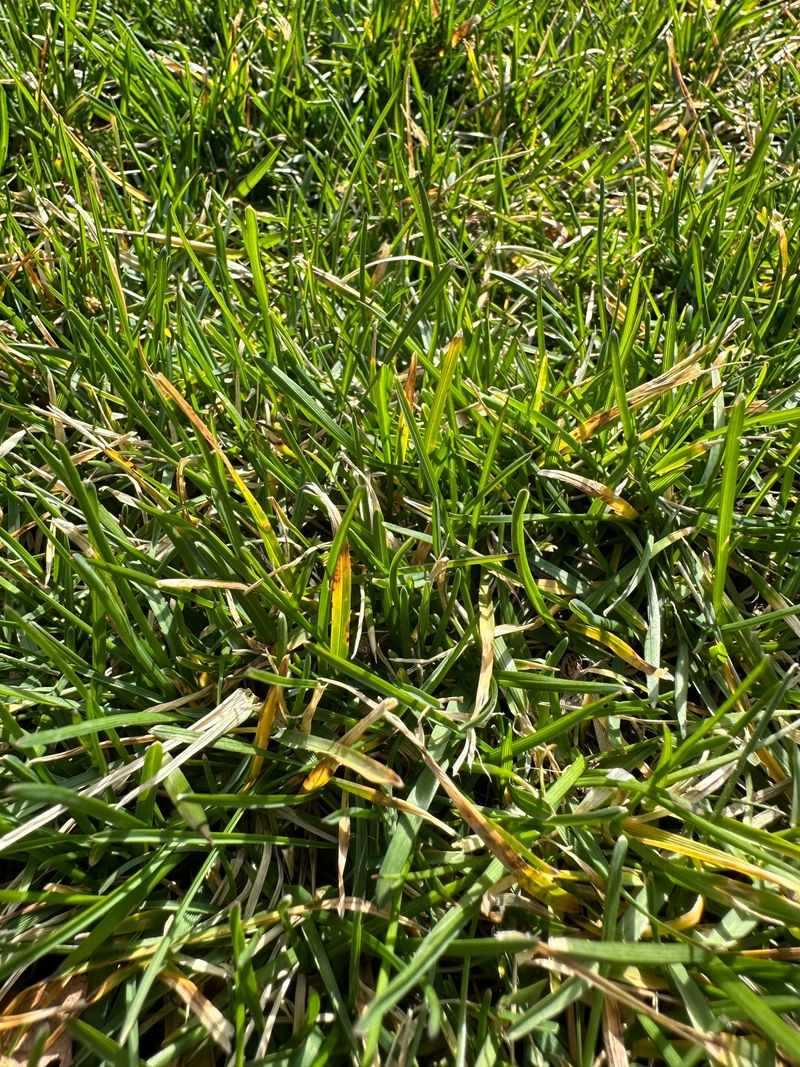
Yellow blades are your lawn waving a small flag for help. The color fades when grass cannot make enough chlorophyll, usually because water, air, or nutrients are in short supply.
Nitrogen and iron shortages top the list of culprits. After a long summer of mowing and growing, soil nutrients run low and the green drains out of the blades.
Watering habits matter too. Too little leaves grass parched, while too much drowns roots and invites fungus, and both problems show up as pale, sickly patches.
Grubs are another sneaky cause. Tug on a yellow area, and if the turf peels up like carpet with no roots attached, something has been feeding underneath.
Some fading is normal as cool-season grass eases toward dormancy in late fall, responding to shorter days and chilly nights. Even browning is a hint that stress is at work.
Compacted soil frequently hides behind yellowing, since squeezed ground starves roots of oxygen and moisture. Thin, weak, off-color turf often traces back to that single issue.
A soil test costs very little and removes the guesswork, telling you what is missing and whether pH has drifted off track.
Once you know the cause, the fix gets easy: a fall feeding, adjusted watering, aeration, or grub control. Sorting it out before snow arrives keeps the trouble from spreading through winter and stalling spring growth.
6. Poor Drainage Creates Wet Spots Across The Yard
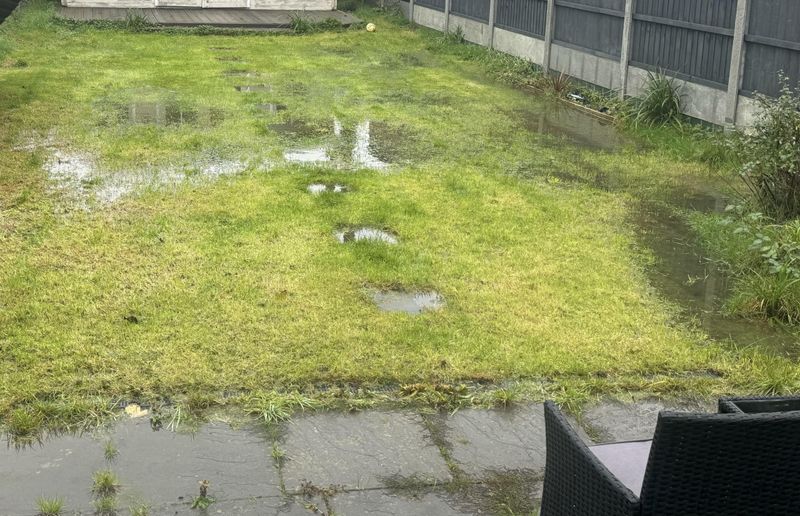
Two days after a storm, most lawns look dry. If yours still has puddles sitting in the same low corners, drainage is the problem.
Soggy ground pushes air out of the soil, and roots need that air as much as they need moisture. Turf in those spots grows weak and gives up ground to moss and lawn diseases.
Cold weather raises the stakes. Long periods of ice cover can stress grass crowns and may leave damaged patches by spring.
Compacted soil usually sits behind the trouble, since tight ground refuses to let water soak in and sends it running across the surface instead. Clay-heavy soils make this a common complaint.
Start with aeration, which opens thousands of small channels and helps rain move downward rather than pooling. Many homeowners see noticeable improvement after a single fall treatment.
Topdressing with a thin layer of compost also builds soil structure over time, giving water somewhere to go.
For stubborn dips, regrading a small area or adding a properly designed French drain can help redirect persistent runoff problems. Downspouts pointed onto the lawn deserve a second look as well.
Plants can help too. Moisture-loving shrubs or a simple rain garden turn a nuisance wet spot into something attractive.
Handling drainage before freeze-up gives your grass a real shot at bouncing back strong.
7. Moss Growth Reveals Shade And Moisture Issues
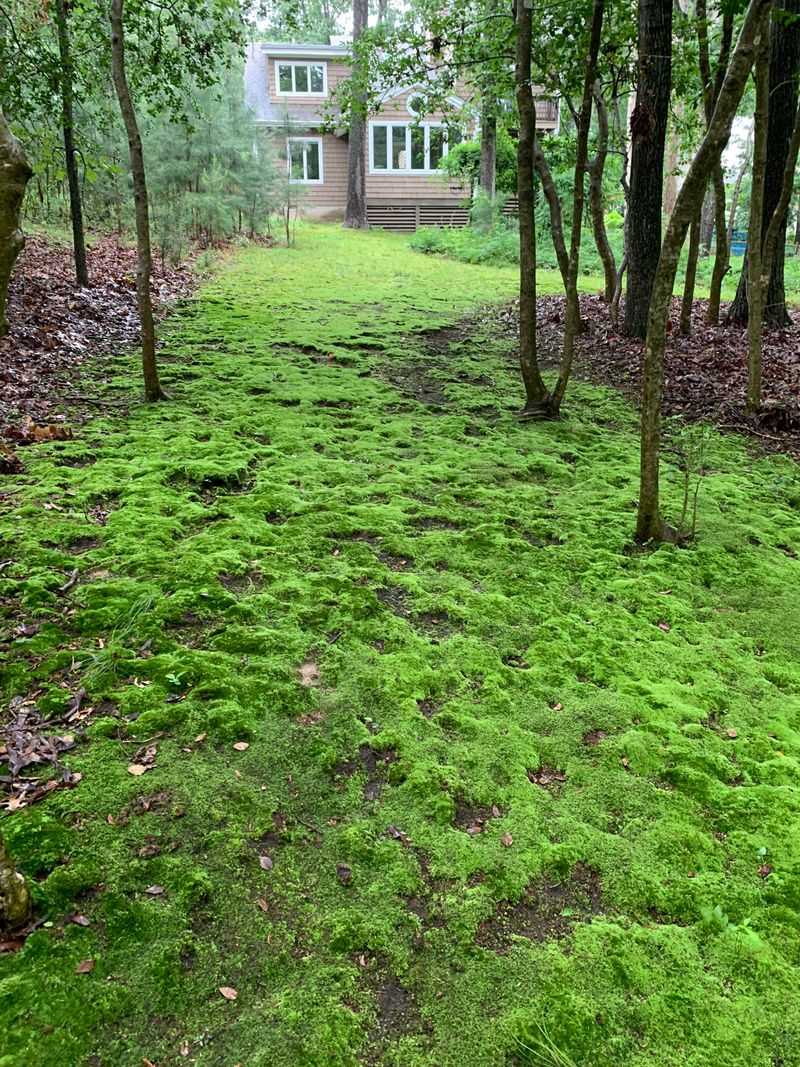
Moss is not the villain people assume. It works more like a messenger, moving in only where conditions have turned against your grass.
Its favorite setup includes damp soil, weak drainage, packed ground, low fertility, sour pH, and not much sunshine. Check those boxes and moss settles in happily.
Clay-heavy properties across New York, including plenty of yards in Monroe County, hold water long after rain stops. Combine slow drainage with big shade trees and moss practically gets an invitation.
Notice that moss does not shove grass aside. It just slips into the bare gaps where turf already gave up, which is why scraping it off rarely solves anything long term.
Begin with a soil test to check pH and nutrient levels. Many mossy lawns have acidic soil, but lime should only be applied when a soil test shows the pH needs adjustment.
Next, let in more light. Thinning lower tree branches and limbing up canopies can brighten a shady patch dramatically without removing the tree.
Aeration takes care of the moisture side by loosening soil so water drains instead of lingering. Follow with a shade-tolerant fescue blend that handles dim corners better than bluegrass.
Rake the moss out once conditions improve, then seed the cleared spots right away so grass claims the space first.
Change the environment and grass wins on its own. Fight the moss alone and it simply returns.
8. Uneven Growth Shows Soil Problems Below
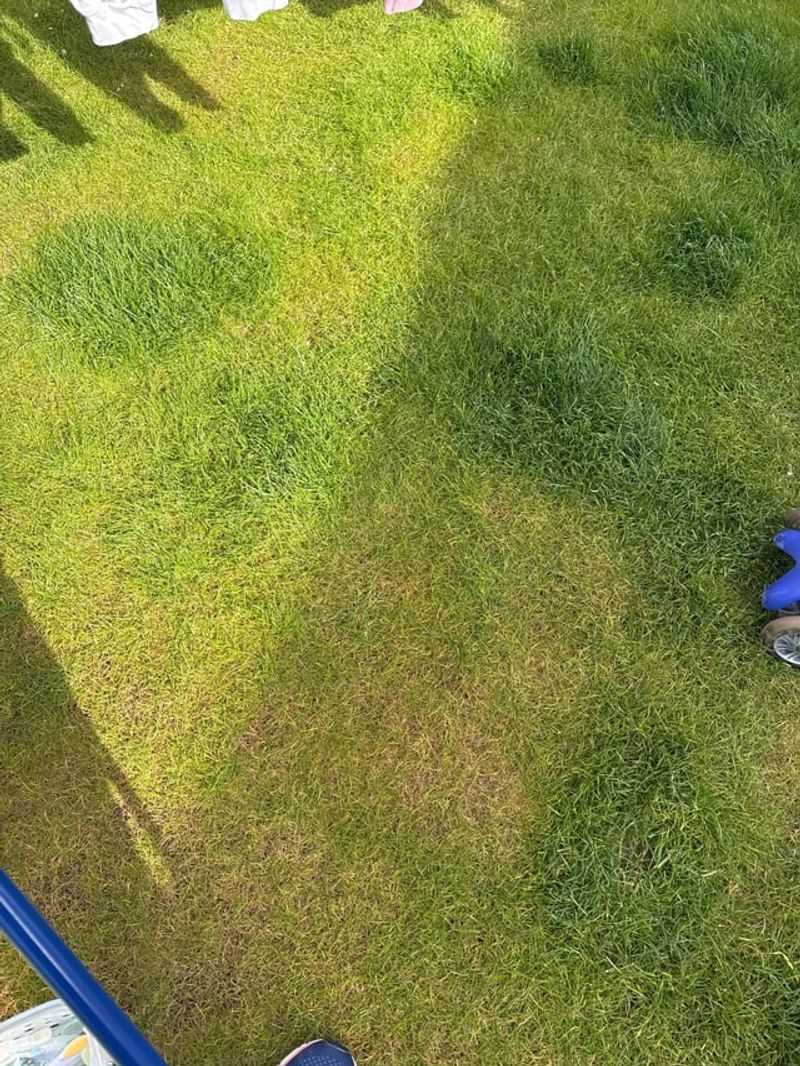
Picture a lawn where one half looks like a golf fairway and the other half looks tired and patchy. Same seed, same mower, same water, yet totally different results.
Differences like that come from the soil, not the grass. Something below the surface is helping one area and holding the other back.
Compaction ranks high on the suspect list, restricting how deep roots reach and how much nutrition they pull in. Thin, uneven turf tends to follow.
Drainage plays a role too, since low spots stay wet while high ridges dry out fast. Each zone then grows at its own pace.
Shifting winter temperatures add to the patchwork look. South-facing strips thaw early and green up first, while shaded northern sections stay dormant for weeks longer.
Uneven fertility is another common cause. Old garden beds, buried construction debris, and past fill dirt all leave behind pockets of soil that behave differently.
A soil test across two or three areas of the yard reveals a lot for very little money. Comparing samples shows whether pH or nutrients vary from spot to spot.
From there, aeration improves structure, topdressing with compost evens out organic matter, and targeted feeding brings the weaker zones up to speed.
Overseeding after aeration ties everything together with fresh, consistent growth. Give the soil what it needs this fall and your lawn should wake up looking far more uniform.