Why Cricket Sounds Are Fading From New Jersey Yards At Night
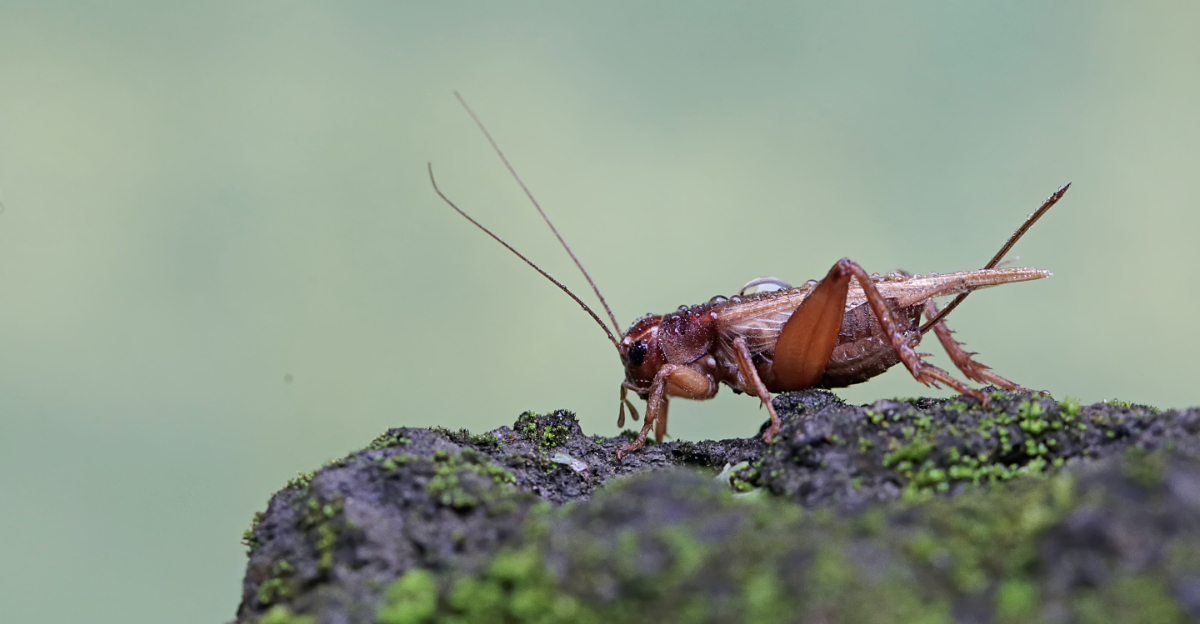
Some New Jersey backyards used to hum after dark. Now they just sit there, quiet in a way that feels almost unnatural once you notice it.
Crickets built that nightly soundtrack for generations, chirping from hedges and porch edges without anyone giving it much thought. Lately, though, that chorus has thinned out, and most homeowners can’t quite name why their yard feels emptier at night.
The answer often sits closer than expected. A mosquito treatment sprayed last weekend. A weed product tucked in the garage. A patch of overgrown grass that got cleared for something tidier.
Each choice seems small on its own, yet together they’re reshaping who gets to live in a New Jersey lawn. Losing the crickets isn’t just about nostalgia for summer evenings. It’s a signal, one worth paying attention to before the yard goes silent for good.
Mosquito Spraying May Be Silencing New Jersey’s Cricket Chorus
Something changed this summer, and your ears already know it. The nighttime hum that once filled backyards across the state has gone eerily quiet, and mosquito spraying could be the biggest reason why.
Cricket sounds are fading from New Jersey yards at night, and professional spray services are expanding fast. Many towns now offer scheduled fogging programs, and private companies blanket neighborhoods weekly during warm months.
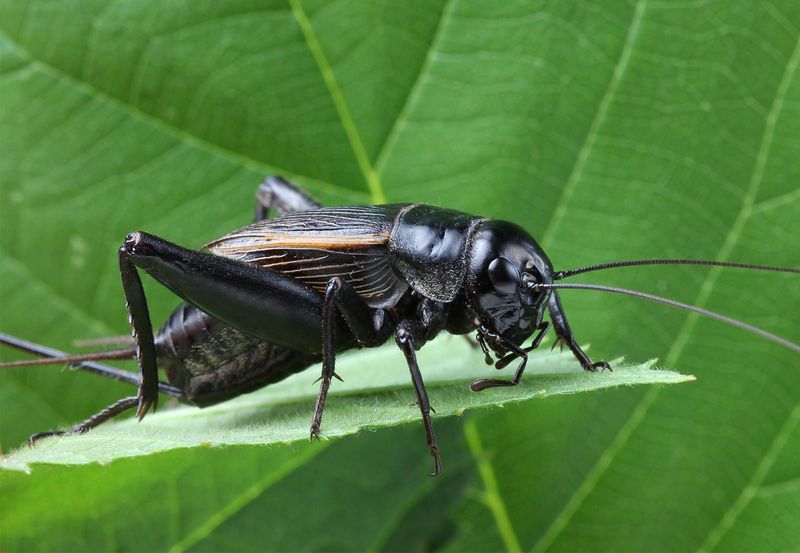
Crickets live close to the ground, exactly where sprays settle and linger. Their small bodies absorb chemical residue through contact with treated grass, leaves, and soil surfaces.
A single spray event can wipe out a large portion of the local cricket population within a day or two. Eggs buried in the soil may also be affected, reducing the next generation before it even hatches.
Most homeowners never connect the silence to the spray truck that rolled through last Tuesday. The timing seems unrelated, but the science tells a very different story.
Pyrethrin and permethrin, the two most common active ingredients in mosquito sprays, are highly toxic to most insects. Crickets have little natural defense against these synthetic compounds.
What makes this especially tricky is that the sprays often work invisibly. You see fewer mosquitoes, you assume things are fine, and you never notice the missing crickets until a neighbor points it out.
The quiet yard might feel peaceful at first, but that silence signals a broken ecosystem hiding just beneath your feet.
How Broad-Spectrum Insecticides Affect Insects Beyond Their Target
Broad-spectrum insecticides do not read labels on bugs. They take out whatever crawls, hops, or flies through a treated zone, regardless of whether it bites you or not.
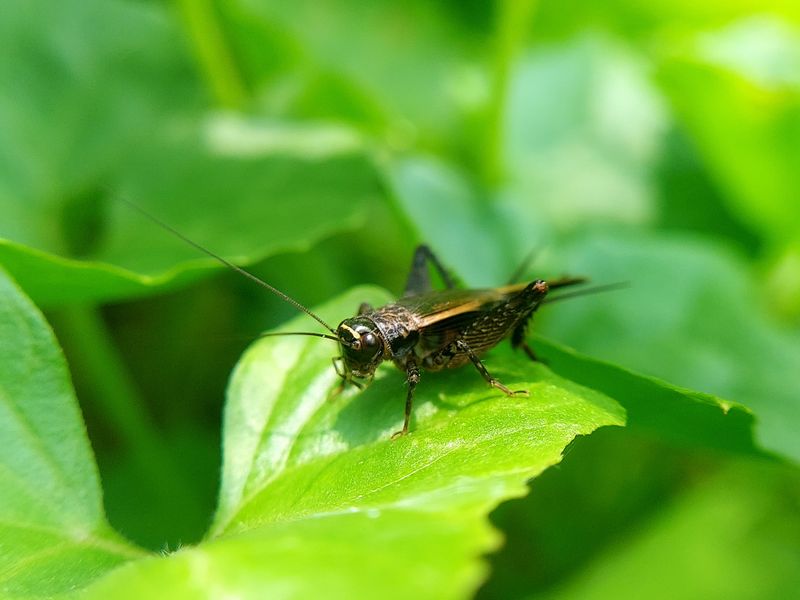
Crickets are ground-level insects, spending most of their time in leaf litter, mulch, and low grass. Those are the exact spots where spray residue accumulates and stays active for days.
Permethrin, for example, can remain toxic to insects for up to four weeks after application, and even longer with certain formulations. That is a long window of exposure for a cricket trying to find food or a mate.
Your New York Garden Changes Every Week. Your Plan Should Too.
Gardening in New York changes quickly throughout the season. Every Friday you’ll receive a simple weekly plan showing exactly what to plant, prune, fertilize, harvest, and protect so you never miss the right timing.
Repeated broad-spectrum treatments have been linked to sharp declines in non-target insect populations. That is not a minor side effect, that is a significant disruption.
Crickets also serve as a food source for birds, frogs, and small mammals in your yard. When their numbers crash, the whole backyard food web starts to unravel quietly.
Many homeowners assume that if a product is sold legally, it must be safe for wildlife. That assumption is worth questioning, especially when the yard goes silent.
The chemicals do not stay in one spot either. Rain and irrigation carry them into garden beds, under shrubs, and near the moist edges of lawns where crickets prefer to hide.
Understanding what these products actually do beyond their target pest is the first step toward making smarter choices for your outdoor space.
The Timing Overlap Between Spray Season And Cricket Activity
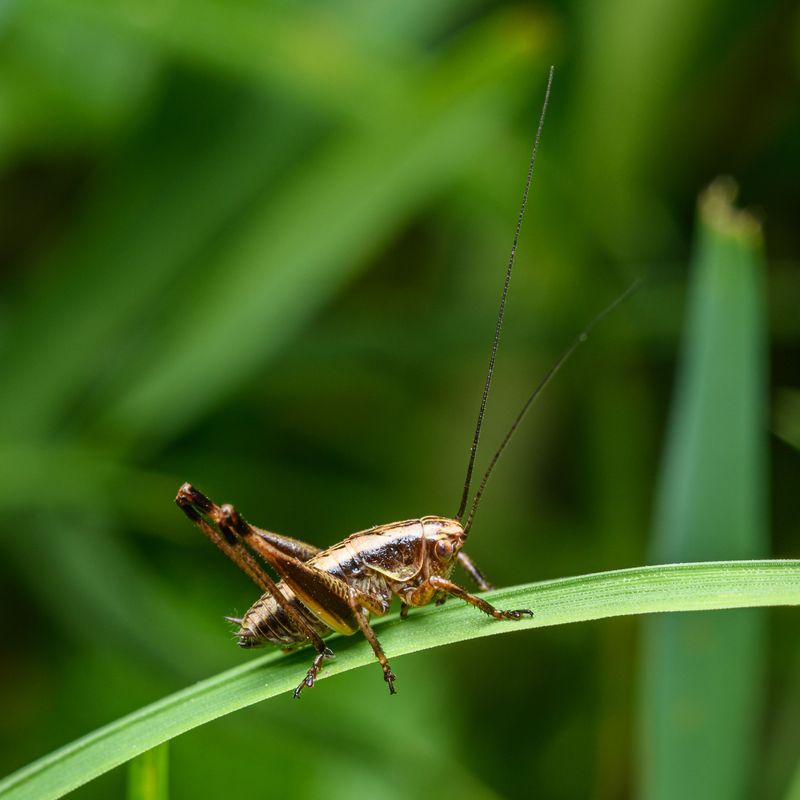
Mosquito season and cricket season are not just similar, they are almost identical. Both peak between June and September, which creates a dangerous overlap for local insect populations.
Cricket sounds are most prominent during those warm summer nights when females are listening for mates. That same window is when spray trucks make their most frequent rounds through residential areas.
Female crickets lay eggs in late summer, tucking them into soft soil and garden beds. Spray applications during this period can interrupt reproduction before a single egg survives to hatch.
Male crickets chirp to attract mates, and that chirping makes them easier to locate on treated ground. More exposure time above the soil means more contact with chemical residue left behind by sprays.
Some towns schedule fogging two to three times per week at peak season. That frequency does not give cricket populations any time to recover between treatments.
Even organic-certified sprays like pyrethrin, derived from chrysanthemum flowers, are lethal to crickets at standard application rates. Natural origin does not mean harmless to all insects in the yard.
The timing problem is compounded by the fact that crickets move slowly and do not migrate away from danger. A bird can fly off when a truck approaches, but a cricket simply sits and waits.
Recognizing this seasonal overlap is essential for anyone who wants to protect the nighttime soundtrack of their outdoor space.
Signs Your Yard Has Lost More Than Just Mosquitoes
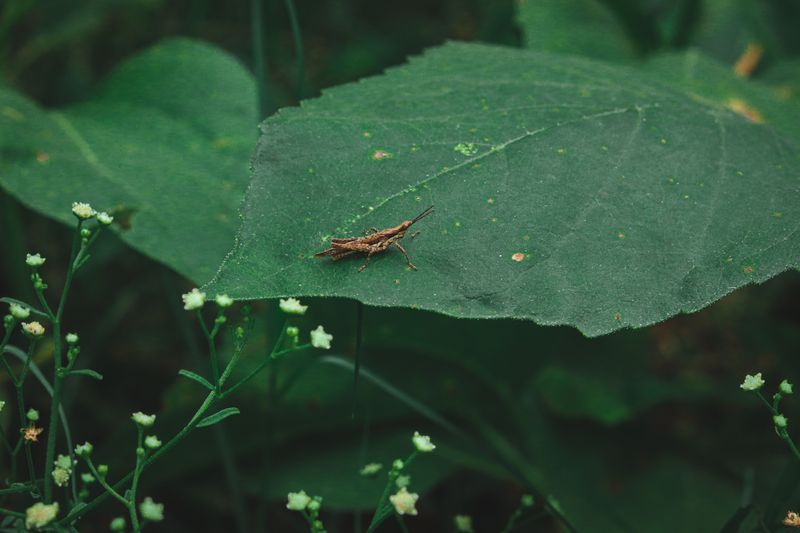
Silence is the first clue, but it is not the only one. A yard that has lost its cricket population usually shows several other signs that the insect community has been seriously disrupted.
Check your bird feeders. If the birds that once visited regularly have stopped showing up, the insect food source they relied on has likely disappeared along with the crickets.
Look at your garden soil after dark with a flashlight. Healthy soil should show small insect movement, beetles, earwigs, and yes, crickets moving through the leaf litter and mulch.
Frogs and toads are another indicator. These amphibians depend on insects like crickets for the bulk of their diet, and their absence signals a broken food chain in your yard.
Spiders also respond to insect loss. Fewer crickets mean fewer webs, and a yard with almost no spider activity is a yard with very little insect life left to support it.
Notice whether your lawn has unusual pest pressure from grubs or fungal issues. Beneficial insects that normally keep those problems in check may have been wiped out alongside the crickets.
The loss of fireflies is another red flag. Firefly larvae eat small insects in the soil, and when that prey base collapses, the light show disappears right along with the chirping.
Your yard is telling you something important, and learning to read those signs can help you act before the damage becomes permanent.
Lower-Impact Ways To Manage Mosquitoes Without Silencing Crickets
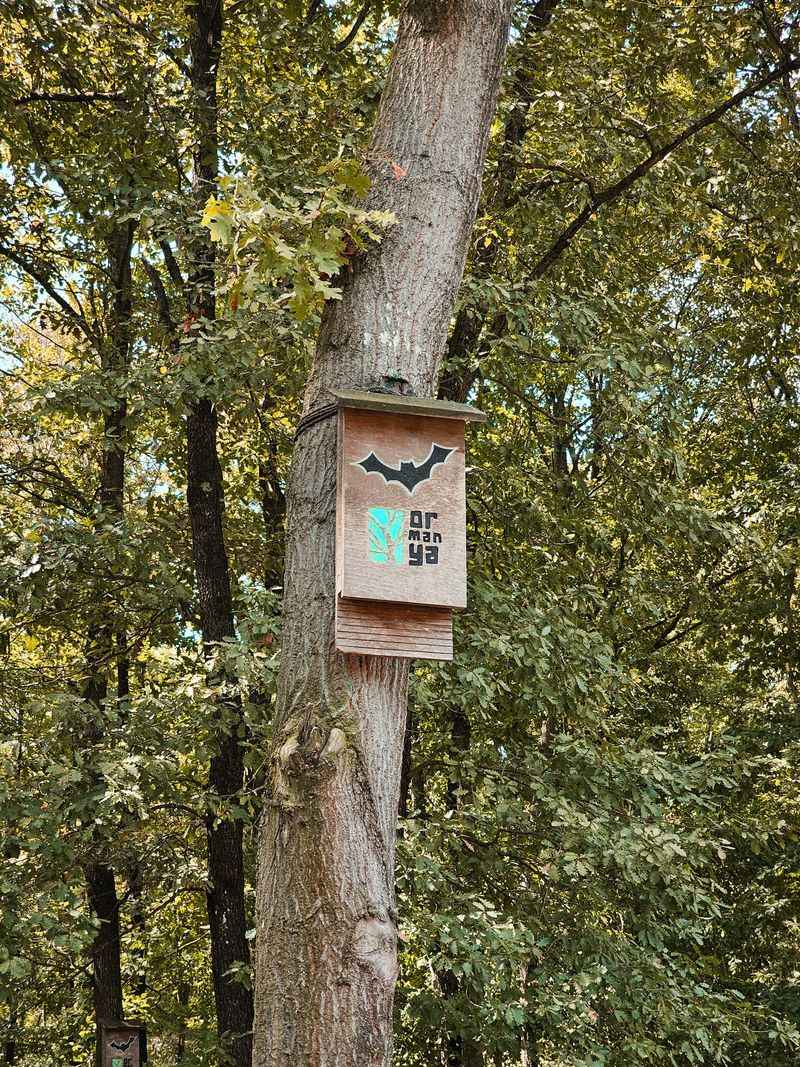
You do not have to choose between a mosquito-free yard and a yard full of cricket sounds. Smarter pest management strategies can target mosquitoes without wiping out everything else.
Bat houses can be a helpful addition to your yard’s ecosystem. Bats do eat mosquitoes among other insects, and they leave crickets and other ground-dwelling species undisturbed.
Eliminating standing water remains one of the most effective mosquito control methods. Mosquitoes breed in as little as a bottle cap of still water, so empty, scrub, and refresh containers weekly.
Mosquito dunks, which contain the bacteria Bacillus thuringiensis israelensis, take out mosquito larvae in standing water. They are highly specific and pose little to no threat to crickets, bees, or other beneficial insects.
Native plantings like joe-pye weed, ironweed, and switchgrass create habitat for crickets while also supporting predator insects that help keep pest populations in check naturally.
Targeted barrier sprays applied only to specific shrubs and hedges where mosquitoes rest reduce overall chemical load significantly. This approach spares the ground-level zones where crickets live and breed.
Citronella candles and oscillating fans on patios create localized mosquito deterrence without any chemical footprint at all. They work well for outdoor gatherings without touching the broader yard ecosystem.
Making a few deliberate swaps in your pest management routine can bring the cricket chorus back without inviting mosquitoes to crash the party.
Bringing The Nighttime Sound Back To Your New Jersey Yard
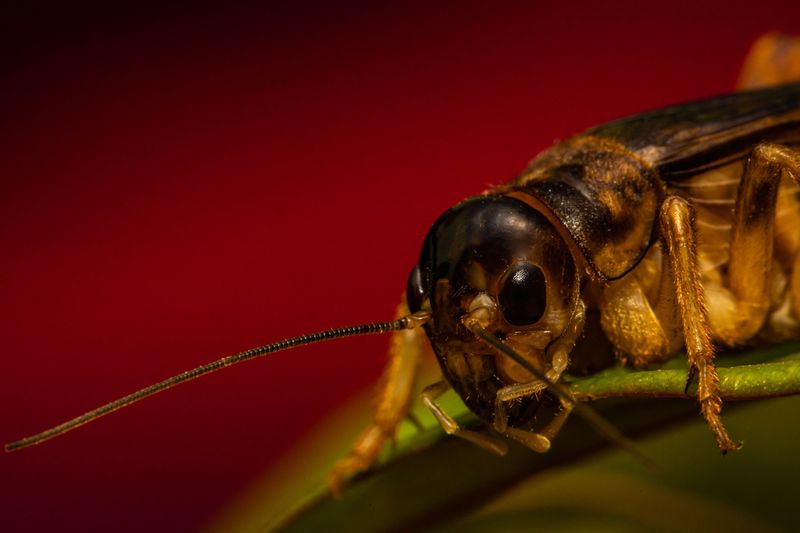
Crickets are not gone forever, and that is a relief for anyone who misses those summer nights. With a few intentional changes, the nighttime chorus can return to your outdoor space.
Start by leaving a strip of unmowed grass or leaf litter along your fence line. Crickets need shelter, and that rough edge of the yard gives them exactly the habitat they are looking for.
Cricket sounds are fading from New Jersey yards at night partly because yards have become too tidy. A perfectly manicured lawn, stripped of debris, leaves crickets with nowhere to hide, nothing to eat, and no reason to stick around.
Add a shallow dish of water near a shaded garden bed. Crickets need moisture, and a reliable water source can encourage them to settle in and stick around through the season.
Talk to your neighbors about reducing spray frequency or switching to lower-impact alternatives. Crickets do not respect property lines, and a treated yard next door affects your yard too.
Plant native ground covers like wild ginger or creeping phlox near borders and shaded edges. These plants create the cool, damp microhabitat that crickets prefer for nesting and laying eggs.
Give the changes at least one full season before judging the results. Insect populations recover slowly, but they do recover when the conditions are right and the pressure is removed.
Cricket sounds returning to your yard at night means the ecosystem is healing, and that is worth every small effort you make.