The Forgotten Pennsylvania Fruit Tree More Backyard Gardeners Are Planting
Most Pennsylvania backyard orchards tell a familiar story. Apples, maybe a pear, a few blueberries if there’s patience for them. Reliable choices that deliver what most people expect.
But there is a native Pennsylvania fruit tree that is quietly gaining serious attention among gardeners who want something more interesting, something with centuries of history in this landscape and a flavor that stops people cold the first time they taste it.
Most Pennsylvanians have never planted it. Many have never encountered it at all.
It grows naturally in Pennsylvania’s river corridors and woodland edges. It requires less intervention than almost any commercial fruit tree.
And the fruit it produces in late summer and early fall is unlike anything available at a grocery store.
Plant American Pawpaw For A Native Backyard Fruit Harvest
Imagine biting into fruit that tastes tropical, yet the tree grew right here in Pennsylvania soil.
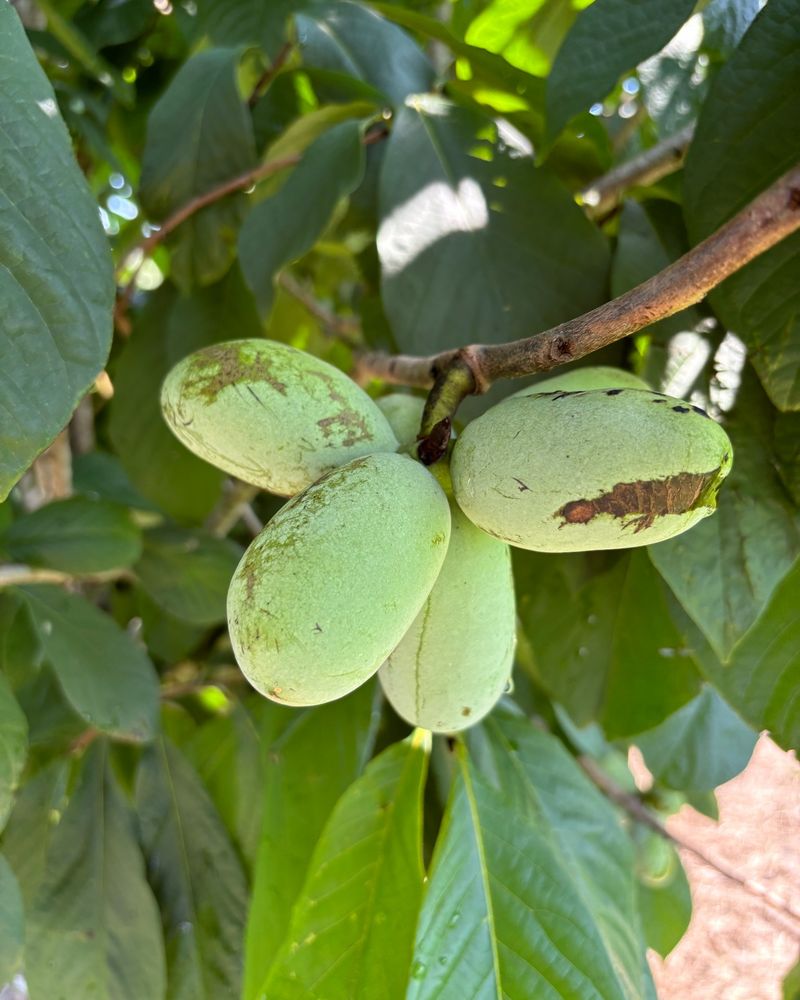
The American pawpaw, known by scientists as Asimina triloba, is the largest edible fruit native to North America.
Long before grocery stores existed, Native Americans and early settlers enjoyed pawpaws straight from the forest. The trees grew along rivers and shady hillsides across the state.
What makes pawpaw so special is its flavor. The soft inside tastes like a blend of banana, mango, and creamy custard.
People often say it feels like eating a tropical dessert, even though the tree handles cold Pennsylvania winters just fine.
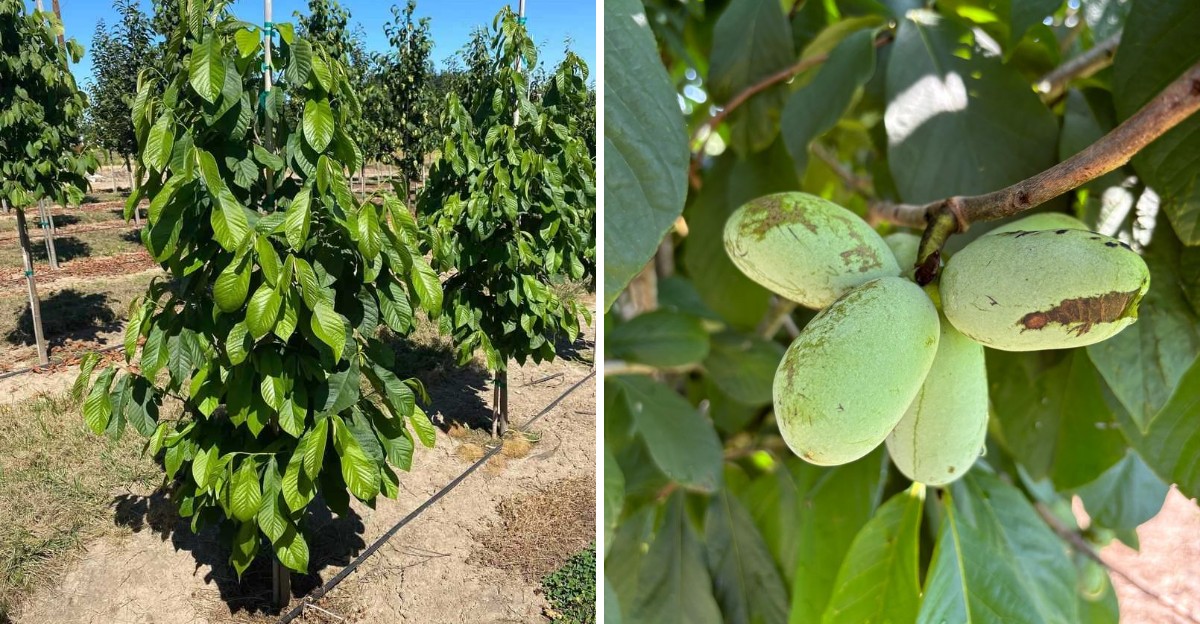
Pawpaw trees have a graceful, almost tropical look. Their large green leaves droop downward and can grow nearly a foot long. In fall, those leaves turn a warm golden yellow that brightens any yard.
The tree stays small enough for most backyards, usually reaching between fifteen and twenty-five feet tall.
That size makes it easy to fit near a fence, along a property edge, or in a shady corner where other fruit trees might struggle.
Growing pawpaw connects you to Pennsylvania’s natural history. You are planting something that belongs here, not an import from another continent.
For gardeners who want fresh fruit but feel tired of pests and constant spraying, pawpaw offers a refreshing change.
It grows naturally in our region and asks for very little once it settles in. That combination of unique fruit and native roots is exactly why so many people are giving it a try.
Why Pawpaw Is Making A Backyard Comeback
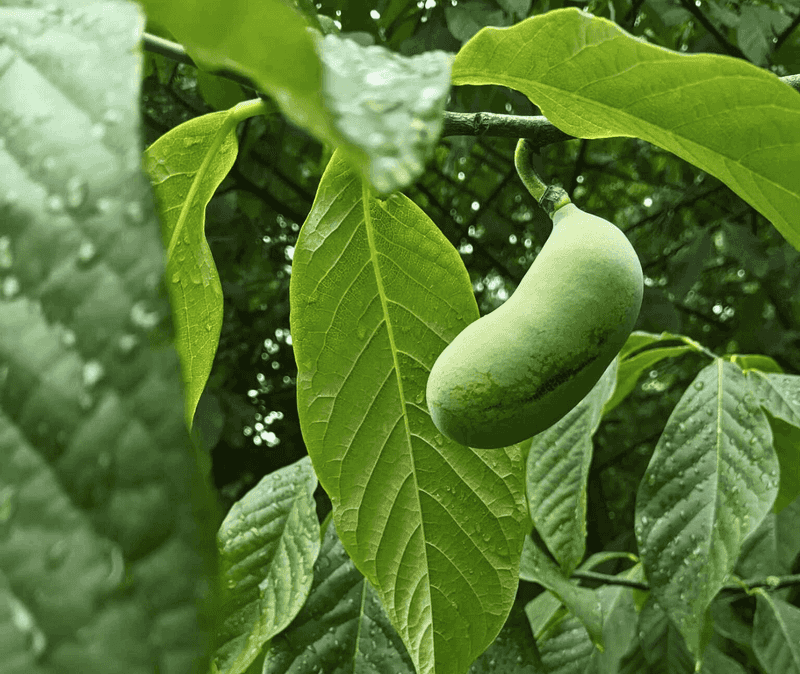
For decades, pawpaw sat forgotten while apples and peaches ruled the backyard. Now the tide is turning, and gardeners across Pennsylvania are rediscovering this hidden gem.
One big reason is the growing interest in native plants. People want trees that belong to their region and support local nature. Pawpaw fits that goal perfectly since it evolved right here.
Another draw is how little trouble the tree causes. Pawpaw rarely deals with the pests and diseases that plague apple and peach trees. That means less spraying, less worry, and fewer weekends spent fighting bugs.
Gardeners also love the idea of growing something rare. You cannot buy fresh pawpaw at most grocery stores because the fruit bruises easily and does not ship well. Growing your own is often the only way to taste it.
Your Pennsylvania Garden Changes Every Week. Your Plan Should Too.
Gardening in Pennsylvania changes quickly throughout the season. Every Friday you’ll receive a simple weekly plan showing exactly what to plant, prune, fertilize, harvest, and protect so you never miss the right timing.
The rise of home food gardening has helped too. Many families started planting fruit and vegetables to enjoy fresh, homegrown food. Pawpaw offers a fun and unusual addition to that mix.
Social media has played a surprising role as well. Photos and videos of the creamy tropical fruit spread curiosity fast. Once people hear it grows in cold climates, they want one of their own.
Local nurseries and orchards have noticed the demand. More places now sell young pawpaw trees than they did ten years ago.
There is also a sense of pride in reviving something old. By planting pawpaw, gardeners keep a piece of Pennsylvania’s past alive.
That mix of history, flavor, and easy care explains why this forgotten tree is finally getting its moment.
The Strange Fruit Hidden Inside This Native Tree
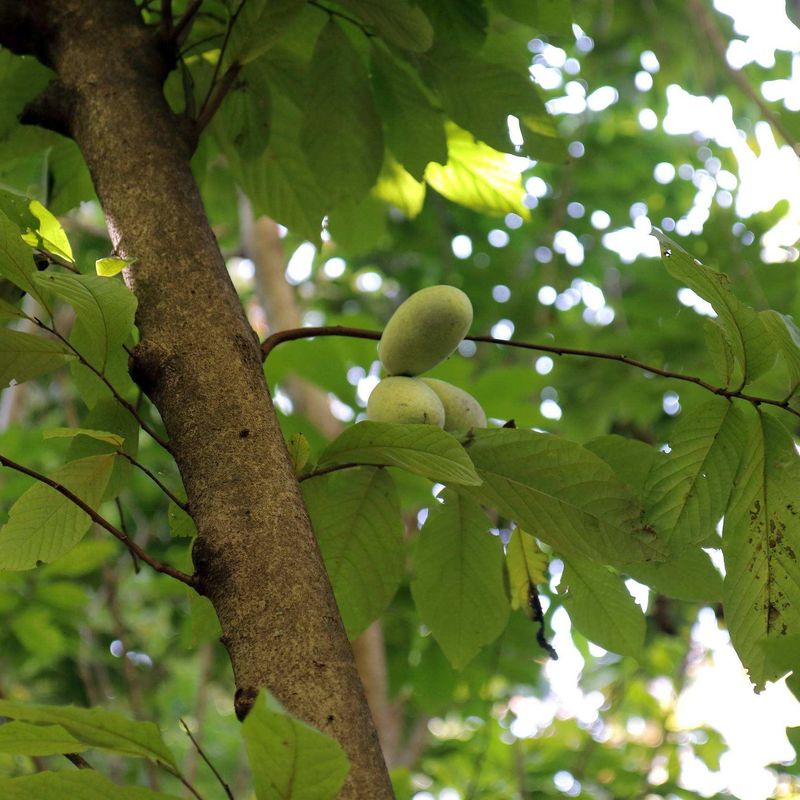
Crack open a ripe pawpaw and you will find a surprise inside. The flesh is soft, creamy, and pale yellow, almost like pudding scooped from a shell.
The fruit itself looks a bit like a small green mango or a large kidney bean. It grows in clusters and can weigh up to a pound, though most are smaller.
When you take a bite, the flavor really stands out. It tastes like a mix of banana, mango, and vanilla custard, with a smooth texture that melts in your mouth. Nothing else in a typical backyard comes close.
Inside, you will find several large brown seeds. These are not for eating, so you simply spoon around them or spit them out, much like you would with a watermelon.
Timing matters with pawpaw. The fruit usually ripens in late summer and early fall, often from late August into October depending on the weather.
You can tell it is ready when the fruit softens slightly and gives a little when you press it, similar to a ripe peach. Some fruit even falls gently to the ground when perfectly ripe.
Unlike apples, pawpaw does not store for long. Once picked and ripe, it lasts only a few days at room temperature or about a week in the fridge.
That short shelf life is exactly why it stays so rare in stores. Most people enjoy it fresh, right off the tree, or blended into smoothies, ice cream, and bread.
Tasting one for the first time feels like discovering a secret hiding in plain sight, right in your own yard.
Give Pawpaw The Right Growing Conditions
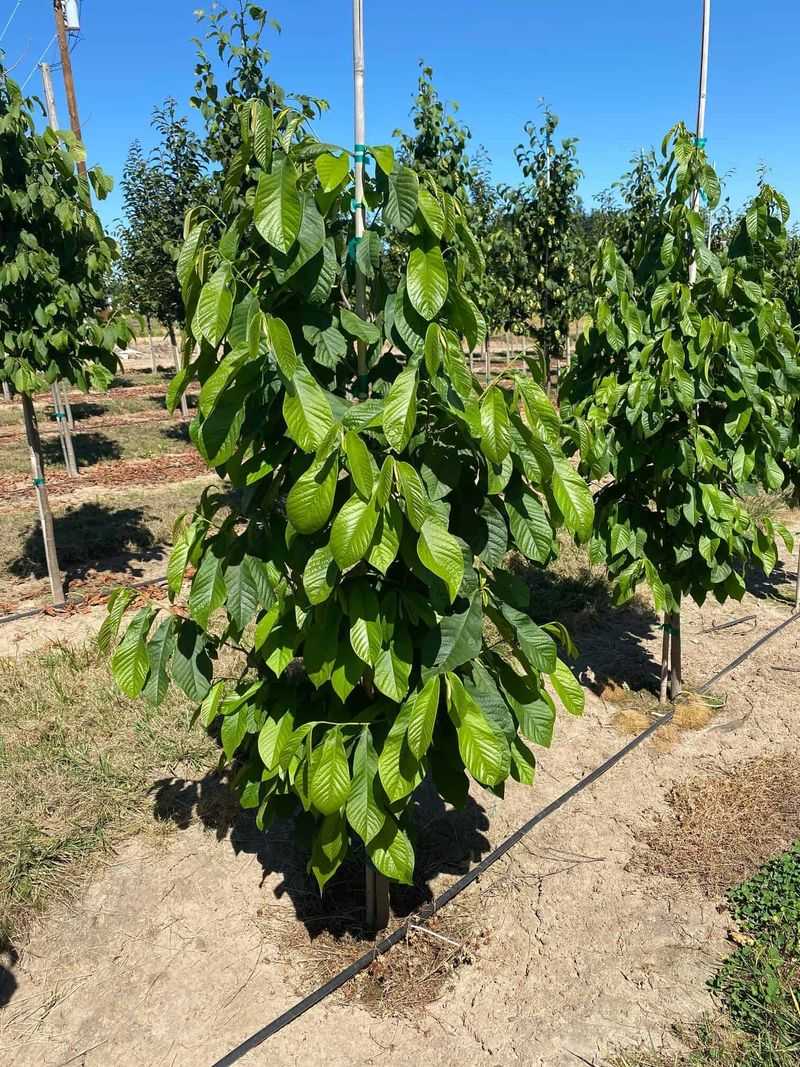
Getting a pawpaw started takes a little know-how, but the rewards are worth it. This tree has some clear preferences that come straight from its life in the wild.
In nature, pawpaw grows along streams and in shady bottomlands. That tells you it loves soil that stays moist but still drains well.
Rich, fertile soil makes pawpaw happy. Mixing compost into the planting hole gives young roots the nutrients they need to grow strong. Soil that stays a little damp, without turning into a swamp, works best.
Young pawpaw trees are a bit shy about sunlight. In their first year or two, they actually prefer partial shade, which mimics the cover of a forest floor where seedlings usually sprout.
You can provide that shade with a simple cloth cover, taller plants nearby, or by planting the tree where it gets morning sun and afternoon shade. Once the tree matures, it welcomes more sunshine and produces better fruit.
Protection matters during those early years. Harsh wind, hot afternoon sun, and dry spells can stress a young pawpaw. Regular watering during dry weeks helps a lot.
A layer of mulch around the base keeps the soil moist and cool. Just keep the mulch a few inches away from the trunk so it does not trap too much moisture there.
Patience is key with this tree. Pawpaws grow slowly at first while they build a deep root system underground.
Once they settle in, though, they become tough and low-maintenance. Give them the right start, and they will thank you for years with steady growth and eventually fruit.
How Pawpaw Supports Pennsylvania Wildlife
Planting a pawpaw does more than feed your family. It also gives back to the wild creatures that share your neighborhood.
Perhaps the most famous friend of the pawpaw is the zebra swallowtail butterfly. This striking black and white butterfly lays its eggs only on pawpaw leaves.
Without pawpaw trees, zebra swallowtails would have nowhere to raise their young. The caterpillars munch on the leaves, which contain natural compounds that keep them safe from hungry birds.
Many animals enjoy the ripe fruit too. Raccoons, opossums, foxes, and squirrels all feast on pawpaws when the fruit softens and falls in autumn.
By spreading the seeds through the forest, these animals help new pawpaw trees sprout in fresh places. It is a natural partnership that has worked for thousands of years.
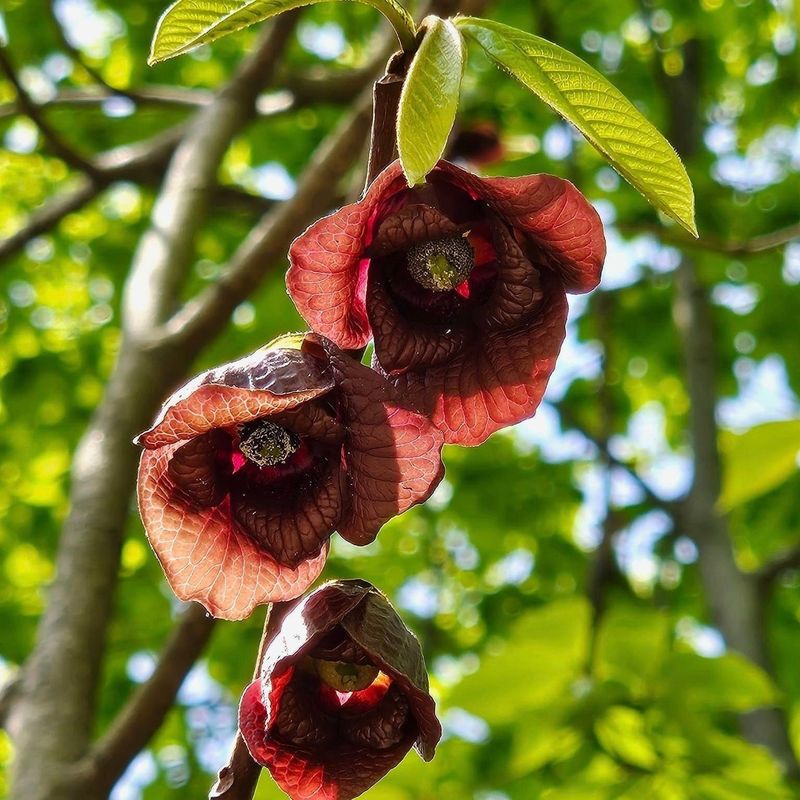
The tree’s flowers add another interesting twist. Instead of relying on bees, pawpaw blooms attract flies and beetles.
The dark red flowers even give off a faint scent that draws these unusual pollinators in. It is a reminder that nature has many clever ways to keep plants growing.
Adding pawpaw to your yard builds a small piece of native habitat. Every native tree helps support the web of life that many imported plants simply cannot.
For gardeners who care about bees, butterflies, and local wildlife, this tree checks a lot of boxes. You get fruit for yourself and a living space for creatures that truly belong here.
Watching a zebra swallowtail flutter around your pawpaw tree feels like a special reward. It shows your backyard is doing its part for Pennsylvania nature.
Add Pawpaw To A Long-Term Backyard Food Garden
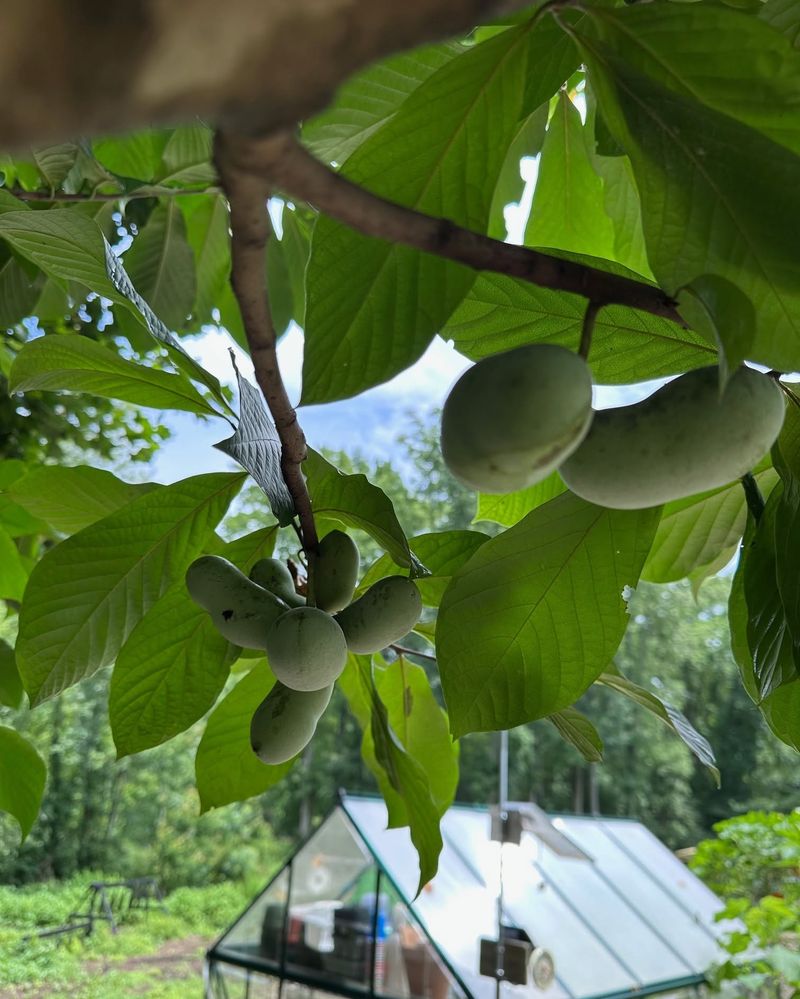
Think of pawpaw as a long-term investment for your yard and your taste buds. This tree fits beautifully into a food garden built to feed your family for years.
Choosing the right spot is the first step. Pick a location with fertile, moist soil, some early shade, and enough room for the tree to spread as it grows.
Here is one important tip that surprises many new growers. Pawpaws usually need a partner to make fruit.
Most pawpaw trees cannot pollinate themselves well, so planting at least two different trees nearby leads to a much better harvest. Space them close enough that pollinators can travel between the blossoms.
Patience pays off with this tree. A young pawpaw often takes about five to seven years before it produces its first fruit.
That wait may sound long, but the tree keeps giving for decades once it starts. Planting now means future autumns filled with sweet, homegrown fruit.
Pawpaw pairs nicely with other parts of a food garden. You can grow vegetables in the sunny spaces while the pawpaw fills a shadier corner.
Because it needs so little spraying, it fits well with organic and natural gardening styles. Many families like knowing their fruit grew without harsh chemicals.
Keep an eye on the tree during dry summers and give it water when needed. Beyond that, mature pawpaws mostly take care of themselves.
Adding this forgotten native to your garden is a choice you will enjoy for a long time. Year by year, it rewards your patience with fruit you simply cannot buy anywhere else.