8 Signs Your Georgia Garden Soil Is Struggling During Summer
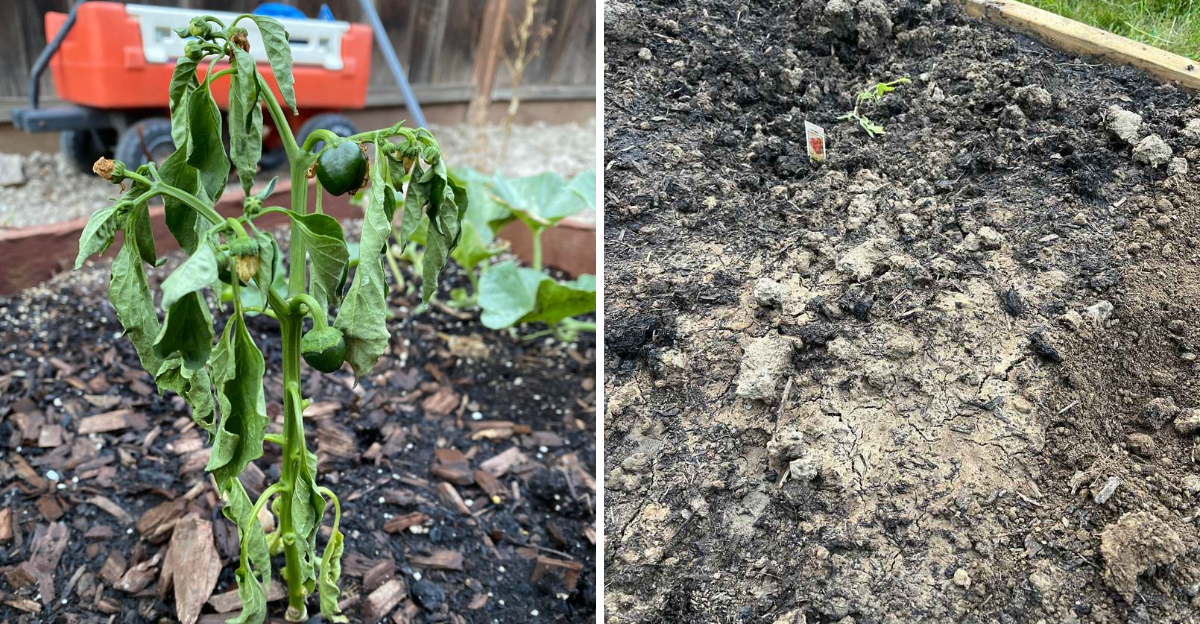
The soil might look fine on the surface, but underneath, it could be losing the battle against heat, drought, and compaction.
Georgia summers are brutal, with scorching temperatures, heavy rainstorms, and stretches of dry days that can push even healthy soil to its limits.
Knowing what to watch for can mean the difference between a thriving garden and one that barely survives the season.
Georgia’s clay-heavy soils are especially vulnerable to summer stress.
They can go from soggy to rock-hard in just a few days, making it tough for roots to breathe, drink, or grow.
Pay attention to how your soil looks, feels, and behaves after watering or rain. The clues are right there in your beds, waiting to be noticed.
Understanding these warning signs early gives you a real shot at turning things around before the season slips away.
1. Water Runs Off Too Quickly
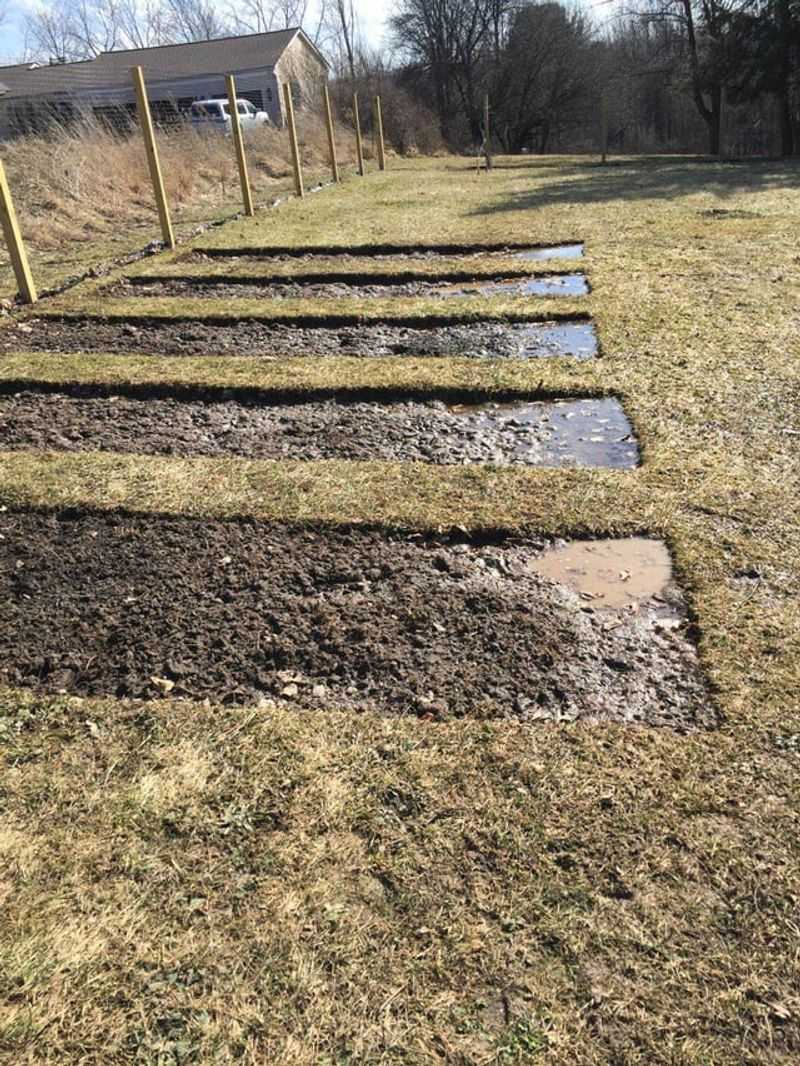
Pouring water onto a garden bed and watching it slide right off like it hit a parking lot is not normal.
It is one of the clearest signs your soil is in trouble. When water cannot soak in, your plants are not getting what they need, no matter how often you water.
Compacted soil is the usual suspect.
Georgia’s clay soils compact easily, especially when walked on or hit repeatedly by heavy rain or irrigation. Over time, the soil particles press together so tightly that water has nowhere to go.
Compacted soil reduces water infiltration significantly, meaning most of your irrigation effort is wasted before it ever reaches a root.
Summer heat makes this worse.
When clay soil dries out fast between waterings, it can form a crust on top that repels moisture instead of absorbing it. You might notice the water pooling briefly before rolling off toward the edges of your bed.
Breaking up compaction starts with a simple soil fork or broadfork, working the top six to eight inches without overworking the soil.
Adding compost improves soil structure over time, creating tiny air pockets that let water move through more freely.
Mulching the surface with two to three inches of organic material slows evaporation and softens the impact of irrigation, giving water a better chance to penetrate.
Check your beds after the next watering and watch how fast the water disappears. That observation alone tells you a lot about what is happening underneath.
2. Puddles Stay After Heavy Rain
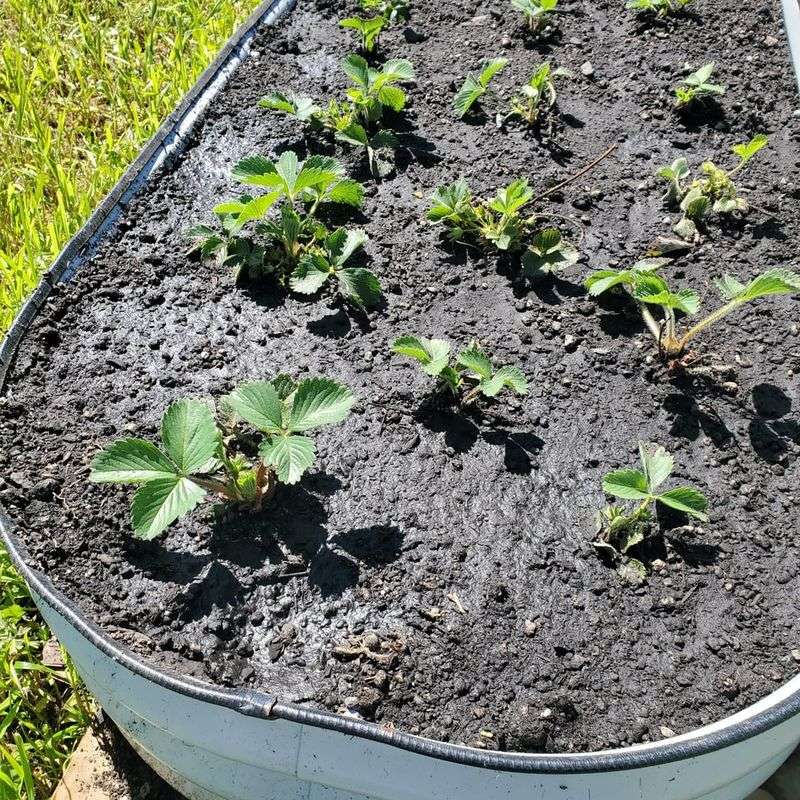
After a big summer storm rolls through Georgia, a few puddles on the lawn are expected.
But when those puddles are still sitting in your garden beds an hour or two later, that is your soil sending a distress signal. Healthy soil drains well enough to absorb rainfall within a reasonable time.
Poorly draining soil creates a low-oxygen environment around plant roots.
Roots need air just as much as they need water. When the soil stays waterlogged, oxygen gets pushed out of the tiny pore spaces that roots depend on.
Prolonged standing water can suffocate roots and invite fungal problems that spread quickly in warm, wet conditions.
Your Georgia Garden Changes Every Week. Your Plan Should Too.
Gardening in Georgia changes quickly throughout the season. Every Friday you’ll receive a simple weekly plan showing exactly what to plant, prune, fertilize, harvest, and protect so you never miss the right timing.
Georgia’s red clay is notorious for this problem.
It holds water stubbornly, especially when the subsoil layer is dense and compacted. Even if your topsoil looks loose, a hardpan layer just a few inches down can act like a bathtub, trapping water with nowhere to go.
Raised beds are one of the most effective solutions because they physically lift the root zone above the problem.
Working organic matter like aged compost into the soil helps break up clay and improve drainage naturally over one or two seasons.
For severe drainage issues, consider perforated drain tile or relocating the garden to a naturally higher spot in the yard.
Start by digging a small test hole after rain to see how fast it empties. That simple test reveals more than most expensive gadgets ever will.
3. Plants Wilt Soon After Watering
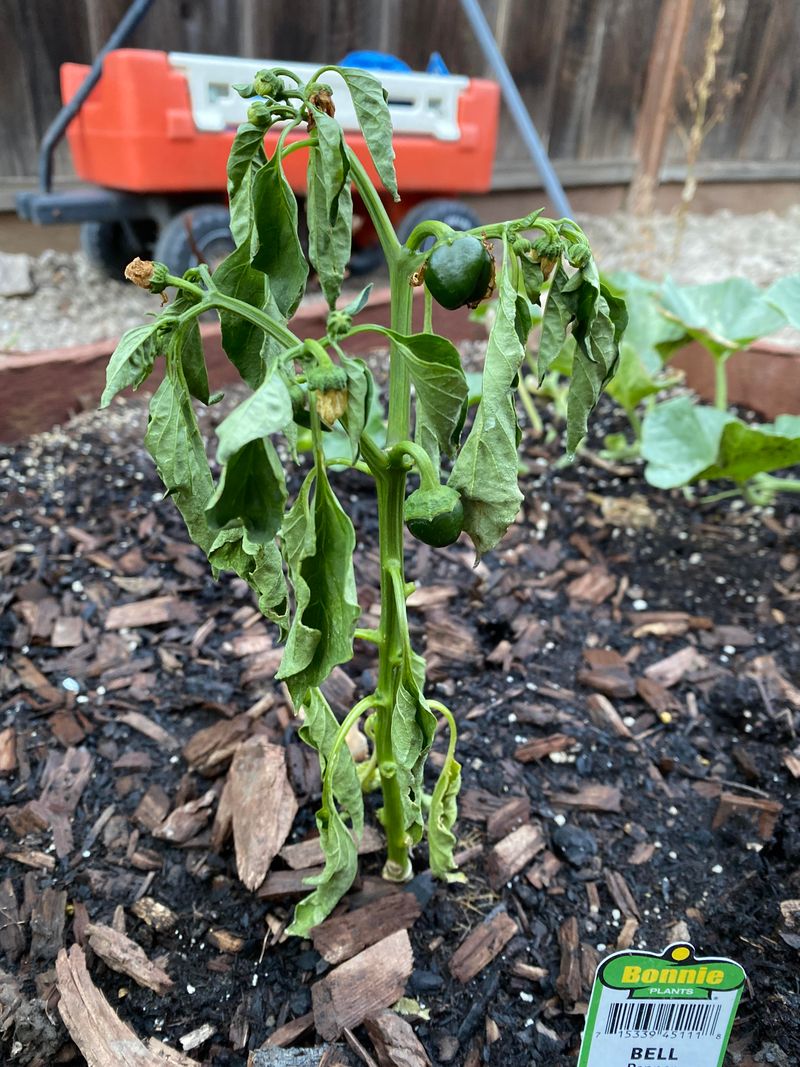
Watering the garden and then watching plants droop anyway is one of the most frustrating things a gardener can experience.
It feels like nothing you do is working. But the problem usually is not the amount of water. It is where that water is actually going and whether roots can reach it.
Shallow watering is a common cause.
When you water lightly and frequently, roots have no reason to grow deep. They stay near the surface, where summer heat dries the soil out in hours.
Those shallow roots cannot access the cooler, moister soil deeper down, so plants wilt fast when surface moisture disappears.
Poor soil structure plays a big role too.
Compacted or sandy soil cannot hold moisture long enough for roots to absorb it between waterings. In Georgia’s heat, soil temperatures in the top few inches can climb high enough to stress roots directly, even when moisture is technically present.
Check soil moisture about two inches below the surface before watering again.
If it still feels damp, wilting may be a sign of root stress rather than drought. Try watering in the early morning so plants can absorb moisture before afternoon heat peaks.
Improving soil with compost increases its water-holding capacity, giving roots a longer window to drink.
Consistent deep watering trains roots to grow where the soil stays cooler and more stable. That single habit change can transform how your plants handle Georgia’s summer heat.
4. Leaves Show Odd Yellow Patterns
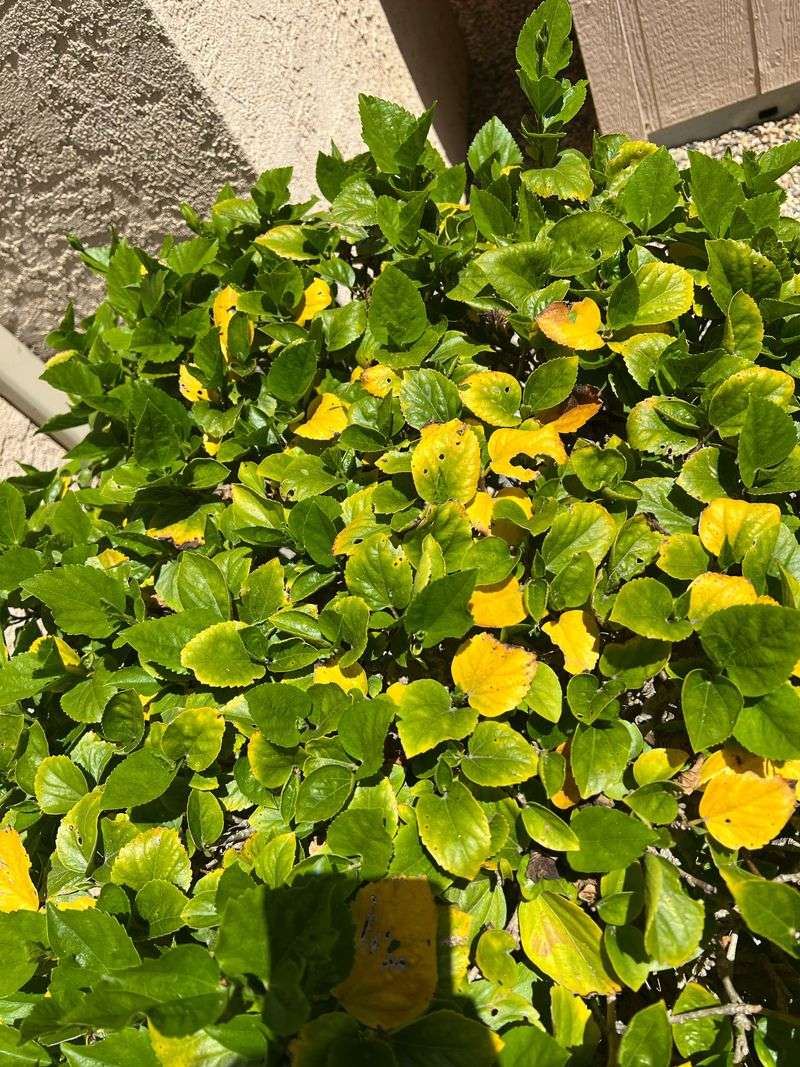
Yellow leaves are not always a watering problem.
Sometimes the soil itself is trying to tell you something much more specific. The pattern of yellowing, where it starts, which leaves are affected, and what color the veins stay, can point directly to which nutrient your soil is running low on.
Nitrogen deficiency usually shows up as a general pale yellowing that starts on the oldest, lowest leaves first.
Iron and manganese deficiencies cause something called interveinal chlorosis, where the leaf tissue between the veins turns yellow while the veins themselves stay green.
These patterns are clues, and learning to read them saves you from guessing and wasting money on the wrong fertilizer.
Georgia soils can become nutrient-deficient for several reasons in summer.
Heavy rain leaches nitrogen and potassium out of the soil quickly. High soil pH, which is common in some Georgia regions, locks up iron and manganese so roots cannot absorb them even when those nutrients are physically present.
A soil test is strongly recommended before adding any amendments, because adding the wrong nutrient can actually make things worse.
Soil tests through the UGA Extension are affordable and incredibly specific.
They tell you exactly what is missing and in what amount. Once you know your soil’s pH and nutrient levels, you can correct problems with targeted amendments rather than guessing.
Odd yellow patterns are your garden’s way of asking for help. Listen closely, test the soil, and respond with the right fix.
5. Soil Crusts Into A Hard Surface
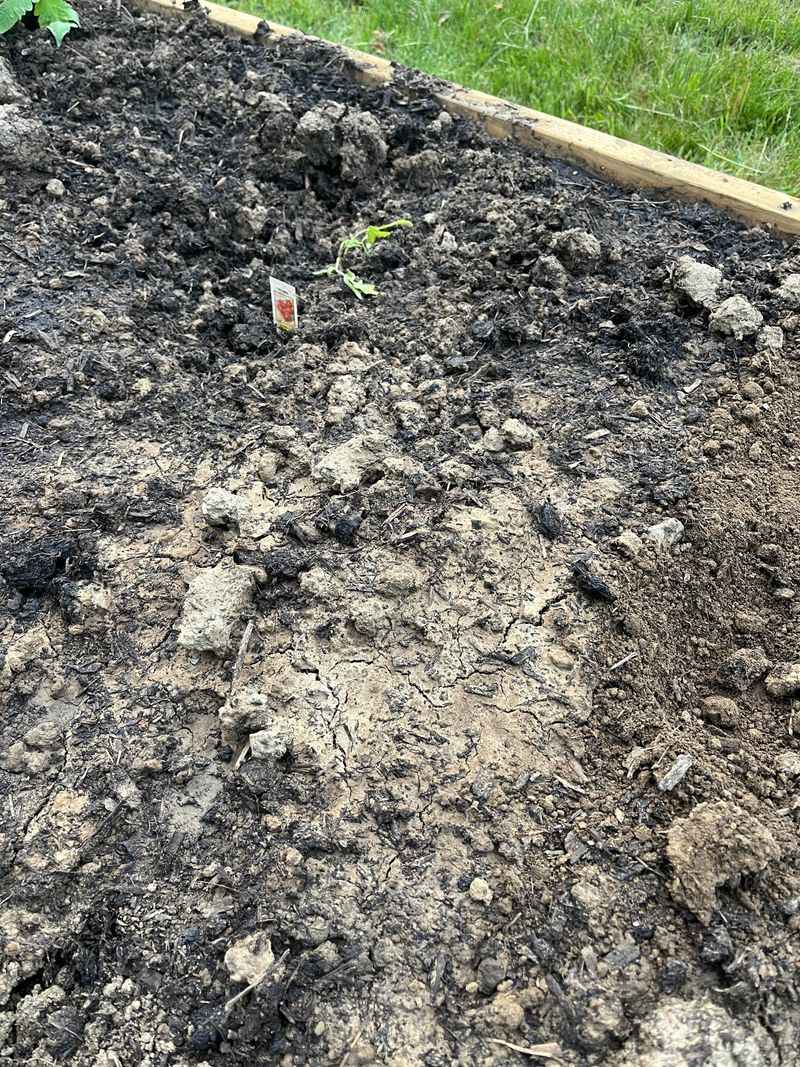
Run your hand across your garden bed on a hot July afternoon and notice what you feel.
If the surface feels like dried concrete instead of soft, crumbly earth, your soil has crusted over. This is a common summer problem in Georgia, especially in beds with heavy clay content or low organic matter.
Soil crusting happens when the surface dries out rapidly after rain or irrigation.
As water evaporates, fine soil particles pack together and form a rigid seal. This seal blocks air exchange, prevents new seeds from germinating, and makes it harder for rainwater to soak in the next time.
It is a self-reinforcing problem because crusted soil sheds water, which leads to more drying, which leads to more crusting.
Irrigation style matters here.
Overhead sprinklers that hit bare soil with force can dislodge particles and speed up crust formation. Drip irrigation or soaker hoses deliver water gently and directly to the root zone without disturbing the surface.
Mulch is the single best defense against soil crusting.
A two to three inch layer of straw, wood chips, or shredded leaves keeps the surface shaded, moist, and cool. It also protects against the physical impact of rain and sprinklers.
If crusting has already set in, gently scratch the surface with a hand cultivator to break up the crust before watering.
Then apply mulch immediately to prevent it from forming again. Your soil will thank you in ways that show up directly in how your plants look the following week.
6. Roots Stay Shallow And Weak
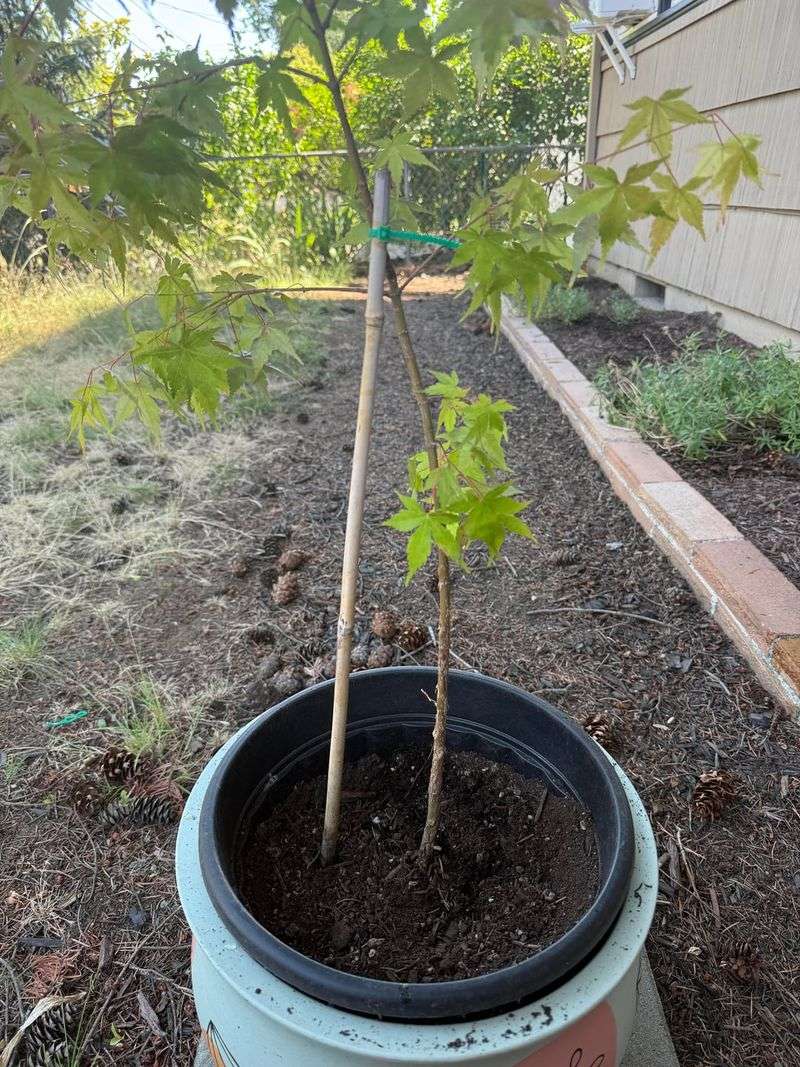
Healthy roots should reach down six, eight, even twelve inches or more depending on the plant.
When you pull up a struggling plant and see a tiny, tangled root ball barely two inches deep, that tells you something is blocking growth underground. Shallow, weak roots are both a symptom and a cause of soil problems.
Compaction is the most common culprit.
Georgia clay soils can become so dense that roots simply cannot push through. They spread sideways near the surface instead of growing down, which makes plants vulnerable to heat and drought.
Surface-level roots are the first to suffer when summer temperatures spike and the top inch of soil turns completely dry.
Inconsistent watering habits also keep roots shallow.
Light, frequent watering teaches roots to stay near the surface where moisture appears regularly. Deep, infrequent watering forces roots to follow moisture downward into cooler, more stable soil layers.
Proper watering technique has a direct impact on root depth and overall plant resilience, and this is one of those things that makes an immediate visible difference.
Improving soil depth is a longer-term fix but worth the effort.
Break up compaction with a broadfork or garden fork, working at least eight inches deep. Incorporate generous amounts of compost to loosen structure and feed soil organisms that naturally improve tilth over time.
Avoid walking on garden beds, which compresses soil and undoes your work.
Consider using permanent pathways between beds so the growing area stays loose and root-friendly all season long.
7. Beds Feel Powdery And Lifeless
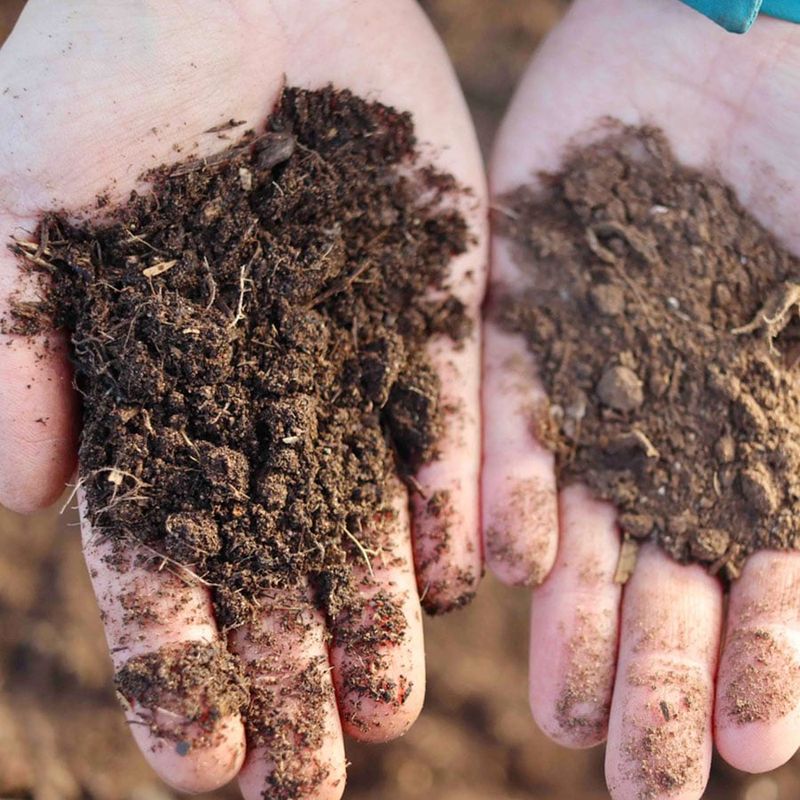
Pick up a handful of your garden soil right now.
Does it feel crumbly and rich, or does it sift through your fingers like dry flour? Soil that feels powdery and lifeless has likely lost most of its organic matter, and that is a serious problem for any summer garden trying to survive Georgia’s heat.
Organic matter is the backbone of healthy soil.
It feeds beneficial microbes, holds moisture, improves structure, and provides a slow release of nutrients. When organic matter levels drop, soil loses its ability to do any of those things well.
Sandy soils in Georgia naturally have low organic matter, but even clay-heavy soils can become depleted after years of heavy planting without replenishment.
Summer heat speeds up organic matter breakdown.
Microbial activity increases in warm soil, burning through available organic material faster than it can be replaced.
Without regular additions of compost or other organic amendments, beds gradually become dry, dusty, and unable to support strong plant growth.
A powdery texture is often accompanied by poor water retention and a noticeable drop in plant vigor.
Rebuilding organic matter takes consistent effort.
Top-dress beds with one to two inches of finished compost each season, working it gently into the top few inches of soil. Avoid leaving beds bare in summer.
Cover crops or a thick layer of mulch protect the soil surface and feed organisms below.
Targeting organic matter levels of at least three to five percent gives productive garden soil the foundation it needs to perform through even the hardest Georgia summers.
8. Vegetables Slow Down In Heat
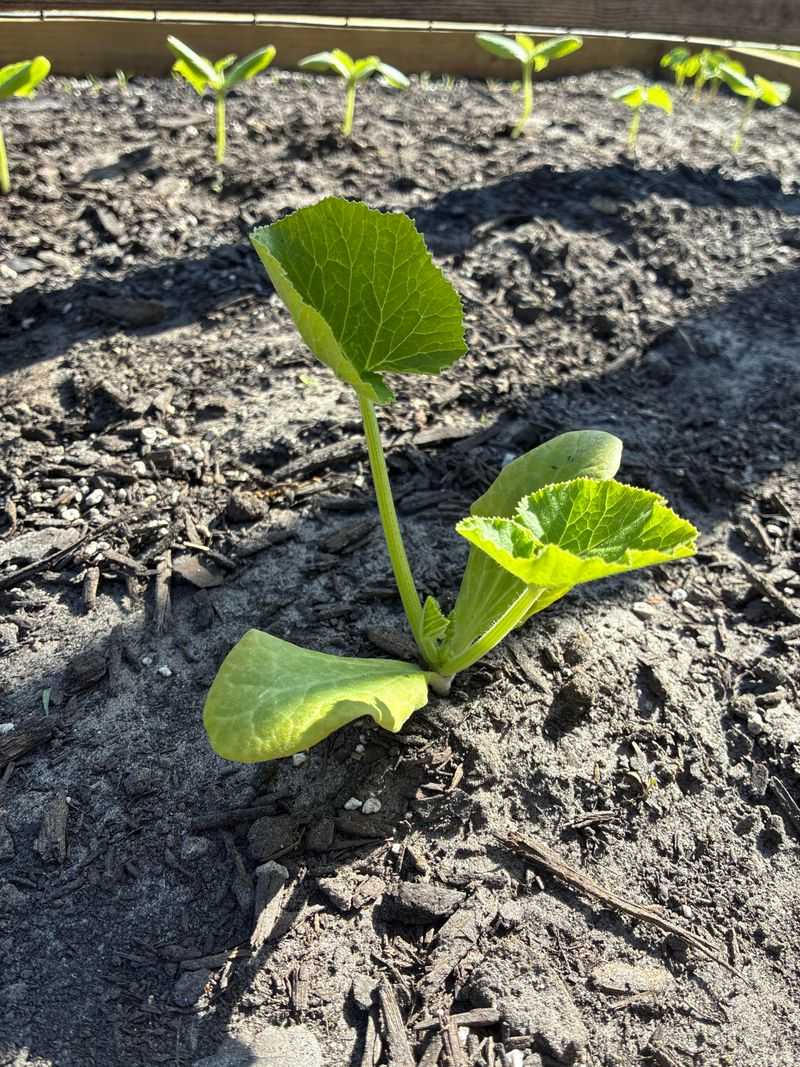
Almost every Georgia gardener knows that summer vegetables have their limits.
Tomatoes drop blossoms when temperatures climb too high. Squash production stalls. Peppers just sit there looking miserable.
Some of this is normal heat stress on the plant itself, but when the soil underneath is struggling too, the slowdown gets much worse.
Hot, stressed soil compounds the problem in ways that are easy to overlook.
When soil temperature in the top few inches climbs above 85 degrees Fahrenheit, many beneficial soil microbes slow their activity dramatically. Nutrient cycling slows down. Nitrogen becomes less available.
Roots operating in overheated soil have a harder time absorbing water and minerals, even when both are present in adequate amounts.
Georgia’s dark clay soils absorb and hold heat efficiently, which sounds useful in spring but becomes a liability in July and August.
Bare soil can reach temperatures well above the air temperature on a sunny afternoon. Those temperatures stress roots from below while the sun stresses leaves from above.
Mulching alone can reduce soil temperatures by ten degrees or more, which makes a measurable difference in plant performance.
Apply mulch generously around plants, keeping it a few inches away from stems to prevent rot.
Shade cloth over raised beds can also reduce soil heating during peak afternoon hours.
When soil stress and heat stress stack up together, vegetables simply cannot perform. Addressing the soil side of the equation gives your plants a real fighting chance through the toughest weeks of summer.
Get a soil test this season and start building better ground for next year.