The Grass-Cutting Mistake That Weakens Your Lawn
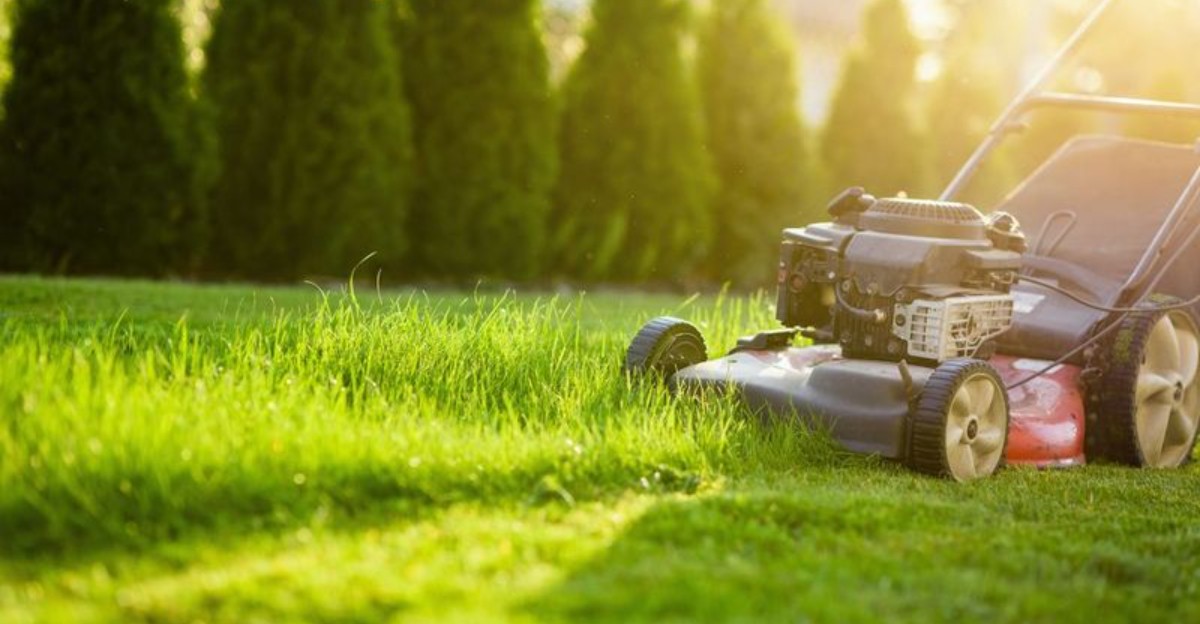
Saturday morning smells like gasoline, strong coffee, and fresh clippings blowing sideways across the warm driveway. The mower roars, the stripes line up neatly, and for one glorious hour everything looks truly professional.
By Thursday, that same green carpet somehow looks tired, pale, and oddly patchy near the front walkway. Weeds show up uninvited, the soil bakes hard, and your innocent sprinkler suddenly gets blamed for everything.
Most homeowners point fingers at weather, bad seed, or that discount fertilizer bag from the hardware store. The actual troublemaker hides in one small setting that nobody bothers to check twice each season.
September has a sneaky talent for exposing every shortcut taken back in June, July, and August. Your lawn kept receipts all summer long, and it apparently accepts payment in bare brown dirt.
The One-Third Rule And The Roots It Protects
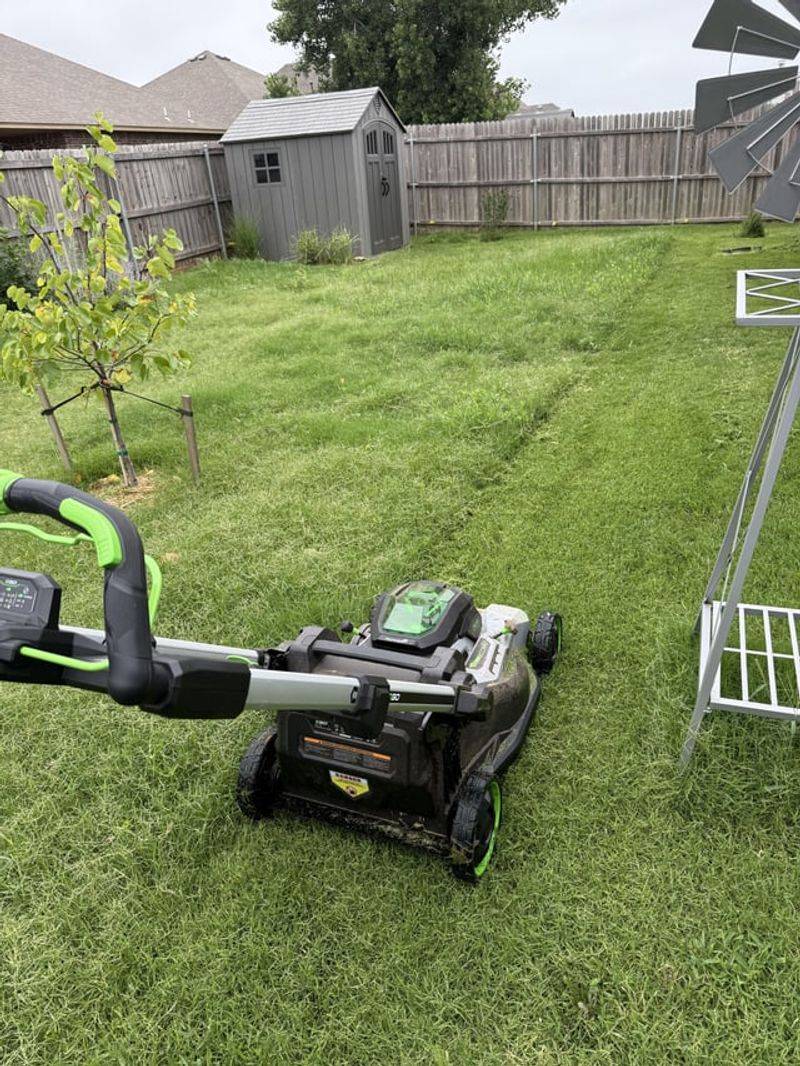
Cutting off more than a third of the grass blade in one pass starves the plant. Roots shrink within days, because leaves are the food factory feeding everything below ground.
Grass stores energy in its blades, so removing too much at once forces emergency rebuilding. The plant pulls sugars from its roots, and those roots shorten to match the shorter top.
Shallow roots reach less water, which means your lawn wilts faster during a dry stretch. Deep roots, by contrast, chase moisture several inches farther down without asking you for extra water.
The one-third rule sounds fussy, yet it simply keeps that food factory running without interruption. Mow a four-inch lawn down to three inches, not down to one and a half.
Turf specialists at several universities repeat this guideline because the science behind it stays consistent. A too-short cut recovers slowly, while properly trimmed grass barely notices the haircut the following morning.
Tall blades also shade the soil surface, keeping ground temperatures cooler and holding moisture much longer. Weed seeds sitting in that shade get far less sunlight, so fewer of them sprout.
Following the rule occasionally means mowing twice in one week during fast spring growth. That extra pass costs twenty minutes, while repairing a weakened lawn can cost an entire season.
Set a reminder on your phone if growth speeds up after a rainy week. Your grass will not send a thank-you note, though the color change says plenty.
September Conditions That Make A Short Cut Worse
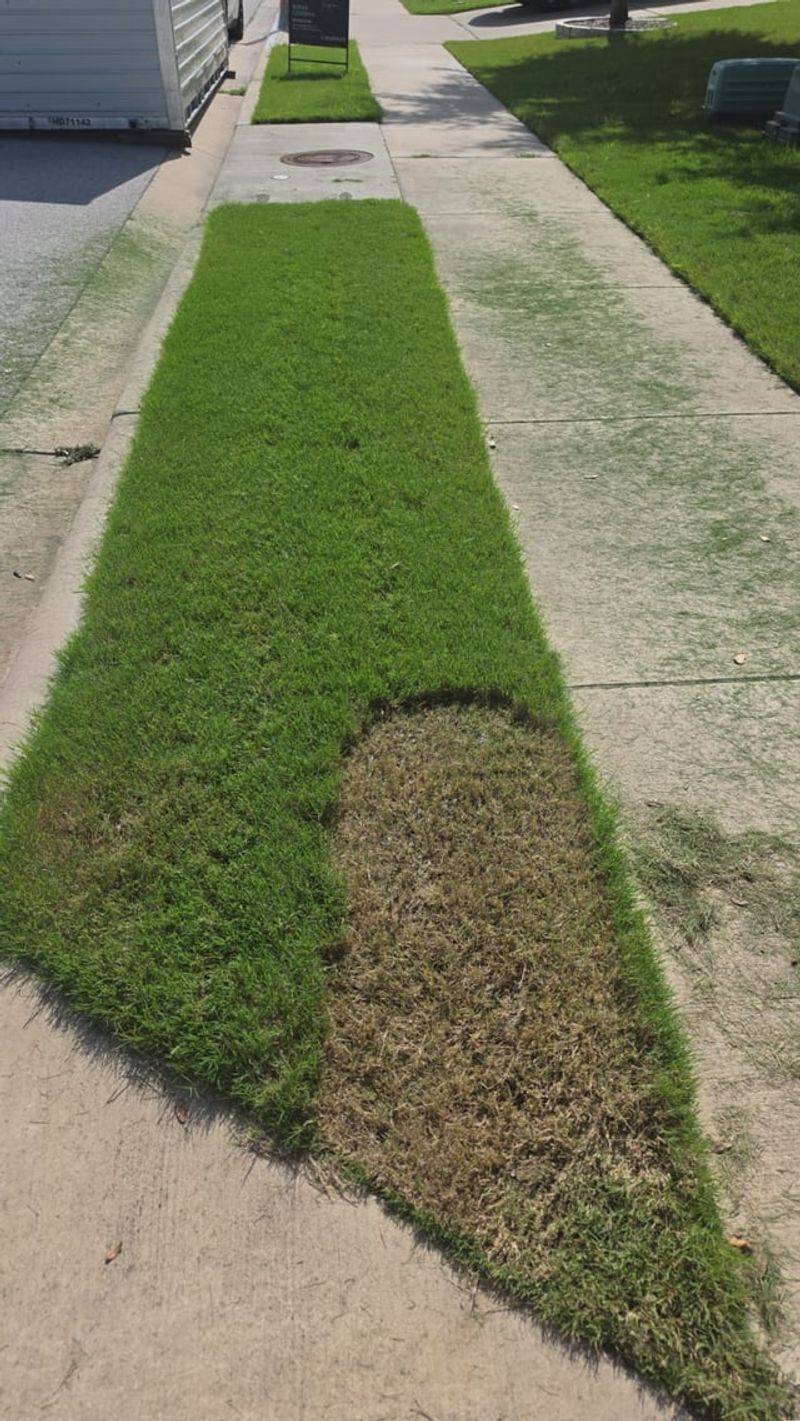
Autumn lawns look calm on the surface, yet roots underneath are working their hardest shift. Cool-season grasses spend September storing energy for winter, and short cuts interrupt that storage plan badly.
Daylight shrinks by a couple of minutes every single day throughout the whole month. Less sunlight means every blade works harder, so removing blade surface hurts far more right now.
Summer already taxed your turf with heat, foot traffic, and long stretches without much rain. A close cut in September stacks fresh stress onto plants that have barely finished recovering.
Soil temperatures near sixty degrees encourage rapid root growth, which is the season’s greatest gift. Roots expand only when top growth has enough leaf surface to feed them properly.
Morning dew lingers much longer now, and damp grass rips rather than slicing cleanly apart. Ragged-edged blades brown at the tips, giving the entire yard a dull, washed-out appearance.
Fallen leaves add another layer of shade, blocking sunlight from grass already cut too short. Mulching those leaves helps, though grass still needs its own height to catch remaining light.
Frost arrives earlier than many people expect across northern regions during late September evenings. Short turf chills faster, because less plant tissue buffers the crown sitting near the soil.
Holding mower height steady through fall is one of the cheapest favors you can offer. Your mower gets an easier job, and your lawn enters winter with real reserves stored.
Mower Height Settings Most People Get Wrong
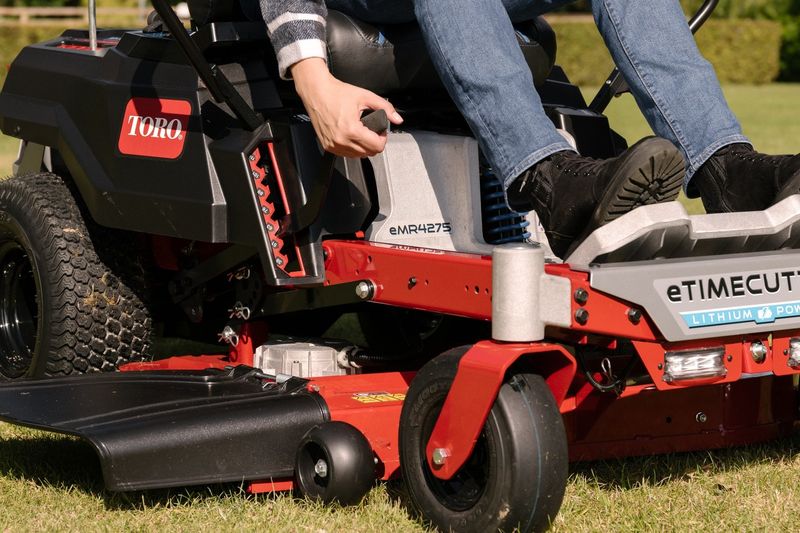
Many mower decks arrive from the factory set lower than most lawns need, which surprises people. Plenty of homeowners mow for years without touching that small lever beside the rear wheel.
Measuring the real cutting height takes two minutes and a cheap ruler from the drawer. Park the mower on a flat driveway, then measure from the pavement to the blade edge.
Tall fescue and Kentucky bluegrass perform best between three and four inches of height. Bermuda and zoysia prefer shorter cuts, roughly one to two inches, since they spread sideways instead.
Label settings printed on the deck can be inaccurate, so trust your ruler over the sticker. Uneven tire pressure also tilts the deck, shaving one side lower than you intended.
Blade sharpness matters just as much as height, though it gets far less attention. A dull edge shreds grass tips, and shredded tips lose water quickly through those rough edges.
Bumpy yards create accidental low spots on every high point, even with a correct setting. Rolling low areas with topsoil this fall smooths the surface nicely before next mowing season.
Riding mowers hide the problem because you sit above the deck and see finished stripes. Walk behind your machine once, look closely, and check if pale stems are showing.
Raise the deck one notch and watch the color change within about ten days. That single click is one of the cheapest lawn upgrades you’ll ever make.
Repair Steps For A Lawn Cut Too Short
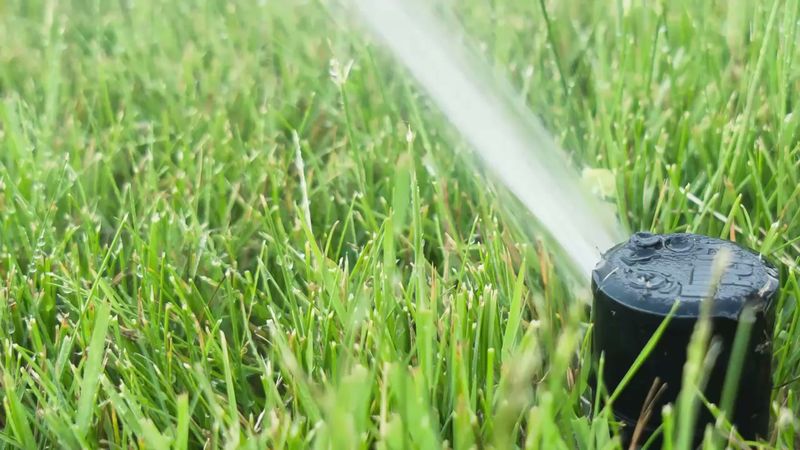
First aid for a lawn cut too short begins with patience rather than another trip to the store. Park the mower for about ten days and let grass rebuild its own leaf surface.
Water deeply twice each week instead of sprinkling lightly for five short minutes every morning. Stressed roots need moisture reaching six inches down, and shallow watering rarely delivers that.
September happens to be prime overseeding time across most of the northern United States. Rake thin areas, spread quality seed, and keep the surface damp for two weeks.
A starter fertilizer containing phosphorus supports new seedlings and helps weakened plants bounce back faster. Skip heavy nitrogen, because pushing rapid top growth drains reserves the roots still need.
Sharpen blades at least twice per season, ideally in spring and again during early autumn. A clean cut closes up in a day, while a ragged tear takes much longer to recover.
Keep foot traffic, dog zoomies, and parked trailers off the thin spots for now. Compacted soil blocks air and water, and that stalls recovery right where grass struggles most.
Raise the cutting height gradually, one notch per mowing, until you reach the target. Jumping straight to the tallest setting leaves a floppy canopy that mats down after rain.
Expect visible improvement within about three weeks if temperatures stay mild and moisture stays steady. Lawns forgive quickly, which is more than most gardeners can say about tomato plants.
Thicker Turf And Fewer Weeds After The Fix
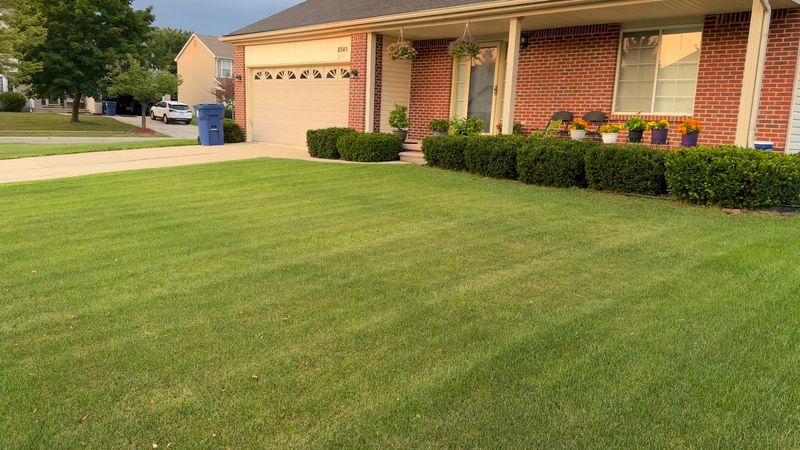
Something satisfying happens when grass finally grows at its proper height for a full month. The canopy thickens, stems crowd together, and bare soil disappears under a dense green mat.
Crabgrass seeds and many other weed seeds require sunlight on bare soil before sprouting. Taller turf blocks that light, cutting weed pressure without a single drop of chemical herbicide.
Deeper roots follow taller tops, reaching moisture that stays available during hot, rainless summer weeks. Homeowners often notice their sprinklers running less often while the lawn color stays richer.
Shaded soil stays several degrees cooler, which protects earthworms and helpful microbes near the surface. Those tiny workers recycle clippings into free fertilizer while you relax on the porch.
Healthy, properly mowed turf also resists disease better than stressed grass, since fewer weak spots means less opportunity for problems like brown patch or dollar spot to take hold.
Clippings from a properly timed cut are short enough to filter down and decompose. That recycling returns roughly a quarter of your lawn’s yearly nitrogen needs at no cost.
Foot traffic bounces back faster on a thick stand, which matters for backyard football games. Worn paths near gates and patios fill in on their own within a few weeks.
The payoff shows up in early spring, when neighbors wonder about your secret fertilizer. Telling them the secret was a small mower lever will probably ruin the mystery.
Autumn Mowing Habits That Keep Blades Tall
Good mowing habits come down to timing, not effort or expensive equipment upgrades from catalogs. Cut when the grass needs it, rather than when the calendar says Saturday morning.
Measure growth with your hand now and then, because eyeballing height fools nearly everyone. Grass at four and a half inches gets trimmed to three, and that is it.
Mow in the late afternoon during September, once dew has dried and heat has faded. Dry blades cut cleanly, and cooler air reduces stress on freshly trimmed grass plants.
Switch mowing direction each time, going diagonally one week and straight across the yard next. Repeating the same pattern presses grass sideways and creates ruts you will notice later.
Sharpen blades at least twice per season, ideally in spring and again during early autumn. A clean cut heals in a day, while a ragged tear stays open longer.
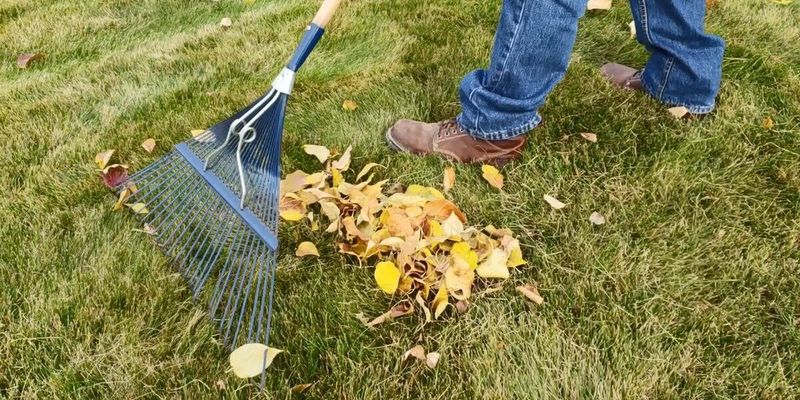
Mulch fallen leaves directly into the lawn instead of hauling bags to the curb. Shredded leaves feed soil life and add organic matter that your grass appreciates next summer.
Late in the season, drop the height slightly for the final cut before snow. Slightly means one notch, not three, since matted tall grass can trap winter moisture.
Write your target height on a piece of tape stuck to the mower handle. Future you, distracted and humming a song, will appreciate that small reminder next June.