Some Illinois Trees Are Growing A Second Set Of Leaves In September
September in Illinois usually means crunchy sidewalks, pumpkin displays, and lawn mowers finally getting a well earned rest. Something out in the yard, though, seems to have misplaced the calendar and the memo.
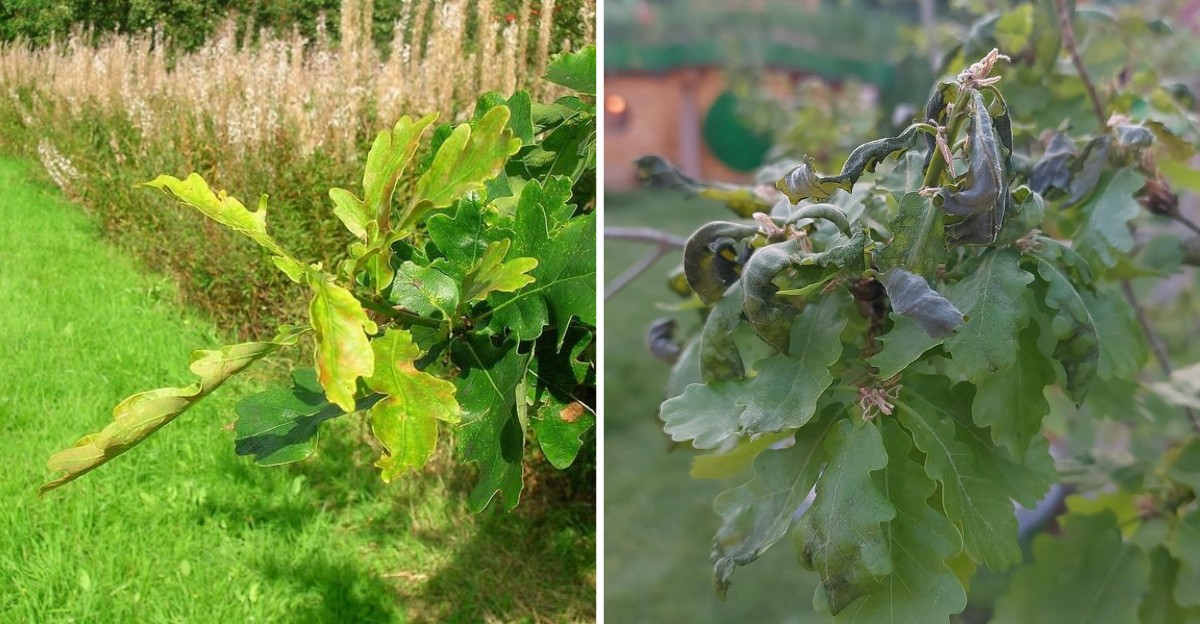
Branch tips on certain trees are glowing red and bright green, as soft as April growth. Neighbors squint at them, take pictures, and start texting each other blurry close up shots.
Some folks assume something is wrong and reach for the nearest spray bottle at the garden center. Others figure the tree is simply showing off, and that guess sits much closer to the truth.
The real story involves wild weather swings, saved up buds, and a stubborn streak of plant optimism. Autumn still arrives right on schedule, and one tree in your yard clearly has not read the news.
Reddish New Shoots From Lammas Growth
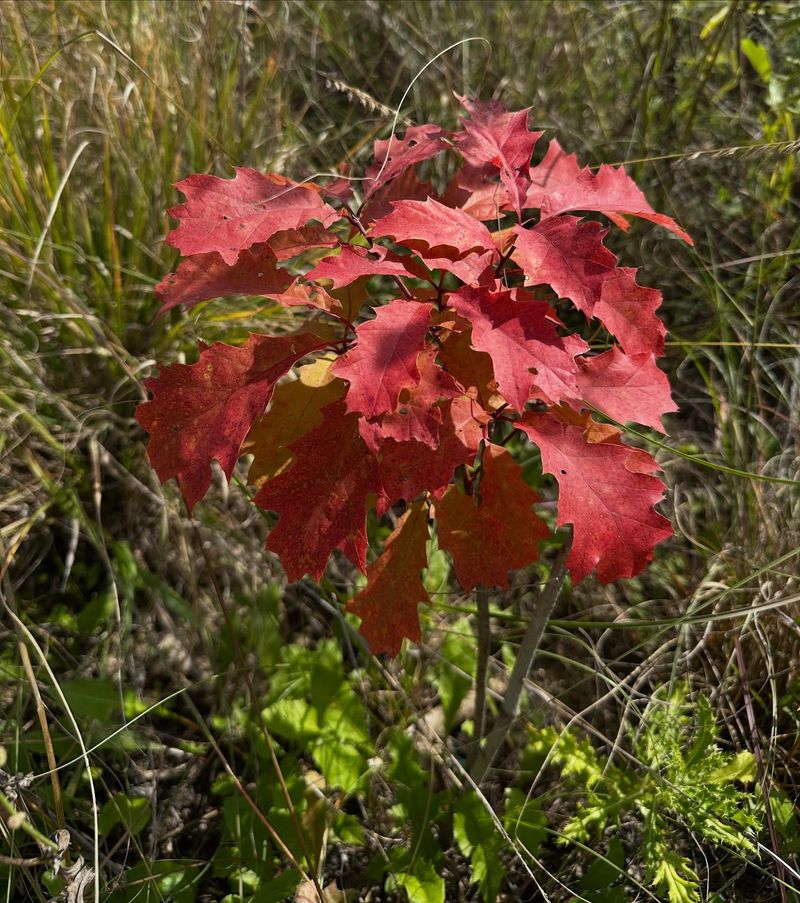
Walk past a bur oak this month and you might spot bright red leaves on the branch tips. Those tender shoots are not confused, they are a known event called lammas growth.
The name comes from Lammas Day, an old English harvest festival held on August first. Farmers noticed trees pushing fresh twigs right around that date each year.
Instead of one growth spurt in spring, the tree opens a few buds it had saved. The result looks like a small second spring tucked into September.
New lammas leaves usually appear pale green, bronze, or pinkish red before they harden off. They also sit at the very ends of branches, which makes them easy to spot.
Healthy trees do this, so the sight is usually reassuring rather than alarming. A tree with zero energy reserves could not build new leaves at all.
Illinois homeowners often call extension offices in September, worried their oak has lost track of the seasons. Staff hear the same question every warm, wet late summer.
Foresters have tracked lammas shoots for generations in Europe and here in the Midwest. Observations from oak plantations suggest the flush repeats in years with dry Junes and soggy Augusts.
Neighbors may compare notes about which trees flushed and which stayed quiet. Genetics, age, and site conditions decide who joins the late party.
So the short answer is simple, your tree is making extra leaves on purpose. Photosynthesis in September still pays, and trees rarely turn down free sunlight.
Weather Swings Behind The Bud Release Signal
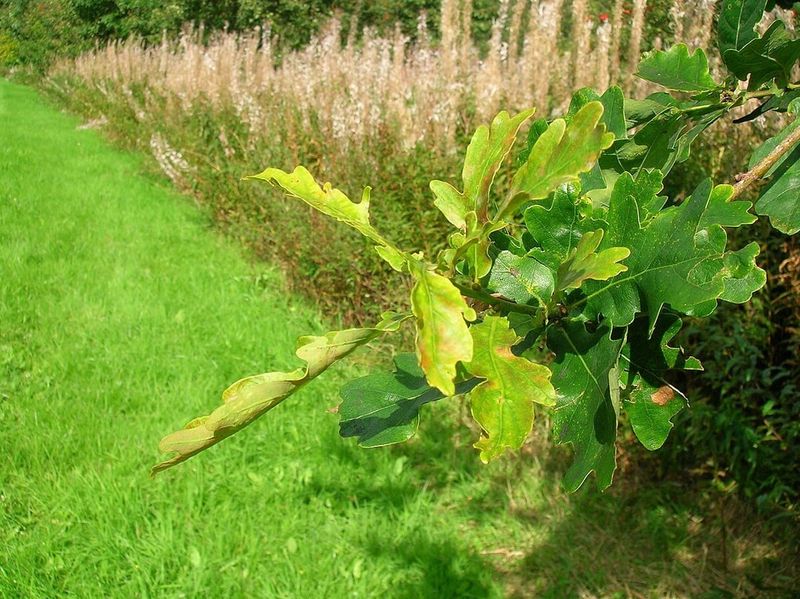
Weather across Illinois this year set up nearly perfect conditions for a late flush of leaves. A dry stretch paused shoot growth, then rain arrived and flipped the switch back on.
During spring, trees build buds for next year and then shut down shoot growth. Hormones inside the twig keep those buds quiet through summer heat.
Drought stress can weaken that hormone signal, especially in young, fast growing trees. When soil moisture returns, some buds read the change as a fresh start.
Warm September days above seventy degrees keep the process moving once it begins. Nights that stay mild let the new shoots expand for two or three weeks.
Your Illinois Garden Changes Every Week. Your Plan Should Too.
Gardening in Illinois changes quickly throughout the season. Every Friday you’ll receive a simple weekly plan showing exactly what to plant, prune, fertilize, harvest, and protect so you never miss the right timing.
Trees that were pruned heavily in July often respond strongly to late rain. Cutting removes tip hormones, which leaves nearby buds free to open.
Watering schedules matter too, since a sudden deep soak mimics a spring thaw pattern. Lawn sprinklers running near tree roots can create the same effect by accident.
Timing usually lands between late August and the third week of September in central Illinois. Northern counties run a bit earlier, while southern counties can stretch into October.
Soil type shifts the odds as well, since sandy ground dries and rewets quickly. Heavy clay holds water much longer and smooths out most of the sudden swings.
So the signal is less about calendar dates and more about moisture whiplash. Trees keep score on rainfall totals, and this season handed them a very strange scorecard.
Tree Species Known For This Late Flush
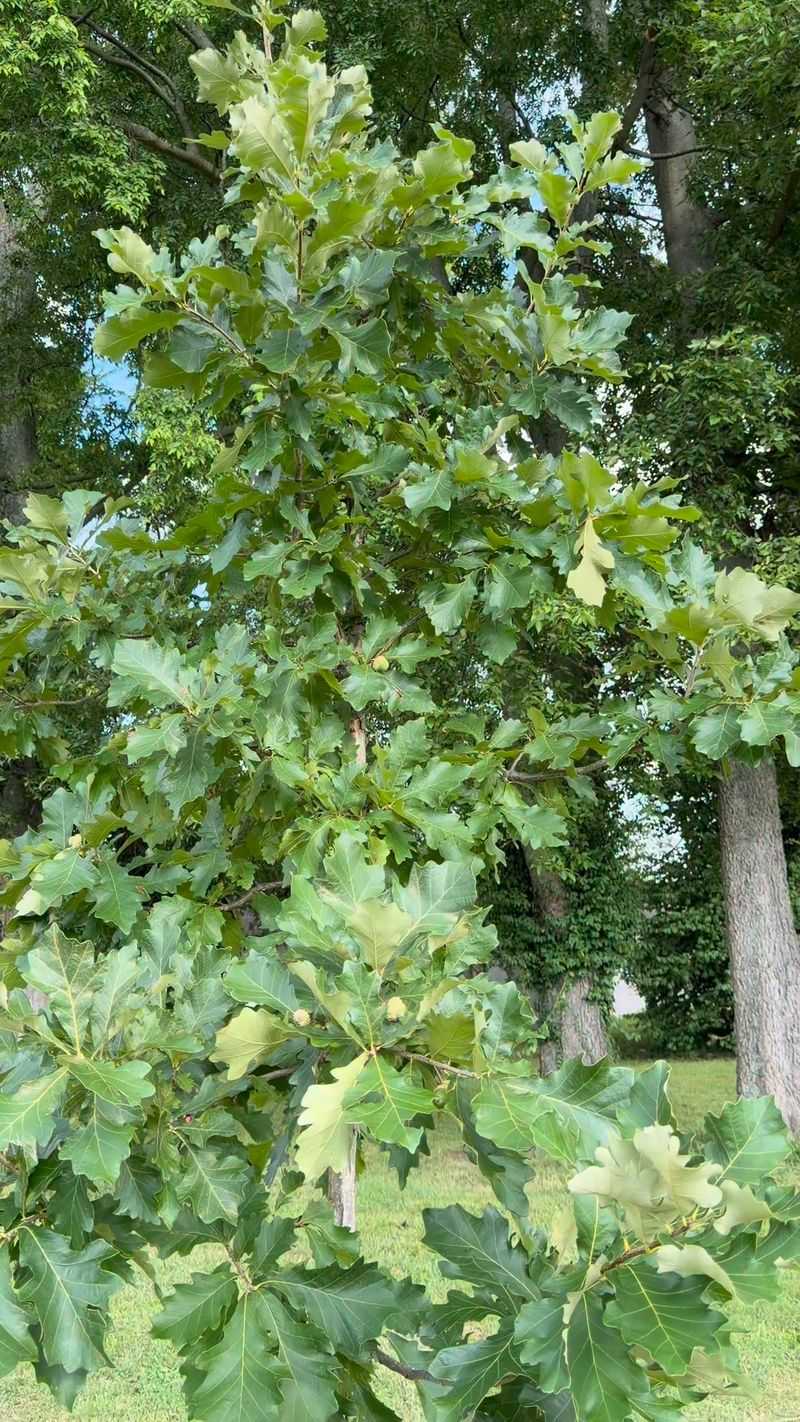
Bur oak, white oak, and red oak lead the list of Illinois lammas performers. Oaks store energy well and hold spare buds ready for a second run.
Red maple and silver maple sometimes join in, especially young street trees with rich soil. Their new shoots often look soft red and slightly droopy.
Sweetgum, tulip tree, and sycamore can also push late twigs after a wet spell. Fast growers tend to gamble on extra leaves more than slow, steady species.
Apple and crabapple trees occasionally do it, which worries orchard owners every few seasons. Fruit growers watch closely because late shoots can affect next spring flowers.
Young trees show the habit far more than old ones with wide, shady canopies. Youth means more growth hormone and fewer limits on where energy goes.
Nursery stock planted in the last five years is a common example in new subdivisions. Regular irrigation plus open sun makes the perfect setup.
Pines and spruces do something similar, called a second flush or lammas shoot. On conifers the result is a tall leader with a strange step in it.
Elms, hackberries, and lindens rarely bother, so quiet trees are not slacking. Different species simply follow different budgets for growth.
Walking your block with fresh eyes in September turns into a small scavenger hunt. Once you spot one flushing oak, you start seeing them everywhere.
Local extension foresters keep species lists for each region of the state. A quick call can confirm what is normal for your neighborhood.
Common Late Season Care Mistakes
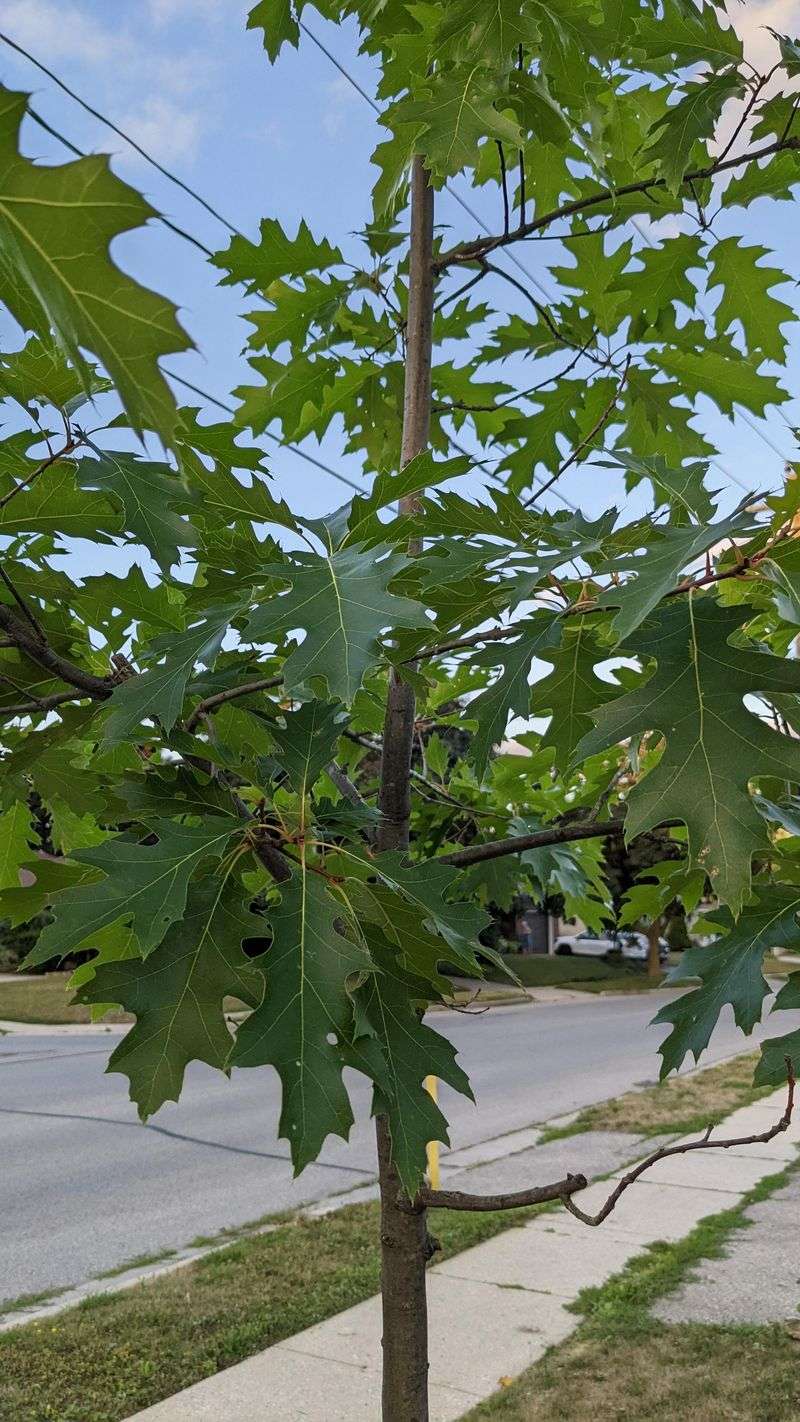
Here is where good intentions cause trouble, because a red shoot looks like a problem. Many homeowners reach for fertilizer, spray, or pruners, and that is the wrong move.
Nitrogen fertilizer in September tells a tree to grow when it should be storing sugars. Soft shoots then face October frost with no protection.
Heavy pruning right now removes tip hormones and invites even more late buds to open. Save structural cuts for the quiet weeks of late winter.
Fungicides get sprayed on healthy lammas leaves every fall by folks who suspect disease. Color alone is weak evidence, so look at leaf shape and position first.
Another common misread is anthracnose or scorch, which shows brown edges instead of glossy new tissue. Lammas leaves feel soft, look clean, and sit at branch tips.
Some people panic and start daily watering, which can waterlog roots in clay soil. Soggy ground blocks air, and roots need oxygen as much as moisture.
Others wrap or stake the tree, adding stress it does not need in autumn. Trunk wraps trap moisture and can hide insect problems until spring.
The best response is usually patience mixed with a little curiosity. Take a photo, note the date, and let the tree finish its work.
Garden centers see this rush every September, and honest staff will send you home empty handed. Saving money on unneeded products counts as good tree care.
Neighbors trading advice over the fence sometimes spread the confusion faster than the shoots spread. Trust leaf details over backyard rumors.
Frost Damage Risk On Tender Autumn Shoots
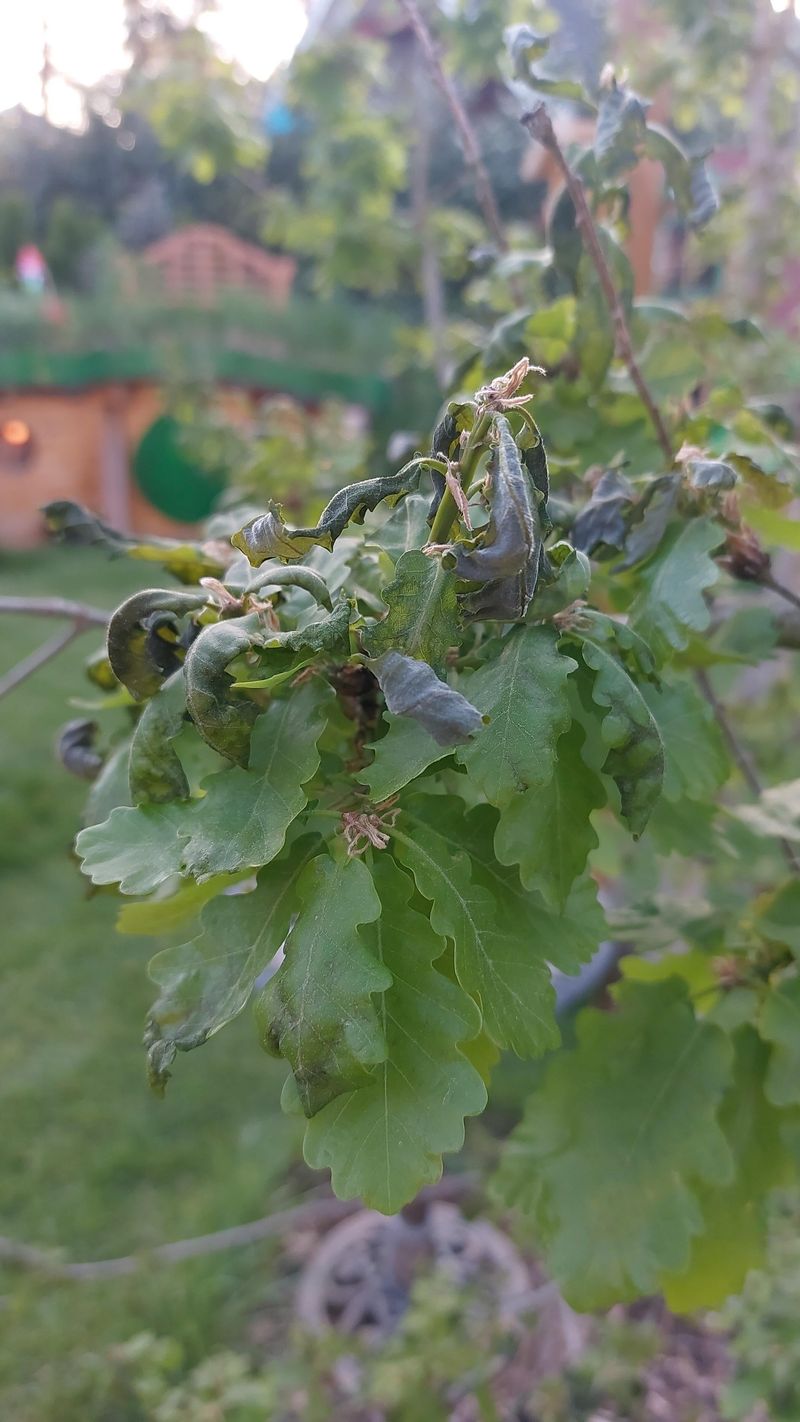
The gamble is real, since those new shoots have not hardened for cold weather. Illinois frost usually arrives in mid October up north and early November down south.
Soft twigs can freeze and turn black at the tips after a sharp night. Damage looks dramatic, yet it usually stops at the outer few inches.
Healthy trees seal off injured tips and move on without any long term harm to the trunk. Buds lower on the branch take over leadership next spring.
Repeat years of frost bitten shoots can leave a twiggy, crooked look on young maples. Shade tree shape may need light corrective pruning later.
Conifers face a bigger cosmetic risk because a frozen leader ruins the neat pyramid. Growers in Christmas tree fields prune those double leaders by hand.
Energy cost is another quiet downside, since building leaves in September uses stored sugar. If frost hits early, that investment returns little.
On the bright side, extra leaves catch several weeks of strong autumn sunlight. Many trees end the season with a small net gain.
Fruit trees deserve closer attention because late shoots can reduce flower buds for spring. Orchard managers track this and adjust water and nitrogen the following year.
Watching the first frost date in your county tells you how the story ends. Most Illinois yards see minor tip damage and nothing more.
Snapping a photo before and after the first freeze builds a useful record. Next September, that record saves you a worried phone call.
Root Support Before The First Freeze
Prevention sounds odd here, because the goal is steady growth, not zero late shoots. Trees that get even moisture all summer feel less need for a second push.
Deep watering once a week beats short daily sprinkles during June and July droughts. Aim for about an inch, measured with a tuna can on the lawn.
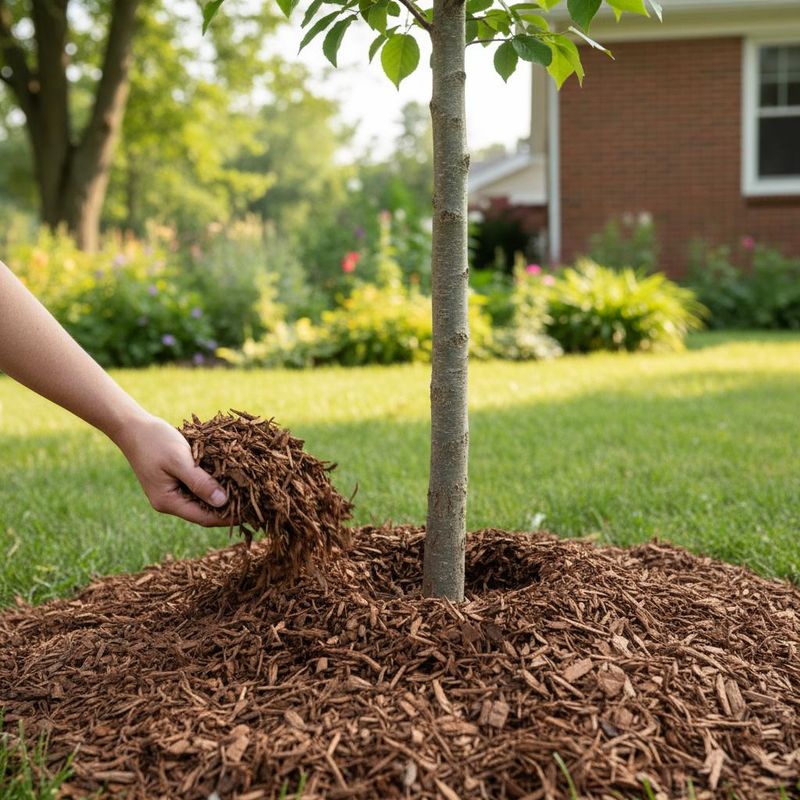
Mulch spread two to three inches deep holds soil moisture and evens out swings. Keep it off the trunk, since a volcano of mulch traps rot.
Skip nitrogen fertilizer after early July, and test your soil before feeding at all. Many Illinois yards already carry plenty of nutrients from lawn treatments.
Schedule pruning for February or March, when wounds seal fast and buds stay quiet. Summer cuts push growth at the worst possible time.
Check sprinkler heads so lawn irrigation does not soak tree roots every evening. Roots under turf get plenty of water from a well timed system.
Through September and October, keep soil slightly moist until the ground cools. Hydrated roots handle the first hard freeze far better than dry ones.
Young trees benefit from a wide mulch ring instead of grass right up to the bark. Less mowing damage means fewer wounds and steadier growth.
None of this guarantees a quiet tree, and that is fine. A little lammas growth is a sign your tree still has ambition.
Write your watering and pruning dates on a calendar near the back door. Future you will appreciate the reminder more than the tree does.