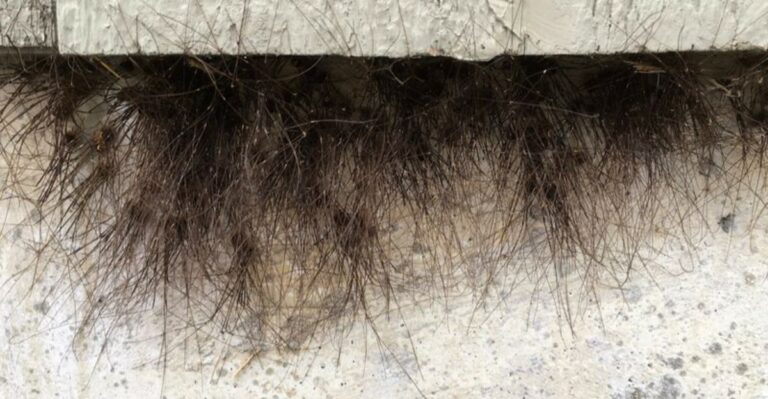
A Dark Presence Is Spreading Across Colorado Yards This Month
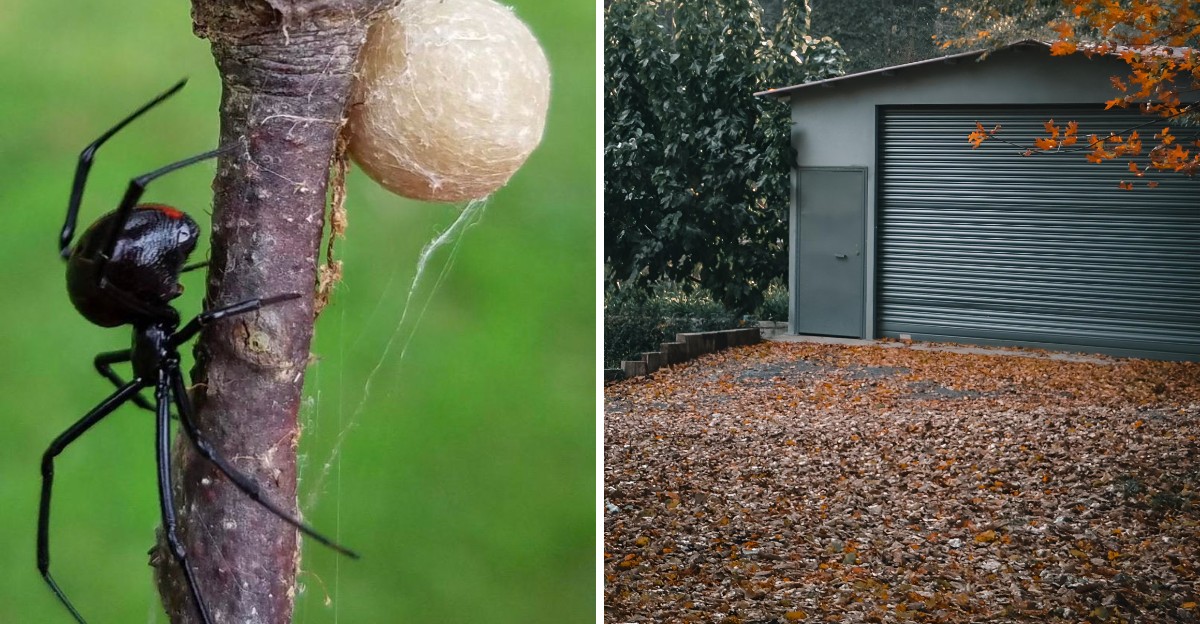
Silk threads stretch across corners you rarely check. Cold Colorado mornings send spiders toward your warm garage. Fall temperatures push these creatures straight toward your walls.
You sweep leaves while webs multiply behind your woodpile. Patio chairs hide strands thicker than you expect. Window wells collect threads tangling faster than you think.
Garage doors left open invite more than you realize. Basements and crawl spaces near you become hunting grounds. Shadows behind your stacked wood turn into real estate.
Egg sacs cling to surfaces long after you sweep. Colorado homeowners like you notice similar signs each fall. Understanding these differences tells you how urgently to act.
Recognizing the pattern changes how you handle cleanup. Knowing where to look saves you from ugly surprises. Gloves and a steady hand keep you safe.
Clearing these corners safely takes sharper instinct than you think. What hides in your next corner will surprise you.
Why Late Summer Turns Into Peak Spider Season
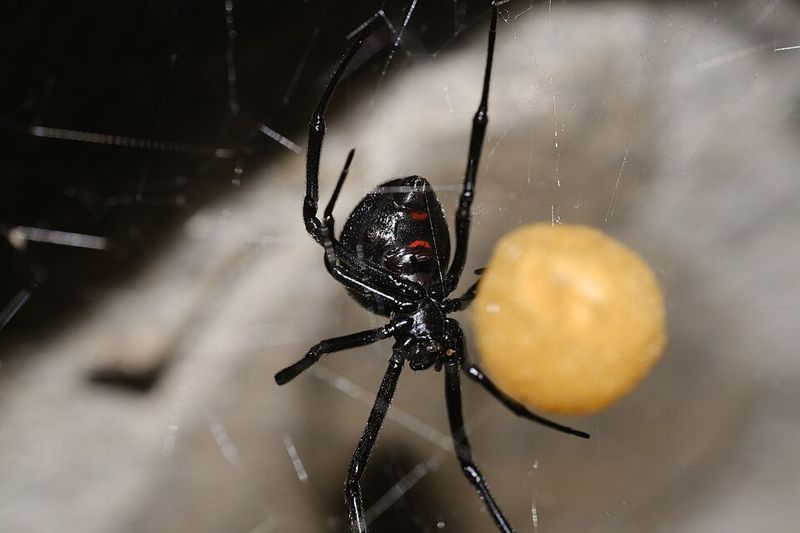
Colorado sightings of black widows typically increase in late August or September. There is a reason the timing feels so predictable.
Black widows hatch in spring and spend the warm months growing. By early fall, the females have reached full size, which makes them far easier to notice than the tiny spiderlings of June.
Cooler nights also push them toward shelter. As temperatures drop into the forties along the Front Range, spiders drift closer to foundations, garages, and anything that holds daytime heat.
Food plays a part too. Crickets, beetles, and grasshoppers peak in September, so webs near porch lights and garden beds get plenty of traffic.
Fall yard chores put people and spiders in the same space at the same time. Moving firewood, cleaning gutters, pulling out Halloween decorations, and clearing dried tomato vines all disturb the quiet corners widows prefer.
Colorado’s dry climate suits them well. The species found here, the western black widow, thrives in arid regions across the western states and handles our temperature swings without trouble.
Knowing the season helps you plan instead of panic. A quick sweep of storage areas in early September, before the heavy cleanup begins, catches webs while they are small.
A single female can produce several egg sacs in one season, each holding hundreds of eggs. Very few of those spiderlings reach adulthood, which is why yards are not overrun by October.
Spotting The Red Hourglass Without Getting Too Close
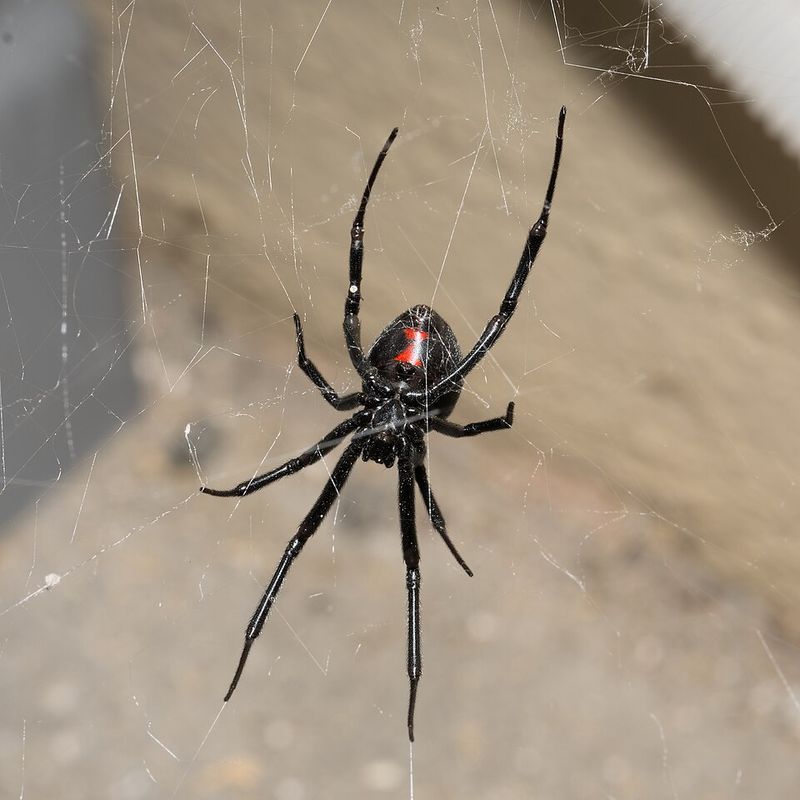
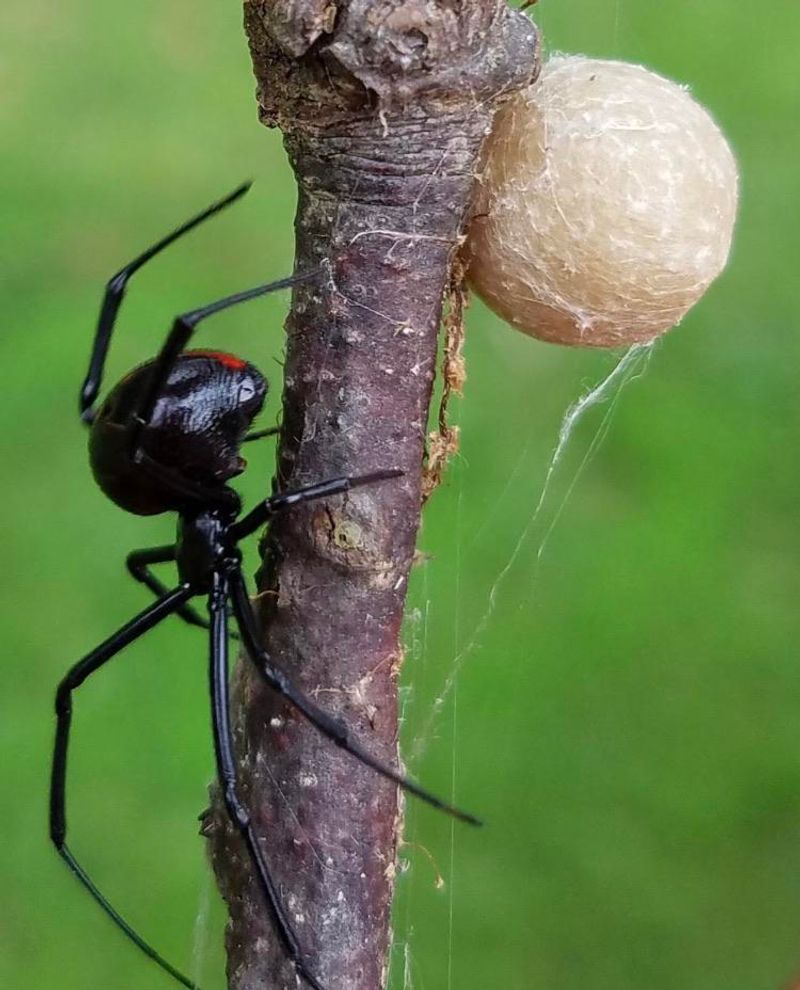
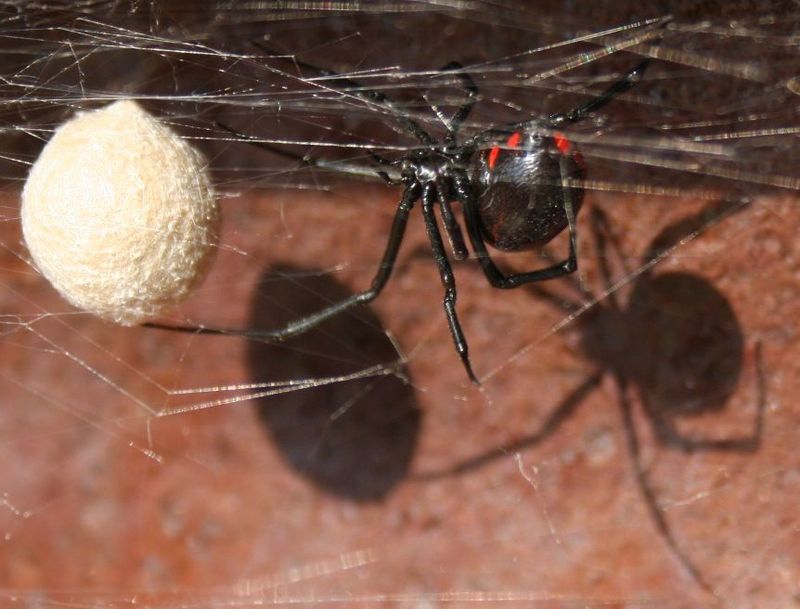
That red hourglass is famous for a reason, but it sits on the belly, not the back. Since widows hang upside down in their webs, the marking often faces you anyway.
Adult females measure about half an inch in body length, with legs stretching the total span to roughly an inch and a half. The body looks polished, almost like a shiny black bead.
Not all markings form a neat hourglass. Some Colorado females show two separate red triangles, an orange smudge, or a row of reddish dots along the back.
Your Colorado Garden Changes Every Week. Your Plan Should Too.
Gardening in Colorado changes quickly throughout the season. Every Friday you’ll receive a simple weekly plan showing exactly what to plant, prune, fertilize, harvest, and protect so you never miss the right timing.
Males look entirely different and often confuse people. They are smaller, lighter brown or gray, with white and yellow streaks along the sides, and they pose almost no concern to humans.
Young females go through an awkward phase too. Juveniles wear a patchwork of cream, tan, and orange stripes before darkening with each molt.
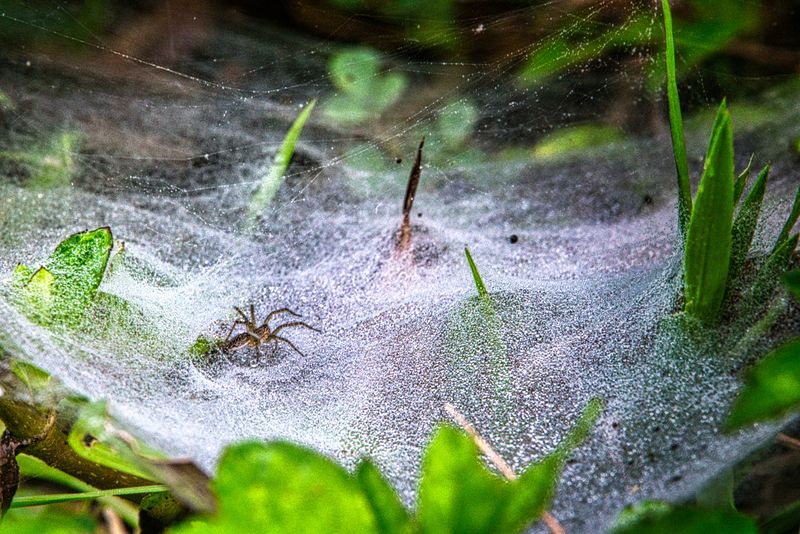
Lookalikes are common in Colorado yards. The false widow and the common house spider share a similar shape but lack the deep black gloss and bright red belly mark.
Use a flashlight and a long stick rather than your fingers when checking. Bright light makes the sheen and the marking pop, even inside a shadowy window well.
A phone camera with zoom works beautifully for identification from a safe distance. Snap a photo, step back, and compare it to images from Colorado State University Extension before deciding what to do next.
Favorite Hiding Spots In Colorado Yards And Garages
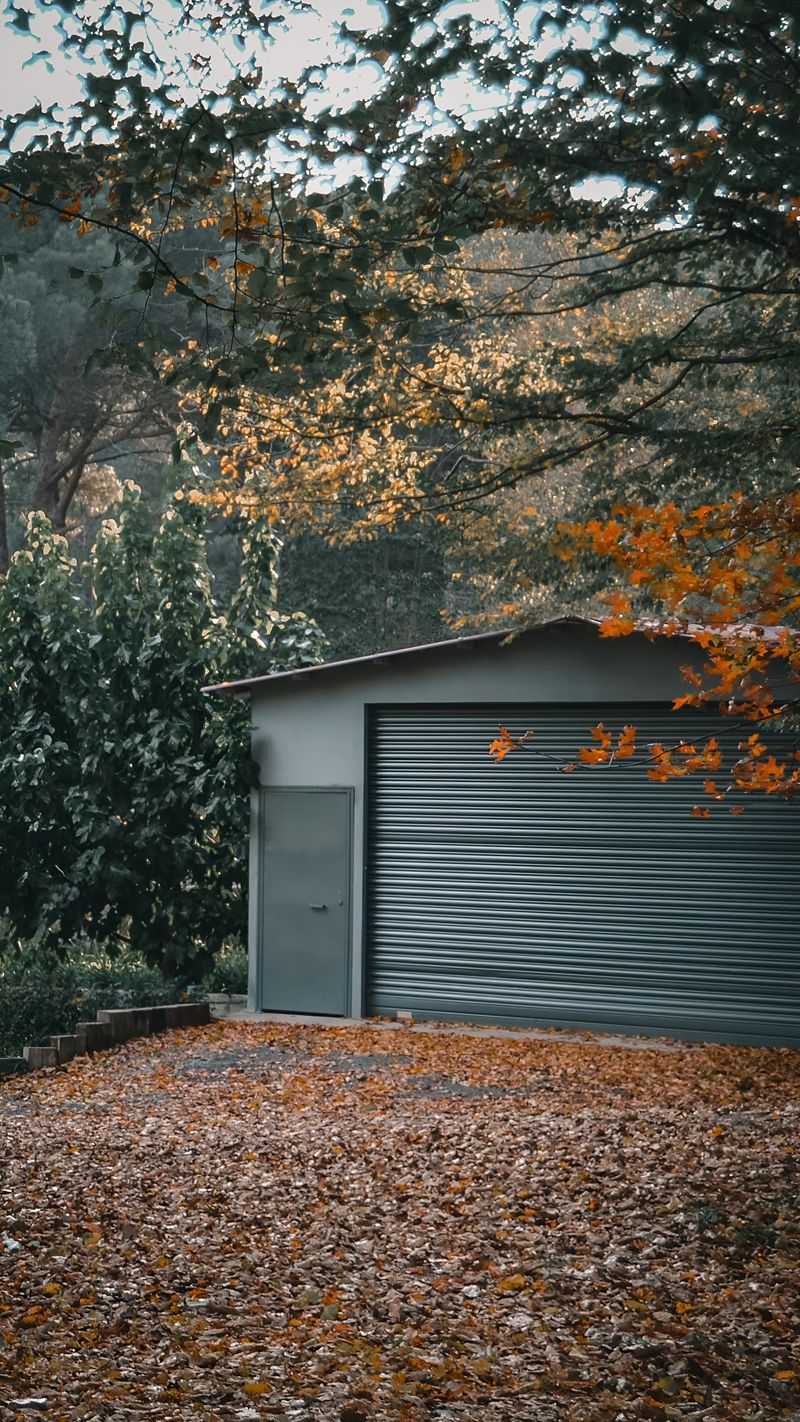
Picture the places you avoid reaching into without looking first. That instinct is surprisingly accurate.
Window wells top the list across Colorado. The metal or concrete sides trap warmth, collect leaves, and stay undisturbed for months at a time.
Woodpiles come next, especially stacks sitting directly on soil or against a fence. Gaps between logs give webs the anchor points widows want.
Garages offer everything a spider needs. Cluttered shelves, cardboard boxes, stored camping gear, and the dark space behind the water heater all qualify as prime real estate.
Outdoors, check under deck stairs, beneath patio furniture, inside grill covers, and along the bottom edge of retaining walls. Irrigation valve boxes and meter pits are frequent surprises for Denver-area homeowners.
Children’s play equipment deserves attention too. The hollow ends of swing set pipes, the underside of slides, and plastic playhouse corners can host webs nobody notices until someone reaches in.
Widows favor low spots, usually within a couple feet of the ground. They rarely build in open, breezy areas or high up on smooth walls.
The web itself is a giveaway before you ever see the spider. Black widow silk is messy and three-dimensional, with no tidy spiral, and it feels unusually strong and sticky when brushed with a stick.
Make a habit of tapping objects with a broom handle before lifting them. Vibration usually sends a widow retreating deeper rather than moving toward you.
What A Bite Actually Feels Like And What To Do Next
Here is the part that surprises people: bites are uncommon, and widows would rather flee than fight. Trouble usually starts when a spider gets pressed against skin inside a glove, shoe, or sleeve.
The initial sensation can feel like a pinprick, or sometimes barely anything at all. Two tiny puncture marks may appear, often with a small red area around them.
Discomfort tends to build over the following hour. Muscle cramping in the abdomen, back, or legs is the hallmark, along with sweating, nausea, and a general achy feeling.
Wash the area with soap and water first. Apply a cool pack to reduce swelling, keep the limb still, and stay seated rather than walking it off.
Call the Rocky Mountain Poison and Drug Center at 1-800-222-1222 for guidance. Staff answer around the clock and can tell you whether a clinic visit makes sense.
Seek medical care promptly for young children, older adults, anyone with heart concerns, or if cramping becomes severe. Doctors have effective treatments, including antivenom for serious cases.
Try to photograph the spider if you safely can, or capture it in a sealed jar. Identification helps medical staff move faster.
Widow bites remain uncommon across Colorado, and serious outcomes are rare when people get care.
Prevention beats treatment every time. Leather or heavy cotton gloves during fall yard work greatly reduce the most common bite scenario.
Clearing Webs The Safe Way
Grab the vacuum before you grab the spray. A shop vac with a hose extension is the single best tool for this job.
Suction pulls webs, egg sacs, and spiders into the canister in one pass. Seal the bag or empty the canister into a tied trash bag immediately afterward.
Gloves are non-negotiable. Thick leather or rubber work gloves, plus long sleeves, cover the skin areas where bites typically happen.
For webs in tight corners, a broom with a long handle keeps your hands well away. Twist the bristles to wind up the silk, then bag it.
Egg sacs deserve special attention. They look like papery tan or cream spheres about the size of a pea, and each one holds a couple hundred eggs.
Work during daylight. Widows are more active after dark, and good light helps you see what you are reaching toward.
Resist the urge to squash anything by hand or with a shoe you are wearing. A long-handled tool gives you distance and control.
If pesticides feel necessary, look for products labeled for spiders and apply them along cracks, foundation gaps, and window well edges rather than broadcasting them across the yard. Follow the label exactly, since Colorado’s dry heat can affect how products behave.
Sticky traps placed flat along garage walls and behind storage bins catch wanderers quietly. Check them weekly and replace as needed through October.
Keeping Them From Settling In Next Season
Prevention here is mostly about clutter, and clutter is something you control. Fewer hiding spots means fewer residents.
Start with the woodpile. Move it at least twenty feet from the house, stack it on a raised metal rack, and cover the top while leaving the sides open to airflow.
Install fitted covers on window wells. Clear polycarbonate lids block leaves, debris, and the spiders that follow them, and they let light through to basement rooms.
Seal the small openings. Caulk around utility lines, add door sweeps to the garage, and patch gaps in foundation vents with fine mesh.
Swap white outdoor bulbs for yellow or amber LEDs. Fewer insects circling your porch means less of a buffet drawing spiders closer.
Keep a clear border of gravel or bare ground around the foundation. Dense ground cover and mulch piled against siding create exactly the humid, shaded pocket widows like.
Store off-season items in sealed plastic bins instead of cardboard. Boxes collapse, soften, and open up dozens of little caves.
Shake out gloves, boots, and garden shoes before putting them on, particularly if they live in the garage. It takes three seconds and saves a lot of drama.
Give the shed, deck underside, and irrigation boxes a quick flashlight check each spring and fall. A five-minute habit twice a year keeps small populations from growing unchecked.