What Early Leaf Drop Is Telling Colorado Gardeners About This Year’s Drought
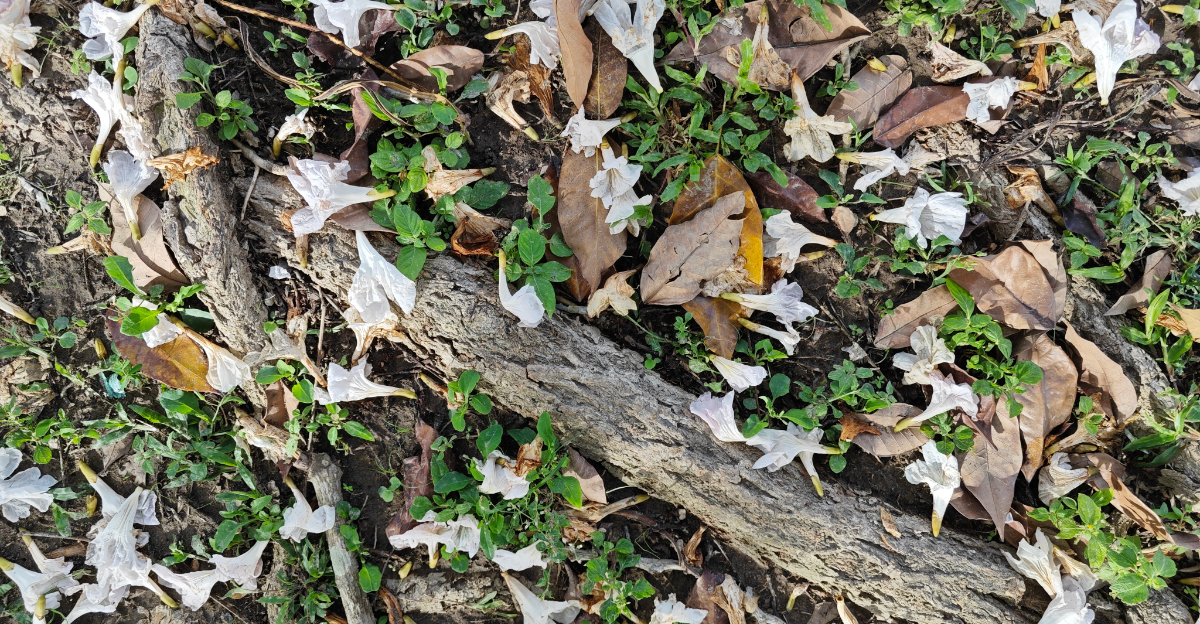
Your maple dropped leaves before Labor Day, and that stood out. Something under the surface triggered it, long before you noticed autumn arriving. Colorado yards are shifting under a stress you can’t see yet.
Roots beneath your feet stopped drinking weeks ago, quietly and without warning. Heat lingered in your yard while rainfall disappeared for weeks. Bark tightened and canopies thinned faster than you expected.
Soil beneath your boots holds the real answer right now. Walking your property will reveal gaps, dry pockets, and thirsty roots. Slope and shade decide how fast your Colorado soil drains.
Ignoring these signals makes recovery harder once frost settles in. Fertilizer won’t fix a thirst problem hidden under your lawn. Pruning tools solve little when your roots are the real issue.
Understanding what’s happening below your lawn shapes your entire winter outlook. You need to see what your yard is telling you.
Leaves Letting Go Before The Calendar Says So
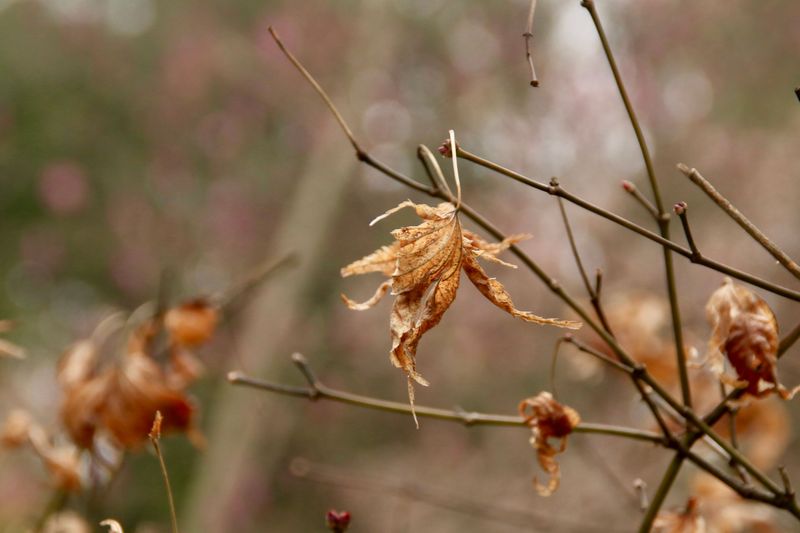
Picture a maple shedding handfuls of half-green leaves in the first week of September, while the tomatoes are still ripening. That mismatch is the first clue something is off underground.
Trees have a built-in budget. When soil moisture runs low, they cannot support a full canopy, so they trim their own expenses by releasing leaves early.
Along the Front Range, this often shows up on the south and west sides of a tree first. Those sides take the hardest afternoon sun and lose water fastest through the leaf surface.
Color matters too. A normal fall shift brings gradual gold or red, while stress-driven drop tends to be patchy, dull, or streaked with brown edges.
Take a moment to check the fallen leaves in your hand. Crispy margins with a green center usually point to water shortage rather than a seasonal change.
Younger trees planted within the last five years tend to react first. Their roots have not spread far, so a dry summer hits them harder than an established cottonwood down the block.
Rather than panic, treat the drop as useful feedback. Your tree is telling you exactly how much moisture it found this season.
Mark the date on a calendar or in your phone notes. Comparing this year to next gives you a personal record that beats guessing.
Then plan a deep watering rather than a light sprinkle. Slow soaking reaches the root zone where the real trouble started.
Soil That Feels Dusty Six Inches Down
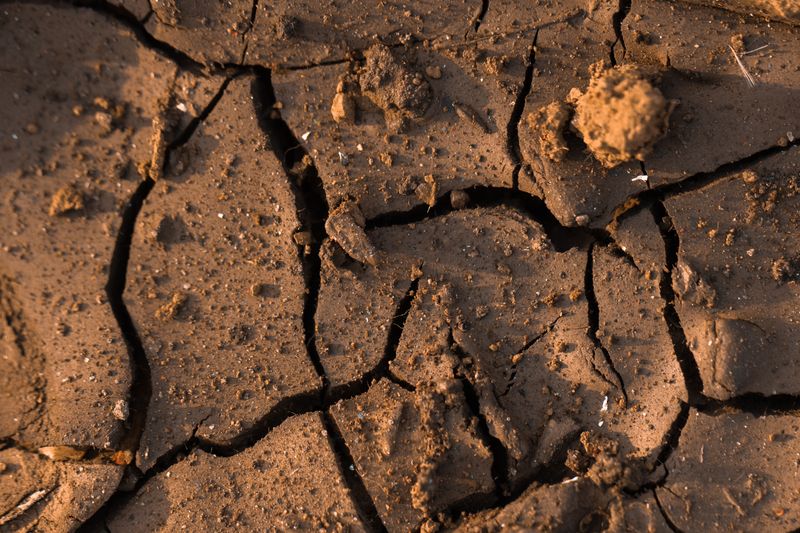
Here is a trick that costs nothing: grab a long screwdriver and push it into the ground near your tree. If it stops after two inches, your soil is telling on itself.
Colorado clay behaves in a sneaky way. The surface can look damp after a quick rain while the layer where roots actually live stays powder dry.
Leaf drop often follows weeks of that hidden shortage. By the time the canopy thins, the deeper soil has been running low for a while.
Try digging a small test hole about six inches deep at the edge of the canopy. Squeeze a handful of that soil and watch what happens.
Your Colorado Garden Changes Every Week. Your Plan Should Too.
Gardening in Colorado changes quickly throughout the season. Every Friday you’ll receive a simple weekly plan showing exactly what to plant, prune, fertilize, harvest, and protect so you never miss the right timing.
Moist soil holds its shape in a loose ball. Dry soil crumbles apart the second you open your fingers.
Sandy spots in the eastern plains drain fast and need shorter, more frequent soakings. Heavy clay in Denver and Boulder yards takes water slowly, so a long trickle works better than a blast.
Watering deeply once every two or three weeks through fall does more good than a daily spritz. Aim for the outer half of the canopy, not the trunk itself.
A soaker hose looped in a wide circle handles this while you do other chores. A general rule of thumb is roughly ten gallons per inch of trunk diameter, though this can vary by species and soil.
Keep testing after each session. When the screwdriver slides in easily, you have reached the depth your tree has been asking for.
Lawns Waving A Beige Flag Around The Tree Base

Grass and trees are roommates who argue over the water bill. When the lawn under a shade tree turns tan while the open sections stay green, the tree usually won that round.
Turf roots sit in the top few inches of soil. Tree roots reach wider and deeper, pulling moisture out from under the grass during a dry stretch.
Watching where the beige patches form helps you map the tree’s feeding zone. Those thirsty rings show you exactly where to aim supplemental water.
Kentucky bluegrass, common in older Colorado neighborhoods, slips into dormancy to protect itself. Tan does not mean gone, it means resting.
Still, a dormant lawn plus early leaf drop signals that your irrigation is not reaching root depth anywhere. One symptom might be a fluke, but two together tell a clearer story.
Consider running a quick catch-can test. Set tuna cans around the yard, run the sprinklers fifteen minutes, and measure how much water lands in each.
Uneven amounts point to clogged heads or bad spacing. Fixing those often solves problems people blame on the weather.
Many Front Range towns maintain seasonal watering rules, so confirm your current schedule with your local utility before adjusting. Working within the allowed days still leaves room for smarter timing.
Water early in the morning when wind and heat are lowest. Less evaporation means more moisture actually reaching the roots that need it.
Shrubs Trimming Their Own Wardrobe
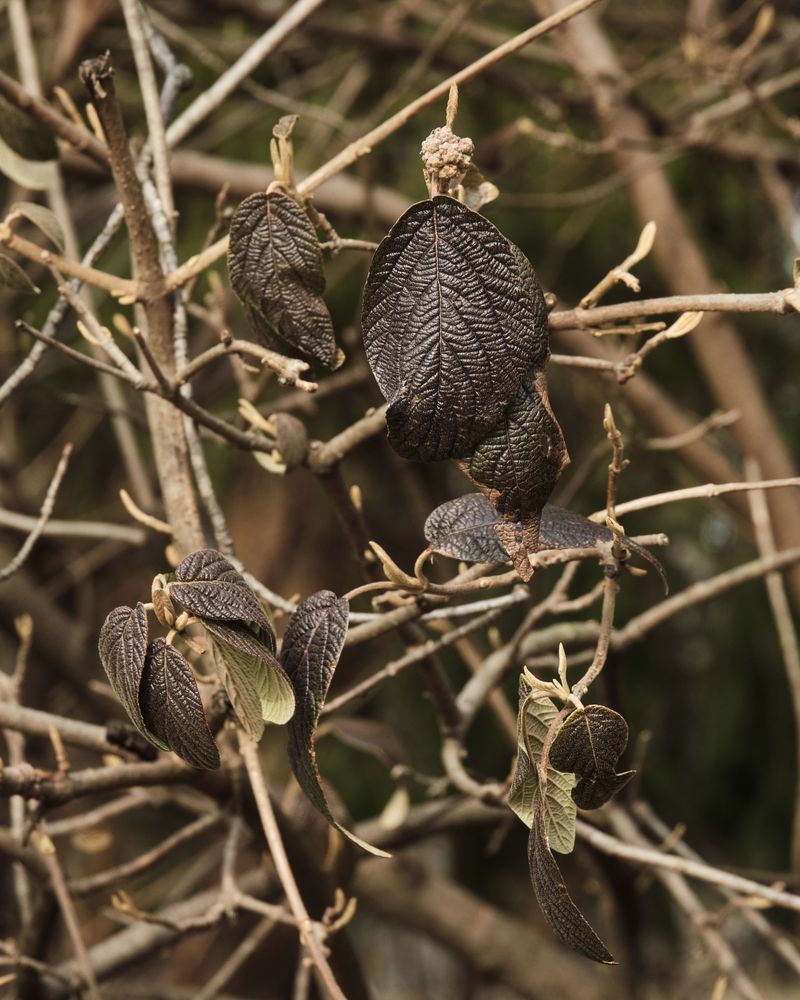
Lilacs, viburnums, and burning bush all have a habit of quietly downsizing. Interior leaves yellow and fall while the outer tips hang on, leaving a sparse-looking shrub.
That thinning is a survival move. The plant keeps the leaves that catch the most light and releases the ones that cost more than they earn.
Run your hand through the middle of a shrub this week. If you find bare twigs where leaves used to sit, water stress is a likely reason.
Shallow-rooted shrubs feel drought sooner than trees. Their root systems often sit in the top twelve inches, exactly where soil dries first.
Foundation plantings face an extra challenge. Roof overhangs block rain, and reflected heat off brick or siding pushes leaf temperatures higher.
Adding two to three inches of wood chip mulch helps hold moisture steady. Keep it pulled back a few inches from the stems so bark can breathe.
Skip the pruning saw for now. Cutting stressed shrubs in early fall pushes tender growth that will not harden off before cold nights arrive.
Fertilizer can wait too. A hungry-looking shrub with thin foliage usually needs water, not a nitrogen boost that demands more of it.
Deep soakings through October give roots a reserve to carry into winter. A slow trickle for thirty minutes at the base beats a quick pass with the hose. Come spring, that patience often shows up as fuller, healthier growth.
Evergreens Turning Rusty From The Inside Out

Conifers drop needles too, and folks rarely expect it. Inner needles on pines and spruces browning in September can look concerning, though some of it is routine.
Older needles near the trunk naturally retire after a few years, with pines shedding sooner than spruces. The pattern to watch is browning that spreads outward toward the branch tips.
Drought speeds up that inner shed. A tree short on water sacrifices its shaded, less productive needles to protect the newer growth.
Colorado blue spruce planted in hot, exposed spots takes this hardest. It evolved in cooler mountain drainages with steadier moisture than most suburban yards provide.
Evergreens do not go fully dormant. They keep losing small amounts of water through needles all winter, especially on those sunny January days that feel like spring.
Fall watering matters enormously for them. Soaking the root zone before the ground freezes builds a reserve that carries through the cold months.
Pick a mild winter day with no snow cover and water midday, following current local extension guidance on timing.
Repeat once a month through winter if the season stays dry. Many needle problems on Front Range spruces trace back to missed winter watering.
Mulch out to the drip line insulates roots against temperature swings. Wood chips work better than rock, which soaks up heat and radiates it upward. Small habits like these keep evergreens looking their part.
Rethinking Next Season’s Plant List

Every dry year hands you a plant list you did not ask for. The ones that sailed through August without complaint just earned a spot in next spring’s design.
Walk your yard with a notebook and mark which plants held their leaves. Those performers deserve more real estate.
Native and regionally adapted choices tend to top that list. Blue grama grass, rabbitbrush, penstemon, and gambel oak evolved with Colorado’s swings between soggy Mays and bone-dry Augusts.
Bur oak, hackberry, and Kentucky coffeetree handle Front Range conditions better than thirstier imports. Serviceberry and three-leaf sumac fill the shrub layer nicely.
Grouping plants by water need makes a bigger difference than people realize. Putting a thirsty hydrangea next to a xeric yucca guarantees one of them stays unhappy.
Fall is a fine time to plant trees and shrubs here. Cooler air reduces stress on foliage while soil stays warm enough for roots to settle in.
Water new plantings regularly through their first two seasons. Even tough natives need help establishing before they can shrug off dry spells.
Shrinking high-water turf areas frees up both water and weekend hours. Some Colorado utilities offer rebates for turf replacement, though availability and funding vary by district and season, so check current details with your provider.
Think of early leaf drop as a useful signal from your landscape. Listen this September, adjust this fall, and next summer feels a whole lot easier.