The California Yard Plant That Keeps Skunks From Digging Without A Single Trap
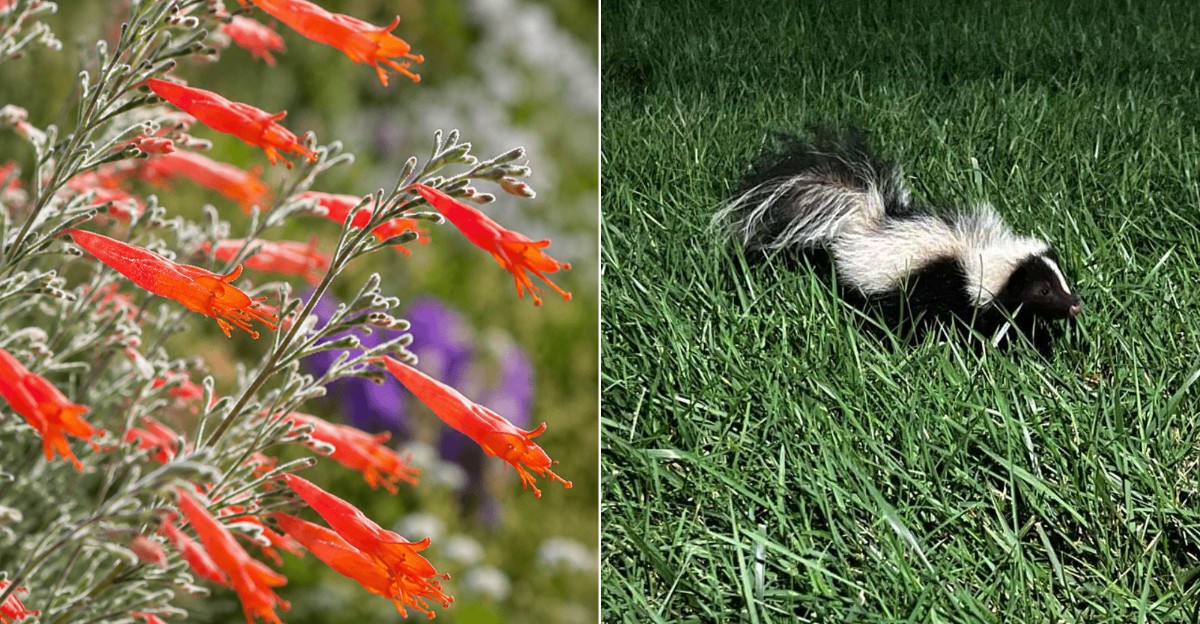
Skunks digging through your California yard can turn a neat landscape into a frustrating mess overnight.
Those small holes in the lawn and garden beds are often a sign that these visitors are searching for something beneath the surface, but traps are not the only way to make your yard less inviting.
Some plants are known for their strong scents and natural properties that may help discourage unwanted digging in certain areas.
Adding the right choices to your landscape can create another layer of protection while keeping your garden looking attractive. You do not need to completely change your yard to make it less appealing to skunks.
A few strategic plant choices, along with good garden habits, can help you create an outdoor space that supports the plants you love without encouraging every visitor that passes through.
1. It Replaces The Lawn Skunks Love To Dig
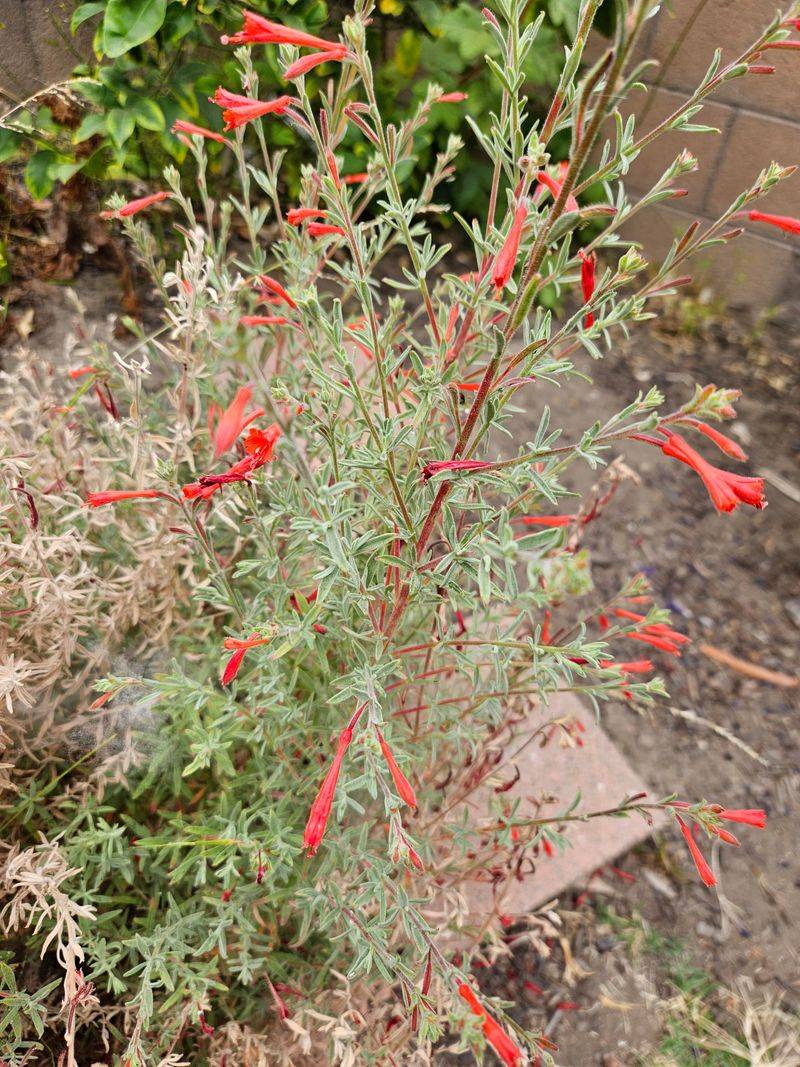
Skunks are drawn to soft, watered lawns because those spots are easy to dig and full of tasty grubs. Swapping some of that turf for California fuchsia takes away the very thing they came looking for.
Instead of open grass, you get a tangled mat of stems and leaves. That change makes the ground harder to paw through at night. Skunks like quick, easy meals, and a thick planting slows them down.
The switch also shrinks the buffet. Lawn roots hold moisture that grubs love, but fuchsia keeps the soil drier and less welcoming to those bugs. Fewer grubs mean fewer late-night visitors.
You do not need to rip out your whole yard at once. Start with the corners or edges where skunks tend to dig most. Small patches of fuchsia can grow and spread over time.
There is a bonus you will notice right away. Those orange flowers pull in hummingbirds all summer long, so the trade feels like an upgrade, not a loss.
Replacing turf this way solves the problem at its root. You are not chasing animals or setting traps. You are simply making the yard less useful to them, which keeps the digging from starting in the first place.
2. Its Dense Growth Covers Bare Soil And Weak Spots
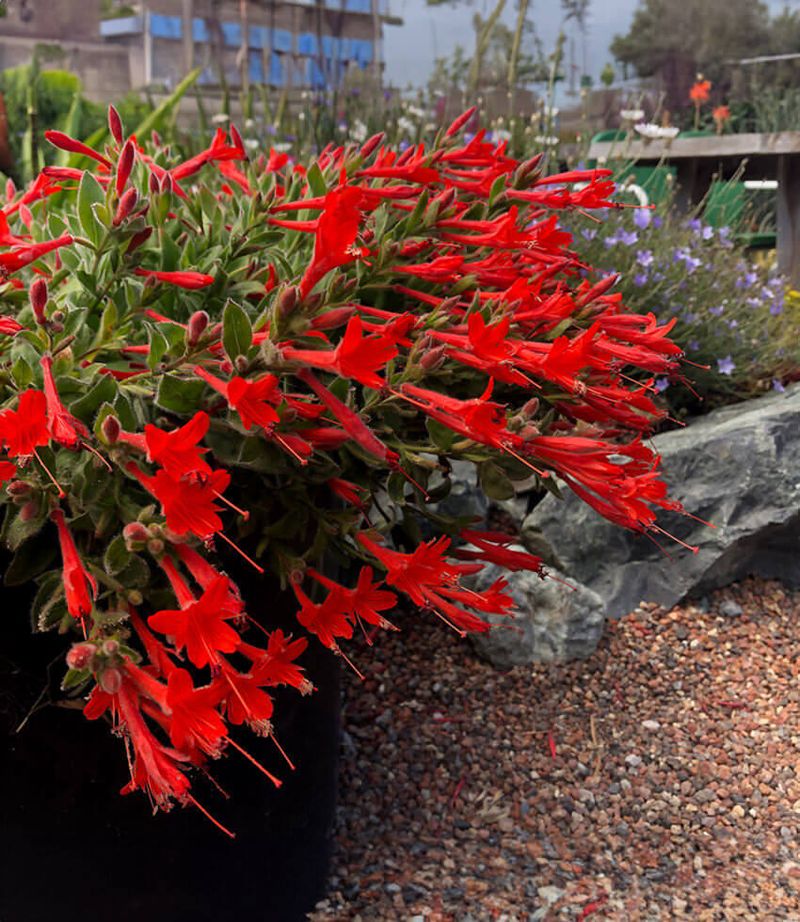
Bare patches of dirt are like open doors for skunks. Those loose, easy spots invite quick digging, and once one skunk finds success, others tend to follow.
Thick foliage changes that story. As the plant fills in, its stems weave together and blanket the ground with green cover. There is little exposed soil left to tempt a curious nose.
The leaves and low branches form a natural mat over time. That mat makes clawing awkward and slow, which is exactly what discourages a skunk that wants an easy meal.
Weak spots along fences, walkways, and flower beds often become digging targets. Filling those gaps with a spreading native gives you fewer trouble zones to worry about.
You will also spend less time patching holes and reseeding grass. When the ground stays covered, it stays firm, and firm ground is far less fun to dig.
Your California Garden Changes Every Week. Your Plan Should Too.
Gardening in California changes quickly throughout the season. Every Friday you’ll receive a simple weekly plan showing exactly what to plant, prune, fertilize, harvest, and protect so you never miss the right timing.
Here is a helpful tip. Plant a few fuchsias close together so they knit into one dense clump faster. Crowding them a little speeds up the coverage you want.
Over a season or two, those small starts turn into a solid living carpet. That carpet quietly guards your yard, hiding the bare spots that used to draw diggers night after night.
3. This Native Plant Needs Far Less Water Than Turf
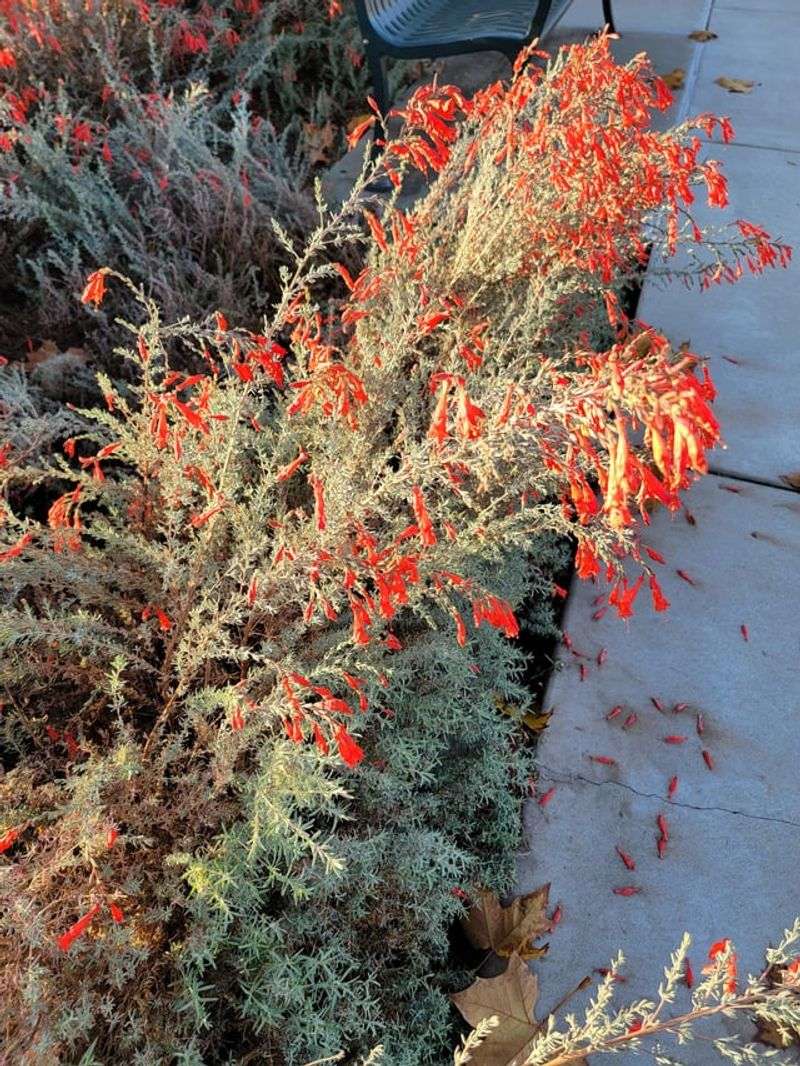
Lawns are thirsty. They need constant watering to stay green, and all that moisture keeps the soil soft and full of the grubs skunks crave.
A California native flips that whole setup. Once it settles in, California fuchsia gets by on very little water, even during long dry stretches.
Drier soil is tougher soil. Skunks find it harder to dig, and grubs find it harder to live there, so the ground becomes less of a target overall.
Your water bill gets a break too. Cutting back on lawn watering saves money and time, especially in parts of California where every drop counts.
During the first few weeks, give young plants a little regular water so their roots can grow strong. After that, you can slowly cut back and let them toughen up.
Once established, these plants often thrive on rainfall alone in mild seasons. A deep soak now and then during peak heat is usually plenty.
Choosing a low-water plant is a smart move for the whole yard. You get color, you help pollinators, and you make the ground less friendly to diggers all at once.
Less watering really can mean fewer problems. It is a simple change with a big payoff for your peace and your garden.
4. Fewer Grassy Areas Can Mean Fewer Grub Hotspots
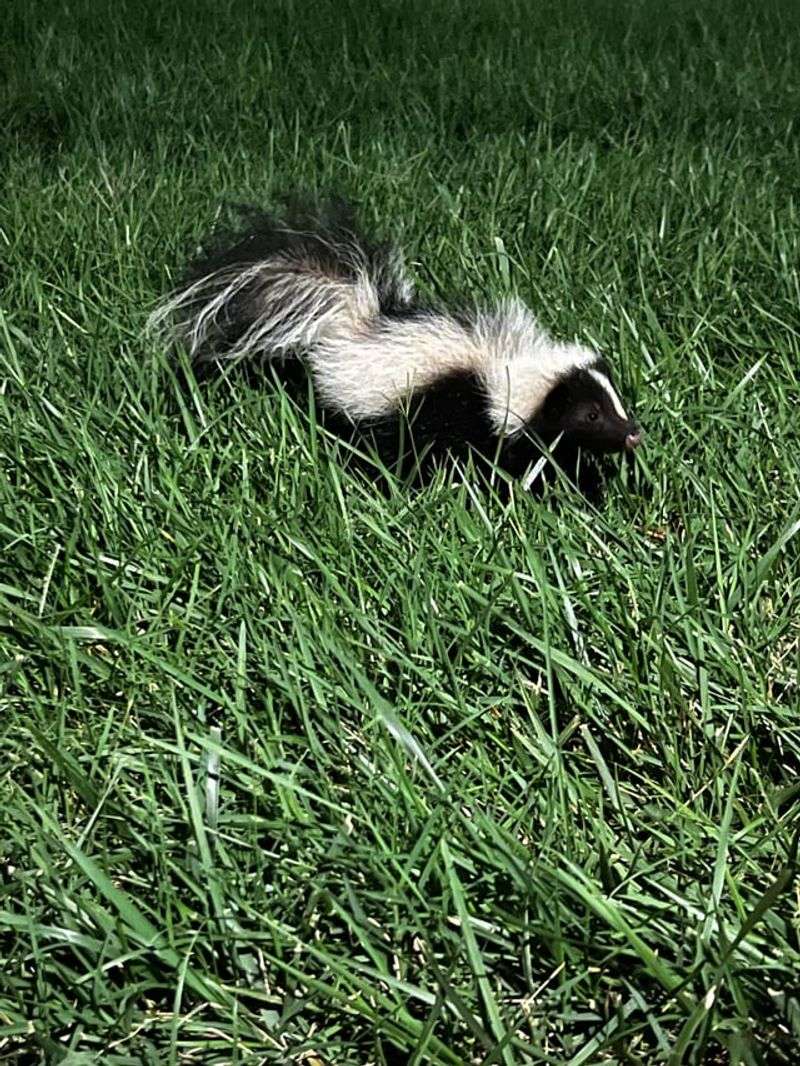
Grubs are the main reason skunks tear up yards. These plump little larvae live in the soil under lawns, and skunks dig them out like buried treasure.
Shrinking your grassy areas cuts down on grub habitat. Fewer lawns mean fewer places for those larvae to gather, so the buffet gets a lot smaller.
When you replace turf with a native like California fuchsia, the soil conditions change. Drier, root-packed ground is not the cozy home grubs prefer.
Skunks are practical eaters. If the grubs disappear, so does the reason to visit your yard each night. The digging usually fades on its own.
You do not have to remove every blade of grass. Even trimming back a large lawn into planted beds can break up the big grub hotspots skunks target most.
Focus on the spots where you have seen holes before. Turning those exact areas into fuchsia beds hits the problem right where it lives.
A quick tip helps here. Mix in a few other drought-friendly natives around your fuchsia to create a wider zone that stays low in grubs.
Reducing grassy space is one of the most effective long-term fixes. You solve the food source, and the skunks lose their reason to keep coming back.
5. California Fuchsia Handles Dry Sunny Areas Easily
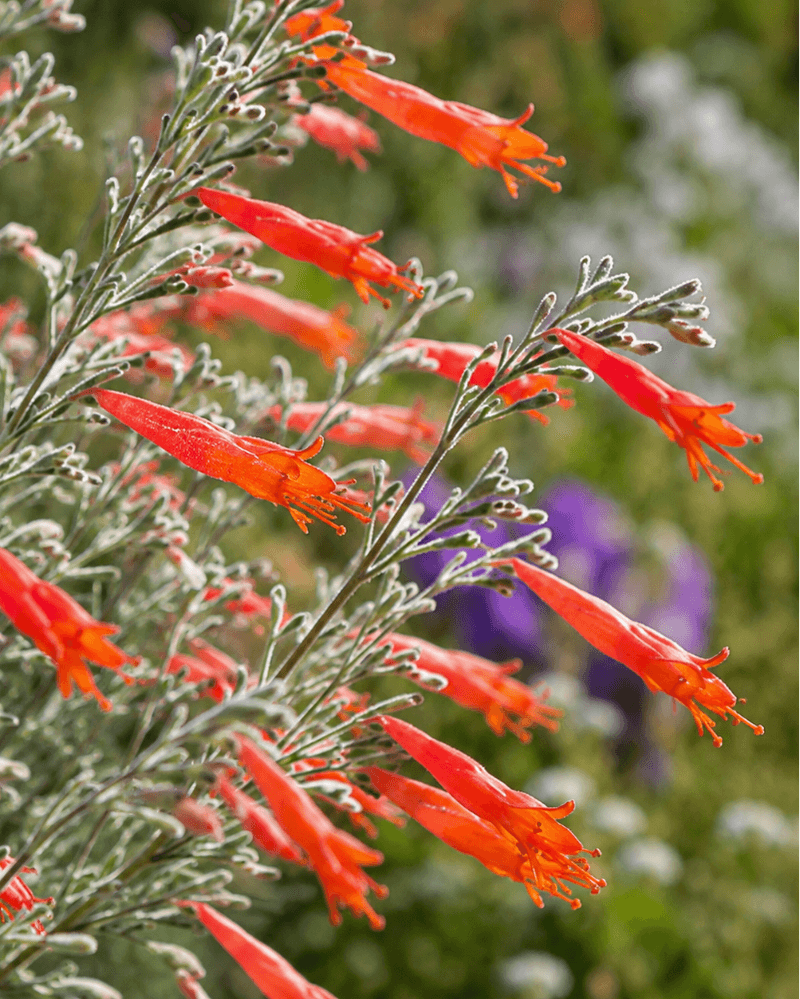
Some plants wilt the moment the sun beats down, but this one loves the heat. Full sun and dry ground are exactly where it feels most at home.
Those hot, dry corners of your yard are often the hardest to landscape. A native fuchsia turns those tricky spots into blooming, useful cover.
Because it thrives where grass struggles, you can plant it in the very areas that usually stay patchy and bare. Bare patches, remember, are skunk magnets.
The plant produces bright orange, tubular flowers even in tough summer sun. That color lasts for weeks and brings life to spots that once looked dull.
Sunny slopes and rocky edges work great too. This tough native holds its own on hillsides where other plants would give up quickly.
Here is something fun. Its late-summer blooming season lines up perfectly with hummingbird migration, so your sunny bed becomes a busy feeding stop.
Planting in the right spot makes care easy. Give it good drainage and plenty of light, and it mostly takes care of itself after that.
By filling hot, dry zones with a plant that loves them, you keep those areas covered and lively. That coverage quietly keeps skunks from claiming the space for digging.
6. Its Spreading Growth Helps Fill Open Garden Spaces
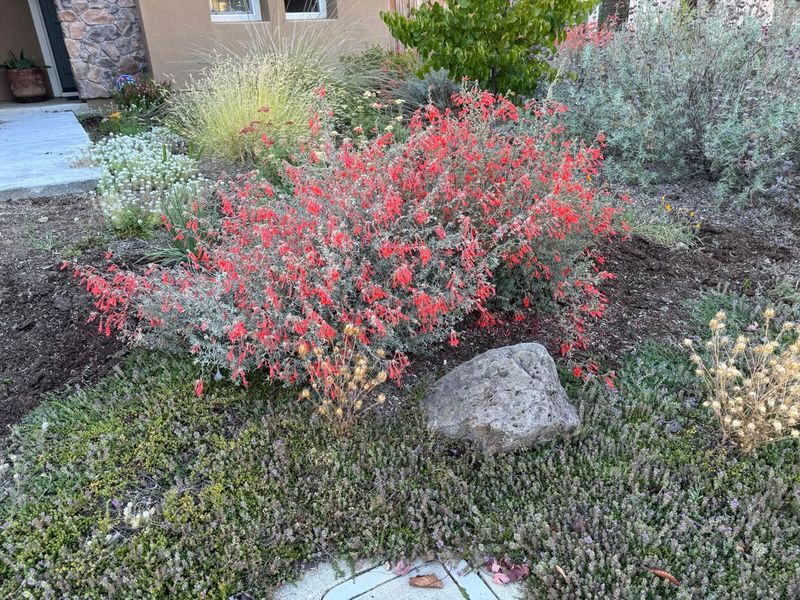
Empty gaps in a garden are more than just plain looking. Open soil between plants gives skunks easy places to poke around and dig.
A spreading native takes care of those blanks. California fuchsia sends out low stems that creep sideways and slowly fill the space around it.
Over a season, one small plant can widen into a broad, leafy clump. That growth naturally closes the gaps you might otherwise leave open.
Filling those spaces does double duty. You get a fuller, prettier bed, and you remove the bare ground that invites nighttime digging.
The spreading habit also crowds out weeds. Fewer weeds mean less loose, disturbed soil, which again makes the area harder for skunks to work.
You can guide the spread by planting starts a little apart and letting them grow toward each other. They will meet in the middle over time.
A gentle trim in late winter keeps the clumps tidy and encourages fresh, thick growth the next spring. That fresh growth fills gaps even faster.
Letting this plant do its natural spreading saves you effort. Instead of buying dozens of plants, you can let a few expand and cover the ground on their own.
A filled-in garden simply gives skunks fewer openings to explore.
7. Deep Roots Make It Tough During Summers
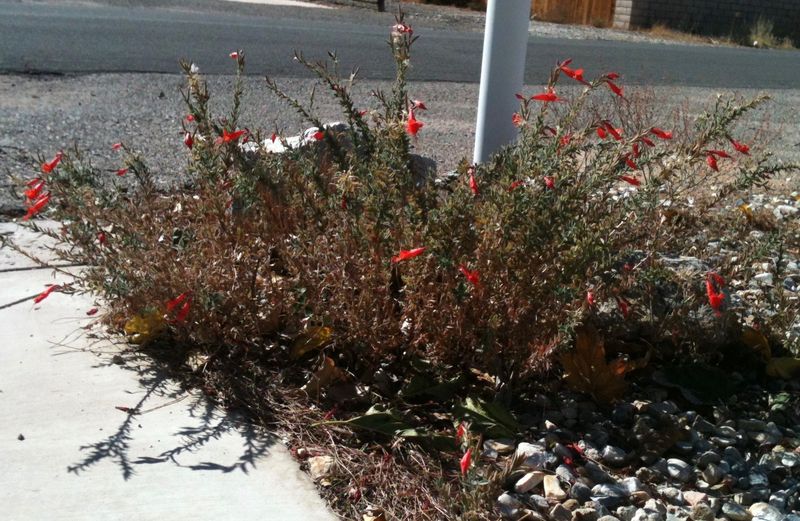
California summers can be long and brutal. Many plants fade fast in the heat, but this native has a secret weapon hidden underground.
Deep, strong roots reach far into the soil to find moisture. That deep anchor helps the plant stay healthy when the surface turns bone dry.
Those roots do something extra for you. As they spread through the soil, they knit the ground together and make it firmer and harder to dig.
Firm, root-packed earth is not what a skunk wants. Loose, soft soil is easy to claw, but a network of roots slows a digger right down.
The deep roots also help the plant bounce back after tough weather. Even after a dry spell, it often greens up quickly once cooler days arrive.
Because it survives heat so well, you get year-after-year coverage without replanting. Steady coverage means steady protection against digging.
A quick care note. Water deeply but not too often when the plant is young. This trains roots to grow downward instead of staying near the surface.
Strong roots below the ground and thick growth above make a powerful combo. Together they create a space that stays covered, firm, and far less appealing to any skunk searching for an easy dig.
8. It Creates A Different Landscape Than Skunk-Friendly Lawns
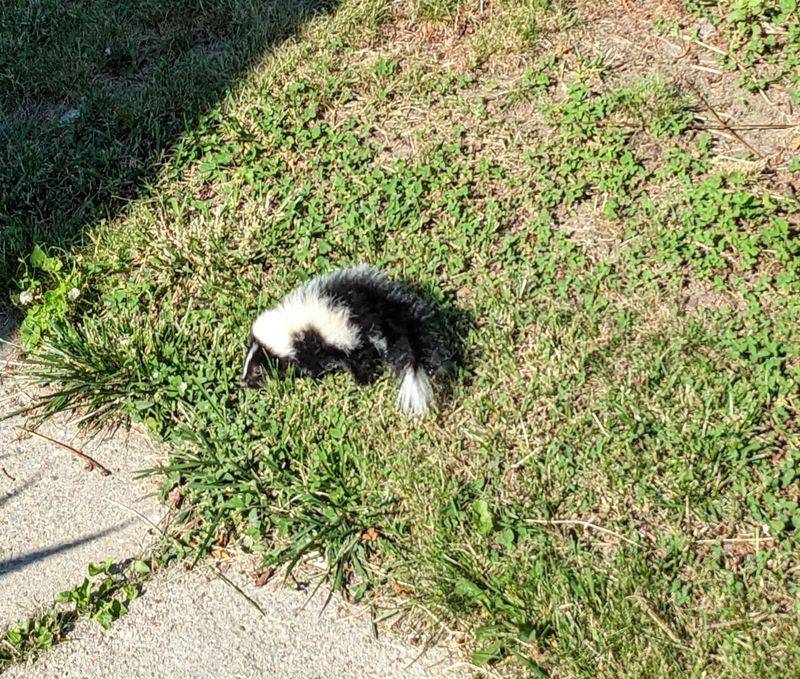
Traditional lawns practically roll out the welcome mat for skunks. Soft grass, damp soil, and hidden grubs create the perfect nighttime dining spot.
A native landscape breaks that pattern completely. Instead of one flat green carpet, you build a mix of textures, colors, and firm ground.
That variety confuses the easy routine skunks rely on. Without wide, soft turf to work, they lose the simple digging they came for.
The look is different too, in the best way. Bright blooms, buzzing pollinators, and low-water beds feel alive and full of movement.
You are also building something better for local wildlife. Native plants support bees, butterflies, and hummingbirds that lawns simply cannot feed.
Making the switch does not have to happen overnight. Replace a section at a time, and watch how each new bed shrinks the skunk-friendly space.
Think of it as trading a problem yard for a purposeful one. Every patch of fuchsia is one less patch of tempting, diggable grass.
Here is a final helpful idea. Pair your fuchsia with mulch and stones in nearby areas to keep even more of the soil covered and firm.
The result is a yard that looks great, saves water, and quietly discourages digging. You solve the skunk problem by simply changing what the landscape offers them.