Should Pennsylvania Gardeners Leave Tomato Roots In The Soil After The Final Harvest?
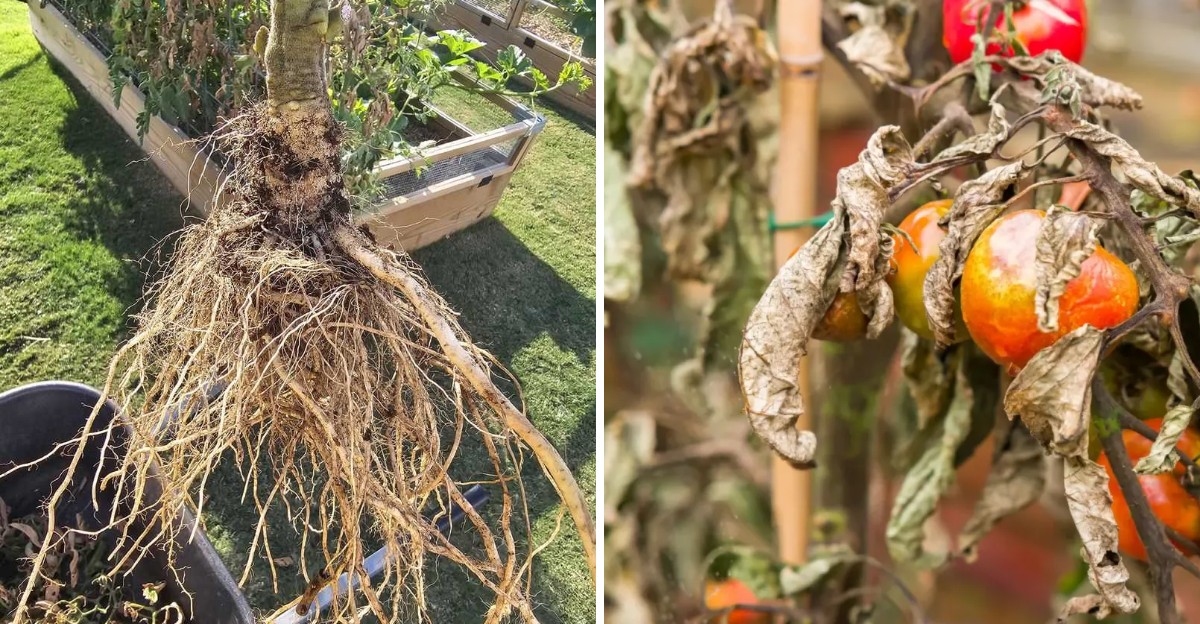
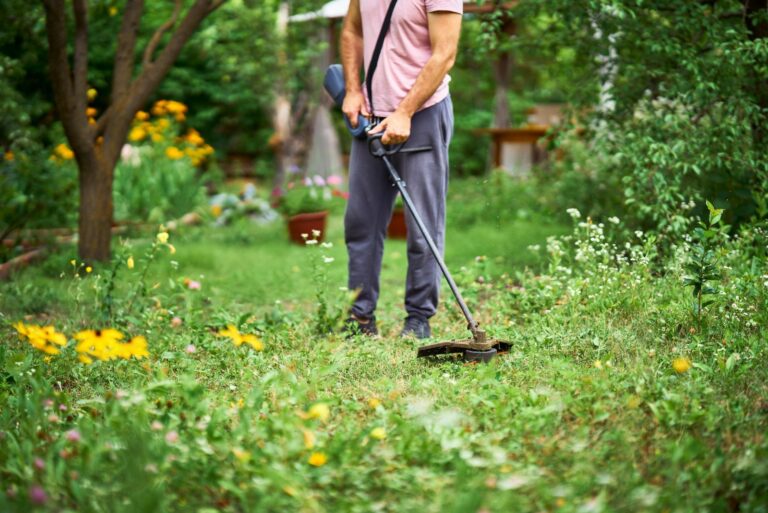
It is a chilly October afternoon in a Pennsylvania backyard, and a gardener is snipping off spent tomato plants right at the soil line.
Tossing the vines into a wheelbarrow and leaving the roots tucked underground, exactly the way the job always gets done every fall.
The idea sounds tidy and even helpful, since decaying roots add organic matter and leave soil structure undisturbed for next year’s planting.
Most gardeners never question this habit at all, assuming leftover roots simply break down harmlessly into the soil over the winter months ahead.
But tomatoes bring some baggage with them, because a handful of stubborn soilborne diseases can hang around in leftover root tissue.
Knowing when to leave roots and when to dig them out can save you a frustrating season of wilting plants come next summer.
Roots Can Harbor Disease Through Winter
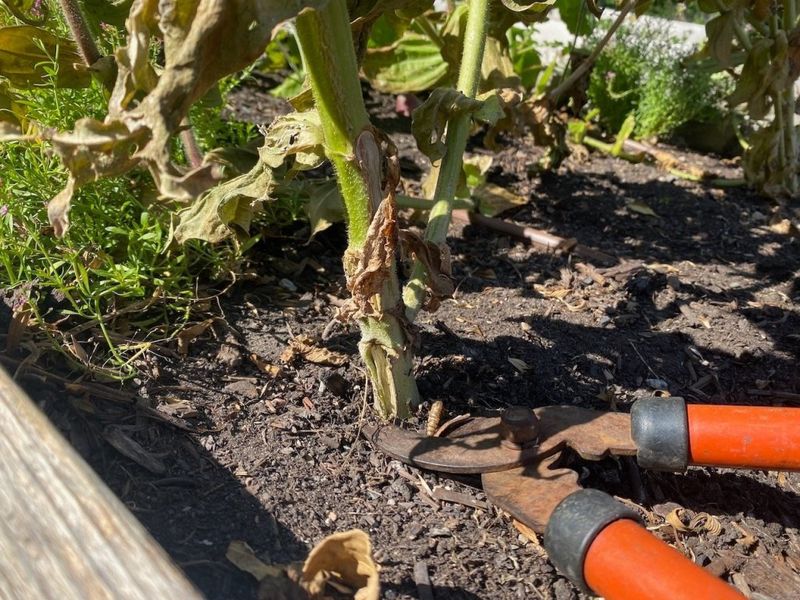
Cold weather ends tomato vines for the season, but it doesn’t reliably remove everything living inside them throughout the coldest stretches of a Pennsylvania winter.
Several of the fungal pathogens that attack tomatoes spend part of their life cycle inside root and stem tissue, and that tissue can act like a shelter.
When you cut a plant at the soil line, the root system stays underground and breaks down slowly through the cold months without much disturbance.
Pennsylvania winters do freeze the ground, yet freezing temperatures alone do not sterilize soil or wipe out well-protected fungal structures hiding inside root tissue.
Penn State Extension notes that soilborne tomato pathogens survive in infected plant debris and in the soil itself, which is exactly why sanitation matters.
Leftover roots are simply another form of debris, just one you cannot see sitting right there underneath the surface of the bed.
Come spring, those surviving organisms sit right in the root zone where you are likely to plant again without realizing the risk involved.
Young transplants have tender, fast-growing roots, and they can pick up an infection before you ever notice a symptom above ground at all.
Not every buried root turns into a problem though. Plenty of gardeners leave roots behind for years without trouble, especially in beds with good drainage.
Verticillium And Fusarium Survive In Soil
Two names come up again and again in Pennsylvania tomato troubleshooting. Verticillium wilt and fusarium wilt. Both are fungal diseases that enter through the roots.
What makes them stubborn is their staying power in the soil. Penn State Extension describes these pathogens as soil inhabitants that can persist for years.
Verticillium has an unusually wide menu, attacking eggplant, peppers, potatoes, strawberries, and many weeds and ornamentals growing nearby in the same yard.
That broad host range means simply skipping tomatoes for one year may not starve it out completely, since it survives on other plants too.
Fusarium wilt is fussier about its host but tougher in the soil, producing durable resting spores that laugh at a single cold winter passing through.
Both fungi live in the root zone, which is the exact spot where leftover tomato roots sit decomposing quietly all winter long without disturbance.
Your Pennsylvania Garden Changes Every Week. Your Plan Should Too.
Gardening in Pennsylvania changes quickly throughout the season. Every Friday you’ll receive a simple weekly plan showing exactly what to plant, prune, fertilize, harvest, and protect so you never miss the right timing.
Symptoms often show up as yellowing that starts on lower leaves and sometimes appears on just one side of the plant during the growing season.
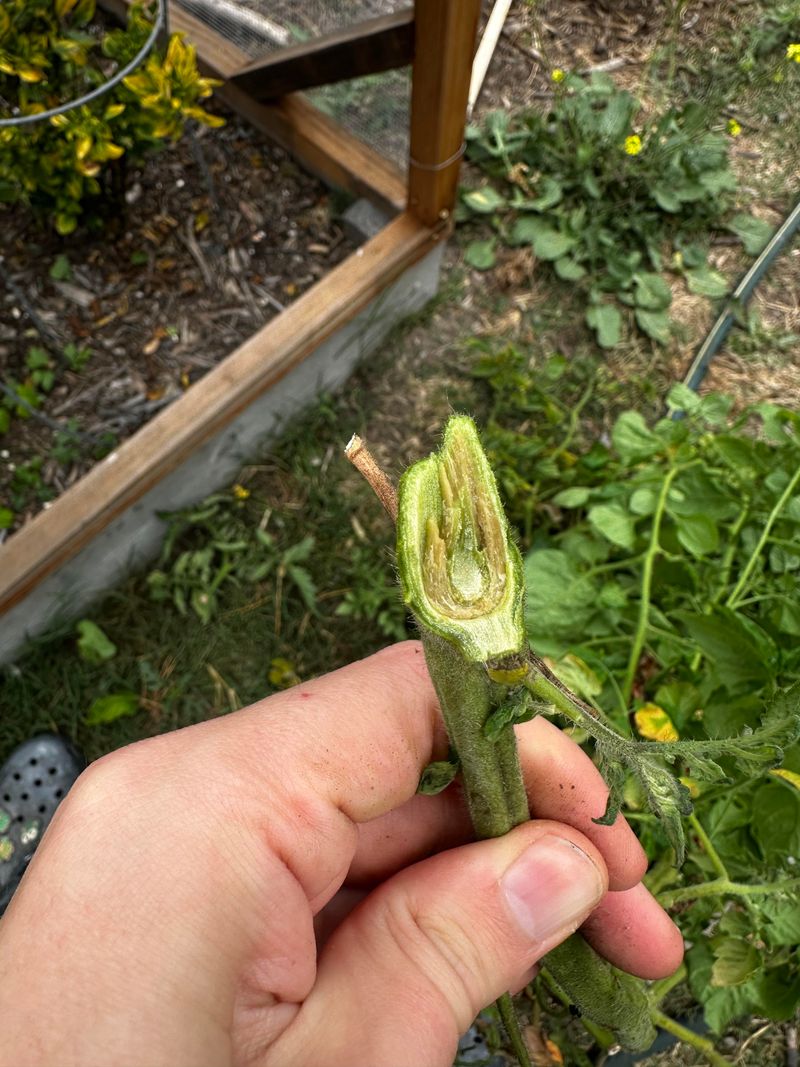
Slicing a stem lengthwise and spotting brown streaks inside is a classic clue worth checking for before deciding what to do with the roots.
If you saw anything like that last season, treat those roots as suspect material rather than free compost sitting there waiting to be reused.
Pulling The Whole Plant Reduces Risk
Here is the practical bottom line most extension educators land on. Take the whole plant, roots and all, out of the ground entirely.
It is the safer default, and it costs you almost nothing except a little effort on a cool fall day working outside.
Work when the soil is slightly moist but not soggy for the easiest removal. Grab the stem low, rock it back and forth to loosen the grip.
A garden fork helps enormously with older, woody plants that have really settled into the ground over a whole growing season.
Slide it in about six inches away from the stem, lever gently, and the root ball usually releases without shredding into a hundred pieces.
Shake off loose soil so you are not hauling away half your bed along with the roots you actually want to remove.
Then gather up fallen fruit, dropped leaves, and any stray stems, because that debris carries early blight and septoria spores just as readily.
Do not forget the hardware sitting in the bed either. Wipe down cages, stakes, and clips, since spores cling to those surfaces easily.
Removing roots also gives you a free inspection of the whole root system. Knots and swellings along the roots point toward root-knot nematodes.
Healthy Roots Pose Less Of A Concern
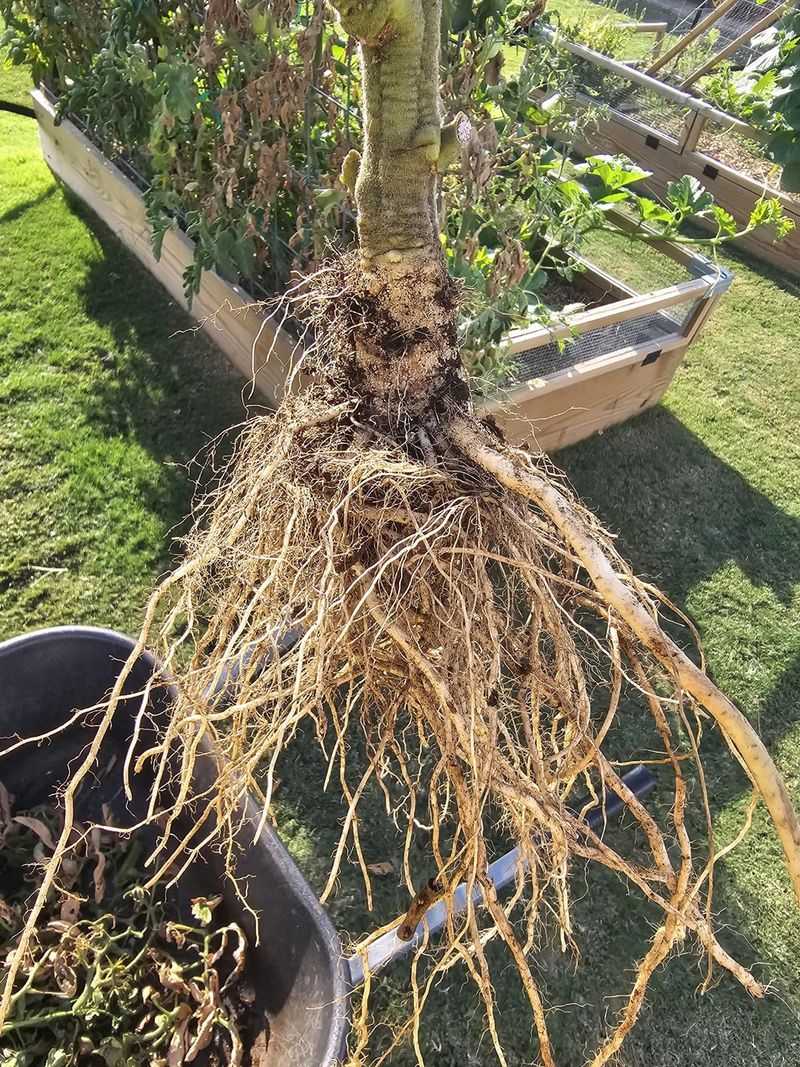
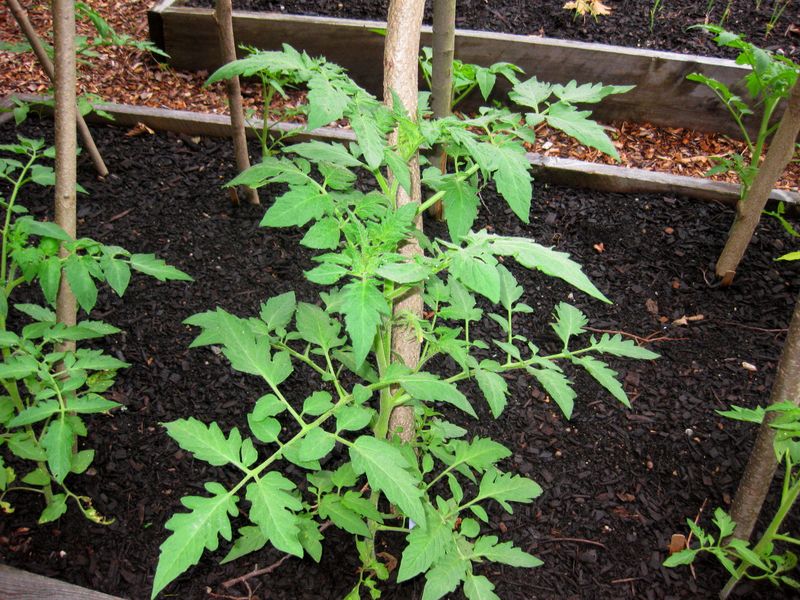
Suppose your tomatoes sailed through summer without a single yellow leaf, no wilting, no brown streaks, and a harvest that kept the counter full.
That plant carries noticeably less risk than one that struggled visibly throughout the growing season with obvious symptoms of trouble somewhere along the way.
Roots from an apparently healthy plant break down into organic matter, feed soil microbes, and leave behind small channels that improve drainage and aeration.
Honesty matters here though, since appearances can deceive even an experienced gardener paying close attention to the plants all summer long.
A plant can host a mild infection without showing dramatic symptoms, especially late in the season when leaves are naturally fading anyway from age.
Verticillium and fusarium sometimes produce subtle, slow decline that gets blamed on heat stress, drought, or old age instead of disease.
By the time you notice, the root tissue may already be colonized by the fungus without any clear warning signs showing up beforehand.
Because of that uncertainty, removal still lands as the generally recommended practice even for plants that looked fine all season long.
A reasonable middle path exists for confident gardeners though. If the plant was genuinely vigorous and your bed drains well, some flexibility makes sense.
Crop Rotation Still Matters Either Way
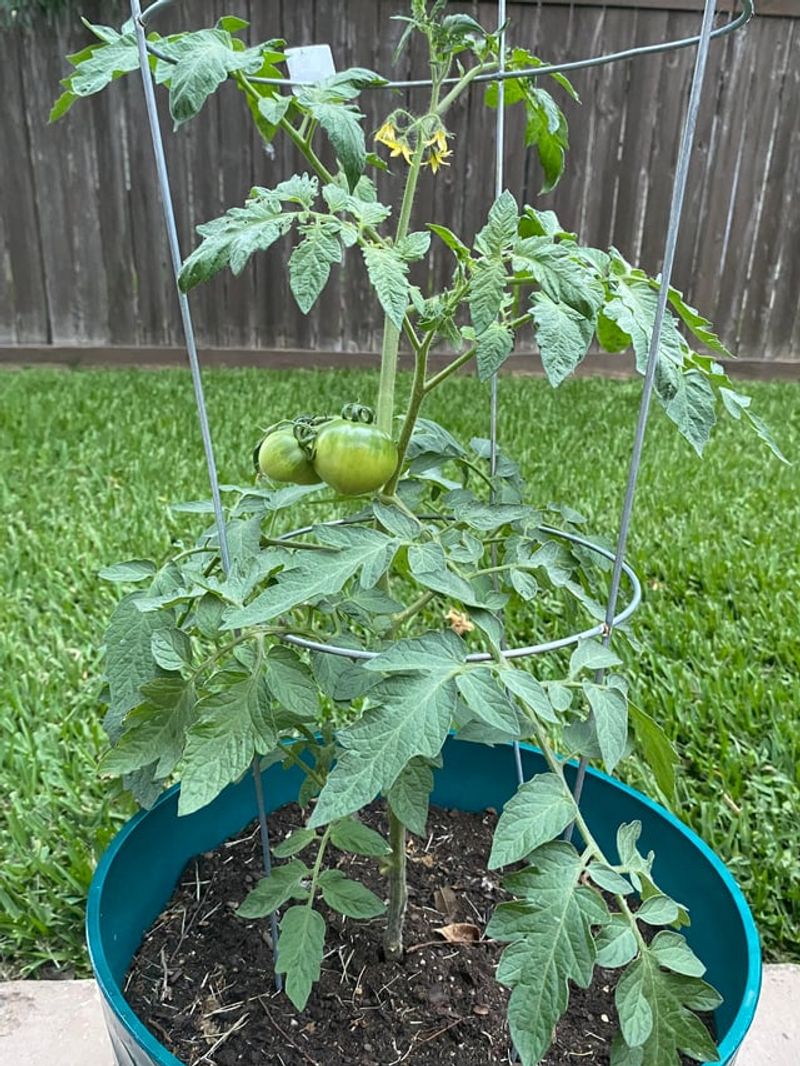
Yanking out every last root will not reset your soil to factory settings by any stretch of the imagination at all.
Fungal spores and microscopic bits of tissue remain behind regardless, which is why rotation does the heavy lifting over time in the bigger picture.
The basic move is simple to follow each year. Avoid planting tomatoes, peppers, eggplants, or potatoes in the same spot year after year.
Those crops belong to the nightshade family and share many of the same enemies lurking in the soil waiting for a host plant.
Penn State Extension generally recommends a rotation of at least three to four years away from a given family for soilborne disease management.
Follow nightshades with something unrelated, such as beans, peas, corn, squash, or brassicas like broccoli and kale planted in that same spot.
Legumes are a particularly nice follow-up because they add nitrogen back into the bed while the soil rests from nightshade pressure.
Small yards make strict rotation tricky, and container growers face the same squeeze. Swapping fresh potting mix each year accomplishes something similar in pots.
Compost Only If The Plant Looked Healthy
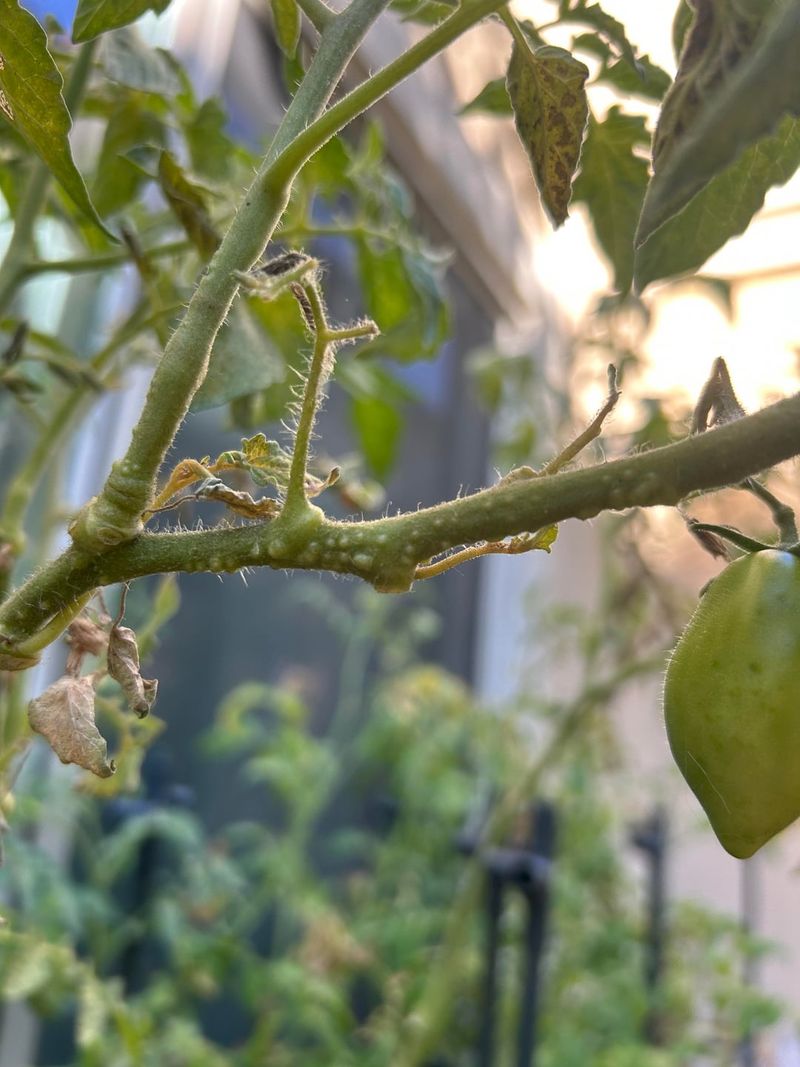
The compost pile is where good intentions often backfire on an unsuspecting gardener trying to do the responsible thing with their garden waste.
Tossing in diseased tomato vines and roots can spread the problem around your whole garden next spring when you spread that finished compost.
Backyard piles rarely reach and hold the temperatures needed to break down tough fungal structures hiding inside infected plant tissue over the winter.
Hitting 130 to 150 degrees throughout a pile takes careful layering, moisture management, and regular turning that most casual composters simply skip entirely.
Plants that looked clean all season are fair game for the compost pile without much worry involved in the decision at all.
Chop the vines and roots into smaller pieces, mix them with brown material like shredded leaves, and let the pile work its magic.
Anything showing wilt, stem streaking, or root knots should leave the property entirely rather than sitting in a home compost bin.
Bag it for municipal yard waste collection if your Pennsylvania township accepts it, since commercial facilities run much hotter than home piles ever could.
When you honestly cannot remember how a plant performed, err toward the trash bag rather than risking the whole compost supply.
When In Doubt, Remove The Roots
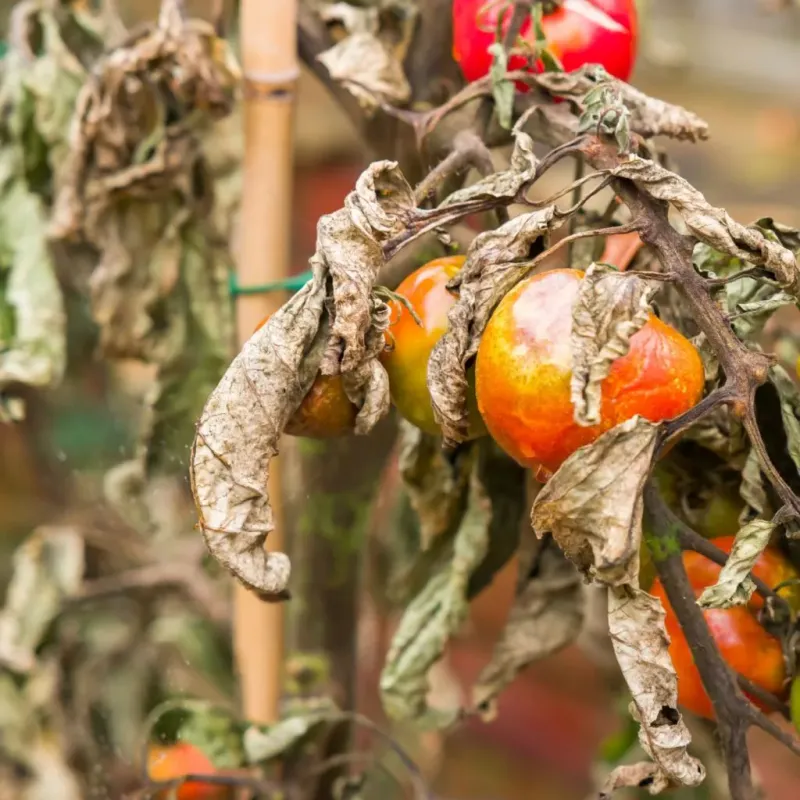
Memory fades fast once tomato season ends and the busy fall cleanup season takes over most of a gardener’s attention and time.
Most of us cannot recall in October whether a particular plant had a few odd yellow leaves back in August during peak summer heat.
That fuzziness is precisely why the safe default is to pull the roots regardless of whether you remember any specific symptoms clearly.
You are trading maybe fifteen minutes of fall labor for meaningful peace of mind next season when you go to plant again.
Consider the math involved here. A wilt outbreak can cost you an entire bed of tomatoes and then linger for several more years afterward.
New gardeners especially benefit from this habit, since recognizing early wilt symptoms takes practice most beginners simply have not built up yet.
Clearing beds completely removes the need to make a judgment call you may not be equipped to make yet this early on.
Timing helps as well throughout this whole process. Pull plants after the first light frost knocks them down but before the ground freezes hard.
Once the bed is empty, add compost, sow a cover crop like winter rye, or mulch the surface to protect it through winter.