The Native North Carolina Shrub That Beats Everything Else For Early Spring Blooms And Summer Berries
A North Carolina yard in late March looks stubbornly gray still. The oaks are still bare, the maples are barely budding, and most shrubs look like a pile of gray sticks sitting there doing nothing.
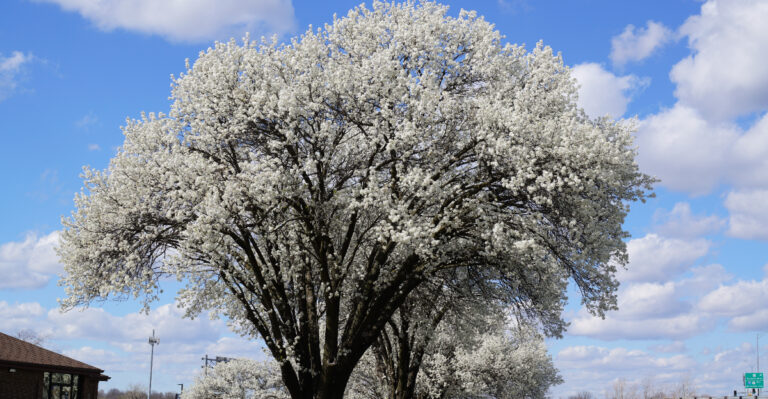
Then, near the edge of the woods, one small tree stands covered in clouds of white flowers, buzzing with early bees already at work.
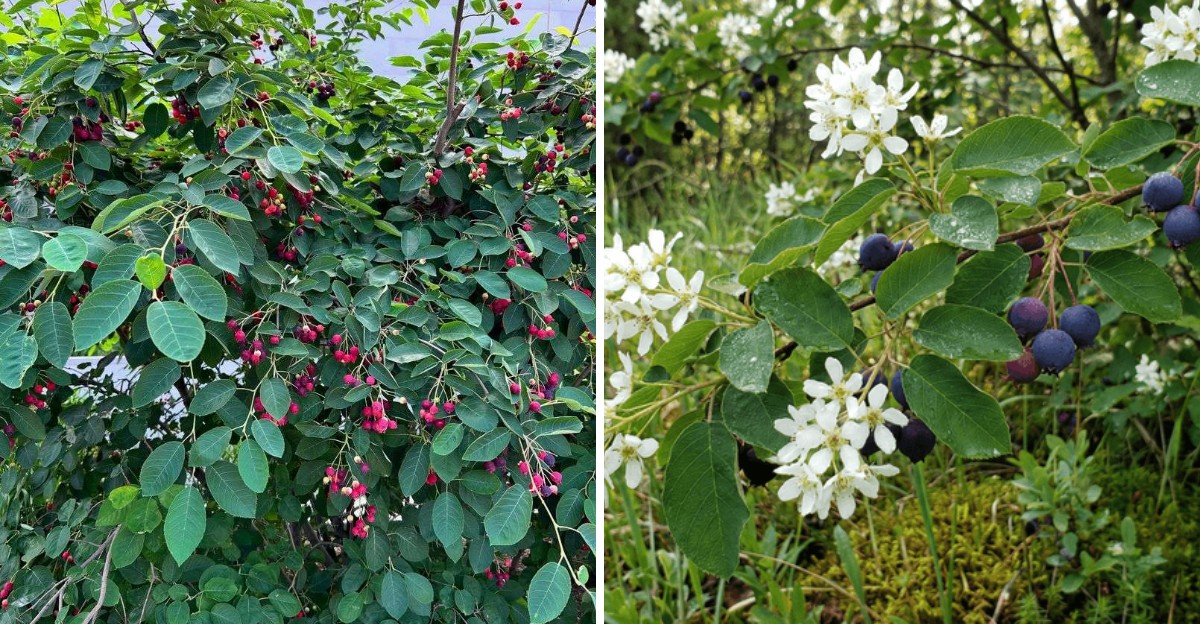
That plant is serviceberry, a native Amelanchier that gives you flowers in spring, sweet fruit in summer, and bright leaves in fall.
Most homeowners walk right past this tree at the nursery, choosing something flashier without realizing what a single planting could actually deliver across a whole year.
All from one root system, without demanding much attention in return once it settles into a good spot.
Blooms Arrive Before Most Competitors Wake Up
Early spring in North Carolina can feel stubbornly gray, and that is exactly when serviceberry shows off its earliest advantage over neighboring plants.
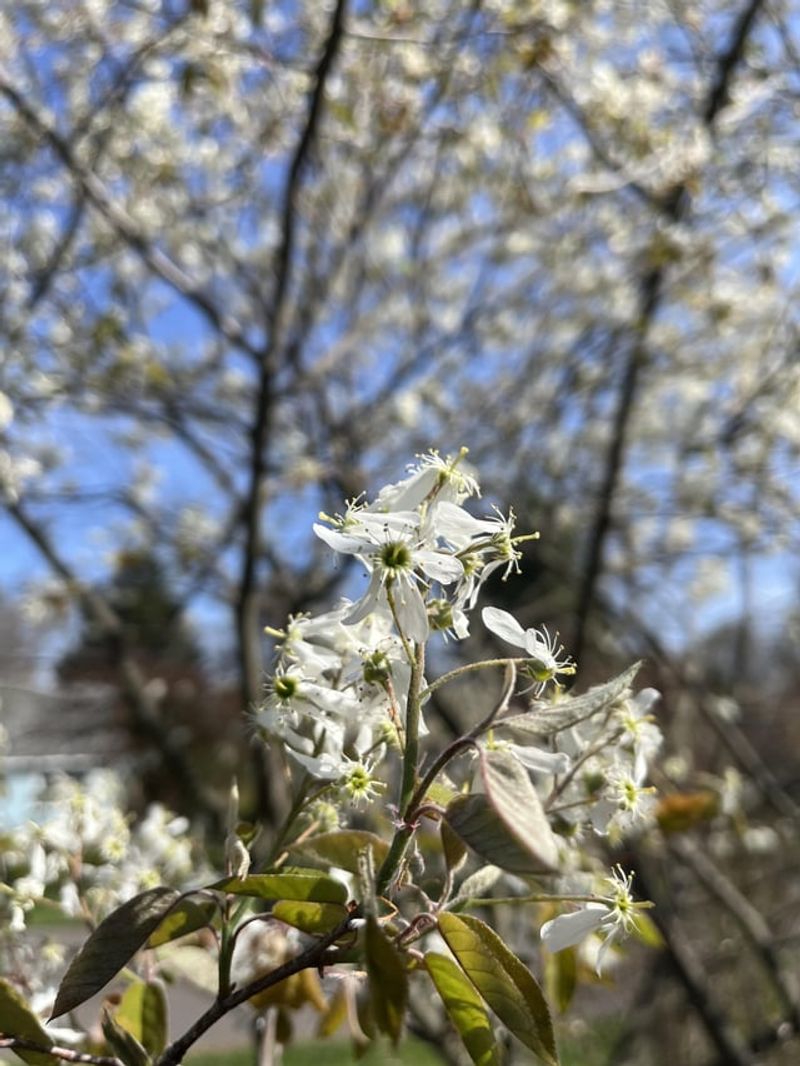
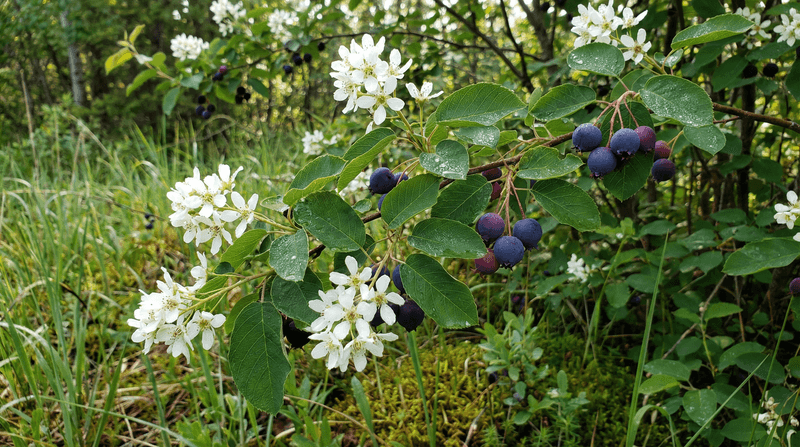
Depending on your elevation and the species, the white flowers open roughly from March into early April, often before the shrub has finished leafing out entirely.
The blooms are small, with five slim white petals, and they appear in loose clusters that give the whole plant a lacy, snow-dusted look overall.
Because so little else is flowering that early, the effect stands out far more than the same flowers would if they opened in May instead.
NC State Extension notes that serviceberry is one of the earliest woody plants to bloom, which matters for more than looks alone.
Hungry native bees emerging from winter need nectar and pollen right then, and serviceberry is one of the first places they can find it reliably.
Bloom time does shift with weather from year to year. A warm February can pull flowers forward, and a late frost can shorten the show considerably.
Give it a spot with full sun to part shade and moist, well-drained soil for the best results. Full sun usually produces the heaviest flowering overall.
Edible Berries Follow Right Behind
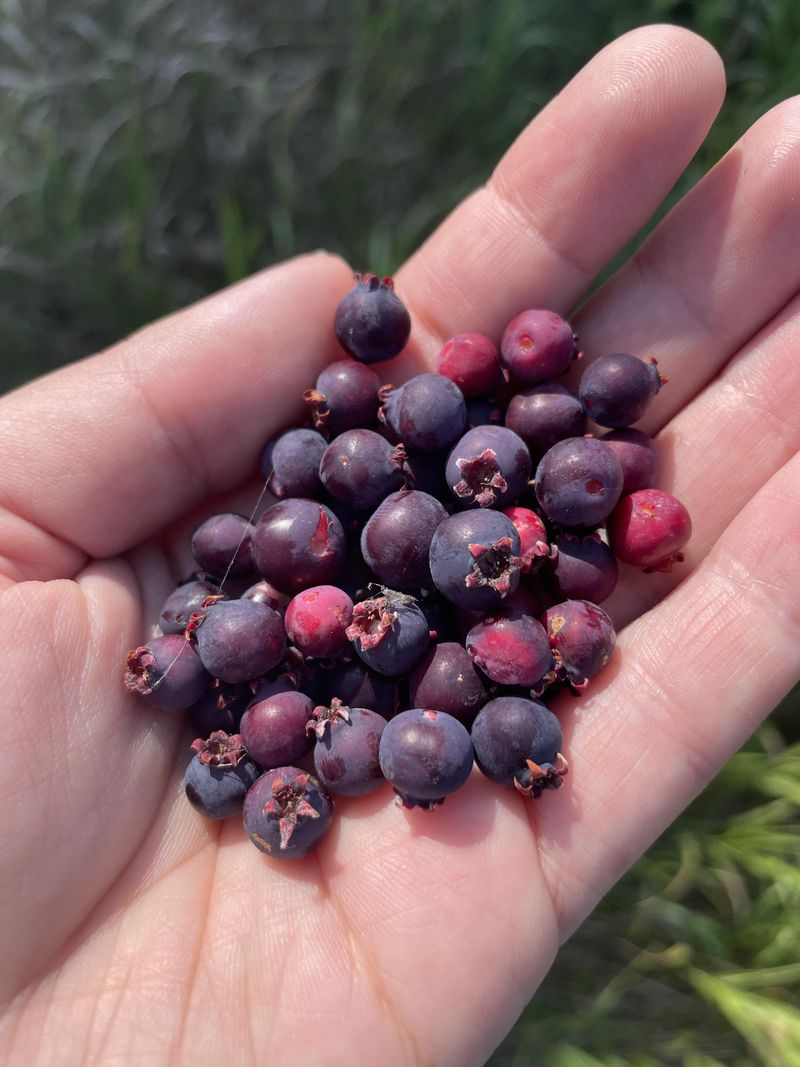
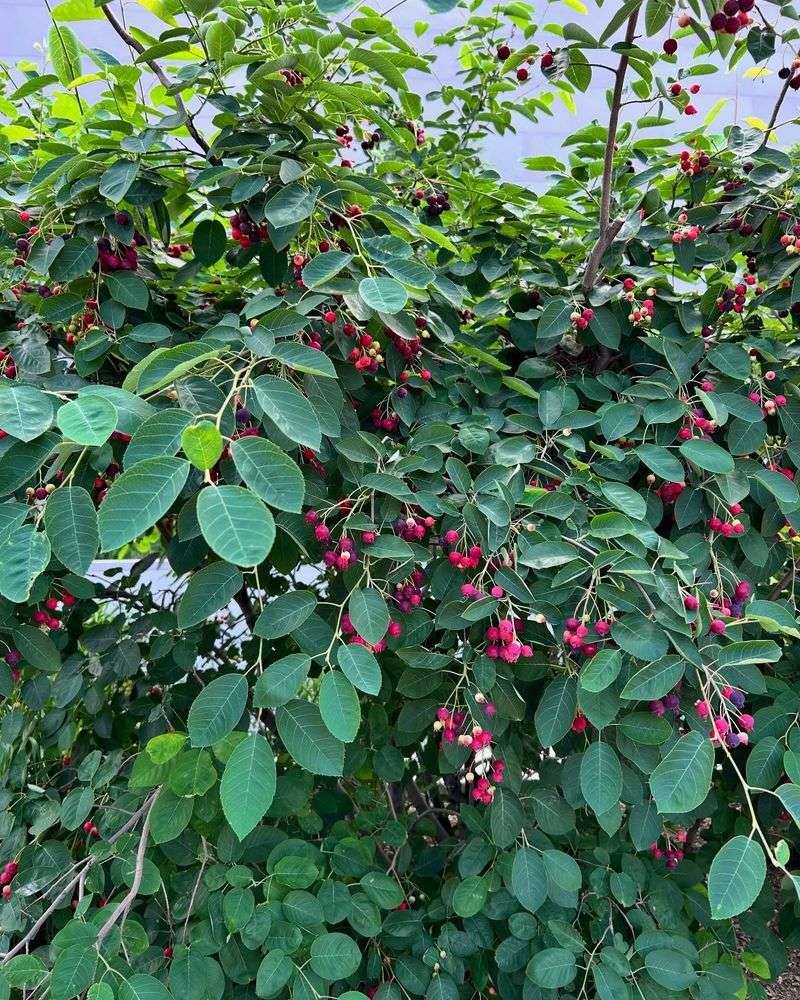
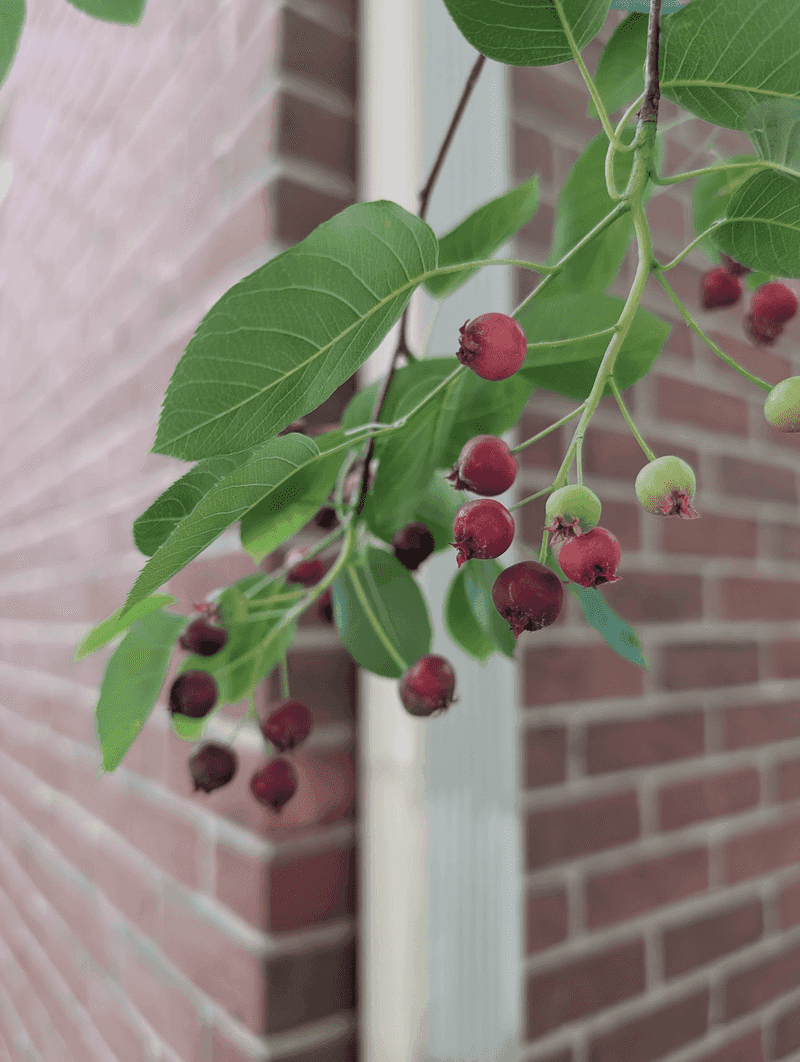
Flowers are nice, but serviceberry does not stop there at all. Within a couple of months of blooming, those same flower clusters turn into small round fruits.
Timing shifts by location and species, with mountain plantings often ripening later than Piedmont or coastal plain ones nearby. Watch the color, not the calendar.
Fully ripe fruit is genuinely good to eat straight off the branch. The flavor leans sweet and mild, a bit like blueberry with an almond-ish note.
NC State Extension lists the fruit as edible, and people use it fresh, in pies, jams, muffins, and pancakes throughout the summer months.
A few practical notes help anyone hoping for a real harvest. Fruit forms on plants that got enough sun, so a deeply shaded serviceberry may fruit less.
Young plants take a few years to produce a real harvest worth picking, so patience genuinely pays off here for anyone planting one now.
Pick over several visits rather than all at once, because ripening happens unevenly across the whole plant at different rates.
Your North Carolina Garden Changes Every Week. Your Plan Should Too.
Gardening in North Carolina changes quickly throughout the season. Every Friday you’ll receive a simple weekly plan showing exactly what to plant, prune, fertilize, harvest, and protect so you never miss the right timing.
Also, multiple plants nearby often improve fruit set considerably, and they give you a bigger picking window to work with each summer.
Birds Compete With You For The Crop
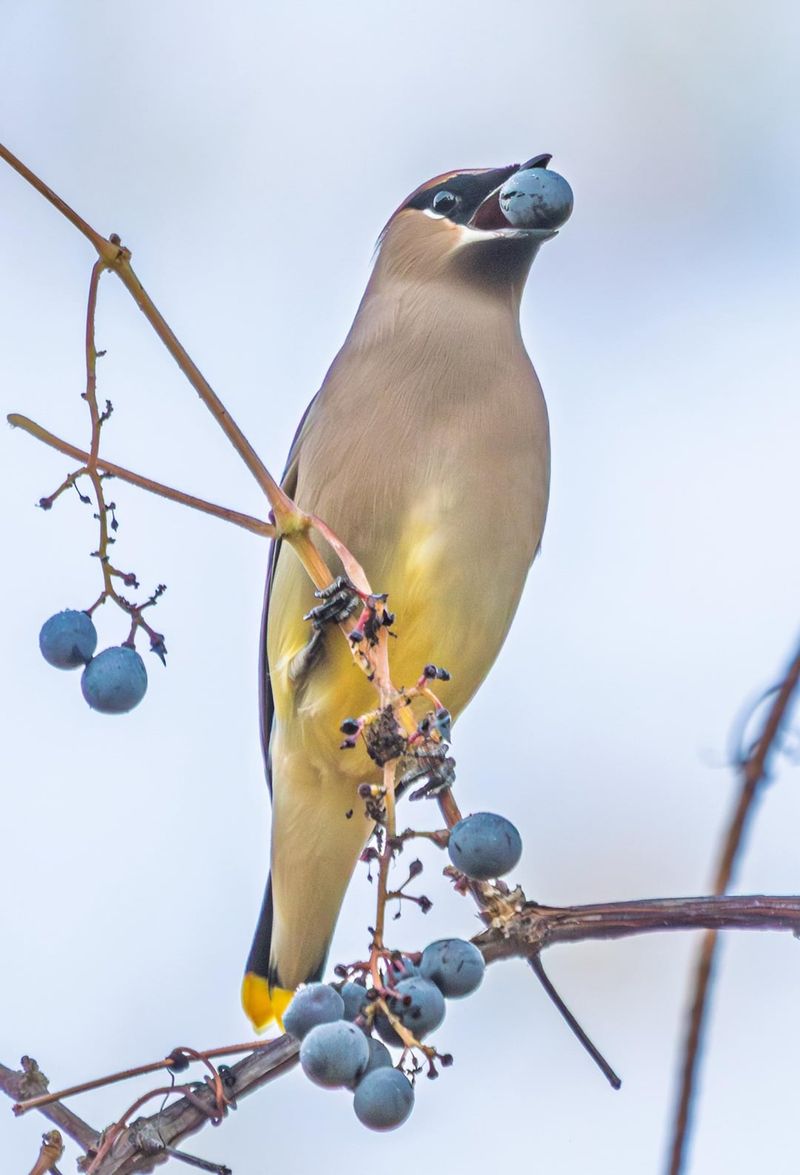
Ask anyone who has grown serviceberry, and you will hear the same complaint, said with a grin every single time. The birds get there first without fail.
Cedar waxwings, robins, catbirds, cardinals, thrushes, and woodpeckers all treat ripening fruit like a neighborhood buffet set out just for them.
That appetite is one of the plant’s biggest selling points though. NC State Extension highlights serviceberry’s wildlife value, and few landscape plants deliver so much energy.
If you want fruit for yourself, plan ahead of time. Light bird netting draped over branches as berries begin to blush works reasonably well on smaller plants.
Another approach is simply planting more than one. Two or three shrubs usually produce enough for both you and the flock, beating the fight over one plant.
Picking early in the morning helps considerably too, since birds feed heavily at first light and again in the evening hours.
Check the plant daily during ripening week, because a large flock can strip a small serviceberry in a day or two flat.
Some gardeners skip harvesting altogether and treat the shrub as a bird feeder that never needs refilling throughout the summer season.
Fall Color Adds A Third Season
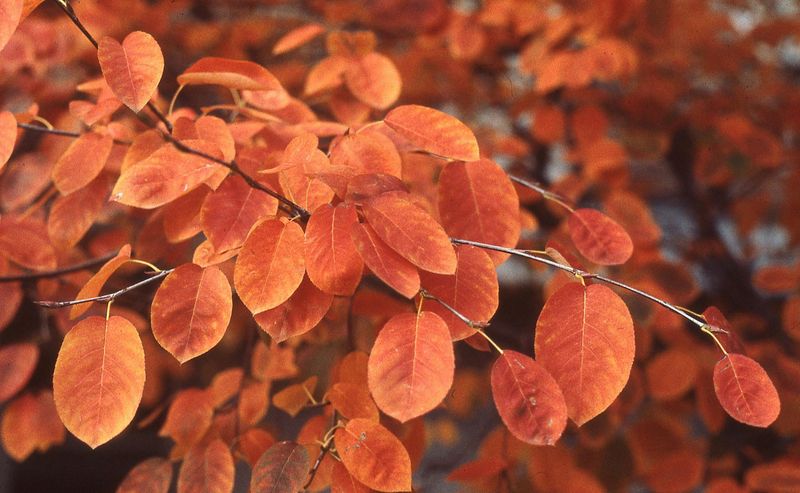
October is when serviceberry quietly earns its keep again after a summer of feeding birds and gardeners alike. The leaves shift into warm oranges and glowing yellows.
Intensity varies by species, seedling, and site conditions overall. Plants in more sun generally color up stronger than those tucked deep into shade nearby.
Because the foliage is fine-textured, the fall display reads as a soft wash of color rather than a solid block of one shade.
Winter has its own quiet appeal too, worth mentioning here. Smooth gray bark, often streaked with darker lines, shows off once the leaves drop away.
To get the best color, plant in well-drained soil and avoid heavy summer drought stress, which can cause early leaf drop and dull tones.
A layer of mulch, kept a few inches away from the trunk, helps keep roots cool and evenly moist throughout the growing season.
Pruning matters too for this shrub specifically. Shape plants right after fruiting rather than late in the season, avoiding next spring’s flower buds.
Add it up, and one shrub gives you March flowers, June fruit, October color, and winter bark worth a second look every single year.
Native Roots Support More Local Wildlife
Here is what makes serviceberry different from a pretty import bought on looks alone. It belongs here, rooted in the local ecosystem already.
Several Amelanchier species grow wild across North Carolina, from mountain coves to Piedmont woodland edges, so local insects and birds already recognize it.
Those early white flowers feed native bees, small flies, and early butterflies at a moment when nectar sources are genuinely scarce elsewhere.
Leaves matter just as much as flowers here too. Serviceberry supports the caterpillars of numerous native butterflies and moths throughout the growing season.
A yard with native plants like this one produces insect food a yard full of exotic ornamentals simply cannot match at all.
NC State Extension regularly recommends serviceberry in native and wildlife-friendly planting lists for exactly that reason worth remembering.
Small mammals nibble fallen fruit too, and the twiggy structure offers cover and nesting spots for birds throughout the year.
You do not need acres to help local wildlife either. One serviceberry near a hedgerow or a mixed border links up with other plantings nearby.
Few Serious Pests Bother It
Low-maintenance is a phrase gardeners hear too often without much substance behind it, but serviceberry mostly lives up to that reputation fairly well.
Established plants in decent soil usually need little more than occasional water during long dry spells and light pruning to keep their shape intact.
No plant is bulletproof though, worth remembering here. Serviceberry belongs to the rose family, so it can pick up rust diseases or leaf spot occasionally.
Most of those problems stay cosmetic on healthy plants overall. Cedar-apple type rusts tend to be the issue people notice most in the Southeast region.
Prevention beats spraying every time with this plant. Choose a site with good air movement and well-drained soil, and water at the base instead of overhead.
Spacing helps too considerably. Crowding plants against a wall or into a stagnant corner traps humidity, and Carolina summers already supply plenty of that naturally.
Skip heavy nitrogen fertilizer entirely, which pushes soft growth that insects and fire blight love to attack given the chance.
If deer pressure is high in your neighborhood, protect young stems, since browsing can shape a small plant badly before it gains height.
One Shrub Does The Work Of Several
Yard space is limited for most homeowners, so every plant should pull its weight throughout the year rather than sitting there doing nothing.
Serviceberry manages four payoffs from one root system. Very early white flowers, edible June fruit, strong fall foliage, and smooth gray winter bark all included.
Compare that with a shrub bought for two weeks of bloom and nothing else, and the math gets easy fast for anyone weighing options.
You are also feeding pollinators, songbirds, and caterpillars while you enjoy the view from your own window or porch throughout the seasons.
Size options make it flexible too. Multi-stemmed forms often reach roughly fifteen to twenty-five feet over time, while smaller types stay far lower overall.
Use a taller one as a small specimen tree near a patio, or line a few along a woodland edge where they will look right at home.
Plant in fall or early spring, set the root flare level with the soil, and water deeply through the first two seasons after planting.