What Pennsylvania Gardeners Should Do With Fading Hydrangea Blooms In September
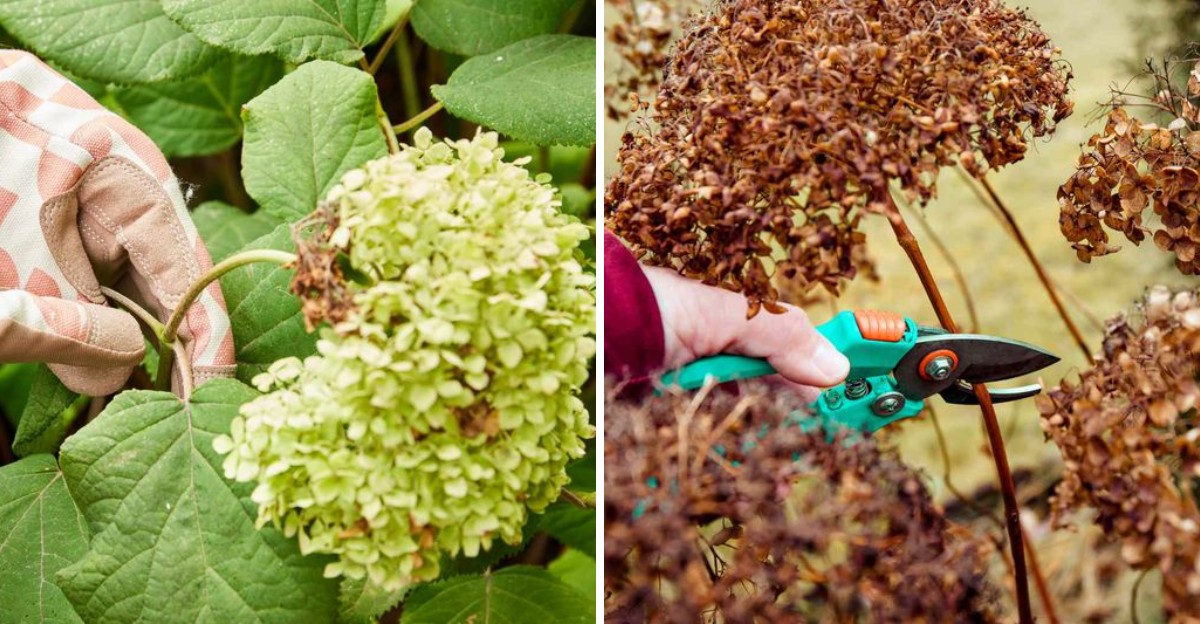
Hydrangea blooms in September occupy a beautiful middle ground between their summer peak and complete dormancy.
The flowers have shifted from their fresh, vibrant colors to the parchment tones and muted hues that many gardeners find just as appealing in a different way.
But this in between stage also raises a question most Pennsylvania hydrangea growers face every fall.
What should actually be done with those fading blooms? Cut them or leave them. Deadhead or let them stand through winter.
The instinct to tidy up can work against the plant, but leaving everything in place isn’t always the right answer either.
The correct approach depends on the type of hydrangea you’re growing, what you want from it next season, and what the remaining bloom structure is still offering to the garden.
Getting this decision right in September makes a real difference in how your hydrangeas look through winter and how well they perform next spring.
1. Leave Most Fading Blooms Alone
Here’s a secret that surprises a lot of new gardeners. Those tired-looking flower heads are actually doing your plant a favor by staying put.
On many hydrangeas, the old blooms act like little umbrellas. They shield the tender buds hiding below from Pennsylvania’s chilly nights and early frosts.
When you snip them off too soon, you can leave those buds exposed to cold weather.
Faded blooms also add real beauty to a fall garden. As the petals dry, they shift into soft shades of green, rose, and tan.
Morning dew and light frost make them sparkle. They give your yard texture and interest when most other flowers are gone.
Leaving blooms alone saves you time and effort, too. There’s no rushing outside with pruners the moment a flower browns.
You can simply relax and enjoy the changing colors.
This hands-off approach works especially well for bigleaf and oakleaf types. These plants form next year’s flower buds during late summer.
Cutting them now would remove the very buds you want to bloom.
Of course, if a stem looks damaged or broken, you can trim just that piece. The goal is to avoid heavy cutting, not to ignore your plant completely.
Think of the fading blooms as a cozy blanket. They protect, decorate, and require nothing from you.
In a Pennsylvania fall, that combination is hard to beat.
So before you reach for the shears, take a breath. Sometimes the best gardening choice is to step back and let nature handle the work for a while longer.
2. Know Which Hydrangea You Have Before Pruning
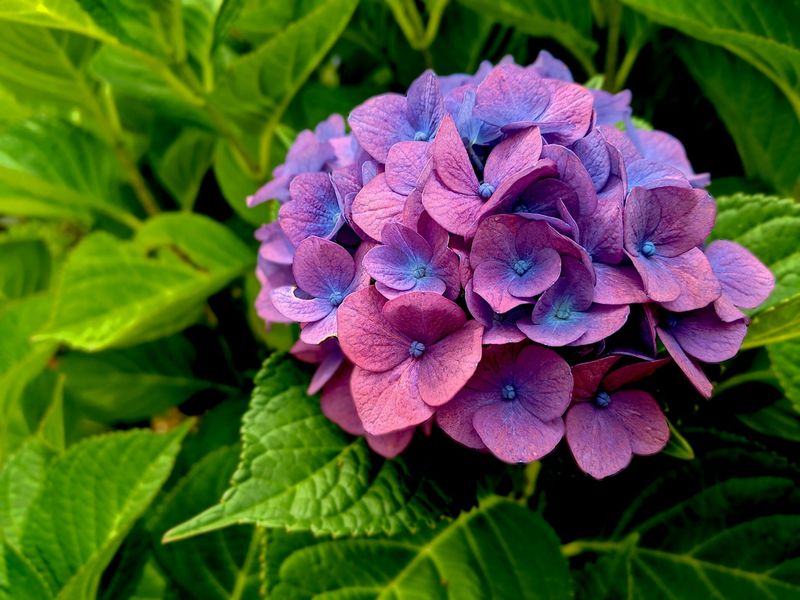
Before you make a single cut, play detective. Figuring out your hydrangea type is the most important step of all.
Not every hydrangea grows and blooms the same way. Some form flowers on last year’s stems, called old wood.
Others bloom on brand-new stems that grow this spring, called new wood. Cut at the wrong time on the wrong type, and you lose flowers.
Bigleaf hydrangeas are the classic blue and pink mopheads many Pennsylvania yards love. They bloom on old wood.
Your Pennsylvania Garden Changes Every Week. Your Plan Should Too.
Gardening in Pennsylvania changes quickly throughout the season. Every Friday you’ll receive a simple weekly plan showing exactly what to plant, prune, fertilize, harvest, and protect so you never miss the right timing.
Oakleaf hydrangeas, with leaves shaped like oak leaves and cone-shaped white flowers, also bloom on old wood.
Panicle hydrangeas stand tall with pointed, cone-shaped clusters that often fade to pink. These bloom on new wood.
Smooth hydrangeas, including the popular Annabelle with round white blooms, also flower on new wood.
Why does this matter so much? Old-wood bloomers set their buds in late summer, so heavy fall cutting removes next year’s flowers.
New-wood bloomers make buds in spring, so they handle later pruning much better.
Not sure which one you have? Look at leaf shape, flower shape, and when the plant blooms.
You can also check the plant tag or snap a photo and ask a local garden center.
Taking a few minutes to identify your plant saves you from a common mistake. Many gardeners wonder why their hydrangea stopped flowering, and the answer is often bad timing on pruning.
Once you know your type, every other decision becomes easy. Knowledge really is the gardener’s best tool here.
3. Deadhead Only When It Makes Sense
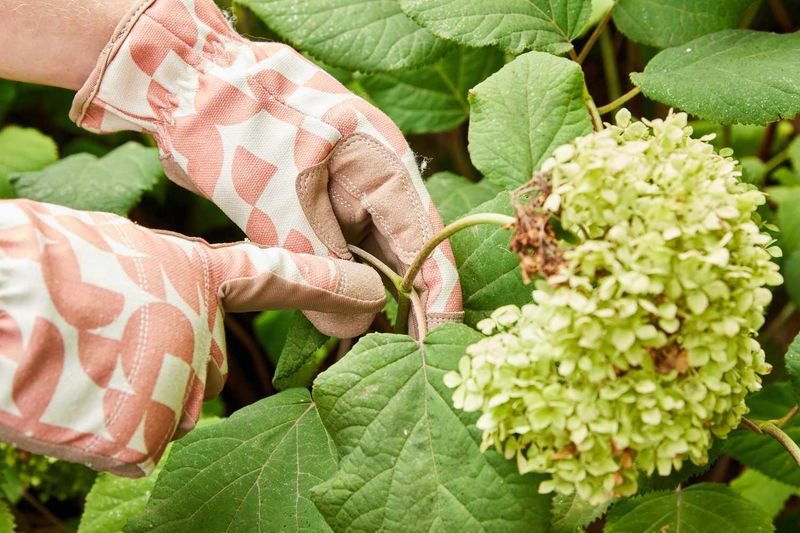
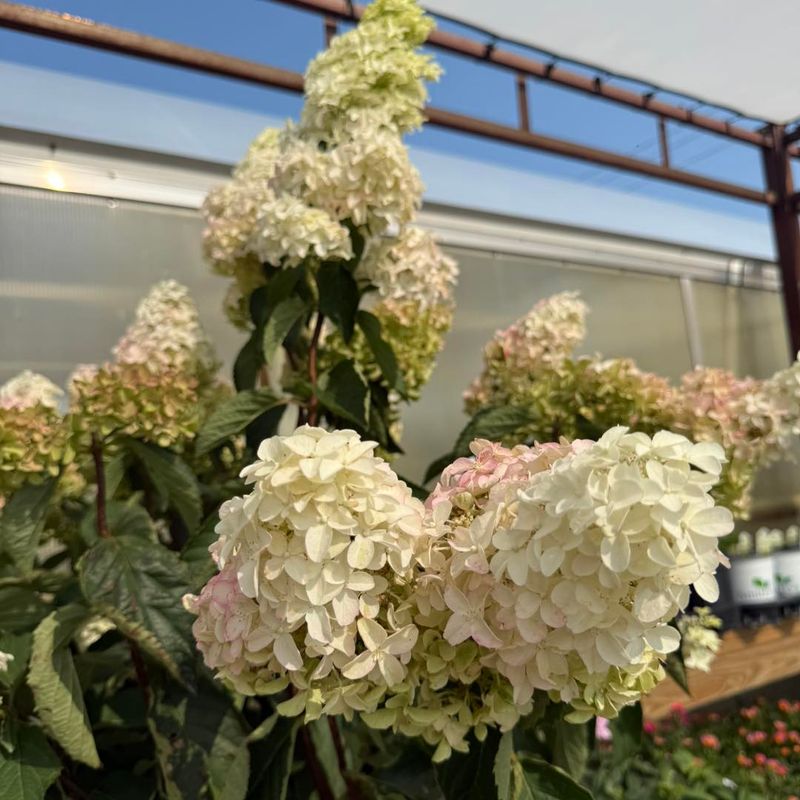
Sometimes those brown blooms just look messy, and that’s okay to fix. Deadheading, or removing spent flowers, can tidy things up nicely.
The key word is careful. When you deadhead, snip only the faded flower head and nothing more.
Cut just below the old bloom, right above the first set of healthy leaves or buds.
Avoid cutting deep into the stem. On old-wood types like bigleaf and oakleaf, the buds for next year sit lower on those stems.
Chop too far down and you remove future flowers.
Deadheading works fine on panicle and smooth hydrangeas since they bloom on new growth. Still, keep your cuts light in September and save bigger shaping jobs for later.
You might wonder if deadheading is even needed. Honestly, it’s mostly about looks.
Removing sad-looking blooms gives your garden a fresh, cared-for appearance.
Use clean, sharp pruners for every cut. Wipe the blades with rubbing alcohol between plants.
This simple habit stops the spread of plant illness and keeps your hydrangeas strong.
Work slowly and step back often to check your progress. It’s easy to get carried away once you start snipping.
Remember, you can always cut more later, but you can’t glue a stem back on.
If you love the dried-flower look, feel free to skip deadheading entirely. There’s no rule that says you must remove every faded bloom.
Deadheading is a choice, not a chore. Do it when the messy look bothers you, and leave it be when you’d rather enjoy the natural show.
4. Avoid Heavy September Pruning
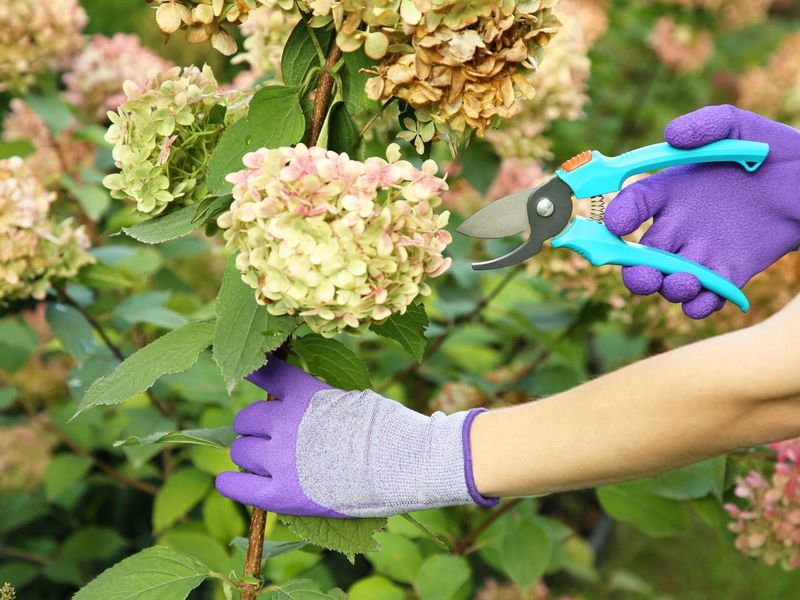
Put those big loppers away for now. September is one of the worst months to give hydrangeas a serious haircut.
Cutting your plant back hard in early fall can strip away the flower buds it just made. Old-wood bloomers, like bigleaf and oakleaf hydrangeas, are especially at risk.
Those buds are already tucked into the stems, waiting for spring.
A common heartbreak goes like this. A gardener trims the shrub way down to make it neat before winter.
Come summer, the plant grows lots of green leaves but almost no flowers. The buds were removed months earlier.
Cool Pennsylvania fall weather also tells plants to slow down and rest. Heavy cutting can push out tender new growth at the wrong time.
That soft growth then gets damaged by the first hard frost.
Instead of a big cutback, keep any fall trimming very light. Remove only broken, weak, or clearly unhealthy stems.
Leave the healthy branches and their buds alone.
If your hydrangea looks too big or overgrown, resist the urge to fix it now. Make a note to prune at the proper time for your plant type.
Patience pays off with more blooms.
Think of September as a resting season for these shrubs. Your job is mostly to observe, not to reshape.
There’s real freedom in doing less. By holding off on heavy pruning, you protect next year’s color and give your plant a peaceful transition into winter.
Your future self will thank you when those blooms burst open.
5. Use Fading Blooms For Fall Interest
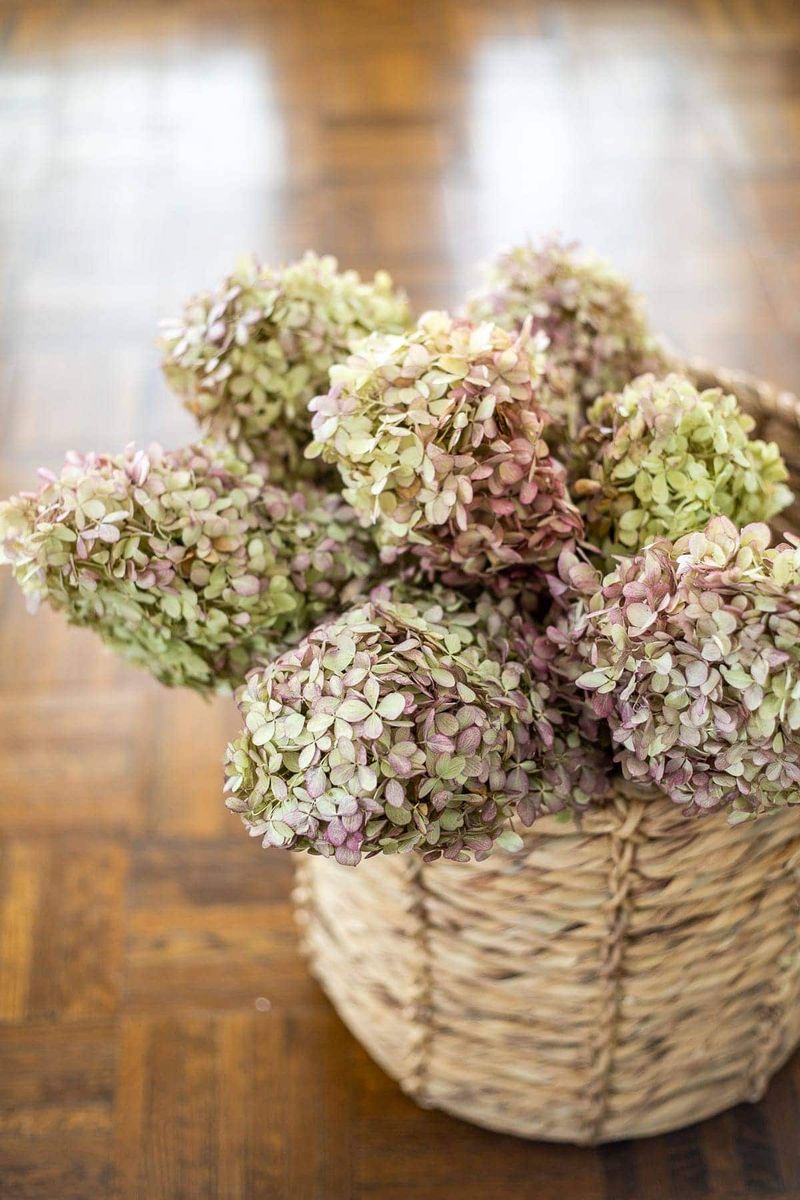
Don’t think of fading blooms as junk. Think of them as free fall decorations that keep on giving.
As hydrangea flowers age, they dry right on the plant. Their colors soften into gorgeous shades of antique pink, sage green, cream, and rusty brown.
These tones blend perfectly with autumn leaves and pumpkins.
Dried flower heads also add wonderful structure to the garden. When most plants have finished for the year, hydrangeas keep standing tall.
They catch snowflakes, frost, and low winter sunlight in a magical way.
You can enjoy the blooms outside or bring some indoors. Cut a few nearly dry heads, strip the leaves, and stand them upright in an empty vase.
No water needed. They’ll last for months as easy home decor.
Panicle hydrangeas are especially great for drying. Their large cone-shaped clusters hold their shape and color beautifully.
Smooth hydrangeas dry nicely too, though their round heads can be more delicate.
Birds and helpful insects also appreciate the standing stems through the colder months. Leaving them up supports the little creatures that share your yard.
Want a rustic craft project? Use dried hydrangeas in wreaths, table centerpieces, or fall garlands.
They pair well with pinecones, dried leaves, and twine.
Photographers love frosty hydrangea heads at sunrise. A light coating of ice turns each bloom into tiny sparkling art.
Grab your phone on a cold morning and see for yourself.
So before you toss those fading flowers, look again. They offer beauty, wildlife value, and craft fun all at once, right through a Pennsylvania winter.
6. Save Major Pruning For The Right Season
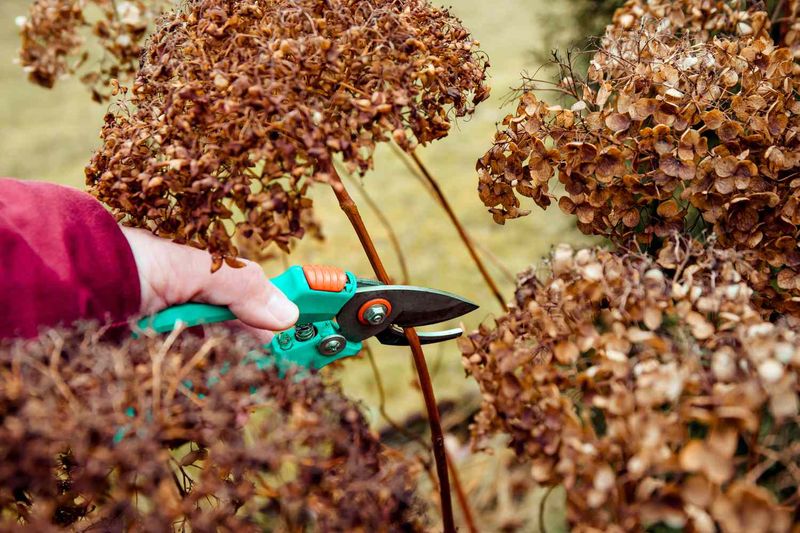
All roads lead back to one big idea: timing is everything with hydrangeas. Save your major pruning for the season that fits your plant.
Different types need different schedules. Bigleaf and oakleaf hydrangeas, which bloom on old wood, are best pruned right after they finish flowering in summer.
That way you avoid cutting off next year’s buds.
Panicle and smooth hydrangeas bloom on new wood. These are best pruned in late winter or very early spring, before fresh growth begins.
They bounce back quickly and reward you with strong blooms.
Notice the pattern? Every plan starts with knowing your hydrangea type.
That’s why identifying your shrub is step one, not an afterthought.
Treating every hydrangea the same is the mistake that causes flowerless summers. What helps one type can hurt another.
A little research goes a long way.
Keep a simple garden journal to track your plants. Write down the type, when it blooms, and when you prune.
Next year you’ll know exactly what to do without guessing.
If you’re ever unsure, reach out to your local Penn State Extension office or a trusted nursery. They know Pennsylvania’s climate and can give advice tailored to your area.
For now, in September, let your fading blooms rest and shine. Do only light cleanup, and mark your calendar for the correct pruning time.
Gardening rewards patience more than speed. By waiting for the right moment, you protect your plant’s health and its future flowers.
Come next summer, your hydrangeas will thank you with a burst of color worth the wait.