Thousands Of Small Dark Birds Are Swirling Into Alabama Chimneys At Dusk
Look up over an Alabama rooftop and you forget to blink. Birds swirl above the bricks while you stand frozen below. Chattering fills the air, and you feel it rattle your chest.
Then the ring tightens, and you brace without knowing why. Suddenly the birds drop, and you watch them disappear downward. Your car slows on its own, pulled toward the scene.
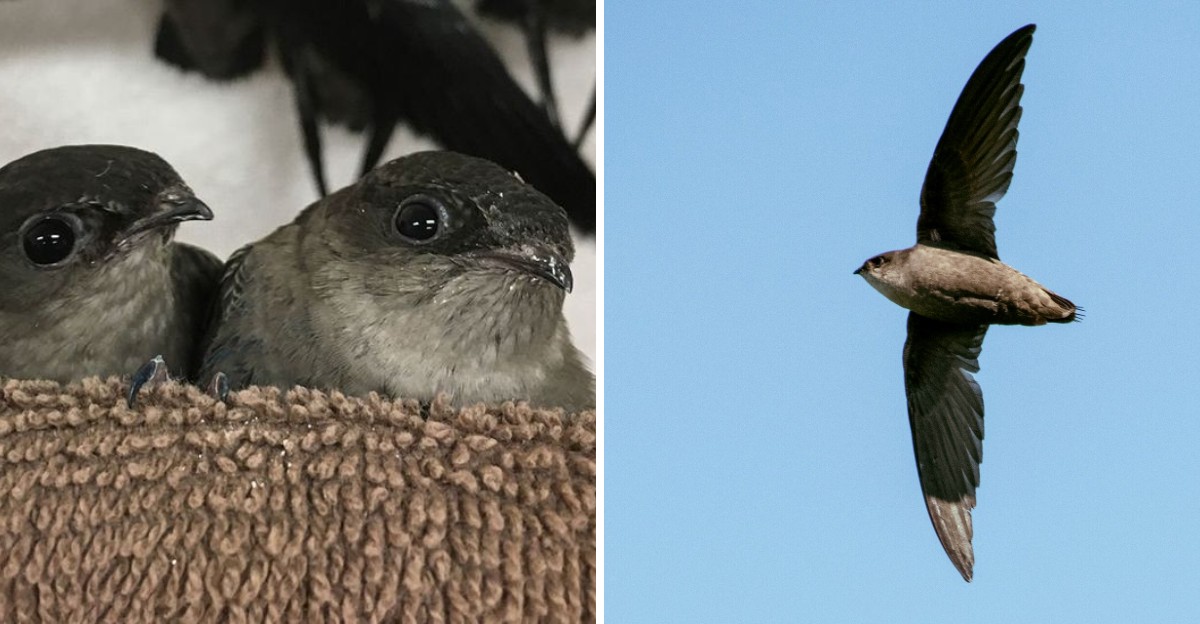
Neighbors already know this show, though you might not. These birds are chimney swifts, and you are watching migration unfold. Each swift races from Alabama toward South America, and you can’t picture the distance.
Their choice of chimney isn’t random, and you should know why. You need real brick, real height, and the right flue shape. Cities replaced those old roosts, and now you get the show.
Miss this September window, and you wait a full year. Here is exactly why that chimney matters more than you think.
Evening Funnel Over Alabama Rooftops
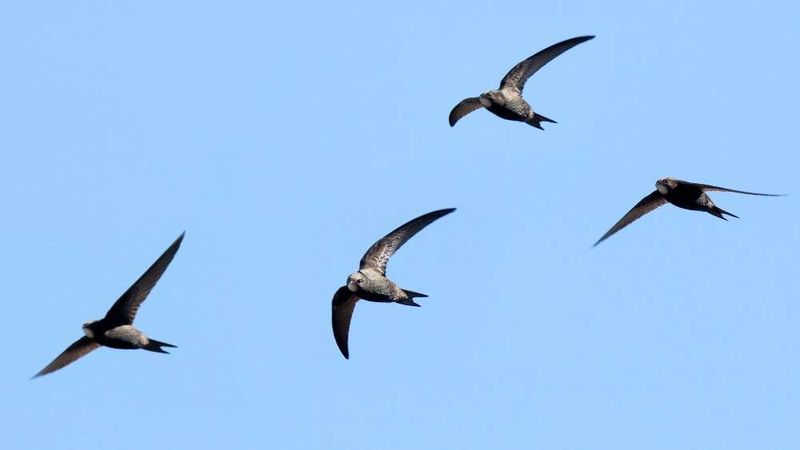
Right about the time streetlights flicker on, the sky above an old Alabama storefront starts to stir. A few small dark shapes appear, then hundreds, then more than you can count.
The birds circle in a wide loop, chattering with a sound like tiny sticks tapping together. Longtime watchers compare the swirl to smoke being pulled backward down a flue.
Chimney swifts are the stars here, gathering by the thousands while they travel south. One bird drops in, then a few follow, and the funnel tightens into a fast spiral.
The whole entry might stretch 20 minutes or wrap up in five. A passing hawk can scatter the column and send the loop back to the beginning.
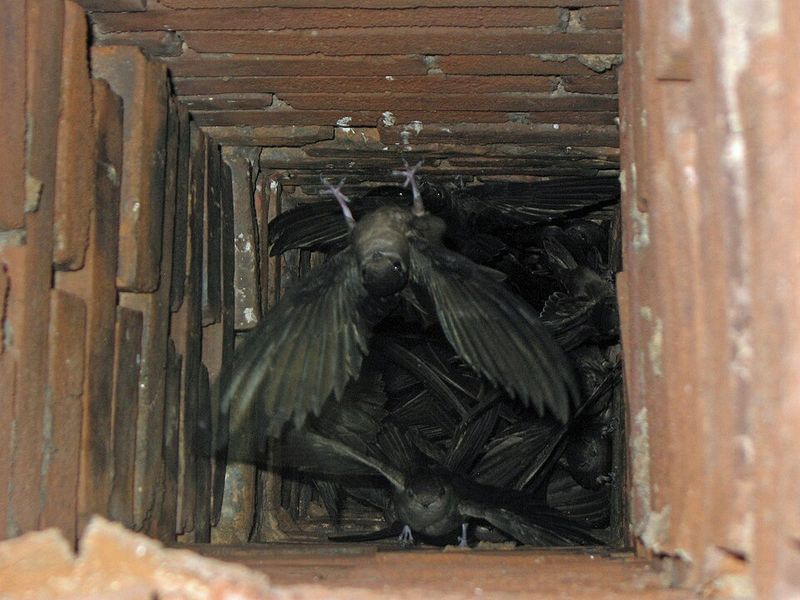
Inside, swifts cling to rough brick with strong claws, packed side by side like shingles. Stiff tail spines press against the wall and act like tiny anchors.
Neighbors show up with lawn chairs, blankets, and thermoses of coffee. Kids usually gasp louder than the grown-ups standing beside them.
Several Alabama towns have turned the nightly show into a relaxed block party. Several larger Alabama cities have older buildings that draw good crowds of swifts.
Binoculars help with details, though your plain eyes handle the spiral just fine. Standing half a block back keeps the flock settled and widens your view.
Arrive early, stay quiet, and resist shining flashlights at the opening. The show repeats for weeks, so one cloudy evening is no big loss.
Why Old Brick Chimneys Feel Like Home
Long before Alabama had towns, these birds tucked into the hollow trunks of huge old trees. As forests were cleared, they shifted to the next best thing, which happened to be masonry.
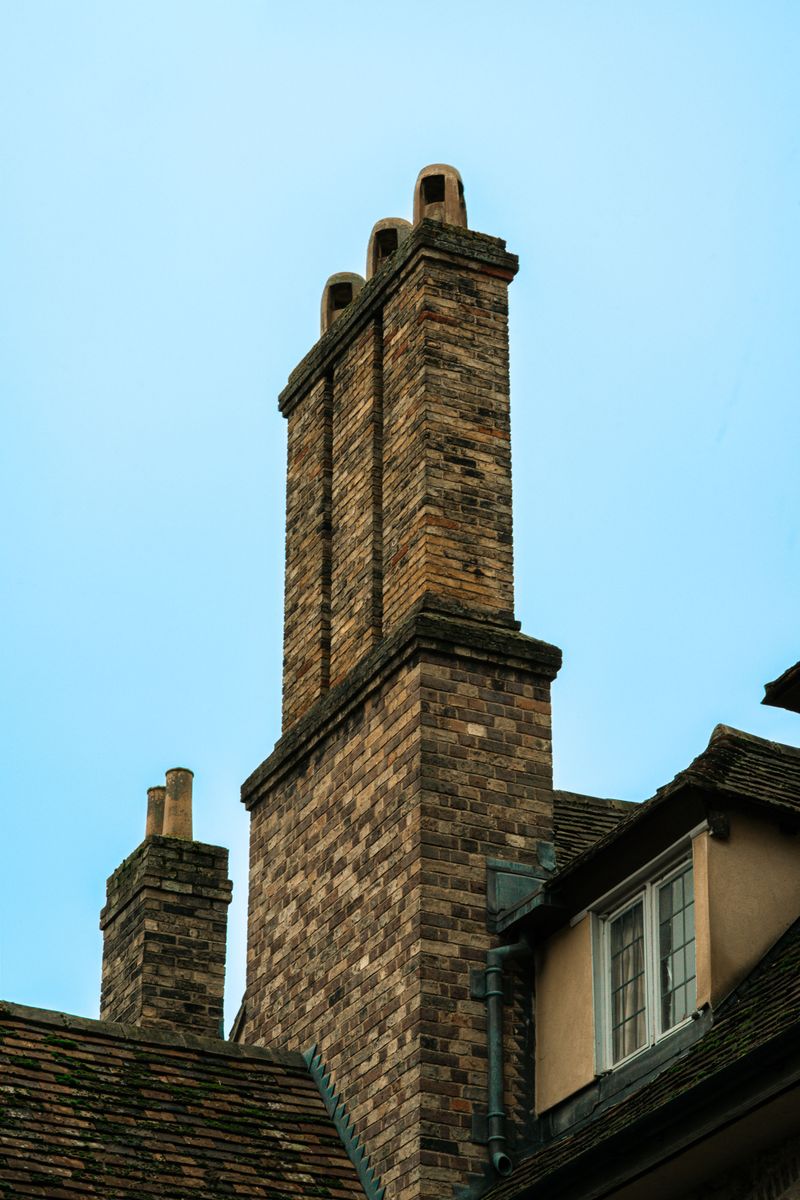
Brick and stone flues offer the same dim, sheltered, vertical space a hollow sycamore once did. Rough interior surfaces give small claws something to hook into.
Swifts cannot perch on branches or wires the way sparrows do. Their feet are built for clinging to walls, so a smooth metal liner gives them little help.
That detail explains why unlined chimneys on older schools, churches, and courthouses attract the biggest crowds. Wide flues also hold more birds on chilly nights.
Your Alabama Garden Changes Every Week. Your Plan Should Too.
Gardening in Alabama changes quickly throughout the season. Every Friday you’ll receive a simple weekly plan showing exactly what to plant, prune, fertilize, harvest, and protect so you never miss the right timing.
Capped and slick modern chimneys have reduced the number of usable roosts across the Southeast. Fewer options mean bigger flocks squeezing into the handful of sites that remain.
Some regional studies point to a decline in swift numbers over recent decades. Loss of roosting and nesting space is one large piece of that puzzle.
A single chimney in a small Alabama town can shelter a large number of migrating swifts at once. Losing that one structure pushes birds to search for shelter during a demanding trip.
Preservation groups now treat certain chimneys as wildlife habitat worth saving. Some historic buildings keep their stacks standing purely for the birds.
If your house has an older brick flue, you may be hosting guests already. A soft chittering sound drifting down the fireplace is a strong clue.
September Marks The Big Southward Push
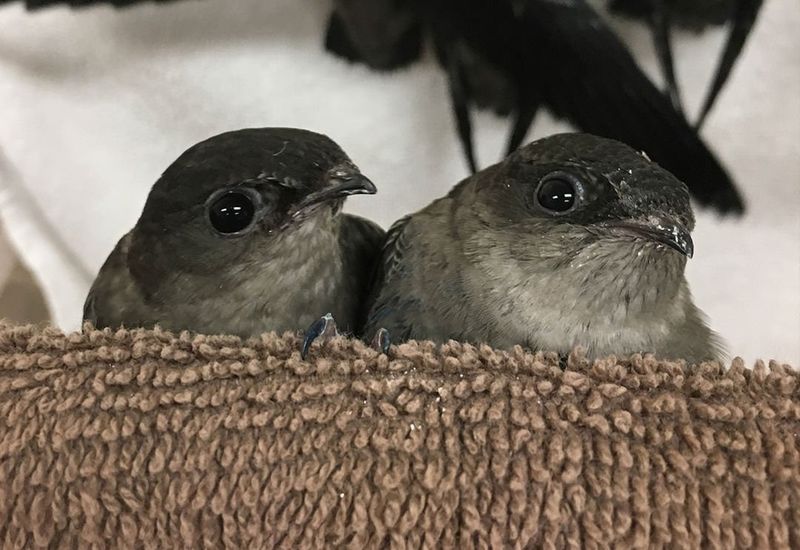
Fall travel is the reason those flocks look so enormous in September. Swifts that nested across the eastern states funnel through the South on their way to South America.
Alabama sits in a handy lane, so roost counts here climb through early and mid fall. Numbers often peak between late August and the first half of October.
Birds gather at staging roosts, rest for a night or two, then push on. The same chimney can hold a few hundred birds one evening and thousands the next.
Cold fronts act like a starting gun for movement. After a crisp night with north winds, local roosts sometimes empty and refill with fresh arrivals.
Their winter home sits in the upper Amazon basin, across Peru, Ecuador, and Brazil. That round trip covers thousands of miles for a bird weighing roughly as much as a few coins.
Rain can delay departures, since flying insects stay grounded in soggy weather. On damp evenings the birds may reach the roost earlier than usual.
Watching through the season shows a clear pattern of rising and falling counts. Many volunteers log those tallies for community science projects.
By late October, Alabama chimneys grow quiet for the cool months ahead. The birds return in spring, usually around late March into April.
Marking your calendar for September evenings gives you the best odds of a big show. Sunset times shift earlier each week, so check the clock before heading out.
Bring a light jacket, since the air cools quickly once the sun drops. A folding chair makes the wait far more pleasant.
How To Find A Roost Near You
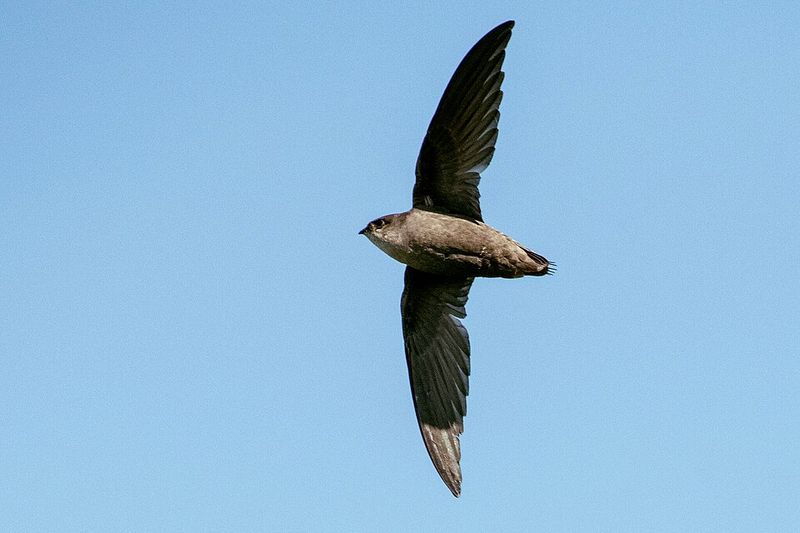
Hunting for a roost feels a bit like detective work, and the clues are easy to read. Start with tall, older buildings that still have a brick stack on the roof.
Schools, churches, libraries, old hotels, and downtown storefronts are strong candidates. Industrial smokestacks near rail lines also pull in flocks.
Show up roughly 30 minutes before sunset and scan the sky overhead. Listen for a high, rapid twitter, which usually arrives before the birds do.
Small scouting groups often circle first, testing the area while the light fades. The main crowd builds in the final 15 minutes of dusk.
Park where you can see the chimney top against open sky. A west-facing view helps, since silhouettes stand out against the leftover glow.
Local birding clubs and Audubon chapters in Alabama share roost locations freely. Online checklists on eBird can point you toward recent reports in your county.
Swift Night Out events invite families to count birds together during late summer and fall. Someone experienced usually brings a clicker and explains what is happening.
Keep a respectful distance from the building and stay off private property. Quiet voices and steady posture help the flock settle without extra loops.
Skip drones, spotlights, and camera flashes near the opening. Disturbance can send tired travelers hunting for shelter after dark.
Jot down the date, the address, and your rough count in a notebook. Those simple notes turn a fun evening into useful information for researchers.
Simple Ways Homeowners Can Help
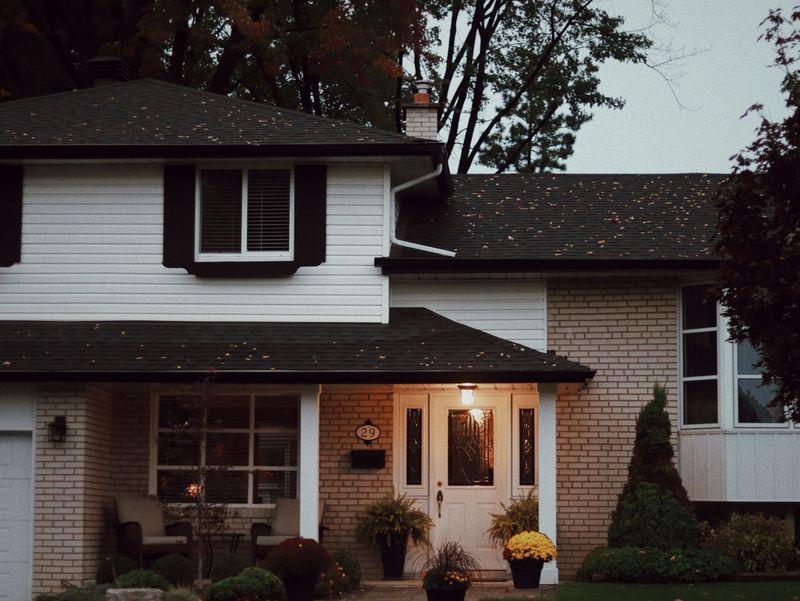
Hosting a swift roost costs you almost nothing, which is the notable part. A few timing decisions make the difference between a welcoming flue and a closed door.
Skip lighting fires while birds are using the chimney, from spring through fall. Keep the damper shut so soot and birds stay out of the living room.
Schedule cleaning and repairs in winter, once the flock has moved on. A certified sweep can check the structure and clear buildup safely.
Ask your sweep to leave the brick interior rough rather than sealing it smooth. Slick liners remove the grip swifts depend on.
Caps and screens block rain and raccoons, yet they also close the door on swifts. If the flue is sound, consider leaving it open and uncapped through the warm season.
Chimneys with cracks, loose bricks, or gas appliances attached are a different story. Safety comes first, so those should stay sealed.
Nesting pairs sometimes raise young in the same flue during summer. Their begging calls can sound loud for a couple of weeks, then quiet down.
Steer clear of pesticides and foggers around the yard, since flying insects are the food supply. Porch lights on a timer also cut wasted glare during travel season.
No chimney at all? Some Alabama landowners build wooden or concrete swift towers instead. Plans from wildlife agencies show how to size the shaft and roughen the inside walls.
Telling neighbors what the swirling means keeps a good roost protected. Word of mouth has likely helped protect some historic stacks.
Insect Patrol With Wings
Consider the swift an efficient insect forager working the Alabama sky. A single bird can put away thousands of flying insects in one day.
Mosquitoes, flying ants, beetles, gnats, and small flies all make the menu. Feeding happens on the wing, since swifts scoop prey mid-flight with open mouths.
A nesting pair with hungry chicks hauls in a large quantity of insects daily. Gardeners and porch-sitters get the benefit without lifting a finger.
Their bodies are built for nonstop flight, with long curved wings and a small, light frame. Landing happens only at the roost or nest, clinging upright against a wall.
Nests are shallow half-cups of small twigs glued to brick with sticky saliva. The birds snap those twigs off tree branches while flying past.
Only one pair nests in a chimney at a time, so summer stays calm. Big crowds show up later, when travel season brings visitors together.
Fun fact: the birds are sometimes still called chimney sweeps, a nickname tied to their sooty appearance. The old nickname stuck around in parts of the rural South.
Federal law protects swifts, their nests, and their eggs during the breeding season. Removing an active nest without permits is not allowed.
Supporting them is simple, and the payoff shows up in fewer biting bugs. Leave the flue open in warm months and let the birds handle pest control.
September evenings offer the best window to appreciate all that work in one place. Watch the spiral disappear into the brick, and the wonder tends to linger.