8 Vegetables Alabama Gardeners Can Still Plant After October Begins
Why does your garden sit empty in Alabama while kale thrives down the road? You can plant collards, turnips, and spinach right now.
Frost sweetens those leaves by converting their starch into sugar. Soil stays warm enough in October to sprout seeds quickly.
Radishes reach your plate much faster than you expect. Lettuce, onions, and garlic deserve space in your beds too.
Cool weather trims your watering time and lightens insect activity. Aphids and cabbage worms still show up, so cover rows with light fabric.
Cooler afternoons mean less strain on your back and shoulders. Test your soil through your county Extension office before you buy fertilizer.
Squirrels will visit your raised beds, so tuck chicken wire under the surface. Join gardeners across Alabama who harvest fresh greens through January. Lift your trowel this weekend and fill that open patch.
1. Spinach Sprouts Best Once Soil Cools
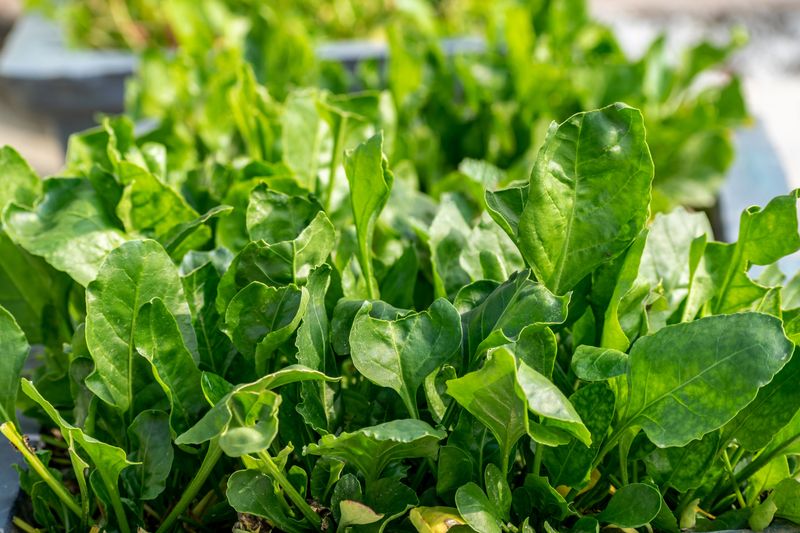
Popeye had the right idea, even if his spinach came out of a can. Fresh leaves from your own backyard taste fresher, and they pack vitamins A, C, and K plus some iron.
In Alabama, October is a sweet spot for sowing spinach seeds directly into the ground. Soil temperatures have cooled down, and that matters because spinach seeds germinate poorly in hot soil.
Plant seeds about half an inch deep and roughly two inches apart in loose soil. Thin the young plants later so each one has about four to six inches of space.
Pick a spot that gets at least six hours of sunshine on most days. Spinach handles a bit of shade too, which helps if your yard has a few tall pine trees.
Keep the soil evenly moist while the seeds sprout, which usually takes one to two weeks. After that, water when the top inch of soil feels dry to your finger.
Light frosts actually help spinach by turning some of its starches into natural sugars. That means a December salad can taste sweeter than many store-bought greens.
Varieties like Bloomsdale and Tyee hold up well during chilly Alabama nights. In south Alabama, you can keep sowing small batches through November for a steady winter supply.
Harvest outer leaves once they reach about three inches long, leaving the center to keep growing. A small bed can supply your family with salads, smoothies, and cheesy omelets all winter long.
2. Kale Gets Sweeter After Frost
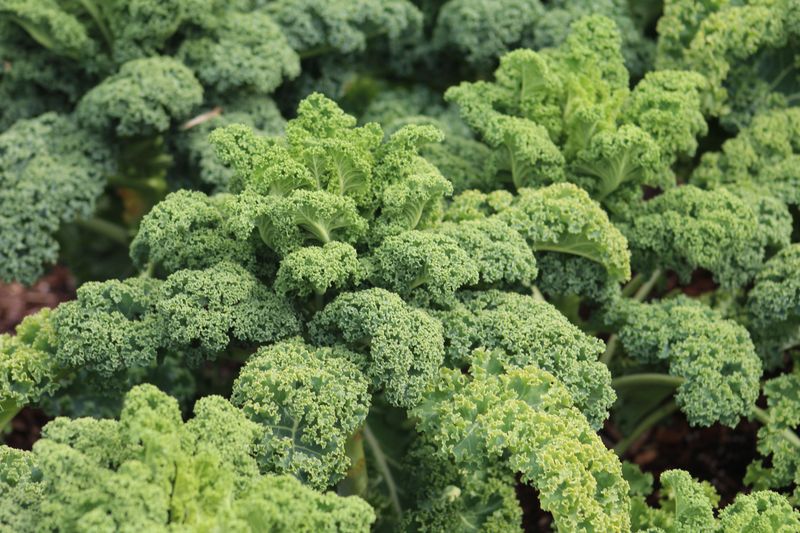
Kale is one of the hardiest cool-season greens around. While many summer plants slow down or stop producing, kale keeps growing through frosty Alabama nights.
Early October is a great time to set out kale transplants from a local garden center. Seeds work too, but transplants give you a head start before the shortest, coldest days arrive.
Space plants about twelve to eighteen inches apart so the big leaves have room to spread. Crowded kale tends to stay small, and tight spacing gives aphids more places to hide between the leaves.
Mix some compost into the bed before planting to give the roots a nutrient boost. Kale grows best in rich soil and rewards you with thick, deep green leaves for many months.
Your Alabama Garden Changes Every Week. Your Plan Should Too.
Gardening in Alabama changes quickly throughout the season. Every Friday you’ll receive a simple weekly plan showing exactly what to plant, prune, fertilize, harvest, and protect so you never miss the right timing.
Cold nights change kale’s flavor in a way new gardeners notice right away. Frost makes kale taste better, because the plant creates sugars to protect itself from freezing.
Watch for cabbage worms, the little green caterpillars that chew holes in the leaves. Picking them off by hand works well, and so does a light row cover fabric over the bed.
Try Winterbor, Red Russian, or the bumpy Lacinato variety, sometimes called dinosaur kale. Each one brings a different texture, flavor, and color to your plate and your garden bed.
Start harvesting the lower leaves once the plant has about ten healthy ones. Kale chips baked with a little salt might even win over the pickiest eater in your house.
3. Collards Put Luck On Your New Year Table
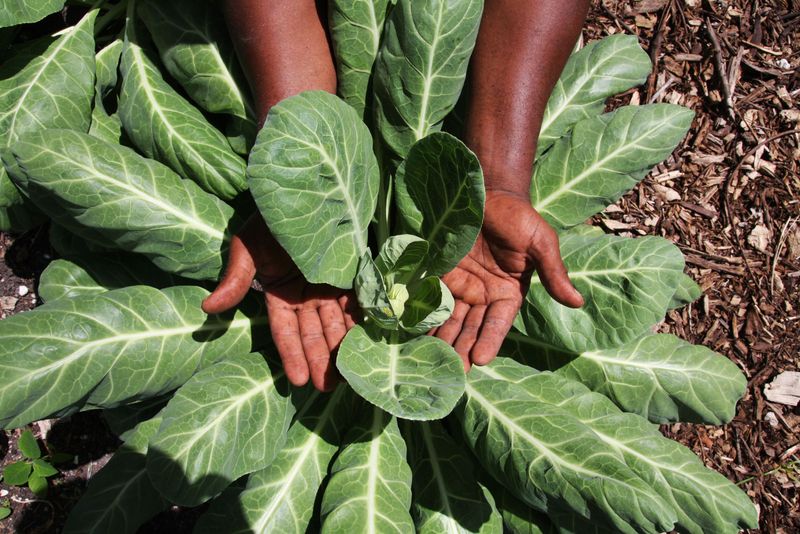
Ask many Alabama cooks about New Year’s Day, and collard greens will come up fast. Folks say eating them on January first brings money in the coming year.
Planting collard transplants in early to mid October gives you a shot at fresh greens by midwinter. Plants are usually ready for picking in about sixty to eighty days, though cool weather can stretch that.
Collards are close cousins of kale and cabbage, but they handle Southern heat and cold better. That toughness makes them one of the most reliable crops for gardens across the state.
Set plants about eighteen inches apart in rows roughly three feet apart. Big plants need room, and some can grow taller than a kindergartner by late winter.
Feed them with a balanced fertilizer at planting time and again about a month later. Nitrogen helps the leaves grow large, tender, and full of that classic earthy flavor.
Georgia Southern and Vates are trusted old varieties that Southern gardeners have grown for generations. Champion also performs well, and it resists bolting when spring warms up.
Water deeply about once a week if rain stays away for a while. Collards can handle temperatures down into the teens, so few Alabama winters will bother them.
Pick the bottom leaves first and let the top keep producing new growth. Simmer them with smoked turkey, onion, and a splash of vinegar for a true Southern supper.
Kids can help with picking, since these sturdy plants are very forgiving. Let them track how tall the stalks grow each week.
4. Turnips Double As Roots And Greens
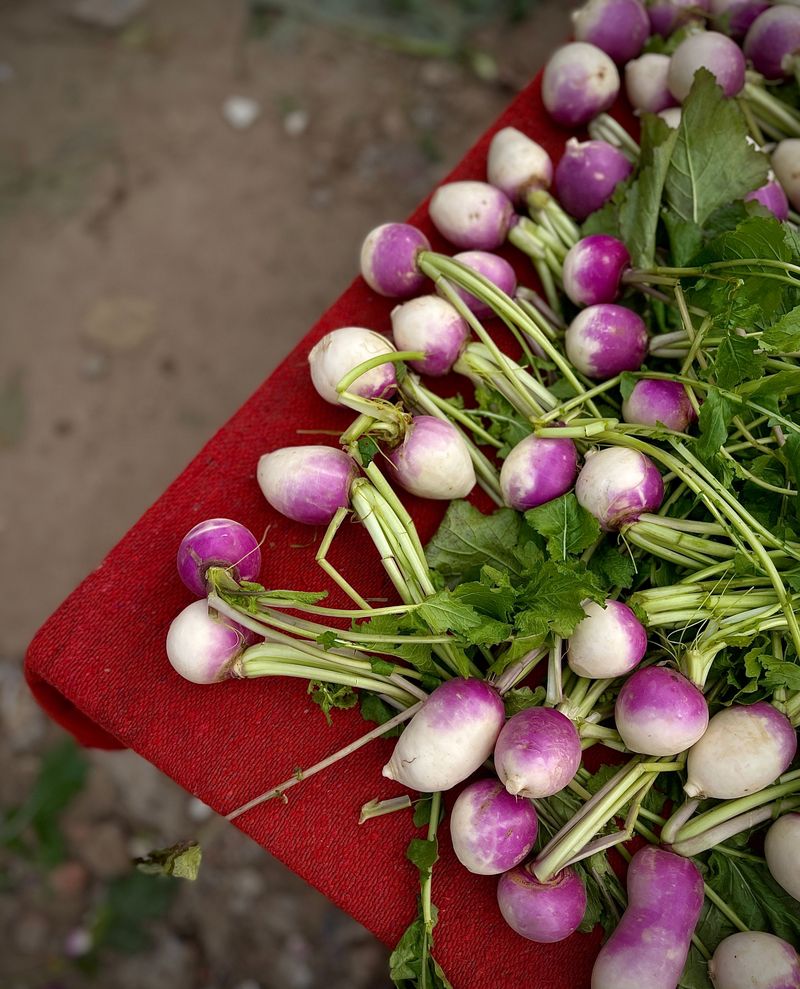
Two crops for the price of one is a deal worth taking. Turnips give you tasty greens on top and a crunchy, peppery root underneath.
Sow seeds directly in the garden from early October through November. Gardeners in Mobile and Baldwin counties enjoy the longest planting window.
Scatter seeds thinly and cover them with about a quarter inch of fine soil. They sprout fast, sometimes in just three or four days when the ground is moist.
Thin seedlings to about four inches apart if you want nice round roots. Don’t toss the thinnings, because those tiny greens taste great in a quick skillet stir-fry.
Purple Top White Globe is the classic choice found in many Southern seed racks. Seven Top grows mostly leaves, so pick it if you care more about greens than roots.
Turnips like loose, well-drained soil without many rocks or hard clay clumps. Lumpy ground can make the roots twisted, forked, or oddly shaped.
Harvest roots when they reach two to three inches across for the best texture. Larger turnips can turn woody and bitter, especially if they sit too long.
Turnips have an unexpected Halloween history. Before pumpkins, people in Ireland and Scotland carved spooky faces into turnips for Halloween.
Today, turnips are a hardy fall crop that suits October planting. Roast them with butter and a little honey, and watch them disappear.
5. Radishes Deliver Crunch Within Weeks
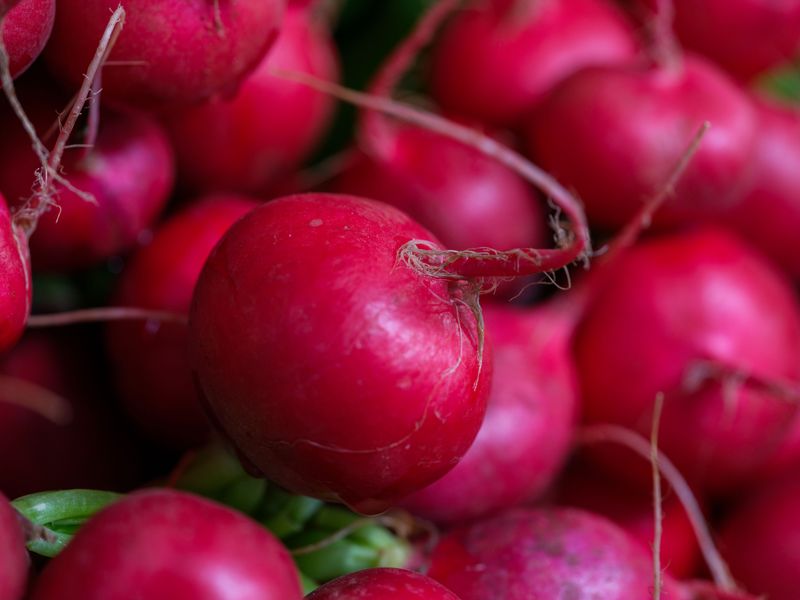
Patience is not required for this one, which makes it perfect for impatient gardeners and kids. Radishes can go from seed to salad in as little as twenty-five days.
That speed means you can plant them in October and snack on them before Thanksgiving. Few garden crops give such fast, satisfying results with so little effort.
Sow seeds about half an inch deep and one inch apart in a sunny spot. Later, thin the seedlings to two inches apart so the roots can swell nicely.
Cherry Belle and French Breakfast are quick, reliable picks for a first try. For something bigger, plant daikon radishes, which grow long white roots over several weeks.
Daikons also help break up heavy clay soil, a common challenge across Alabama. Their long roots help loosen compacted ground for future crops.
Keep the soil steadily moist, because dry spells can make radishes crack or taste extra spicy. A thin layer of mulch helps hold water during breezy fall afternoons.
Plant a short row every week or two instead of one big batch. That way, you get a steady supply rather than more radishes than you can eat at once.
Pull them as soon as they reach full size, or they may turn pithy and hollow. Sliced thin with butter and sea salt on toast, they make a fancy little snack.
Radishes also make great garden markers when sown between slower crops. They pop up quickly and show you exactly where each row sits.
6. Lettuce Fills Your Salad Bowl Fast
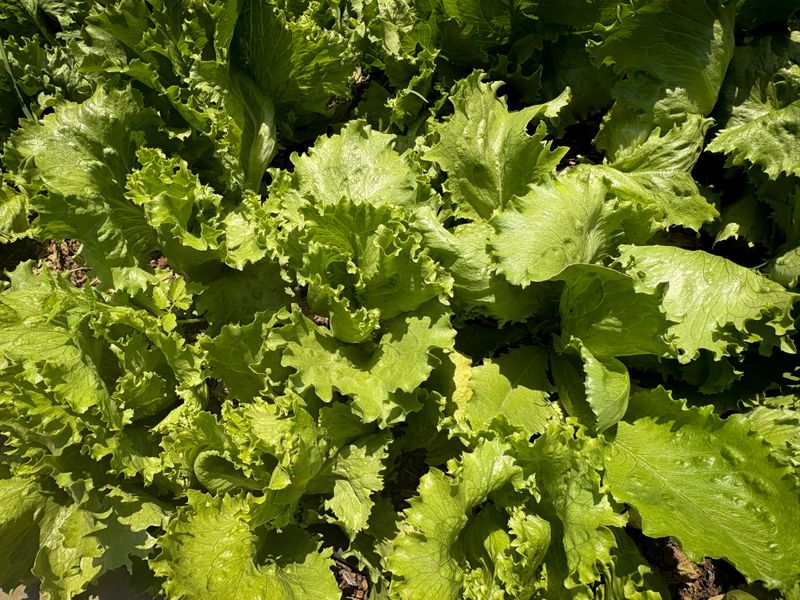
Few things compare to walking outside with a bowl and coming back with dinner’s salad. Lettuce makes that small daydream real, and October weather in Alabama gives it a perfect start.
Lettuce is happiest when temperatures stay between forty-five and seventy-five degrees. Fall in much of the state fits that range for weeks at a time.
Sow seeds very shallow, just pressed into the soil, since they need light to sprout. Transplants also work well and save you a couple of weeks of waiting.
Loose-leaf types like Black Seeded Simpson and Salad Bowl grow quickly and forgive beginner mistakes. Romaine and buttercrunch take longer but reward you with crisp heads and buttery texture.
Frost can damage tender leaves, so keep an old bedsheet or row cover handy. Toss it over the plants on nights below about twenty-eight degrees.
Containers make lettuce easy to grow on a porch, patio, or apartment balcony. Move the pots into a garage on extra cold nights for simple protection.
Water gently at the base so mud does not splash onto the leaves. Clean leaves mean less washing later and fewer chances for leaf diseases to spread.
Harvest by snipping outer leaves, or use the cut-and-come-again method by cutting the whole plant about an inch above the soil. The plant keeps pushing out fresh growth for several weeks after each harvest.
A mix of red and green varieties looks lovely in the garden. Your salad bowl will look like it came from a fancy restaurant.
7. Garlic Rewards Patience By Late Spring
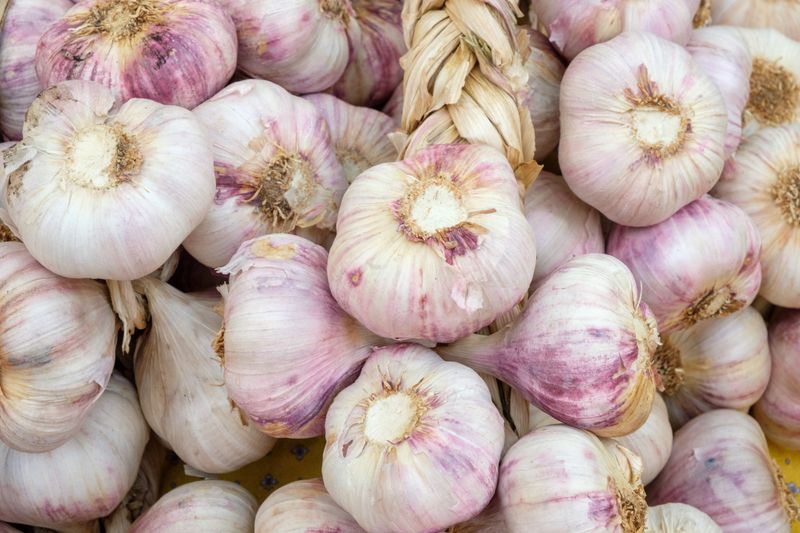
Garlic teaches a lesson in waiting, and the reward justifies the months. Cloves planted this fall will not be ready until late spring or early summer.
Mid-October through November is the best planting window for most of Alabama. Garlic needs a stretch of cool weather to form those plump, layered bulbs.
Choose softneck varieties like Inchelium Red or California Early for Southern gardens. Creole garlic, a separate group, also suits warm climates.
Hardneck types often struggle in south Alabama because the winters do not get cold enough. Skip grocery store garlic, since it may be treated to stop sprouting. Buy seed garlic from a garden center or trusted online supplier instead.
Break bulbs into single cloves right before planting, keeping the papery skin on. Push each clove two inches deep, pointy end up, about six inches apart.
Cover the bed with a few inches of straw or shredded leaves. Mulch keeps weeds down and protects the young roots during cold snaps.
Green shoots will poke up within a few weeks and stay green all winter. Feed plants with a nitrogen fertilizer in early spring as the weather warms.
Harvest when about half the leaves turn brown, usually around May or June. Let the bulbs dry in a shady, airy spot for two to three weeks.
Garlic has a long history as a workers’ food. Ancient Egyptian pyramid workers reportedly ate garlic as part of their rations.
Save your biggest bulbs to replant next October. Over time, replanted garlic may adapt to your backyard soil, but buy fresh seed garlic every few years to avoid disease buildup.
8. Sweet Onions Ripen Into Spring Bulbs
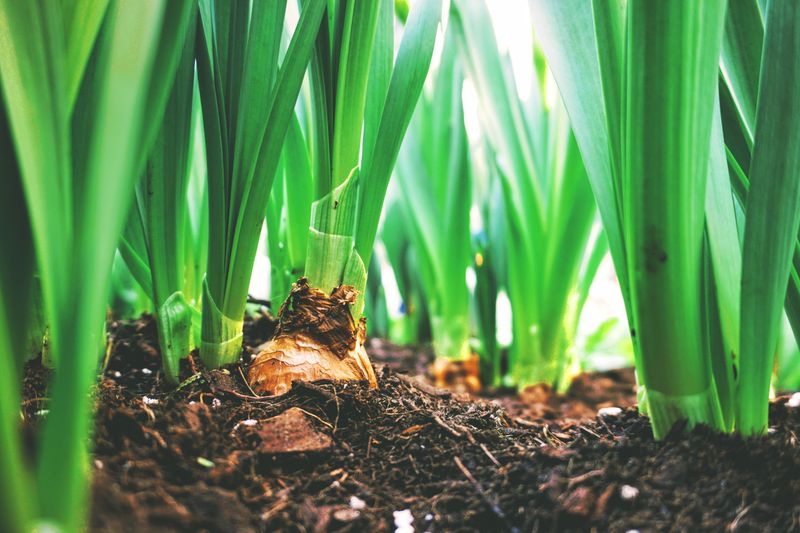
Vidalia is the better-known name, but Alabama gardeners can grow sweet onions too. The trick is picking the right type and planting at the right time.
Short-day onions are the best match for Southern gardens like ours. They start forming bulbs when days reach about ten to twelve hours of light.
Granex, Texas Grano, and Red Creole are popular short-day choices for the area. Granex is the same type grown in Georgia to make those famous Vidalia onions.
In October, you can sow onion seeds in a bed or plant multiplier onions. Onion transplants usually go in later, around December through February in much of Alabama.
For green onions, plant sets now and start snipping tops in just a few weeks. Those mild scallions are great sprinkled on chili, eggs, or baked potatoes.
Onions have shallow roots, so they cannot compete well with weeds. Keep the bed tidy and add a light layer of straw mulch to hold moisture.
Give them steady water, especially as bulbs begin to swell in spring. Stop watering when the tops start flopping over, which signals harvest time is near.
Pull bulbs on a dry day and let them cure for about two weeks. Cured sweet onions keep only a few weeks to a couple of months, so store them in a cool, dry place and use them first.
Growing your own onions can feel like a slow science experiment. When you slice that first sweet bulb next spring, the wait pays off.