Plowed Strips Of Turf Appearing Overnight In Alabama Neighborhoods Point To An Animal Found In Every County
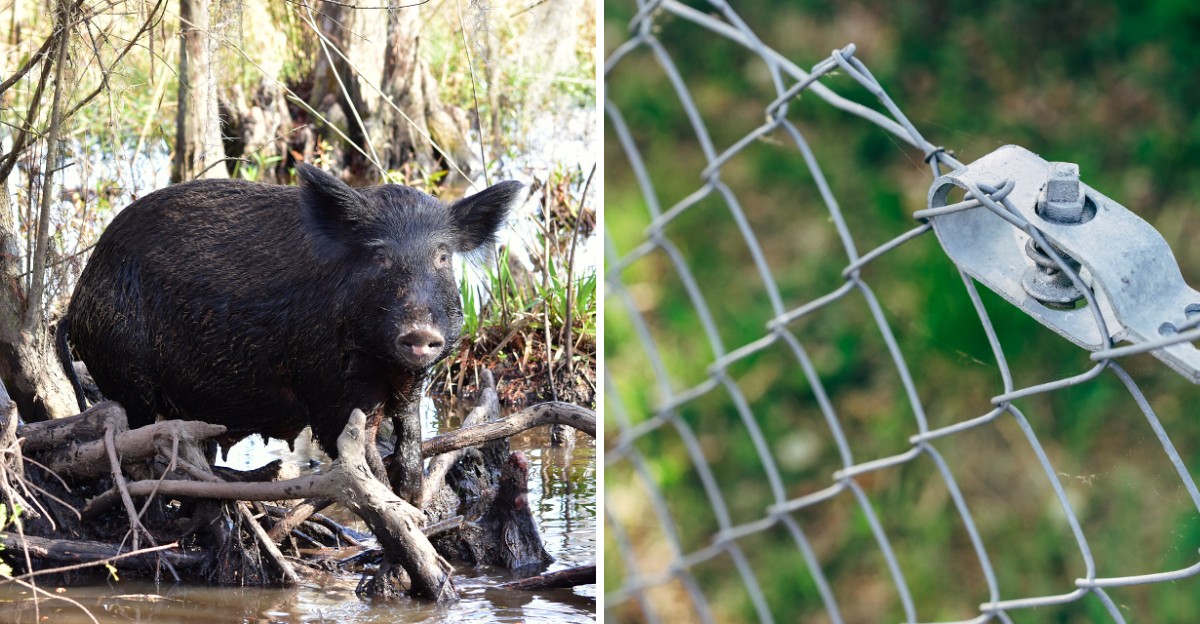
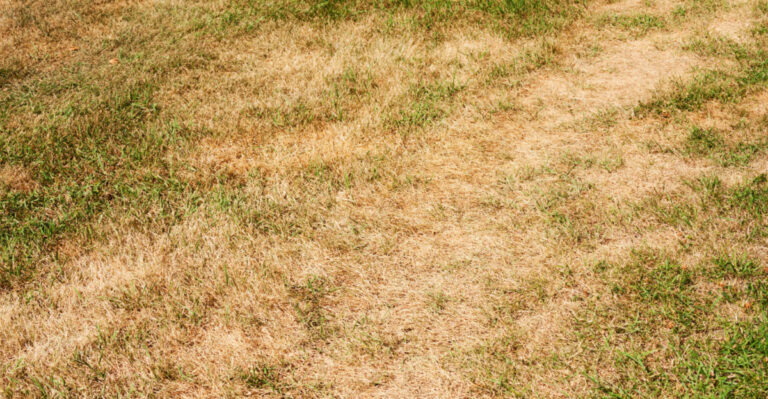
Who plowed your lawn while you slept soundly? You find torn sod curled in long strips, like carpet peeled from a floor.
Soil smells rich, with a faint barnyard funk you cannot place. Feral hogs likely did this, and your dog suspects.
Across Alabama, you can lose a lawn between dusk and dawn. Their snouts hunt grubs and roots by scent, flipping sod like pages.
Sows raise piglets in packs, so damage grows quickly. Brucellosis and pseudorabies can spread from them to your dog.
Landowners across Alabama can contact wildlife officials about trapping, so you have options. Photograph the damage before you touch a shovel.
Check fence lines for gaps, mud smears, and split-toed tracks. Hogs return to ground that fed them, so you must move fast. Tonight, you decide whether that buffet reopens or the doors close for good.
Feral Hogs Digging For Grubs Beneath The Lawn
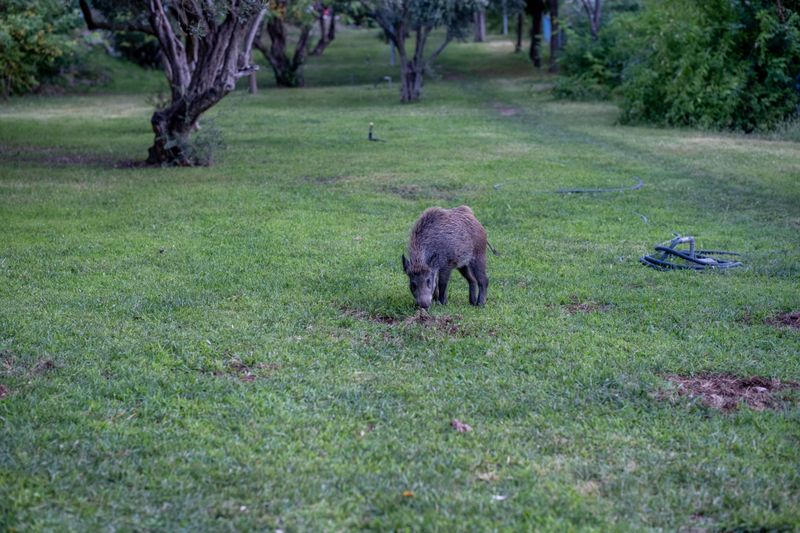
Those torn-up strips are the calling card of feral hogs, and Alabama has them in all 67 counties. Wildlife officials have confirmed their spread from the coast to the Tennessee line.
A hog’s snout works like a built-in shovel, with a tough disk of cartilage at the tip. It pushes under the sod and flips it back like a pancake.
So what exactly are they hunting under your grass? Often grubs, earthworms, beetle larvae, and tender plant roots that are packed with protein and fat.
Watered lawns are especially tempting because moist soil keeps worms near the surface. A soft, irrigated yard is an easy food source. Hogs also have a strong sense of smell. They can detect food buried several inches deep.
Look closely and you may spot clues beyond the damage. Two-toed hoof prints, muddy rub marks on trees, and piles of droppings all point to swine.
A group of hogs is called a sounder, and it usually includes several sows and their piglets. One sounder can turn over a large area overnight.
Armadillos and skunks dig for grubs too, but they leave small, cone-shaped holes. Wide, plowed strips that look rolled back are the signature of hogs.
Knowing the true culprit matters because the fixes are very different. Spotting the right signs early saves you time, money, and a lot of frustration.
Acorn Season And Fall Rains Draw Hogs Into Yards
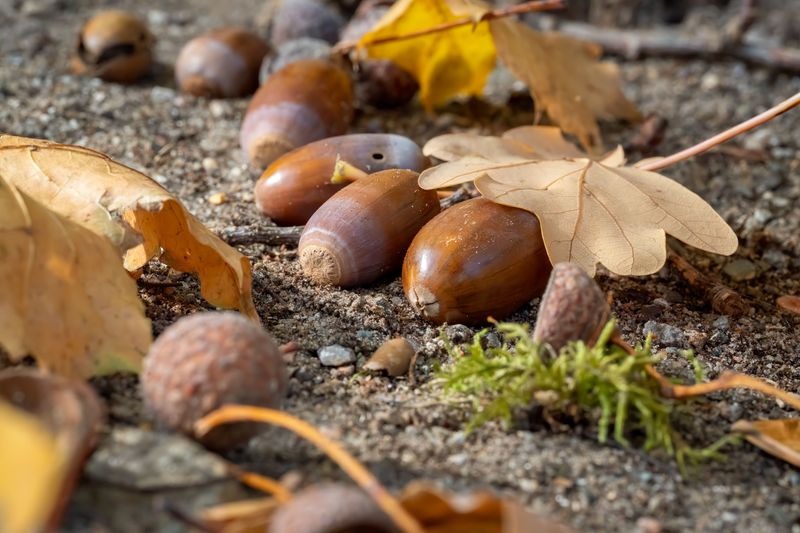
October in Alabama means cooler nights, falling leaves, and a sudden spike in torn-up lawns. The timing is no coincidence, and the reason starts high in the oak trees.
Acorns are a favorite fall food for hogs, and they will travel far to find them. Oak-lined neighborhoods can become nightly feeding stops once the nuts start dropping.
In years with a poor acorn crop, hogs get hungrier and bolder. They wander out of the woods and start testing lawns, golf courses, and ball fields.
Fall rains add to the problem by softening hard summer soil. Worms and grubs move closer to the surface, so digging becomes easy work.
Your Alabama Garden Changes Every Week. Your Plan Should Too.
Gardening in Alabama changes quickly throughout the season. Every Friday you’ll receive a simple weekly plan showing exactly what to plant, prune, fertilize, harvest, and protect so you never miss the right timing.
Hogs are mostly active at night, especially when daytime temperatures are still warm. That explains why the damage seems to appear overnight. Hogs have very few sweat glands, so they avoid heat and favor cool, damp evenings.
Hunting season in the fall can push hogs around too. Pressure in the deep woods sometimes sends them toward quieter suburban edges near creeks.
Homes that back up to creeks, river bottoms, or pine timber often see more visits. Those strips of cover act as travel corridors for sounders.
Pay attention to your calendar and your oak trees this month. If acorns are thick and the rain is steady, keep a sharp eye on your grass.
Catching the first small patch can help you act before an entire lawn gets flipped. Early action is often cheaper than waiting until spring.
Leftover Pet Food And Feeders As Hidden Hog Magnets
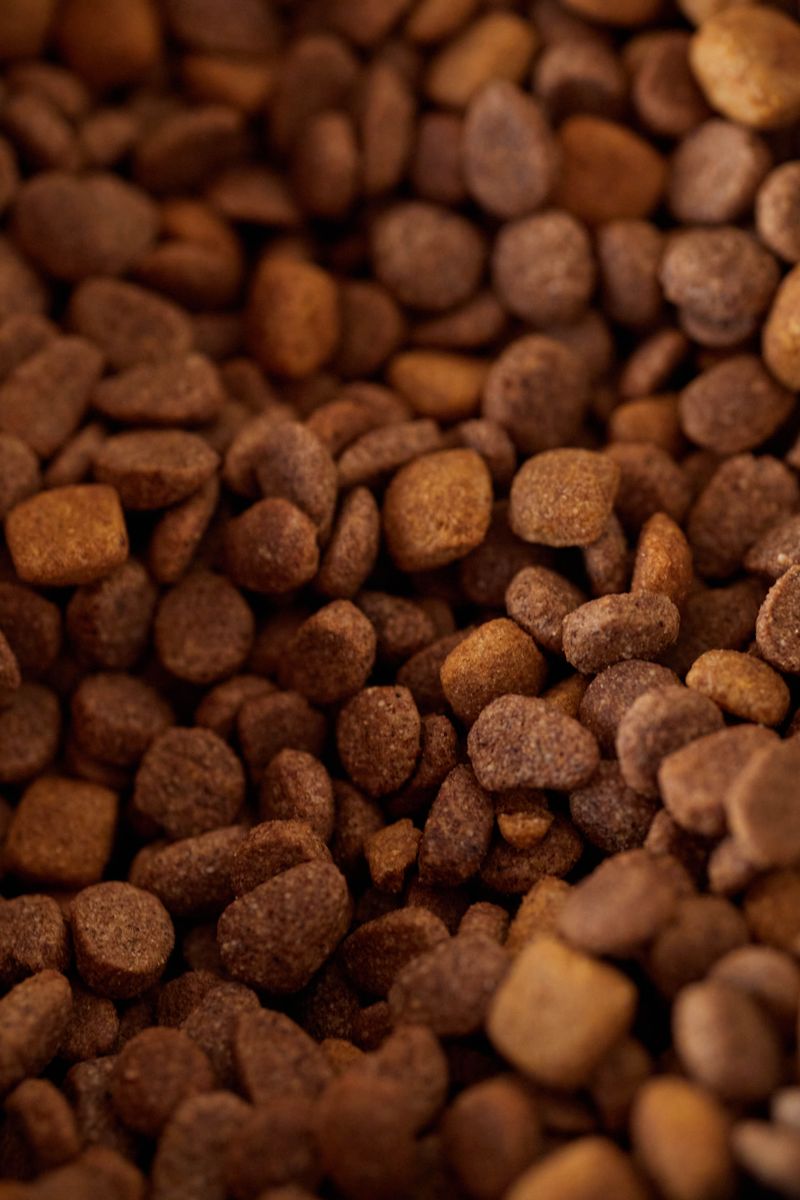
Picture a full bowl of dog food sitting on the back porch overnight. To a passing hog, that bowl smells like a dinner invitation with your name on it.
Many homeowners accidentally feed hogs without realizing it. Pet food, spilled birdseed, fallen fruit, and open garbage cans all attract hungry noses.
Deer feeders are another big draw in rural Alabama yards. Corn scattered on the ground is a strong attractant for hogs, and they remember where they found it.
Hogs are smart animals, ranked among the cleverest creatures on the farm. Once they find easy food, they often return, sometimes bringing others.
Compost piles can cause trouble too, especially ones with fruit peels and vegetable scraps. A rich pile also breeds worms, which adds a bonus snack underneath.
Some people try scaring hogs off with lights or noise. Those tricks may work for a night or two, but hogs quickly learn they are harmless.
Another common mistake is waiting too long to report the problem. A few hogs can turn into a big sounder fast, since sows can have two litters a year.
Start by bringing pet bowls inside before dark and storing feed in sealed metal bins. Pick up fallen pecans, pears, and persimmons from the yard each week.
Talk with your neighbors about doing the same thing. One person cleaning up helps, but a whole street working together sends a much stronger message.
Think of it as closing the snack bar for the season. Hogs are less likely to return when the food is gone.
Turf Repair Before Winter Dormancy
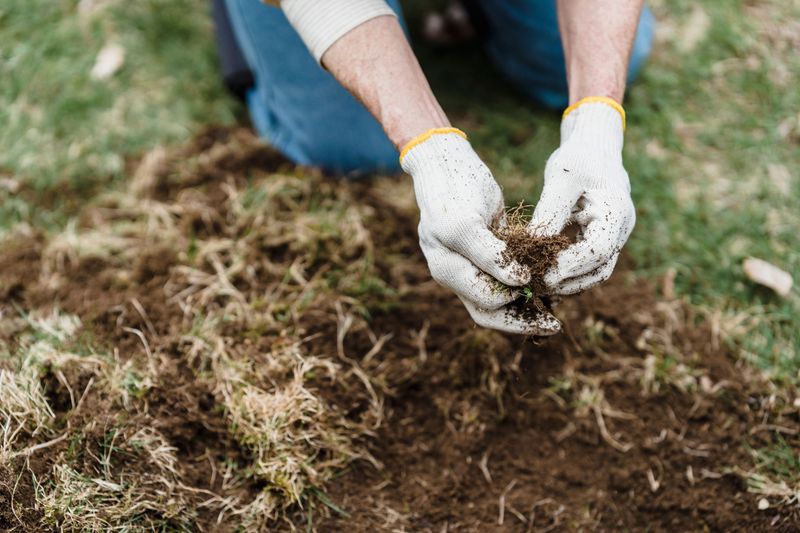
Good news first, because your lawn is tougher than it looks right now. Most rooted-up grass can bounce back with some quick, careful work.
Start as soon as possible, ideally within a day or two of the damage. Flipped sod dries out fast, and dry roots struggle to grab the soil again.
Put on gloves and gently roll the torn strips back into place, like fitting puzzle pieces. Press them down firmly with your feet or the back of a rake.
If chunks are missing, fill the low spots with topsoil and level them with a rake. Bumpy ground makes mowing harder and can trip someone later.
Water the patched areas well so roots can settle into moist soil. Keep the spots damp for about two weeks while the grass reconnects.
Warm-season grasses like Bermuda, zoysia, and centipede are common across Alabama. They slow down in October, so repairs will look rough until spring green-up.
For bare patches, a temporary seeding of annual ryegrass can hold the soil through winter. It stays green in cold weather and keeps mud from washing away.
Skip heavy fertilizer this late in the season on warm-season lawns. Feeding dormant grass can encourage weeds and weak growth instead.
Take a few photos of the damage before you start fixing it. Pictures help if you report the problem. Check your policy first, since coverage for animal damage to lawns varies.
Repairing turf is only half the job, though. Without stopping the visitors, your hard work could be flipped over again by next weekend.
Professional Trapping And Help From Alabama Wildlife Agencies
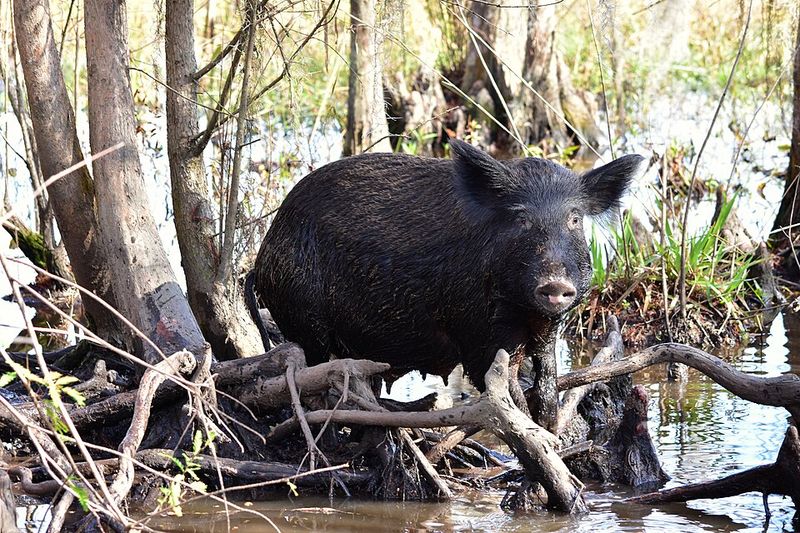
Ask anyone who has dealt with hogs, and they will tell you the same thing. These animals are smart and strong, so backyard fixes work best alongside trapping.
Trapping whole sounders at once is the method experts recommend most. Catching only one or two hogs teaches the rest to avoid traps.
Modern corral traps are large circular pens with a gate that drops by remote control. Some even use cameras that send live video to a cell phone.
The Alabama Department of Conservation and Natural Resources offers guidance on feral hog control. The Alabama Cooperative Extension System, run by Auburn University and Alabama A&M University, also shares helpful tips and contacts.
Local trappers and wildlife control companies handle many neighborhood cases. Ask for references and make sure they follow Alabama’s ban on moving live hogs.
Here is a key rule every homeowner should know. Alabama bans possessing, moving, or releasing live feral hogs, so never relocate a trapped animal.
Neighbors often split the cost when several yards are hit. Hogs travel across property lines, so teamwork gives better results than solo efforts.
Safety matters a lot around these animals. Adult boars can weigh over 200 pounds and carry sharp tusks, so keep kids and pets far away.
Hogs can also carry diseases like brucellosis that may spread to people and dogs. Wear gloves if you handle anything they touched, and wash up well.
Calling a professional is a practical option for protecting your lawn, your garden, and your neighborhood.
Sturdy Fencing And Smart Yard Habits For Lasting Protection
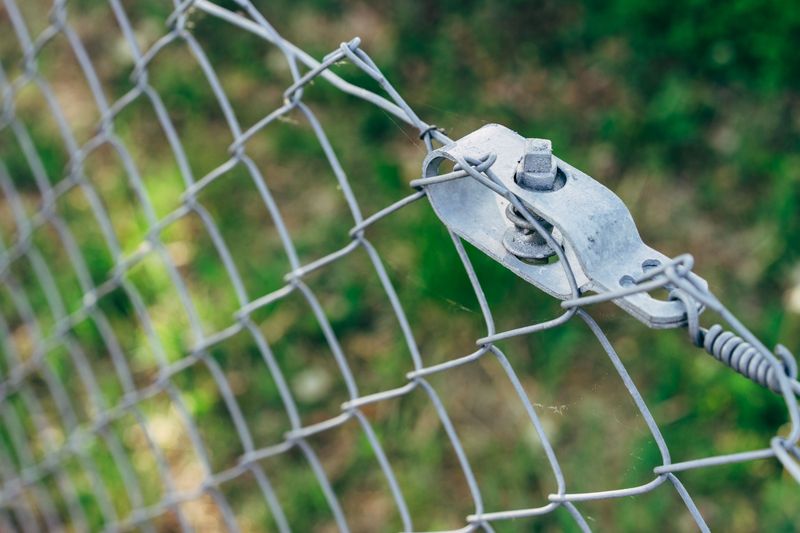
A strong fence is like a locked front door for your lawn. Hogs are powerful, though, so a flimsy garden fence will not slow them down.
Woven wire hog panels, similar to cattle panels, hold up well against pushing snouts. Bury the bottom edge a few inches or stake it tight to the ground.
Electric fencing is another popular choice in rural Alabama. Two or three hot wires placed low, around six and twelve inches high, work best.
Hogs tend to go under barriers rather than over them. That means the bottom few inches of any fence deserve the most attention.
Walk your fence line once a week, especially after storms. Fallen limbs and washed-out gaps under the wire make perfect doorways for a hungry sounder.
Good yard habits help too, and they cost very little. Cut back thick brush near creeks, since hogs love hiding in dense cover.
Motion lights and trail cameras can show you when and where hogs are entering. That information helps trappers and fence builders plan smarter.
Treating lawns for grubs may remove one food source, though hogs also dig for earthworms and roots.
Try teaming up with neighbors to share fencing costs along shared woods. A single long fence line can protect several yards at once.
Hogs live in every Alabama county, but your lawn does not have to feed them. A little planning this fall pays off with smooth, green grass next spring.