Have you met the pineapple lily yet? The tropical bloomer that shrugs off Oregon’s wet winters
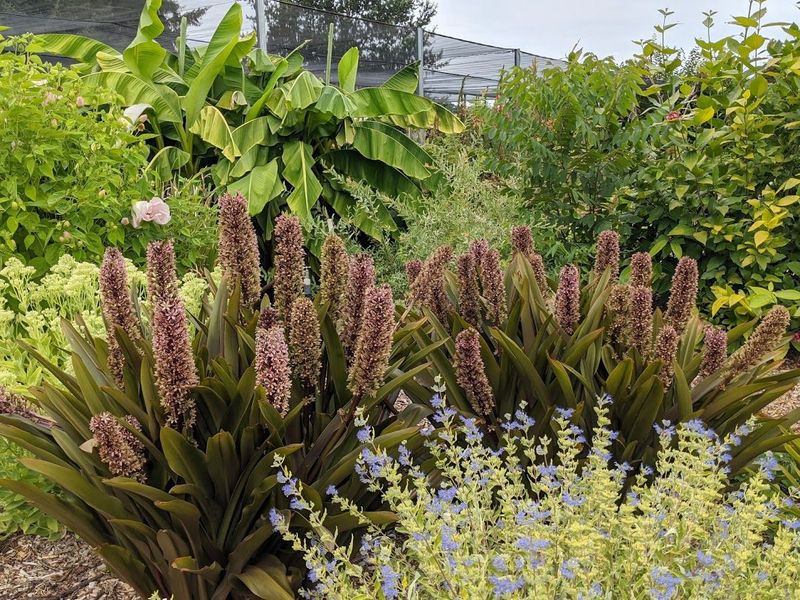
Somewhere between a houseplant fever dream and a legitimate garden perennial lives the pineapple lily, a bulb that stops visitors in their tracks every late summer. It looks like it belongs on a tropical island, yet gardeners in the Willamette Valley and along the Oregon coast have been quietly growing it outdoors for years.
The catch is that its survival through a wet Pacific Northwest winter is not automatic – drainage, cultivar choice, and site conditions matter far more than the plant’s exotic looks suggest.
The pineapple top is a flower spike, not a true lily
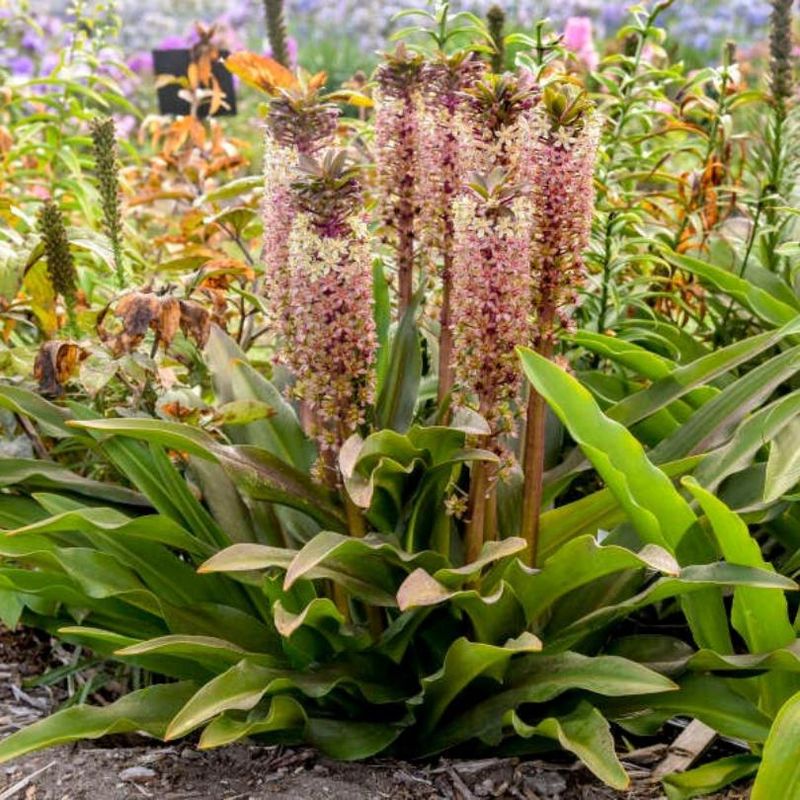
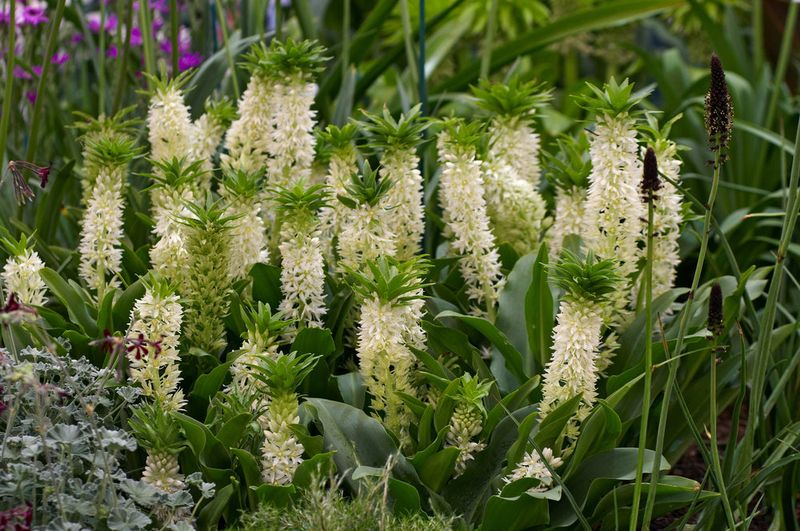
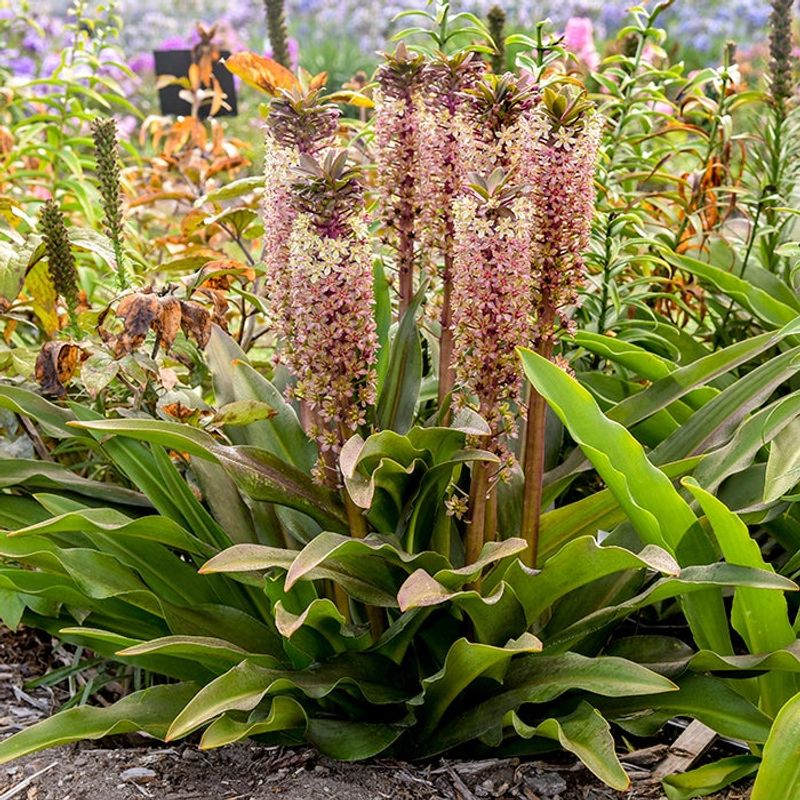
Picture a sturdy flower spike rising two feet out of a rosette of strap-like leaves, topped with a tuft of leafy bracts that could pass for the crown of a pineapple at a backyard barbecue. That is Eucomis, the pineapple lily, and the resemblance is purely visual flattery.
Kew’s Plants of the World Online places the genus in the asparagus family, Asparagaceae, not the true lily family, so the familiar name is a bit of a costume rather than a family portrait.
The plants are native to southern Africa, with species found across South Africa, Lesotho, and neighboring regions. They grow from fleshy bulbs, go dormant in winter, and then push up fresh foliage each spring as temperatures rise.
Flowering generally runs from midsummer into early autumn, depending on the form, which means the dramatic spike arrives exactly when most summer perennials are starting to look a little tired.
A tag that reads only “pineapple lily” cannot tell you whether you are holding a reliably borderline-hardy form or a tender one that needs to come indoors before October. Knowing the species or cultivar name before you plant is the first practical step toward deciding whether your Oregon garden is a reasonable home for this attention-getter.
Western Oregon gives it the right seasonal rhythm
What makes western Oregon a plausible home for a southern African bulb comes down to seasonal timing. Oregon’s maritime climate west of the Cascades delivers mild, wet winters and warm, dry summers – a rhythm that lines up surprisingly well with a bulb that grows actively in summer and rests through winter.
The pineapple lily pushes up its foliage and flowers during the drier months, then dies back and goes dormant right around the time the rains return.
A dormant bulb sitting underground tolerates cold better than an actively growing plant with fresh green leaves, which helps explain why established bulbs in milder western Oregon gardens have a realistic shot at surviving the season. That said, “tolerates cold better” is not the same as “immune to cold and wet,” and the distinction matters.
The Willamette Valley sits mostly in USDA zone 8, while many coastal areas reach zone 9. Compare that to central and eastern Oregon, where winters are colder, drier, and less predictable – conditions that make outdoor Eucomis growing a much riskier proposition without significant protection or container culture.
Winter survival starts with drainage, not the zone label
A zone 8 label on your garden map is a starting point, not a promise. What actually determines whether a pineapple lily bulb makes it through a Willamette Valley winter is what happens to the water around it.
Your Oregon Garden Changes Every Week. Your Plan Should Too.
Gardening in Oregon changes quickly throughout the season. Every Friday you’ll receive a simple weekly plan showing exactly what to plant, prune, fertilize, harvest, and protect so you never miss the right timing.
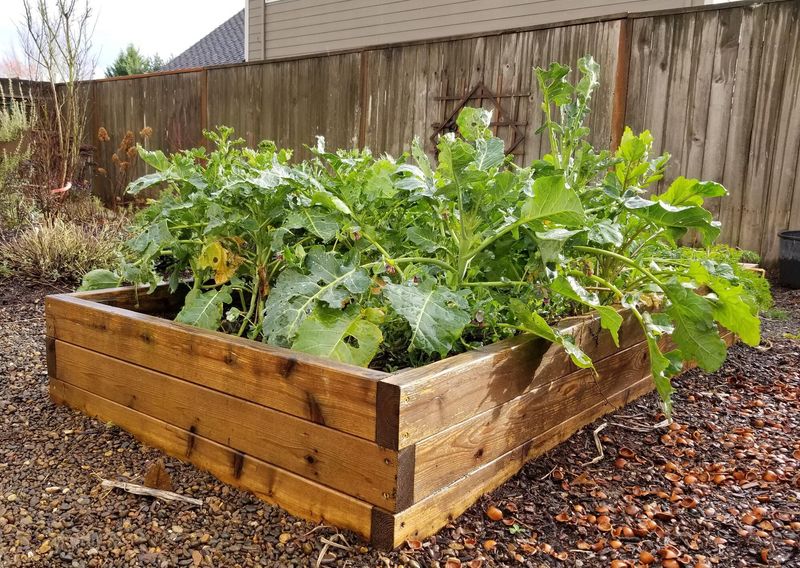
The RHS profile for Eucomis bicolor is direct on this point: the plant needs well-drained soil, and winter waterlogging is the condition most likely to kill it. A garden with clay soil, a low spot, or standing water after heavy rain can be riskier for a dormant bulb than a colder garden with sharply draining soil.
Before buying a single bulb, walk your yard after a good winter rain and look at where the puddles form and how long they linger. Those spots are off the list.
A south-facing slope, a raised bed, a berm along a fence line, or a spot where water moves away quickly – those are the candidates.Mulch is a useful tool, but only when drainage is already solid. A layer of straw or shredded leaves over a dormant bulb in a well-drained bed can buffer temperature swings in a more exposed location or during an unusually cold stretch.
Mulch cannot fix a drainage problem, though. A bulb sitting in saturated soil under six inches of mulch is still a bulb sitting in saturated soil.
NC State’s Eucomis bicolor profile echoes the same point: well-drained soil is the foundational requirement, and it takes priority over zone rating, cultivar selection, or any other variable. Evaluate your drainage honestly before the bulbs arrive, and adjust the site rather than hoping the plant will adapt to conditions it cannot handle.
Spring planting sets up the late-summer show
Pineapple lilies are spring-planted bulbs, and the timing in Oregon is less about a calendar date and more about reading your garden. The right moment is after the risk of a hard freeze has passed and the soil has started to warm – not just the air temperature, but the ground itself.
Check local forecasts and, if possible, stick a soil thermometer a few inches down. Cold, soggy soil in early spring is not an invitation for a bulb that comes from southern African summers.
RHS Eucomis care guidance recommends spring planting as the safe standard approach, with a position in full sun or very light shade and fertile, free-draining soil. Planting depth varies by species, cultivar, and bulb size, so follow whatever your supplier recommends rather than applying one number to every situation.
Burying a large bulb too shallow or a small one too deep can affect establishment and flowering.
Once planted, the sequence unfolds slowly at first. Foliage appears before any hint of a flower spike, and a newly planted bulb may spend much of its first summer just getting settled.
NC State’s pineapple lily profile notes that flowering runs from midsummer into late summer or early autumn depending on the form, so patience is part of the deal. By the second or third season, an established bulb in a good site will reward that patience with a flower spike that makes every passerby stop and ask what on earth it is.
Summer care feeds the bulb after the flowers fade
Once the foliage is up and growing, pineapple lily appreciates consistent moisture through the summer months – but consistent is not the same as constant. The goal is soil that stays evenly moist during active growth without becoming waterlogged.
Oregon’s dry summers actually make this easier to manage than you might expect, because you control the water rather than fighting against it.
After the flowers fade, the foliage keeps working. Kew’s general information on Eucomis confirms that the leaves continue to photosynthesize and push energy back into the bulb for the following season.
Cutting them off while they are still green, even if the flowers are long gone, shortens the bulb’s recovery time and can reduce next year’s performance. Leave the leaves alone until they yellow and collapse on their own.
As the foliage begins to die back naturally – usually in early to mid-autumn in western Oregon – that is the signal to ease off watering. RHS care guidance and Easy to Grow Bulbs’ Eucomis planting guide both emphasize that dormant bulbs need considerably drier conditions than actively growing ones.
This is where western Oregon’s seasonal rhythm becomes an ally again: by the time the autumn rains arrive in earnest, a well-drained site will move excess moisture away rather than pooling it around a bulb that no longer needs or wants it. The seasonal transition from dry summer to wet winter is exactly the moment when your drainage setup earns its keep.
Your Oregon region and cultivar change the winter plan
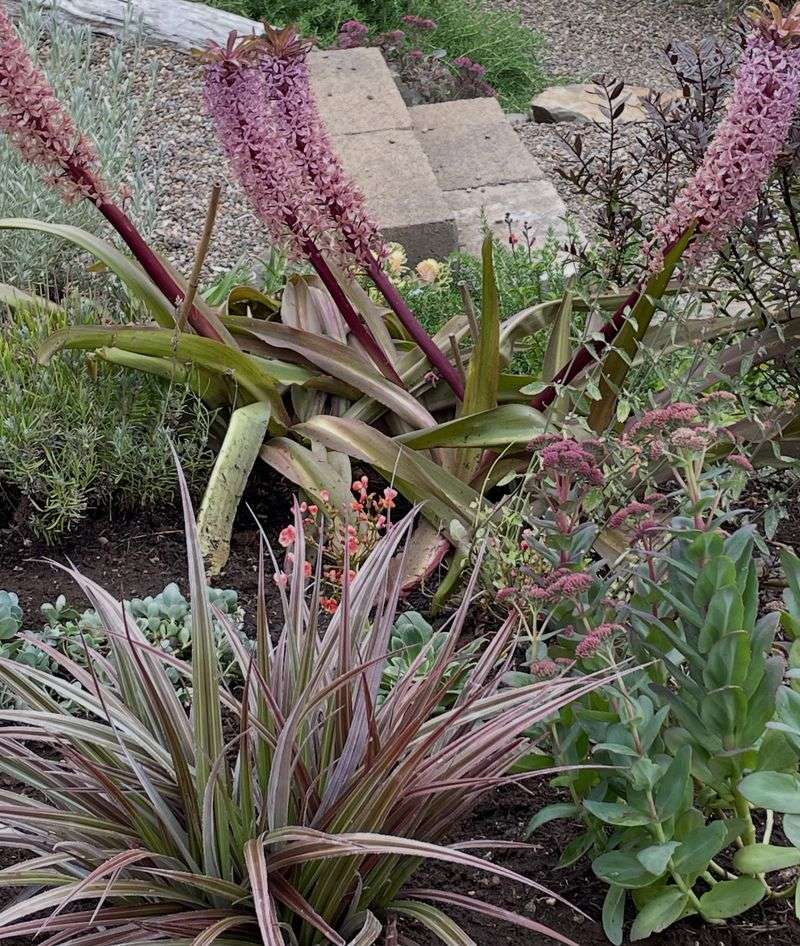
Not every pineapple lily faces the same winter, and not every Oregon gardener faces the same decision. Cultivar matters as much as location.
RHS Eucomis guidance describes some forms as borderline hardy and recommends indoor overwintering in frost-prone areas, while established plants of hardier forms in sheltered spots may persist with minimal intervention.
NC State’s pineapple lily overview notes that some forms can survive zone 7 winters with protection, which covers much of the Willamette Valley and coast. Smaller or less cold-tolerant species and cultivars, however, may need more help even in zone 8.
If your retail label says only “pineapple lily” with no species or cultivar name, treat it as an unknown quantity and plan conservatively for the first winter.
For Willamette Valley and coastal gardeners with good drainage and a sheltered, sunny bed, in-ground growing with a mulch layer over the dormant bulb is a reasonable first attempt for hardier forms. Keep cold protection and water protection as separate considerations: mulch buffers temperature, but it does not substitute for drainage.
A well-placed bulb in a raised bed on a south-facing slope needs less intervention than one in a flat, open bed with clay subsoil.
Containers offer a practical fallback for anyone with drainage challenges, colder exposures, or gardens east of the Cascades. WSU Extension’s Eucomis guide recommends moving container-grown plants to a cool, protected, frost-free or dry location when conditions warrant.
Pacific Bulb Society member reports from northwestern Oregon document outdoor overwintering successes, but these are individual gardener experiences on particular sites, not a guarantee that every cultivar or location will perform the same way. Use those reports as encouragement to try, not as a reason to skip the site evaluation.
It welcomes insect visitors, but it is not a carefree novelty
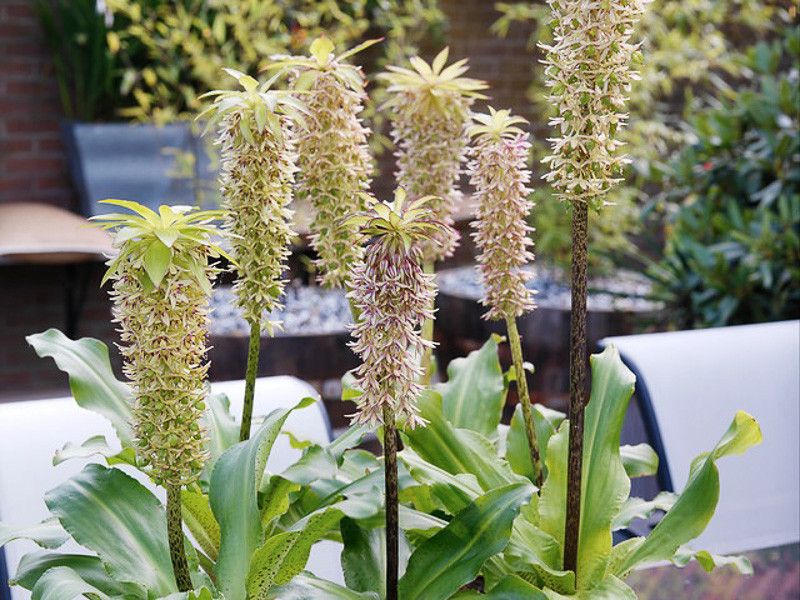
The flower spike does more than turn heads. NC State Extension’s pineapple lily profile notes that the blooms can attract insect pollinators including bees, wasps, and butterflies.
That is a genuine garden benefit, though it is worth keeping the expectation realistic: pineapple lily is not a dedicated pollinator plant, and the evidence does not support promising a hummingbird show.
A safety note deserves a clear mention. Not being in the true lily family does not make every Eucomis species safe to eat or handle carelessly.
Kew’s general information reports no known hazards for E. bicolor, while PlantZAfrica’s profile of Eucomis autumnalis specifically identifies that species’ bulb as toxic. The safest approach is to treat any unidentified bulb as something that should not be ingested, and to keep bulbs – in storage or in the ground – out of reach of children and pets.
Beyond those qualifications, the honest gardening verdict is this: pineapple lily is an attention-getting plant worth trying when the site fits and the care plan is realistic. It is not a set-it-and-forget-it novelty, and a gardener who skips the drainage assessment or plants a tender cultivar in a cold, exposed spot is likely to be disappointed.
But a gardener who chooses a suitable form, prepares a well-drained bed, and respects the seasonal cycle has a genuinely good chance of growing something that will make the whole neighborhood ask questions.
Give the pineapple lily a dry bed and a chance to surprise you
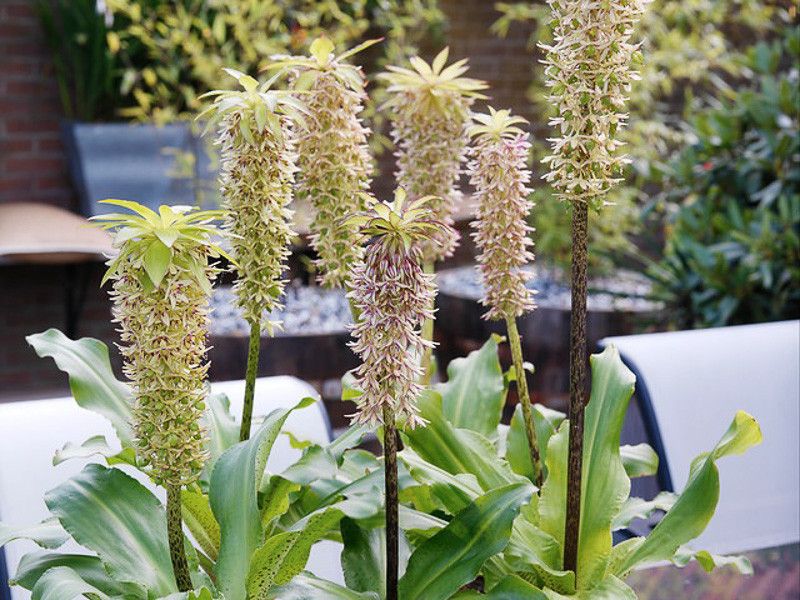
The takeaway for west-of-the-Cascades Oregon gardeners is genuinely encouraging, as long as it comes with honest conditions attached. RHS Eucomis care guidance and grower experience both point to the same conclusion: plant in spring into well-drained, sunny soil, choose a species or cultivar with a known hardiness rating, and match your winter protection strategy to your actual site and region rather than to the plant’s tropical-looking appearance.
Drainage is the deciding question, not zone number and not the exotic silhouette. Western Oregon’s maritime climate gives this bulb a seasonal rhythm it can work with, but only if the soil around it moves water away reliably through the wet months.
Treat that single condition as non-negotiable, and the rest of the care plan falls into place naturally.
An unfamiliar bulb with a well-chosen site and a realistic winter plan can produce one of the most dramatic late-summer flowers in an Oregon garden – proof that the most surprising performers are sometimes the ones nobody at the garden center mentioned.